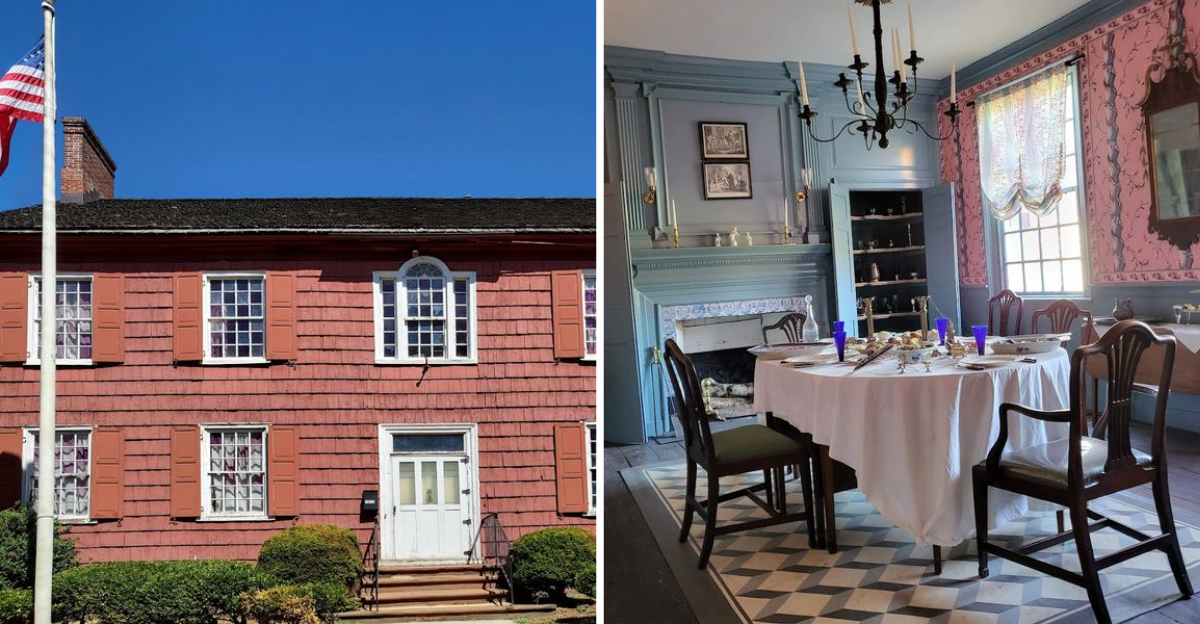
A Georgian mansion built in 1750, this New Jersey landmark once welcomed George Washington for lunch on his way to becoming the first president .
Alexander Hamilton lived here as a teen, and later, Jonathan Dayton, the youngest signer of the Constitution, called it home .
The building was nearly demolished in the 1930s, but locals fought to save it, turning it into a state-run museum that opened in 1947 .
Today, you can stand in the same rooms where founding fathers plotted the future of a nation, sandwiched between modern buildings in downtown Elizabeth .
History this good does not need a parking lot, and this house proves it.
A Georgian Gem Built in 1750
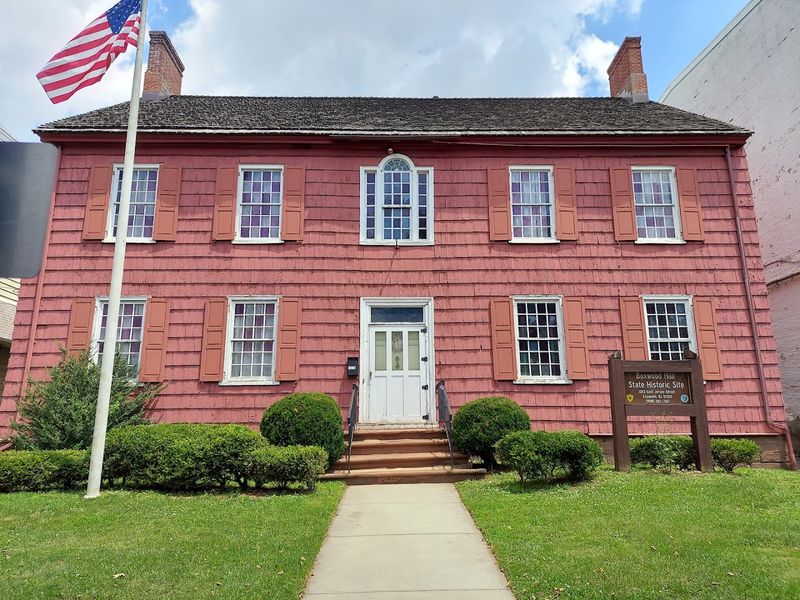
Standing outside Boxwood Hall for the first time, the Georgian architecture stops you mid-step. Built around 1750, this elegant brick mansion carries the quiet confidence of a building that knows exactly how important it is.
The symmetrical facade, the tall windows, and the classic colonial proportions make it look like something straight out of a history painting.
Georgian style was the gold standard of colonial architecture, prized for its balance and refinement. Boxwood Hall embodies all of that, right down to the careful brickwork that has somehow survived nearly three centuries.
Every detail feels intentional, from the roofline to the doorway framing.
What makes it even more remarkable is that so much of the original structure remains intact. Visiting a place this well-preserved feels less like a museum trip and more like stepping through a portal.
The building itself tells a story before you even step inside, and that story is a genuinely thrilling one.
Elias Boudinot: The Forgotten Founding Father
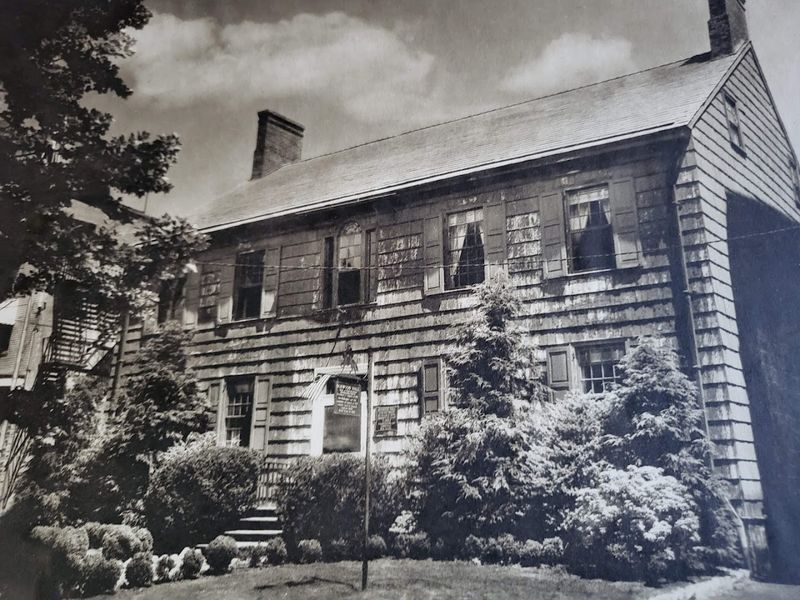
Most people can rattle off the big names of the founding era, but Elias Boudinot deserves a much brighter spotlight. He served as President of the Continental Congress and was one of the most influential political figures of his time.
Boxwood Hall was his home, and the mansion reflects the life of a man who helped steer a brand-new nation through some of its most uncertain years.
Boudinot was deeply involved in prisoner-of-war negotiations during the Revolutionary War, a role that required extraordinary diplomacy and nerve. He also signed the Treaty of Paris proclamation, which formally ended the war with Britain.
Few figures were as central to those critical early years, yet his name rarely appears in mainstream history conversations.
Visiting Boxwood Hall is partly an act of rediscovery. The rooms and artifacts connected to Boudinot bring his story back to life in a way that a textbook simply cannot replicate.
He was remarkable, and this house proves it beautifully.
Jonathan Dayton and the U.S. Constitution
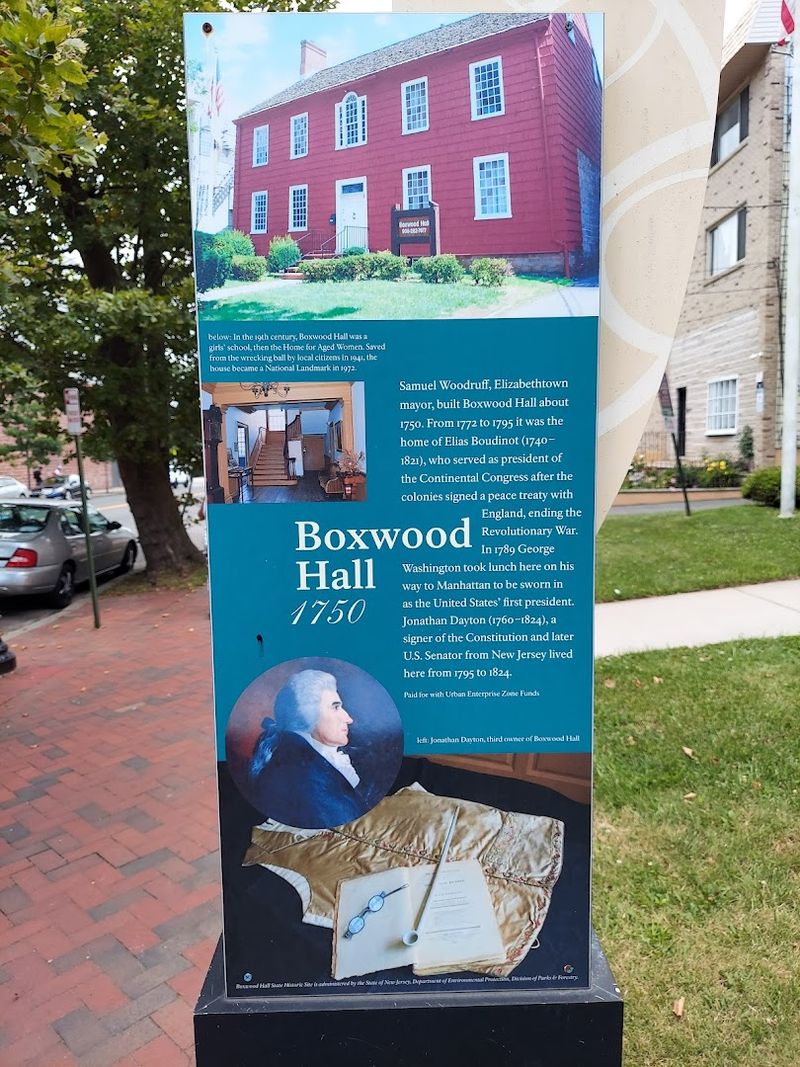
Jonathan Dayton holds a unique place in American history as the youngest person to sign the United States Constitution. He was just 26 years old when he put his name on that document, and Boxwood Hall was his home during a defining chapter of his life.
Seeing artifacts connected to him inside the mansion adds a personal dimension to what can sometimes feel like an abstract historical event.
Among the most striking items on display is Dayton’s original Masonic apron, preserved behind glass and remarkably well-maintained for something so old. It is the kind of artifact that makes history feel tangible and real rather than distant and theoretical.
You find yourself leaning in close, almost unable to believe something that old still exists in such condition.
Dayton also gave his name to Dayton, Ohio, which adds yet another layer to his legacy. Standing in the rooms where he once lived, it becomes easy to understand how one person’s choices can echo across centuries.
His story, told through this house, is genuinely gripping.
George Washington Slept Here (And That Is Not a Myth)
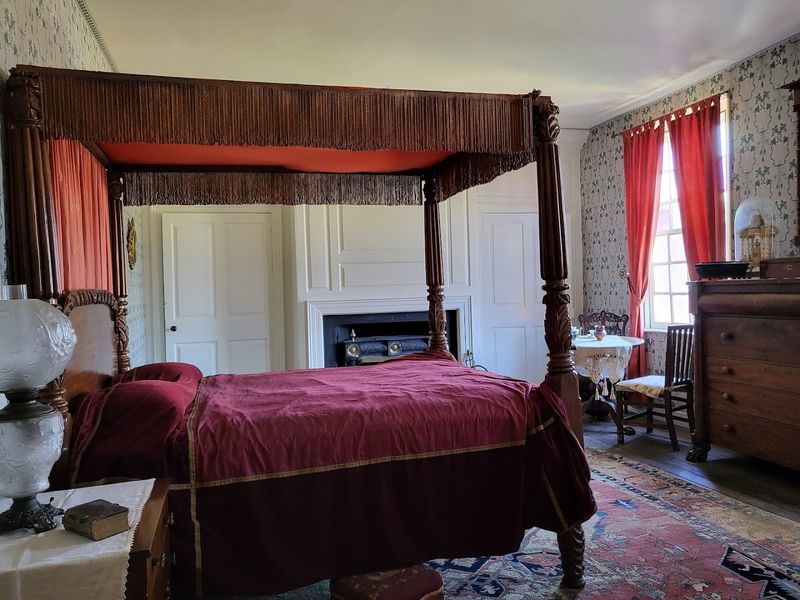
Few phrases carry as much weight in American heritage tourism as “George Washington slept here,” and at Boxwood Hall, the claim is entirely legitimate. Washington visited the mansion in 1789 on his way to his first presidential inauguration in New York City.
That single detail transforms a visit to this house into something almost ceremonial.
Imagining the first president of the United States pausing here, perhaps resting after a long journey, makes the rooms feel charged with significance. The furnishings and decor reflect the period authentically, so the mental image is not hard to conjure.
You get a genuine sense of the world Washington moved through, not just the myth of him.
What is easy to forget is how physically demanding travel was in the 18th century. Roads were rough, journeys were long, and a welcoming Georgian mansion like Boxwood Hall would have felt like genuine luxury.
Washington chose well, and the house is all the more fascinating for having hosted him during such a pivotal moment in American history.
Alexander Hamilton’s Connection to the House
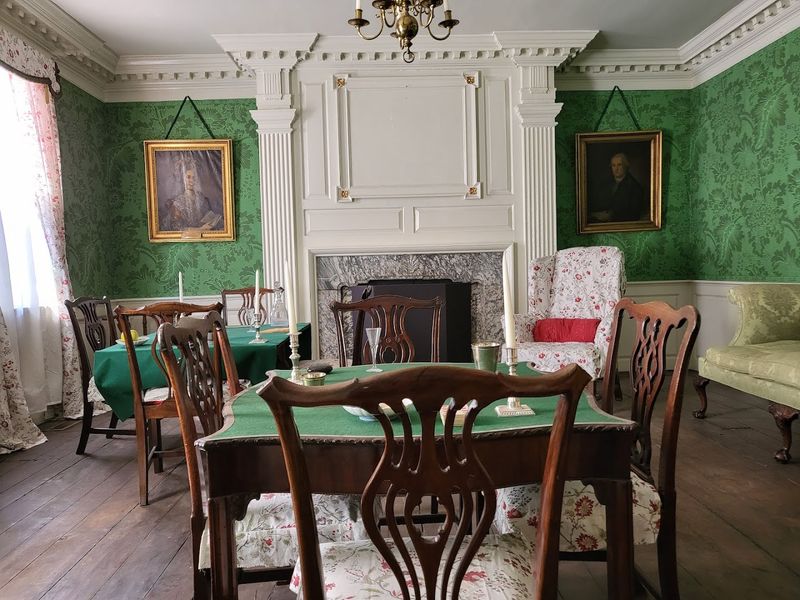
Alexander Hamilton is everywhere in popular culture right now, but long before the Broadway spotlight, his real story was quietly preserved in places like Boxwood Hall.
Hamilton had a direct connection to this house, having spent time here during a period when Elizabeth, New Jersey, was a hub of revolutionary activity.
The house serves as a physical reminder that Hamilton’s world was full of real rooms, real conversations, and real stakes.
Elizabeth was no small town in the 18th century. It was a major center of commerce and political life, and Boxwood Hall sat right in the middle of that energy.
Hamilton moved through these circles with the kind of ambition and intellect that left a mark on everyone around him.
Exploring the rooms where Hamilton once walked gives you a different kind of appreciation for his story. History books describe his rise in broad strokes, but standing in the actual spaces where it unfolded adds texture and intimacy.
It is one of those rare moments where the past feels genuinely close.
The Marquis de Lafayette’s Visit
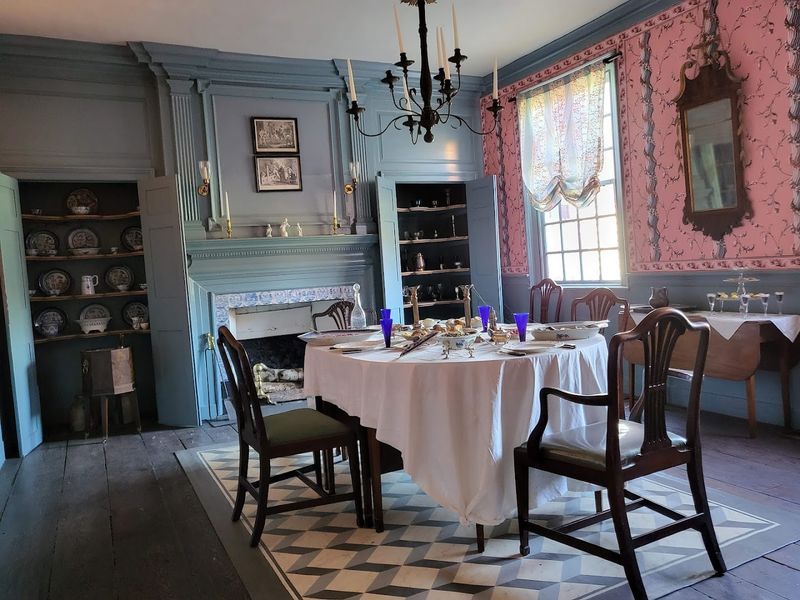
The Marquis de Lafayette was one of the most celebrated figures of the American Revolution, a young French nobleman who crossed an ocean to fight for a cause he believed in deeply.
His visit to Boxwood Hall places this New Jersey mansion firmly within the international story of American independence.
Lafayette was not just a footnote; he was a key military figure whose contributions helped turn the tide of the war.
Having Lafayette as a guest says something significant about the standing of Boxwood Hall’s owners within revolutionary society. These were not ordinary citizens hosting a neighborhood dinner.
They were central figures in the founding of a nation, entertaining one of the most famous military allies America ever had.
Learning about Lafayette’s visit during a tour of the house adds an almost cinematic quality to the experience. You can almost picture the formal greetings, the serious conversations, and the weight of history pressing down on every exchange.
It is a reminder that Boxwood Hall was not just a home; it was a stage for world-changing events.
The Guided Tours That Bring History to Life
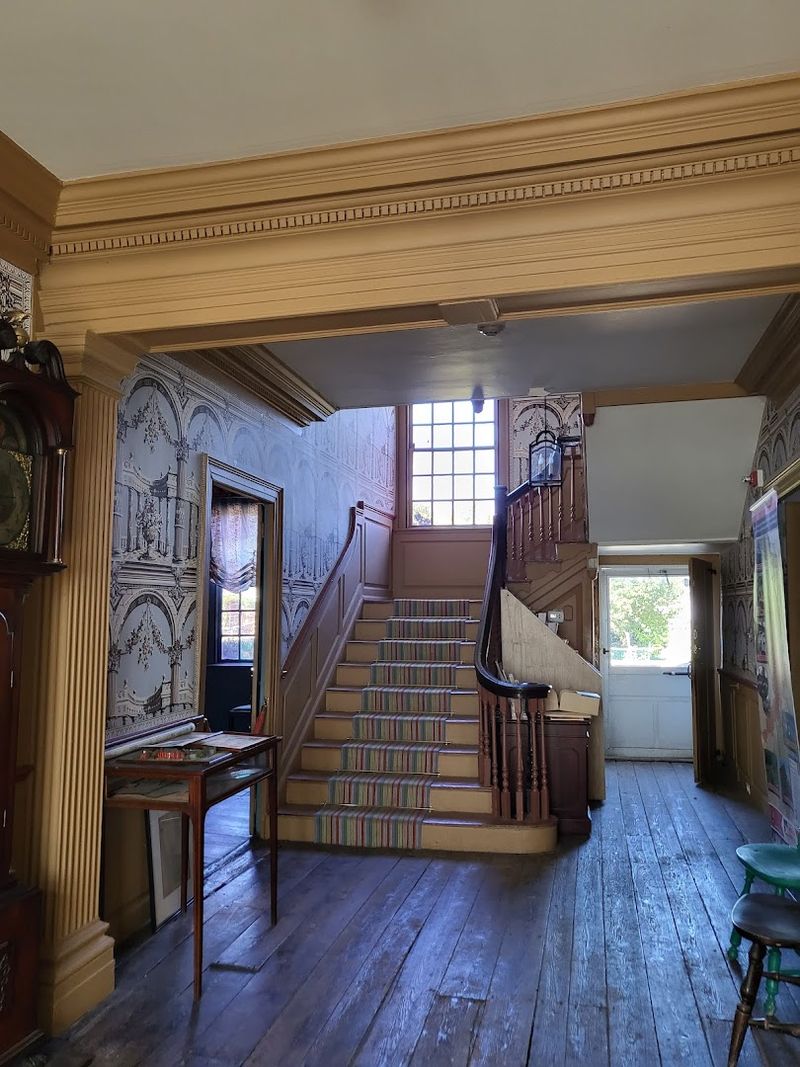
Guided tours at Boxwood Hall are the kind that make you forget you had other plans for the day. The docents who lead visitors through the house bring an encyclopedic knowledge of the site and a genuine enthusiasm for sharing it.
Each room becomes a new chapter in a story that keeps getting more interesting.
The tours cover both the first and second floors, moving through rooms that reflect different periods in the house’s history. Furnishings, portraits, and artifacts are explained in context, which makes the information stick in a way that reading a placard never quite achieves.
There is a real sense of discovery around every corner.
Visitors often find themselves lingering longer than expected, asking follow-up questions and marveling at details they almost missed. The tours typically run about an hour, which feels both substantial and perfectly paced.
Calling ahead before your visit is a smart move, as the site operates Monday through Friday from 9 AM to 5 PM, and you want to make sure someone is available to guide you through this extraordinary place.
A National Historic Landmark in an Unexpected Place
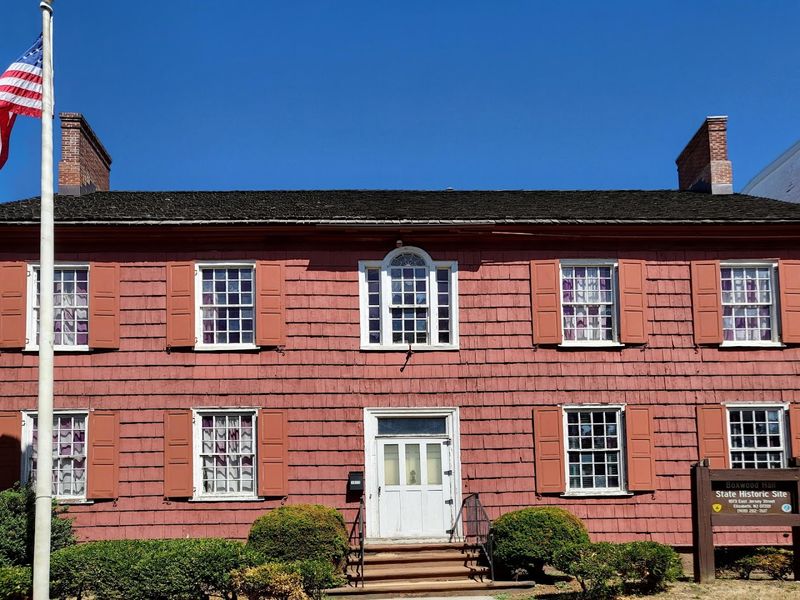
There is something wonderfully surprising about finding a National Historic Landmark tucked into the middle of a busy urban street.
The contrast between the 18th-century mansion and its modern surroundings makes the discovery feel all the more striking.
Being listed on both the National and State Registers of Historic Places is not a designation handed out lightly. Boxwood Hall earned that recognition through its architectural integrity, its extraordinary roster of historical connections, and its importance to the story of early America.
The landmark status is a formal acknowledgment of what visitors sense the moment they arrive.
Elizabeth itself is a city with deep Revolutionary War roots, and Boxwood Hall sits at the center of that heritage. Several other historic sites are located nearby, making the area a genuinely rewarding destination for anyone interested in early American history.
The mansion anchors the neighborhood’s identity in a way that feels both proud and quietly powerful.
What to Expect When You Visit Today
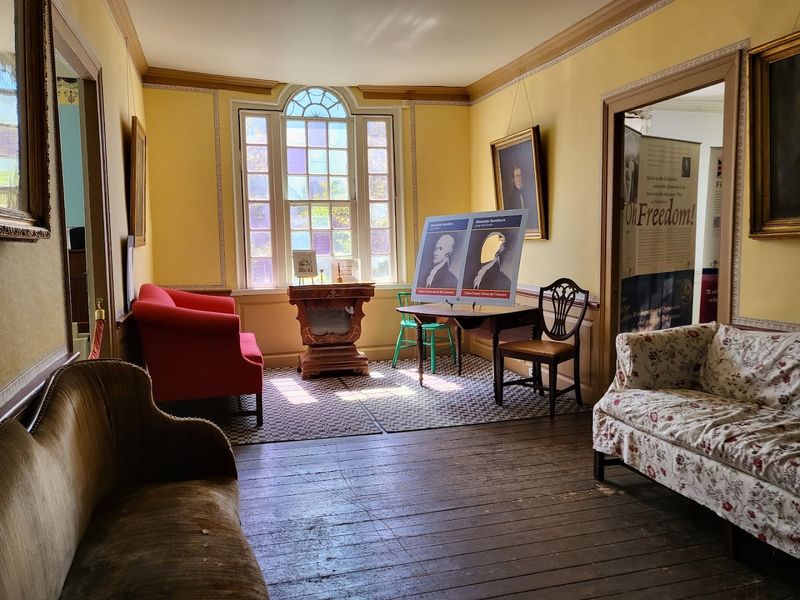
Planning a visit to Boxwood Hall is straightforward, and the experience rewards a little preparation. The site is open Monday through Friday from 9 AM to 5 PM, which makes it a great weekday destination when many other historic sites are closed.
Parking is available through a narrow alley behind the building, and the back entrance has a ramp for accessibility.
Admission is free, which makes this one of the most generous cultural offerings in the entire state. Spending an hour or so exploring the rooms, learning about the founding figures connected to the house, and soaking in the atmosphere costs nothing but your time.
That alone makes it worth putting on any New Jersey itinerary.
The site occasionally hosts special events, including archaeological digs that give visitors a rare look at what researchers are uncovering on the grounds. Those moments of live discovery add an exciting, unpredictable element to what is already a rich visit.
Address: 1073 E Jersey St, Elizabeth, NJ
