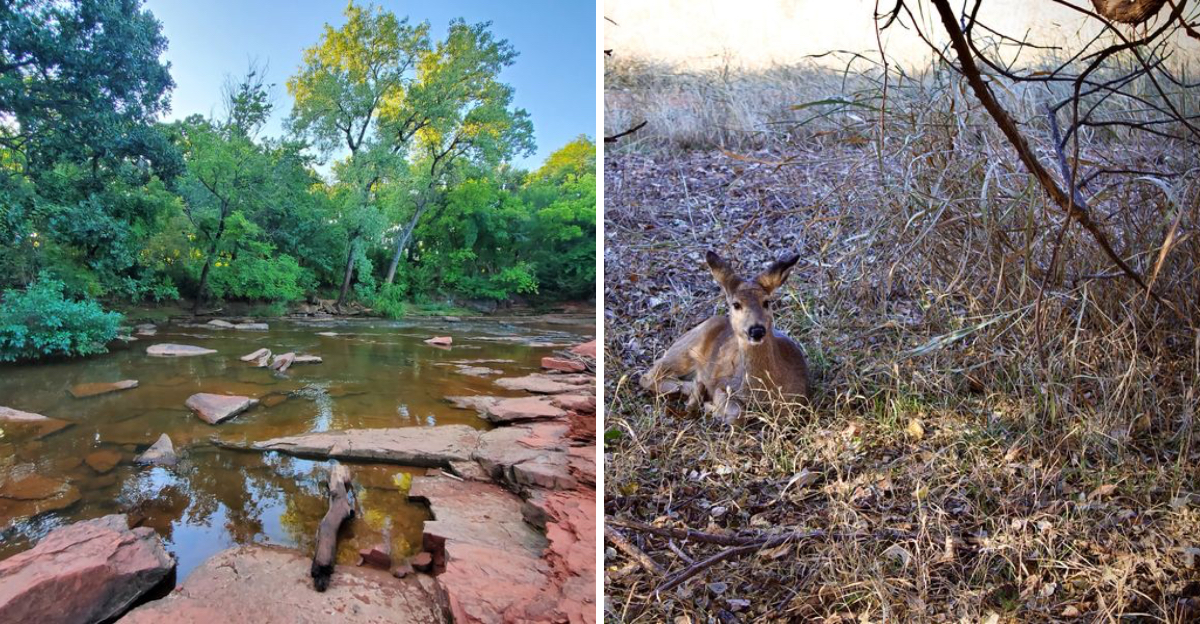
I never expected to find such a peaceful escape right in the middle of Oklahoma City. Martin Park Nature Center sits tucked away at 5000 W Memorial Road, offering visitors a surprising retreat from urban life without leaving the city limits.
The trail system winds through the woods for about 2.5 miles, plus an ADA-accessible half-mile Courage Trail that makes the park feel welcoming without losing its wild, hidden vibe.
What makes this place truly special is how accessible it is while still delivering genuine nature encounters, from deer sightings to bird watching opportunities that rival more remote locations.
The combination of well-maintained paths, educational features, and abundant wildlife has turned this Oklahoma City park into the destination everyone wants to visit in 2026. I walked these trails myself and discovered why so many people are talking about this scenic standout.
A Trail System That Welcomes Everyone
Walking into Martin Park Nature Center, I noticed immediately how thoughtfully designed the trail system is. The paths accommodate visitors of all mobility levels, making this one of the most inclusive outdoor spaces I have explored in Oklahoma.
The main trails feature smooth, well-maintained surfaces that work perfectly for wheelchairs, strollers, and anyone who prefers easier terrain. I watched families with young children navigate the paths without difficulty, and several visitors mentioned how rare it is to find nature trails this accessible.
Benches appear at regular intervals along the route, providing rest spots with beautiful views of the surrounding woodland. These seating areas serve dual purposes, offering places to catch your breath and quiet observation points for spotting wildlife.
OKC lists about 2.5 miles of woodland trails, plus the ADA-accessible Courage Trail (a half-mile route designed for easier access). You can easily extend your walk by looping back or taking different route combinations.
Trail markers and educational signs guide you along the way, explaining the ecosystem and pointing out features worth noticing. The park maintains these paths year-round, clearing debris and keeping surfaces safe for visitors.
What impressed me most was how the accessible design never compromises the natural experience, creating opportunities for everyone to connect with Oklahoma’s beautiful landscapes.
Wildlife Encounters Right Off The Highway
The proximity to Memorial Road makes Martin Park’s wildlife abundance seem almost impossible. Yet stepping onto these trails, I encountered more animals than I see at many remote wilderness areas.
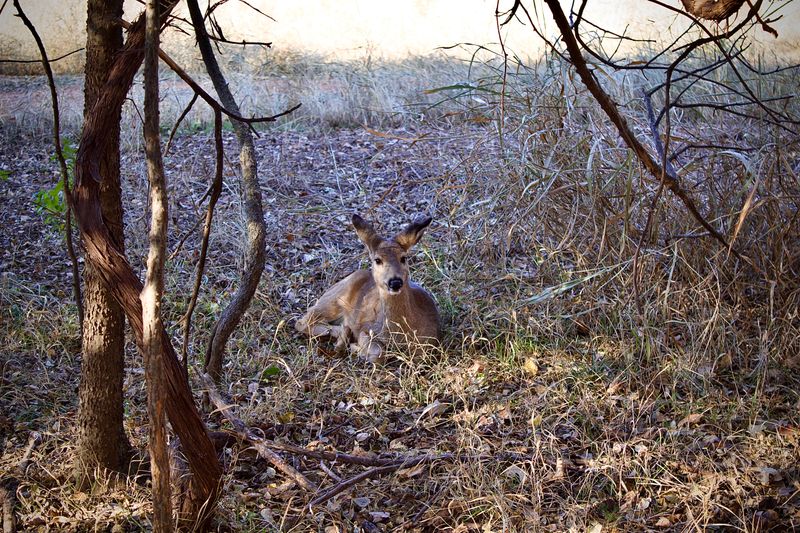
Deer are practically guaranteed sightings here. During my visit, I counted at least seven white-tailed deer browsing through the understory, completely unbothered by human presence.
They have adapted to regular visitors, creating magical moments for families and photographers alike.
Bird diversity impressed me equally. Species ranging from woodpeckers to herons make appearances throughout the day, with the bird observation area providing dedicated viewing opportunities.
Turtles bask along the water features, and if you walk quietly, you might spot them before they slide into the creek. The park’s small waterways support surprising aquatic life for an urban setting.
Reviews mention ticks as a concern, so I recommend treating clothing with appropriate repellent before your visit. This precaution lets you enjoy wildlife watching without worry.
The nature center building houses additional animal exhibits, featuring species native to Oklahoma in educational displays. Staff members share knowledge about local ecosystems and answer questions about the creatures you might encounter outdoors.
Seeing this much wildlife so close to city infrastructure reminded me why Martin Park has become such a talked-about destination.
Seasonal Transformations Worth Repeated Visits
Each season brings completely different character to Martin Park’s trails. I visited during early spring and immediately understood why people return throughout the year.
Spring arrives with wildflower displays carpeting the forest floor and prairie sections. Native blooms attract butterflies and other pollinators, creating movement and color everywhere you look.
Summer transforms the park into a shaded refuge from Oklahoma heat. The tree canopy provides natural cooling, making midday walks surprisingly comfortable when other outdoor spaces become unbearable.
Fall delivers spectacular foliage changes as deciduous trees shift through yellows, oranges, and reds. Photographers flock here during October and November, capturing family portraits against these colorful backdrops.
Winter offers its own stark beauty with bare branches revealing landscape features hidden during leafier months. Wildlife becomes easier to spot without dense undergrowth, and the trails feel more spacious.
Bird migration patterns mean different species appear depending on when you visit. Spring and fall bring travelers passing through Oklahoma, while winter residents and summer breeders rotate throughout the year.
The park’s popularity has increased during warmer months, with reviews noting crowds on pleasant weekends. Weekday mornings or cooler season visits provide more solitude if you prefer quieter nature experiences.
Photography Opportunities Around Every Bend
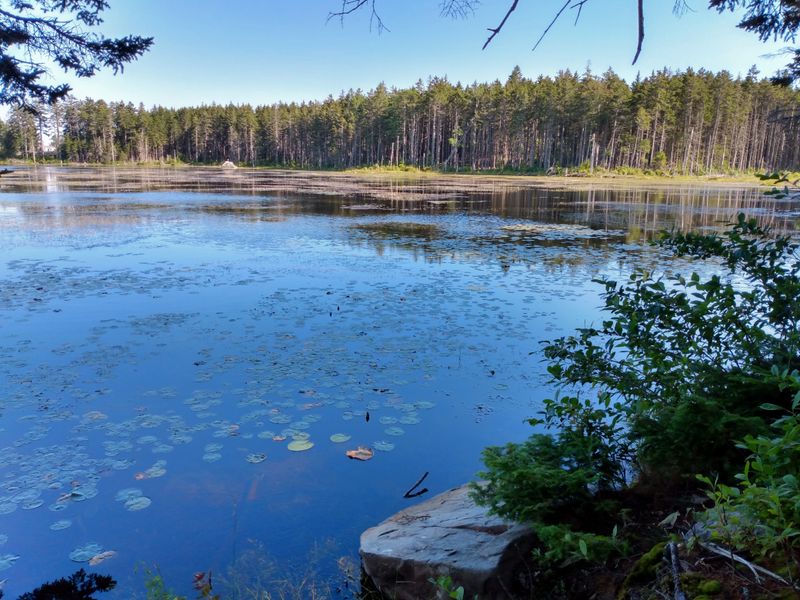
Martin Park has become an unexpected hotspot for photographers of all skill levels. During my walk, I encountered people shooting everything from professional engagement sessions to casual nature snapshots.
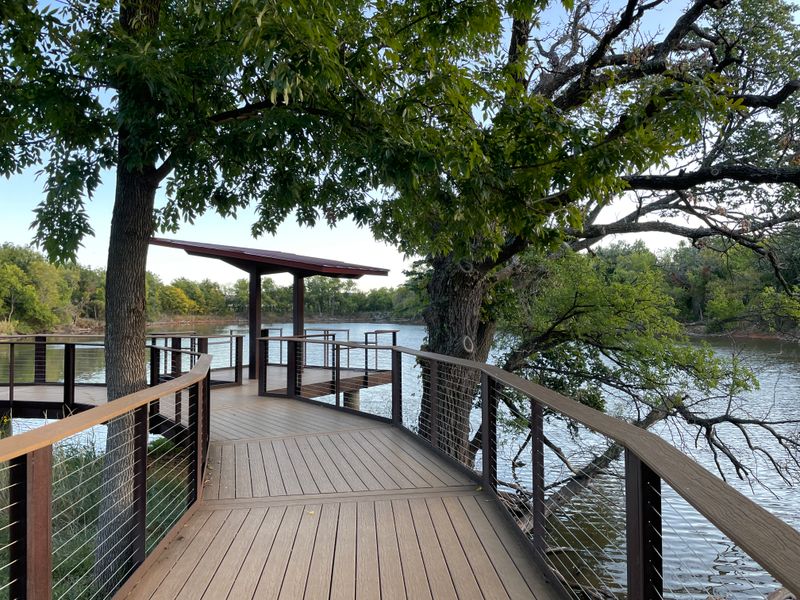
The wooden bridge stands out as the most photographed feature in the park. This elevated structure spans a creek area, providing unique perspectives of the surrounding forest and water below.
Families love stopping here for group photos.
Creek and pond areas offer reflection opportunities when water levels cooperate and wind stays calm. Early morning visits often provide the best conditions for mirror-like water surfaces.
Wildlife photography thrives here because animals have grown accustomed to human presence. Deer allow closer approaches than in wilder settings, though I always maintained respectful distances.
The bird observation blind gives photographers concealment for capturing shy species without disturbing them. Patient visitors can spend hours here waiting for perfect shots.
Seasonal changes create constantly rotating backdrops. Spring flowers, summer greenery, fall colors, and winter structures each offer distinct visual appeal worth documenting.
Natural lighting filters beautifully through the tree canopy, creating dramatic effects photographers call “god rays” when conditions align. Late afternoon often produces the most striking light quality.
The park’s free admission makes it accessible for practicing photography skills without financial pressure, encouraging creativity and repeated experimentation.
Family-Friendly Features Beyond The Trails

Martin Park offers more than just walking paths. The playground area gives younger children active play opportunities after completing trail walks that might not hold their attention for extended periods.
Picnic facilities include tables and open grassy spaces perfect for spreading blankets and enjoying outdoor meals. Several families I observed had packed lunches, making full afternoons of their visits.
The playground equipment blends with the natural setting rather than looking out of place. This thoughtful design maintains the park’s overall aesthetic while providing kid-friendly amenities.
Educational programs run periodically through the nature center, offering guided walks and special presentations. Checking the park’s website before visiting might reveal scheduled activities that enhance your experience.
The combination of easy trails, wildlife sightings, playground time, and picnic opportunities creates full family outings without requiring multiple locations. Everything needed for several hours of entertainment exists within this compact area.
One important note: pets are strictly prohibited, except ADA service animals. This policy protects wildlife and maintains the calm atmosphere, but it surprises visitors who expect to bring pets along.
The park’s location in a residential area means easy access without long drives to remote wilderness. This convenience factor makes spontaneous visits realistic for Oklahoma City families.
The Courage Trail And Bird Observation Area
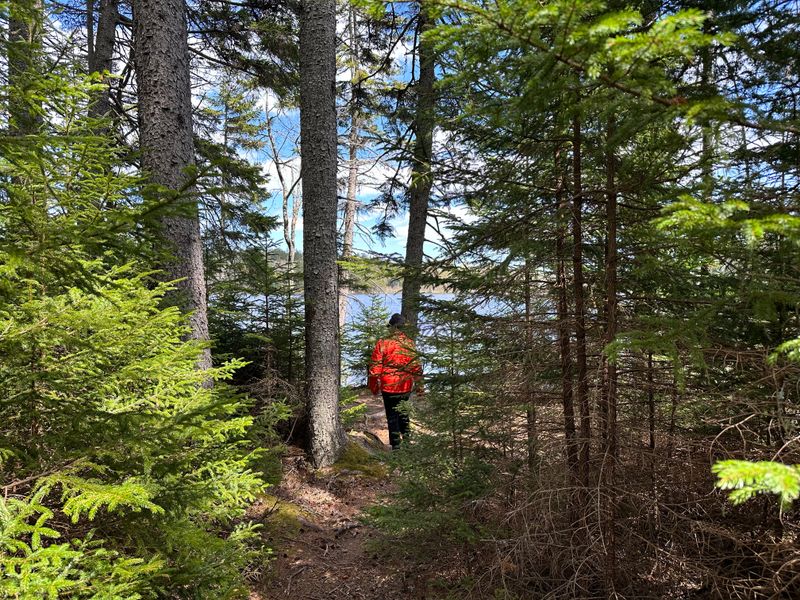
The Courage Trail section leads to one of Martin Park’s most rewarding features. This pathway connects to a dedicated bird observation area that transforms casual walkers into enthusiastic birders.
The observation structure provides shelter while offering clear views of wetland habitat where numerous species feed and rest. I spent twenty minutes here and identified six different bird types without particularly trying.
Herons appear frequently in the shallow water areas, standing motionless while hunting. Their patience and sudden strikes create entertaining viewing for visitors of all ages.
Songbirds flit through surrounding vegetation, their calls creating a natural soundtrack. Spring migration brings temporary visitors passing through Oklahoma on their way to northern breeding grounds.
Educational signage helps identify common species and explains their behaviors and ecological roles. These interpretive elements turn simple observation into learning experiences.
The trail name “Courage” comes from the park’s educational focus on character development through nature connection. Various trails emphasize different values, adding thematic depth to physical exploration.
Benches within the observation area let you settle in for extended watching sessions. Bringing binoculars enhances the experience, though many birds come close enough for naked-eye viewing.
This dedicated wildlife viewing infrastructure sets Martin Park apart from basic walking trails, creating specialized experiences that keep visitors returning to discover new species.
Water Features And Creek Ecosystems

Water brings life to Martin Park’s ecosystems. Several creek areas wind through the property, creating habitat diversity that supports species needing aquatic environments.
The main creek features moving water that creates soothing sounds throughout your walk. I found these areas particularly peaceful, perfect for sitting on nearby benches and simply listening.
Turtles populate these waterways in impressive numbers. During warmer months, you will spot them basking on logs and rocks, sometimes stacked several deep in popular sunny spots.
Recent signage warns against water contact due to contamination concerns. While disappointing, the park’s transparency about water quality issues demonstrates responsible management and visitor care.
Despite contact restrictions, the creek remains valuable for observation and photography. Reflections, flowing water effects, and the wildlife it attracts create beautiful scenes worth experiencing visually.
Small waterfalls and rapids appear where the creek flows over rocks and elevation changes. These features add visual and auditory interest to what could be simple woodland paths.
The riparian vegetation along creek banks differs from upland plant communities, creating distinct zones within the park. This diversity supports different animal species and adds educational value.
Seasonal water level changes transform these features throughout the year, making familiar spots look completely different depending on recent rainfall patterns.
Prairie And Woodland Habitat Diversity

Martin Park protects both prairie and woodland ecosystems within its compact boundaries. This habitat diversity creates richer wildlife viewing and more interesting walks than single-environment parks offer.
The prairie sections showcase native grasses and wildflowers adapted to Oklahoma’s climate. These open areas contrast beautifully with forested portions, providing landscape variety that prevents visual monotony.
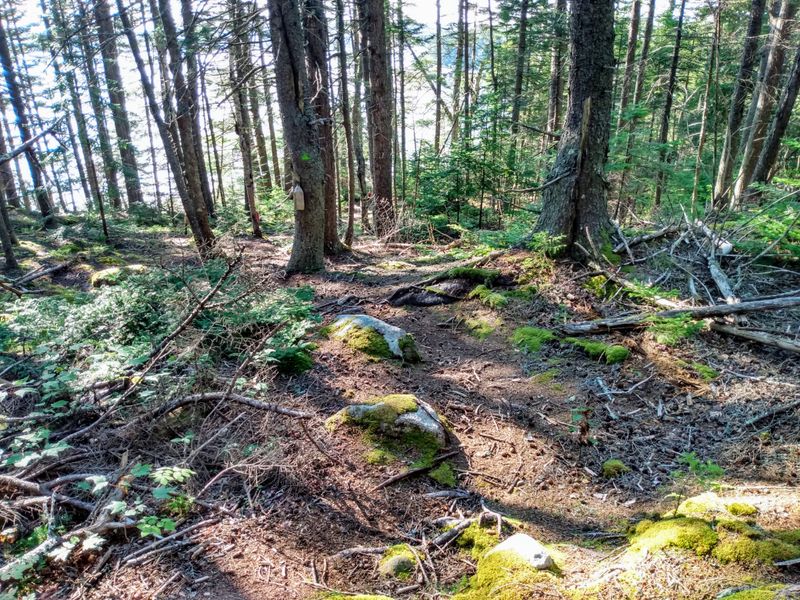
Woodland trails wind through mature trees creating shaded corridors. The forest canopy supports different bird species than open areas, increasing the total diversity you might encounter.
Transitional edges where prairie meets forest create particularly productive wildlife habitat. Animals use these zones for feeding, shelter, and movement between ecosystem types.
Educational signage explains how different plant communities support different animal species. Understanding these relationships adds depth to simple observation, revealing the complex web connecting all living things.
The park’s management maintains both habitat types through appropriate practices. Prairie areas need periodic disturbance to prevent tree encroachment, while forests benefit from dead wood retention that supports insects and cavity-nesting birds.
Seasonal changes affect these habitats differently. Prairie grasses turn golden in fall while remaining green understory plants color the woodland floor, creating temporal variety alongside spatial diversity.
This ecological complexity within a relatively small area makes Martin Park an excellent outdoor classroom for learning about Oklahoma’s natural heritage.
Why This Trail Stands Out In 2026
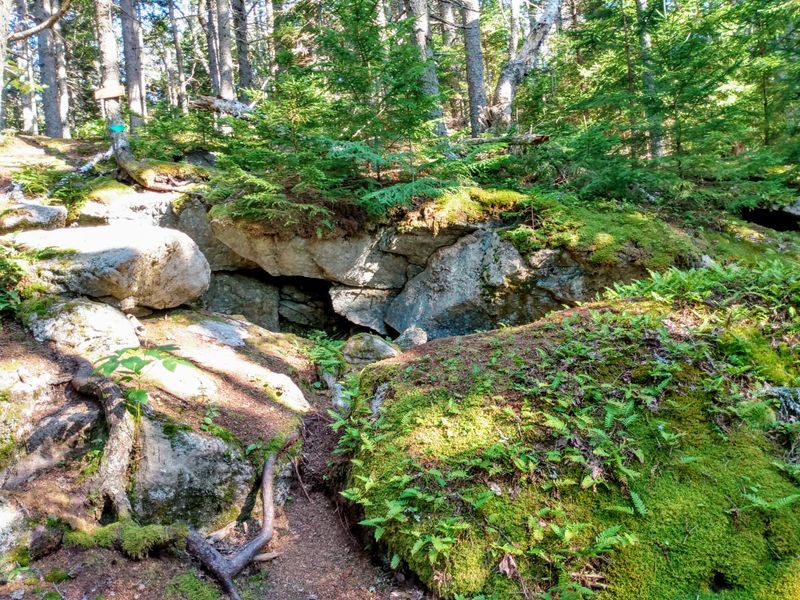
Several factors explain Martin Park’s surge in popularity during 2026. The combination of accessibility, wildlife abundance, and educational value creates an experience hard to match elsewhere in Oklahoma City.
Urban dwellers increasingly seek nature connection without extensive travel. Martin Park delivers authentic outdoor experiences within city limits, meeting this growing demand perfectly.
The park’s inclusive design welcomes visitors regardless of physical ability. This accessibility opens nature experiences to people often excluded from more rugged wilderness areas.
Free admission removes financial barriers that prevent some families from accessing outdoor recreation. In an era of rising costs, this matters tremendously.
Social media has amplified the park’s visibility. Beautiful photos shared online inspire others to visit, creating positive feedback loops of discovery and sharing.
Strong ratings and a high volume of reviews have helped build trust, turning word-of-mouth into a steady stream of first-time visitors.
Educational programming adds value beyond simple recreation. Families appreciate opportunities for children to learn while playing outdoors.
The park’s compact size feels manageable rather than overwhelming. Visitors can experience the full trail system in a single visit without requiring full-day commitments.
Wildlife habituation to human presence creates reliable animal encounters. Seeing deer and birds consistently exceeds the uncertain wildlife viewing at many locations.
These elements combine into something special that resonates with 2026’s outdoor recreation trends.
Dear Reader: This page may contain affiliate links which may earn a commission if you click through and make a purchase. Our independent journalism is not influenced by any advertiser or commercial initiative unless it is clearly marked as sponsored content. As travel products change, please be sure to reconfirm all details and stay up to date with current events to ensure a safe and successful trip.
