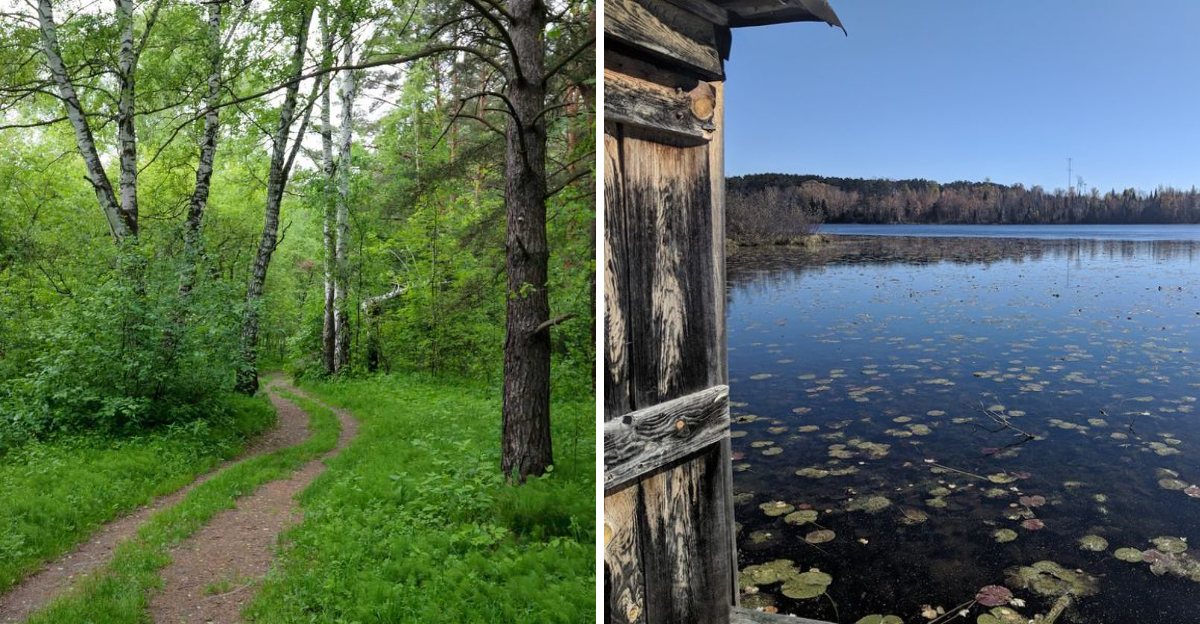
You have done the lake hikes and the river walks. This one is completely different.
The trail takes you through a forest that feels almost too quiet at first. Then you start noticing the signs.
Little markers that tell you what the land used to look like decades ago. You are walking through a living before and after picture.
Some parts are thick with new growth. Other parts show exactly what happens when nature is left to heal.
It is part hike, part history lesson, and surprisingly emotional. Only three miles, so you do not need to be a hardcore athlete.
But you will think about it long after you finish.
A Trail That Teaches You While You Walk
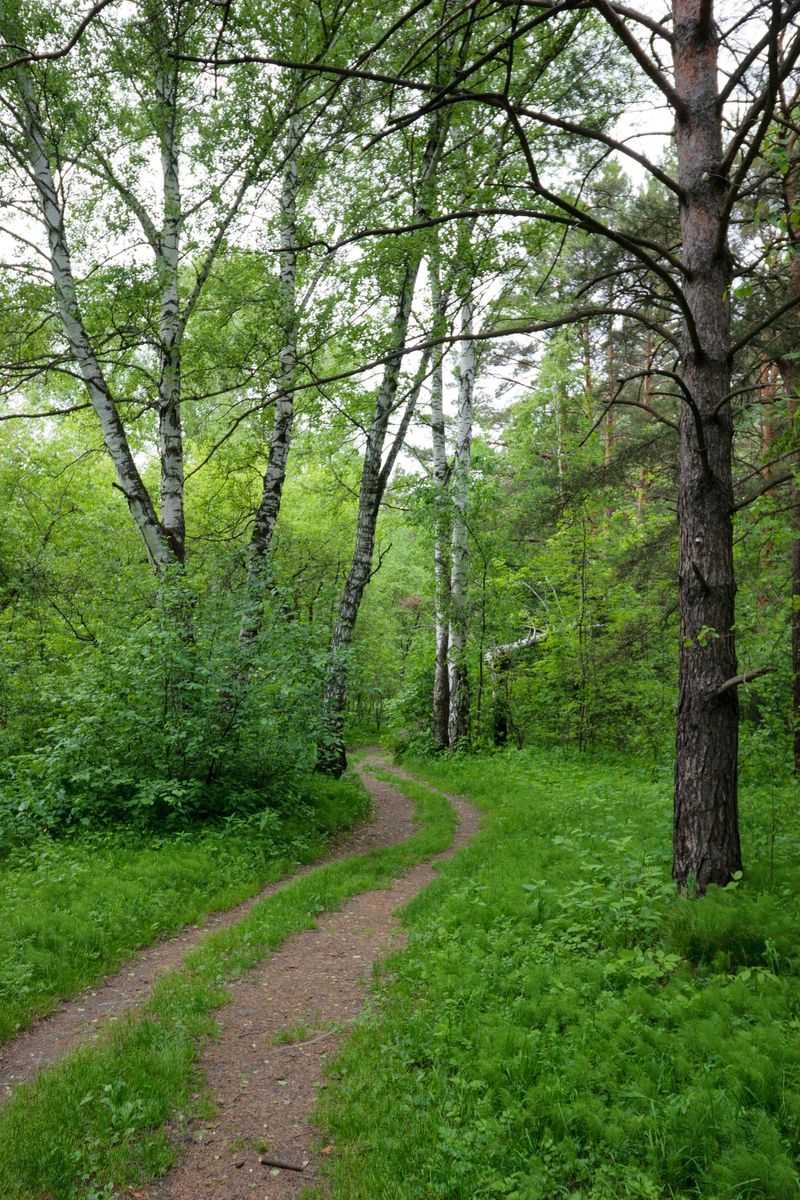
Most trails ask nothing of you except to keep moving. The Forest of Today Trail is different.
It was designed to help visitors understand how Minnesota’s forests actually work, from the soil up to the canopy.
Interpretive signs appear at thoughtful intervals. They explain tree species, forest layers, and ecological processes in plain, friendly language.
I found myself stopping more than walking. Each sign pulled me deeper into curiosity about things I had walked past my whole life.
The trail covers roughly 3 miles of varied terrain. It loops through multiple forest types, giving you a real sense of the diversity packed into this one site.
Kids especially seem to love the hands-on feel of the experience. Adults leave with a genuine appreciation for how complex a forest really is.
It is educational without ever feeling like homework, and that balance is genuinely rare to find on a hiking trail anywhere in Minnesota.
Old Growth Giants Line the Path
Standing next to a centuries-old white pine puts your whole life in perspective. Some of the trees along this trail have been growing since before the United States existed as a country.
The sheer size of these old growth specimens is hard to prepare for. Their trunks are wide, deeply furrowed, and almost sculptural in the way they rise from the forest floor.
I stretched my arms around one and still could not reach halfway. The Forest History Center has preserved these giants as part of its mission to show visitors what Minnesota’s pre-logging forests once looked like.
It is a rare and humbling sight in a state where so much of the original forest was cleared. Walking among these trees feels quiet in a way that is hard to describe.
The canopy filters the light into something softer and cooler.
It is the kind of place that makes you slow down without anyone telling you to.
Bog Boardwalks and Wetland Wonders
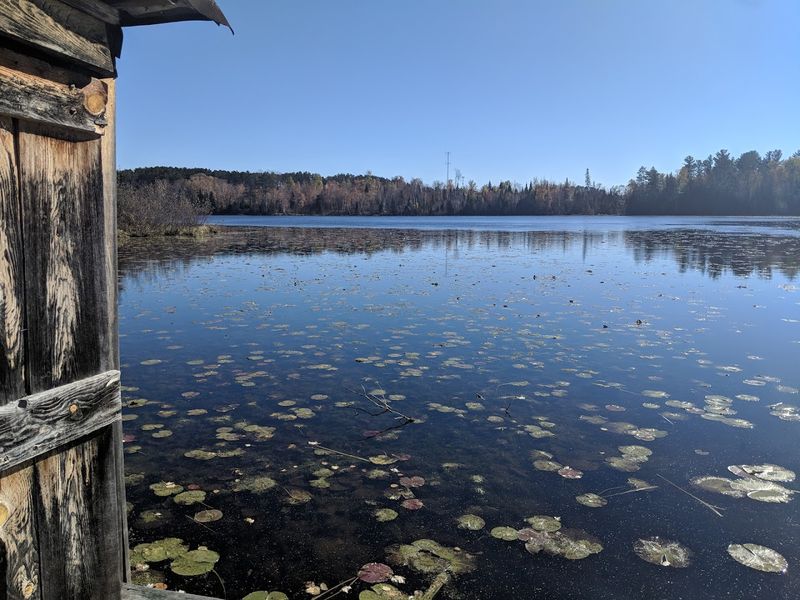
Bogs are mysterious places. The water is dark, the ground sponges under your feet, and strange plants grow where almost nothing else can survive.
The Forest of Today Trail takes you right through one on a raised boardwalk. That elevated path lets you peer down into the sphagnum moss and spot carnivorous pitcher plants clinging to the wet edges.
I had never seen a pitcher plant outside of a textbook before this visit. Seeing one in its actual habitat, surrounded by tamarack trees and the smell of peat, was genuinely exciting.
Bogs form over thousands of years and store enormous amounts of carbon. The interpretive signs explain this process without overwhelming you.
The boardwalk section is short but memorable, and it is one of the most photographed spots on the entire trail.
Even on a grey day, the bog has a moody, almost cinematic quality that makes it feel unlike anywhere else in the state.
The Second Growth Forest Story
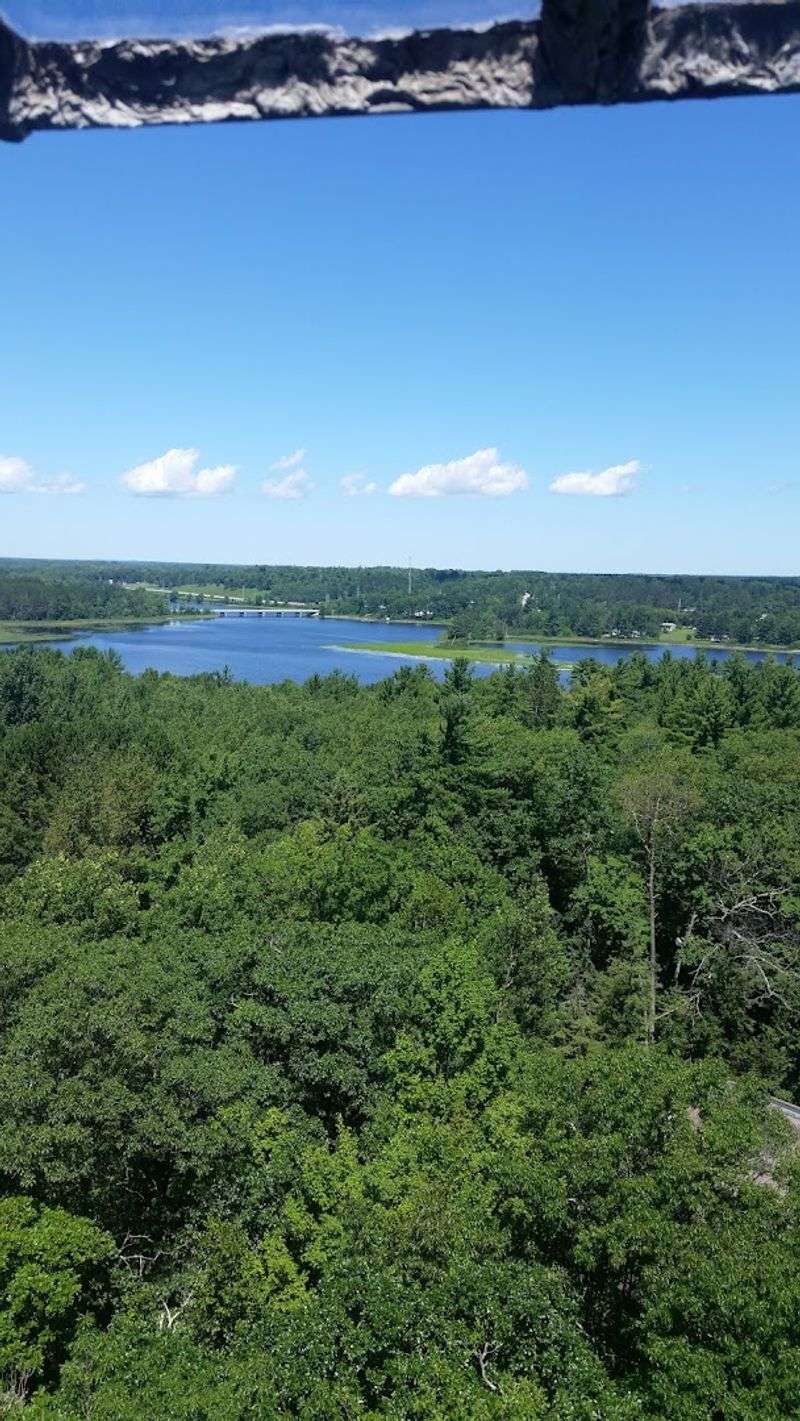
Not every part of this trail looks ancient. Some sections feel younger, more crowded, and full of slender trees competing for light.
That contrast is completely intentional.
The trail passes through second growth forest, areas that were logged in the early 1900s and have been regrowing ever since. Seeing both old growth and second growth side by side is one of the most powerful parts of the experience.
The difference is striking. Second growth forest is denser, with more shrubs and undergrowth filling the gaps between trees.
Birch and aspen dominate here rather than the towering white pines. Interpretive signs explain how the forest has recovered and what it still needs to fully regenerate.
It is a story of resilience, but also of the long timeline that real ecological recovery requires. I appreciated that the trail does not shy away from showing the impact of logging.
Honesty about history makes the walk feel more meaningful and grounded in real Minnesota experience.
Wildlife Encounters Along the Way
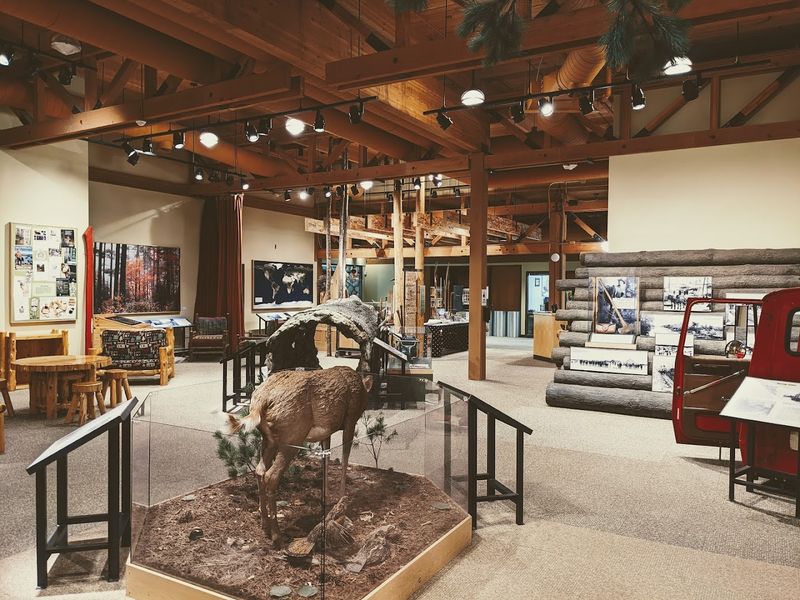
Something moves in the brush just ahead. You freeze, hold your breath, and then a white-tailed deer steps out and looks straight at you before disappearing into the trees.
Moments like that happen regularly on the Forest of Today Trail. The site sits within a protected natural area, and wildlife moves through it freely.
I spotted a pileated woodpecker drilling into a dead snag just off the path.
The bird was enormous, almost prehistoric-looking, with that brilliant red crest catching the light. Squirrels, chipmunks, and various songbirds are constant companions throughout the walk.
The trail is quiet enough that animals do not always scatter before you arrive. That stillness is part of what makes the experience feel so different from busier parks.
Dogs are welcome on the trails but must stay on a leash, which helps protect the wildlife and keeps encounters calm.
Going early in the morning gives you the best chance of seeing something truly memorable out there.
The 100-Foot Fire Tower View
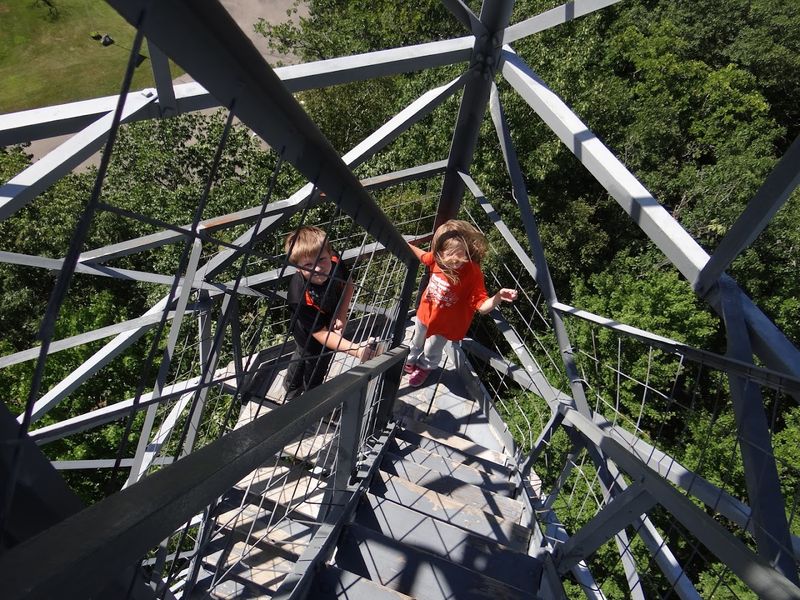
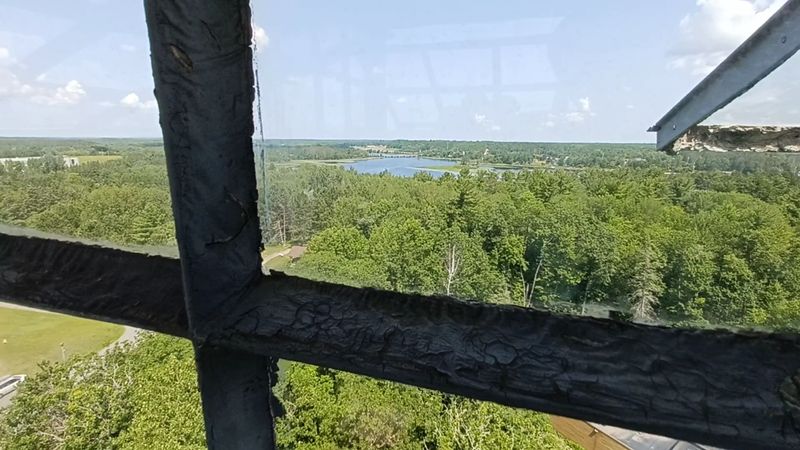
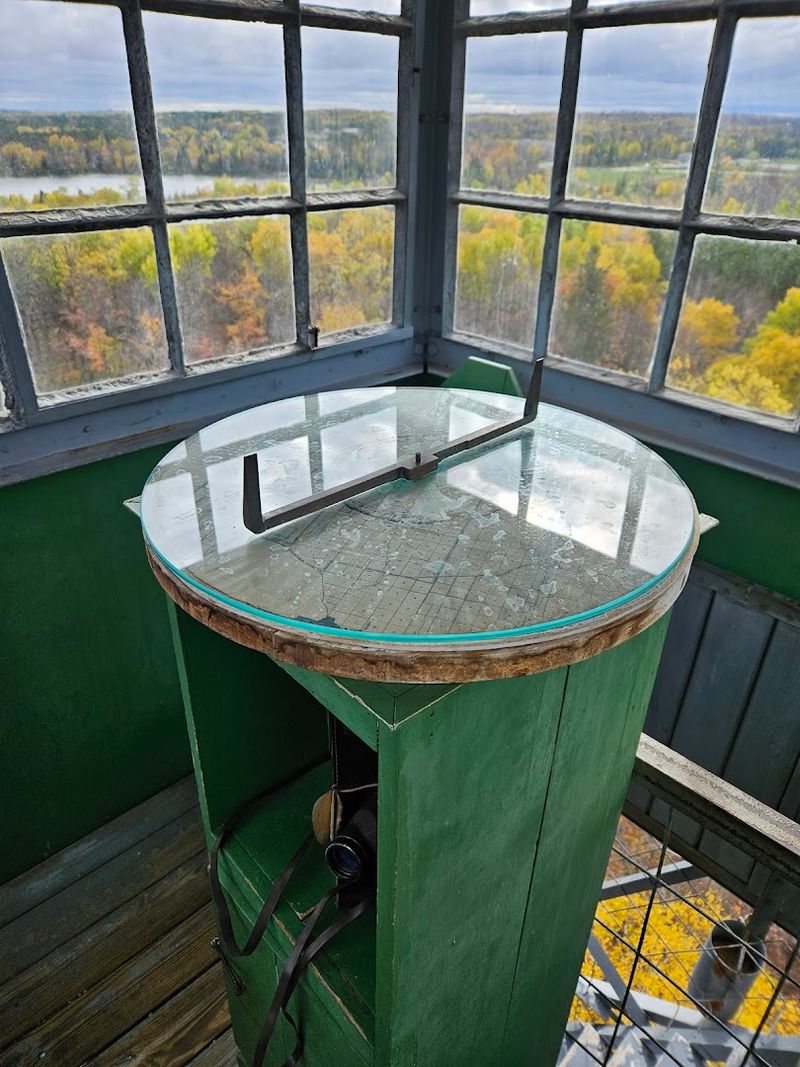
The fire tower is not technically part of the trail, but it connects to the whole experience in a way that feels essential. Climbing it gives you a bird’s-eye view of the exact forest you just walked through.
Standing at the top of a 100-foot tower changes how you understand the landscape below. The tree canopy stretches out in every direction, broken only by the distant glint of water and the faint line of the horizon.
My legs were shaky on the open metal stairs, but the view at the top was absolutely worth it. You can see how the forest types shift across the land, patchworks of darker pine mixed with lighter birch and aspen.
Fire towers like this one were once used by lookouts to spot wildfires before they spread. The history behind the structure adds another layer to what you see from the top.
Closed-toe shoes are strongly recommended if you plan to make the climb.
Forest Layers Explained Up Close
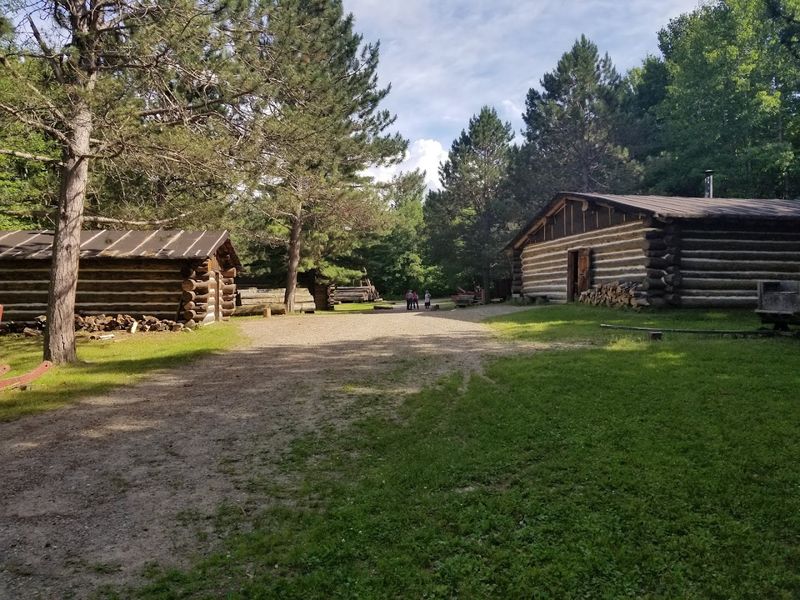
A forest is not just trees. It is a layered system, and the Forest of Today Trail breaks that system down in a way that actually makes sense even if you have never studied ecology before.
The canopy layer, the understory, the shrub layer, the herb layer, and the forest floor each get their own attention along the path. Signs point out specific plants at each level and explain their role in the system.
I crouched down at one point to look at the moss layer and realized I had never actually paid attention to it before. Tiny ferns, shelf fungi, and seedlings were all doing their own quiet work just inches from my boots.
The trail makes you notice things you would normally walk right past. That shift in attention is one of its greatest gifts.
Once you start seeing the layers, you cannot stop noticing them, and every future walk in the woods becomes a little richer because of it.
Seasonal Changes Make Every Visit Different
Visiting the Forest of Today Trail in summer is one experience. Coming back in autumn is something else entirely.
The birch and aspen turn gold, and the forest feels almost electric with color.
Spring brings a carpet of wildflowers to the forest floor before the canopy fills in and blocks the light. Each season reveals a different version of the same trail, and that is genuinely exciting to think about.
Winter visits have their own quiet magic too. Snow settles on the branches of the conifers, and the bare hardwoods reveal the structure of the forest in a way summer never allows.
The interpretive signs stay up year-round, so the educational experience does not disappear when the season changes. I have heard from people who visit multiple times a year just to track how the forest shifts.
That kind of repeat draw is rare for a trail this short.
Three miles can hold a surprising amount of discovery when the environment around you keeps changing.
Connecting the Trail to Minnesota Logging History
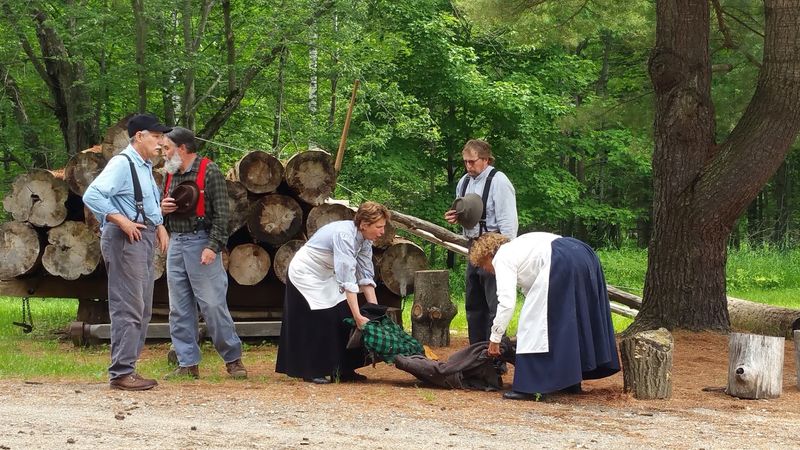
The Forest of Today Trail does not exist in isolation. It sits within the broader Forest History Center site, which includes a fully recreated 1900s logging camp just a short walk away.
After finishing the trail, stepping into that logging camp puts the forest itself in a whole new context. You see the tools used to fell those giant pines.
You understand the scale of what was taken.
Costumed interpreters work the camp in character, explaining the daily life of a 19th-century logger with real detail and obvious enthusiasm. The connection between the trail and the camp creates a complete story arc that few other sites can match.
Walking through the living forest and then seeing how it was once stripped away is a genuinely emotional experience. It is not heavy-handed or preachy.
The site simply lets the contrast speak for itself, and that restraint makes the message land harder.
The Forest of Today Trail earns its name in a very specific way once you understand that history.
Planning Your Visit to the Forest History Center
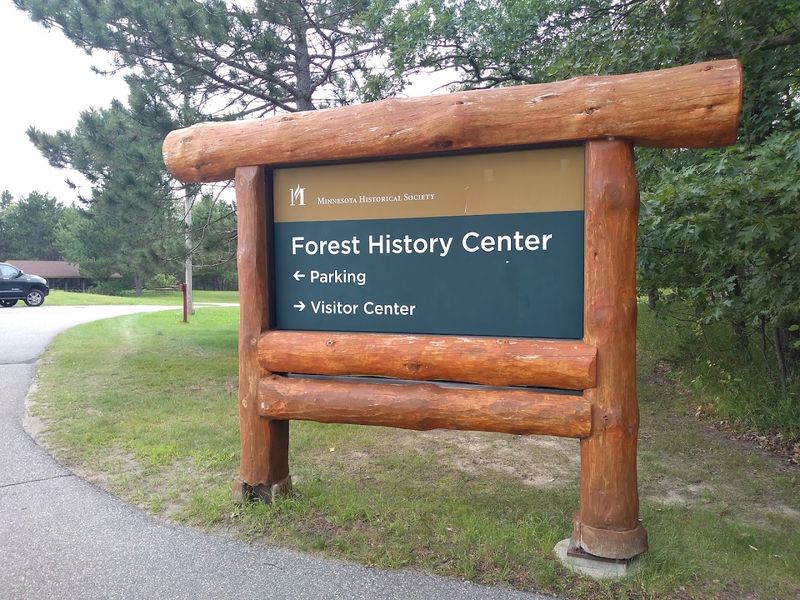
Getting the most out of this trail takes a little planning. The Forest History Center is open on Saturdays from 10 AM to 4 PM, so timing your visit matters more here than at most parks.
The trail itself is accessible from a separate trailhead outside the museum gates, which means you can hike it even outside of operating hours. Dogs are welcome on the trails as long as they stay on a leash.
Wear comfortable shoes with good grip, especially if you plan to climb the fire tower. The terrain on the trail varies from packed gravel to softer woodland paths that can get muddy after rain.
Bringing water and a light jacket is always smart in northern Minnesota, where the weather can shift quickly. The Forest History Center is located at 2609 Co Rd 76 in Grand Rapids, and the staff there are genuinely knowledgeable and welcoming.
