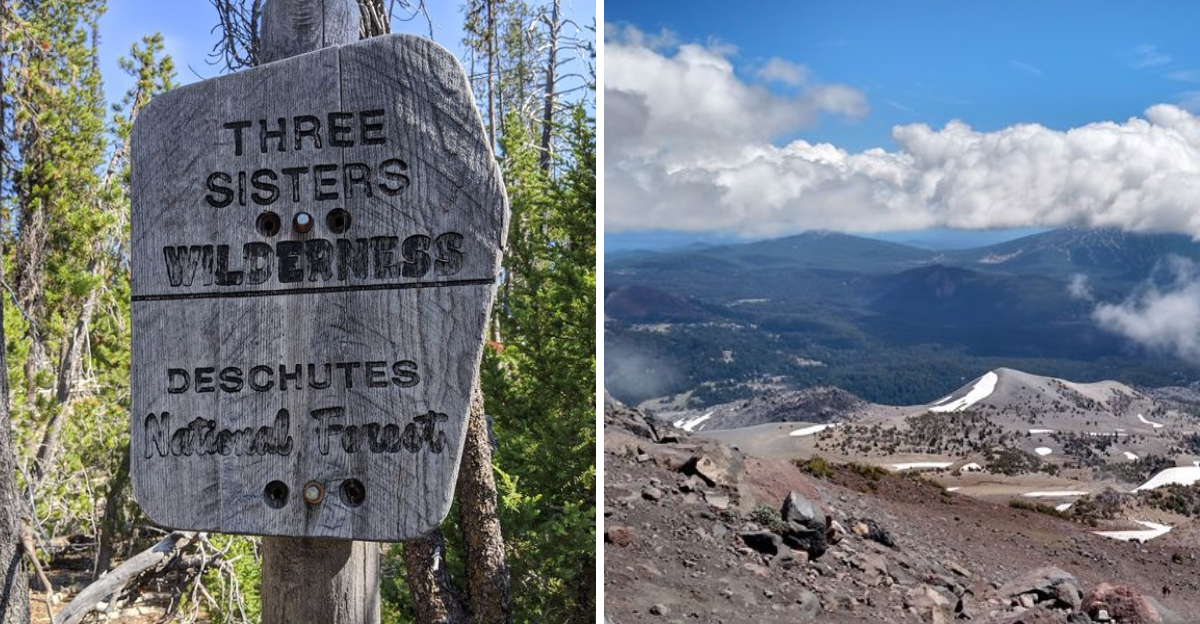
I’d been hearing whispers about the Three Sisters Loop for years before I finally laced up my boots and hit the trail. Every backpacker I knew who’d completed this legendary 40-50 mile circuit through Oregon’s Central Cascades came back with the same starry-eyed expression and a camera roll bursting with jaw-dropping scenery.
When I finally stood at the trailhead, pack loaded and permit in hand, I understood why this route has earned its reputation as one of the Pacific Northwest’s most spectacular multi-day adventures.
The loop winds through ancient forests, across volcanic lava fields, past mirror-still alpine lakes, and beneath three towering volcanic peaks that dominate the skyline.
River valleys carve through the wilderness, creating those epic water views that make every uphill slog worthwhile. Whether you’re an experienced backpacker looking for your next challenge or someone ready to level up from day hikes, the Three Sisters Loop delivers an unforgettable journey through some of Oregon’s wildest and most beautiful terrain.
Three Majestic Peaks Dominate the Skyline
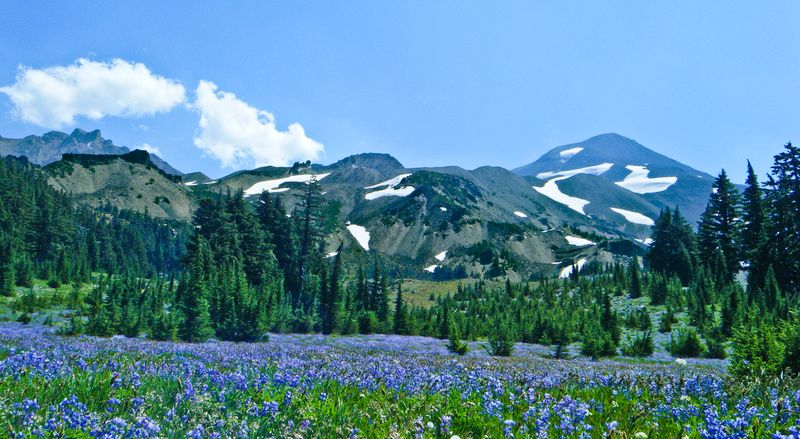
Standing beneath these three volcanic giants feels like stepping into a landscape painting that somehow came to life around you. North Sister, Middle Sister, and South Sister tower above the wilderness at over 10,000 feet each, their snow-capped summits visible from nearly every section of the loop trail.
I found myself constantly craning my neck upward as I hiked, watching how the light changed across their rocky faces throughout the day. Morning sun painted them in soft pinks and golds, while afternoon shadows carved dramatic lines down their steep flanks.
The sisters aren’t identical triplets either. North Sister shows its age with heavily eroded features and exposed rock, while South Sister maintains a more symmetrical volcanic cone shape that beckons climbers.
Middle Sister sits between them, a bit shyer but equally impressive.
These peaks aren’t just pretty scenery. They’re active volcanic mountains with glaciers clinging to their upper slopes, reminding you that this landscape is still very much alive and changing.
The Pacific Crest Trail Connection Adds Prestige
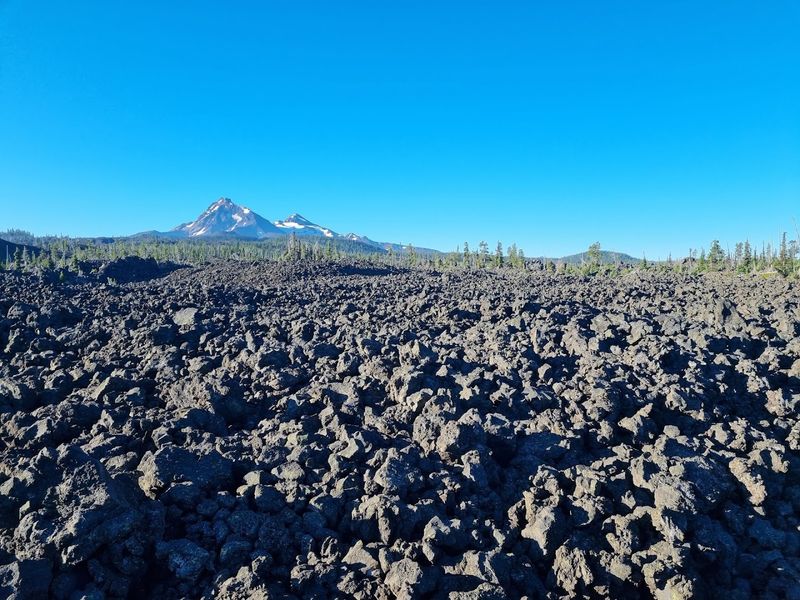
Hiking sections of the famous Pacific Crest Trail without committing to a Mexico-to-Canada thru-hike feels like getting a taste of legendary status. The Three Sisters Loop incorporates roughly 40 miles of the PCT, letting you walk in the footsteps of thousands of long-distance hikers who’ve passed through this wilderness.
I loved spotting the distinctive PCT trail markers and imagining the stories of thru-hikers who’d trudged this same path with 2,650 miles on their minds.
The trail quality on PCT sections is noticeably excellent, maintained to handle heavy traffic from both loop hikers and those epic thru-hikers pushing northward.
You might even encounter actual PCT hikers during summer months, easily identified by their trail-worn gear and that distinctive long-distance hiker gaze. They’re usually happy to share stories from the trail, and their perspective makes you appreciate the concentrated beauty of this loop even more.
The PCT sections through the Three Sisters Wilderness rank among the most scenic stretches of the entire 2,650-mile trail.
Obsidian Trail Delivers Volcanic Glass Wonderland
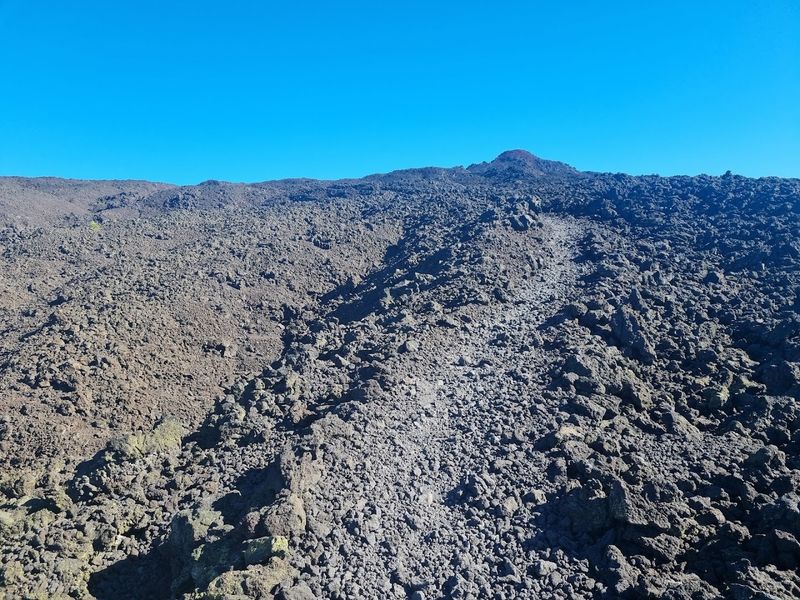
Walking through fields of glittering volcanic glass feels surreal, like discovering a dragon’s treasure hoard scattered across the forest floor.
The Obsidian Trail section ranks as one of the loop’s most unique stretches, where ancient volcanic eruptions left behind countless chunks of jet-black obsidian that catch sunlight like natural gemstones.
I spent way too much time crouched beside the trail, examining these glossy volcanic fragments and marveling at their razor-sharp edges. The obsidian ranges from pebble-sized pieces to chunks bigger than your fist, all created when lava cooled so rapidly that crystals couldn’t form.
This area is so special that it requires a limited-entry permit during peak season to prevent overuse and protect the fragile landscape. The restriction means you’ll need to plan ahead, but it also ensures the experience remains pristine and uncrowded when you finally get there.
Beyond the obsidian itself, this section offers stunning views across open meadows toward the mountain peaks.
Alpine Lakes Offer Perfect Swimming Holes
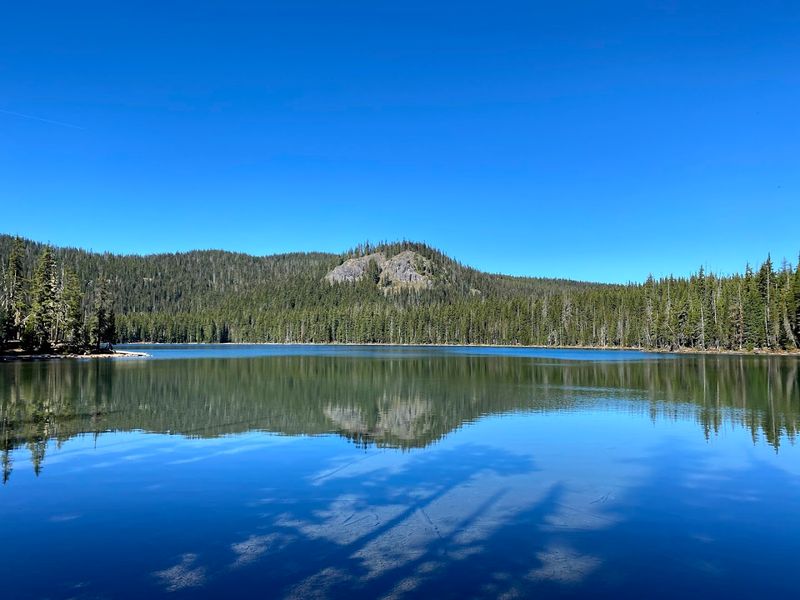
Few things in life beat plunging into a cold alpine lake after a long day of hiking with a heavy pack.
The Three Sisters Loop passes numerous glacial lakes, each one more tempting than the last, with water so clear you can count rocks on the bottom from twenty feet away.
I made it a personal mission to swim in at least one lake per day, and the shocking cold never got old. These aren’t the frigid, barely-liquid glacier ponds you sometimes encounter at high elevation either.
Many of these lakes warm up enough during summer months to make swimming genuinely pleasant rather than just a polar plunge challenge.
Green Lakes might be the most famous swimming spot along the loop, with three connected lakes offering incredible views of South Sister and Broken Top. But I found quieter, equally beautiful options at places like Husband Lake and various unnamed tarns tucked into high basins.
The lakes also provide essential water sources for filtering and cooking, plus they make ideal campsites when you score a spot along the shoreline.
Lava Fields Create Otherworldly Landscapes
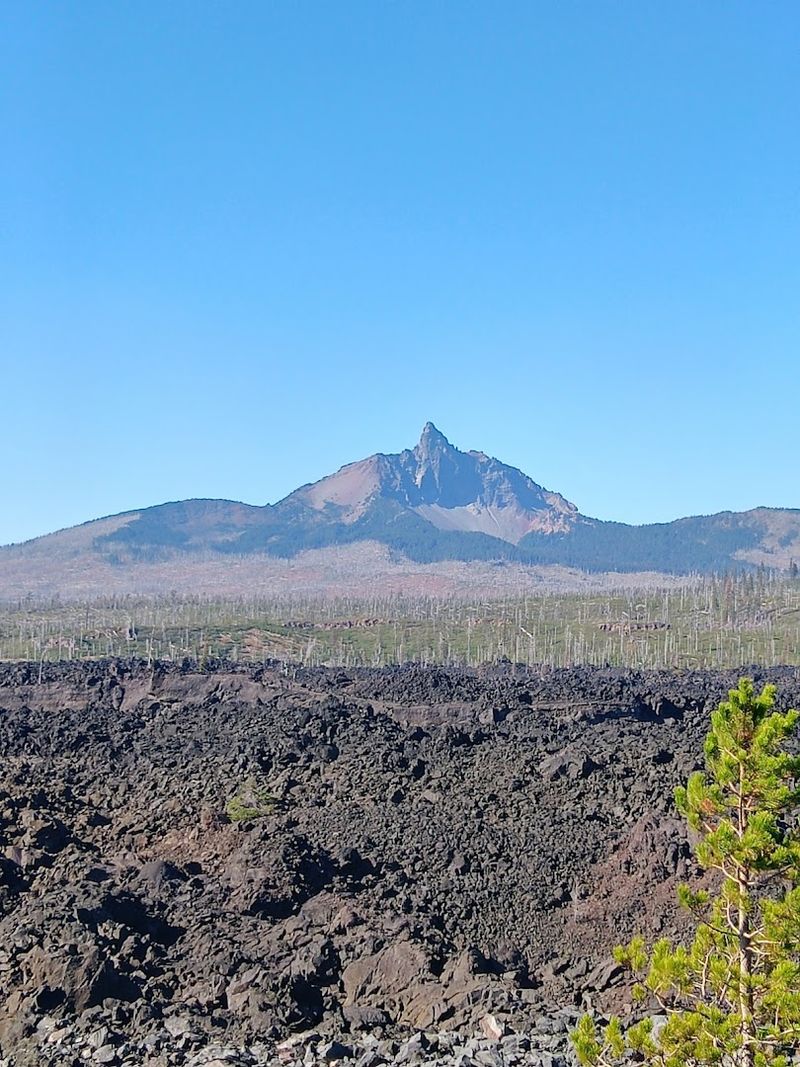
Crossing ancient lava flows feels like hiking across an alien planet where vegetation hasn’t quite figured out how to reclaim the landscape. The Three Sisters Loop traverses several volcanic fields where relatively recent eruptions left behind jumbled expanses of sharp, twisted rock that challenged my footing and imagination.
These lava fields aren’t completely barren. Hardy pioneers like lodgepole pines have begun establishing footholds in cracks where soil has accumulated, creating strange forests where trees grow from seemingly solid rock.
I found myself constantly amazed by life’s determination to colonize even the harshest environments.
The volcanic features extend beyond simple lava flows too. You’ll encounter cinder cones, volcanic vents, and colorful deposits where mineral-rich water has stained the rocks in rust reds and sulfur yellows.
Each geological feature tells part of the volcanic story that continues shaping this landscape.
Walking these lava fields under clear skies can get brutally hot since the dark rock absorbs and radiates heat like a natural oven.
Permit System Protects Wilderness Experience
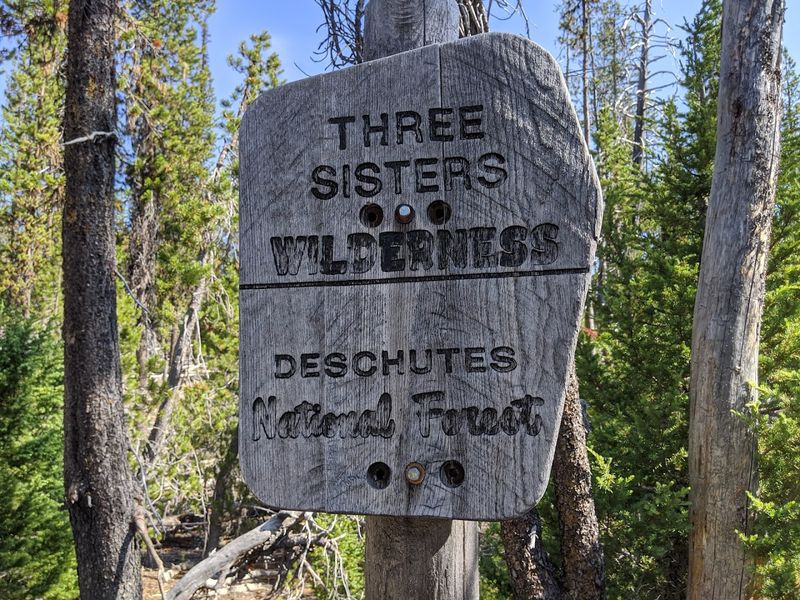
Securing your permit might feel like an annoying bureaucratic hurdle, but this system actually preserves the wild character that makes the loop special.
The Central Cascades Wilderness Permit is required for both day hikes and overnight trips from June through October, with limited-entry quotas for the most popular areas like Obsidian Trail.
I learned to appreciate the permit system after experiencing the relative solitude it creates. Unlike some famous trails where you’re constantly passing other hikers, the quota system ensures you’ll have stretches of trail completely to yourself and won’t arrive at every campsite to find it already packed with tents.
The permit application process opens in early spring, and popular entry points fill quickly. I recommend having backup dates and alternate trailheads in mind when applying.
The small permit fee goes directly toward wilderness management and trail maintenance, so you’re literally investing in preserving the place you’re about to explore.
Multiple Trailheads Offer Route Flexibility
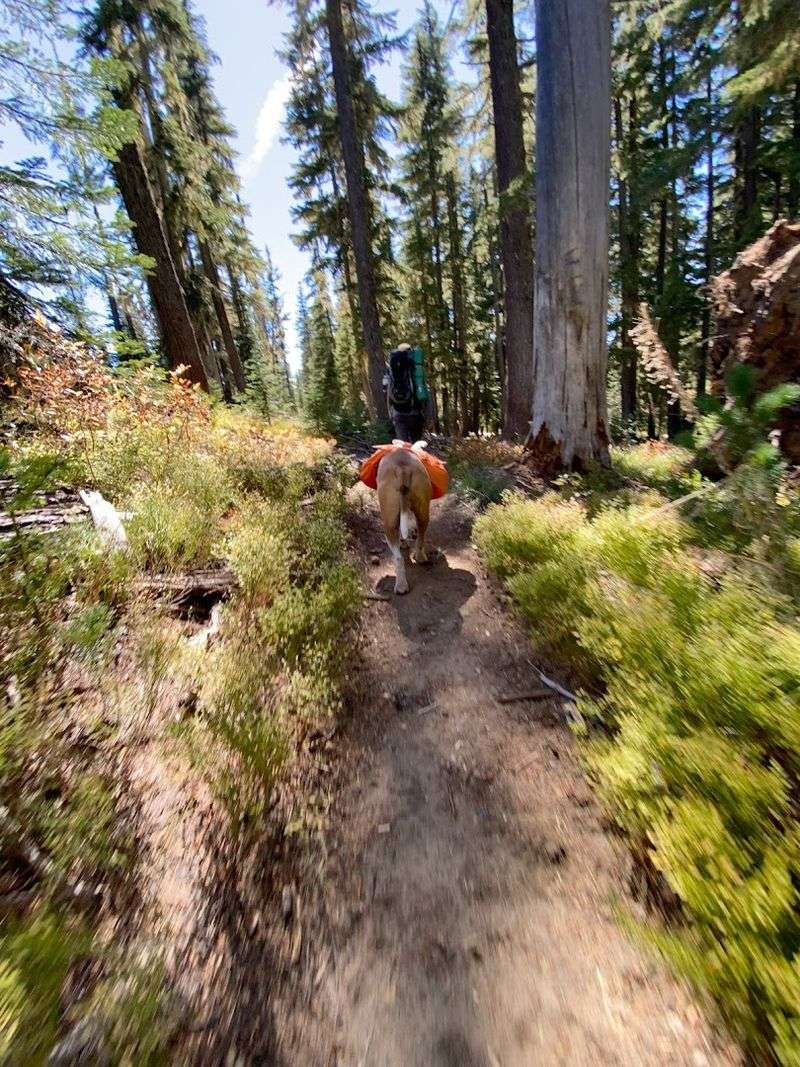
Choosing where to start your loop adventure significantly impacts your experience, and having multiple options lets you customize the route to match your fitness level and interests.
The two most popular starting points are Obsidian Trailhead on the northwest side and Devils Lake Trailhead to the south, each offering distinct advantages.
I started from Obsidian Trailhead, which gets you into the spectacular volcanic scenery quickly but requires navigating the limited-entry permit lottery. The elevation gain feels more gradual from this direction, which I appreciated with a full pack on day one.
Devils Lake provides easier permit access and starts you near some beautiful alpine lakes right away.
Other entry points like Lava Camp Lake or Scott Trail offer even more solitude if you’re willing to add extra miles to reach the main loop. These alternative starts see far fewer hikers, giving you a more remote wilderness experience from the very beginning.
Your choice of trailhead also determines whether you hike the loop clockwise or counterclockwise, which changes the order you encounter major landmarks and how the elevation profile unfolds.
River Valleys Provide Lush Green Corridors
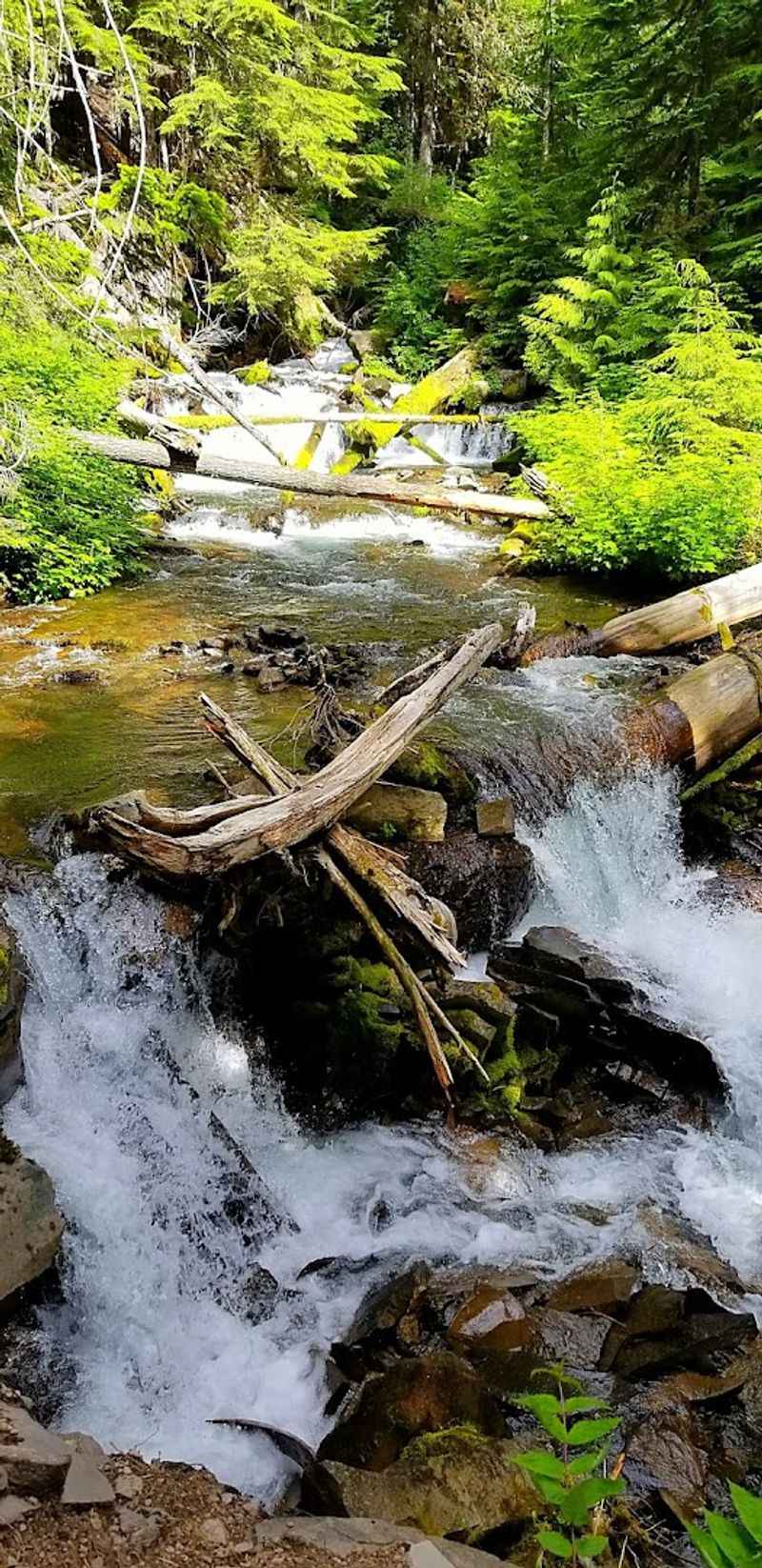
After miles of exposed volcanic rock and high alpine terrain, dropping into river valleys feels like discovering hidden oases of life and sound.
Multiple creeks and rivers cut through the wilderness, creating lush green corridors where water sounds replace the silence of higher elevations and fishing opportunities tempt anyone carrying a lightweight rod.
White Branch Creek was my favorite river encounter, offering crystal-clear water rushing over smooth stones with perfect spots for filtering water and soaking tired feet. The sound of flowing water provided a soothing soundtrack for evening camps, much more pleasant than the eerie silence of exposed ridges.
These river valleys also concentrate wildlife, and I spotted deer, various bird species, and fresh tracks from larger animals that had come down to drink.
The riparian zones support entirely different plant communities than the drier upland forests, creating biological diversity that makes these valley sections feel extra alive.
The rivers aren’t just scenic features either. They provide essential water sources for filtering, offer natural refrigeration for keeping food cool, and create natural barriers that guide your route through the wilderness.
Late Summer Timing Avoids Snow Challenges
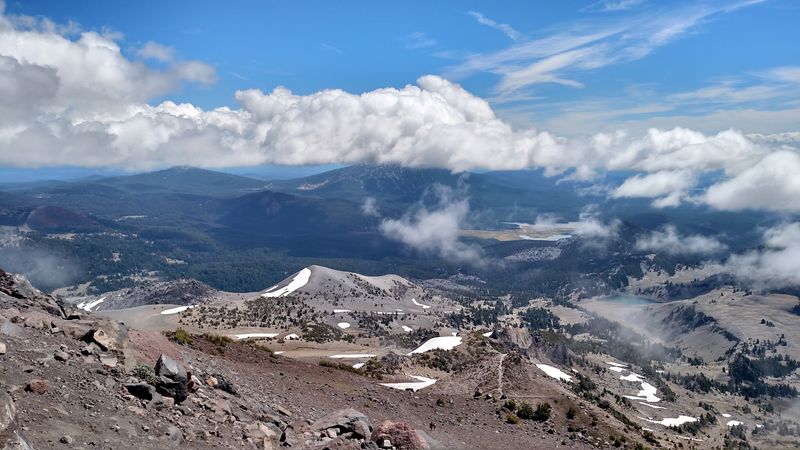
Timing your Three Sisters Loop adventure correctly makes the difference between a challenging adventure and a miserable slog through lingering snowfields.
The ideal window runs from late July through September, after winter snow has melted from the trails but before autumn storms arrive to dump fresh powder.
I hiked in early August and still encountered a few snow patches in shadowed north-facing areas above 7,000 feet. These were easy to navigate around or across, but arriving a month earlier would have required ice axes, route-finding skills, and significantly more caution.
Snow can persist in some areas well into July, especially after heavy winter seasons.
September offers advantages like fewer mosquitoes and stunning autumn colors as huckleberry bushes and alpine plants turn brilliant reds and golds. But you’re also gambling with early season storms that can drop snow at higher elevations, particularly later in the month.
Multi-Day Format Allows Proper Exploration
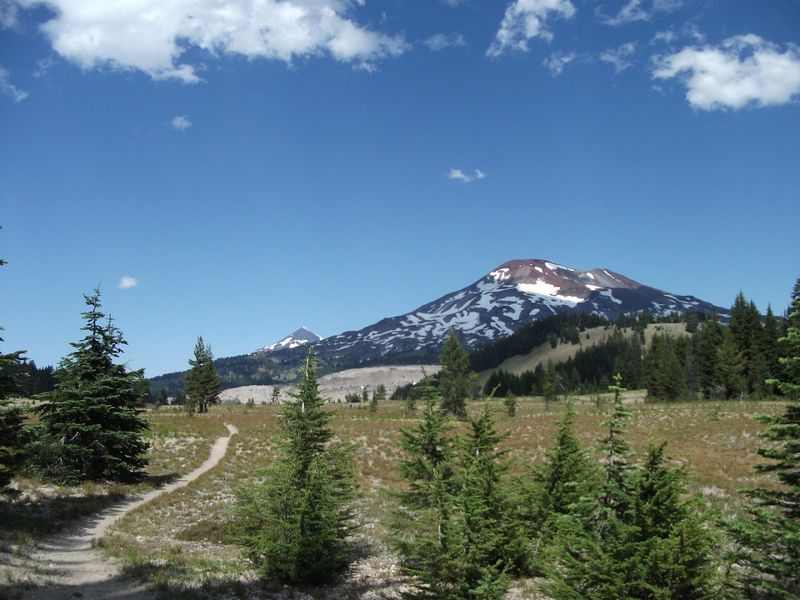
Attempting the Three Sisters Loop as a single push would be theoretically possible for ultralight speed hikers, but you’d miss everything that makes this route special.
Most hikers take three to five days to complete the circuit, with four days being the sweet spot that balances daily mileage with time to actually enjoy your surroundings.
I planned a four-day, three-night itinerary that gave me roughly 10-13 miles per day depending on the section. This pace left energy for side trips to viewpoints, afternoon swims in alpine lakes, and simply sitting beside my tent watching light change across the mountain peaks.
Rushing through would transform an adventure into an endurance test.
Your daily mileage will depend heavily on your fitness level and how much your pack weighs. I saw some groups struggling with 15-mile days under heavy packs, while others breezed along covering similar distances.
Be honest about your capabilities when planning, and build in a buffer day if possible in case weather or fatigue slows your pace.
Dear Reader: This page may contain affiliate links which may earn a commission if you click through and make a purchase. Our independent journalism is not influenced by any advertiser or commercial initiative unless it is clearly marked as sponsored content. As travel products change, please be sure to reconfirm all details and stay up to date with current events to ensure a safe and successful trip.
