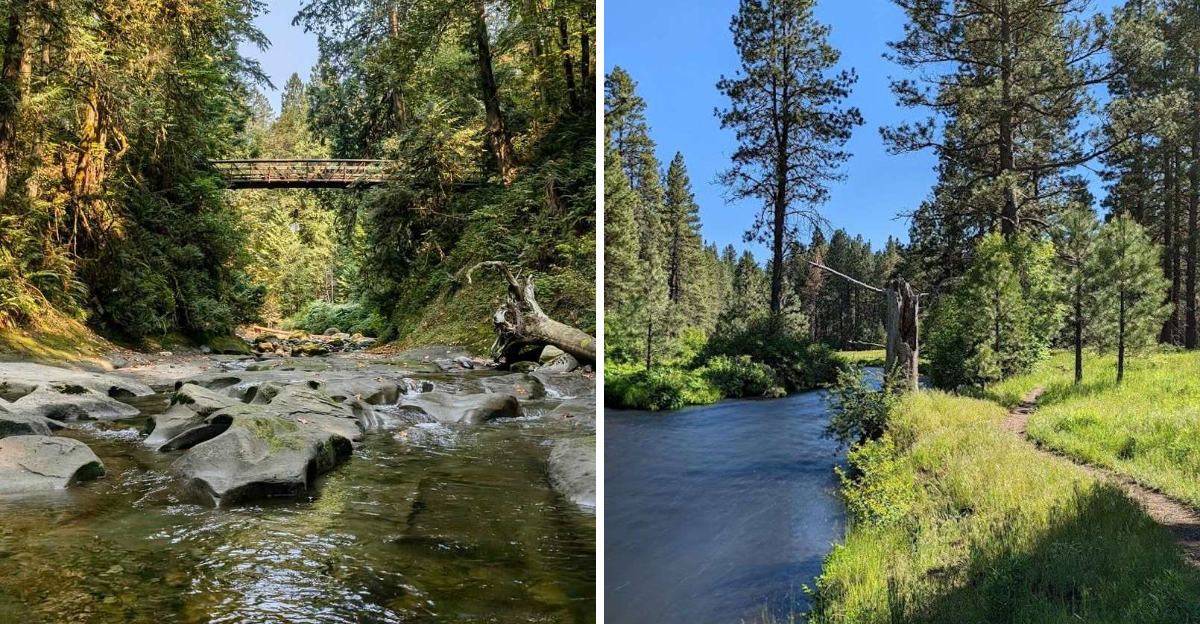
The river disappears underground and then pops back out like a magic trick. I stood on solid rock while water rushed somewhere beneath my boots completely hidden.
A natural bridge of stone lets you walk right over the roaring current safely. My knees felt a little wobbly knowing there was nothing but air below me.
The trail follows the river for five point four miles of pure beauty. I watched a fisherman pull a trout out like he had done it forever.
Pine trees smell so strong here that my car still has the scent actually. The water is so clear that I saw every single pebble at the bottom.
A deer crossed the path and gave me a look full of total judgment. I hiked slower than usual because stopping to stare felt like the better option today.
The Natural Rock Bridge: A Geological Wonder Underfoot
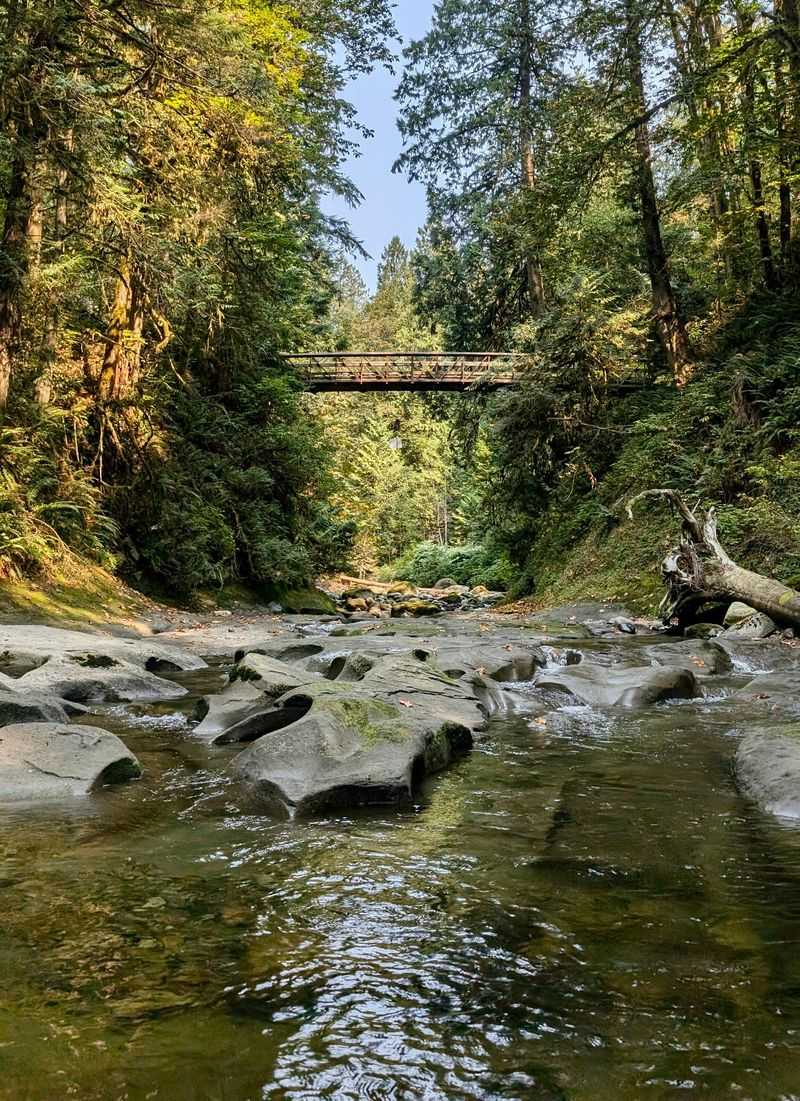
Walking across solid volcanic rock above a rushing river is not something most trails offer. The natural bridge on the Metolius River Trail is one of those rare features that makes you stop and actually look down.
The rock beneath your feet was formed by ancient lava flows, shaped over thousands of years into a crossing that feels almost deliberate.
The river churns below, impossibly clear and cold. You can hear it before you see it.
Standing on that bridge, the sound wraps around you completely.
Geologically, this formation exists because lava once dammed or redirected the river’s path. Over time, water carved its way beneath and around the hardened rock, leaving this arched crossing behind.
It is a small but stunning reminder of how volcanic Central Oregon truly is. Bring a camera.
The angle from the bridge looking upstream is one of the best shots on the entire trail.
Where The Trail Begins: Camp Sherman Store Area
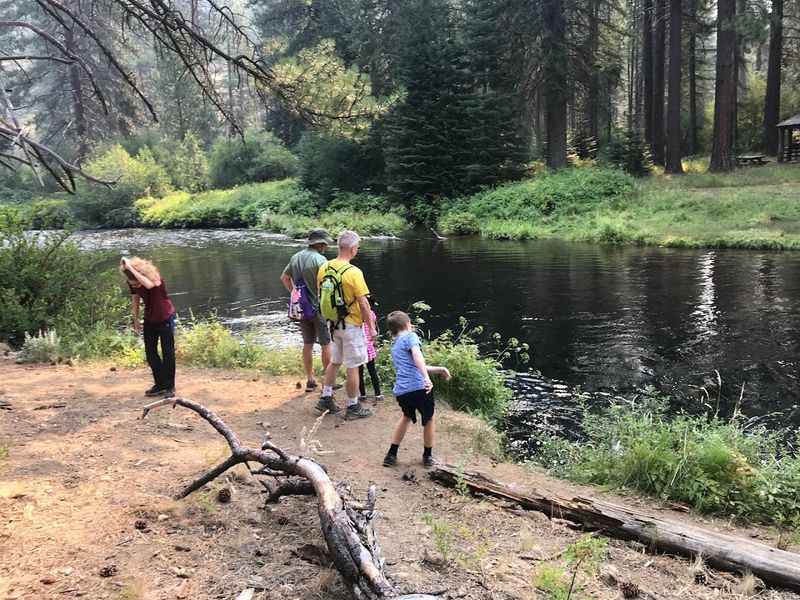
The trail kicks off near the Camp Sherman store, a tiny community hub that has served hikers and anglers for decades. Parking is simple and the trailhead is easy to find.
Right from the start, the river is right there beside you, moving fast and sparkling in the filtered light.
The forest opens immediately. Tall ponderosa pines line the path, their bark smelling faintly of vanilla on warm days.
It is the kind of beginning that sets a calm, unhurried pace.
Camp Sherman itself is a small unincorporated community tucked inside the Deschutes National Forest. There are no big commercial strips here.
Just cabins, trees, and the constant sound of moving water. Starting early in the morning gives you the best light and the most wildlife activity.
The trail follows the river on both sides, so you can choose your direction and adjust your distance based on how you feel. It is a genuinely flexible starting point.
Address: Metolius River Trail, Camp Sherman store, NF-1217, Camp Sherman, OR 97730
Crystal Clear Water That Runs Cold All Year
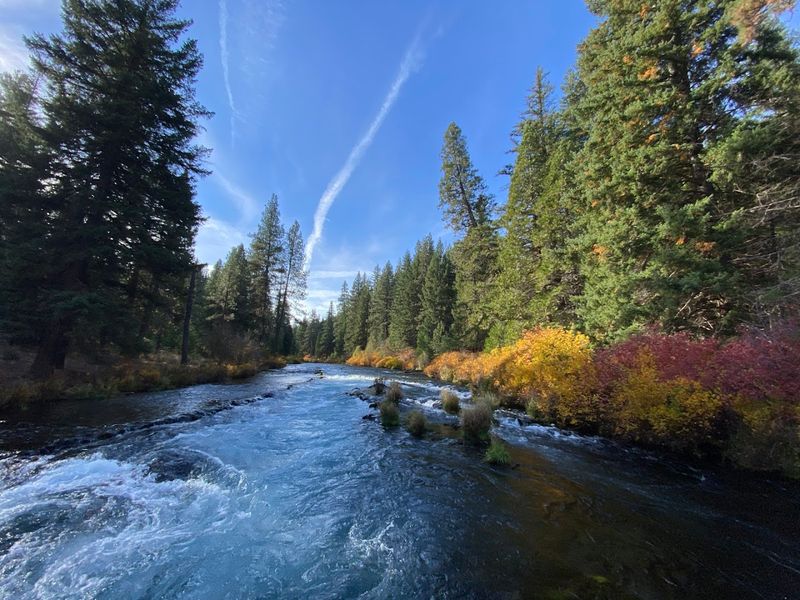
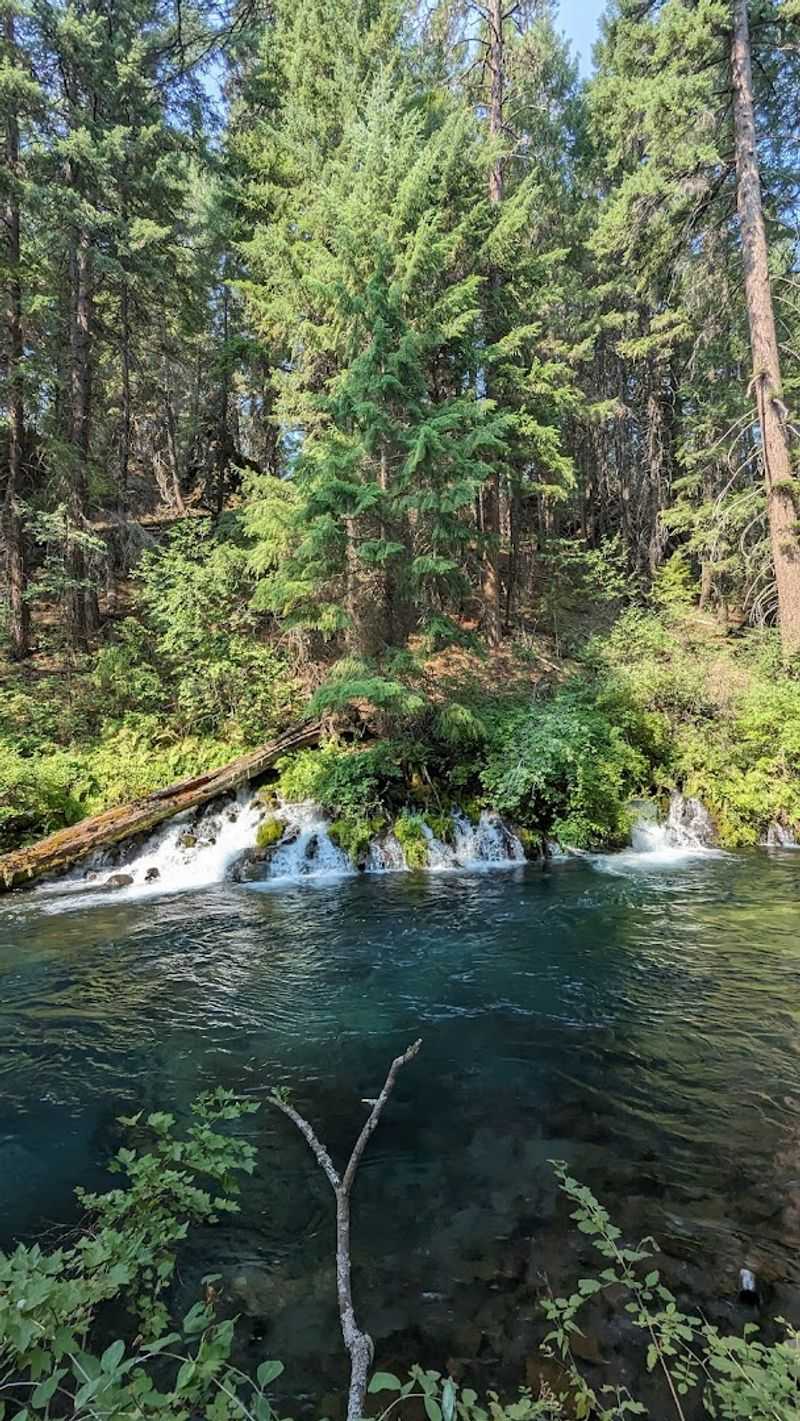
The Metolius River has a color that does not look real at first. It runs a deep turquoise in some stretches and pale green in others.
The clarity is almost unsettling. You can see every pebble on the riverbed even in sections that look several feet deep.
This unusual clarity comes from the river’s origin. The Metolius springs up from underground sources near Black Butte, fed by snowmelt filtering through porous volcanic rock.
That process acts as a natural filter. The water stays cold and clear all year long.
Temperature stays consistently low, even during Oregon’s hottest summer months. That keeps the valley noticeably cooler than surrounding areas.
Hikers who visit in July or August often comment on how refreshing the air feels near the water. The sound of it moving is constant and rhythmic.
It is the kind of background noise that clears your head after about ten minutes on the trail. The river feels alive in a way that is hard to put into words.
Wildlife Along The Trail: Birds, Fish, And More
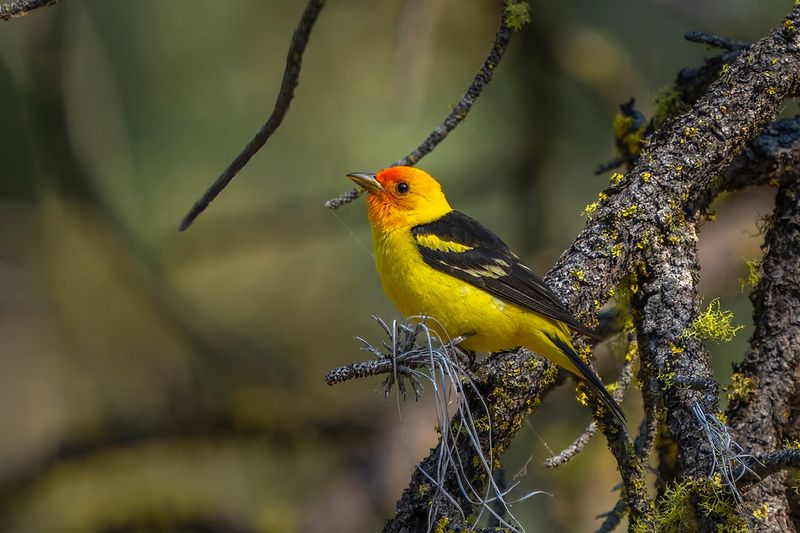
The Metolius River corridor is genuinely rich with wildlife. Great blue herons stand motionless in the shallows.
Ospreys circle overhead, occasionally diving for the large rainbow trout that cruise the deeper pools. The bird activity alone makes this trail worth hiking slowly.
Songbirds fill the trees constantly. Warblers, nuthatches, and woodpeckers are common.
In the quieter morning hours, the forest sounds layered and full. You notice things you would walk right past on a busier trail.
The river itself supports a healthy population of wild trout. Fishing is allowed in certain sections, though regulations apply and a license is required.
Even without fishing gear, watching the trout hold position in the current is fascinating. They barely move, just angled slightly into the flow.
Deer are also common along the trail, particularly in the early morning and late afternoon. If you move quietly and avoid sudden sounds, sightings are frequent.
The whole ecosystem here feels balanced and undisturbed in a way that genuinely surprises first-time visitors.
A Flat Trail That Works For Almost Everyone
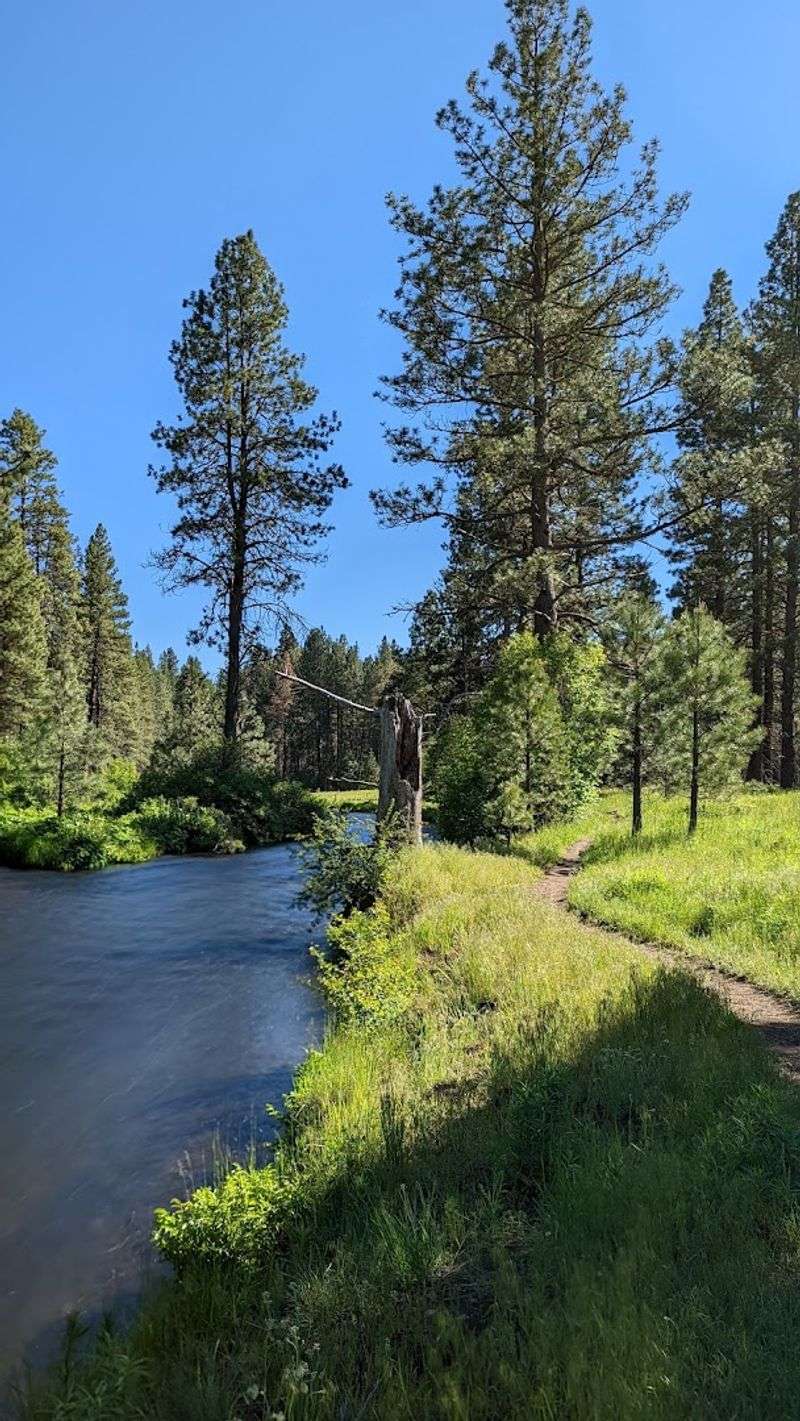
Not every great trail needs to be a brutal climb. The Metolius River Trail earns its reputation by being one of the most accessible scenic hikes in Central Oregon.
The elevation gain is essentially zero. The path follows the river on both banks, staying flat and relatively smooth the whole way.
Families with younger kids do well here. Older hikers who want distance without steep terrain come back repeatedly.
Even runners use the trail regularly because the surface is forgiving and the scenery makes miles pass quickly.
The 5.4-mile length is manageable for most fitness levels. You do not need to complete the full distance to have a rewarding experience.
Turning back at any point still gives you a beautiful out-and-back. Some sections have downed trees from seasonal storms, so stepping over obstacles is occasionally necessary.
That minor challenge adds a tiny bit of adventure without making things difficult. Overall, the trail feels welcoming without feeling tame.
It rewards attention more than physical effort.
Wildflowers In Bloom: The June Magic
June transforms this trail into something almost painterly. The wildflowers come in waves, patches of color threading between the tree roots and along the riverbank.
Visiting during peak bloom feels like a bonus that the forest offers without any announcement.
Purple lupine and bright yellow balsamroot are common. Smaller blooms fill in the gaps, creating a layered, textured ground cover that changes as you move through different sections of the trail.
The contrast between the vivid flowers and the dark tree trunks is striking.
Spring snowmelt feeds the soil here well into early summer, which keeps the bloom season going longer than in drier parts of Oregon. The flowers also attract pollinators, so butterflies and bees add movement to the already lively forest floor.
Hikers who visit specifically in late May or early June often describe it as the best possible timing. The river is running fast from snowmelt, the air is cool, and the flowers are everywhere.
It is a genuinely memorable combination worth planning around.
Charming Cabins And The Camp Sherman Community
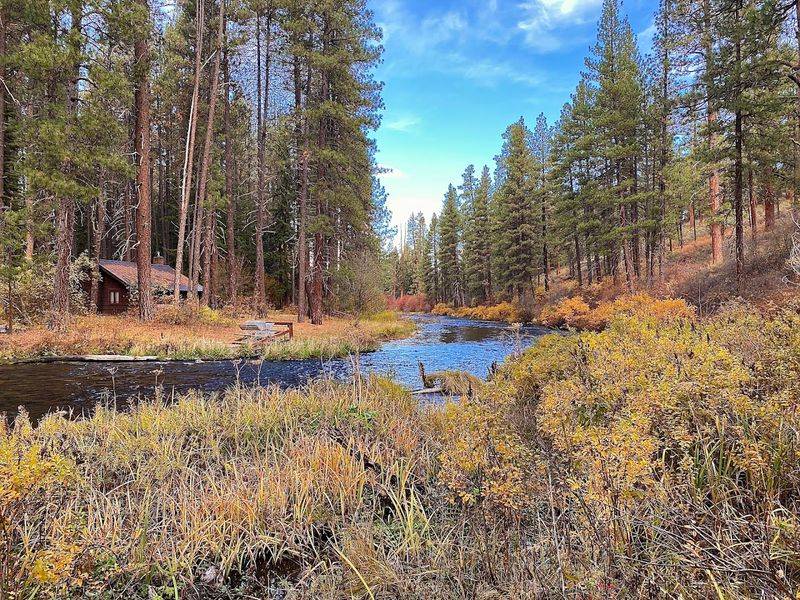
One of the unexpected pleasures of hiking this trail is the scenery beyond the river itself. Small, weathered cabins appear through the trees at various points.
Some look like they have been standing for generations. They add a warmth to the landscape that surprises people who expect pure wilderness.
Camp Sherman is a quiet, intentional community. The people who live and stay here value the stillness.
There is no cell service to speak of, and that absence feels like a gift after the first hour.
A small gazebo sits along the trail in one section, a simple wooden structure that invites you to pause. It is the kind of detail that makes a trail feel cared for rather than just maintained.
The community has worked to preserve the character of this stretch of river for a long time. You can feel that stewardship in how clean the trail stays and how respectfully most visitors move through it.
The cabins and the forest together create an atmosphere that is hard to find anywhere else in Oregon.
Picnicking By The River: The Best Spots To Rest
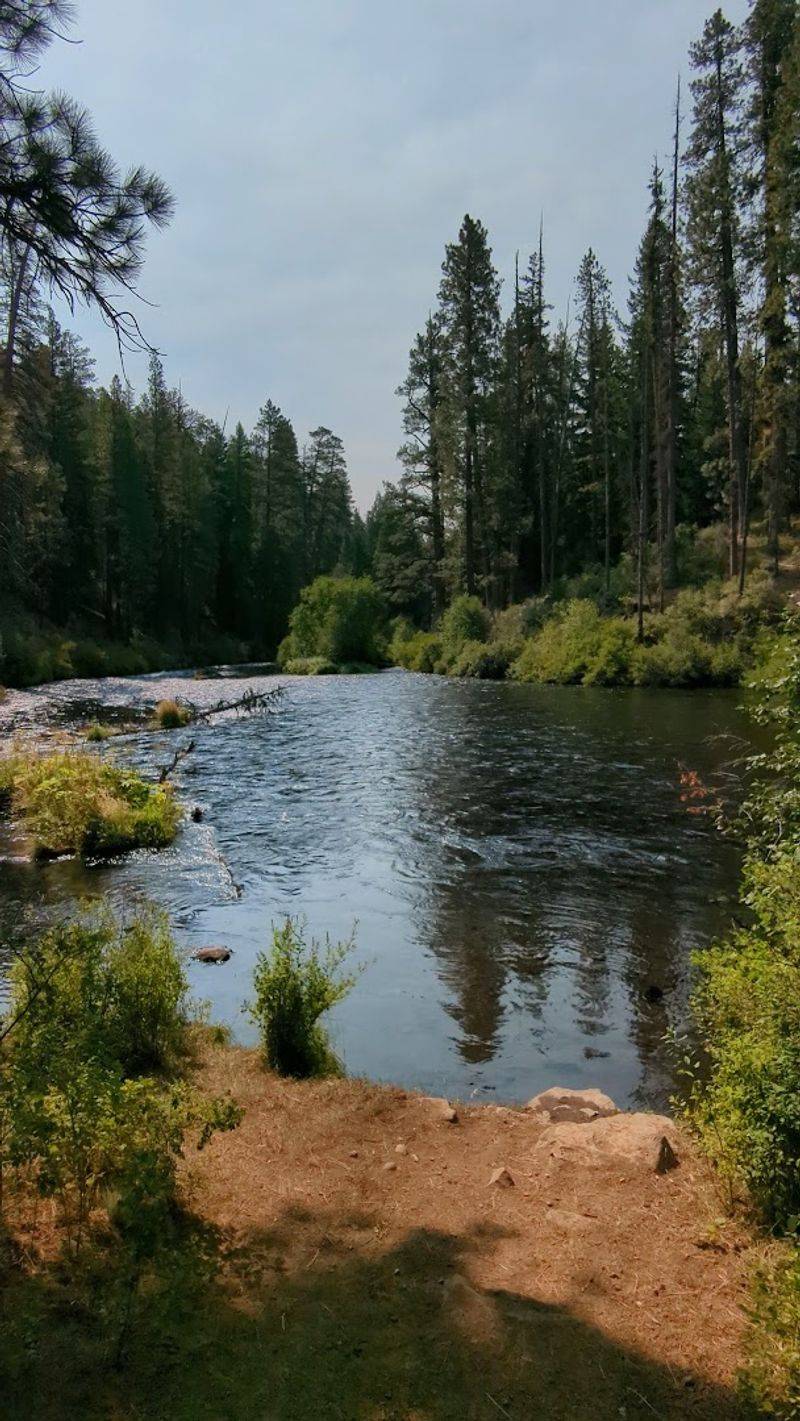
Stopping to eat lunch beside the Metolius River is one of those simple pleasures that sticks with you. The sound of the water, the cool air, and the filtered light through the pines create a setting that makes even a basic sandwich feel like a proper meal.
There is no official picnic area, but the riverbank offers plenty of natural stopping points.
Flat rocks and grassy clearings appear regularly along the trail. Bringing a small folding chair is not a bad idea.
The ground near the water can be uneven and rocky in places.
Some visitors pack a full lunch and treat the midpoint of the trail as a proper rest stop. Others just find a good boulder and sit for a while.
Either approach works. The river keeps the temperature comfortable even on warm afternoons, making extended stops genuinely enjoyable.
Just keep food stored properly since wildlife in the area is active and curious. A simple, well-placed rest here does more for the mood than almost anything else on the trail.
Photography Opportunities That Go Beyond The Obvious
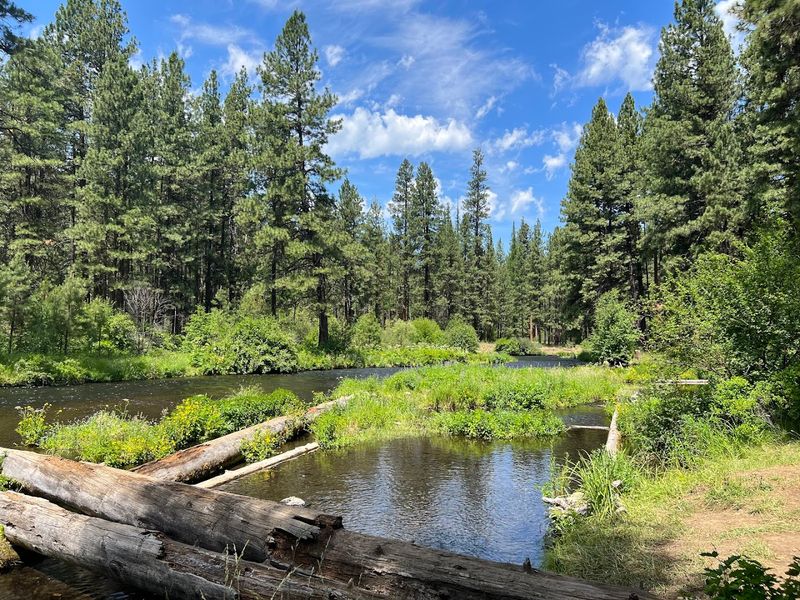
Photographers who visit the Metolius River Trail often end up staying much longer than planned. The light changes constantly as it filters through the dense pines.
Morning hours bring soft, diffused light that lands perfectly on the water’s surface. Late afternoon turns everything golden.
The natural bridge is the obvious focal point, but the rest of the trail offers just as much. Close-up shots of the clear water over colored stones are stunning.
Wide shots with the river bending through the trees feel cinematic.
Wildlife photography works well here too, especially early in the morning before other hikers arrive. The herons are patient subjects.
The trout holding in the current create interesting underwater shots when the light hits right. Reflections on calm stretches of river are worth seeking out specifically.
Even smartphone cameras produce impressive results here because the natural light and color are so strong. The trail essentially does the work for you.
Patience and an early start are the only real requirements for coming home with something truly special.
Planning Your Visit: Seasons, Tips, And What To Bring
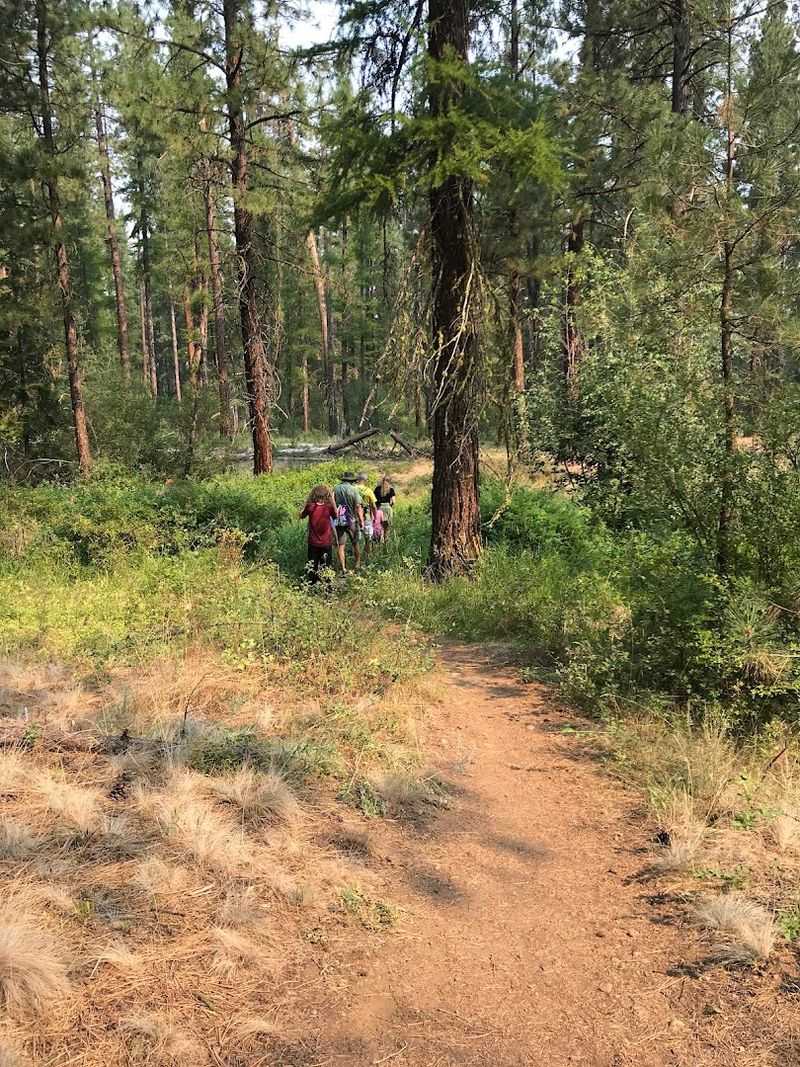
The trail is accessible for most of the year, but summer and early fall are the most popular seasons. Snow can close access roads in winter, so checking conditions before visiting in November through March is worth doing.
Spring brings fast water and flowers. Summer brings warmth and long daylight hours.
Wearing layers is smart even in July. The river valley stays cooler than surrounding areas, and morning temperatures can drop noticeably.
Sturdy shoes help on sections with roots and occasional downed trees.
Bring more water than you think you need. The river looks inviting but drinking directly from it is not recommended without a proper filter.
Sunscreen matters even under the tree canopy, especially on longer visits. The trail does not require a permit currently, but parking near the Camp Sherman store fills up on weekends.
Arriving before 9 in the morning on busy summer days makes a real difference. Leave no trace principles are taken seriously by the local community, so pack out everything you bring in.
The trail rewards respectful visitors generously.
