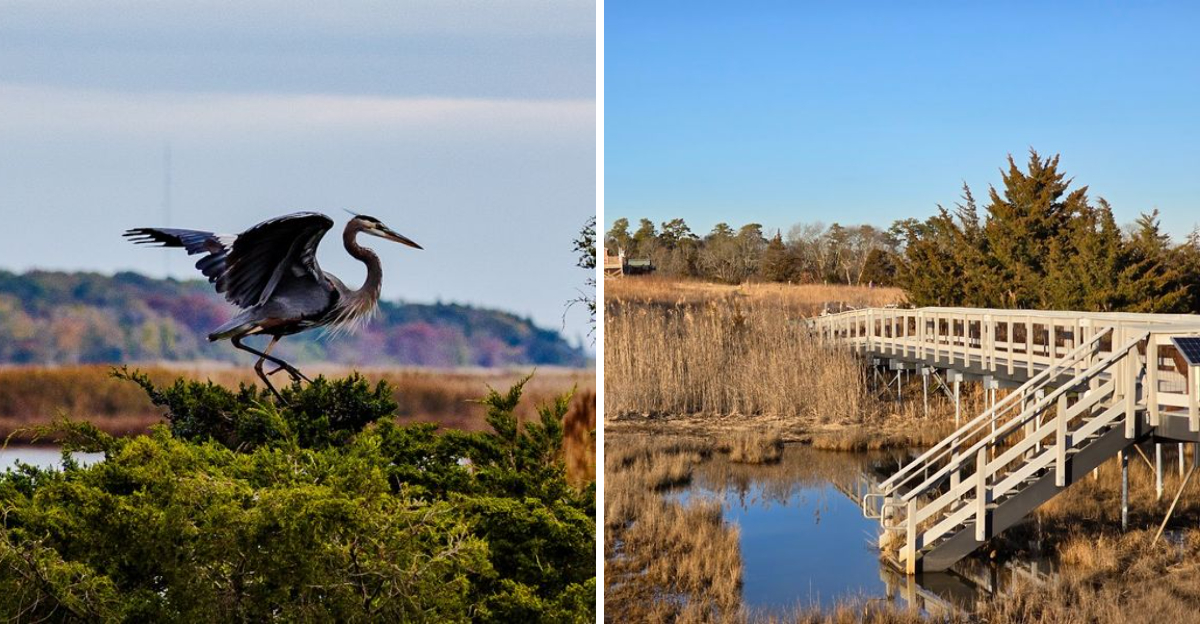
Believe it or not, New Jersey’s got a wildlife refuge that feels less like a park and more like a living, breathing epic.
Nope… it is not just trails and marshes; it’s 50 miles of pure bird-watching heaven, with over 320 species calling it home.
Forget city skylines. Out here, the horizon is flocks of herons, ospreys, and egrets painting the sky like moving art.
You wander boardwalks and sandy paths that make every step feel like you’ve stumbled into a nature documentary.
And once you’ve seen the sheer scale of it? You get why this refuge is the crown jewel of New Jersey’s wild side.
The Wildlife Drive: An 8-Mile Loop You Will Never Forget
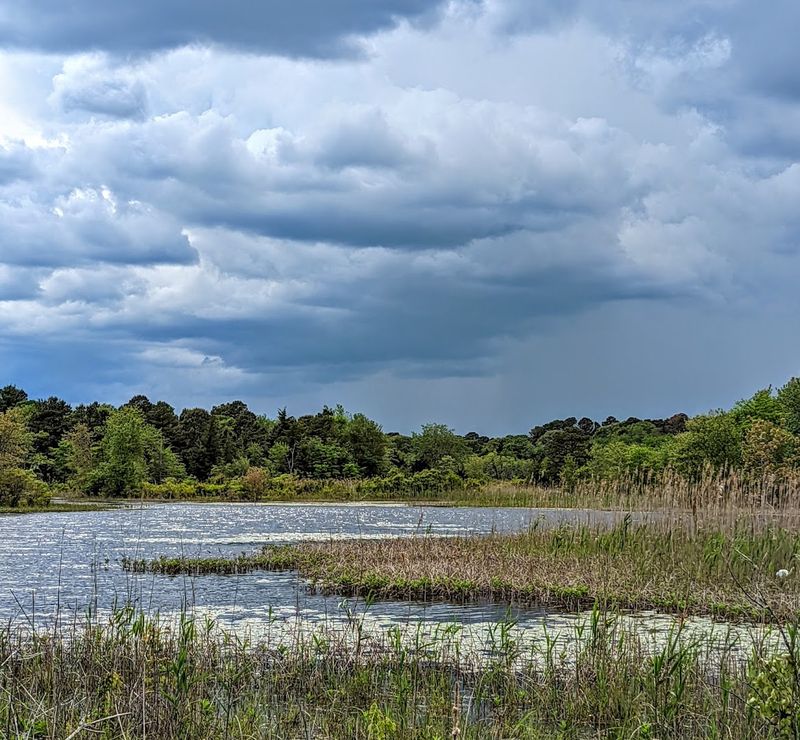
Some roads are just roads, and then there is the Wildlife Drive at Forsythe. This eight-mile loop winds through a stunning mix of saltwater marshes, freshwater pools, and upland edges, putting you right in the middle of the refuge’s most active habitats without ever leaving your car.
Pull-off spots are scattered throughout, so stopping to roll down the window and listen is genuinely easy. You will hear red-winged blackbirds before you see them, and great egrets may stand just a few feet from your bumper like they own the place.
The route is one-way, which keeps traffic moving smoothly even on busy weekends.
Going slowly is the secret here. The more patient you are, the more the marsh reveals itself.
Families with young kids love it because there is no hiking required, and photographers come back loop after loop chasing the perfect light. Budget at least one full hour, though two hours feels more honest if you actually want to soak it all in.
The entry fee is just four dollars, making it one of the best outdoor values in the entire state.
Over 360 Bird Species Recorded Right Here in New Jersey
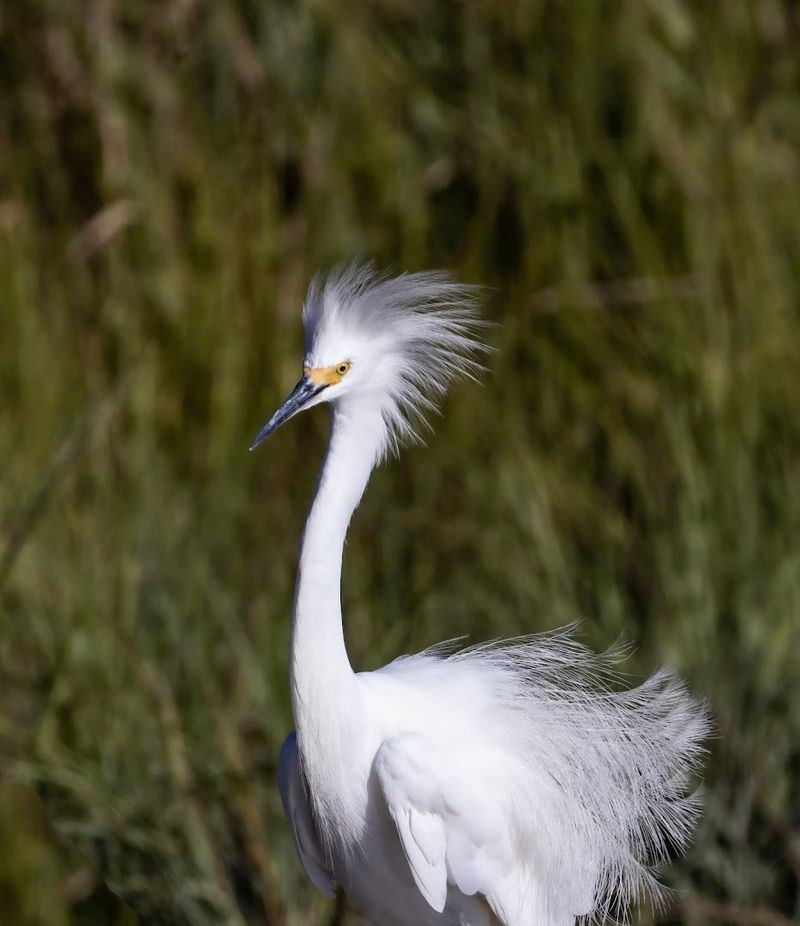
The numbers alone are staggering. More than 360 bird species have been officially recorded at Edwin B.
Forsythe, covering everything from tiny sandpipers to dramatic bald eagles. The refuge sits directly along the Atlantic Flyway, which is one of the most important migratory bird corridors in North America.
During fall migration, the skies above the marsh fill with thousands of shorebirds moving south. Winter brings large flocks of American black ducks and Atlantic brant geese that crowd the shallow bays in impressive numbers.
Spring migration feels almost electric, with warblers, terns, and oystercatchers returning to nest.
The refuge even publishes a bird checklist with 359 species to help visitors track what they spot. Serious birders come equipped with spotting scopes and field guides, but even total beginners find themselves hooked within the first hour.
Oystercatchers are a crowd favorite, with their bright orange bills making them impossible to miss. Forster’s terns skim the water near the drainage culverts with breathtaking precision.
Every season delivers something completely different, which is exactly why so many people return year after year.
Salt Marshes and Wetlands That Cover 82% of the Refuge
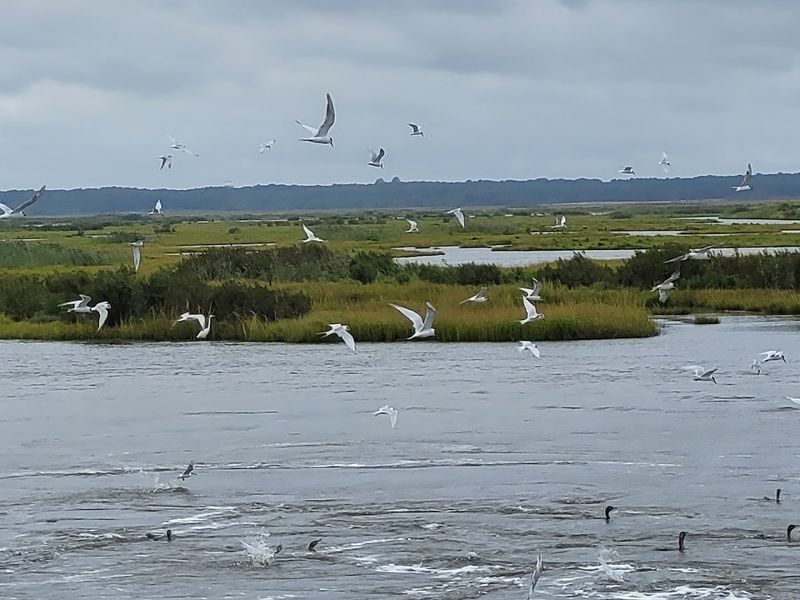
Walking or driving through Forsythe, the marshes stretch out in every direction like a living, breathing carpet of gold and green. About 82% of the entire refuge is wetlands, mostly salt marsh interspersed with shallow coves, tidal creeks, and open bays.
It is the kind of landscape that makes you feel genuinely small in the best possible way.
Salt marshes are ecological powerhouses. They filter water, buffer coastlines from storm surge, and provide nursery habitat for fish, crabs, and shrimp that feed the broader food web.
The marsh grasses themselves, mostly Spartina species, support an entire community of invertebrates that birds depend on for survival.
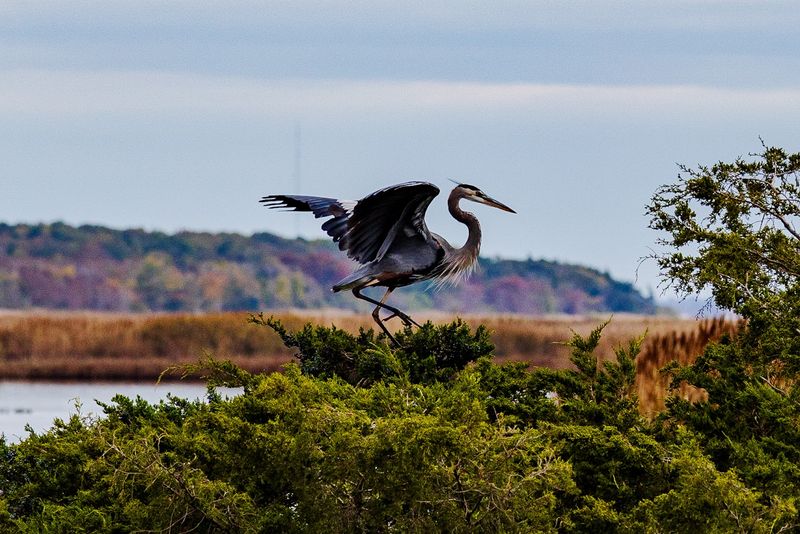
What makes Forsythe special is how accessible this habitat is. The Wildlife Drive runs along raised berms that put you right at eye level with the marsh surface, so watching a great blue heron hunt in the shallows feels almost uncomfortably close.
The smell of the salt air and the sound of wind moving through the grasses is something that genuinely stays with you. It is not dramatic in the way mountains are dramatic, but it is quietly, powerfully beautiful in a way that sneaks up on you.
The Piping Plover: A Threatened Species Finding Safe Ground
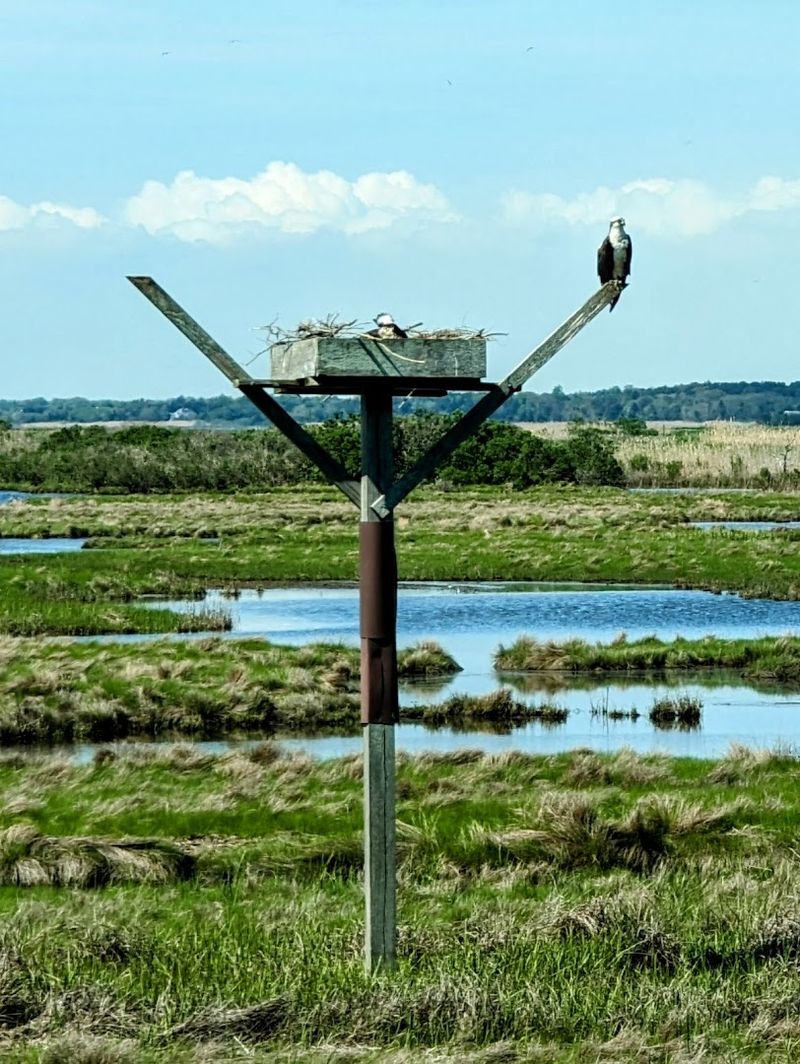
Few birds at Forsythe carry as much conservation weight as the piping plover. This small, sand-colored shorebird is federally listed as threatened, and Edwin B.
Forsythe supports one of New Jersey’s largest breeding populations. Spotting one feels like a genuine privilege, not just a checkmark on a bird list.
Piping plovers nest directly on sandy beaches and are extremely vulnerable to disturbance from people, vehicles, and predators. To protect them, the Holgate Wilderness Area closes entirely from April 1 through August 31 every year.
That seasonal closure is a serious commitment to conservation, and it works.
The birds are tiny, barely seven inches long, and their pale coloring makes them nearly invisible against dry sand. Their call is a soft, whistling peep that sounds almost too delicate for the windswept beaches they call home.
Watching a plover parent shuffle around its nest, keeping eggs cool in summer heat, is one of those wildlife moments that stays in your memory for years. The refuge staff and volunteers monitor nests closely each season, and the effort shows in the plover population numbers, which have improved meaningfully over recent decades.
The Boardwalk Over the Salt Marsh With Atlantic City Views
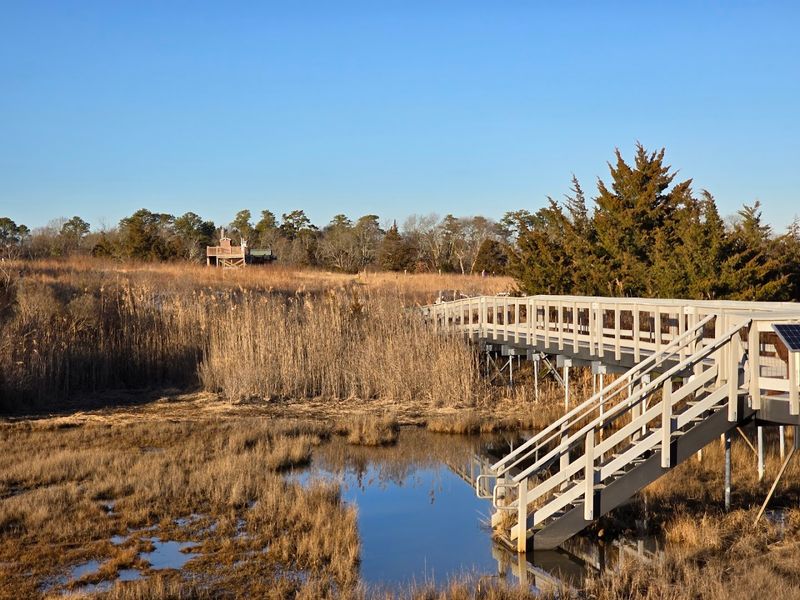
There is something wonderfully surreal about standing on a boardwalk above a quiet salt marsh while the Atlantic City skyline rises up in the distance. The boardwalk at Forsythe offers exactly that experience, and it is one of the most photographed spots in the entire refuge for good reason.
The structure extends out over the marsh, putting you above the water and the grasses in a way that feels almost like floating. At low tide, the mud flats below teem with fiddler crabs and small shorebirds probing for food.
At high tide, the water surface reflects the sky in long silver ribbons.
Visiting near dusk is especially rewarding. The light turns warm and golden, the city skyline catches the last rays of sun, and the marsh goes quiet except for the wind and the occasional splash of a jumping fish.
It is not a long walk, but it is a deeply satisfying one. Families, photographers, and solo wanderers all seem to find their own pace on the boardwalk.
Bring a light jacket in the evening because the breeze off the water can be surprisingly cool even in summer, and it is worth staying long enough to watch the colors change.
Hiking Trails Through Upland Forest and Coastal Habitat
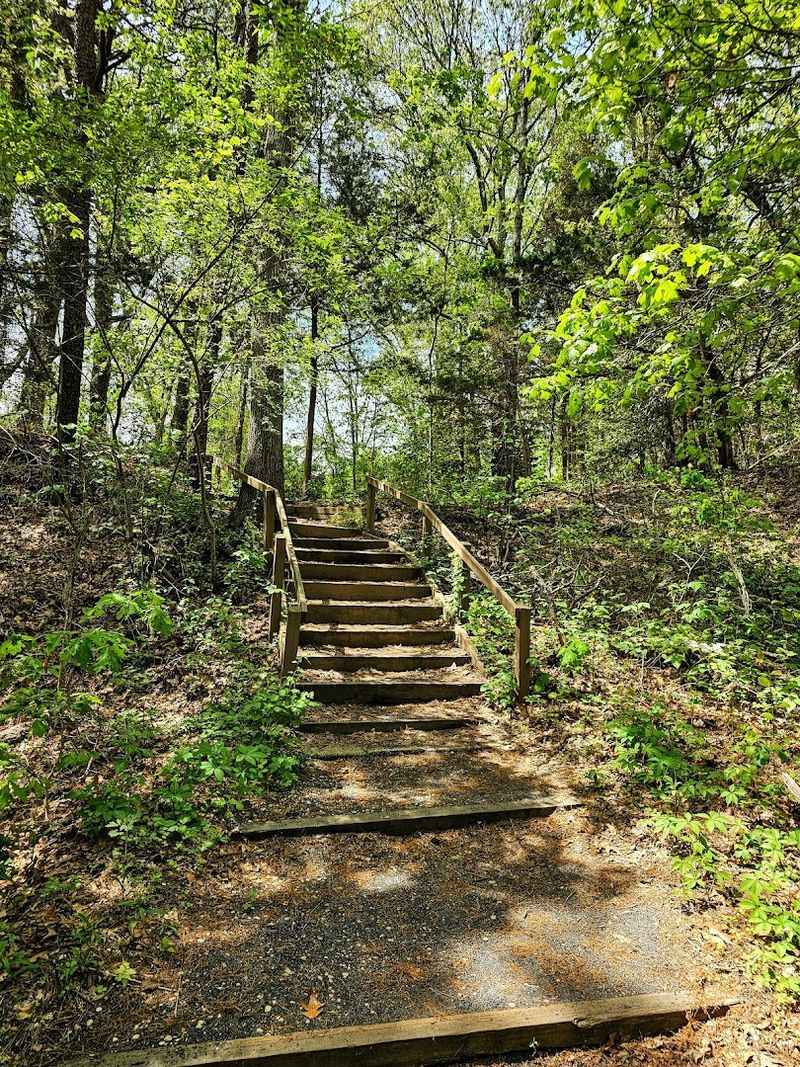
Not everyone comes to Forsythe by car, and the hiking trails here offer a completely different side of the refuge. Most trails are short, ranging from 0.25 miles to 2.5 miles, but they punch well above their weight in terms of what you encounter along the way.
Upland forest, coastal scrub, and edge habitat all show up within a single walk.
The Leeds Eco-Trail is a popular choice, winding through wooded areas where songbirds are abundant during spring and fall migration. Warblers move through these trees in waves during peak migration weeks, and a patient hiker can rack up an impressive species count without ever leaving the trail.
The forest feels genuinely peaceful, especially on weekday mornings when foot traffic is light.
Wearing long sleeves and pants is a smart move, especially in summer when greenhead flies and mosquitoes are out in force. Bug spray is not optional during peak season.
That said, the cooler months from September through November and March through May offer trail conditions that are nearly perfect. The refuge never feels crowded on the trails, which means you can move at your own pace and stop whenever something catches your eye without worrying about blocking anyone else.
Wildlife Photography Opportunities That Draw Professionals
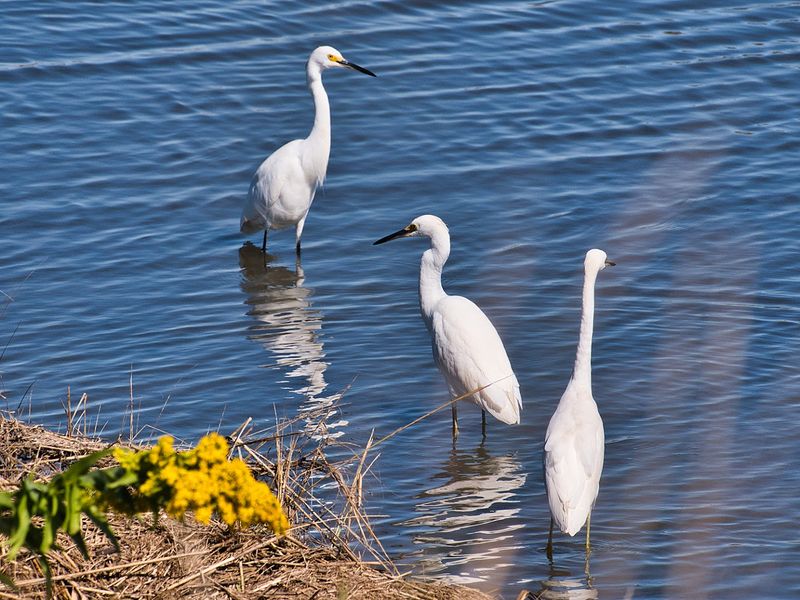
Photographers come from hours away to spend time at Forsythe, and once you see the light hitting the marsh at golden hour, that makes complete sense. The combination of open water, low berms, and cooperative wildlife creates conditions that professional and amateur photographers alike describe as genuinely exceptional.
Birds here are remarkably approachable, often hunting or resting within feet of the road.
The Wildlife Drive is essentially an eight-mile rolling photography blind. You can creep along at walking speed, pause at any pull-off, and frame shots of herons, egrets, terns, and ducks without ever disturbing them.
The flat marsh landscape means backgrounds stay clean and uncluttered, which makes for striking images even with a basic camera setup.
Oystercatchers nesting near the water, skimmers working the surface at dusk, and osprey hovering before a dive are just a few of the moments that get captured here regularly. Some photographers spend eight hours over two days and still feel like they barely scratched the surface.
The juxtaposition of wild marshland and the Atlantic City skyline in the background adds a uniquely New Jersey quality to landscape shots that you simply cannot replicate anywhere else. Early morning visits tend to offer the softest light and the most active birds.
The Welcome Center and Educational Exhibits
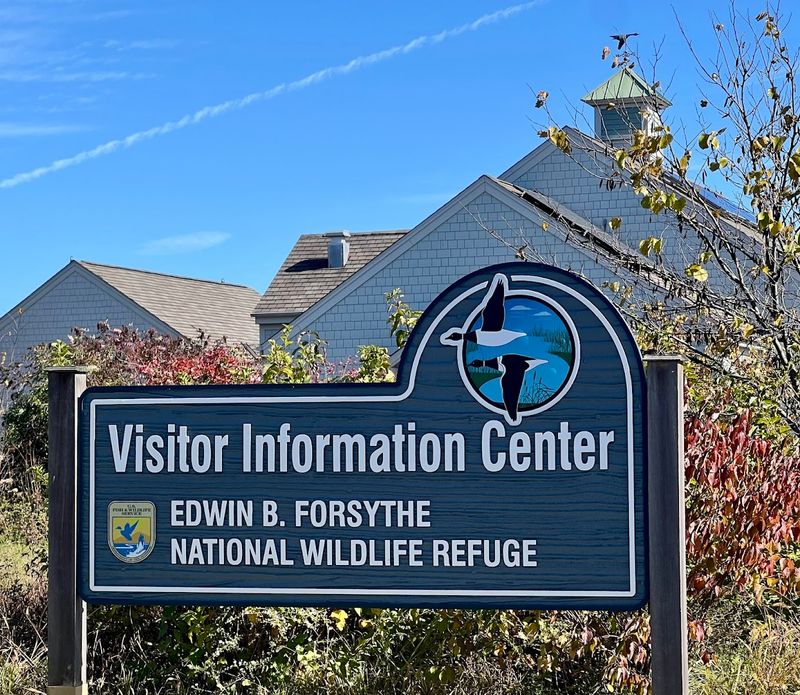
Before heading out on the Wildlife Drive, stopping at the welcome center is genuinely worth your time. The building houses educational exhibits about the refuge’s ecosystems, the bird species that depend on them, and the conservation history of the area.
It sets up your visit in a way that makes everything you see outside feel more meaningful.
Staff and volunteers are on hand to answer questions, point out what has been spotted recently, and share tips about where to look along the drive. The bird checklist is available here, and picking one up before you head out turns the whole experience into a satisfying scavenger hunt.
Kids especially love checking off species as they spot them from the car window.
The center also has information about the refuge’s history, including the old railway beds and trestles that still sit out in the marshes, remnants of an earlier era that add an unexpected layer of historical interest to the landscape. Learning that those raised berms along the Wildlife Drive were once used for different purposes makes the whole place feel richer and more layered.
The welcome center is free to enter, and it only takes about 20 to 30 minutes to move through the exhibits before heading out to explore.
Visiting Tips, Best Seasons, and What to Bring
Timing your visit to Forsythe makes a real difference in what you experience. Fall migration, roughly September through November, is widely considered the peak season for shorebird and waterfowl activity.
Spring migration in April and May brings warblers, terns, and returning breeding species. Winter is quieter but still rewarding, with large duck and goose flocks filling the open water.
Summer visits are absolutely possible, but greenhead flies and mosquitoes are aggressive from late June through August. Long sleeves, pants, and bug spray are essential if you plan to get out of the car during those months.
The observation towers do provide some relief since the breeze at height keeps insects at bay. Bringing binoculars is a must, and a spotting scope is worth the effort if you own one.
The entry fee is just four dollars, cash preferred, so keeping small bills in your glove box is a practical habit. Picnic food and drinks make the drive even more enjoyable since there are no concessions inside the refuge.
The nearby town of Smithville offers charming shops and eateries worth checking out after your visit. Address: 800 Great Creek Rd, Galloway, NJ.
Dear Reader: This page may contain affiliate links which may earn a commission if you click through and make a purchase. Our independent journalism is not influenced by any advertiser or commercial initiative unless it is clearly marked as sponsored content. As travel products change, please be sure to reconfirm all details and stay up to date with current events to ensure a safe and successful trip.
