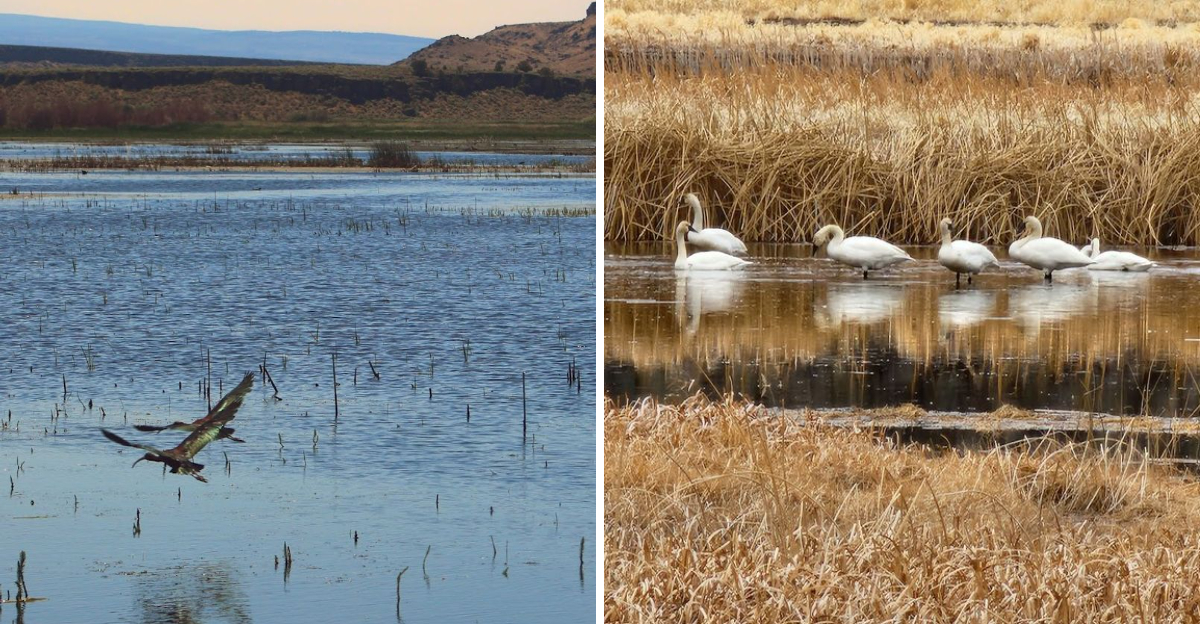
The first time I heard about this 50-mile wildlife refuge in Oregon, I thought, “All that… for birds?!”. But then I found out it’s home to over 320 species, and suddenly it all made sense.
From tiny, flashy hummingbirds to majestic eagles, this place is basically paradise for bird lovers – and anyone looking to escape the city noise.
Every visit feels like starring in my own nature documentary, just with more coffee and fewer predators. I’ve lost count of the times I’ve stopped mid-trail just to gape at a heron or a rare songbird, utterly forgetting the world around me.
Honestly, it’s the kind of place that makes you reconsider whether weekends were invented for work – or for birdwatching. If you thought you’d seen it all, get ready for your eyes – and ears – to be officially amazed in this incredible corner of Oregon.
The Scale and Landscape of Malheur National Wildlife Refuge
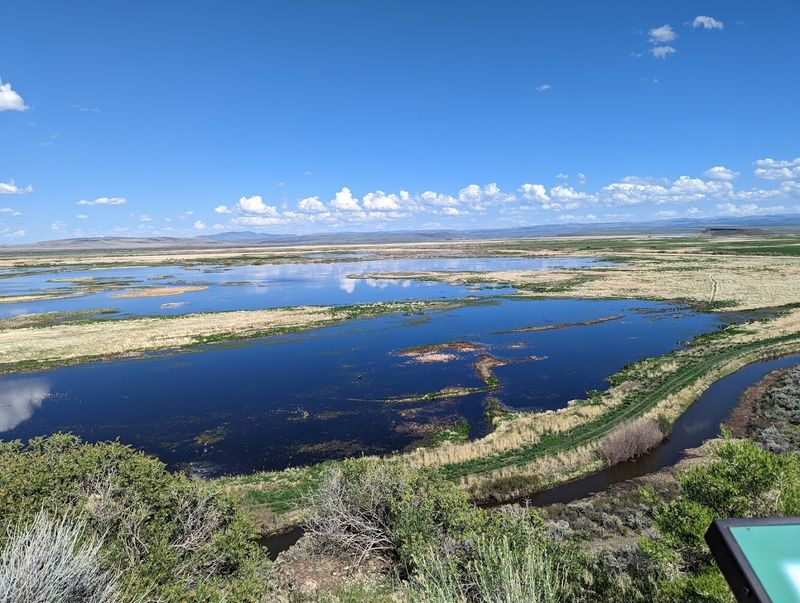
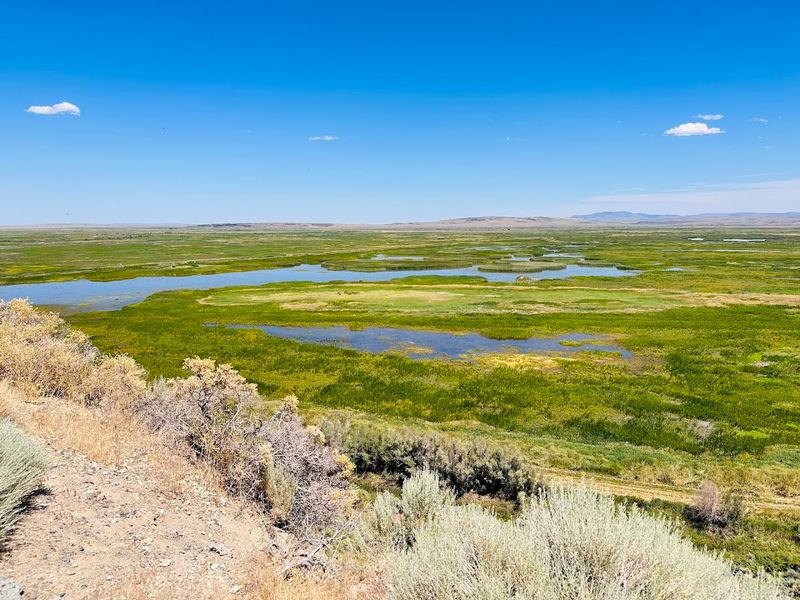
Nothing prepares you for the first glimpse of this place. Malheur National Wildlife Refuge covers around 187,000 acres of southeastern Oregon high desert.
It feels endless in the best possible way.
The refuge sits in the Harney Basin, a broad valley framed by rimrock and distant mountains. Steens Mountain rises dramatically in the background, giving the whole scene a postcard quality.
The landscape shifts from shallow wetlands to open meadows to dry sagebrush flats.
Water shapes everything here. The Blitzen River and Silvies River feed into Malheur Lake, creating a mosaic of habitats.
These varied environments are exactly why so many bird species stop here during migration. Spring flooding turns the basin into a temporary inland sea, drawing massive flocks from across the continent.
The refuge was established in 1908 by President Theodore Roosevelt, making it one of the oldest wildlife refuges in the United States. Getting here takes some effort, but the reward is immediate and unforgettable.
Over 320 Bird Species That Visit or Live Here
The number 320 sounds impressive on paper. Actually seeing it play out across the sky is something else entirely.
Birds arrive here in waves, each season bringing a fresh cast of species.
Spring migration peaks between March and May. That is when the refuge feels most electric, with shorebirds, waterfowl, and raptors all passing through at once.
Sandhill cranes gather in huge numbers, their bugling calls carrying across the flats for miles.
Summer brings nesting activity. Great horned owls raise chicks in cottonwood trees near the visitor center.
Marsh wrens chatter from the reed beds while American avocets wade through the shallows with elegant precision. Fall migration adds another layer, with shorebirds crowding the narrows in impressive concentrations.
Even winter has its moments, with rough-legged hawks and short-eared owls hunting across the open ground. Resident birds like ring-necked pheasants and chukar partridges stay year-round, adding familiar faces to the ever-changing roster.
Every single visit feels different here.
The Visitor Center and Museum Worth Every Minute
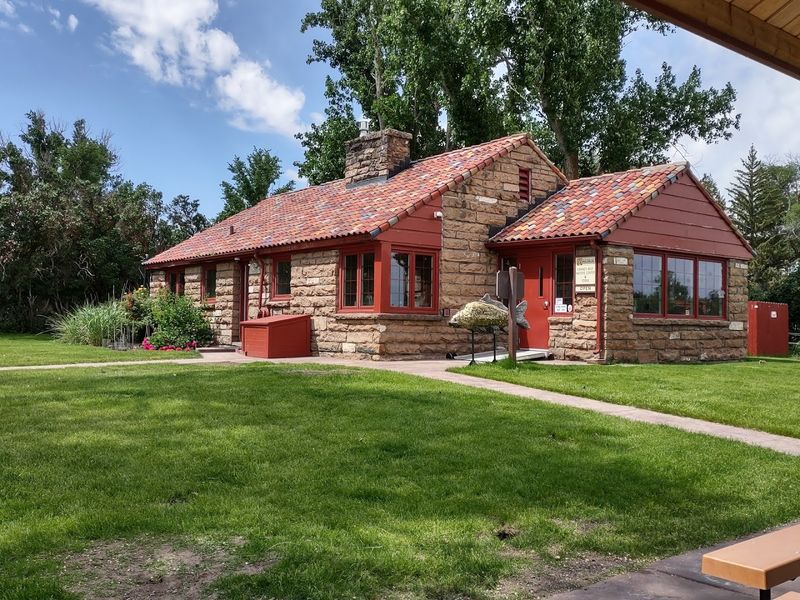
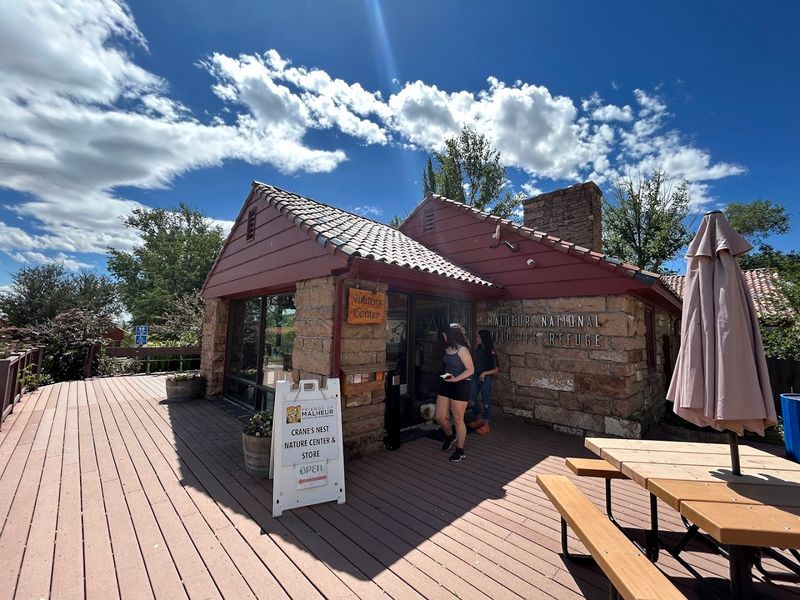
The visitor center on Sodhouse Lane is a genuinely wonderful starting point. Staff and volunteers greet you with real enthusiasm and deep knowledge about current bird activity.
They often hand out maps marked with recent sightings, which is incredibly helpful.
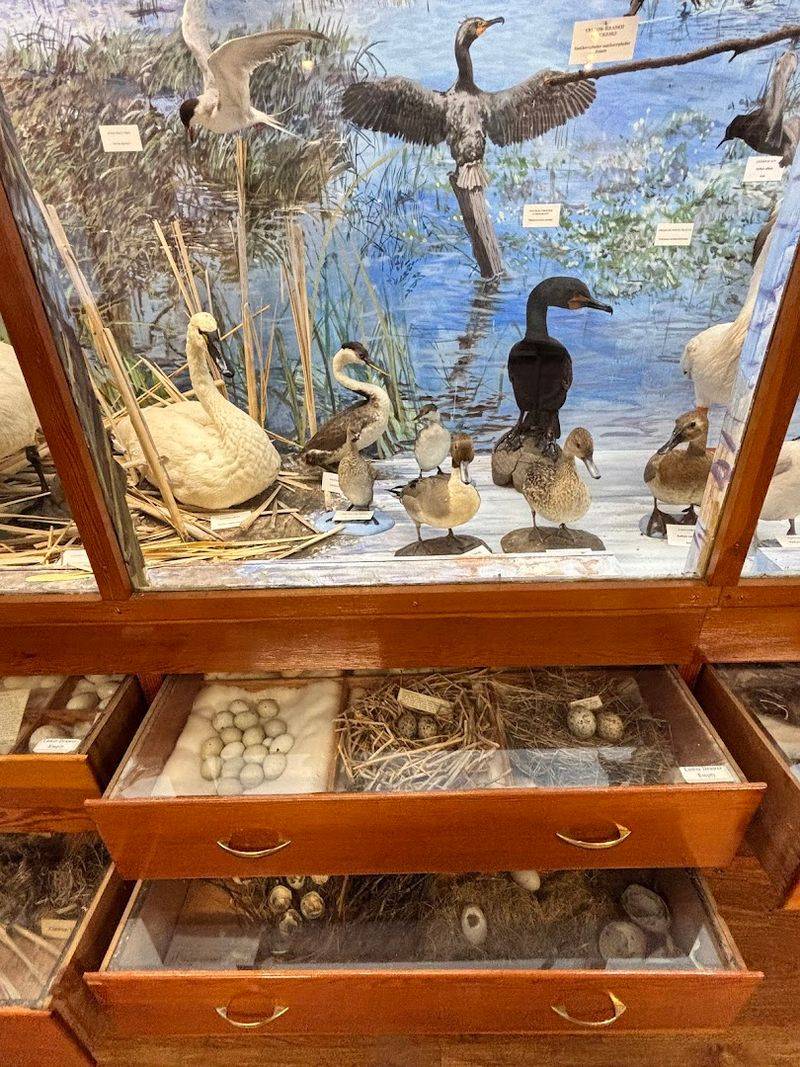
Inside, a small natural history museum displays mounted specimens of every bird and mammal found in the refuge. Eggs, nests, and habitat information fill the displays in an organized and engaging way.
Kids and adults both spend longer in there than expected.
The gift shop carries field guides, binoculars, and refuge-specific items. Knowledgeable volunteers run the shop and genuinely enjoy pointing visitors toward the best spots.
Outside, picnic tables sit in a shaded garden full of cottonwood trees. Hummingbird feeders attract tiny, fast visitors throughout the warmer months.
Spotting blinds are positioned near the ponds so you can watch without disturbing wildlife. The center is open daily from 8 AM to 4 PM.
Address: 36391 Sodhouse Ln, Princeton, OR 97721.
The 42-Mile Auto Tour Route Through the Refuge
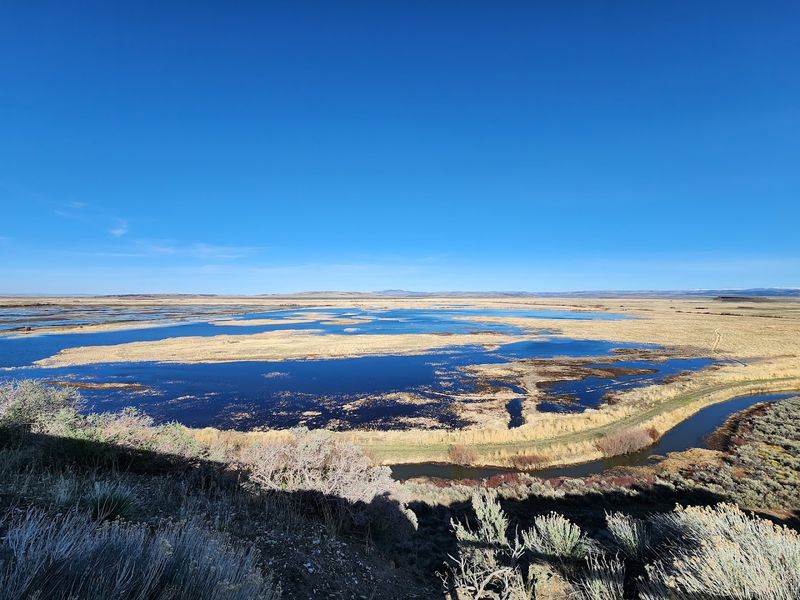
Driving the auto tour route is the single best way to experience the refuge. The route stretches roughly 42 miles and winds through every major habitat type the refuge offers.
You can stop whenever something catches your eye, which happens constantly.
The road passes shallow ponds, river channels, and open meadows. Deer graze near the roadside in the early morning.
Pheasants strut across the gravel without a care in the world.
A free audio tour is available through the Friends of Malheur NWR on Spotify. Downloading each stop before leaving is smart, since cell service is unreliable throughout the refuge.
Signs along the route match the audio stops, making it easy to follow along. The Benton Pond area is a highlight, often hosting owls in the nearby cottonwoods.
P Ranch, near the southern end, is where bald eagles have been spotted nesting in tall trees. Plan at least half a day for the full route.
Going slowly and stopping often makes the experience much richer and more rewarding.
Spring Migration Season at Malheur
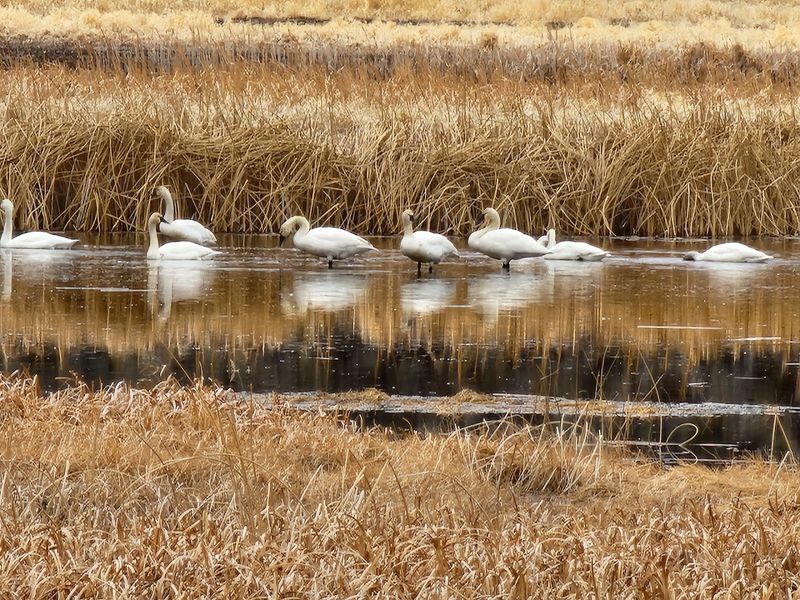
Spring at Malheur is a full sensory event. The basin floods with snowmelt and rain, transforming dry flats into vast shallow lakes that stretch to the horizon.
Birds pour in from every direction.
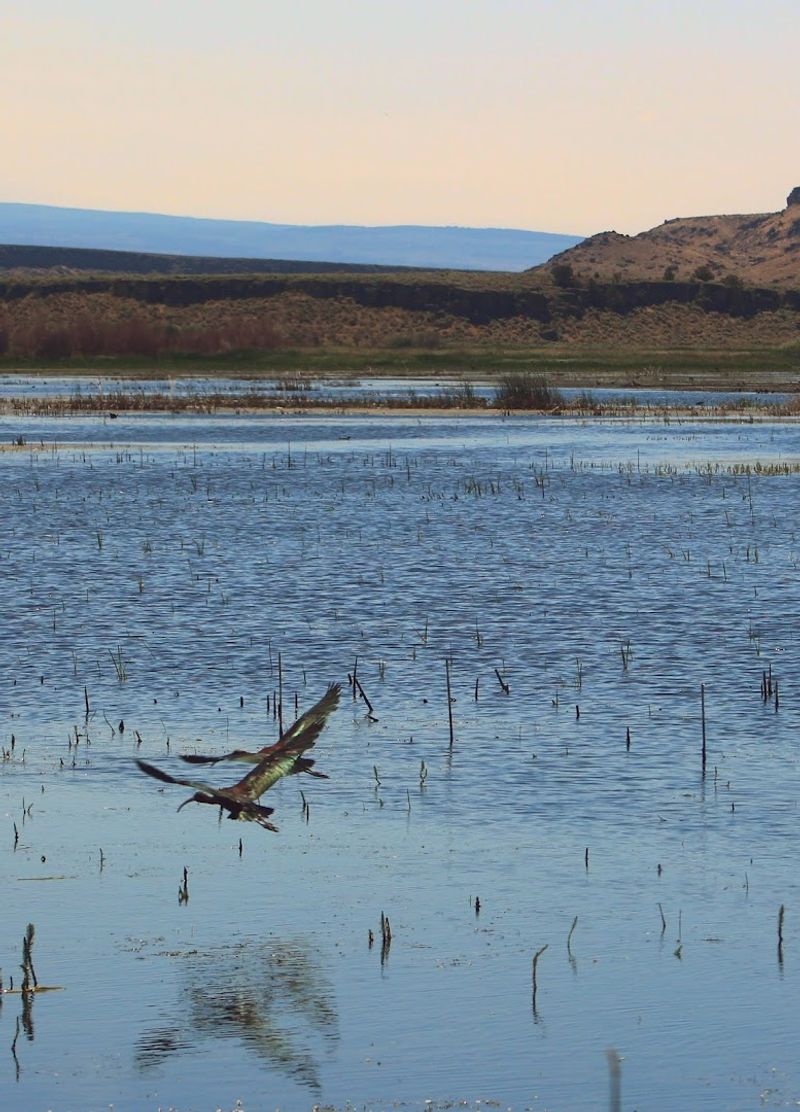
Tundra swans and trumpeter swans arrive early, their white forms glowing against grey skies. Thousands of white-faced ibis follow, their iridescent plumage catching the light in surprising ways.
Wilson’s snipe, dunlin, and dowitchers probe the mud flats with focused intensity.
The sheer volume of birds during peak migration can be genuinely overwhelming. Standing at the narrows during late April, I watched flocks so dense they looked like moving storm clouds.
Sandhill cranes fill the air with that ancient, rattling bugle call that feels prehistoric and thrilling at once. American avocets and black-necked stilts add splashes of color to the shallows.
Birders travel from across the country specifically for this window. Arriving in late April or early May gives you the best chance of catching migration at its absolute peak intensity.
Raptors and Birds of Prey at the Refuge
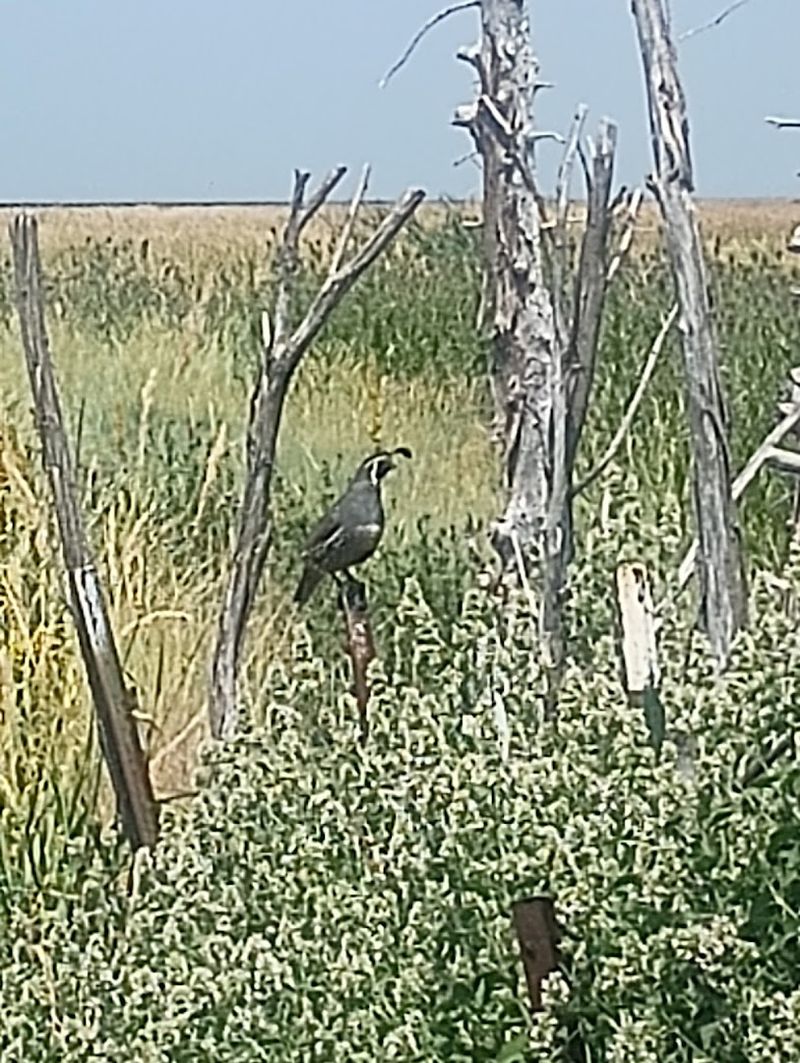
Raptors have a strong presence at Malheur throughout the year. Bald eagles and golden eagles patrol the skies above the refuge with an authority that is hard to ignore.
Spotting one perched in a cottonwood is a genuinely electric moment.
Great horned owls are perhaps the most beloved residents near the visitor center. A nesting pair has raised chicks in full view of visitors, drawing crowds of delighted onlookers each spring.
Watching the parents feed a fluffy owlet is the kind of thing you remember for years.
The Round Barn area, located north of the main refuge, also hosts nesting owls and is well worth the detour. Ferruginous hawks and Swainson’s hawks hunt the open grasslands during warmer months.
Rough-legged hawks take over those same skies in winter, hovering in place before dropping on prey below. Peregrine falcons occasionally streak through during migration, scattering shorebird flocks in spectacular fashion.
The diversity of raptors alone could justify an entire dedicated trip to this refuge.
Mammals and Other Wildlife Beyond the Birds
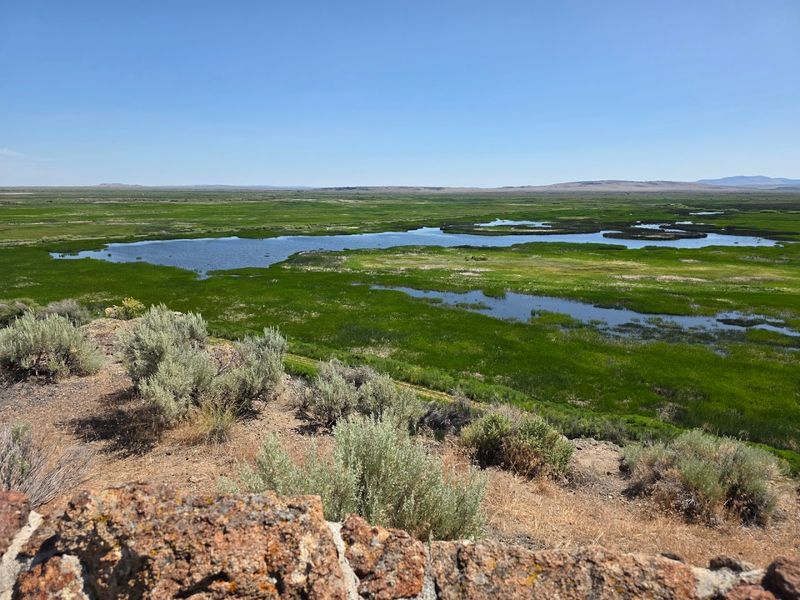
Malheur is famous for birds, but the mammal watching here is genuinely impressive too. Pronghorn antelope sprint across the open flats at speeds that seem impossible for an animal that large.
Watching them run is one of those purely joyful wildlife moments.
Mule deer are common throughout the refuge, especially in the early morning and evening hours near water. Cottontail rabbits and jackrabbits appear along roadsides, often sitting very still before bounding off into the brush.
Ground squirrels pop up from burrows all along the auto tour route.
Coyotes are regular visitors to the open meadows, trotting along with that unhurried, purposeful gait. Muskrats swim through the reed-lined channels, leaving small V-shaped wakes behind them.
River otters have been spotted in slower-moving water sections of the refuge. The variety of mammals adds an extra layer of excitement to every drive through the area.
Bringing binoculars for both birds and mammals is strongly recommended. You never quite know what will appear around the next bend in the road.
Best Times to Visit and What to Expect Each Season
Timing your visit to Malheur makes a real difference in what you experience. Spring and fall are peak seasons for bird diversity and sheer numbers.
Summer is quieter but still full of nesting activity and resident species.
Late April through May delivers the most dramatic migration spectacle. Fall migration runs from August through October, with shorebirds dominating the narrows in late summer.
Winter brings a quieter refuge, but raptors and hardy waterfowl keep things interesting.
Mosquitoes are a genuine challenge from late spring through midsummer. Bringing insect repellent is not optional during those months.
Grasshoppers also appear in large numbers during summer, sometimes forming clouds around vehicles on warm afternoons. Early morning visits are best for wildlife activity and cooler temperatures.
The refuge is free to enter, which makes planning multiple visits very easy. Cell service is limited throughout, so downloading maps and audio tours before arriving saves a lot of frustration.
Layering clothing helps because temperatures can swing dramatically between morning and afternoon in this high desert environment.
The History and Conservation Story of Malheur
President Theodore Roosevelt established Malheur as a federal bird reservation in 1908. That decision came during a period when market hunters were devastating shorebird and waterfowl populations across the country.
Malheur was created to stop that destruction and give migratory birds a protected place to rest and breed.
The refuge has grown significantly since those early years. Management now focuses on maintaining water levels, restoring native vegetation, and supporting healthy populations of both migratory and resident species.
It is a constant and complex balancing act.
The visitor center museum tells this conservation story clearly and engagingly. Displays explain how water management decisions affect everything from shorebird habitat to fish populations in the connected river systems.
The refuge has faced challenges over the decades, including drought cycles that have dramatically reduced water in Malheur Lake. Despite those pressures, the bird populations continue to use the refuge in impressive numbers each year.
Becoming a member of the Friends of Malheur NWR directly supports habitat protection and helps keep facilities running for future visitors.
Tips for Making the Most of Your Visit
A few practical things go a long way at Malheur. Starting at the visitor center before heading out into the refuge is genuinely useful.
Staff and volunteers share real-time sightings that can completely change your route for the better.
Bringing a packed lunch is a smart move. Picnic tables are available near the visitor center, including a covered area near the gift shop.
There are no restaurants nearby, and the nearest towns are a significant drive away.
A spotting scope or quality binoculars make a big difference across the wide open spaces here. A camera with a long zoom lens is ideal for capturing birds at distance without disturbing them.
Driving slowly along the auto tour route and stopping often is far more productive than rushing through. Download the Friends of Malheur NWR audio tour from Spotify before losing cell service.
The restrooms at the visitor center are well-maintained and clean. Wearing layers, packing sun protection, and bringing plenty of water rounds out a comfortable and rewarding day at this remarkable Oregon refuge.
Dear Reader: This page may contain affiliate links which may earn a commission if you click through and make a purchase. Our independent journalism is not influenced by any advertiser or commercial initiative unless it is clearly marked as sponsored content. As travel products change, please be sure to reconfirm all details and stay up to date with current events to ensure a safe and successful trip.
