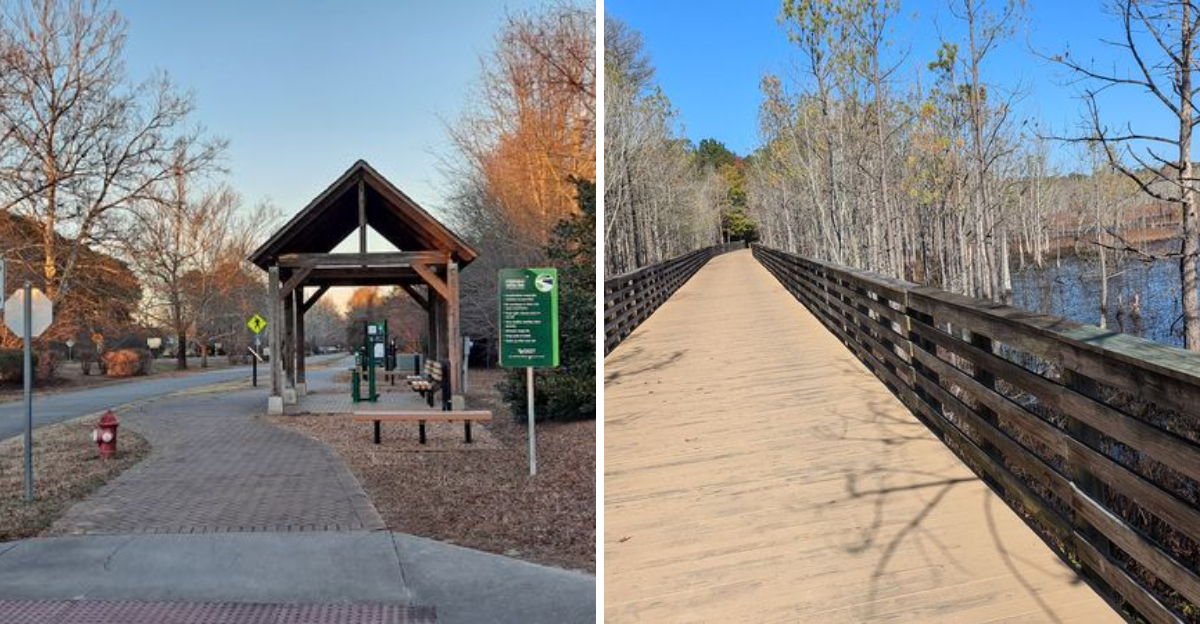
Picture a ribbon of smooth pavement winding through centuries of American history, connecting two of Virginia’s most storied cities while passing forgotten plantations and hidden ruins that whisper tales of the past. The Virginia Capital Trail stretches across the landscape like a time machine on wheels, inviting adventurers to pedal, jog, or stroll through the heart of where America began.
This isn’t just another recreational path. It’s a journey through colonial settlements, past presidential estates, and alongside rivers that once carried ships full of dreams and determination.
Every mile marker tells a different story, every bend reveals another layer of Virginia’s rich tapestry. Cyclists cruise past crumbling brick foundations where tobacco barons once ruled.
Runners discover wooden bridges arching over marshlands teeming with wildlife. Walkers pause at interpretive signs that bring forgotten chapters of history back to life.
The trail connects Richmond to Jamestown, but it offers so much more than simple transportation between two points on a map.
A Paved Pathway Through Four Centuries
Spanning the distance between Virginia’s capital city and America’s first permanent English settlement, this trail covers ground that has witnessed everything from Native American footpaths to colonial trade routes. The pavement beneath your feet or wheels represents years of careful planning and construction that transformed a vision into reality.
Perfectly maintained asphalt makes the journey accessible for everyone from casual weekend warriors to serious endurance athletes training for their next challenge. The surface stays smooth enough for road bikes yet sturdy enough for recreational cruisers and joggers alike.
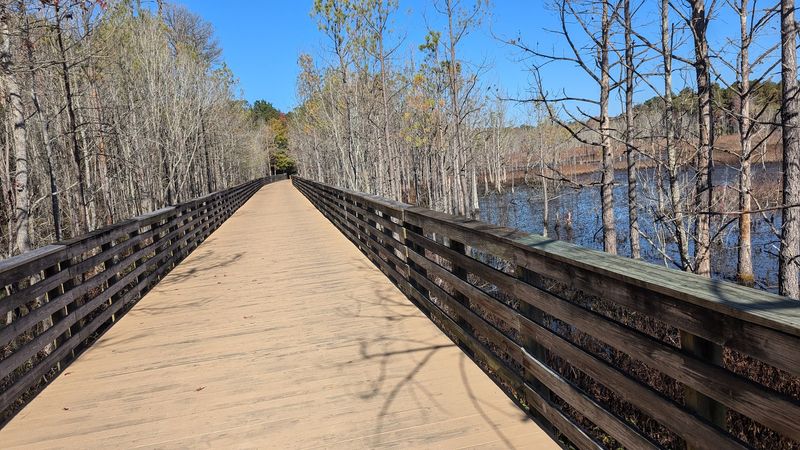
Mile markers guide your progress along the entire route, helping you track distances and plan rest stops. Wooden bridges punctuate the landscape, carrying you over wetlands and creeks that have flowed through this region since long before European settlers arrived.
Historical markers dot the trail at regular intervals, offering glimpses into the lives of people who shaped this corner of Virginia. Each sign presents opportunities to pause, reflect, and imagine what life looked like centuries ago in these exact spots where you now stand catching your breath.
Richmond To Jamestown Connection
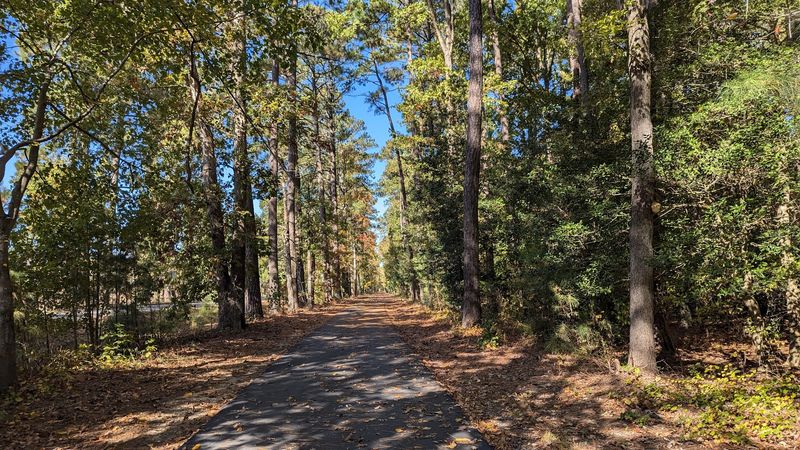
Starting from the bustling streets of Richmond, the trail carries you eastward through gradually changing landscapes toward the historic shores of Jamestown. This connection between Virginia’s political heart and its colonial birthplace creates a unique corridor through time and geography.
The western sections near Richmond feature more urban influences, with the trail passing through developed areas before transitioning into quieter, more rural settings. Parking areas at both ends provide convenient access points for those who want to tackle the full distance or just sample sections.
As you progress eastward, the landscape shifts from city outskirts to farmland, then to the tidal zones near the James River. Each segment offers its own character and charm, ensuring that monotony never creeps into your journey.
Many adventurers choose to make this an overnight experience, riding or running one direction and staying in Williamsburg before completing the return trip. Others prefer shuttling vehicles to opposite ends, creating a one-way adventure that maximizes scenery while minimizing backtracking through familiar territory already covered.
Presidential Estates And Colonial Plantations
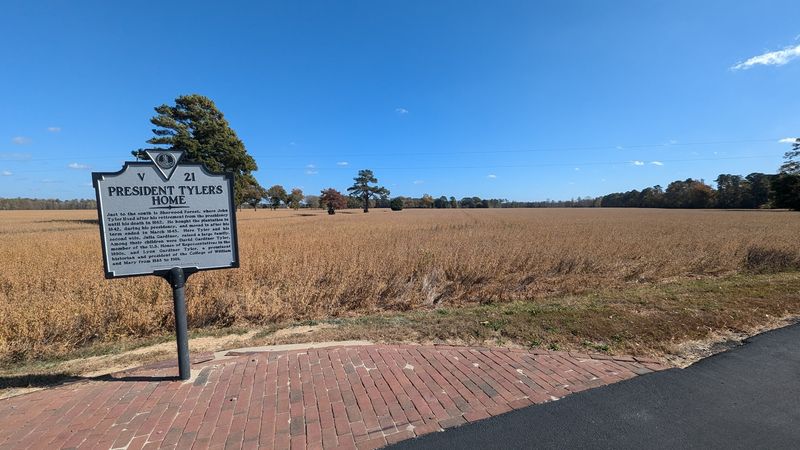
Two presidential birthplaces lie within reach of this remarkable trail, offering tangible connections to America’s founding fathers. Berkeley Plantation and Sherwood Forest Plantation stand as monuments to the men who helped shape a nation, their grounds still echoing with historical significance.
The trail passes close enough to these estates that detours become irresistible for history enthusiasts. Brick foundations and carefully preserved buildings transport visitors back to an era when Virginia produced presidents and political philosophy in equal measure.
Colonial plantations along the route tell complex stories of agriculture, commerce, and the people who lived and worked these lands. Some structures remain remarkably intact, while others have surrendered to time, leaving only ghostly remnants that spark imagination.
Interpretive signage helps contextualize these sites, explaining their roles in Virginia’s development and America’s early years. The juxtaposition of modern recreational infrastructure against centuries-old architecture creates powerful moments of reflection about progress, preservation, and the passage of time through this historically rich region.
Forgotten Ruins And Architectural Remnants
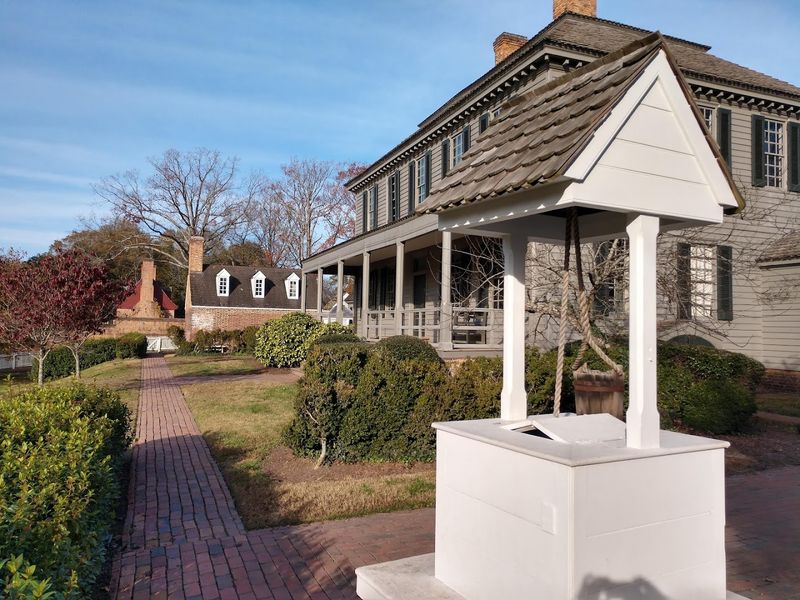
Not every historical site along the trail receives careful restoration and preservation funding. Scattered throughout the route, forgotten foundations and crumbling walls stand as silent witnesses to dreams that faded and enterprises that failed.
These ruins possess a haunting beauty that polished tourist attractions cannot match. Vines creep through empty window frames, trees grow through collapsed roofs, and nature slowly reclaims spaces once bustling with human activity.
Brick chimneys rise from overgrown clearings like sentinels guarding memories of families who once gathered around their hearths. Stone walls mark property boundaries that no longer matter, dividing fields that have returned to forest.
Photography enthusiasts find endless inspiration in these decaying structures, capturing images that blend natural beauty with human impermanence. The ruins remind trail users that history isn’t just about preserved museums and restored mansions but also includes the countless ordinary places where everyday people lived ordinary lives that deserve remembering even as physical evidence gradually disappears into the Virginia earth.
Flat Terrain With Gentle Rolling Sections
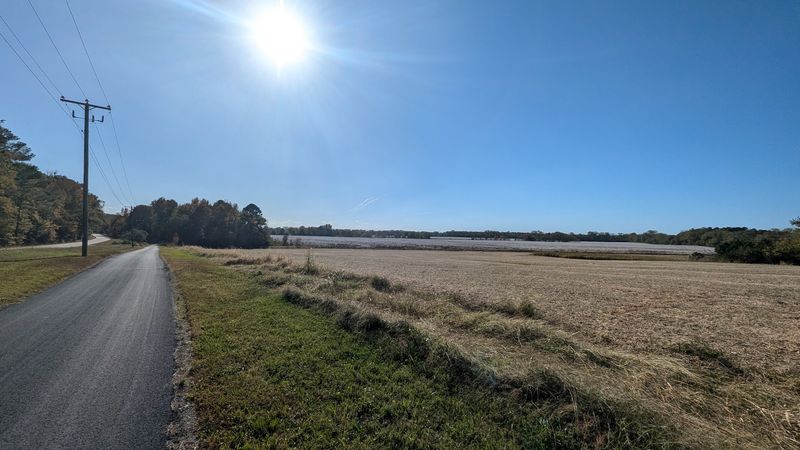
The first twenty miles heading east from Richmond provide remarkably flat terrain that welcomes beginners and allows experienced riders to build speed and rhythm. This gentle introduction helps newcomers build confidence while covering impressive distances without exhausting themselves.
After mile marker twenty, the landscape begins introducing mild hills that add variety without creating serious challenges. These rolling sections provide just enough elevation change to keep things interesting and give different muscle groups opportunities to engage.
The gradual nature of any inclines means that even casual cyclists can maintain comfortable paces without needing to dismount and walk. Runners appreciate the flat stretches for maintaining steady training paces while using the occasional hills for interval work.
This accessibility makes the trail perfect for family outings where skill levels vary widely. Parents can confidently bring children along, knowing the terrain won’t present obstacles beyond young riders’ capabilities.
The smooth surface and manageable grades mean that adaptive cycles and hand-powered bikes can also navigate the route successfully, opening this Virginia treasure to even more outdoor enthusiasts.
Wildlife Viewing And Natural Beauty

Ospreys build massive nests atop bridges and dead trees along the trail, providing dramatic wildlife viewing opportunities. During breeding season, watching these magnificent raptors dive for fish and return to feed their chicks creates unforgettable moments that remind trail users why outdoor recreation matters.
The trail passes through diverse ecosystems ranging from hardwood forests to tidal marshes, each supporting different communities of plants and animals. Deer frequently appear near dawn and dusk, browsing along the edges where forest meets maintained trail corridor.
Wetland sections buzz with insect life that attracts countless bird species, making the route popular with birding enthusiasts carrying binoculars and field guides. Turtles sun themselves on logs, herons stand motionless in shallow water, and if you’re lucky, you might spot river otters playing in the creeks.
Seasonal changes transform the scenery throughout the year. Spring brings wildflowers and migrating songbirds.
Summer offers lush green canopies providing welcome shade. Fall explodes with color as leaves turn brilliant reds and golds.
Winter reveals landscape bones usually hidden by foliage.
Multiple Access Points And Parking Areas
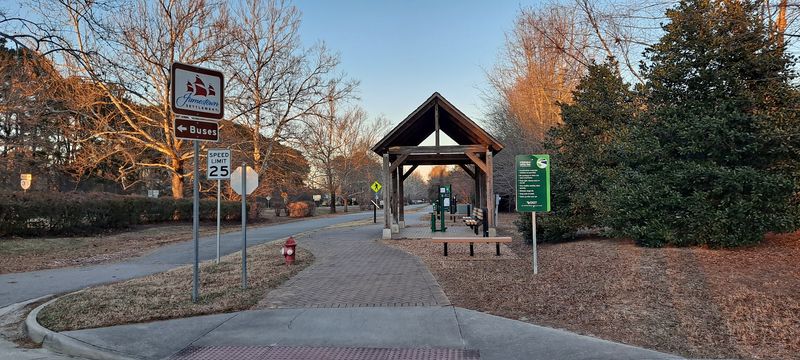
Jamestown Settlement provides one of the most popular starting points, with ample parking and facilities that make preparing for your adventure convenient and stress-free. This location works perfectly for those wanting to explore the eastern sections without committing to the full distance.
Four Mile Creek Park offers another excellent access point with parking and amenities positioned roughly midway along the route. This spot attracts locals who want to enjoy shorter segments without driving to either terminus.
Additional trailheads scattered along the route mean you can customize your experience based on available time, fitness level, and desired scenery. Some access points connect to local parks offering playgrounds and picnic facilities, making them ideal for family outings.
The multiple entry points also provide flexibility for creating one-way adventures by shuttling vehicles or arranging pickups. Trail users can start at different locations to avoid repeating familiar sections, keeping the experience fresh even for regular visitors who use the Virginia Capital Trail as their primary outdoor recreation destination throughout the year.
Year-Round Accessibility And Perfect Conditions

Unlike mountain trails that close during winter or become impassable after rain, this paved pathway remains accessible throughout the year. The hard surface drains quickly, meaning you can often use the trail within hours of storms passing through.
Fall weather creates particularly magical conditions when temperatures cool to comfortable levels and humidity drops. Crisp air and colorful foliage combine with fewer crowds to create ideal circumstances for covering serious distances.
Spring brings mild temperatures perfect for shaking off winter lethargy and rebuilding fitness. Summer mornings offer opportunities to complete rides or runs before heat and humidity become oppressive, though shade along forested sections provides relief even during warmer hours.
Winter days when temperatures climb above freezing attract hardy souls who appreciate having the trail largely to themselves. The lack of leaves reveals distant views usually hidden by summer foliage, and wildlife becomes easier to spot against bare branches.
Maintenance crews keep the surface clear of debris year-round, ensuring safe conditions regardless of season throughout this exceptional Virginia recreational resource.
Safety And Separation From Vehicle Traffic
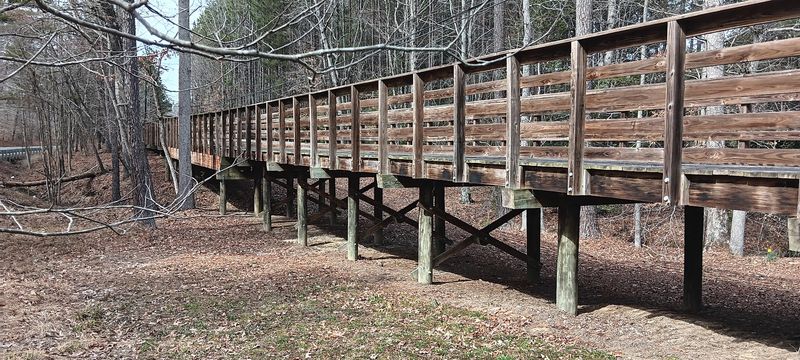
Complete separation from vehicle traffic for the vast majority of the route creates a safe environment where families can relax and enjoy their experience without constant vigilance. Children can ride ahead without parents worrying about cars appearing around blind corners.
The few road crossings that exist occur at relatively quiet intersections where traffic volumes remain manageable. Clear signage alerts both trail users and motorists to these interaction points, promoting awareness and caution from everyone involved.
The dedicated pathway means cyclists can focus on scenery and conversation rather than watching for opening car doors or distracted drivers. Runners enjoy the freedom to use headphones without sacrificing situational awareness since threats from vehicles essentially disappear.
This safety factor makes the trail particularly appealing for solo female athletes who might feel vulnerable running or riding on road shoulders. The steady stream of other trail users during popular hours provides additional security through numbers.
Emergency access points allow quick response if accidents or medical situations occur, though the protected nature of the route means serious incidents remain rare along this well-designed Virginia treasure.
Local Amenities And Trail Support Services
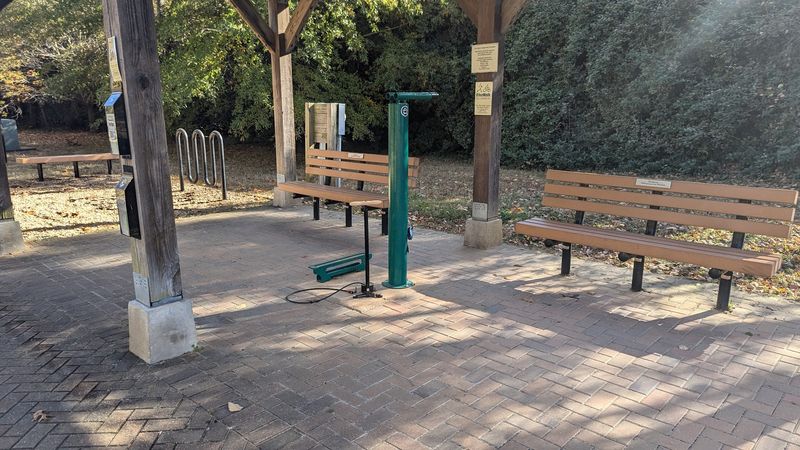
Small businesses near the trail have embraced their proximity to this recreational corridor, offering services specifically designed for trail users. Bike shops provide repairs, rentals, and supplies for cyclists who experience mechanical issues or forgot essential gear.
Spoke and Art operates as one such establishment where riders can grab snacks, clean up, and make necessary adjustments before continuing their journey. These trail-adjacent businesses create convenient stopping points that enhance the overall experience.
While facilities remain somewhat limited compared to urban bike paths, strategic planning allows most users to complete their intended distances without major difficulties. Carrying adequate water and snacks remains advisable, though knowing support exists provides peace of mind.
The trail community continues growing as more people discover this Virginia gem. Online forums and local cycling groups share information about conditions, organize group rides, and provide tips for newcomers.
This developing infrastructure around the Virginia Capital Trail transforms it from simple recreational path into a genuine destination that supports tourism and healthy outdoor lifestyles throughout the region. The trail’s address spans across Virginia, connecting communities from Richmond through to Jamestown along its entire remarkable length.
Dear Reader: This page may contain affiliate links which may earn a commission if you click through and make a purchase. Our independent journalism is not influenced by any advertiser or commercial initiative unless it is clearly marked as sponsored content. As travel products change, please be sure to reconfirm all details and stay up to date with current events to ensure a safe and successful trip.
