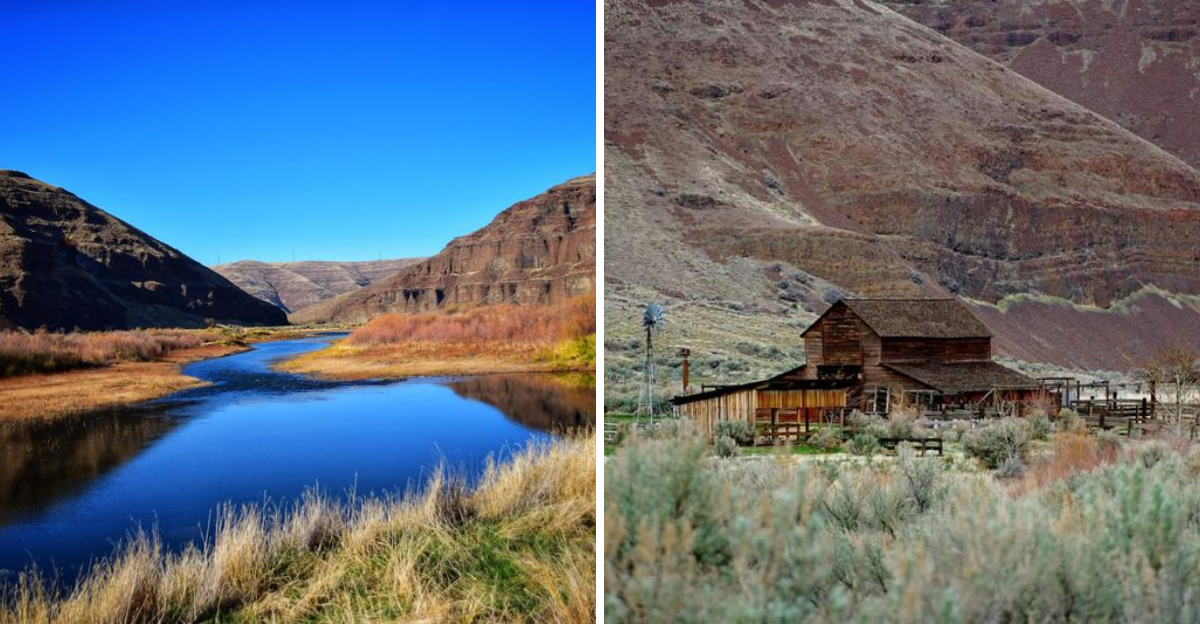
I’m still amazed by the quiet escape I found hidden in Oregon’s rolling hills. Imagine 8,000 acres of whispering pines, sparkling streams, and open meadows that feel like a private sanctuary.
I spent a weekend wandering the trails, and every turn revealed something fresh – sun?drenched clearings, a hidden waterfall, a meadow buzzing with wildflowers. There were no crowds, just the gentle rustle of leaves and the occasional call of a hawk.
It’s the kind of place that makes you forget the world’s hustle and just breathe. I left feeling refreshed, as if I’d uncovered a secret that only locals know.
If you love wandering off the beaten path, this spot in Oregon is worth a detour. Trust me, you’ll want to come back for more.
The Sheer Scale of the Park Will Catch You Off Guard
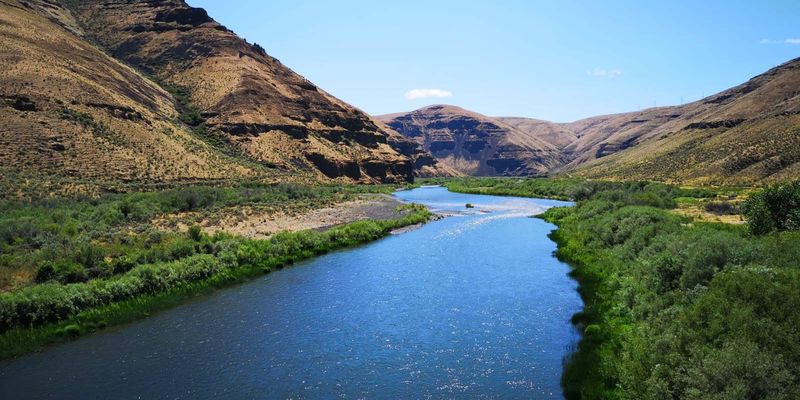
Most people assume Oregon’s best parks are packed into the coast or the Cascades. Cottonwood Canyon quietly breaks that assumption by sitting on roughly 8,000 acres of high desert canyon land in north-central Oregon, making it one of the largest state parks in the entire state.
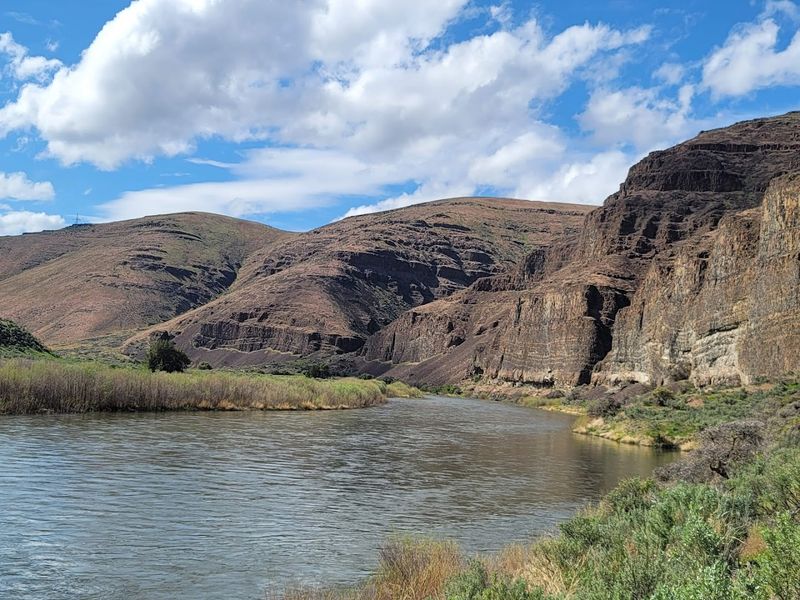
The scale hits you the moment you descend into the canyon. The walls stretch upward on both sides, and the John Day River runs through the middle like a silver thread stitching everything together.
It feels enormous in the best possible way.
What surprises most first-time visitors is how few people are actually here. Even on holiday weekends, the trails stay relatively quiet.
That amount of open land absorbs visitors easily, giving everyone plenty of room to breathe, explore, and feel genuinely alone with the landscape without having to fight for a parking spot or a trail head.
Canyon Views That Honestly Belong on a Postcard
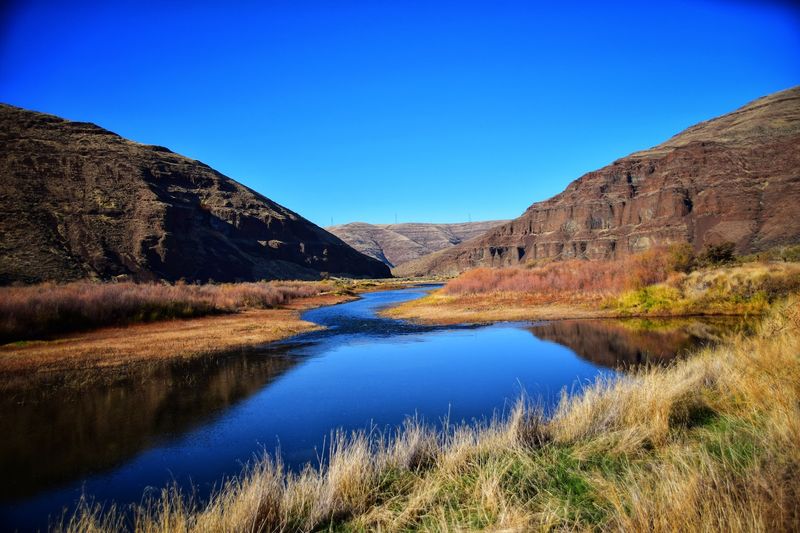
Standing at the rim of Cottonwood Canyon for the first time feels a little surreal. The rock layers tell millions of years of geological history through bands of rust, amber, and pale tan that stack up like pages in an old book.
Sunlight hits those walls differently at every hour, and the late afternoon glow is genuinely something else.
The canyon was carved by the John Day River over thousands of years, and the result is a landscape that feels both ancient and alive. Basalt formations jut out from the canyon walls, and the contrast between dark rock and dry golden grasses creates a texture that photographers absolutely love.
You do not need to hike far to enjoy the views here. Even from the day-use area near the river, the canyon frames itself beautifully.
Pack a simple lunch, find a picnic bench, and just look around for a while. Sometimes the best travel moments are the ones where you simply sit still and take it in.
Hiking Trails That Follow the River and Climb the Plateaus
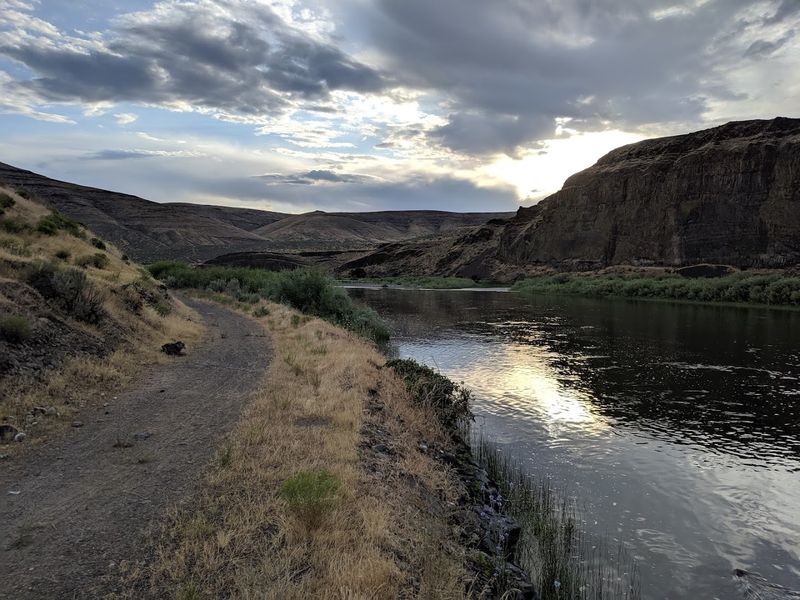
The trail system here offers two very different experiences depending on which direction you head. The riverside trails stay relatively flat and follow the curves of the John Day River, making them accessible to hikers of most fitness levels.
Willows and cottonwood trees line the water, offering patches of shade that feel especially welcome in summer heat.
Heading upward onto the plateaus is a completely different story. The terrain gets steeper and more exposed, but the reward is a sweeping view of the canyon below that genuinely earns the climb.
I caught a glimpse of a bighorn sheep on one of the upper trails, standing completely still on a ledge like it owned the place.
Trails here are also open to mountain bikers, which adds a fun dimension if you prefer two wheels over two feet. Wear sturdy shoes regardless of the trail you choose.
The park is home to some notoriously sharp thorns that can work their way through thin soles and even puncture bike tires without much effort.
Camping Under a Sky Full of Stars
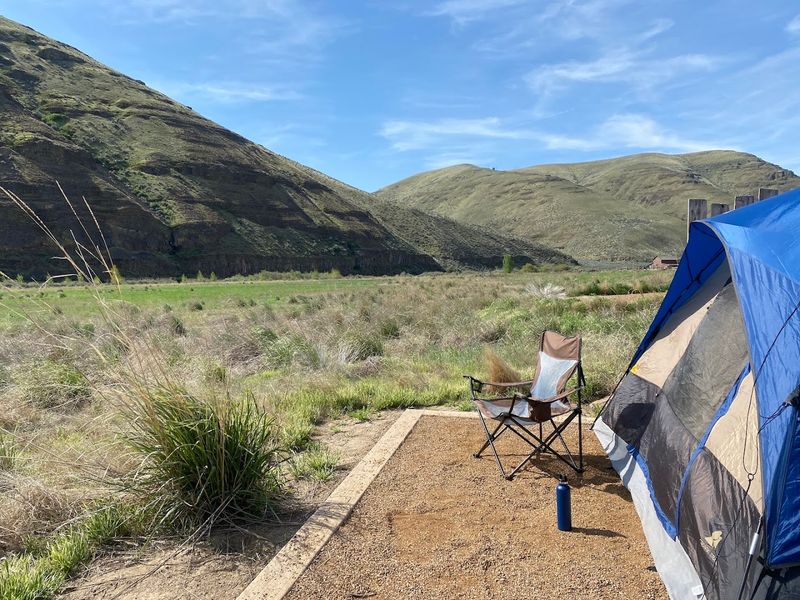
Cottonwood Canyon is a registered dark sky location, which means the night sky here is genuinely spectacular. No city glow bleeds over the canyon walls.
On a clear night, the Milky Way stretches overhead in full detail, and shooting stars are common enough that spotting seven in a single evening is not unusual at all.
The Lone Tree Campground offers tent sites, RV spots, and rustic cabins that come with electricity, a mini fridge, and mattresses. The cabins feel surprisingly comfortable for a park this remote, and they book up fast, especially in spring and summer.
Reservations through the Oregon Parks system are strongly recommended.
Hot showers are available on-site, which feels like a genuine luxury after a day of hiking in the desert heat. Solar charging stations are also scattered around the campground.
The sites are well-spaced, giving each group a sense of privacy that can be hard to find in more popular parks. Bring firewood that meets heat-treated requirements, as fire rules are taken seriously here.
The John Day River Is the Heart of the Whole Park
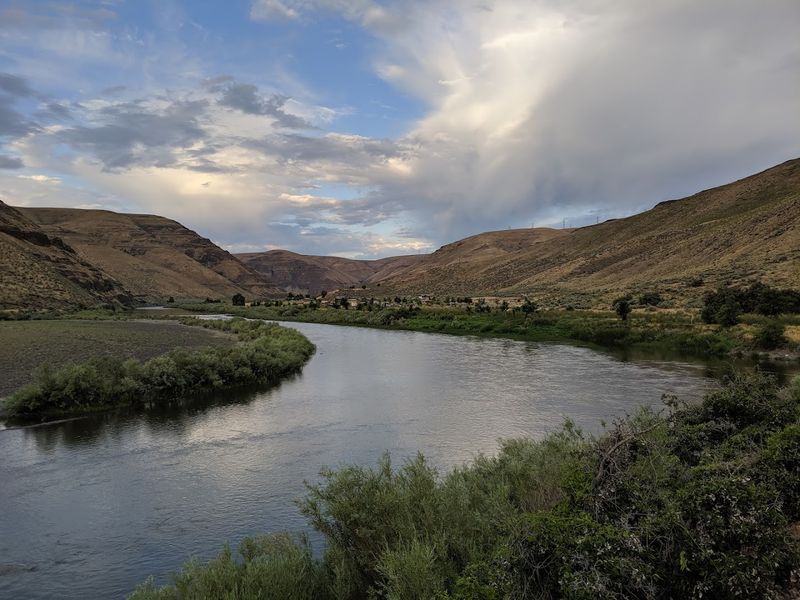
Everything in this park seems to orient itself around the John Day River. The campsites sit close to its banks, the trails follow its curves, and the wildlife congregates along its edges throughout the day.
It is calm enough in most stretches for wading and swimming, making it a favorite spot for families on warm afternoons.
Fishing is a serious draw here. Smallmouth bass are plentiful in the river, and fly fishing enthusiasts have been coming to this stretch of the John Day for years.
The water runs clear enough in many sections to spot fish holding in the current, which makes sight fishing genuinely rewarding for those who know what to look for.
A boat ramp is located nearby, adding another way to experience the river beyond wading in from the bank. River otters have been spotted along this stretch too, which adds a delightful layer of surprise to any riverside walk.
The John Day is not just a backdrop here. It is the living center of the entire park experience.
Wildlife Encounters Around Nearly Every Bend
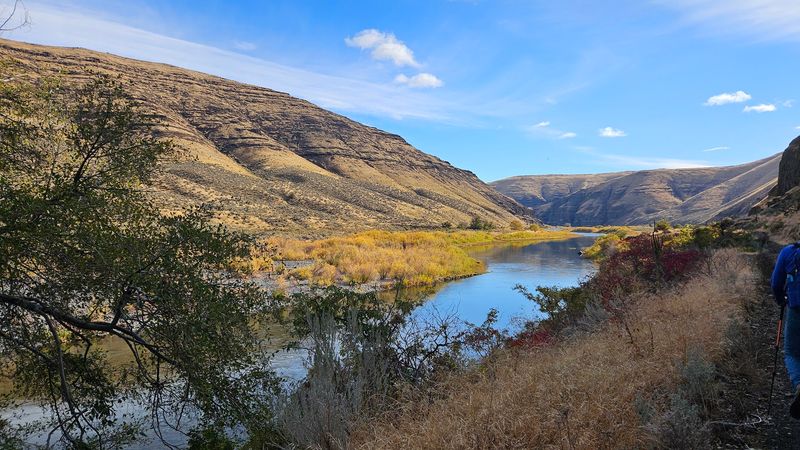
Wildlife watching at Cottonwood Canyon is genuinely rewarding, and it does not require any special effort or early morning dedication. Deer and elk are commonly spotted near the river at dawn and dusk, moving quietly through the brush with a calm confidence that suggests they are very used to this place being theirs.
Bighorn sheep are perhaps the most exciting sighting in the park. They navigate the steep canyon walls with casual ease, appearing suddenly on ledges that seem impossibly narrow.
Rabbits dart across the trails regularly, and shorebirds work the river edges in steady, methodical patterns throughout the day.
River otters, though less predictable, show up along the John Day often enough to make any slow riverside walk feel like a small adventure. The park also has a known rattlesnake population, so staying on marked trails and watching where you step is genuinely important.
Cougar sightings have been reported on rare occasions too. This is real wild land, and respecting that makes the whole experience feel more meaningful.
A Homestead History Hidden in Plain Sight
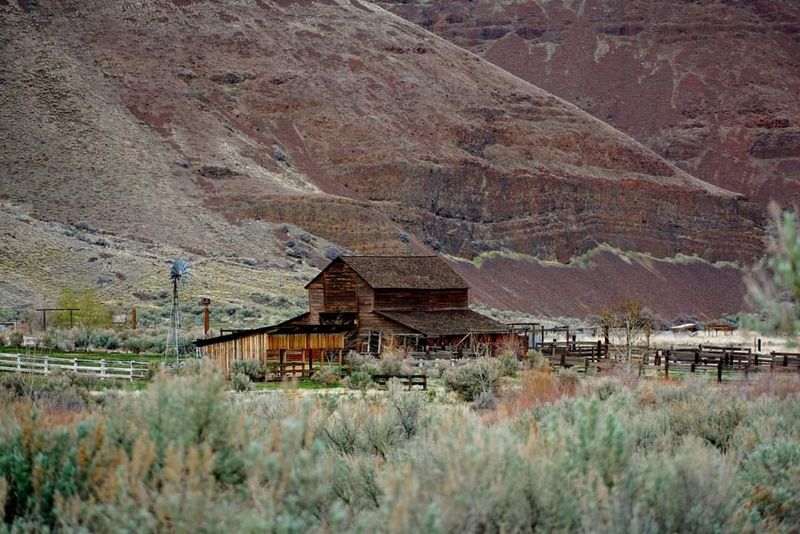
The day-use area at Cottonwood Canyon sits on land that was once a working homestead, and the park has done a thoughtful job of preserving that history. Old barns and corrals still stand near the picnic area, weathered but solid, giving the whole space a pioneer settlement atmosphere that feels genuinely evocative rather than manufactured.
An interpretive center is open on-site, and it is worth walking through even if you are just stopping for lunch. The exhibits explain the challenges of homesteading in this canyon environment, where wind, isolation, and unpredictable water made everyday life remarkably difficult.
Rustic handmade signs throughout the park carry snippets of that story.
Log chairs sit on a covered porch near the interpretive area, and they are a perfect spot to read through the history panels while watching the canyon shift color in the afternoon light. The attention to detail throughout the park is impressive.
It feels like someone put real care into making the history accessible without turning it into a museum piece or a tourist attraction.
Spring Wildflowers That Transform the Desert Floor
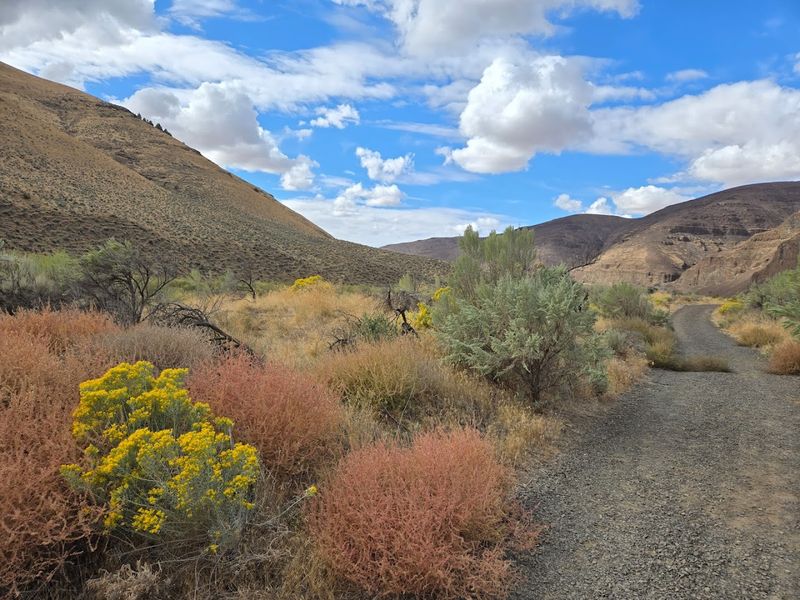
Visiting Cottonwood Canyon in spring is a completely different sensory experience from any other season. The desert floor, which looks spare and dry through most of the year, suddenly erupts in color as wildflowers push through the rocky soil in waves of yellow, purple, and white.
It happens fast, so timing matters.
The canyon walls hold moisture longer than the open plateau, which means flowers bloom in layers as elevation changes. Lower areas near the river tend to peak first, followed by the slopes, and then the rim.
Hiking the trail system during peak bloom gives you a rolling progression of color that feels almost theatrical.
Spring also brings milder temperatures, which makes long hikes far more comfortable than the baking heat of July and August. Mornings are crisp and clear, afternoons warm up pleasantly, and the light during golden hour turns the canyon walls into something that looks almost painted.
This is honestly the best season to visit if your schedule allows for any flexibility at all.
Practical Tips for Making the Most of Your Visit
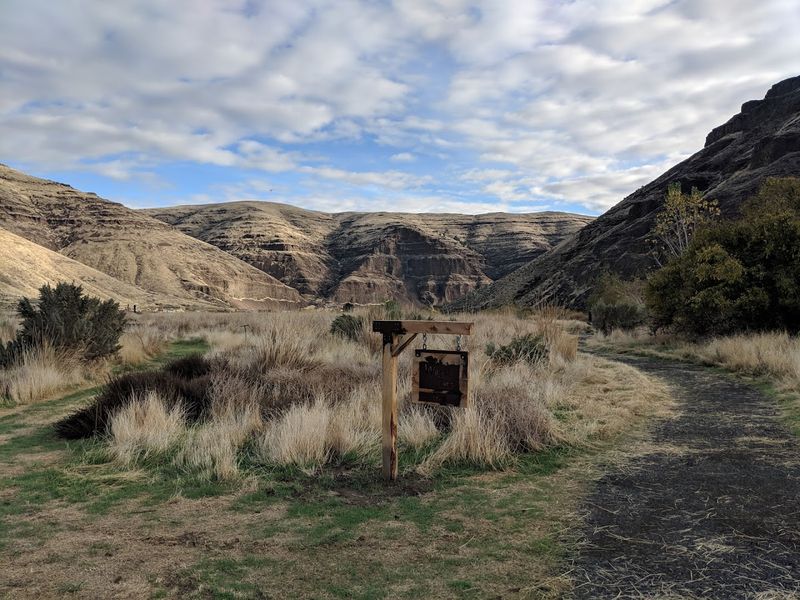
Getting to Cottonwood Canyon requires a bit of planning. The park is located near Wasco, Oregon, and the nearest market is about a 25-minute drive away.
Stocking up on food, water, and supplies before arriving is genuinely important, especially for multi-day stays when you do not want to make that drive repeatedly.
Bring significantly more water than you think you will need. The desert heat can be deceptively intense, and the trails offer limited shade once you move away from the river.
Drinking water is available on-site, which is helpful, but carrying extra in a pack is a smart habit in this environment.
Tick awareness is essential, particularly in spring and early summer. Checking yourself, your kids, and your dogs thoroughly at the end of each day is just standard practice here.
A tick removal tool is worth keeping in your bag. Cell service disappears as you approach the park, so downloading offline maps or printing directions ahead of time will save you from any navigational stress on the drive in.
Why This Park Deserves a Spot on Your Oregon Bucket List
Cottonwood Canyon has a 4.7-star rating from hundreds of visitors, and reading through those reviews reveals a consistent theme: people are surprised by how good it is. The combination of dramatic scenery, accessible camping, strong wildlife presence, and genuine quiet is rare to find in a single park, let alone one this affordable and this uncrowded.
The park has been carefully and intentionally designed. From the solar charging stations and clean bathrooms to the shaded campsites and thoughtfully placed wind barriers, there is a clear sense that the people who built this place actually care about the visitor experience.
That shows in every small detail.
Oregon has no shortage of beautiful state parks, but Cottonwood Canyon holds its own against any of them. It rewards the effort of getting there with a landscape that feels raw, generous, and completely unhurried.
If your idea of a great trip involves open sky, moving water, and a night spent watching stars fall over a canyon, this park will absolutely deliver on every single one of those expectations.
Dear Reader: This page may contain affiliate links which may earn a commission if you click through and make a purchase. Our independent journalism is not influenced by any advertiser or commercial initiative unless it is clearly marked as sponsored content. As travel products change, please be sure to reconfirm all details and stay up to date with current events to ensure a safe and successful trip.
