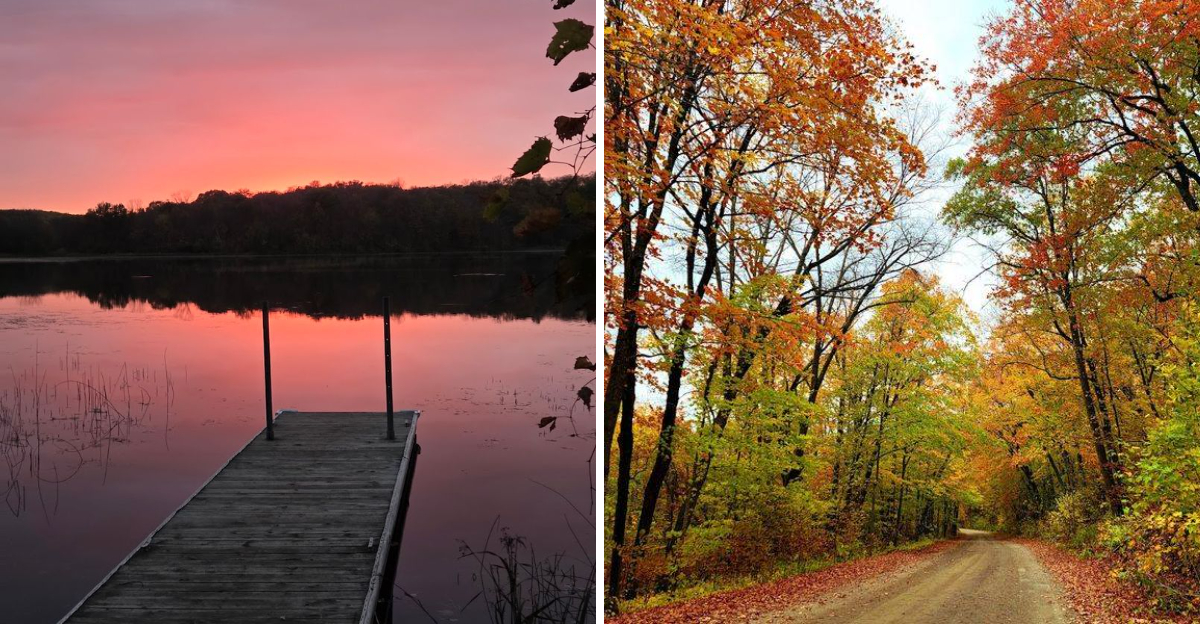
Nine thousand acres of lakes, forests, and rolling hills, all with free entry. That is not a typo.
This Minnesota state park lets you explore for zero dollars, a rare gift in a time when everything seems to cost extra. The park features more than 25 miles of trails winding through hardwood forests that explode with color every autumn.
You can hike, bike, or horseback ride depending on which trail you choose. Several lakes sit within the park boundaries, perfect for canoeing, fishing, or just sitting on a dock with a book.
The hills offer something unusual for this part of the state, actual elevation changes that make your legs work and reward you with panoramic views. Wildflowers cover the meadows in spring and summer, attracting butterflies and photographers in equal numbers.
The campground stays busy on summer weekends, but midweek visits feel almost private. Minnesota has many beautiful state parks, but this one remains somewhat under the radar despite its size and features.
You can spend a full day here and only cover a fraction of the terrain. Pack a picnic and plenty of water, bring your fishing pole if you have one and your hiking boots if you want to see the best overlooks.
Over 9,000 Acres of Pure Minnesota Wilderness
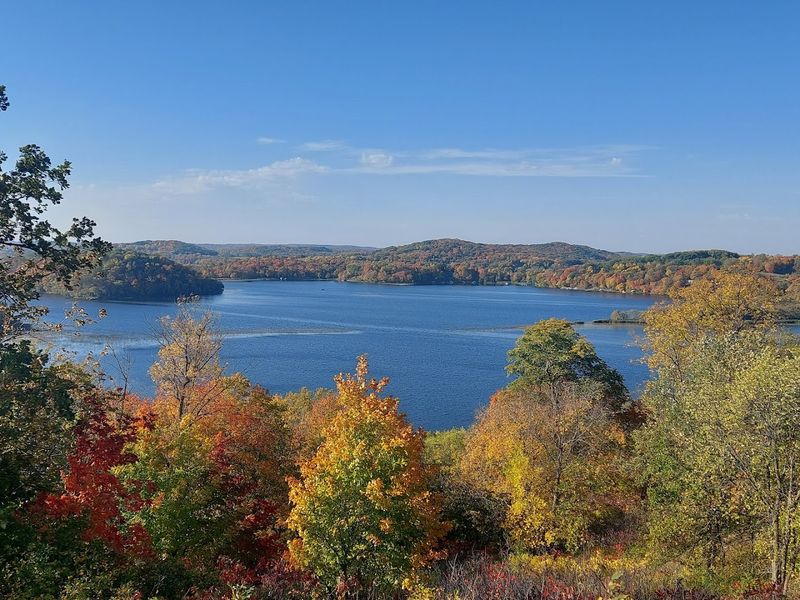
The sheer size of this park catches most visitors off guard. Maplewood State Park covers more than 9,000 acres of woodland, wetlands, and open meadows.
That is a lot of ground to explore.
Walking through it feels nothing like a small city park. The land rolls and dips across glacially shaped terrain.
Each turn on the trail reveals something new, a hidden wetland, a hilltop view, or a quiet forest corridor.
The park sits in Otter Tail County, an area known for its lake-dotted landscape and dramatic terrain. This region of Minnesota has a different feel compared to the flat prairies further west.
The elevation changes give it real character.
Wildlife is active throughout the park year-round. Deer, foxes, wild turkeys, and dozens of bird species call this place home.
Spotting a great blue heron near one of the lakes is almost guaranteed on a quiet morning.
For anyone craving real wilderness without driving hours into the backcountry, Maplewood delivers in a way that few parks in the state can match.
Eight Beautiful Lakes Scattered Across the Park
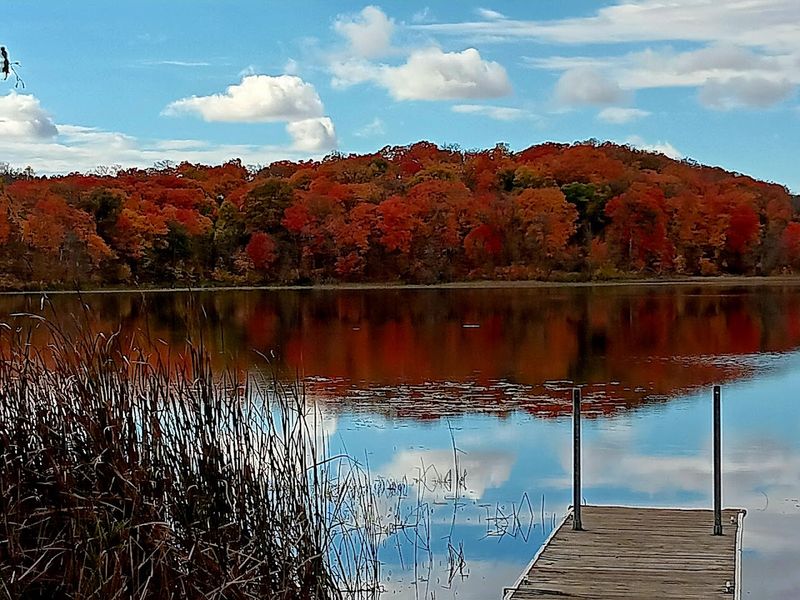
Eight lakes sit within the park boundaries, each with its own personality. Grass Lake, Bass Lake, Beers Lake, and Lake Lida are among the most visited.
Each one offers something a little different.
Lake Lida is particularly stunning. Viewed from the Hallaway Hill overlook, it spreads out below like a painting.
The surrounding forest frames it perfectly, especially in fall when the maples and birch explode with color.
Fishing access exists at several points throughout the park. The lakes hold a surprisingly diverse mix of fish species, including muskie and trout.
Bringing a canoe or kayak opens up more shoreline to explore.
Swimming is available at a designated beach area. It is a relaxed spot, best enjoyed on a weekday when crowds are smaller.
The water stays clear and cool through most of the summer season.
Even if you never cast a line or dip a toe in, the lakes add an undeniable visual richness to every hike. Water has a way of making a landscape feel complete.
25 Miles of Trails for Every Type of Adventurer
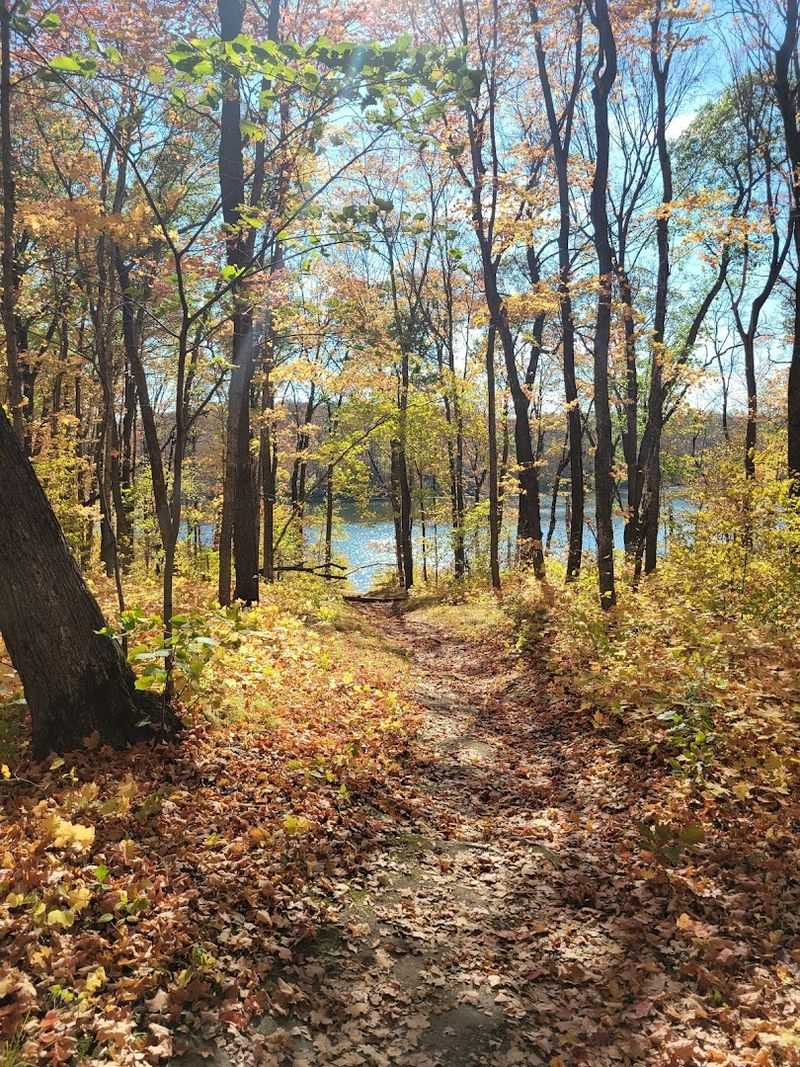
Twenty-five miles of trails sounds like a lot, and it genuinely is. The network covers everything from easy lakeside walks to more demanding loops with real elevation gain.
I found myself planning a return trip before I even finished my first hike.
The Hiking Club Trail is the one most people talk about. It runs close to seven miles and includes steady climbs and descents that keep your legs working.
It is rare to find that kind of terrain in a Minnesota state park.
Shorter options exist for families or casual walkers. Many of the paths wind through open meadows and wooded areas with gentle grades.
Signage is clear and the trails are well maintained throughout the seasons.
Trail conditions do vary by season. Spring brings soft ground and occasional mud.
Winter opens up the trails to cross-country skiing and snowshoeing, which transforms the whole experience.
Bringing trekking poles for the hillier sections is a smart move. Sturdy footwear matters too, especially after rain.
The trails reward preparation and punish flip-flops pretty quickly.
Hallaway Hill: The Best View in the Park
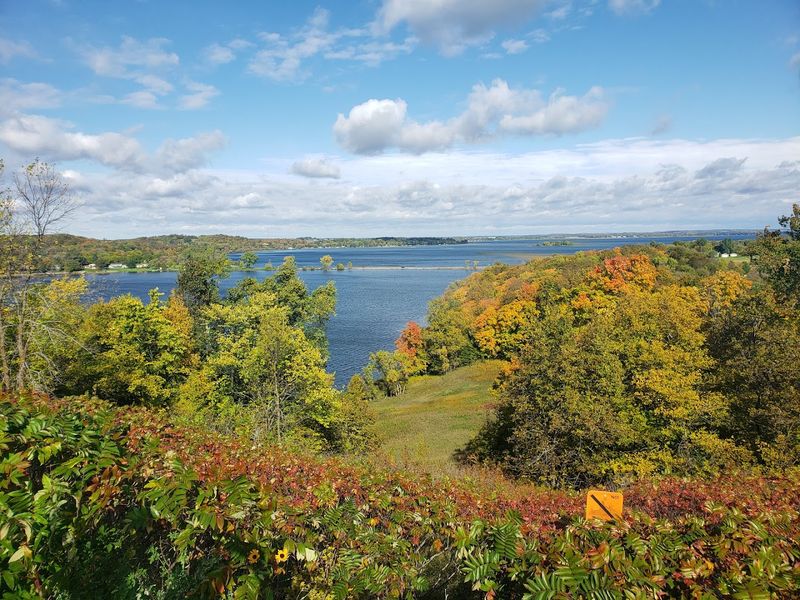
Hallaway Hill is the kind of viewpoint that makes you stop walking and just stand there for a while. The climb to the top is gradual, with a few rest benches along the way.
Rest stops feel earned up here.
At the summit, the landscape opens up completely. Lake Lida shimmers below, surrounded by a dense patchwork of maples, birch, and oaks.
In fall, the colors are almost too vivid to believe.
Morning visits hit differently up here. The light is soft, the air is cool, and the park feels almost entirely yours.
A few other hikers might pass by, but the mood stays peaceful.
The trail from the parking area to Hallaway Hill and onward to Beaver Lake is one of the most talked-about routes in the park. It combines the overlook with forest walking and lakeside scenery in one connected loop.
Even first-time visitors tend to name this as their favorite spot. It is the kind of place that feels significant, like the park saved its best moment for those willing to climb for it.
Free Day Use Entry That Welcomes Everyone
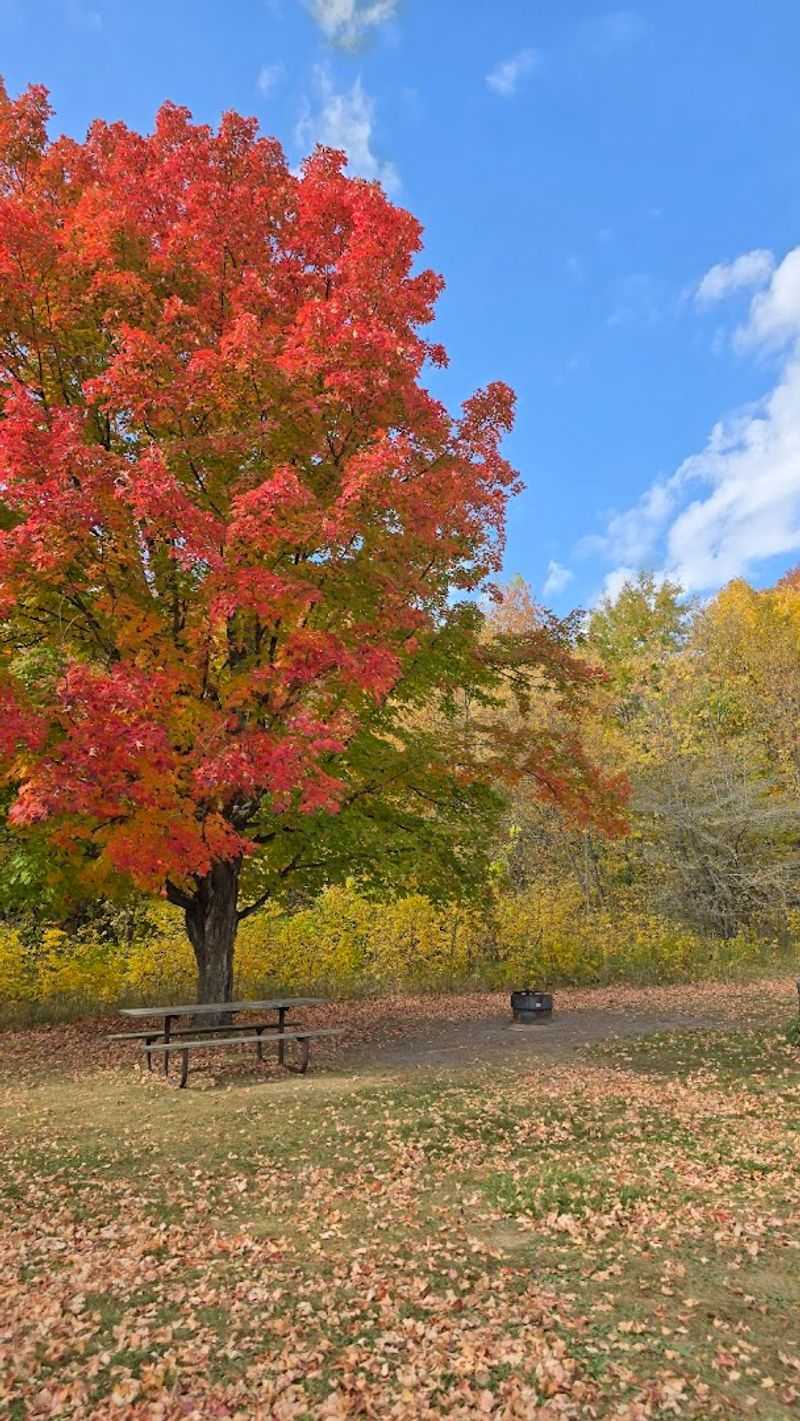
Free day use entry is one of those details that genuinely changes how people plan their visits. No need to budget for a permit or scramble for change at a pay station.
Just pull in and start exploring.
This accessibility matters more than it might seem. Families on tight budgets, solo travelers passing through, and locals looking for a quick outdoor reset all benefit from the open door policy.
The park fills up with a wonderfully mixed crowd because of it.
Day use areas include picnic spots, lake access points, trailheads, and scenic overlooks. The park road itself is worth driving slowly, with pull-offs offering views that rival anything you would pay to see elsewhere.
Weekends in fall attract more visitors than usual, but the park is large enough that it rarely feels overcrowded. Arriving early on a Saturday morning usually means having the trails almost entirely to yourself.
Free entry does not mean a lesser experience. Maplewood punches well above its weight class.
The facilities are clean, the trails are maintained, and the natural beauty is completely unfiltered.
Camping Options That Suit Every Style
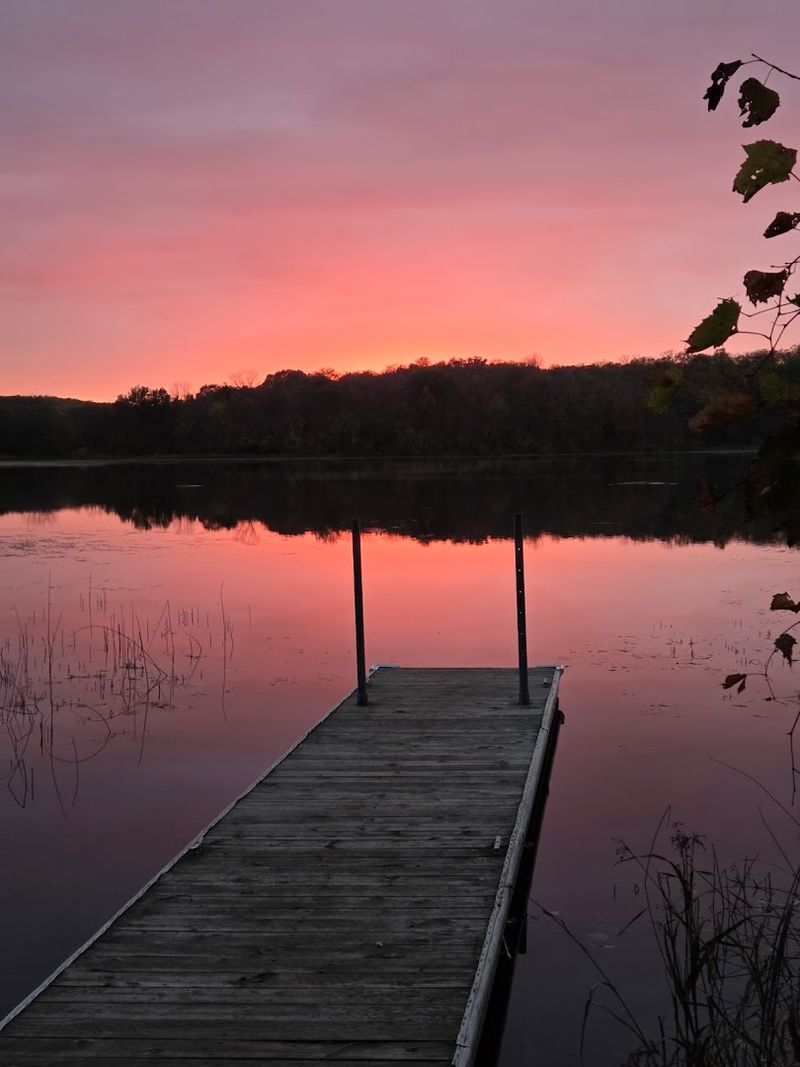
Spending a night here changes the experience completely. The campgrounds at Maplewood feel genuinely restful, with well-spaced sites and a good balance of sun and shade throughout the day.
Grass Lake Campground draws a lot of repeat visitors. Sites here sit close enough to the water to feel connected to the landscape.
The facilities include clean bathrooms, private showers, a fish cleaning station, and a dishwashing area.
Camper cabins are available for those who prefer a roof overhead. They offer a simple, comfortable option without requiring a full tent setup.
Booking ahead is smart, especially for summer and fall weekends.
The rustic campground provides a quieter, more private experience. Sites are spacious and the atmosphere feels less developed.
Campers who value solitude tend to gravitate toward this section.
Waking up inside the park is a different kind of morning. The bird sounds start early, the air smells like pine and lake water, and there is nowhere else you need to be.
That feeling is hard to replicate anywhere else.
Spectacular Fall Foliage That Draws Visitors Every Year
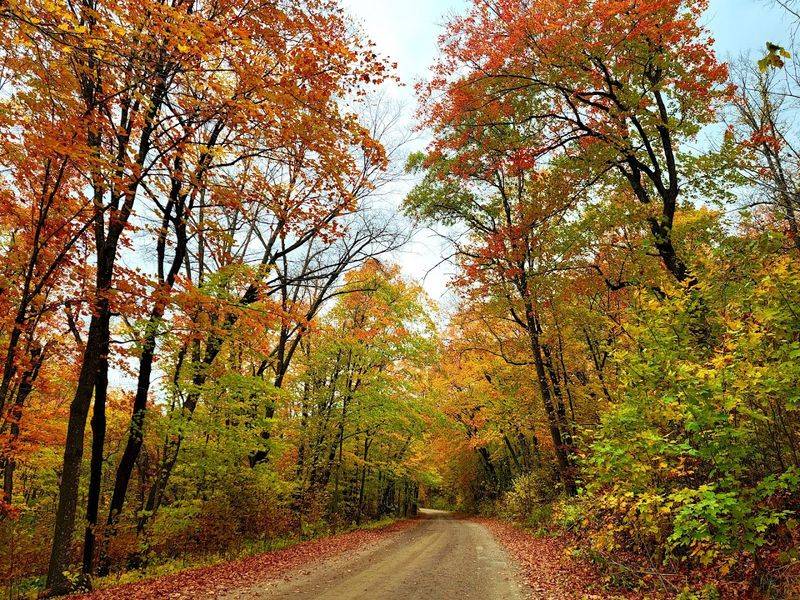
Fall at Maplewood is the stuff of screen savers. The maples and birch trees turn shades of red, orange, and gold that feel almost theatrical.
The color starts appearing along the park road before you even reach the trailheads.
Peak season typically lands in mid to late October, though it shifts slightly each year. Checking the park website before visiting helps time it right.
Even a week past peak still offers stunning views.
The scenic drive through the park is a must during this season. Pull-offs along the road let you stop, photograph, and just breathe it all in.
Some visitors drive it multiple times in a single visit.
Hiking through the colored canopy feels immersive in a way that photos cannot fully capture. Leaves crunch underfoot, light filters through the treetops, and the air carries that unmistakable cool-sweet smell of autumn.
One longtime visitor mentioned coming back for 27 consecutive years. That kind of loyalty says everything about what fall at Maplewood delivers.
It earns its reputation every single season without fail.
Birdwatching Paradise With Over 150 Species
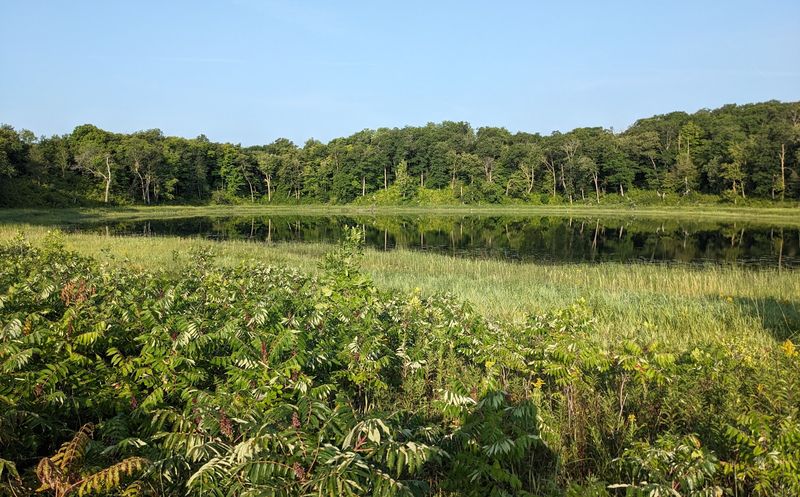
One hundred and fifty bird species have been recorded at Maplewood State Park. That number makes it a genuine destination for birdwatchers, not just a pleasant side note.
The mix of habitats here supports an impressive range of species.
The park combines open meadows, dense hardwood forest, wetlands, and lake edges. Each habitat attracts different birds throughout the year.
Migration seasons bring waves of warblers, waterfowl, and raptors passing through.
Early morning is the best time to go looking. The light is good, the park is quiet, and birds are most active in those first hours after dawn.
A simple pair of binoculars is enough to get started.
Great blue herons are commonly spotted near the lakes. Sandhill cranes sometimes move through during migration.
Woodpeckers are audible in the forested sections throughout the warmer months.
Even casual visitors who are not dedicated birders tend to notice the wildlife here. The park feels alive in a way that surprises people.
Something is almost always moving in the trees or skimming across the water above you.
Horseback Riding Trails and a Dedicated Horse Camp
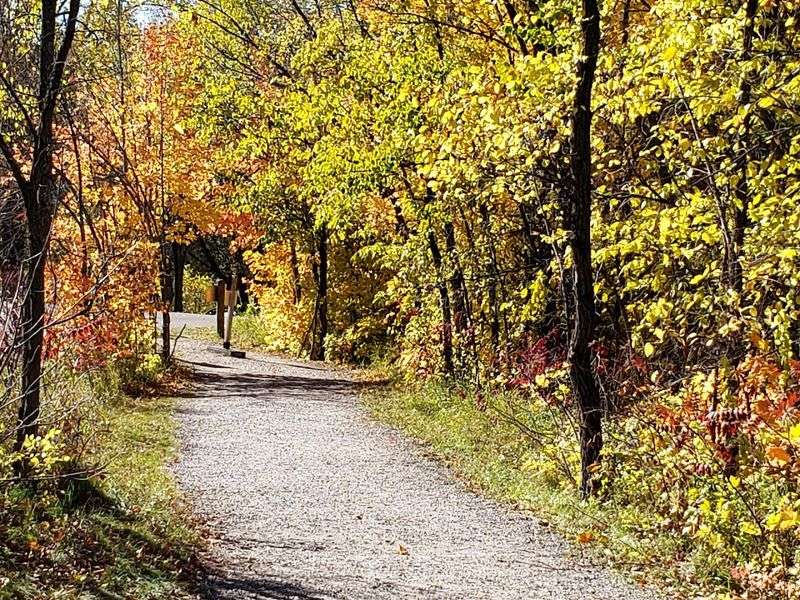
Maplewood is one of the top horseback riding destinations among Minnesota state parks. The park maintains a dedicated horse camp, which is one of the larger facilities of its kind in the state.
Upgrades to the corrals and electric hookups have been in progress recently.
The riding trails wind through some of the most scenic sections of the park. Wooded corridors, open hills, and lake views make the routes genuinely rewarding.
Riders who know the park well tend to have their favorite loops.
Bringing your own horse is straightforward. The horse camp provides enough space for trailers and overnight stays.
It draws riders from across the region, particularly during fall when the trail scenery peaks.
Hikers sharing the trail should be aware that horses have the right of way. Stepping to the side calmly and speaking softly helps keep everyone moving safely.
It is a small adjustment that keeps the experience positive for all users.
The fact that the park supports multiple trail user groups without conflict speaks to how well the trail network is designed. There is genuinely enough space for everyone out here.
