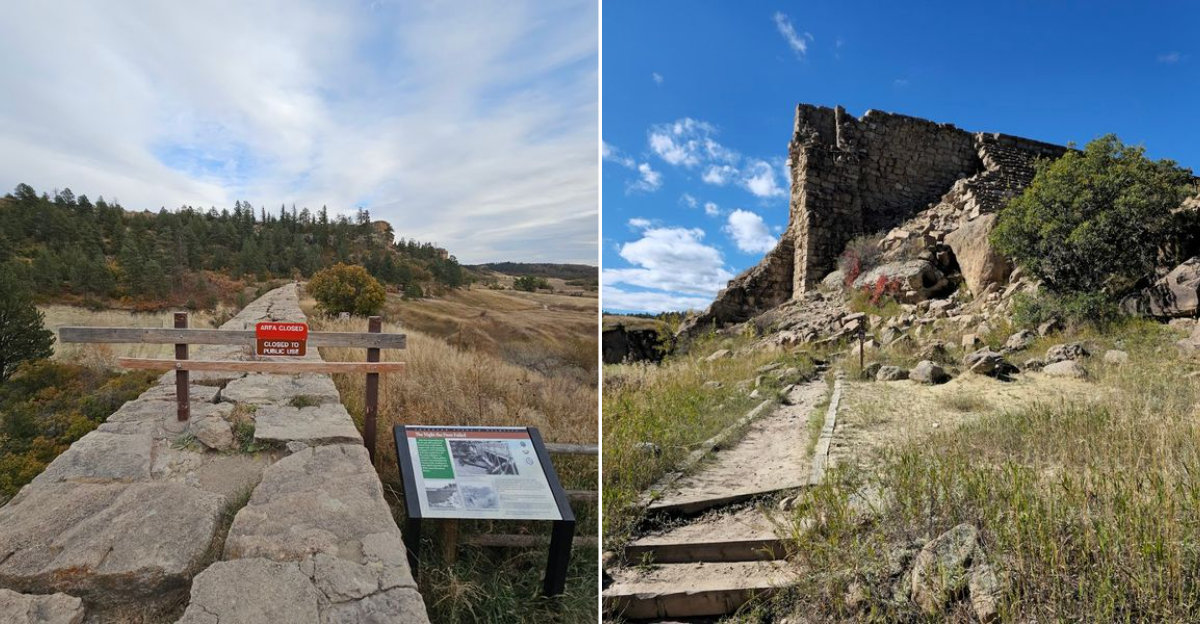
Ever come across a ruin that looks like it should have fallen apart years ago and somehow still has not? That is exactly the strange effect this abandoned Colorado dam site has.
The moment you see it, the whole place feels far more intact than most people expect from something left behind for so long. That is what makes it so fascinating right away.
Instead of a few scattered remains that force you to imagine the rest, you get ruins that still hold enough shape, structure, and presence to make the past feel unusually close. The scale helps, the quiet around it adds even more, and the preserved look gives the whole setting an eerie kind of pull without trying too hard.
It is the kind of place that makes you stop longer than planned, because the better it has held up, the harder it is to stop looking at it. By the time you leave, this Colorado site feels less like a ruin and more like a piece of history that never fully let go.
Stone Dam Ruins That Still Look Shockingly Intact
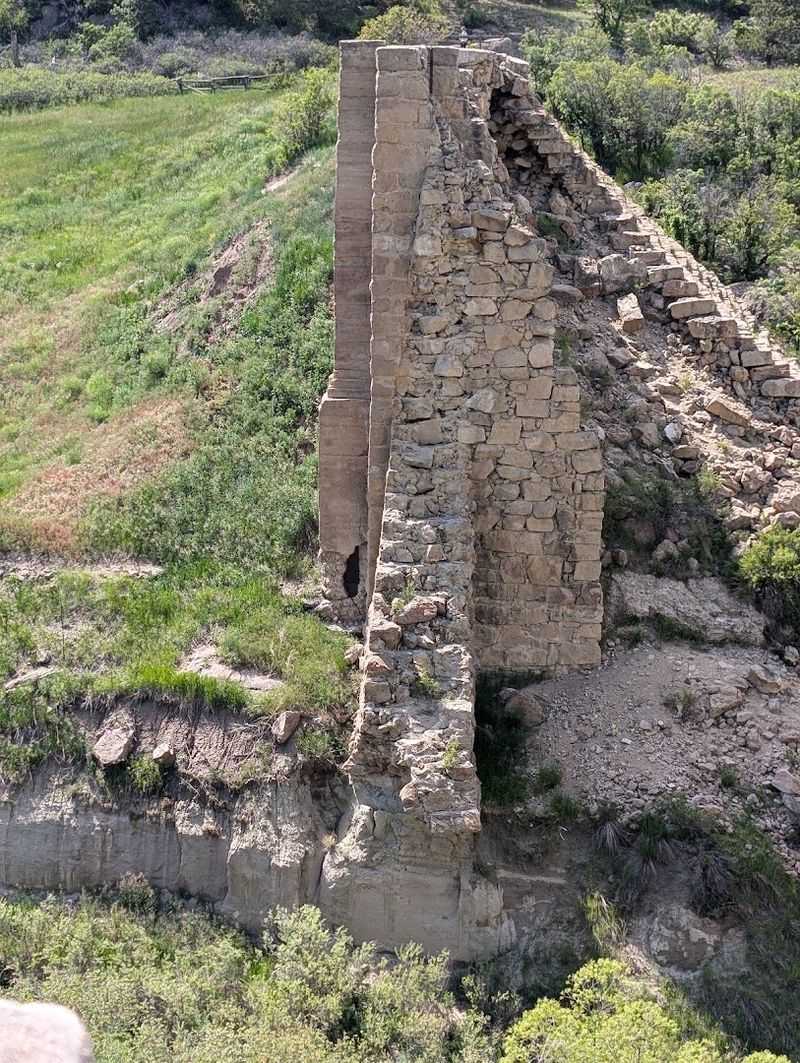
Let me start with the exact place, since that always helps your brain place the scene. We are at Castlewood Canyon State Park, 2989 South State Highway 83, Franktown, CO 80116, and the ruins sit in a bend of the canyon where the rock feels heavy and old.
From the first glimpse, the stonework hits you as cleaner and more intact than you expect, like the blocks agreed to stay put out of sheer stubbornness. You look up, then down, trying to sketch the original outline in your head while the creek threads through the broken middle.
What really lands is how the pieces feel like they still talk to each other, even with big gaps between them. Courses of cut stone line up across empty space, so your eyes connect the dots, and the whole structure kind of reassembles in imagination.
Stand quietly for a moment, and the canyon answers with a small wind and a canyon wren, and suddenly the history sits close enough to touch. Colorado has a way of keeping its scars visible, but not raw, and this spot proves it better than any museum wall.
There is no stage lighting or velvet rope here, just weathered masonry wearing its age with confidence. The blocks carry tool marks that look fresh until the sun slides, then they shift to soft gray.
You can trace that line and feel the craft, and it makes the whole ruin feel steadier than expected. It is a broken thing that somehow holds shape.
Why This Canyon Site Feels Frozen In Time
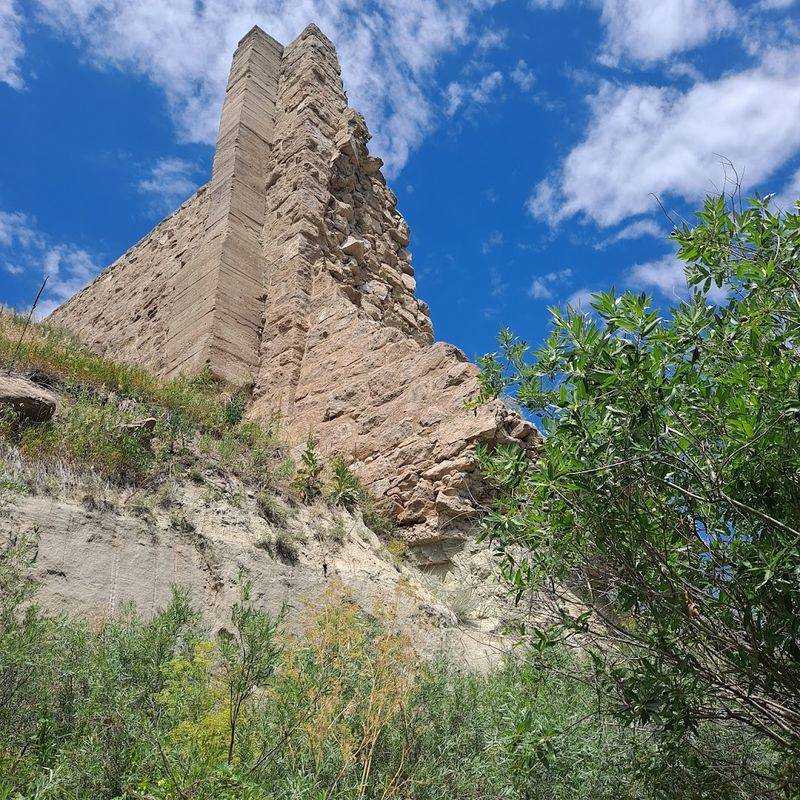
You know that feeling when the air seems to pause with you, like the scene is waiting for a cue that never comes? That is how this canyon settles around the old dam, with the creek moving but everything else holding its breath.
The cuts in the stone feel recent, yet the lichen tells another story, so your senses tug both ways. I kept checking the sky, the ledges, the tall walls, thinking time forgot to keep walking here, and honestly, it kind of did.
There is a rhythm to this place that is not about noise or rush. You hear one bird, then another, then the little hush of water folding around a rock, and your shoulders untie themselves.
The interpretive signs share the basics, but the best part lives in the silence between stones. When Colorado slows you down like this, you notice tiny things, like the grain in a block and the way roots test edges.
It is not theatrical or staged, which makes the stillness land even harder. The ruins do not perform for the camera, and that is exactly why the photos you take later feel honest.
In your memory, the canyon holds a steady light, the shadows stay patient, and the gaps look like commas, not endings. You leave with the odd sense that the place is still mid sentence, and you are just a thoughtful pause.
The 1933 Collapse That Still Shapes The Visit
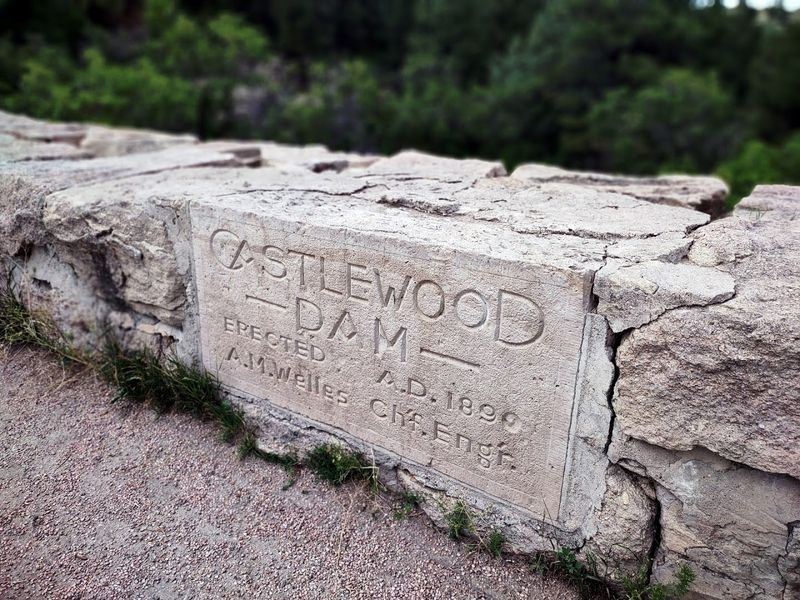
The story that hangs over the stones is heavy, and you can feel it without anyone saying a word. There was a storm, the water rose, and the dam failed, sending a wave down the canyon and far beyond.
You do not need the exact figures to picture the rush, the noise, the sudden fear, and the scramble to higher ground. When you stand on the broken edge and look downstream, your mind runs ahead of your feet, tracing the path that surge carved.
What shapes the visit now is not just the failure, but the decision to leave the bones where they fell. The broken crest, the toppled blocks, and the scoured channel all read like lines in a diary that no one bothered to pretty up.
It keeps the lesson close, but not preachy, because the canyon already did the hard explaining. In Colorado, landscapes teach by letting you look long enough that the meaning settles by itself.
I found myself talking softer without noticing, like loud words might shake something loose again. That respect comes easy when the place carries such clear memory in its angles and scars.
You come to see ruins, sure, but you also come to feel the echo of choices and weather and work. The collapse still writes the script, and the walk becomes a quiet listen.
What Hikers Can Still See Of The Old Dam
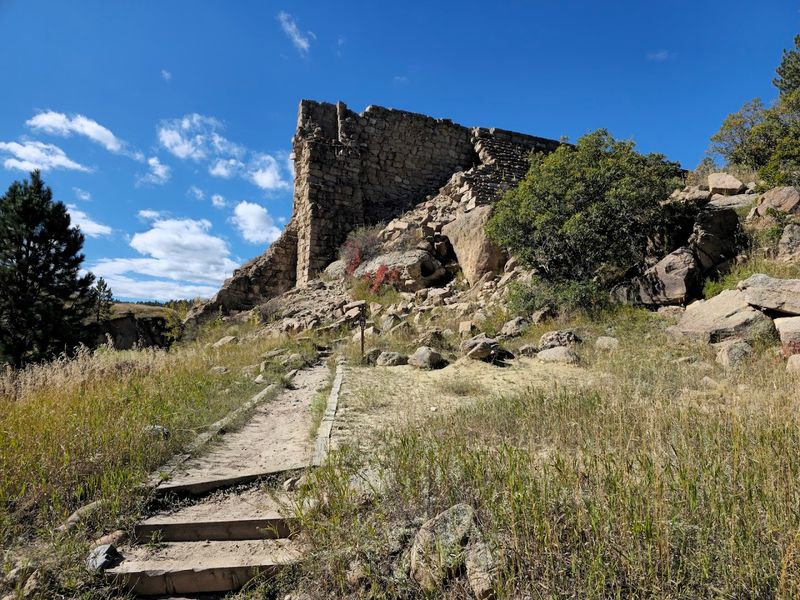
You can still pick out the abutments, those solid shoulders that hold the canyon sides like clenched fists. Step closer and the courses of stone reveal tidy joints, tool marks, and a surprising number of blocks that line up like they still mean business.
The middle gap, where water takes the easiest path, reads like an unwritten sentence across the creek. Even the rubble field feels organized, as if the dam sat down rather than exploded apart.
Follow the path a little and you will spot hardware scars in the bedrock, hints of anchors and forms that once guided the work. There are low walls tucked in brush, a spillway remnant with a pleasing curve, and channels where floods shaved the edge smooth.
The best views come from a few short angles, so a little curiosity pays off. Colorado dirt always hides a detail or two just off the main line, and this site proves it again.
If you like connecting dots, this is catnip. You can stand at one end, sight across the void, and build the shape in your head without forcing it.
The ruins give you enough clues to play architect for a moment, then nudge you back to the present with a bird call. It is hiking as gentle sleuthing, and it totally works.
Why The Masonry Still Feels So Impressive
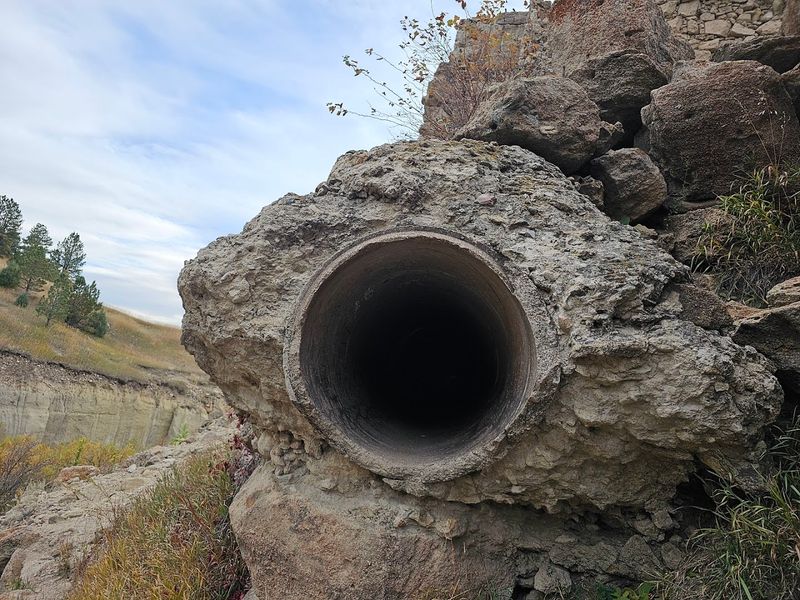
Here is the part that grabs you before the history even kicks in. The stonework looks confident, like the crew knew exactly how each block should sit and why the face should read clean from a distance.
The courses step neatly, the corners carry themselves, and the whole thing just feels competent. You catch yourself admiring technique the way you would admire a good riff or a perfect line in a sketch.
Step near the joints and the craft gets louder. You can see chisel bites and bedding planes, places where someone read the rock and made a choice that still holds up.
The mortar lines do their job without shouting, and the rhythm from block to block settles the eye. In Colorado light, especially when the sun starts sliding, the texture turns almost musical.
It is not about romanticizing a structure that failed, and it is also not about dunking on the past. It is about seeing human hands in stone, the ambition and the problem solving, and feeling the mix of pride and humility that follows.
You look, you learn a little, and you leave with respect for the makers and for the canyon that never forgot its leverage. The masonry impresses because it tells the truth, clean and clear.
A State Park Built Around History And Views
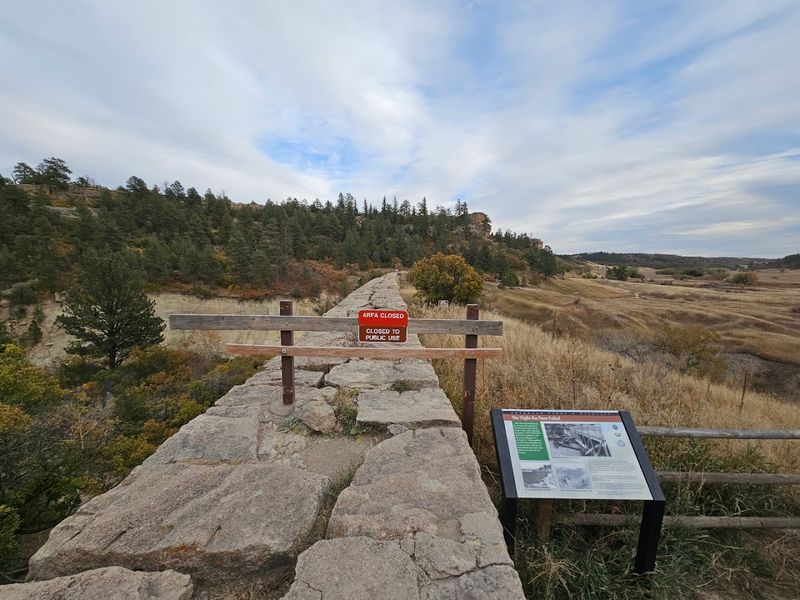
The cool thing here is how the park lets history and scenery share the same bench without elbowing each other. Trails weave the rim and dip to the creek, so you can pair overlooks with hands on moments at the stones.
One hour feels like plenty, then somehow the loop keeps tempting you with another angle. The whole setup respects the ruin while still serving big Colorado views.
There are clear signs, good trail footing, and enough space to step aside and take it all in without feeling rushed. The canyon walls paint their own backdrop, layered and warm, while the creek keeps the soundtrack grounded.
You can sit for a beat on sun warmed rock and spot swallows stitching the air together. It becomes a slow conversation between you, the place, and the time it took to become itself.
I like how the park does not try to turn the story into a performance. It simply points you to the right bends and lets the evidence speak, which somehow makes everything land deeper.
You get a taste of Colorado history and a plateful of landscape in the same easy walk. That balance is why the memory sticks around.
Trails That Lead Straight Into The Ruins Story
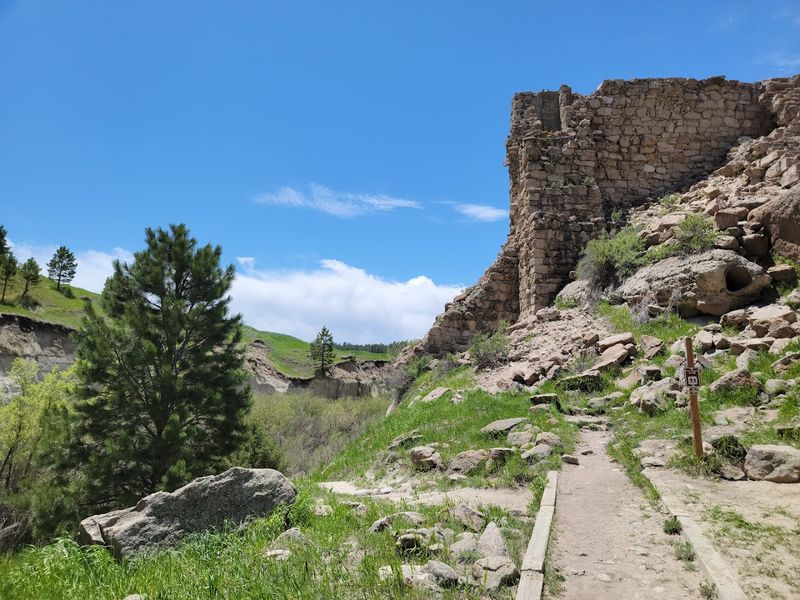
No need to gear up for an expedition here, which is nice when you are just chasing a feeling. The path slips from the parking area into scrub and granite, then curves toward the ruins with a casual confidence that matches the scene.
A few bends later, you step onto stone that once held a wall line, and the story starts telling itself. It feels like a conversation you join mid sentence, and somehow you are fine with that.
Wayfinding is straightforward, but curiosity makes the best guide. You will spot small spur paths to better angles, little perches near the creek, and flat rocks that practically invite a pause.
The approach gives you context, then details, then scale, which is exactly how a good tale should unfold. Colorado trails often deliver big drama, and this one trades spectacle for intimacy in the best way.
I like to walk it slow, stop where the breeze gathers, then backtrack for a second look from the opposite side. Each shift changes the silhouette and the gaps, so the ruin redraws itself without moving.
By the time you loop back, the route has stitched the place into your memory at a comfortable pace. It is trail as storyteller, plain and simple.
The Canyon Setting That Makes It Hit Harder
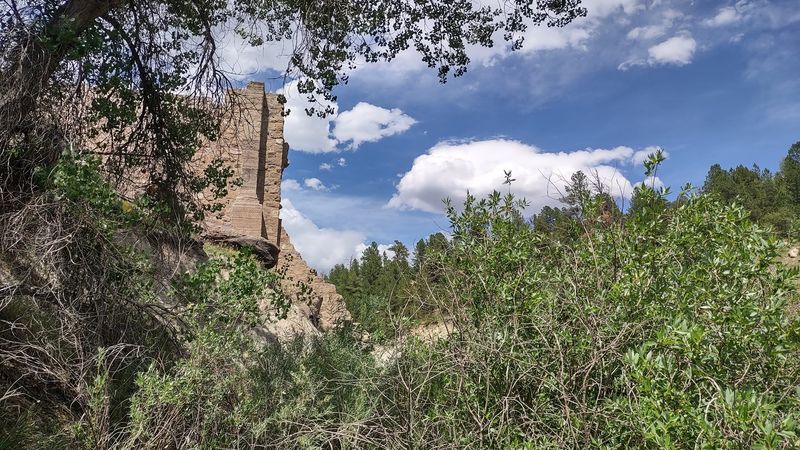
What really deepens the whole experience is how the canyon frames everything with big, steady shoulders. You stand beside worked stone, then lift your eyes to cliffs that never cared about human timelines, and the contrast lands instantly.
The creek keeps doing its patient work at the base, unbothered by our plans. That mix of craft and geology turns the ruins from a curiosity into a chapter in a much older book.
Scale matters here, even if you are not chasing numbers. The walls pull your sightline up and out, so the broken pieces read as part of a larger system rather than a lonely relic.
Light makes that lesson obvious, sliding across ledges and finding edges on the masonry that echo the surrounding strata. Colorado sunshine can be blunt, but in the canyon it becomes a careful editor.
I always catch myself breathing deeper when the view opens, as if more air will help my head process it all. Maybe yours will do the same?
The setting keeps asking better questions than the ones you arrive with, which feels like the right kind of field trip. You leave with your steps a touch slower and your thoughts a shade wider.
A Historic Colorado Stop That Really Sticks
If you want one of those places that keeps replaying in your head while you drive home, put this spot high on your list. The mix of hands on history and calm canyon time settles in quietly, then shows up again days later when you are washing dishes or sorting photos.
It is not loud about its lessons, but they land. You will probably find yourself telling someone else about the stones and the bend in the creek.
What I like most is how the visit never feels like homework. You learn by walking, by looking, by letting your breath match the pace of the water, and it sticks because your body was part of the note taking.
The story belongs to Colorado, but it feels shared the moment you step onto the old line and listen. That simple connection is why the memory holds.
Next time you need a clear headed break, bring a friend and see what the canyon shows you. Try different angles, read a sign or two, then stash your phone and just stand still for a minute.
You will walk out lighter, carrying a good kind of weight, the kind that reminds you you were present. That is a rare thing, and this place gives it freely.
Dear Reader: This page may contain affiliate links which may earn a commission if you click through and make a purchase. Our independent journalism is not influenced by any advertiser or commercial initiative unless it is clearly marked as sponsored content. As travel products change, please be sure to reconfirm all details and stay up to date with current events to ensure a safe and successful trip.
