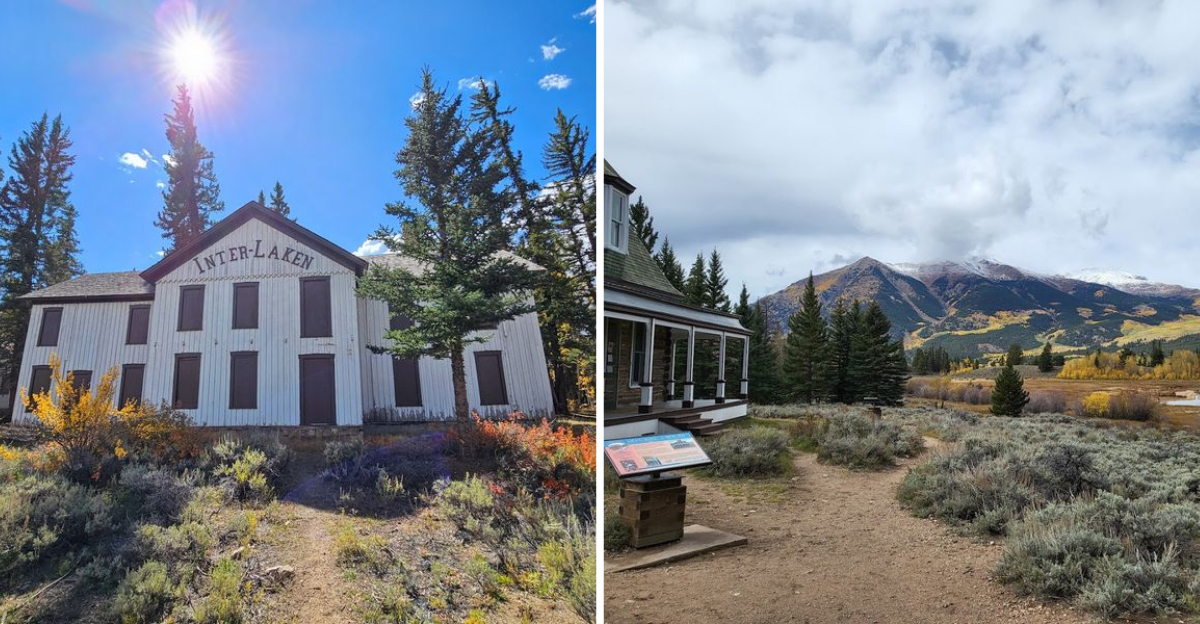
Victorian resort sits crumbling between two alpine lakes in the Colorado Rockies. Reachable only by trail or boat, it once welcomed wealthy guests arriving by stagecoach.
Lush lawns, a steamboat on the lake, a weekly orchestra, a private cabin with a glass cupola. Established in the late eighteen hundreds, it was one of Colorado’s most lavish escapes before rising waters swallowed its road access. Today it is a national historic site.
Quiet, strange, and completely unforgettable.
The Origins of a Victorian Mountain Escape
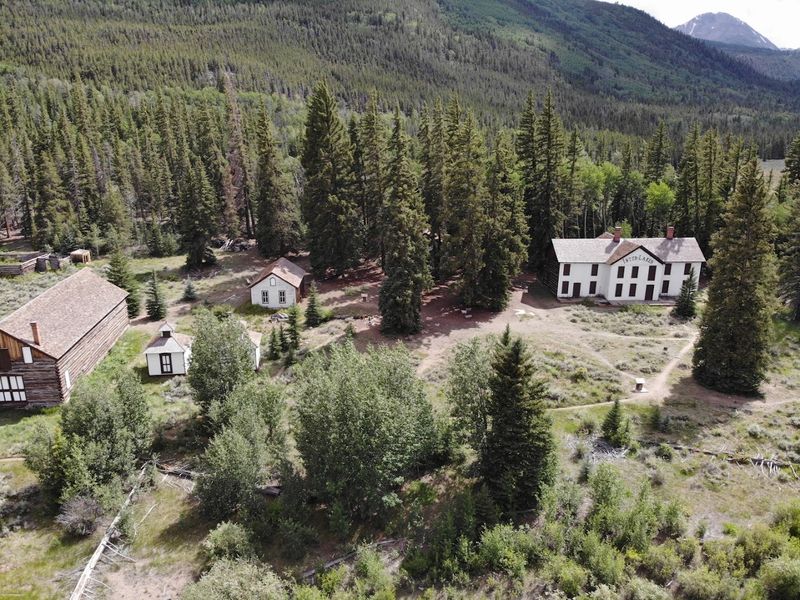
Most people driving along State Highway 82 near Twin Lakes have no idea that just beyond those shimmering waters sits one of Colorado’s most fascinating forgotten chapters. The story of Interlaken begins in 1879, when John A.
Staley and Charles Thomas established a modest lakeside retreat they called Lakeside Resort. It was a promising start, but the real transformation came four years later.
In 1883, wealthy silver miner James V. Dexter purchased the property and immediately set his sights on something grander.
He renamed it Interlaken, a nod to the famous Swiss resort town situated between two lakes, and began pouring money into the land. Over the next several years, Dexter expanded the resort to cover 2,000 acres, adding stables, servants’ quarters, formal gardens, and a dance pavilion that became the social heart of the property.
The timing was perfect. Colorado’s silver boom had created a class of newly rich industrialists who wanted somewhere spectacular to spend their summers.
Interlaken delivered exactly that. It was not just a hotel, it was an entire world carved out of the wilderness, designed to make guests feel like royalty at 9,000 feet above sea level.
Life at the Resort: Luxury in the High Country
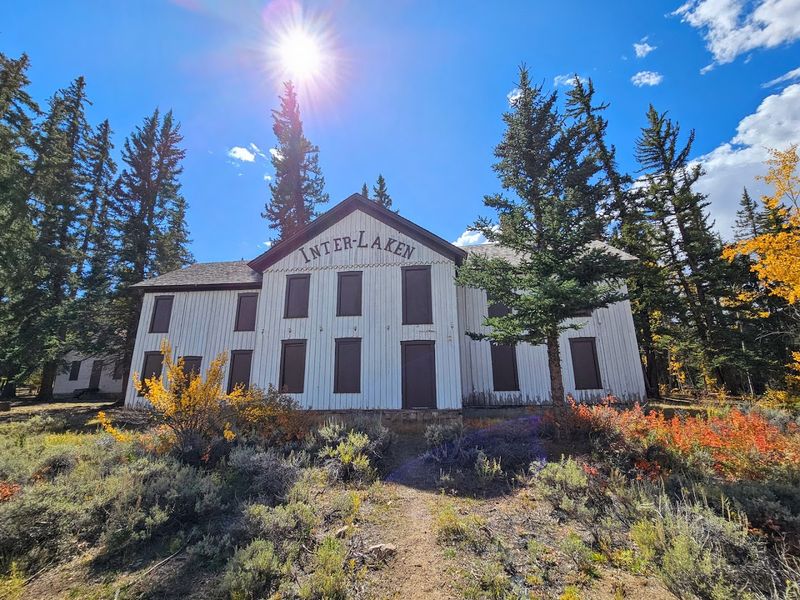
Trying to picture what daily life looked like at Interlaken in its prime is genuinely fun. Guests woke up to views of the Collegiate Peaks, stepped onto manicured bluegrass lawns, and had a full menu of activities waiting for them.
It was the kind of place where boredom was simply not an option.
Croquet on the lawn, fishing from the lakeshore, horseback riding through mountain meadows, and ice skating in winter kept guests busy from morning to evening. On the water, things got even more impressive.
Dexter kept canoes, rowboats, a 50-foot steamboat named Ivywild, and a 30-foot yacht called Dauntless docked and ready for guests who wanted to explore the twin lakes from the surface.
Evenings brought their own kind of magic. A weekly orchestra traveled from Leadville to play in the pavilion, and two elegant dining rooms served meals that would have felt at home in a Denver city hotel.
The resort also featured a pool hall and a log tavern where guests gathered after dinner. For the late Victorian traveler, Interlaken was not roughing it, it was the mountain equivalent of a five-star experience.
Dexter’s Cabin: The Crown Jewel of the Property
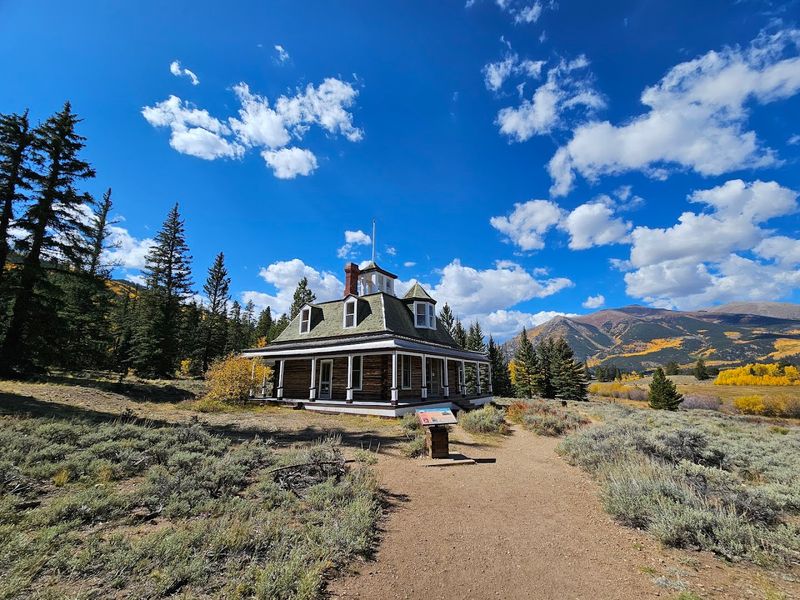
Of all the structures still standing at Interlaken, Dexter’s private cabin is the one that stops visitors in their tracks. Built in the mid-1890s, it was not just a summer home, it was a personal statement.
Dexter filled it with imported wood paneling and topped the whole thing with a glass-enclosed cupola that offered a 360-degree view of the lakes and surrounding peaks.
What makes it even better is that you can actually go inside. The U.S.
Forest Service has kept the cabin accessible to visitors, and climbing up to that cupola is one of those quiet, goosebump-inducing moments that travel writers struggle to put into words. You look out over the same water Dexter looked out over more than a century ago, and the mountains have not changed at all.
The interior details, though weathered by time, still hint at the craftsmanship that went into the original build. The imported woodwork, the unusual layout, and the sheer ambition of placing a glass tower on a mountain cabin all speak to a man who wanted his retreat to be unforgettable.
Visiting it feels less like a history lesson and more like a private conversation across time.
The Decline: When the Lakes Rose and the Road Disappeared
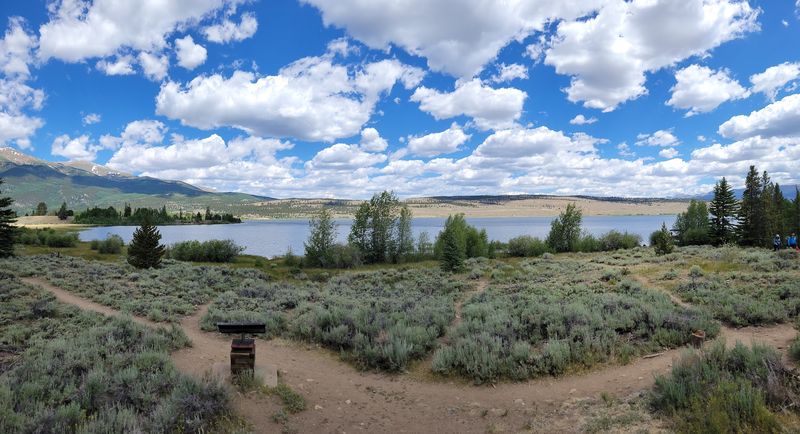
Every great story has a turning point, and for Interlaken, that moment arrived quietly in the form of a dam. After the turn of the century, the original Twin Lakes Dam was constructed, and the lake levels began to rise.
For a resort whose entire identity was tied to the shoreline, this was a slow-moving catastrophe.
By the 1950s, the lakes had been enlarged significantly as part of water management projects. The road that once connected Interlaken to the outside world was swallowed by the rising water.
Without road access, the resort could no longer receive guests, supplies, or staff. Abandonment followed almost immediately.
Health concerns also played a role in the resort’s fading popularity even before the road was lost. Stagnant, shallow water near the property had raised worries about disease, which discouraged visitors during the resort’s later operating years.
The combination of infrastructure loss and health anxiety proved fatal for the Victorian playground. What had once been a premier destination for Colorado’s elite quietly became a relic, left to the forest and the weather and the occasional curious hiker who stumbled upon it decades later.
Preservation Efforts: Saving What the Water Left Behind
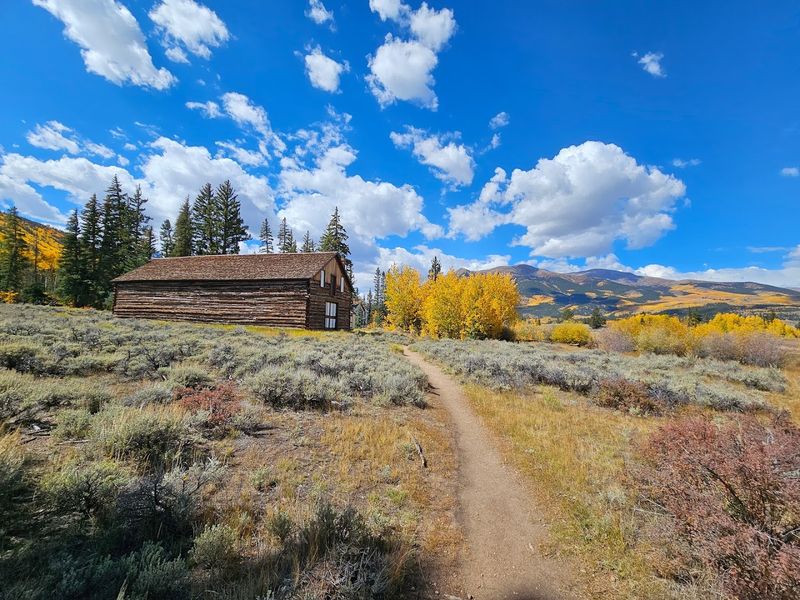
The fact that Interlaken still stands today is not an accident. It took serious effort, real money, and a lot of dedicated people to keep these buildings from disappearing entirely.
In 1979, the Bureau of Reclamation stepped in to document and stabilize the historic district before the new Twin Lakes Dam raised water levels even further.
Some buildings, including the hotel and Dexter’s cabin, were physically relocated to higher ground to prevent them from being submerged. That is not a small undertaking.
Moving century-old wooden structures in a remote mountain location required both engineering skill and genuine commitment to the history they represented.
Over one million dollars has since been invested in restoration and rehabilitation work across the site, contributed by various organizations and volunteers. The result is a surprisingly well-preserved collection of historic structures that visitors can explore on their own.
Camping is not permitted at the resort site, which helps protect the buildings from additional wear. The U.S.
Forest Service continues to manage the property as a National Historic Site, and the volunteers who maintain it are genuinely passionate about keeping this piece of Colorado’s past alive and accessible for future generations.
The Hike In: How to Reach a Place Frozen in Time
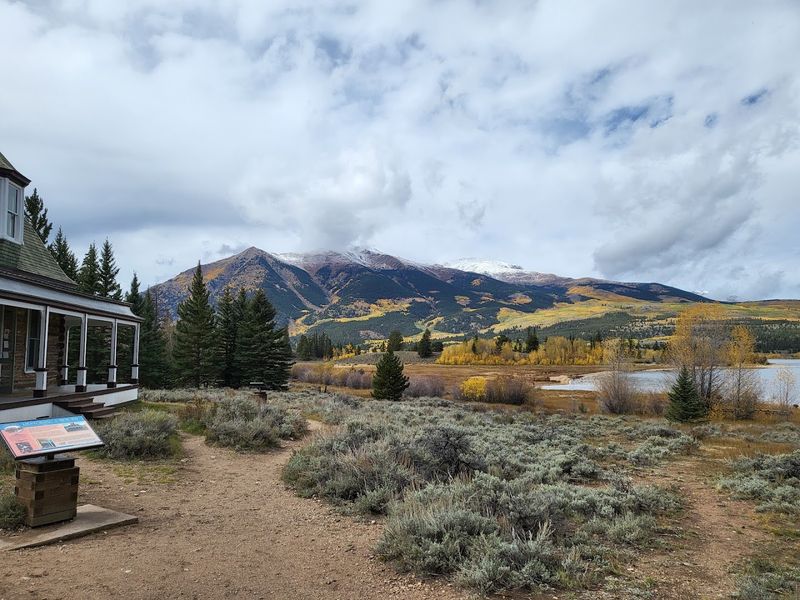
Getting to Interlaken is part of the experience, and honestly, it sets the mood perfectly. The primary route follows the Interlaken Trail, a section of the Colorado Trail that hugs the southern shoreline of Twin Lakes.
It is mostly flat, well-maintained, and absolutely gorgeous the entire way.
From the south parking lot, most hikers reach the resort buildings in under an hour. The round trip runs less than three miles, which makes it accessible for families, casual hikers, and even people who are still adjusting to the altitude.
That said, the elevation here is real, so taking it slow is always a smart call, especially if you have just arrived from a lower elevation.
For those who want a different approach, kayaking or boating across Twin Lakes is another option that adds an adventurous twist to the visit. Arriving by water gives you a view of the resort from the lake, which is how many of the original Victorian guests would have first seen it.
Winter visits are also worth considering. The frozen lakes, deep snow, and quiet solitude create an atmosphere that feels genuinely otherworldly, and the buildings take on a completely different character when surrounded by white.
What Visiting Interlaken Feels Like Today
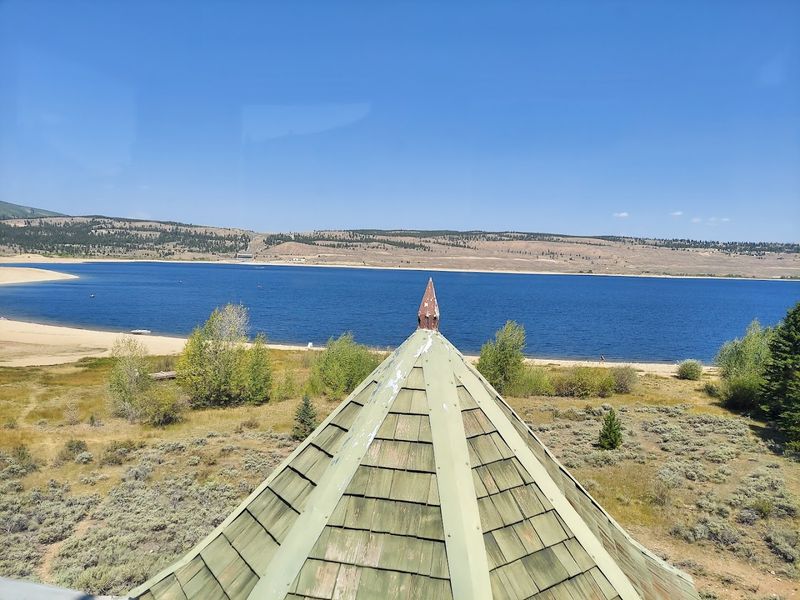
There is a specific kind of quiet that settles over Interlaken when you arrive. It is not eerie exactly, more like the feeling of walking into a room where something important happened a long time ago.
The buildings are still there, the lake is still there, and the mountains have not moved an inch, but the people are gone.
Information boards throughout the site do a great job of explaining what each structure was used for and what life looked like during the resort’s peak years. Reading them while standing in the actual space where those events happened makes the history feel immediate rather than distant.
Dexter’s cabin is open for self-guided exploration, and climbing to the cupola for that elevated lake view is an absolute highlight.
The resort earns nearly perfect ratings from visitors, and it is easy to understand why. It combines a genuinely beautiful hike with a history lesson that does not feel like homework, and the sense of discovery when you first spot those old buildings through the trees is hard to replicate anywhere else in Colorado.
Bug repellent is recommended in warmer months. Dogs are welcome on the trail, and the whole experience tends to leave people wanting to come back.
Address: East of Twin Lakes off State Highway 82, Twin Lakes, CO 81251
