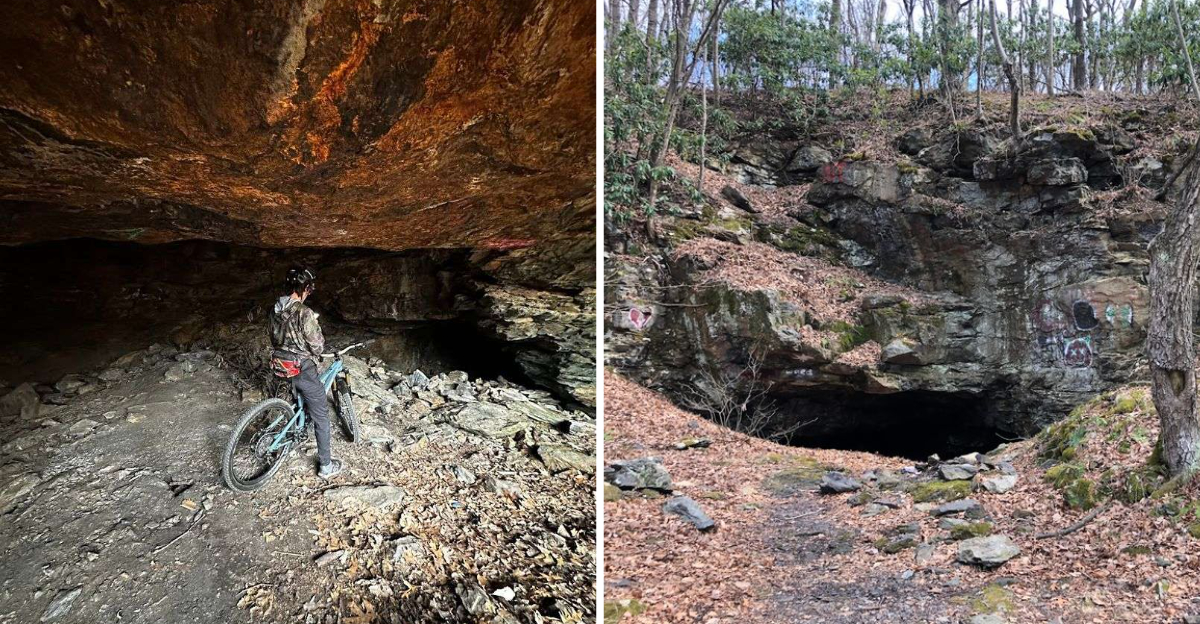
Who needs air conditioning when a mountain does the job for free?
This old mine has been hiding a chilly secret for decades while the world above bakes.
The hike leading to it winds through mossy rocks and whispering trees, with every step building anticipation like a drumroll before the big reveal.
Then you feel it.
A sudden breath of cold air escaping from the darkness, as if the earth itself is sighing.
Why do we love places that make us shiver in July?
Because they feel like tiny rebellions against the heat. This New Jersey adventure rewards the curious with natural refrigeration and a story worth telling.
Bring a flashlight and a light jacket. Summer will still be waiting when you come back out.
What Exactly Is the Ice Cave
Most people arrive expecting a natural cave dripping with stalactites, and the reality is actually way more interesting.
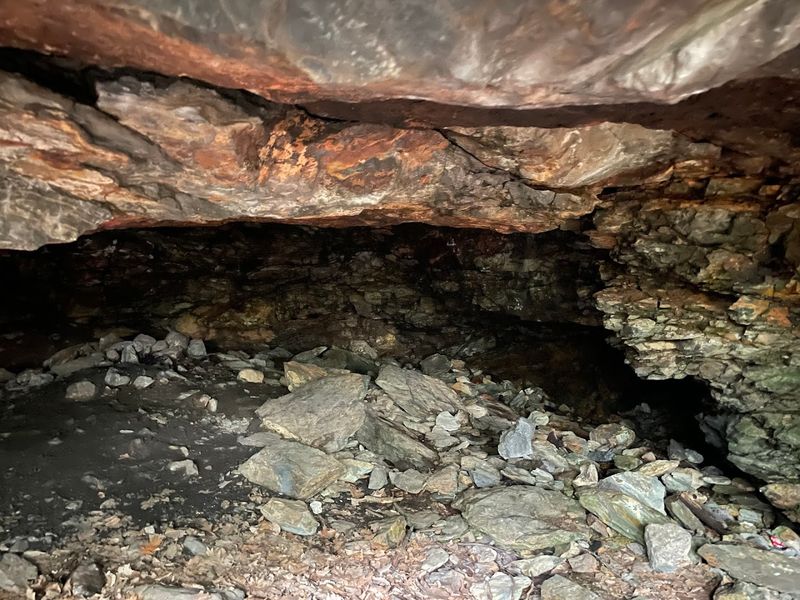
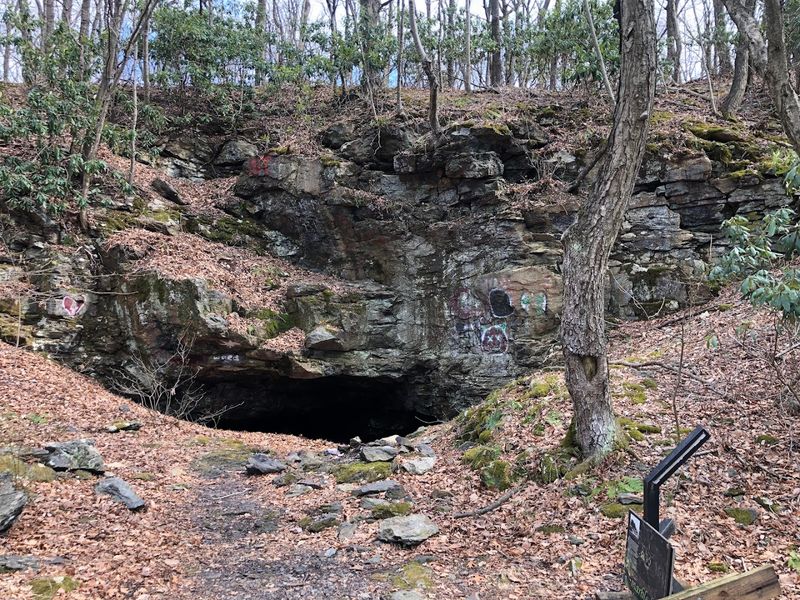
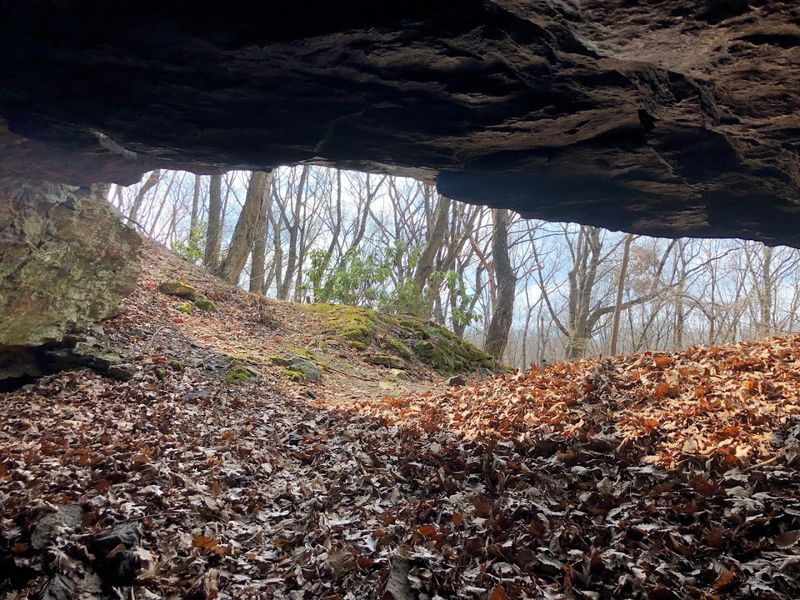
The Ice Cave near Phillipsburg, New Jersey, is the final excavation point of the Fulmer Iron Mine, also called the Marble Hill Mine or Marble Mountain Mine.
It was blasted and tunneled into the rock during the 1860s through the 1880s, primarily to extract hematite and iron ore.
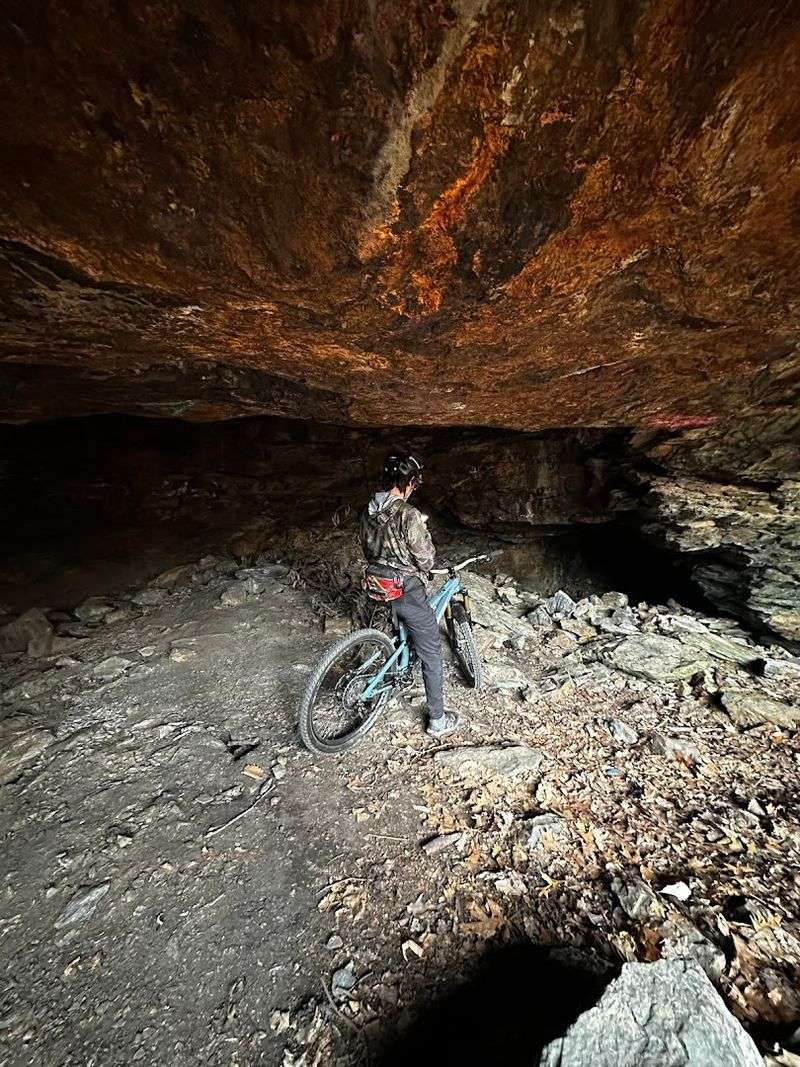
The mine reportedly yielded over 1,000 tons of ore during its active years. What remains today is a wide, low-ceilinged opening roughly 40 feet across and about 30 feet deep, with a height that ranges between 3 and 7 feet.
Rust-orange stains from iron ore still streak the walls, both inside and outside the entrance.
Calling it a cave feels generous, but that only adds to the charm. It sits quietly on the hillside like a secret the forest decided to keep.
The history baked into those stone walls makes the short hike feel genuinely worthwhile.
The Chill Factor That Makes Summer Visits So Rewarding
Stepping inside on a hot July afternoon feels almost unfair to the rest of the world.
The temperature inside the mine drops noticeably compared to the outside air, creating a natural refrigerator effect that has nothing to do with air conditioning and everything to do with geology and physics.
The thick rock walls insulate the interior, trapping cold air and preventing warm summer temperatures from penetrating very far.
That sharp contrast between the sweaty trail behind you and the sudden chill greeting your face at the entrance is genuinely startling the first time you feel it.
It never gets old.
On especially hot days, the cool air practically spills out of the opening, and you can feel the temperature shift a few feet before you even step inside. Bringing a light jacket is a smart move even in August.
The mine earns its nickname honestly, and that refreshing blast of cold air is one of those simple travel rewards that feels completely outsized for a short hike.
The Warren-Highlands Trail Gets You There in Style
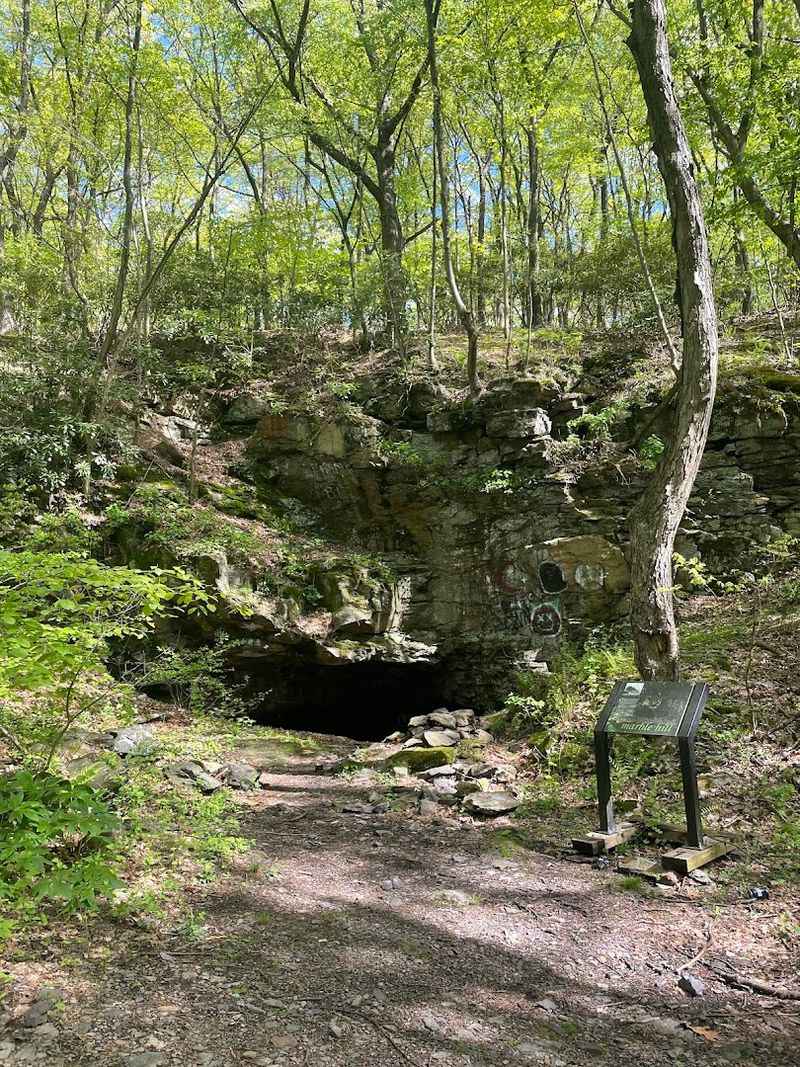
Getting to the Ice Cave is half the experience, and the Warren-Highlands Trail delivers every step of the way.
The hike begins at a small parking area along River Road and follows a blue-blazed trail before connecting to an orange trail that leads up toward the mine opening.
The forest here feels genuinely immersive. Tall trees close in overhead, the trail winds through rocky terrain covered with roots and mossy stones, and the sound of the surrounding woods keeps the whole walk feeling alive.
It’s the kind of forest path that makes you want to slow down and actually look around instead of just powering through to the destination.
The route is generally considered easy and family-friendly, though some sections do involve a meaningful uphill climb with an elevation gain of around 360 to 375 feet. Good footwear makes a real difference on the rockier stretches.
The trail rewards patience, and arriving at the mine after weaving through that lush green canopy feels like a proper payoff rather than just a parking lot walk.
How Long Is the Hike and What Should You Expect
The round trip from the River Road parking area to the Ice Cave and back runs approximately 2 miles, making it a very manageable outing for most fitness levels.
The loop trail itself is sometimes listed as just under a mile, but factoring in the approach and return adds up to a satisfying half-morning or afternoon adventure.
The elevation gain sits around 360 to 375 feet, which means there’s enough of a climb to feel like you actually did something. It’s not a grueling ascent by any measure, but it does get the heart rate up in a good way.
Families with kids who enjoy a bit of adventure tend to find the trail perfectly pitched.
Finding the mine entrance can occasionally be tricky since the trail markings aren’t always obvious to first-time visitors. Downloading a trail map or checking a hiking app before arrival is genuinely helpful.
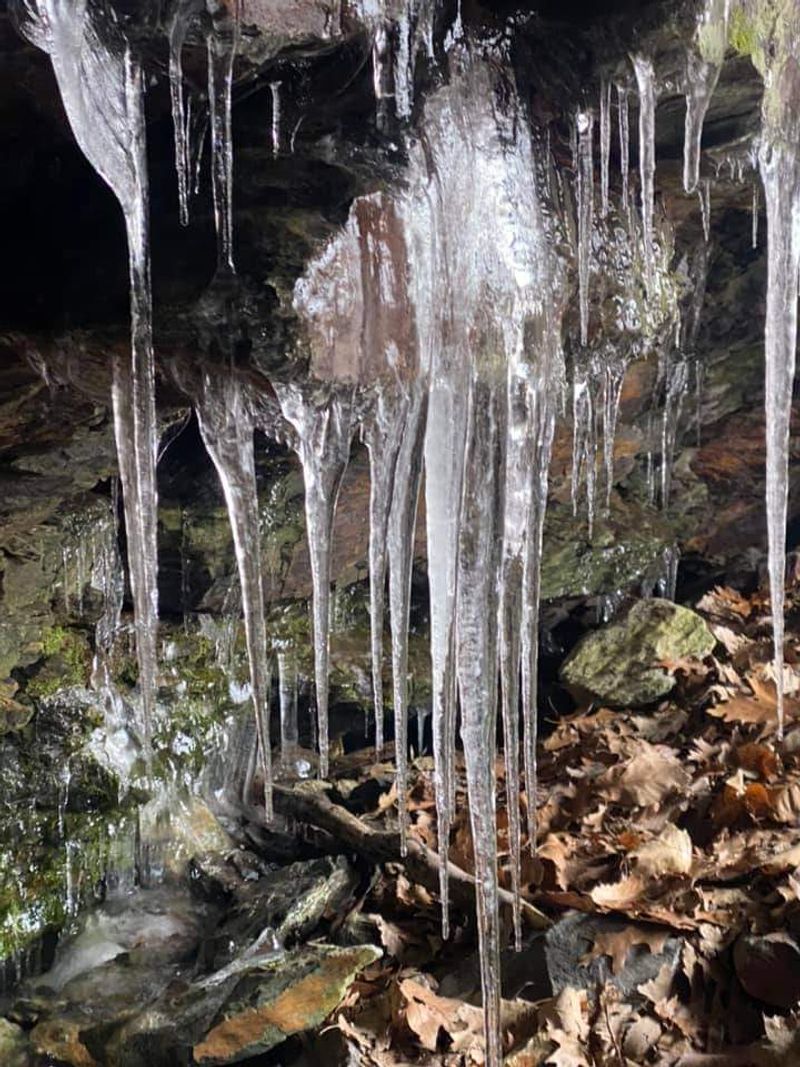
The best months to visit run from March through October, though winter’s ice spectacle makes the colder months appealing for those willing to layer up and watch their footing on icy patches.
Views of the River and Weygadt Gap Along the Way
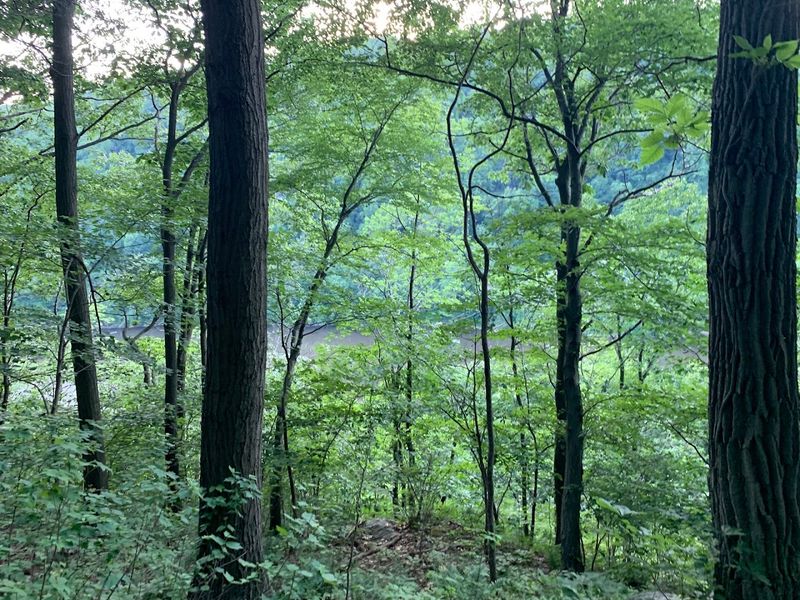
The trail to the Ice Cave offers more than just a destination. Along the route, hikers get views of the river flowing through Weygadt Gap, also known as Little Water Gap, which cuts a dramatic passage between the surrounding ridges.
Those views are sharpest when the leaves are off the trees, making late autumn and winter visits particularly rewarding for anyone who appreciates a good river panorama.
Anthony’s Nose, a distinctive ridge feature in the area, also appears in the landscape visible from sections of the trail. Having a geological landmark like that framing the view adds a layer of visual drama to what might otherwise feel like a simple woodland walk.
The combination of forest, river, and ridgeline makes the scenery genuinely varied for such a short hike.
Bird-watching opportunities pop up regularly along the trail as well. The wooded corridor and proximity to the river create good habitat, and keeping an eye on the canopy while hiking can turn up some interesting sightings.
The trail gives generously to anyone willing to move through it slowly and attentively.
Practical Tips for Finding the Trailhead
The parking situation at the Ice Cave trailhead is simple but limited. A small pull-off area along River Road, also known as County Route 621 just off Route 22, accommodates roughly 8 to 12 cars.
Arriving early on weekends is a smart move, especially during peak hiking season when the spot fills up faster than you’d expect for such an under-the-radar destination.
The trailhead itself sits right off the road, and the blue-blazed trail begins almost immediately. Following the blue blazes consistently is the key to not getting turned around, since the mine entrance can be easy to miss on a first visit.
A hiking app with GPS tracking adds useful confidence when the path gets less obvious.
The Ice Cave is open 24 hours a day, which technically makes a sunrise or sunset visit possible. Daytime is strongly recommended for a first trip, though.
Navigating rocky terrain and locating a low mine entrance in the dark adds unnecessary difficulty. Good hiking boots with ankle support are worth wearing, particularly if recent rain has left the trail slippery.
What to Bring and How to Prepare for the Visit
Packing light makes sense for a hike this short, but a few items genuinely improve the experience. Water is the obvious one.
Even a 2-mile round trip on a warm day demands hydration, and the uphill sections will remind you of that quickly. A small daypack keeps everything manageable without feeling like overkill for a trail under two miles.
A light jacket or packable layer is worth throwing in regardless of the outside temperature.
The temperature drop inside the mine is noticeable and pleasant in summer, but if you plan to linger inside for photos or just to enjoy the chill, having an extra layer within reach makes the stay more comfortable.
In winter, proper cold-weather clothing becomes essential rather than optional.
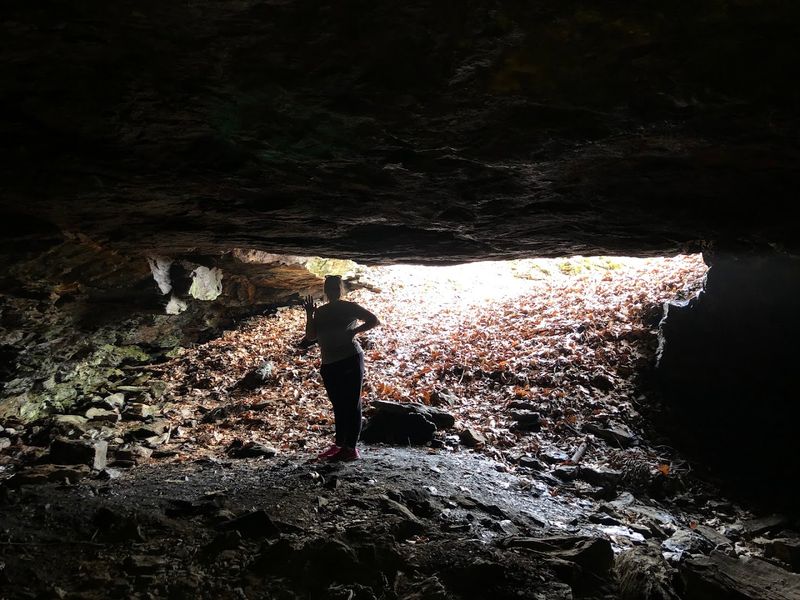
A flashlight or headlamp helps when exploring deeper into the mine’s low interior. The natural light from the entrance only reaches so far, and the iron-stained walls and rocky floor deserve a closer look.
Wearing sturdy hiking shoes rather than sneakers is a practical call, especially when the trail has wet or icy patches that turn ordinary footwear into a liability.
Why This Spot Deserves More Attention Than It Gets
Places like the Ice Cave tend to fly under the radar precisely because they don’t fit neatly into any single category. It’s not quite a hiking destination, not quite a historical site, and not quite a natural wonder, yet it manages to be a little bit of all three at once.
That combination is genuinely rare.
The history of the Fulmer Mine stretching back to the 1860s gives the visit intellectual texture that a regular trail walk doesn’t offer.
Standing inside a space that was actively worked by miners over 150 years ago, feeling the cold air they also felt, looking at rust stains from the same ore they were chasing, creates a quiet kind of connection that’s hard to manufacture.
For anyone within driving distance of northwest New Jersey, this is the kind of detour that ends up being the most memorable part of a weekend.
It takes maybe two hours from arrival to departure.
The payoff, that cold air, that strange history, those optional winter ice formations, is wildly disproportionate to the effort required.
Address: River Rd, Phillipsburg, NJ 08865
