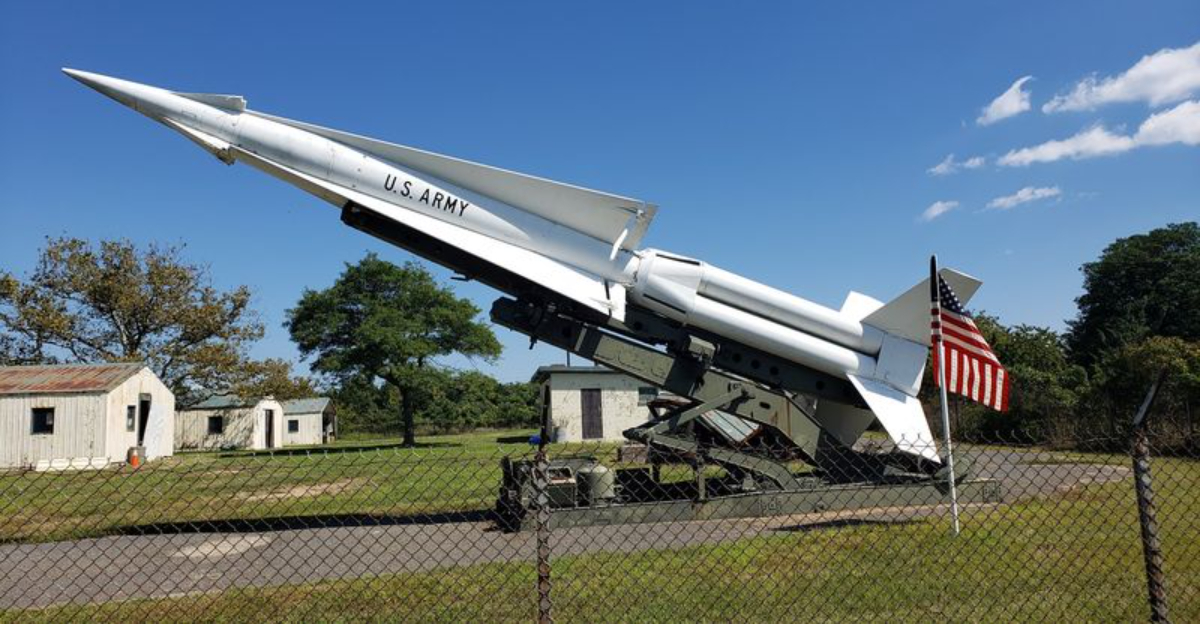
Concrete radar platforms rise from the overgrown brush of Sandy Hook, their once-classified equipment now rusting under the open sky.
This abandoned New Jersey military site was part of a top-secret ring designed to stop Soviet bombers during the Cold War.
Activated in 1955, the Integrated Fire Control area served as the electronic brain for nuclear-tipped missiles aimed directly at the skies above New York City.
Armed patrols had orders to release attack dogs and shoot trespassers on sight.
For nearly two decades, soldiers stood guard here in total secrecy.
Today, the silence is broken only by the wind and the footsteps of curious history buffs.
A Cold War Relic Hiding in Plain Sight
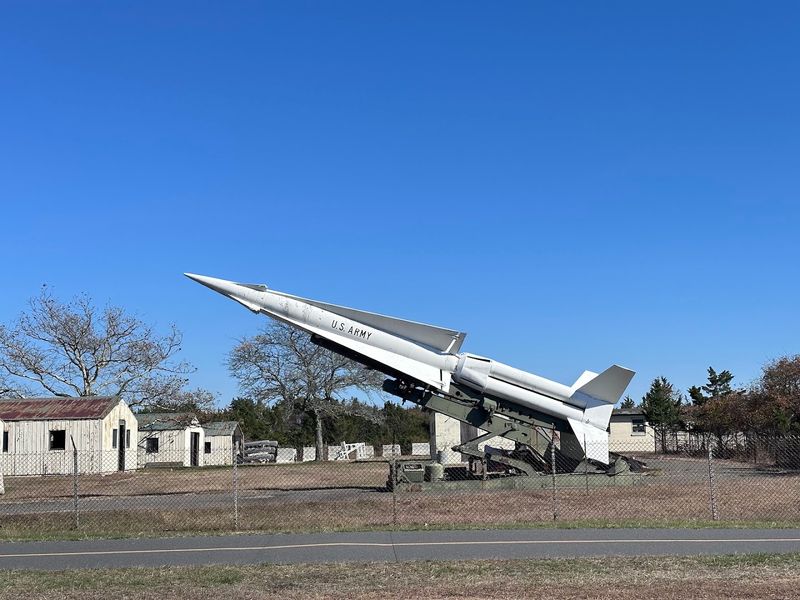
Stumbling across Nike Missile Site NY-56 feels less like a planned outing and more like accidentally walking into a history book.
The site sits quietly along Old Dune Trail in Highlands, New Jersey, tucked inside the Fort Hancock area of Sandy Hook.
Most people driving past probably assume it is just another fenced military remnant.
But the moment you slow down and actually look, the reality hits differently. Real missiles, still positioned on their launchers, stand ready as if the Cold War never quite got the memo that it ended.
The site was activated in 1954 and stayed operational until 1974, guarding the entrance to lower New York Harbor the entire time.
What makes this place so striking is how matter-of-fact it all feels. No dramatic gates, no Hollywood theatrics.
Just honest, weathered equipment from one of history’s most tense standoffs. Getting here is easy, and the payoff is absolutely worth the detour from whatever beach plan you had going.
Why New York City Needed a Missile Shield
Protecting a city as massive as New York required serious planning during the Cold War years. Soviet bombers were a genuine threat, and military strategists knew that fast, high-altitude aircraft could reach Manhattan before conventional defenses had time to respond.
Something faster and smarter was needed.
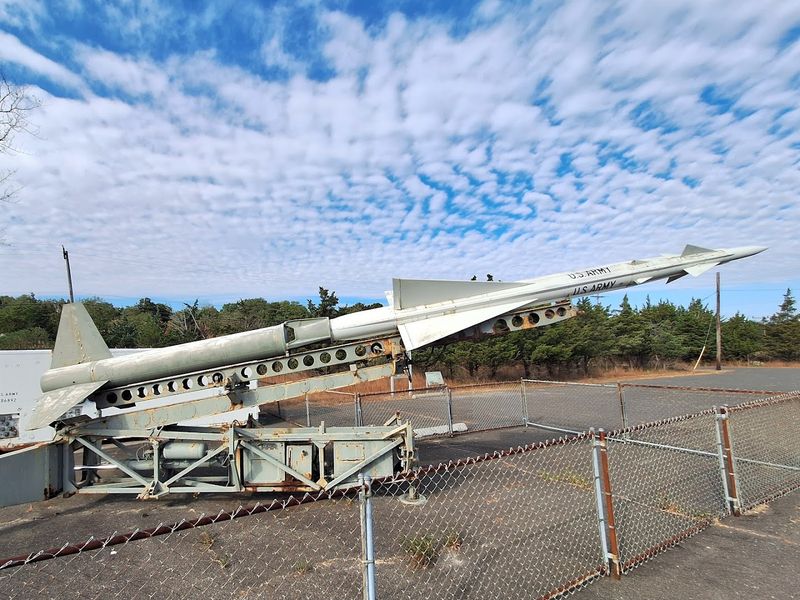
Nike missiles were the answer. A ring of launch sites encircled the entire New York metropolitan area, and NY-56 sat at one of the most critical positions, right at the mouth of the harbor.
Any incoming aircraft attempting to follow the coastline into the city would have to pass through its coverage zone first.
Think of it like a last-chance goalkeeper. If every other layer of defense failed, NY-56 was the final stop.
That geographic importance made this particular site one of the busiest and most strategically significant in the entire defense network. Standing there today, looking out toward the water, the logic of the placement becomes immediately obvious and genuinely impressive.
From Ajax to Hercules: The Missile Upgrade Story
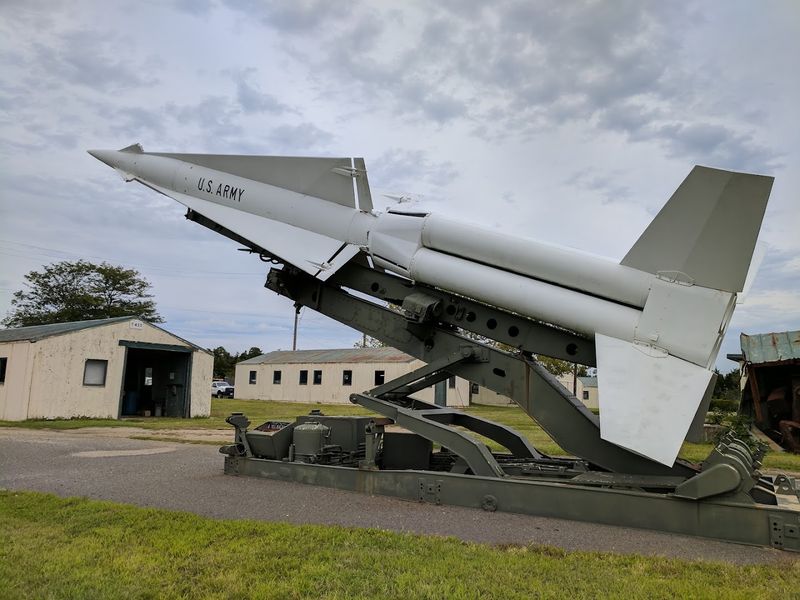
Not all missiles are created equal, and NY-56 went through a significant hardware upgrade during its operational years. The site originally deployed Nike Ajax missiles starting in 1954.
These carried conventional high-explosive warheads and were considered cutting-edge technology at the time.
By 1958, the Ajax was phased out in favor of the Nike Hercules, a considerably more powerful system. The Hercules was larger, faster, and carried a far more serious payload, including the option for nuclear warheads.
That upgrade quietly changed everything about what this sandy strip of New Jersey coastline represented.
Most local residents had absolutely no idea nuclear weapons were sitting a short drive from their homes. The entire operation ran under strict secrecy.
Today, visitors can see both missile types displayed on their original launchers, which makes for a genuinely fascinating comparison. The size difference alone tells the story of how rapidly Cold War technology evolved within just a few years of deployment.
The Launch Area Layout: How the Site Actually Worked
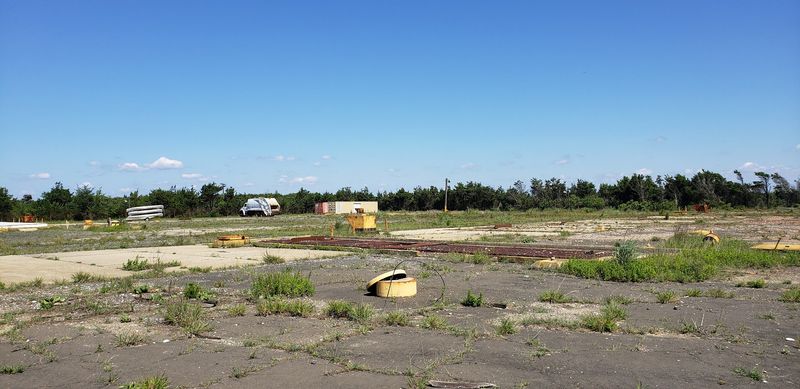
A Nike missile site was not just a patch of ground with rockets sticking out of it. The whole operation was carefully engineered into two separate zones working together.
NY-56 had a Missile Launcher Area, which is the section visible along Old Dune Trail, and an Integrated Fire Control radar site located roughly one mile away.
The Launcher Area handled storage and deployment. Missiles were kept in underground magazines and raised to the surface when needed.
The IFC radar site handled tracking, targeting, and guidance, feeding real-time data to the crews at the launchers.
Coordination between the two zones had to be flawless. A single incoming bomber could close the distance to the city in minutes, leaving almost no margin for communication errors.
Walking through the launcher area today, you can still see the mechanical infrastructure that made those rapid deployments possible. The scale of engineering involved in keeping this system ready around the clock, every single day, is something that does not fully register until you are standing right inside it.
Twenty Years of Silence Before the Tours Began
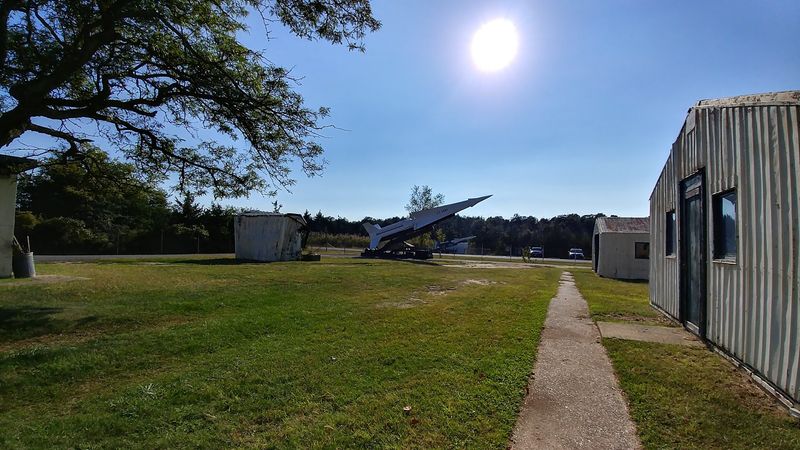
When NY-56 was deactivated in 1974, the site did not immediately transform into a tourist destination.
For nearly three decades, the buildings sat empty and the equipment weathered quietly inside the expanding boundaries of the Gateway National Recreation Area.
Nature started doing what nature always does with abandoned places.
Restoration efforts eventually gained momentum, and the site officially opened for public tours in 2002. That is almost thirty years of silence before anyone got to walk through and understand what had been sitting there all along.
The patience required for that kind of preservation project is remarkable.
Today, NY-56 holds the distinction of being the second best-preserved Nike missile site in the entire United States. The combination of original location, intact equipment, and surviving infrastructure makes it genuinely rare among Cold War sites.
Most similar installations were demolished, repurposed, or stripped of anything valuable. The fact that this one survived so completely, right beside a popular beach, feels almost accidental and entirely lucky.
Walking Old Dune Trail: The Path to the Past
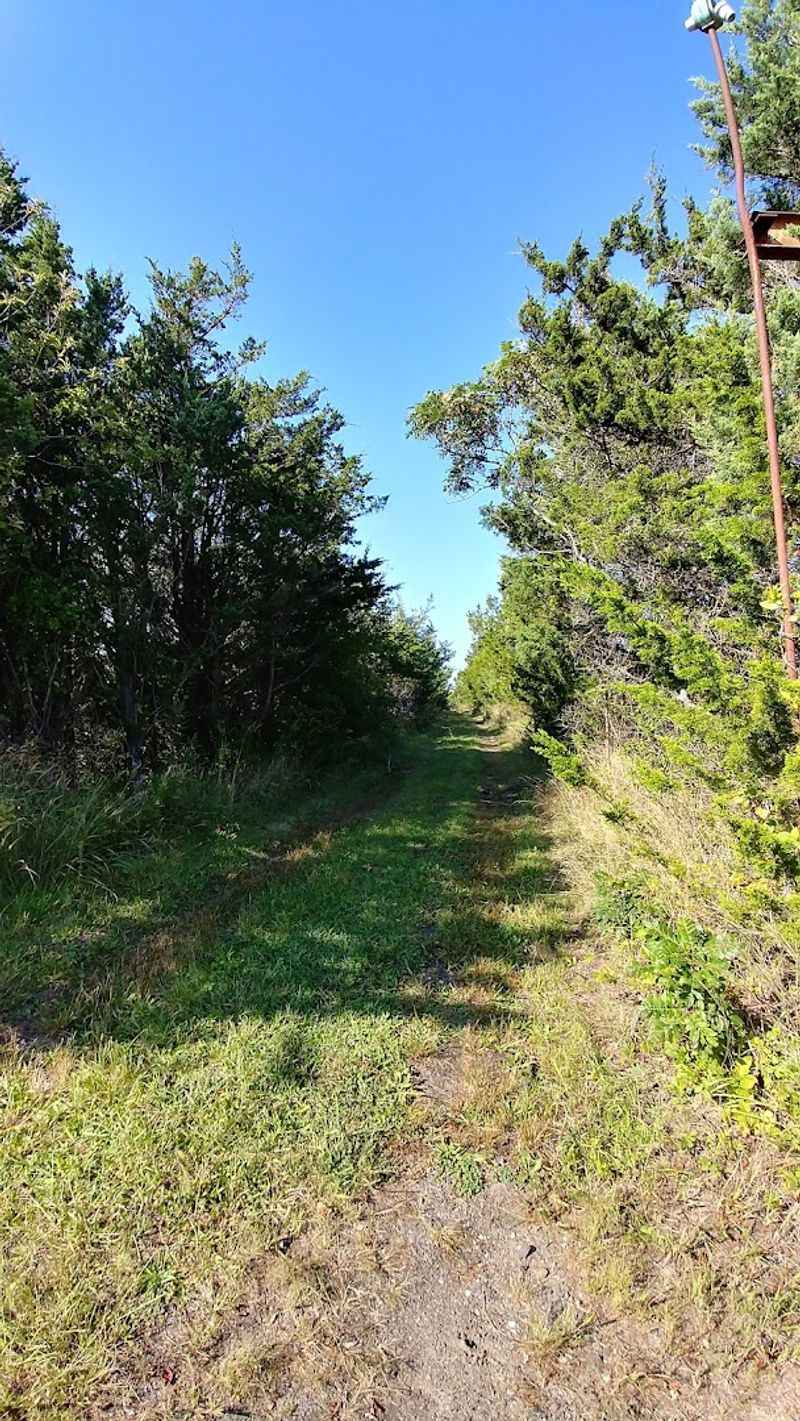
Old Dune Trail is not just a road that leads to a parking area. It is genuinely one of the more atmospheric approaches to any historical site in the state.
The path runs through classic coastal dune landscape, with low scrubby vegetation, sandy shoulders, and that particular quality of light that only exists near open water.
Arriving on foot or by bike rather than driving straight to the launchers changes the experience completely. The gradual approach gives your brain time to shift from beach mode into something more reflective.
By the time the missile silhouettes appear on the horizon, the setting has already done half the storytelling work.
Sandy Hook has a well-maintained blacktopped path system that makes biking the entire area genuinely enjoyable. Connecting the trail to a longer ride through Fort Hancock turns a quick stop into a full afternoon adventure.
The physical movement through the landscape, watching it transition from open beach to dense history, adds a dimension that simply driving past the site cannot replicate.
What the Guided Tours Actually Show You
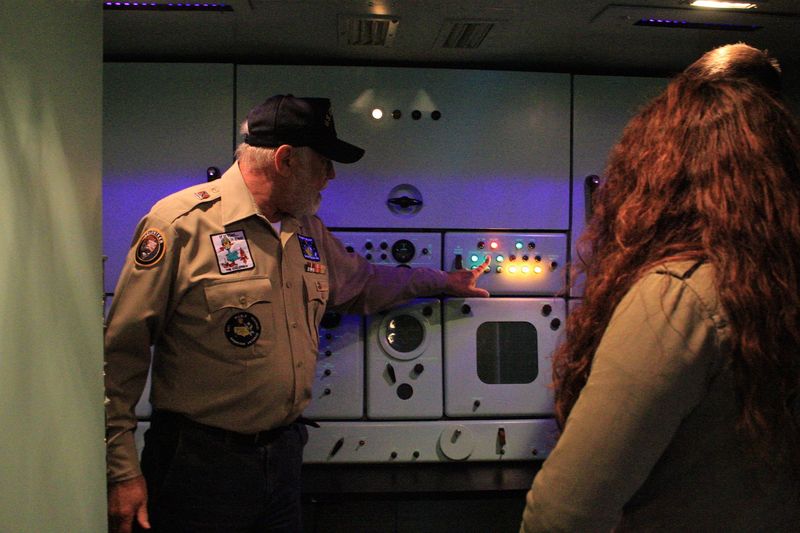
The Integrated Fire Control area at NY-56 offers guided tours that go well beyond looking at things through a fence. Inside the IFC buildings, original Cold War-era computers and radar systems are preserved and on display.
The technology looks simultaneously primitive and fascinating, all blinking panels and enormous mechanical components that once tracked aircraft in real time.
Tour guides bring genuine depth to the visit. Veterans who actually served in the Nike Air Defense System have participated in tours at the site, sharing firsthand knowledge that no exhibit panel can fully replicate.
That human connection to the equipment makes the technology feel alive rather than archived.
Special tours of the Launcher Area itself are conducted a limited number of times each year, making those dates genuinely worth planning around. The combination of the IFC tour and the launcher walkthrough gives visitors a complete picture of how the entire system functioned as one coordinated defense network.
Checking the site’s schedule at ny56nike.weebly.com before visiting is strongly recommended to catch one of those special access dates.
The Secret Nuclear Warheads Nobody Talked About
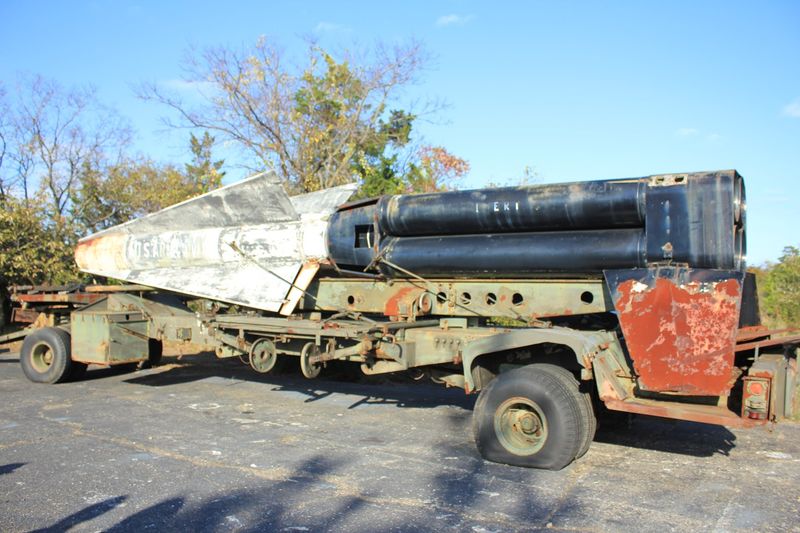
One of the most quietly unsettling facts about NY-56 is that nuclear warheads were stored and ready for use here, and almost nobody in the surrounding communities knew about it.
The Nike Hercules missiles deployed from 1958 onward had the capability to carry nuclear payloads, and that capability was actually used at this site.
The secrecy was deliberate and total. Families living in nearby towns, people going about their daily lives, had no idea that nuclear weapons were part of the local landscape.
The classified nature of the mission meant that even the soldiers stationed here could not discuss their work with anyone outside the base.
Seeing the Hercules missiles on their launchers today, knowing what they were capable of carrying, creates a strange feeling that is hard to put into words. History feels abstract until you are standing three feet from the hardware.
The site does an honest job of presenting this part of the story without dramatizing it, which somehow makes the reality land even harder than any dramatic framing would.
Planning Your Visit: Everything You Need to Know
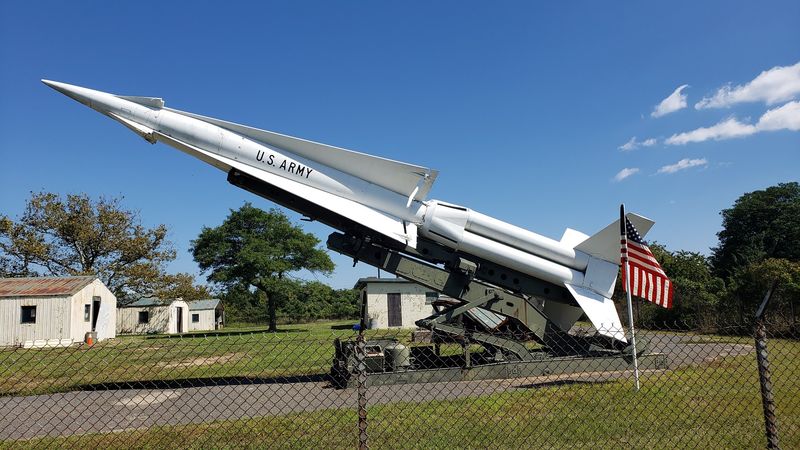
Getting to Nike Missile Site NY-56 is straightforward. The Launch Area sits along Old Dune Trail in Highlands, New Jersey, within the Sandy Hook unit of Gateway National Recreation Area.
The site is open daily from 5 AM to 8 PM, which means early morning visits are entirely possible for those who prefer a quieter experience.
Parking is available within the Sandy Hook area, and the site is accessible by bike along the park’s path system. Since Sandy Hook is a National Park Service property, standard park access fees may apply depending on the season, so checking ahead saves any surprises at the gate.
The website ny56nike.weebly.com carries the most current information on tour schedules and special Launcher Area access dates.
Combining the missile site visit with a walk along the beach, a ride through Fort Hancock’s historic district, and a picnic near the pavilions turns the whole trip into a genuinely full day.
The address to plug into your navigation is below.
Address: Old Dune Trail, Highlands, NJ
