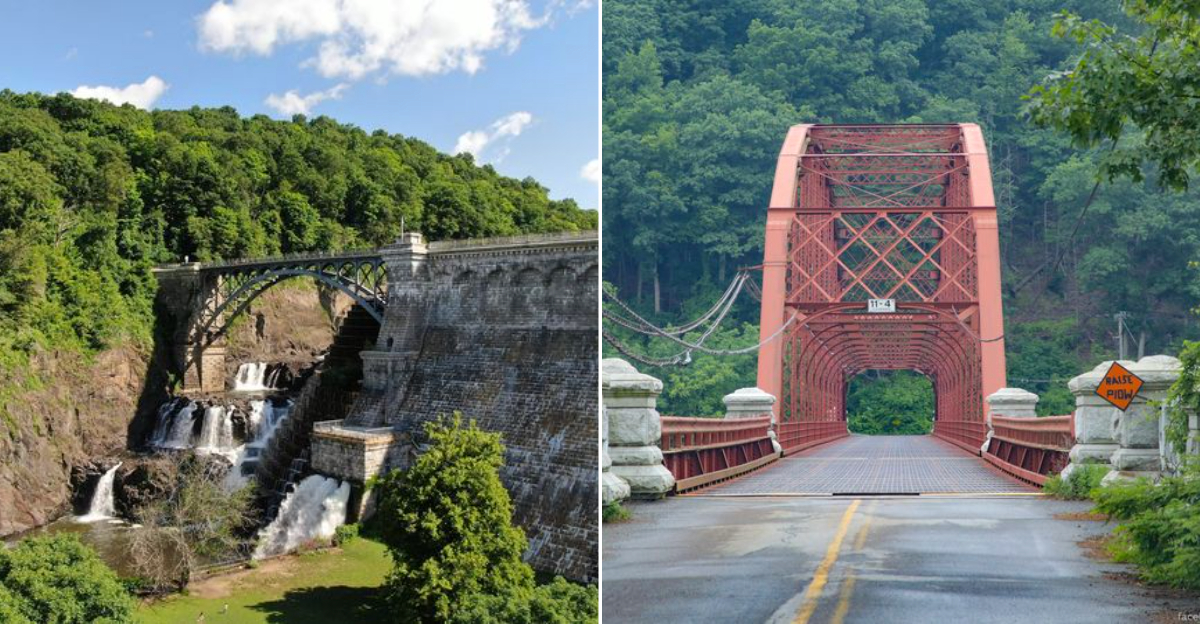
You expect abandoned ruins to look collapsed, scattered, and halfway swallowed by time, which is exactly why this New York dam site feels so surprising. The moment you see it, the whole place gives off that strange impression of something forgotten but not fully lost, as if the years passed by without quite finishing the job.
That is what makes it so fascinating to explore. Instead of a few broken remnants that force you to imagine the rest, you get ruins that still hold enough shape and presence to make the past feel unusually close.
The scale, the structure, and the quiet around it all work together in a way that feels dramatic without needing any help. It is the kind of place that makes you stop longer than expected, because the preserved look keeps pulling your attention back to the question of how so much of it still feels standing in spirit.
By the time you leave, this New York site feels less like a ruin and more like a piece of history refusing to disappear.
Stone Ruins That Still Look Strangely Intact
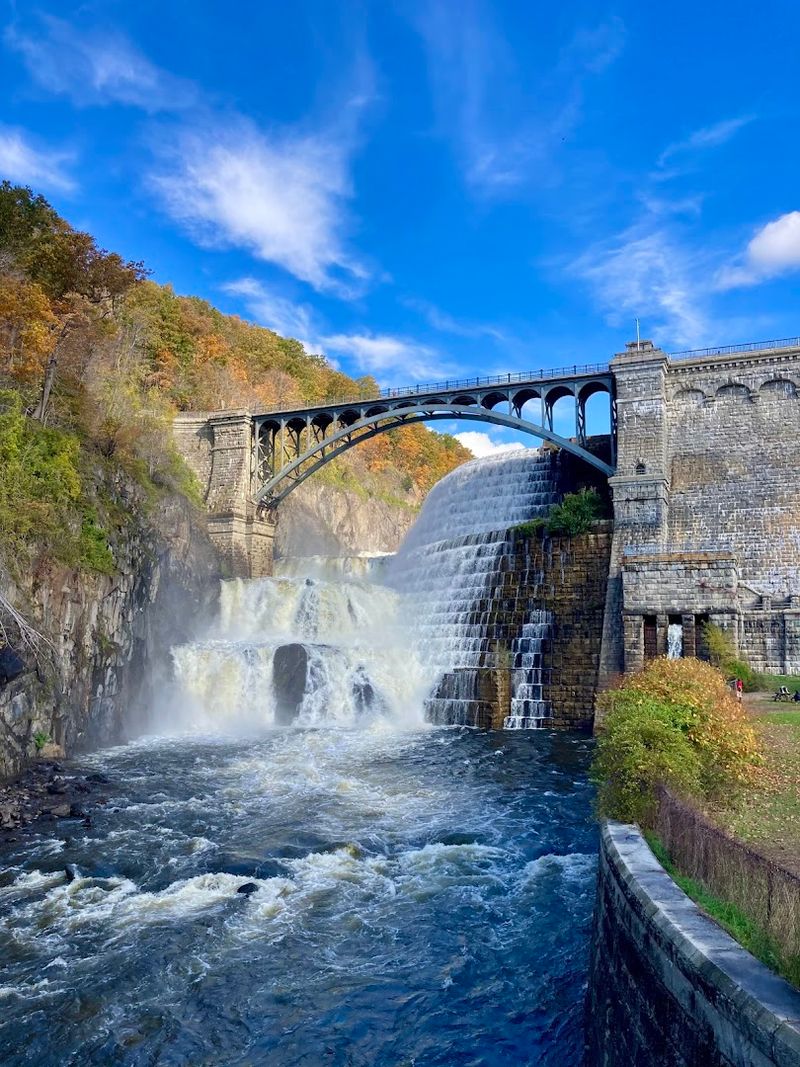
Walk up and your brain does a double take, because the Old Croton Dam ruins look steady in a way that feels almost staged. The blocks line up with this stubborn confidence, like they are humoring gravity but will not give in.
You stand there and think, how are these edges still this crisp after so much water and weather?
The setting helps the illusion, since the gorge keeps wind low and tucks the stone into a protected shoulder. Moss paints the joints, but it reads as careful trim rather than decay.
Even the stains look intentional, as if the masonry picked its patina and decided to keep it.
Step closer and you can trace chisel lines where the light rakes across, and that detail makes the place feel personal. You are not looking at rubble so much as paused work.
Have you ever felt like a place was mid sentence and just waiting for your reply?
I like standing near the spillway mist and listening for the soft clink of pebbles shifting under the flow. The sound is gentle, but it underscores how tough this build really is.
Old New York engineering had a way of making strength feel calm.
Full address, once and for the record, so you can actually find it without fuss: Old Croton Dam Ruins, Croton Gorge Park, Croton-On-Hudson, NY 10520. Keep it handy.
You will not need much else besides comfortable shoes and a little time.
Why This Abandoned Dam Site Feels So Frozen
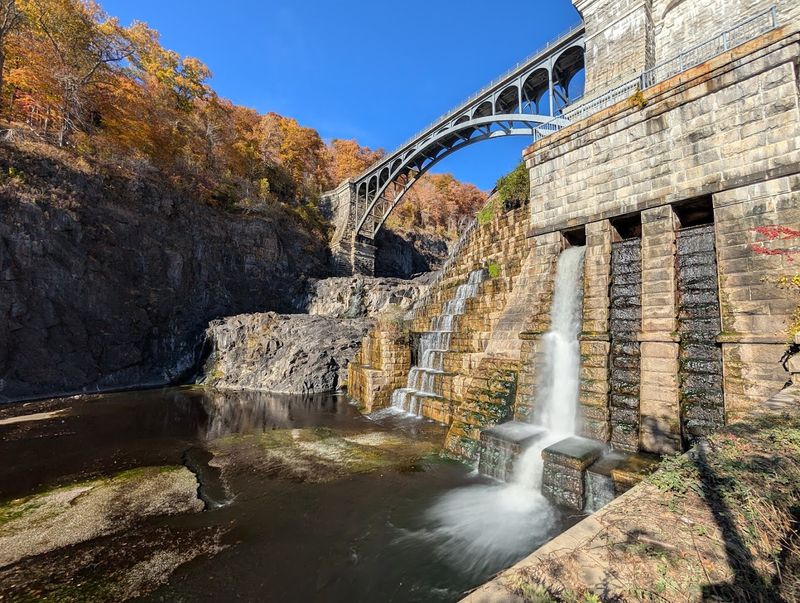
There is this hush that sneaks up on you, even with the water doing its steady work. The gorge walls temper the world, so sounds arrive rounded and slow, like someone covered the day with a heavy blanket.
It makes the stone feel paused, not abandoned.
I kept waiting for some obvious sign of crumble that would crack the spell. Instead, the angles held, and the seams looked tight enough to shrug at another season.
The place reads like a machine at rest, fingers on the keys, breathing evenly.
Part of the freeze comes from routine, since the river never stops scrawling the same line. The rhythm becomes a metronome that keeps the whole scene in tempo.
When the light hits the wet faces just right, the highlights seem pinned in place.
Have you ever noticed how old infrastructure can wear time like a well fitted jacket? That is the vibe here, comfortable and sure.
It is the kind of quiet that makes you talk softer without even meaning to.
New York has plenty of loud energy, but this pocket reminds you the state can hold stillness too. You step down a path, then everything settles.
It is not spooky, just steady.
Stand on the overlook and let your breath match the flow, because that is the real trick. The more you slow down, the more frozen it feels.
Soon you realize nothing is stuck, it is just moving in a way your body finally understands.
A Lost Piece Of New York Waterworks History
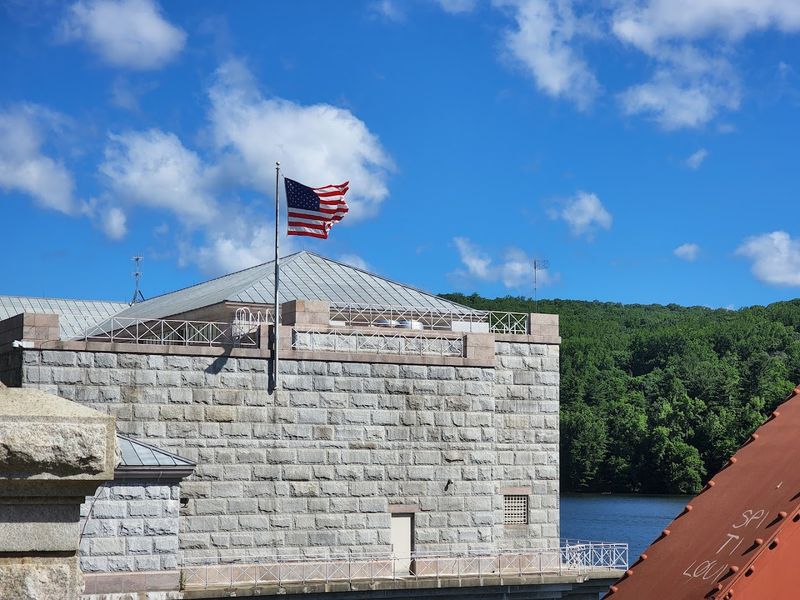
If you trace the story of New York water, you bump into this place sooner or later. The Old Croton system fed a growing city, and these stones are the bones of that ambition.
Standing here, you can feel how necessity shaped every decision.
The design is rugged, but it is also practical in a way that makes you nod. Gravity, grade, and stone all negotiated their deal right here.
I like imagining the crews reading the rock and answering with tools that made sense.
What gets me is how visible the thinking still is, even with the wear. You can follow a line and guess why it turns, then spot where they braced a weakness with heavier cuts.
The history is not trapped in a plaque, it is carved into the geometry.
Ask yourself what it took to move this much stone without the conveniences we lean on now? Then look at the calm layout and see how restraint beats flash.
The confidence feels earned, not loud.
New York history can get crowded with big headlines, but this chapter sits quiet and sturdy. You come here and the timeline narrows to hands, rock, and water.
That is enough.
When I leave, I always carry a little more respect for the work that keeps a city alive. The ruins are not a relic so much as a reminder.
Systems age, but the need they met still flows past, same as ever.
The Gorge Setting That Makes It Feel Even Wilder
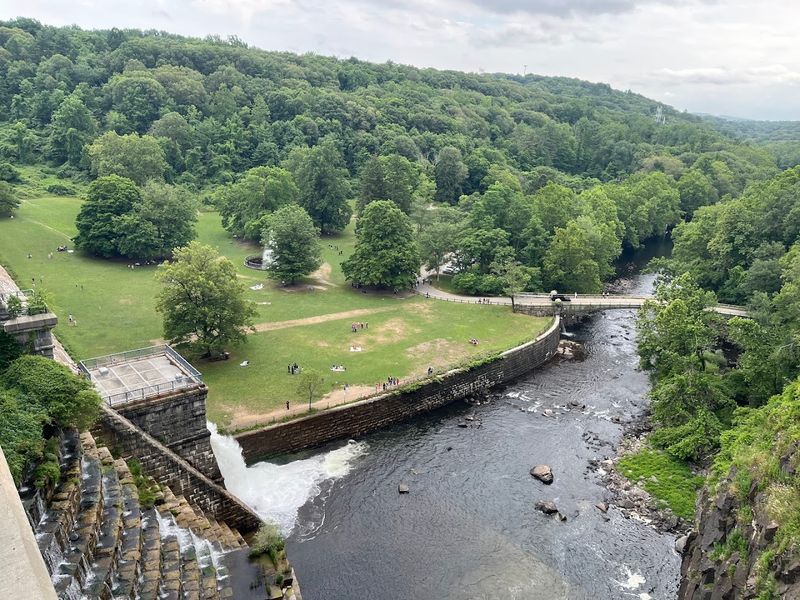
The minute the trail dips toward the gorge, everything deepens. The trees crowd the path just enough to frame the stone, and the air cools in that way that says water is close.
It feels like the ruins borrowed a little wilderness for themselves.
Look across the channel and the walls step back in terraces that catch light like shelves. Birds use those ledges the way city folks use stoops, just hanging out and watching.
The whole scene runs on gentle drama rather than spectacle.
Do you know that feeling when a place is both easy to reach and still feels far away? That is the trick here, distance measured in mood rather than miles.
The park holds the edges, but the gorge writes the script.
The soundscape helps, since water on rock makes a steady hush that calms the talkiest brain. You find yourself timing steps to the rhythm without trying.
Then the wind threads through the leaves and adds a soft counter beat.
I always forget how green New York can feel until I am standing here. The colors are not flashy, just layered.
Stone, moss, bark, and water settle into a palette you can breathe.
By the time you climb back toward the parking area, the wildness tucks itself away again. You carry it out in your shoulders and lungs.
Later, when your day gets loud, that calm sneaks back like a friend who remembered your favorite song.
How The Old Dam Ended Up Left Behind
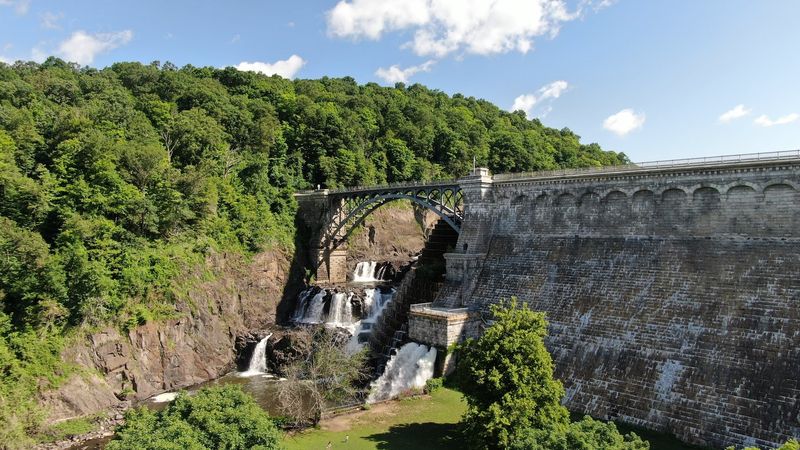
Every ruin has a fork in the road, and this one took the quieter path. The old structure did its job until the needs outgrew what it could gracefully handle.
When the system shifted, the work moved on and the stones stayed put.
I like that there is no melodrama here, just a clear transition. The river kept flowing, and the waterworks found new routes that made sense for a larger map.
Meanwhile, the original footprint settled into a second act as landscape.
It is funny how infrastructure can become scenery without changing its posture. The forms that once shouted function now whisper mood.
You read it differently, but the lines are the same.
Have you ever cleaned out a drawer and found a tool that still fits your hand perfectly? That is what these blocks feel like, familiar and useful, even if the job changed.
The leaving behind feels respectful rather than careless.
New York moves fast, but not everything gets erased. Some things are allowed to sit and teach by example.
This place does that beautifully.
When you stand here, you can sense the pivot that kept the region supplied while letting this corner breathe. It is a compromise that aged well.
The result is a calm reminder that progress and memory can share a shoreline without crowding each other.
What Visitors Can Still See From The Park
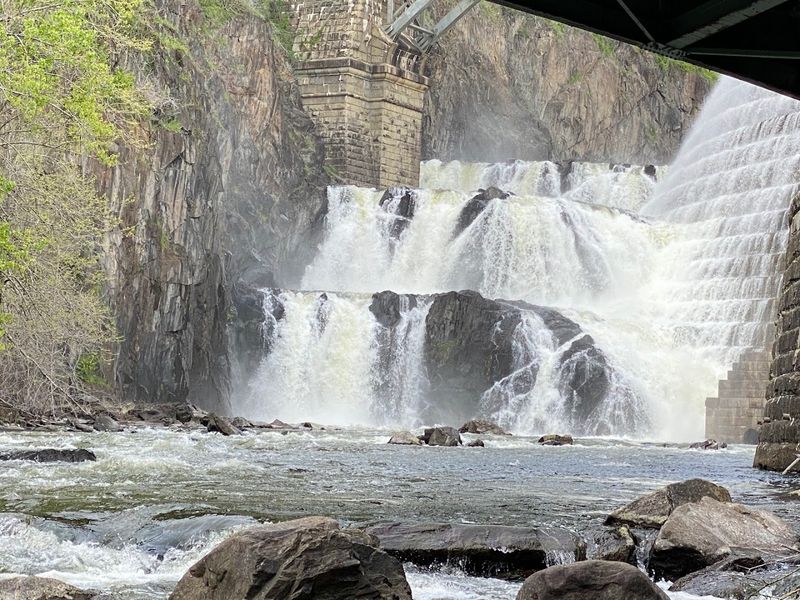
From the main paths, you get a clean angle on the old spillway and the stacked stone that holds the bank. The sightlines are friendly, so you do not need to scramble or do anything risky.
You can stand back and let your eyes pick out details.
There are places where the water fans out in a thin veil that catches every bit of light. Watch long enough and you start to see repeating patterns, like the stone is teaching the water how to fall.
It is oddly calming.
Closer to the base, the blocks feel shoulder high and solid, with moss softening the edges. Leaves collect in corners, then slide off when the spray finds them.
It is small movement that makes the whole scene feel alive.
Do you like spotting old tool marks and joints that line up like quiet blueprints? This is a great place for that kind of slow looking.
Bring patience and you will leave with more than photos.
You also get easy glimpses of the newer structure working in the distance, which puts the ruin in context. The pairing reads like past and present politely sharing a desk.
It helps the story click.
New York state parks tend to balance access with caution, and you feel that here. Railings and paths do their job without bossing the view.
You walk away feeling cared for and still a little wild, which is a nice combination.
Why The Masonry Still Feels So Impressive
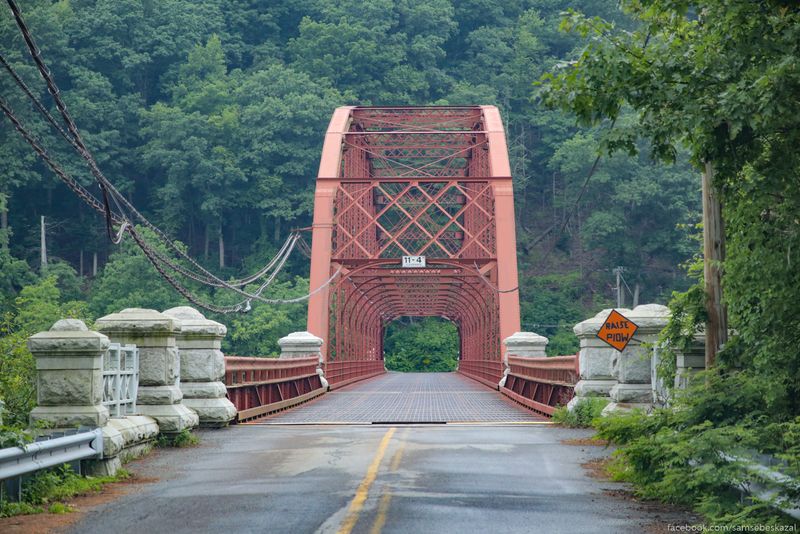
Stand close and it is all right there, the confidence in the joints and the way each block shoulders the next. The craft reads as calm strength rather than showy skill.
It is the kind of work that invites trust.
Light matters, because the shallow grooves and edges wake up when the sun slides sideways. You see the plan in the shadows, like a drawing coming into focus.
Even after so much weather, the intention holds.
I think about the rhythm of hands that shaped and set these faces. There is a tempo to it, steady and patient, that outlasts any trend.
You can almost hear it when the water quiets down.
Does it surprise you that old stone can feel modern when it is honest about its job? That is the trick, purpose rendered clean.
No gloss, just good bones.
New York builds big, but this spot reminds me that scale is not everything. Proportion and fit do more work than bulk.
The result is muscle that does not need to flex.
I always leave with a fresh respect for the idea of alignment, how getting one course right makes the next one easier. It is a simple lesson that feels generous out here.
The masonry keeps teaching without saying a word, and you find yourself listening longer than you planned.
A Historic Ruin Overshadowed By The New Dam
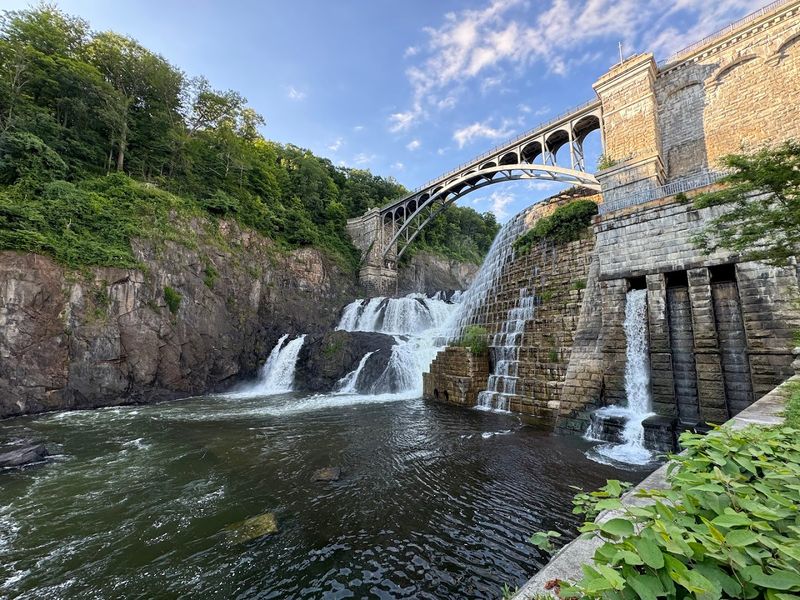
There is a funny dynamic here, with the old work sitting in the foreground while the newer infrastructure does the loud job beyond. Your eyes jump back and forth, comparing profiles.
It is a friendly comparison rather than a competition.
The newer structure carries the practical weight now, humming along like a reliable appliance. Meanwhile the ruins hold court on the quiet side of the stage.
Together, they make the story legible without needing a signboard.
It is easy to let the working dam steal your attention, since motion always wins. But look back at the old lines and notice how they refuse to blur.
The clarity is stubborn and kind of moving.
Ever watch two generations at the same table and realize each is doing exactly what it needs to? That is the feeling here, continuity without sentiment.
The river benefits from both.
In New York, infrastructure rarely gets a soft landing when it retires. This place lucked into one by virtue of its setting.
The gorge makes dignity possible.
When you leave, the image that sticks is that layered view, past and present nested together. It is a picture you can revisit in your head when the day gets noisy.
The old silhouette keeps its grace, even when the new steals the spotlight.
Why These Ruins Still Feel Astonishingly Preserved
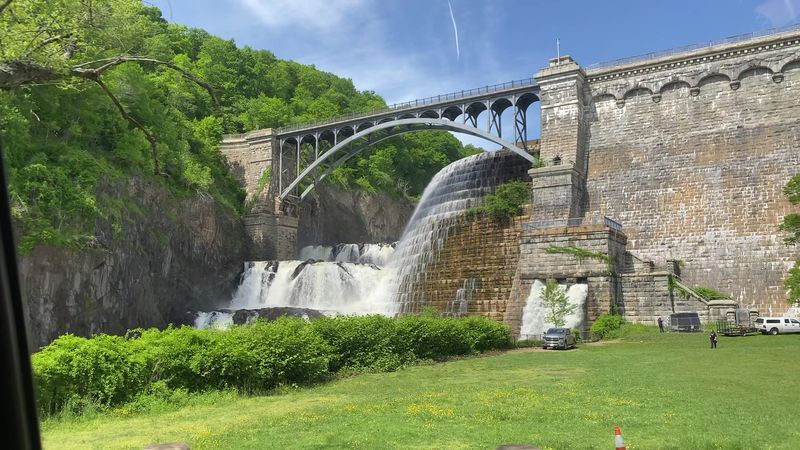
Honestly, the word that keeps popping up is intact. The edges read clean, the courses run level, and the whole frame presents like a well kept sketch.
It feels like time pressed pause and never took its finger off the button.
Part of that impression comes from how the gorge shields the site, giving weather fewer angles to bite. Part comes from the quality of the original build, which does not blink at the daily push of water.
Together, they create the look of careful tending without the fussy fingerprints.
Your eye expects broken rhythm, but the pattern holds and holds. That steadiness fools the brain into reading newness where there is none.
It is a small magic that never gets old.
Have you noticed how care does not always look like touch, sometimes it looks like restraint? This place benefits from exactly that kind of light hand.
Access is measured, views are generous, and the stone breathes.
New York winters test everything, yet these lines greet each season with the same sure stance. The confidence is quiet, not boastful.
You can lean on the sight without worrying it will shift under you.
Walk away and the word preserved lingers, not because it is museum neat, but because the essentials stayed true. Form, fit, and purpose still talk to each other.
That conversation carries, and you hear it long after the water sounds fade.
Dear Reader: This page may contain affiliate links which may earn a commission if you click through and make a purchase. Our independent journalism is not influenced by any advertiser or commercial initiative unless it is clearly marked as sponsored content. As travel products change, please be sure to reconfirm all details and stay up to date with current events to ensure a safe and successful trip.
