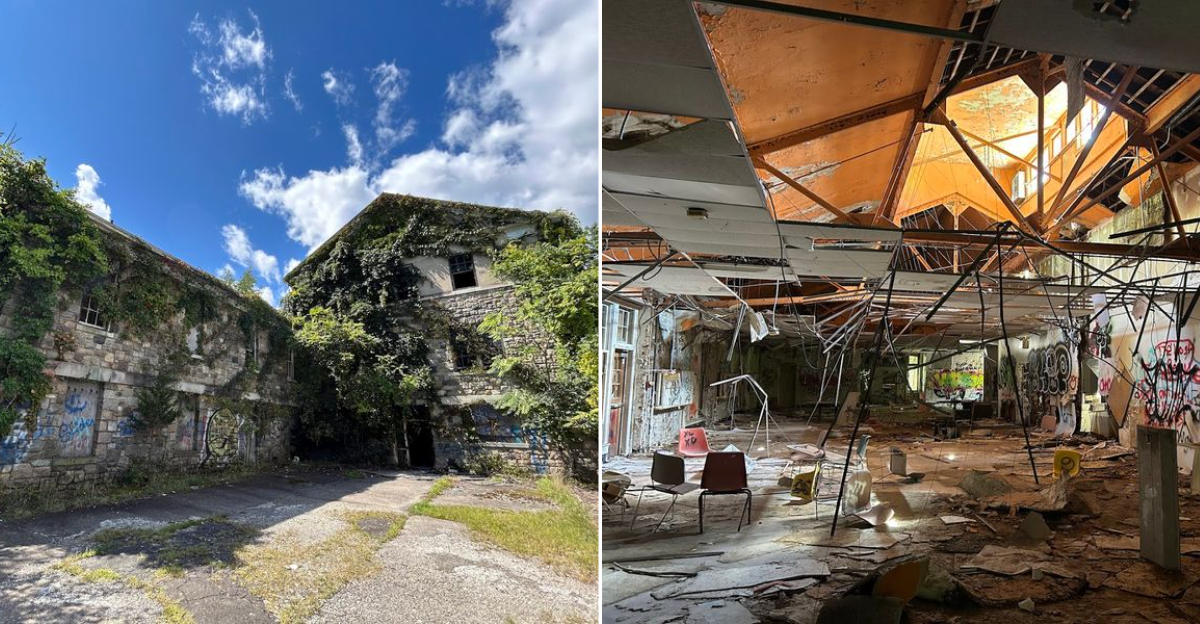
It is one thing for a place to be abandoned, but it is another for it to keep sitting out in the open like the world somehow forgot to finish saying goodbye.
This abandoned New York institution has that exact kind of unsettling presence, because the scale of it makes the whole site feel less like a single building and more like a ghost campus frozen in place. The emptiness is what hits first.
You are looking at a place that once had structure, movement, and purpose, and now it just lingers there with an eerie kind of stillness that feels hard to shake. That is what makes it so fascinating.
It does not look hidden, buried, or swallowed up beyond recognition. It looks exposed, silent, and strange in a way that makes the abandonment feel even more dramatic.
By the time you start taking in the full setting, the whole place begins to feel like a leftover world that never fully disappeared, even after everything that gave it life moved on.
A First Look That Feels Too Open To Be This Unsettling
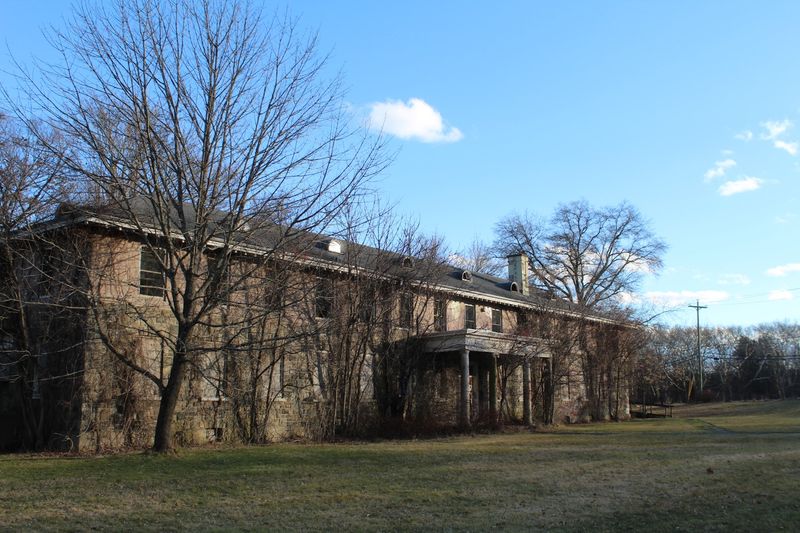
The first few minutes here feel almost casual, which is the weirdest part. You step out, look across these generous lawns, and think this could be any quiet municipal campus you have ever parked at.
Then your eyes catch the windows, some yawning, some bandaged with plywood, and the mood slides from normal to not quite right.
What gets you is the openness, because nothing hides behind fences, and the roads still curve like they expect a shuttle to swing by. You can trace sidewalks like lines on a palm, and your feet follow without planning it, which makes the place feel alive even when it is clearly not.
New York has plenty of ruins, but few sit out this plainly, letting you read them without forcing the pace.
The buildings keep their institutional stance, square and sure, even while bricks flake and paint curls like old bark. Rooflines hold the horizon the way a campus does, steady and low, so the silence lands heavier than any locked gate ever could.
Do you feel that slow, interior hush already?
If you come with a friend, the conversation starts soft and goes deeper on its own, because the setting gives you space for it. You are not sneaking through darkness, you are strolling through a broken version of daily life.
That contrast makes Letchworth Village the rare New York site that disturbs gently, then lingers.
Why The Grounds Still Read Like A Campus Instead Of A Single Ruin
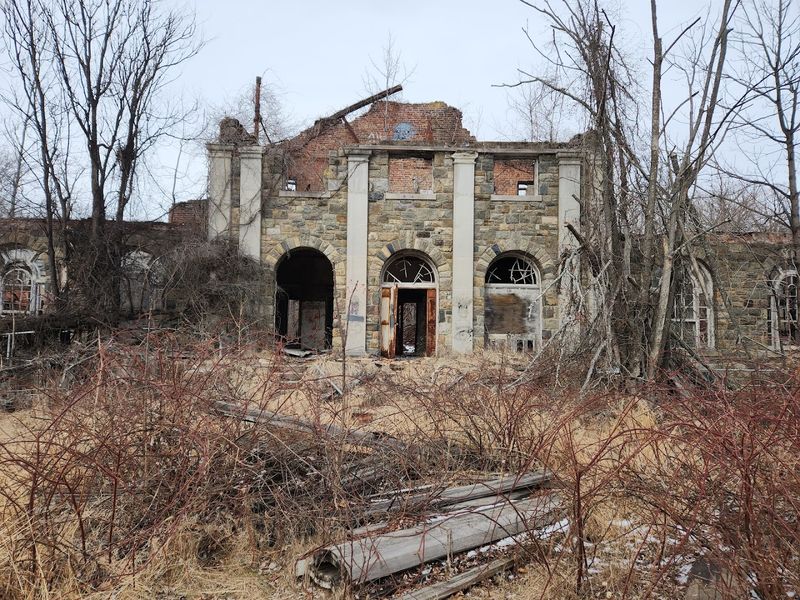
You can read the site like a map without even trying, which is why it still feels like a campus. The roads tell you where the center once was, how buses looped, where staff cut across to save time.
Sidewalks braid between buildings like sentences, and you catch the grammar of the place in a glance.
There are clusters that clearly once worked together, like administration near housing, and service buildings tucked off to the edge. The spacing is intentional, giving each structure breathing room that says routine more than drama.
Even now, the lawns are open enough that your eyes leap from one facade to the next, keeping a rhythm you could stroll for an hour.
It is New York, yet it is not dense, and that difference makes your shoulders drop, which only sharpens the unease. You expect a single shell of a building, something you peek at and leave, but Letchworth extends itself politely and keeps you nearby.
The journey becomes a loop instead of a dash.
There are old posts where signs probably stood, and you can guess what they said without reading a word. Do you read spaces like that too, almost like overhearing an old announcement?
This is a campus speaking softly in present tense.
Empty Buildings And Long Sightlines That Make The Place Hit Harder
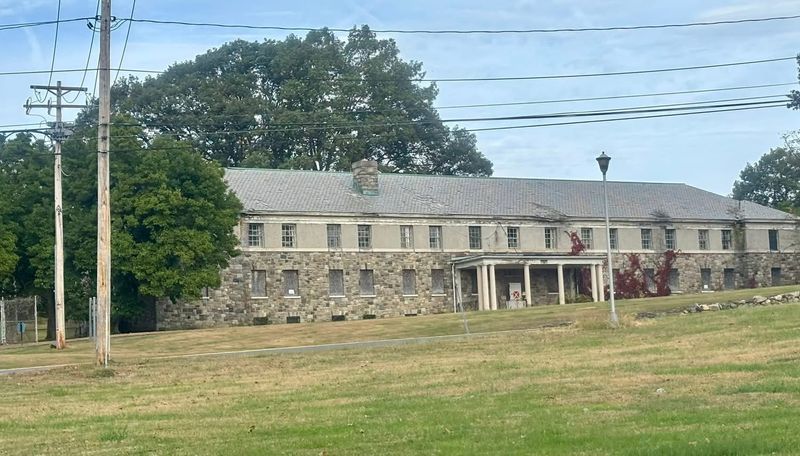
Stand at one end of a drive and just let your eyes run the full distance, because the length is part of the feeling. Those unbroken lines make you picture movement that is no longer here, like a track team that left without picking up the cones.
You do not need creaking doors for atmosphere when perspective does the work.
What makes it sting is how visible everything is. You can see entrances, ramps, and stoops clearly, which invites your mind to fill them with ordinary scenes.
Everyday life was clearly the point here, so the emptiness feels louder than decay.
New York has a way of stacking views, but this place spreads them out, which slows your breathing and lets thoughts drift in. If you are curious, you will follow that pull down a sidewalk and then another, all while staying in full view of open sky.
It feels safe, and that safety lets the history land.
The buildings are not shouting at you, they are waiting, and long sightlines act like polite invitations you cannot quite refuse. Do you ever get that blend of comfort and chill in the same breath?
Letchworth does that, making distance a storyteller.
The Scale Of Letchworth Is What Makes It So Hard To Shake
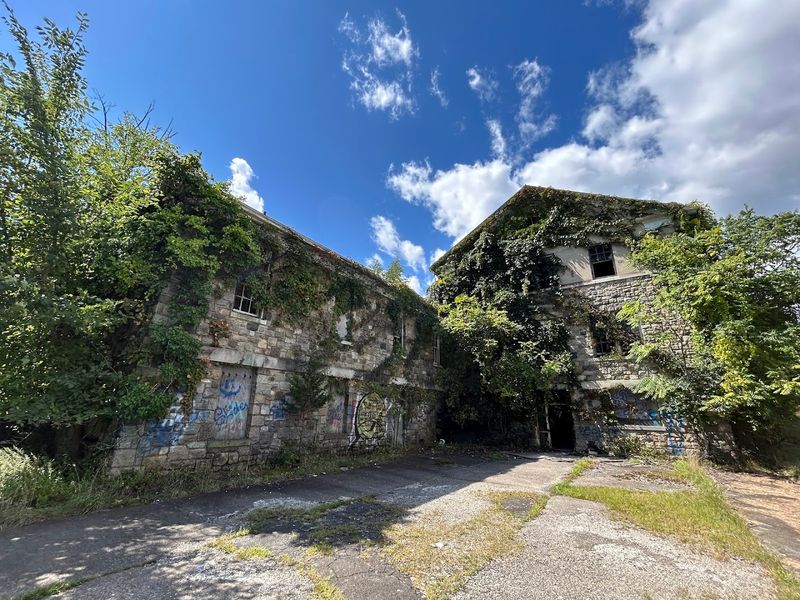
The size sneaks up on you, because you do not clock it until you have already walked far enough to feel it in your legs. One cluster turns into another, and you realize this is not a single story but a whole chorus.
That many roofs in your sightline carries a weight that sticks long after the drive home.
Scale changes what your brain does with history. With one building, you imagine a handful of lives, but across this spread, you feel systems, routines, and entire days stacking silently.
It is not louder, it is broader, and that breadth lands like weather.
Even compared to other New York ruins, Letchworth holds a campus scale that makes time feel layered. Roads continue logically, fields open where activity repeated, and the edges blur into trees where you can take a breath.
You are never boxed in, which somehow heightens the gravity.
Walking it with you, I would point out the way lines of sight keep connecting, as if the place insists on context. Do you notice how your steps fall into a steady, almost institutional pace out here?
That rhythm is the echo of scale, and it trails you home.
Crumbling Structures That Still Hint At How Big This Institution Once Was
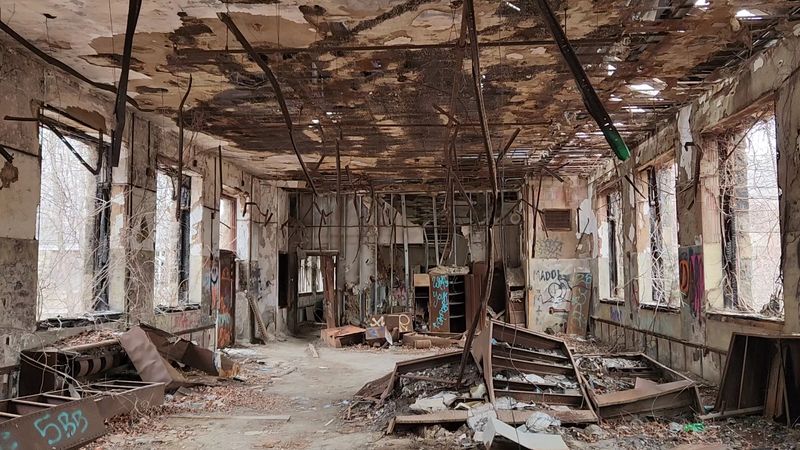
You can stand inches from a wall and still feel the big picture, which is not something every ruin can pull off. Brick by brick, it is clear these were not cottages but working buildings made for constant use.
Even the stair rails feel built for traffic, not ceremony.
Look at the window counts and door widths, and you start estimating bodies moving, schedules kept, and routines that repeated without drama. The details talk about scale without needing a plaque.
A single doorway with scuffed thresholds says more than any caption could say out loud.
In New York, we get used to tight footprints, but here the structures breathe, and that roominess makes the decay feel slower. You see where repair once happened, where paint was refreshed, and where time finally won.
The dignity is still there, which is why the crumble does not feel theatrical.
Let your hand hover over the textures without touching, and you will hear it in your head, the sound of keys, steps, and clipped directions. Do you also sense how practical these shapes are, even now?
Letchworth wears its past in the posture of its buildings, and that posture is unmistakably big.
Why The Silence Feels Stranger In A Place Built For So Many Lives
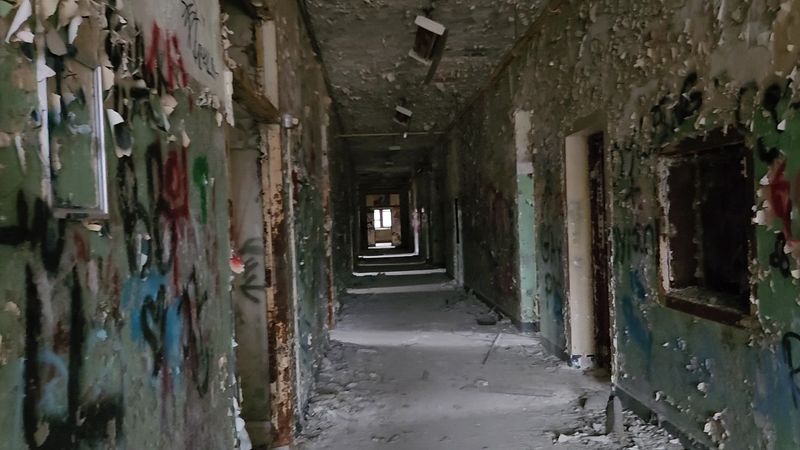
Silence is different when a space was designed for constant voices, and this place proves it in seconds. Courtyards that should carry chatter just hold bird noise and the occasional branch tap.
The lack of echo makes the whole setting feel slightly off balance in a way you notice in your shoulders first.
You can stand in the center and know exactly how sound once moved, yet your breath is the only rhythm you hear. It is not creepy, it is just mismatched, like an auditorium during a holiday.
The quiet works harder because your brain expects otherwise.
New York teaches you to tune background noise into wallpaper, but here the wallpaper gets stripped away. You hear gravel underfoot, faraway traffic, and the small rustle of leaves had by themselves.
That thin layer of sound makes the place sharper, not safer or scarier, just sharper.
Walk with me a minute and listen at the doorways that now face nothing. Do you feel the oddness, the way a hallway seems to wait for a bell that will not ring?
That is the strangeness, not menace, just a silence that forgot its job.
Roads, Lawns, And Ruins That Make The Whole Site Feel Frozen Mid-Use
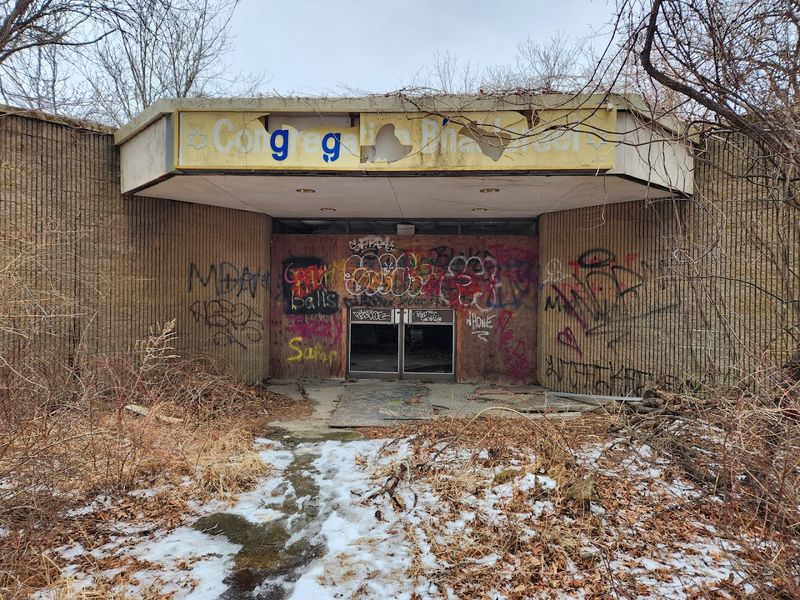
There is something about seeing a clean curve of asphalt run right past a ruined entry that freezes time in place. The road feels ready, the lawn looks fine, and the doorway says absolutely not today.
That combination makes your feet slow down and your brain fill in the missing motion.
Sidewalks still line up with thresholds, and old utility poles stand like punctuation in a sentence that just stops. You could sketch a bus route from memory without ever riding it.
The present and the past sit shoulder to shoulder, and neither one blinks.
Because this is New York, you half expect a jogger to pass or a grounds crew to roll through, and that expectation never resolves. The lawns open into clearings where activity obviously cycled, but all you get is breeze and the tap of a twig.
It is a still life painted with everyday things.
We could walk a loop and narrate what would have been happening at each corner, then realize we are only whispering to match the mood. Do you get how strange it is to be guided by infrastructure more than by signs?
Letchworth lets the bones hold the map, and it works.
The Kind Of Abandoned Stop That Feels More Sobering Than Thrilling
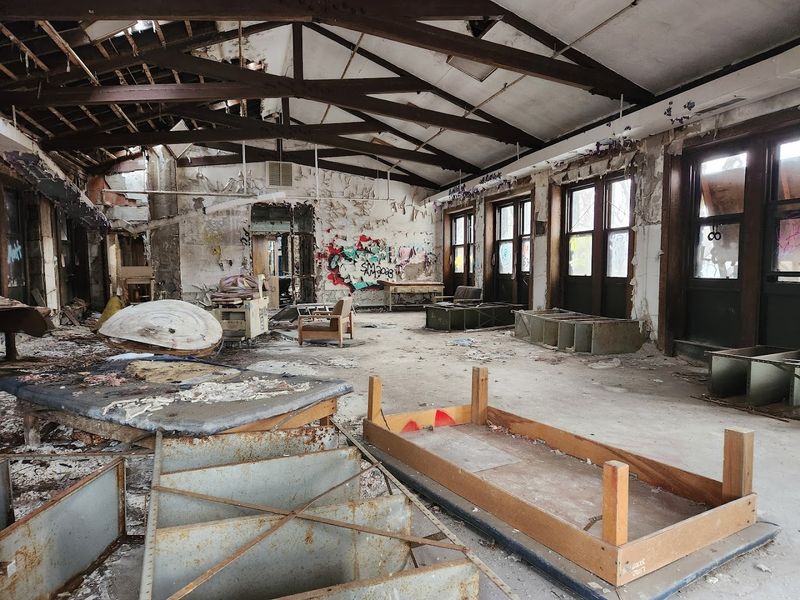
This is not the kind of place you chase for adrenaline, and honestly, that is the point. You walk slowly, you talk softly, and you let the weight of what happened here sit without trying to dramatize it.
The thrill, if you can even call it that, is just attention.
There is plenty to look at, but most of what you feel is empathy sneaking its way into the day. You imagine routines, frustrations, care, and all the ordinary moments that stack up into a life.
The setting keeps you honest, because spectacle is hard to find in a long brick corridor seen from the outside.
New York has its flashy ruins, yet Letchworth chooses a quieter register that makes you a better listener. Even the breeze through the trees feels like a reminder to keep your voice low.
You leave with thoughts, not trophy photos, which sounds heavy but sits right.
If we went together, I would rather walk, notice, and debrief on the drive than perform awe at any one spot. Do you feel that too, that urge to treat it like a memorial more than an attraction?
That is the mood that lingers.
How Letchworth’s History Adds Weight To Every Walk Through It
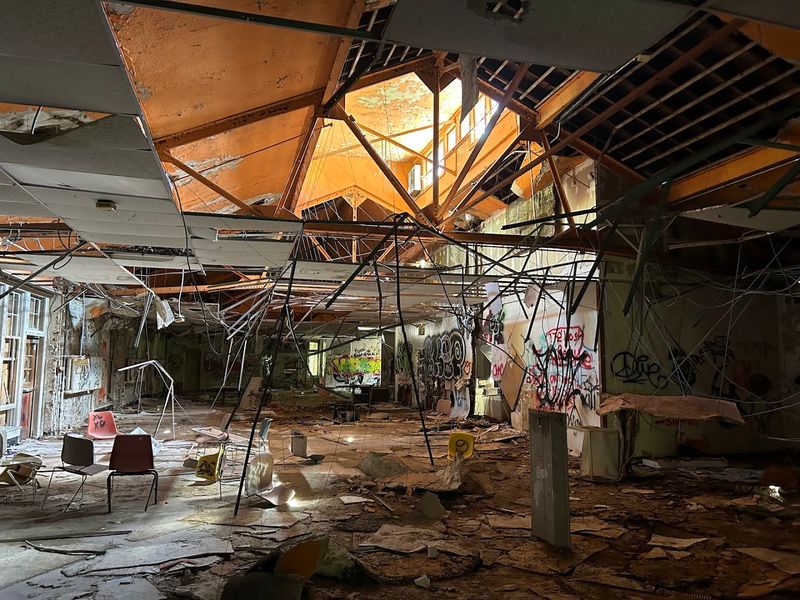
You do not need a guided tour to feel the backstory, because the environment carries it in posture and scale. Every cluster of buildings hints at routines that were complex and demanding, and that realization shifts your pace.
You start watching your steps, not from fear, but from respect.
I always think about how many lives moved through these rooms and corridors, and how policy and care shaped their days. That is not abstract when you are standing on the path they all used.
The history is close enough that even simple details, like a handrail, feel personal.
In New York, stories stack fast, but Letchworth loads them sideways across the landscape where you cannot avoid them. The walk becomes a timeline without markers, and the pauses you take become small acknowledgments.
It is calm here, yet it is not light.
If you read up before you come, the context only heightens the quiet, and if you do not, the site still gives you its outlines. Do you prefer starting blind and letting a place speak first?
Either way, this history travels with you from building to building.
The New York Ruins Site That Still Feels Like A Ghost Campus
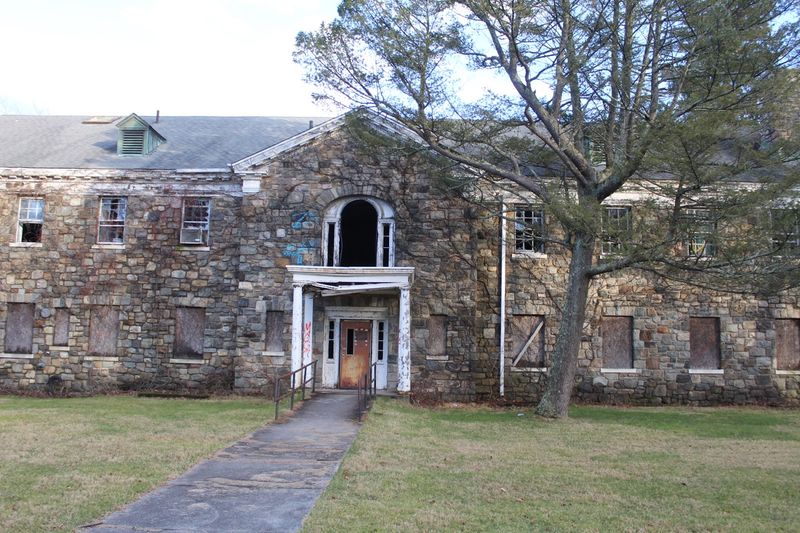
The wildest part is how visible it all is, like a ghost campus that never bothered to hide. You can drive right past and read the layout the way you would a community college, and that normalcy is exactly what tilts the mood.
It sits in plain sight and still feels out of reach.
There are other places in New York where you duck into shadows to find ruins, but here the light does not save you from the strangeness. The everyday setting makes the absence louder, not softer.
It is the difference between a locked museum and a neighborhood you can wander.
Standing on the grass, you look across long distances and see more buildings than you can comfortably process in one glance. That visual abundance is why the ghost campus label actually fits.
Nothing theatrical, just too much missing activity stretched across too much intact space.
If I were showing you around, we would keep the pace easy, talk when it feels right, and let the place decide our turns. Do you get why this stays with people long after they leave?
Letchworth Village is out in the open, and the openness is exactly what haunts.
Dear Reader: This page may contain affiliate links which may earn a commission if you click through and make a purchase. Our independent journalism is not influenced by any advertiser or commercial initiative unless it is clearly marked as sponsored content. As travel products change, please be sure to reconfirm all details and stay up to date with current events to ensure a safe and successful trip.
