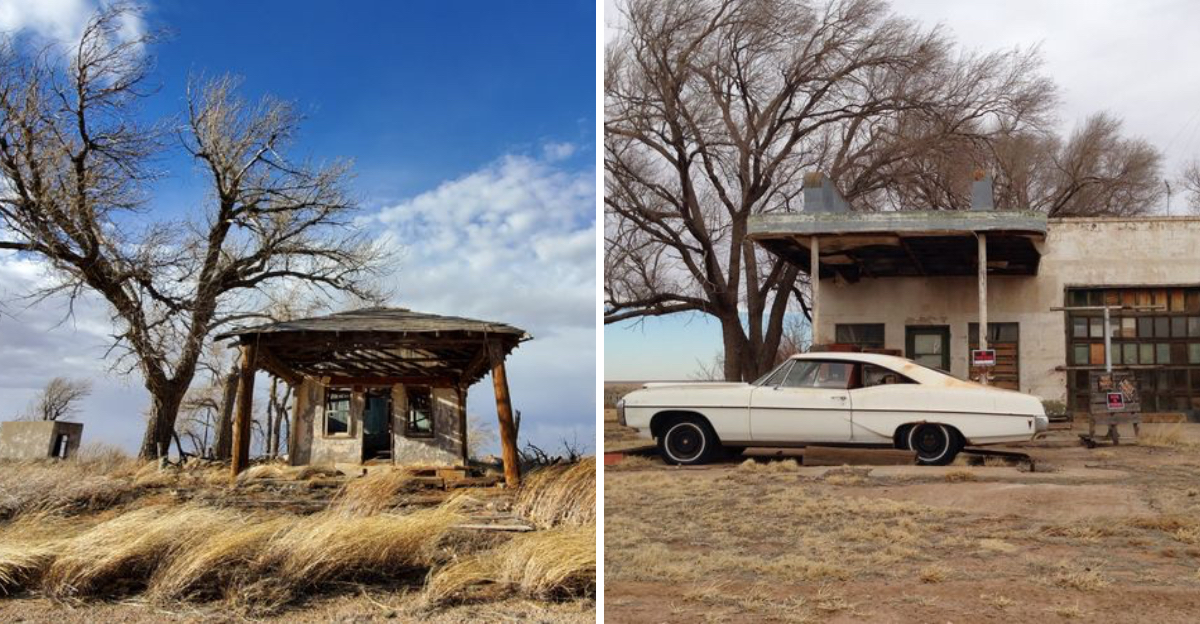
Glenrio sits quietly on the border between Texas and Oklahoma, a ghost town frozen in time along the legendary Route 66.
Once a thriving railroad and highway stop in the early 1900s, this abandoned settlement now stands as a haunting reminder of America’s travel history.
Weathered buildings line the old main street, their faded signs and empty windows telling stories of a bustling past when travelers filled diners and motor courts along the Mother Road.
The town’s unique position straddling two states made it a notable landmark for generations of cross-country adventurers.
Today, Glenrio attracts historians, photographers, and Route 66 enthusiasts who make pilgrimages to experience its authentic abandonment.
Unlike restored tourist attractions, this Oklahoma ghost town remains largely untouched, offering visitors an unfiltered glimpse into mid-century roadside America.
The crumbling structures and rusted signs create an atmospheric landscape that feels like stepping into a sepia-toned photograph.
Despite having no residents and no operating businesses, Glenrio continues to draw curious travelers who seek the raw authenticity of forgotten places along America’s most famous highway.
A Border Town With Dual Identity
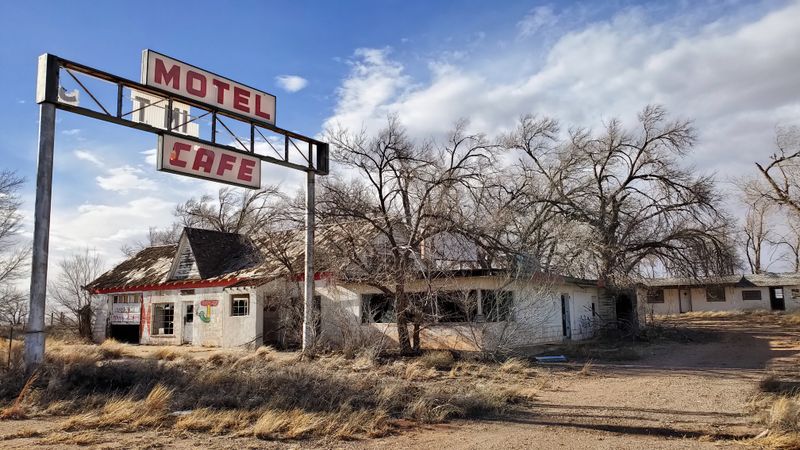
Glenrio earned its unusual character by existing in two states simultaneously.
The town straddles the Texas-Oklahoma border, with buildings and streets occupying both territories.
This geographic quirk created fascinating legal and social situations throughout its history.
Business owners strategically chose which side to build on based on state laws regarding taxes, alcohol sales, and operating regulations.
Some establishments even had entrances in both states, allowing proprietors to take advantage of different jurisdictions.
Walking through Glenrio today, you can still see the state line markers that divided the community.
Residents once joked about living in two places at once, and travelers enjoyed the novelty of crossing state borders simply by walking down the street.
This dual citizenship gave the town a unique identity that set it apart from other Route 66 stops.
The Oklahoma side maintained its own character distinct from the Texas portion, creating an interesting cultural blend.
The border location proved both blessing and challenge for Glenrio’s development.
It attracted curious visitors but complicated governance and services.
Today, this geographic oddity remains one of the town’s most compelling features, drawing visitors who appreciate the historical complexity of a settlement that refused to be defined by a single state.
The abandoned structures on both sides create a unified ghost town that transcends state boundaries, offering photographers and history enthusiasts a rare glimpse into border community life along America’s most celebrated highway.
Route 66 Glory Days
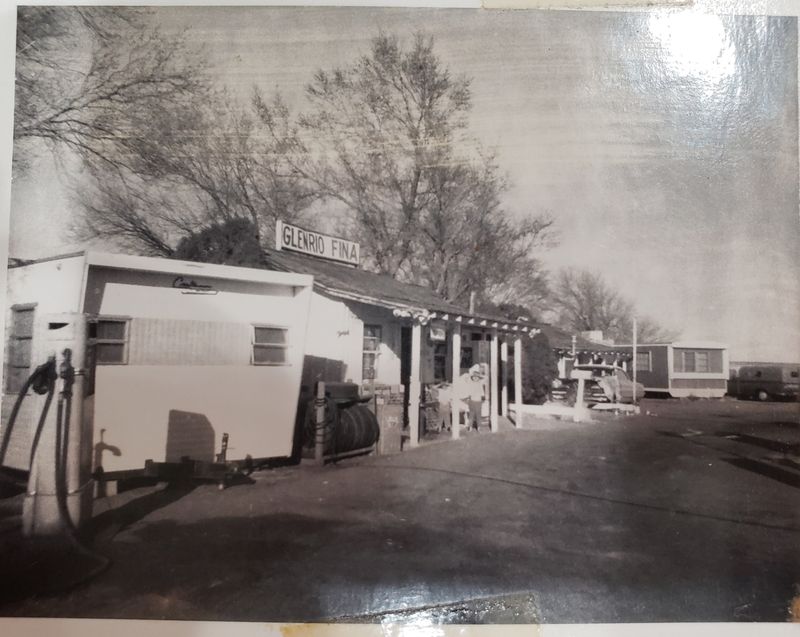
Before Interstate 40 redirected traffic in the 1970s, Glenrio thrived as a vital stop along Route 66.
Travelers crossing the country on the Mother Road relied on small towns like this for food, fuel, and rest.
Motor courts, diners, and service stations lined the main thoroughfare, their neon signs beckoning weary drivers.
The town buzzed with activity as families on vacation, truckers, and adventurers passed through, creating a vibrant roadside economy that sustained the community for decades.
The golden era of Route 66 brought prosperity to Glenrio’s business owners.
Cafes served home-cooked meals around the clock, and motor courts offered clean rooms with modern amenities.
Gas station attendants pumped fuel and checked oil while sharing local knowledge with travelers.
This was the heyday of American road travel, when the journey mattered as much as the destination.
Glenrio represented the quintessential highway town, embodying the freedom and possibility that Route 66 symbolized to generations of Americans.
When the interstate bypassed Glenrio, the town’s fate was sealed almost overnight.
Traffic disappeared, businesses closed, and residents gradually moved away seeking opportunities elsewhere.
The swift decline demonstrates how dependent small highway towns were on passing trade.
Today, the abandoned buildings serve as monuments to Route 66’s glory days, attracting visitors who want to experience authentic roadside history rather than sanitized recreations.
The Oklahoma portion of Glenrio preserves this automotive heritage in its most honest form.
Railroad Heritage and Early Settlement
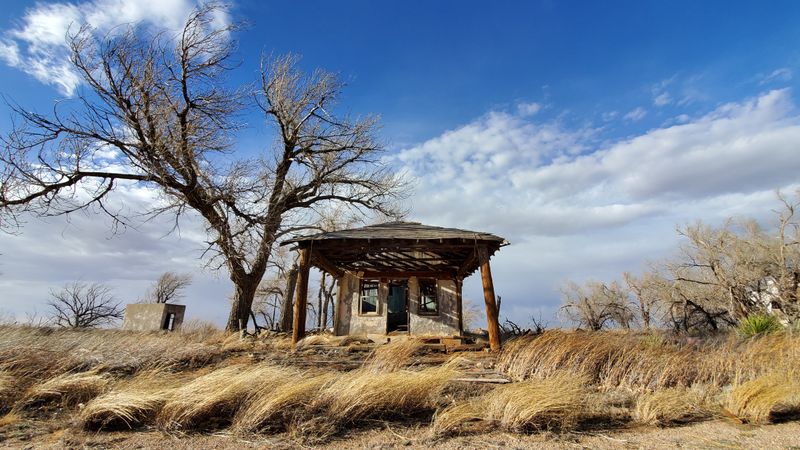
Glenrio’s origins predate Route 66 by several decades.
The Chicago, Rock Island and Pacific Railroad established the townsite in 1903 as a section point along its line crossing the Texas-Oklahoma border.
Railroad workers and their families formed the initial settlement, building homes and businesses to support the railway operations.
The town’s name combines “glen” and “rio,” Spanish for valley and river, though the area’s landscape offers little of either.
This romantic naming reflected the optimism of early twentieth-century railroad expansion across the American West.
The railroad brought steady employment and connected Glenrio to larger markets and population centers.
Section crews maintained tracks, water towers supplied steam locomotives, and the depot handled freight and passengers.
Agriculture developed around the town as ranchers shipped cattle and crops via rail.
For its first few decades, Glenrio functioned primarily as a railroad community, with the tracks defining its purpose and daily rhythm.
The sound of trains passing through marked time for residents.
When Route 66 was established in 1926, Glenrio gained new economic vitality as automobile travel supplemented railroad commerce.
The town evolved from a purely railroad settlement into a hybrid community serving both rail and highway traffic.
This dual transportation heritage makes Glenrio significant in Oklahoma’s history, representing the transition from rail-dependent settlement patterns to automobile-oriented development.
The abandoned structures from both eras remain visible today, creating layers of history that fascinate visitors interested in transportation evolution and Western settlement patterns.
Architectural Time Capsules

Glenrio’s abandoned buildings function as three-dimensional history lessons, showcasing roadside architecture from the early to mid-twentieth century.
The structures display construction techniques, design aesthetics, and materials typical of their eras.
Stucco-covered motor courts feature the streamlined moderne style popular in the 1930s and 1940s.
Simple frame buildings with false fronts recall earlier frontier commercial architecture.
Gas stations with large canopies and multiple pump islands represent the evolution of automotive service design.
Each structure tells specific stories about when and why it was built.
Preservation through neglect has left these buildings in various states of decay, creating haunting visual interest.
Peeling paint reveals layers of previous color schemes and signage.
Collapsed roofs expose interior framing and construction methods.
Broken windows frame views of empty rooms where families once slept and travelers once dined.
The weathering process itself has become part of Glenrio’s appeal, as rust, rot, and desert erosion create textures and patterns that photographers find irresistible.
Nature slowly reclaims human structures, demonstrating the temporary nature of settlement.
Unlike restored historic sites, Glenrio offers unmediated access to authentic decay.
Visitors can examine architectural details up close, though caution is necessary around unstable structures.
The Oklahoma side features several notable buildings including the remains of motor courts and commercial structures.
These architectural remnants provide tangible connections to past lives and businesses.
For students of vernacular architecture and historic preservation, Glenrio represents a rare opportunity to study roadside building types in their original context, unaltered by renovation or interpretation.
Photography Paradise
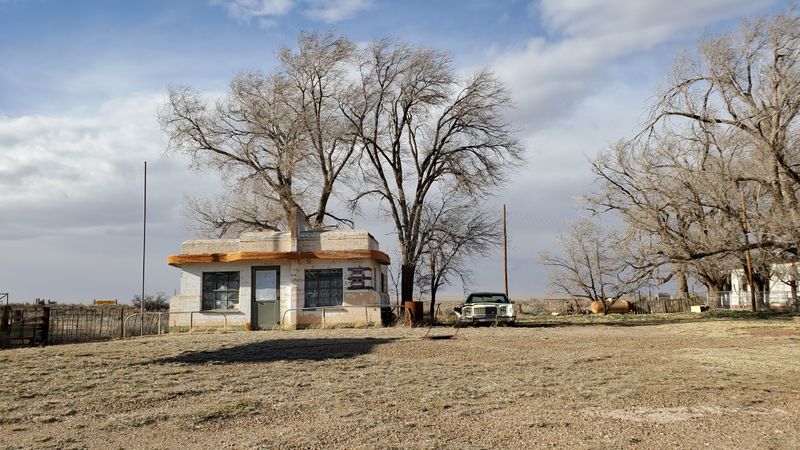
Glenrio has become legendary among photographers seeking authentic abandonment.
The town offers endless compositional possibilities with its weathered structures, vintage signage, and dramatic desert setting.
Golden hour light transforms the buildings into glowing subjects against big Oklahoma skies.
Storm clouds create moody backdrops for the lonely structures.
Harsh midday sun emphasizes textures in peeling paint and rusted metal.
The absence of modern intrusions means photographers can capture images that could have been taken decades ago, creating timeless visual documents.
Urban exploration and abandonment photography communities have embraced Glenrio as a prime destination.
Social media platforms showcase countless images of the town’s photogenic decay, spreading its fame among visual artists worldwide.
The variety of structures and details provides subjects for both wide landscape shots and intimate close-ups.
Broken windows frame interior views, creating natural vignettes.
Faded advertisements and ghost signs offer graphic elements rich with nostalgia.
The state line itself becomes a compositional device, dividing frames between Oklahoma and Texas.
Visiting photographers appreciate Glenrio’s accessibility and lack of commercialization.
Unlike some abandoned sites that restrict access or charge admission, Glenrio remains open and free to explore.
This democratic approach allows artists of all skill levels to practice their craft in a genuinely historic setting.
The town’s photogenic qualities have made it a teaching location for workshops focused on architectural and landscape photography.
Whether shooting film or digital, black and white or color, photographers find Glenrio endlessly inspiring, returning multiple times to capture different seasons, lighting conditions, and perspectives on this Oklahoma ghost town.
Route 66 Pilgrimage Stop
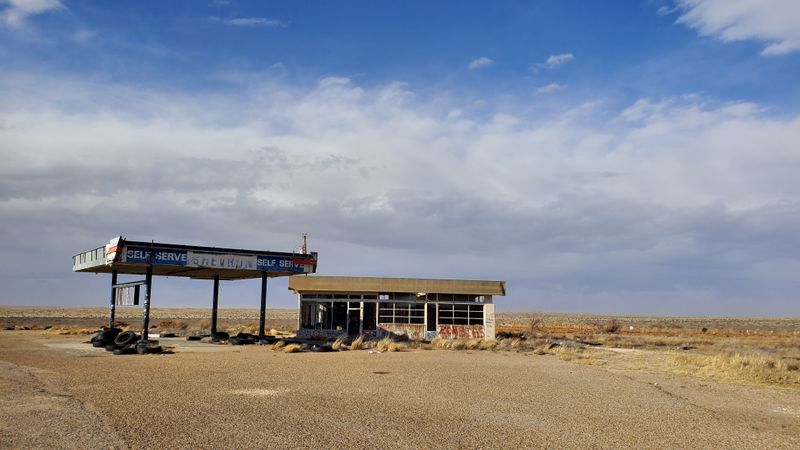
Enthusiasts traveling the entire length of Route 66 consider Glenrio an essential stop on their journey.
The town represents authentic Mother Road history without commercial exploitation or heavy-handed restoration.
Travelers seeking genuine experiences rather than tourist traps appreciate Glenrio’s honest decay and lack of gift shops.
The town delivers what serious Route 66 followers crave, an unfiltered connection to the highway’s past and a tangible sense of what happened when the interstate system redirected America’s traffic patterns.
Route 66 guidebooks and online resources consistently highlight Glenrio as a must-see location.
Travel forums buzz with trip reports and photography from visitors who make the pilgrimage.
The town has achieved iconic status within Route 66 culture, appearing in documentaries, books, and articles about the historic highway.
Its abandonment paradoxically makes it more valuable to enthusiasts who view over-restored sites as inauthentic.
Glenrio’s decay tells the truth about what happened to many small highway towns, a story more powerful than any museum exhibit.
International visitors often include Glenrio in their Route 66 road trips, drawn by its reputation as an authentic ghost town.
Europeans, Australians, and Asians fascinated by American car culture and Western mythology find Glenrio particularly compelling.
The town delivers an experience that matches their expectations of abandoned Wild West settlements.
For Oklahoma tourism, Glenrio serves as an attraction that requires no investment in infrastructure or interpretation.
Its value lies precisely in its abandonment, drawing visitors who might otherwise bypass this section of the state entirely.
Historical Preservation Through Documentation
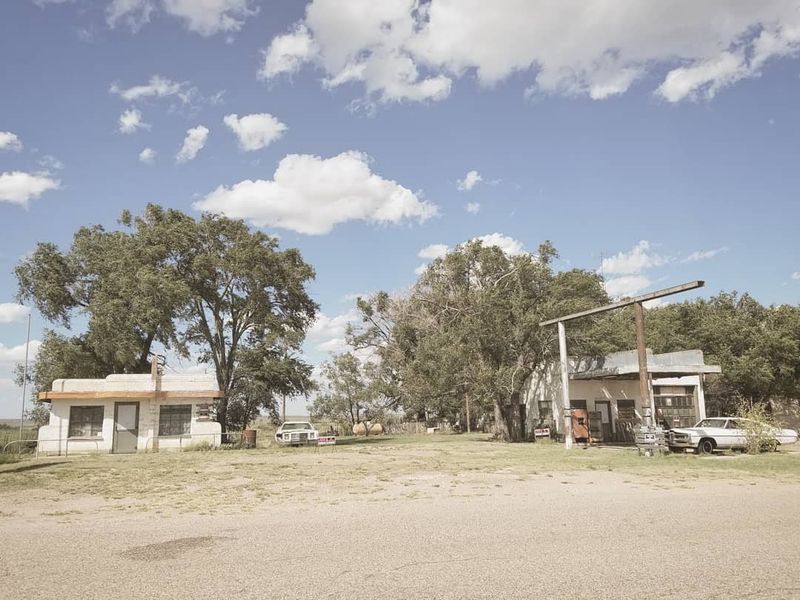
While Glenrio has not undergone physical restoration, extensive documentation efforts have preserved its history.
Researchers, historians, and preservation organizations have photographed, measured, and recorded the town’s structures before they deteriorate beyond recognition.
The National Park Service includes Glenrio in Route 66 corridor studies, acknowledging its significance to the highway’s history.
Academic papers examine the town as a case study in rural abandonment and the impact of interstate highway construction on small communities.
These documentation efforts ensure Glenrio’s story survives even as its buildings crumble.
Oral histories collected from former residents and travelers who passed through during Glenrio’s active years provide invaluable context.
These first-hand accounts describe daily life in a border town, the personalities who ran local businesses, and the community’s gradual decline.
Photographs from family albums show the town in its prime, with busy streets and well-maintained buildings.
Comparing historical images to current conditions powerfully illustrates the passage of time and the fragility of human settlement.
This documentation work transforms Glenrio from anonymous ruins into a place with specific stories and identities.
Preservation challenges remain significant for Glenrio.
The structures continue deteriorating due to weather exposure and occasional vandalism.
Without active stabilization, the buildings will eventually collapse completely.
Some preservation advocates argue for minimal intervention to prevent total loss, while others believe the town’s value lies in witnessing natural decay.
This philosophical debate reflects larger questions about historic preservation priorities and resources.
For now, Glenrio exists in limbo, neither restored nor completely lost, drawing visitors precisely because of its authentic abandonment and uncertain future in Oklahoma’s landscape.
Desert Landscape and Isolation
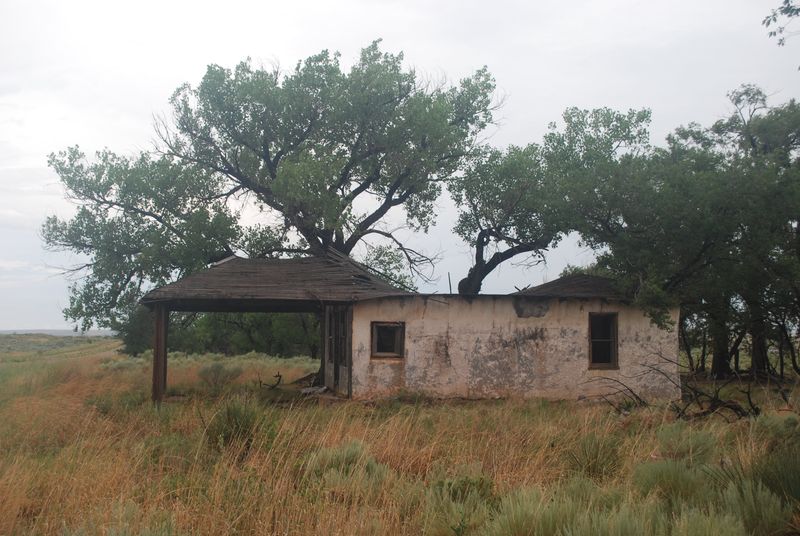
Glenrio’s setting contributes significantly to its haunting atmosphere.
The town occupies high plains country where Oklahoma meets the Texas Panhandle, a landscape of vast horizons and sparse vegetation.
Scrubby grassland stretches to distant mesas, creating a sense of isolation that amplifies the abandonment.
The big sky dominates, with weather systems visible for miles as they approach.
This openness makes Glenrio feel even more remote and forgotten, a settlement that the land itself seems ready to reclaim.
The harsh environment explains why the town struggled to survive once its economic purpose disappeared.
Seasonal changes bring different moods to Glenrio’s landscape.
Summer heat bakes the structures, intensifying the sense of desertion.
Winter winds howl through broken windows and collapsed roofs, while occasional snow transforms the ghost town into a monochrome scene.
Spring brings brief greening when rains arrive, softening the starkness with wildflowers and fresh grass.
Autumn light has particular clarity, perfect for photography and contemplation.
Each season offers distinct reasons to visit, though the fundamental character of isolation remains constant throughout the year.
The nearest services lie miles away, requiring visitors to plan accordingly.
This remoteness filters out casual tourists, ensuring that most people who make the effort to visit Glenrio genuinely want to be there.
The journey becomes part of the experience, as travelers follow old Route 66 alignments through empty country to reach the ghost town.
Cell phone service proves unreliable, adding to the sense of disconnection from the modern world.
This isolation paradoxically makes Glenrio more valuable as an escape from contemporary life, offering visitors rare solitude and silence in Oklahoma’s wide-open spaces.
Visiting Glenrio Today
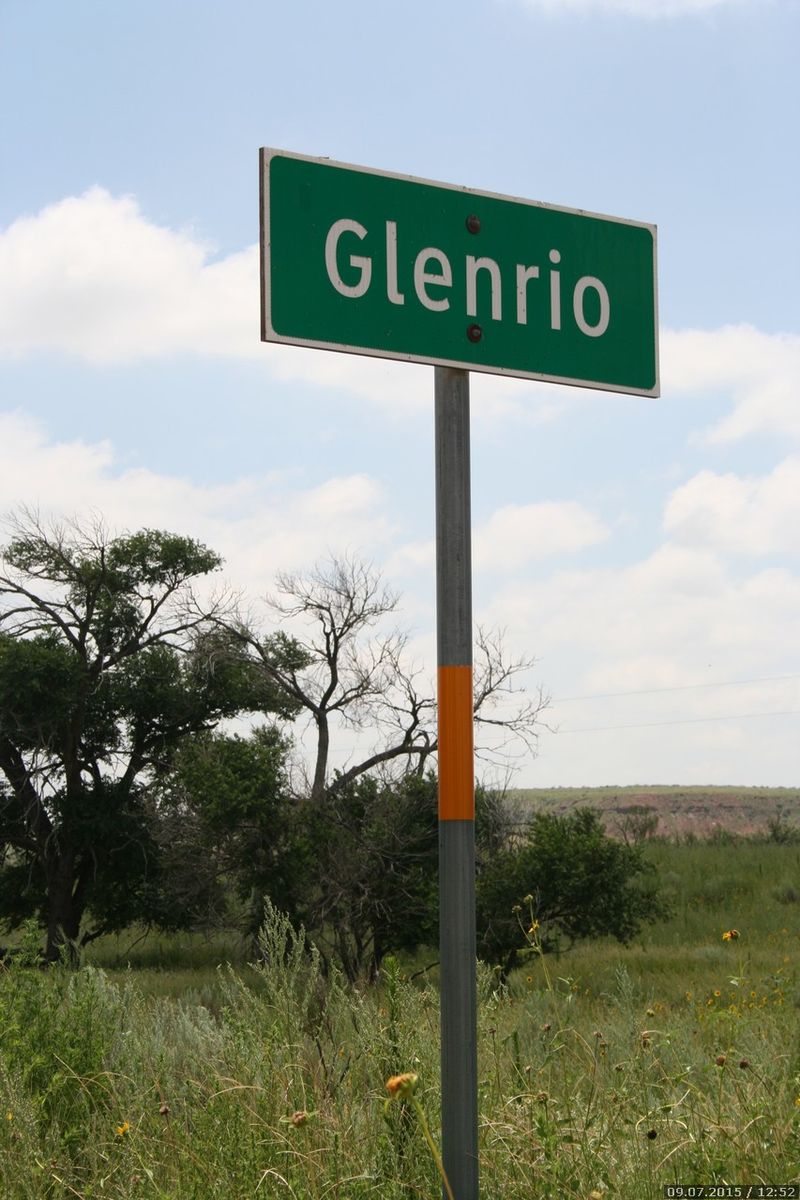
Reaching Glenrio requires intentional navigation since the town sits away from Interstate 40.
Travelers must exit the interstate and follow frontage roads or old Route 66 alignments to find the ghost town.
Signs are minimal, and GPS sometimes struggles with the precise location.
This inaccessibility filters visitors, ensuring that those who arrive genuinely sought the destination.
The journey rewards patience with an authentic experience unmarred by crowds or commercialization.
Arriving at Glenrio feels like discovering a secret, even though the town appears in guidebooks and online resources.
No facilities exist at Glenrio, meaning visitors must be self-sufficient.
Bring water, snacks, and fuel, as services lie considerable distances away.
Restrooms are nonexistent, and shade is limited to the interiors of unstable buildings where entry is unsafe.
The sun can be intense, so sunscreen and hats prove essential.
Sturdy shoes help navigate uneven ground and debris around structures.
Respect for the site is crucial, as vandalism and theft damage the historical integrity that makes Glenrio valuable.
Visitors should leave everything as they found it, taking only photographs and memories.
The best times to visit are early morning or late afternoon when temperatures moderate and light improves for photography.
Midday visits during summer can be punishingly hot with harsh shadows.
Weekdays typically offer more solitude than weekends when Route 66 enthusiasts are more likely to visit.
Allow at least an hour to explore thoroughly, though photography enthusiasts often spend much longer.
The experience of standing in Glenrio’s empty streets, imagining the town’s bustling past, creates powerful connections to Oklahoma’s history and the broader story of American mobility and change.
Dear Reader: This page may contain affiliate links which may earn a commission if you click through and make a purchase. Our independent journalism is not influenced by any advertiser or commercial initiative unless it is clearly marked as sponsored content. As travel products change, please be sure to reconfirm all details and stay up to date with current events to ensure a safe and successful trip.
