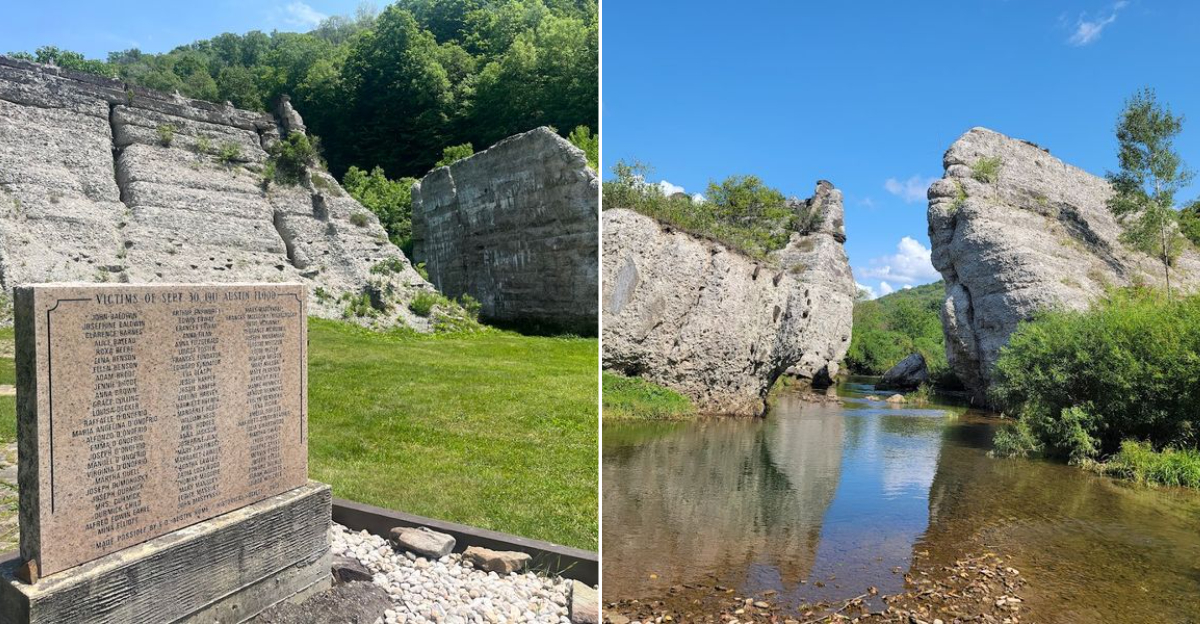
You expect abandoned ruins to look collapsed, scattered, and half-swallowed by time, which is exactly why this Pennsylvania dam site feels so surprising. Even now, the remains still look shockingly intact, giving the whole place a strange presence that feels bigger and more dramatic than most people expect from a forgotten stop.
That first impression does a lot of the work. Instead of squinting at a few broken pieces and trying to imagine what used to be there, you are looking at ruins that still hold their shape well enough to make the past feel unusually close.
That is what makes the site so fascinating to explore. The structure, the scale, and the quiet around it all come together in a way that feels eerie without trying too hard.
For anyone drawn to abandoned places that still look like they have one foot in another era, this Pennsylvania stop delivers the kind of discovery that sticks with you fast.
A First Walk That Feels Bigger Than A Typical Ruins Stop
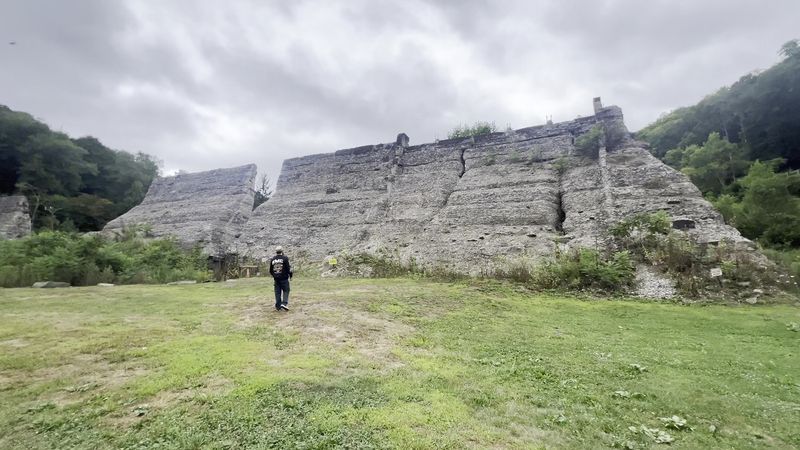
Start here at Austin Dam Memorial Park, 5384 PA-872, Austin, PA 16720, where the path leaves the road and slides into a valley of tall grass. You look up, hear the creek somewhere beyond the trees, and feel that buzz of curiosity that says keep walking because something big is waiting ahead.
Then those angled concrete slabs appear, taller than they seem at first glance, and the place suddenly feels like a room with missing walls and sky.
Pennsylvania has plenty of ruins, but this one greets you gently, with birdsong and meadow air, until a shadow crosses concrete and the scale sinks in. You pause without planning to, because the broken curve still reads like a working dam, and your brain keeps trying to imagine water stacked behind it.
Take a breath, listen for the creek again, and let the valley calm your shoulders before you walk up to the base and touch the stone.
It is a public park, simple and welcoming, with mowed paths, open sightlines, and room to move without feeling like you are intruding on anything delicate. There are signs with context, but they sit lightly, so you can wander first, then circle back and let the story fill in corners you missed.
Bring patience, because this place rewards a slow lap, a second look from a different angle, and quiet time letting Pennsylvania wind do its steady work.
You will leave with the shapes stuck in your head, and that is exactly the right way to start this kind of visit on a morning.
Why The Dam Still Looks So Shockingly Intact
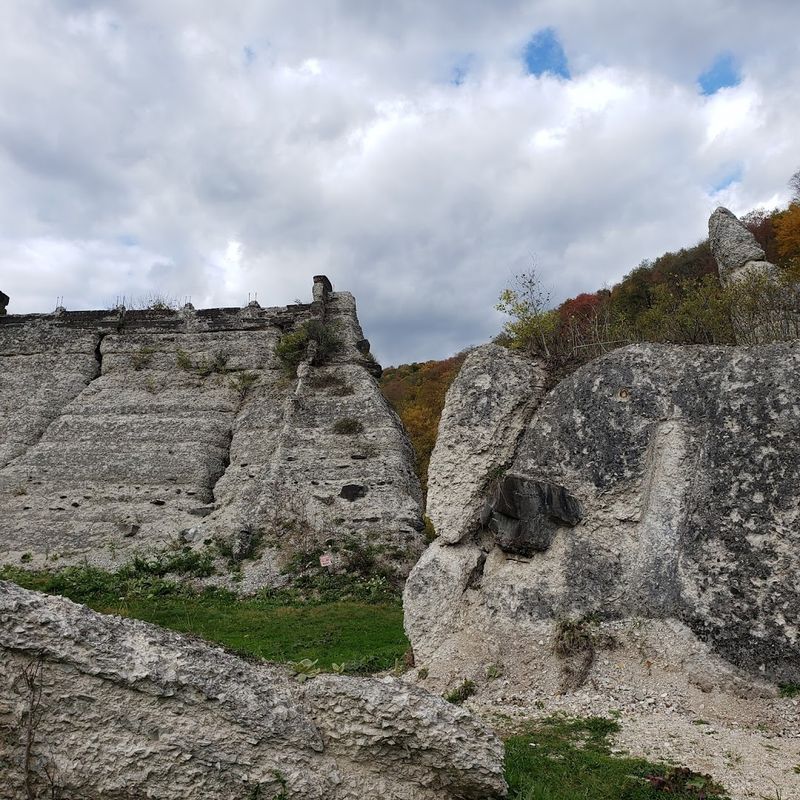
Here is the strange part that hits fast, because the ruin reads almost whole, like a paused project, not a place flattened by water and panic. The concrete held its posture, with angles and teethlike edges, so your eyes connect the gaps and instinctively rebuild the missing sections as you stand there.
You know it is broken, but your brain keeps overlaying straight lines, and the structure feels stubborn, like it refuses to collapse to match the story.
Engineers would have a field day here, but even without jargon, you see texture that suggests density, weight, and choices, fossilized in the way edges meet. Look closely at the aggregate, because the stones glint when the sun swings out, and those flashes trick the eye into reading the face as clean.
Add in lines from repeated freeze cycles and runoff, and the ruin gains crisp edges, like a chalk sketch that never got smudged by rushing hands.
It feels counterintuitive, but the stillness of this Pennsylvania valley helps, because nothing jostles the scene, and small changes sneak in instead of shattering things slowly. A breeze moves grass, rain etches hairline tracks, and the large shapes stay steady, so the damage looks purposeful, almost curated by weather and time itself.
You end up trusting your eyes more than the plaques, because the intact feeling keeps winning, and that conflict makes the walk strangely absorbing for hours. Stand there a minute, let your senses recalibrate, and you will see why everyone says the ruin still looks almost ready for work, even right now.
Towering Concrete Remains That Stop You In Your Tracks
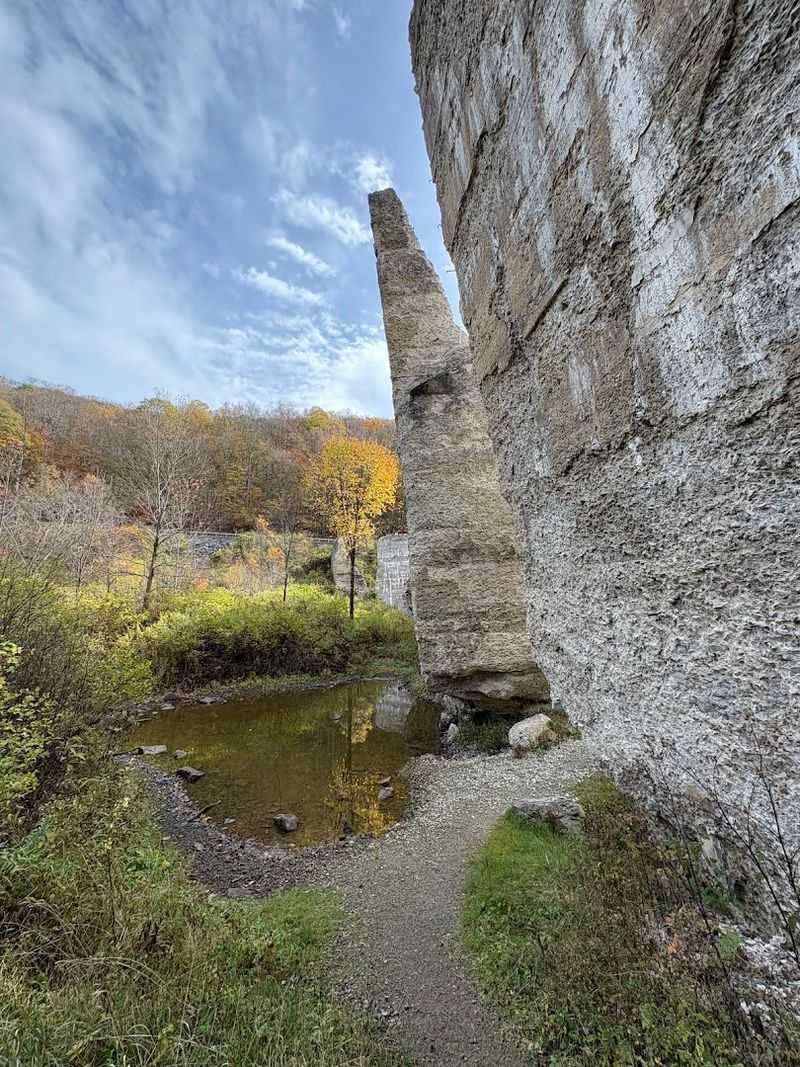
There is a point on the path where the concrete suddenly rises beside you, and it feels like a wall leaning in to study who arrived. That first close view is a little unnerving, because the face shows scars, shelves, and smooth planes, and the textures pull you nearer without asking permission.
Look up long and you might sway a little, because the edges tilt, the lines converge, and your balance recalibrates like you stepped onto a boat.
Shadows do helpful work here, sketching ribs across the face, so you can read depth and height, and picture the original shape without diagram or model. Even on a bright day, the interior angles feel cool, and that temperature shift adds a note that tells your skin this structure still means business.
You can stand beneath an overhang, hear a crow echo against the planes, and feel smaller in a good way, like perspective found its footing again.
Photographs flatten it, but being here proves the point, because the volume of pieces is what stops your stride and resets how you read the landscape. That sudden pause is why slowing down helps, since your mind notices seams, bolt ghosts, and streaks, and the story starts speaking in complete, legible sentences.
Different times of day change it, but the feeling of height never leaves, and you walk away a little humbled by stubborn concrete and persistent sky. That is the moment you realize this Pennsylvania ruin is not scenery, it is company, and it quietly shapes how you move through the valley today.
The Kind Of Site That Makes Local History Feel Immediate
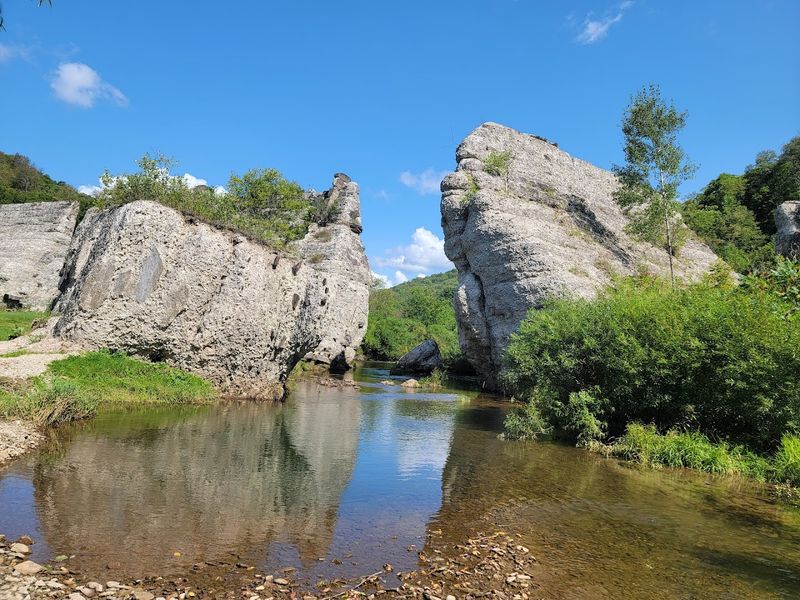
What gets me here is how the story stops being distant and feels like it happened to someone you know, because the town sits right there. You can stand among the ruins and picture streets, porches, and lights, and it turns into a neighborhood conversation, not a distant chapter from museum panel.
The scale is dramatic, sure, but the pull is human, because every surface hints at hands measuring, checking, and making choices they believed would hold together.
Interpretive signs fill in names and context, yet they never drown out the landscape, and that balance lets the place keep speaking in its own voice. Stand by the creek, listen to water pushing stones, and it is impossible not to imagine moment when sound became force, and calm turned into motion.
That is how local history sneaks under your skin, not with lectures, but with a place that shows where people stood, looked up, and made choices.
You feel respect first, then curiosity, and finally a heaviness that pairs with gratitude for the town that stayed, rebuilt, remembered, and kept this valley open. It is not tragic tourism, it is community perspective, shared plainly, and your walk turns into a thoughtful loop rather than a quick photo stop today.
I find that honesty really moving, because it gives permission to slow down and feel the weight without making the visit overly heavy for a while. Pennsylvania does this well, letting places speak plainly, and this park is one of those spots that holds a conversation with anyone willing to listen closely.
Why This Quiet Valley Makes The Ruins Hit Harder
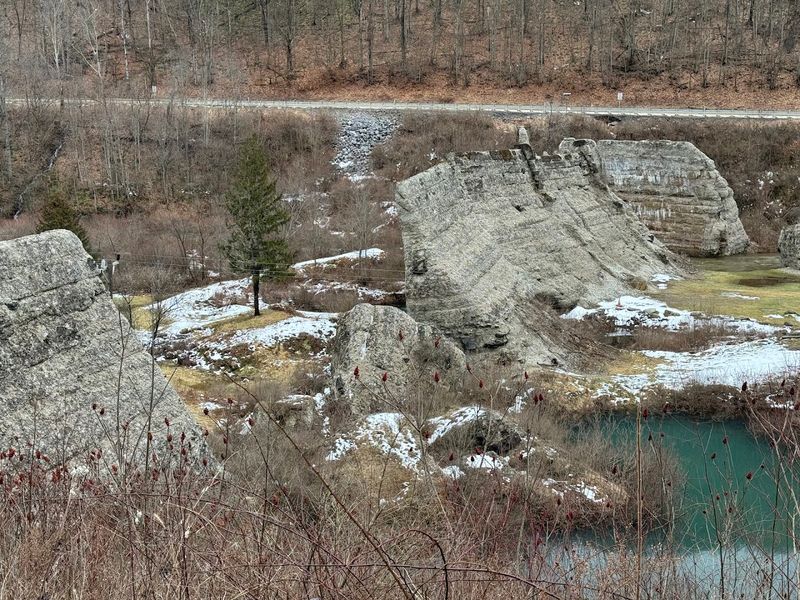
The valley feels like a hush you can walk inside, with hills folding sound away, so footsteps and birds register like someone turned a dial gently. That quiet changes the mood, because the broken concrete does not have to shout, and the story arrives like a steady voice you can follow easily.
Wind moves through the fractures, grass brushes your legs, and everything feels proportioned to people, not machines, which makes the collapse feel painfully understandable and close.
Look across the meadow and the concrete teeth look less like wreckage and more like a warning letter addressed to anyone who thinks nature waits patiently. Because the setting is kind, the details can be blunt, and your head makes space for both tenderness and consequence without retreating behind easy distance again.
It is the difference between reading about a storm and standing in the air that remembers it, with scents and echoes threading quietly through the grass.
You catch yourself whispering without meaning to, because the place suggests manners, and that small courtesy somehow makes the whole experience land deeper in your chest. Pennsylvania has these pockets of quiet, and when history sits inside them, the echoes soften, the lessons sharpen, and the walk becomes something you carry home.
So take your time, let the calm do its work, and allow the valley to introduce the ruins instead of the other way around for you. That balance between gentleness and weight is why this spot lingers long after the drive, sketching itself into the map you keep in your head forever.
Broken Walls And Huge Sections That Still Show The Scale
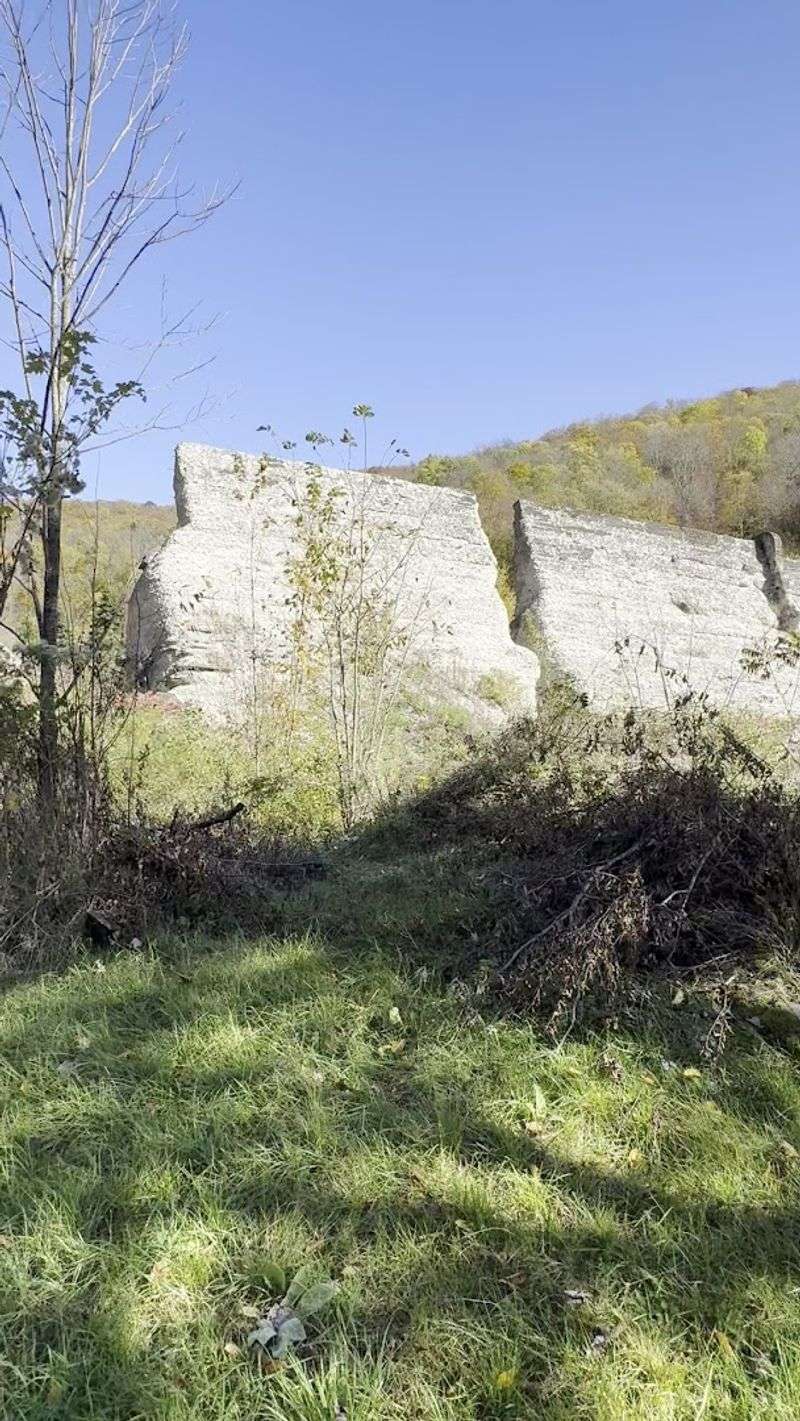
Walk a farther and the broken walls start arranging themselves into a shape your body understands, because the pieces are big enough to map with steps. Stand near a toppled slab and you can trace the arc, then turn and see the upright section catch light, and the whole picture clicks together.
It is not guesswork either, because the spacing between chunks sets a rhythm, and you follow it like a beat until layout starts making sense.
Photos help later, but while you are here, count with your stride, check height against a tree, and give your eyes permission to measure without math. Everything around site backs this up, because the valley narrows, the creek slides along, and the remaining dam pieces frame a corridor that once felt controlled.
Scale shows up in little ways too, like the way your voice returns from the concrete a breath later, and how your steps sound measured today.
I love how approachable it stays, because you can move freely, stop where it feels right, and trust your pace to build a clear mental map. Pennsylvania landscapes teach scale like this, not with lectures, but with paths that align your senses until the outline starts living in your muscles and memory.
By the time you loop back toward the car, the size feels familiar, and that comfort makes the history feel closer, less abstract, more human today. You will catch yourself explaining the layout out loud, and that is when you know the place managed to teach scale without a single lecture gently.
A Park Visit That Feels Part Discovery And Part Memorial
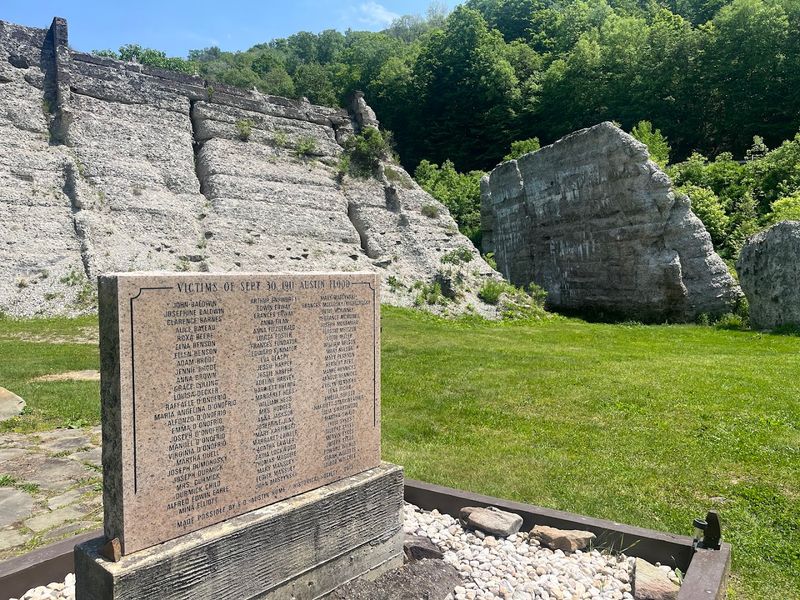
The mood here walks a line that feels surprisingly natural, because you explore like a kid and reflect like an adult, all within the same loop. There are little moments of surprise, like finding a vantage under a leaning slab, followed by pauses at markers that invite a name to settle in.
It never feels forced, which I appreciate, because the landscape sets the tone, and the weight of memory arrives as part of the scene for you.
You can trace the route from story to place, starting with a sign, moving to a view, and ending with the urge to stand still awhile. That sequence allows space for feelings to catch up, so the history does not rush you, and the memorial side lands quietly yet firmly in place.
I like bringing a notebook, not for facts, but to anchor a thought or two, because reflection settles faster when a few words find paper nearby.
You will probably talk softer without trying, which feels appropriate, and that tone helps conversations with friends land in a thoughtful place as you walk along. Pennsylvania communities tend to hold memory in landscapes like this, and being present here helps that tradition continue in a grounded, quietly participatory way for visitors.
When you leave, the mix of discovery and remembrance follows you to the car, and it feels respectful rather than heavy handed in the best way. That is a rare balance, and it is why this park sticks in memory long after routes and signs start to blur on the drive home.
Why The Austin Story Adds So Much Weight To The Walk
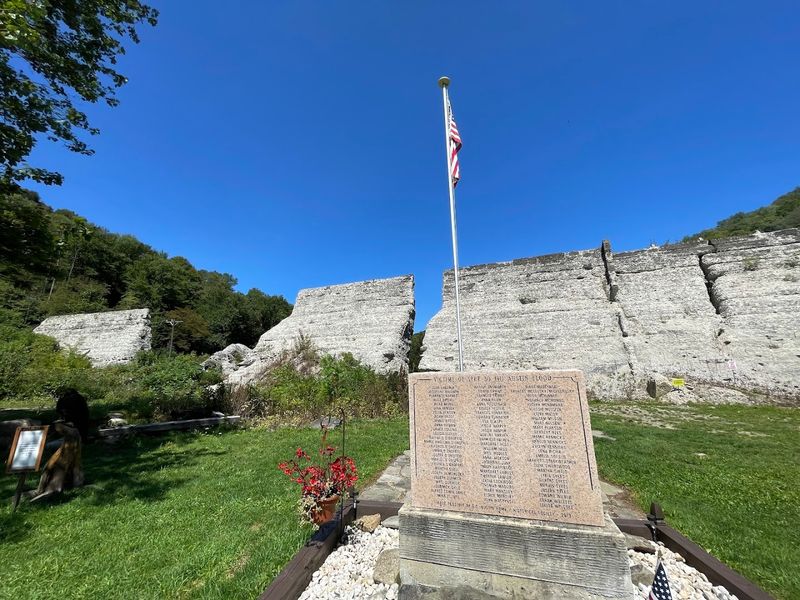
Stories land harder when they are tied to names and places, and Austin is one of those towns where the narrative still walks beside you today. You hear about the mill, the hopes, the designs, and then you look up at the concrete and feel the gap between intention and outcome here.
That distance is where empathy sits, because people made choices they believed were right, and the landscape shows how consequences ripple outward through a small valley.
Walk a bit, read a lines on a marker, and watch as the setting places line onto a surface you can point at with your hand. Nothing here feels theatrical, which helps, because the truth is enough, and the park keeps the focus on names, neighbors, and the steady work of remembrance.
That approach lets conversations happen in a gentle way, so friends can process at their own pace, and no one feels pushed during the quiet walk.
I think that is why the story travels with you, because the town still lives nearby, and presence makes memory specific instead of abstract for me. Pennsylvania holds onto stories through places like this, and when you show up, you become another link in the chain that keeps the memory visible today.
You head back to the car and realize the walk felt like a quiet conversation, equal parts listening and looking, and that weight feels welcome here. It leaves you a little changed, which is about the best result a place like this can give, and it sticks around kindly in your thoughts.
The Dam Site That Stays In Your Head After You Leave
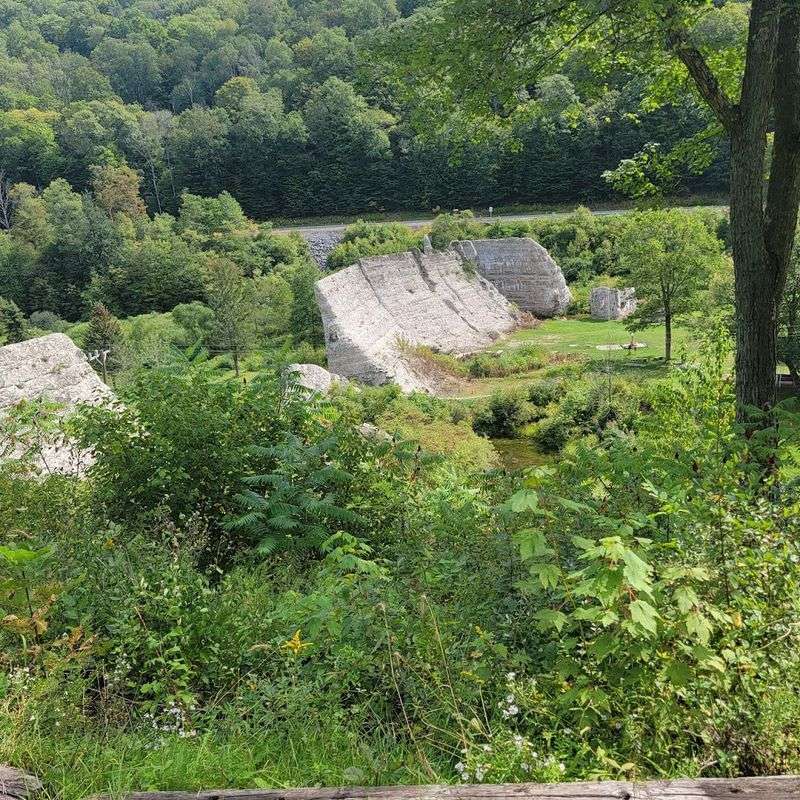
Some places fade the moment you pull away, but this one hangs sketching angles on billboards and bridges until you admit you are thinking concrete again. You will see the outline in parking garages, on river walls, even in a friend’s garden steps, and the pattern quietly plugs itself into your day.
That staying power comes from the mix of clean edges and broken lines, plus the way the valley frames everything with calm instead of drama alone.
Memory loves shapes, and this place is basically a study in repeated angles, so your mind keeps tracing triangles until it relaxes and lets them settle. There is also the feeling that the story is still teaching, because every visit changes a detail, and that keeps your relationship to the site alive.
Pennsylvania has a way of doing this, turning landscapes into companions, and once you notice it, you start collecting these places like steady friends for years.
I keep photos on my phone, but the mental image is stronger, because sound and air come bundled, and the feeling of standing there returns easily. There is no final moment here, just a slow fade, and that does not last, because bridge shadow or a stacked stone will bring it back.
When a place lingers like that, it turns into a kind of compass, helping you notice structure, risk, and care in the rest of your life. You leave, you drive, and a day later you are still measuring distances in concrete, which is exactly why this site gets under your skin gently.
Dear Reader: This page may contain affiliate links which may earn a commission if you click through and make a purchase. Our independent journalism is not influenced by any advertiser or commercial initiative unless it is clearly marked as sponsored content. As travel products change, please be sure to reconfirm all details and stay up to date with current events to ensure a safe and successful trip.
