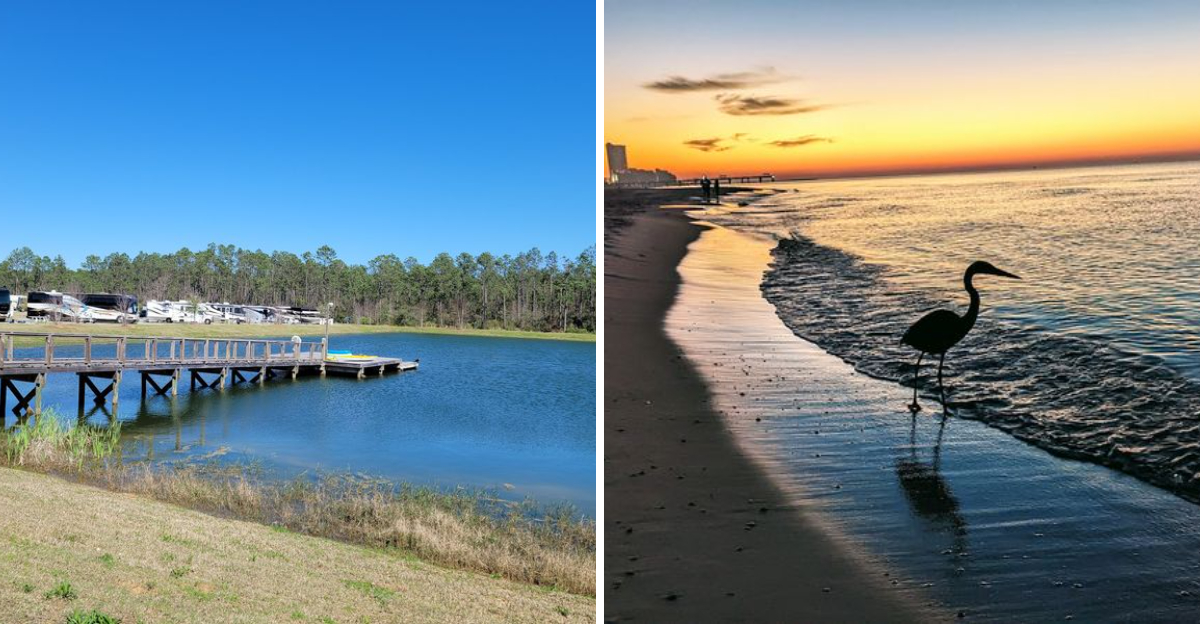
The beach is still gorgeous. That is the problem.
Stand on the sugar-white sand and the water looks almost too green to be real. Pelicans glide overhead, shrimp boats move through the distance, and for a minute it is easy to understand why summer crowds keep coming back.
Then look behind you. Condo towers are rising, traffic piles up during the busiest months, and the quiet fishing community that longtime locals remember is becoming harder to recognize.
This Alabama beach town has grown from a small settlement into a major Gulf Coast getaway, and not everyone is thrilled about what came with that success. Still, there are places where the old charm hangs on.
Some stretches remain wonderfully peaceful, especially when the morning is young and the crowds have not arrived yet. So what happens when a beautiful beach town becomes too popular for its own good?
The answer is complicated, because the very things drawing people here are also putting pressure on the place they came to see.
Sand So White It Looks Like Snow
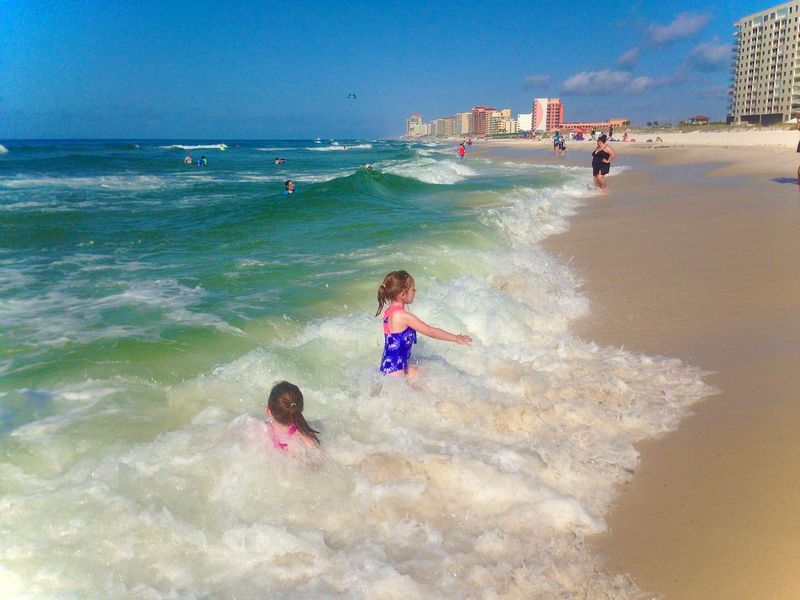
Barefoot visitors often stop after a few steps just to look down. The sand here is quartz, washed south from the Appalachians over thousands of years, and it stays surprisingly cool even in the middle of a hot afternoon.
That quartz is also why the water reads emerald instead of murky brown. Sunlight bounces off the pale bottom and comes back green.
Mornings are the sweet spot. Shell hunters walk the tide line early, finding sand dollars, whelks, and the occasional sea urchin shell, and the beach feels almost private before nine.
By midday the shoreline fills with volleyball games, paddleboarders drifting past the second sandbar, and kids building lopsided castles. Snorkelers stay in the shallows near the passes, where small fish flicker around clumps of shell.
The complaint locals raise is not about the sand itself but about reaching it. Public access points fill fast, parking near popular spots like Alabama Point East can close or shift with construction, and finding a legal place to leave a car in peak season takes patience.
Smart planning fixes most of it. Arrive before mid-morning, bring cash and small bills for parking where needed, and consider biking in from a nearby rental.
One small habit matters here too. Everything brought onto the beach needs to leave by sunset, since sea turtle nesting season runs through the warm months.
Dolphins, Pelicans, And Boats That Never Stay Docked Long
Bottlenose dolphins show up so reliably off Orange Beach that boat captains barely raise their voices about it anymore. Passengers still do, though.
There is something about a dorsal fin cutting the wake that turns quiet adults into shouting kids.
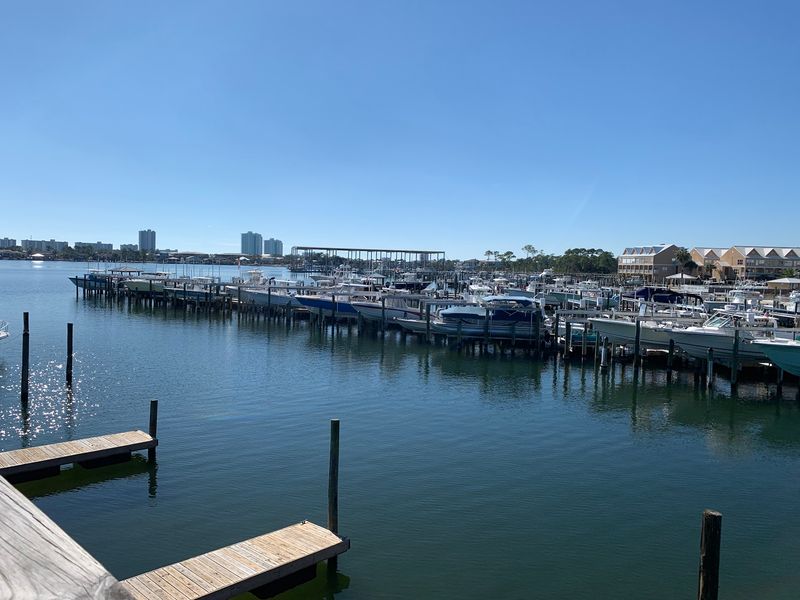
Eco-boat tours leave from marinas along the bay and cruise toward the passes, where dolphins hunt in the moving water. Brown pelicans crash-dive nearby, and ospreys circle high with fish clamped in their talons.
Sunset sailing trips shift the mood entirely. The sky goes orange, then pink, then a soft purple, and the boat slows down until the loudest sound is water against the hull.
Beyond guided tours, the water invites doing things solo. Kayakers slip into calmer back bays, jet skiers open up in the Gulf, and parasailers hang high enough to see the whole coastline curve away.
Here is where growth gets noticeable. More boats, more rentals, and more traffic through the passes mean busier waterways and longer waits at launch ramps during summer weekends.
Locals tend to go out early or late. Morning trips are calmer, cooler, and far less crowded, and wildlife tends to be more active anyway.
Fun bit of history worth knowing. Commercial and recreational fishing shaped this town long before tourism did, and working boats still share the same channels.
Gulf State Park Trails Where The Crowds Disappear
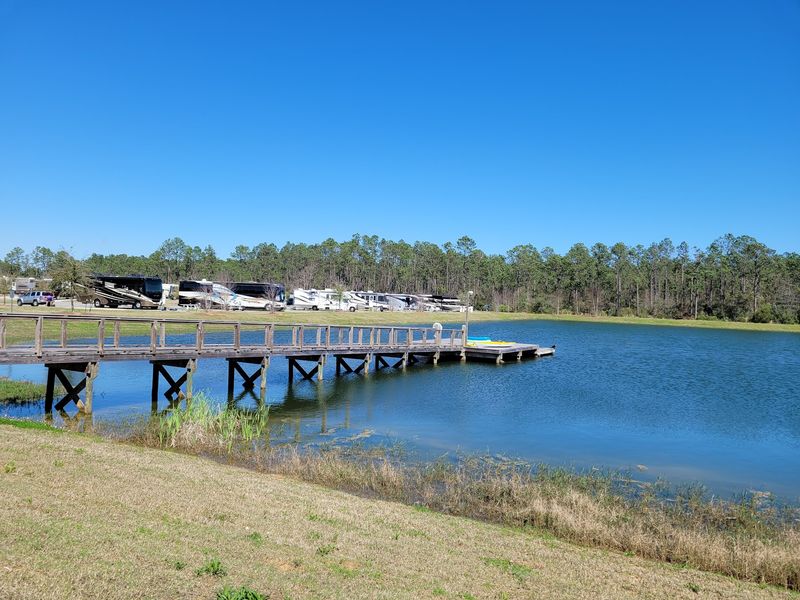
Ten minutes off the beachfront, the noise drops away. Gulf State Park spreads across more than 6,000 acres and holds something close to 28 miles of paved and natural trails, which is a lot of room to lose a crowd.
Nine distinct ecosystems sit inside those boundaries. Maritime forest, freshwater marsh, dune ridges, and cypress swamp all press up against each other, sometimes within a single mile of pedaling.
Wildlife watching happens without much effort. Herons stalk the shallows, ospreys nest on tall snags, white-tailed deer graze near the trail edges, and bobcats occasionally cross at dawn.
The Backcountry Trail starts near Orange Beach and threads west toward the beaches, and it is easily the best answer to summer traffic. Bikes move faster than cars on those July afternoons.
Lake Shelby sits inside the park with water flat enough for kayaks, canoes, and paddleboards, a nice change from Gulf chop. The Nature Center and Interpretive Center explain what all those birds and plants actually are.
Anglers head for the Gulf State Park Pier, which reaches well out into the water and stays busy year round.
Residents often point to this park as the thing worth protecting most. Development pressure creeps toward its edges, which is exactly why the trails feel more valuable every season.
The Wharf After Dark, Ferris Wheel And All
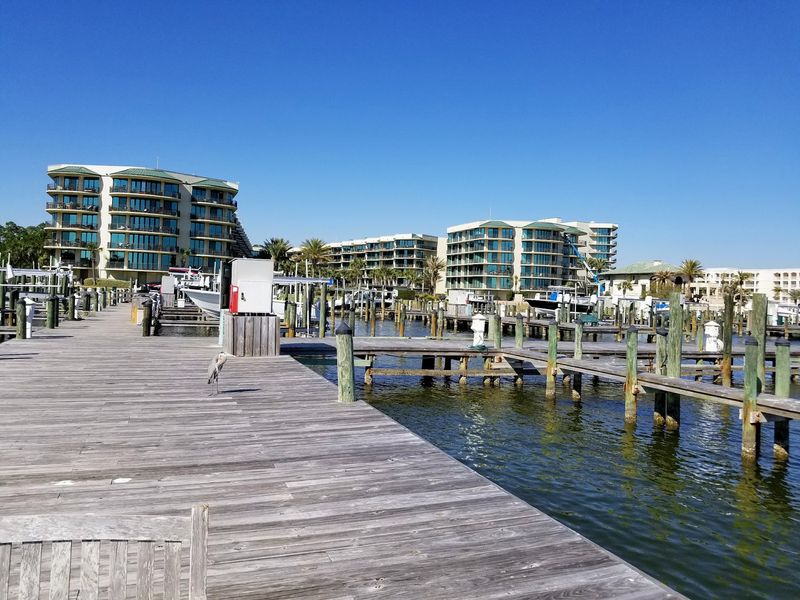
Evening changes the energy at The Wharf. String lights flick on, the Ferris wheel starts glowing against a darkening sky, and the walkways fill with families who spent all day on the sand and somehow still have energy left.
The Ferris wheel is the obvious draw, and the view from the top is genuinely good. Marina lights below, the Intracoastal Waterway stretching off, and the whole district laid out in miniature.
Shops line the main promenade, ranging from beach gear to small boutiques. Dining options sit shoulder to shoulder, which makes deciding harder than it needs to be.
An outdoor amphitheater anchors the far end and hosts concerts and events through much of the year. On show nights, the whole area hums.
What locals notice is scale. The Wharf represents the polished, built-up side of Orange Beach, and its growth mirrors the town’s broader shift from sleepy to busy.
Still, it serves a real purpose. Rainy afternoons and sunburned evenings need somewhere to go, and this is where families end up without much planning.
Practical tip for visiting. Weeknights feel noticeably calmer than Friday and Saturday, parking fills earliest near the amphitheater, and the far lots empty out fastest at closing.
Address: 23101 Canal Road, Orange Beach, Alabama
A Fishing Village Story Hiding Behind The Condos
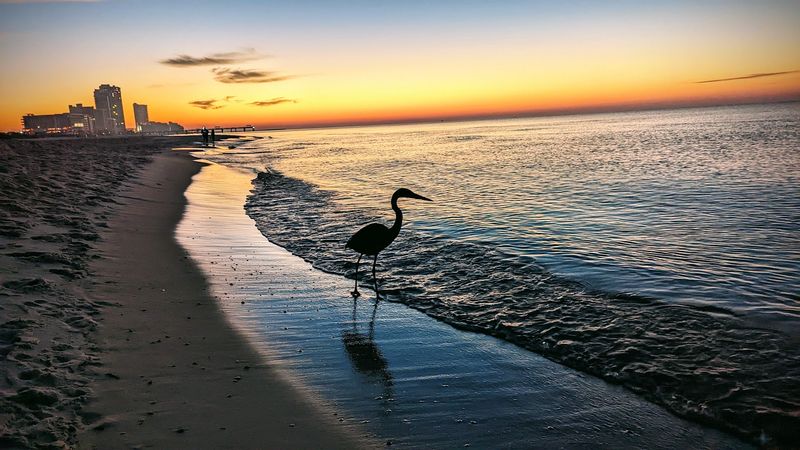
Before high-rises, there were orange trees. Satsuma groves once covered patches of this land in the late 1800s, and they gave the town the name it still carries, even though hard freezes wiped out the citrus industry by 1926.
Settlement traces back to the mid-1860s, when families arrived and built lives around fishing rather than tourism. Commercial and recreational fishing became the backbone of the community for generations.
The Intracoastal Waterway expansion in 1910 opened the area up considerably. Access improved, visitors trickled in, and the first hotel appeared in the 1920s.
Orange Beach only became an incorporated city on August 1, 1984, which surprises people who assume it has always been a resort town. Forty years is not long for a place this developed.
The Orange Beach Indian and Sea Museum tells much of this story, covering Native American history alongside the fishing heritage that shaped everyday life here.
Traces of that past still show up around town. Working marinas, seafood markets, and shrimp boats moving through the channel keep the old identity visible.
Longtime residents often frame their frustration through this history. What was once described as a little town with a big beach now competes with towers that block the water views they grew up with.
Address: 25850 John M. Snook Drive, Orange Beach, Alabama
Traffic, Towers, And What Locals Actually Complain About
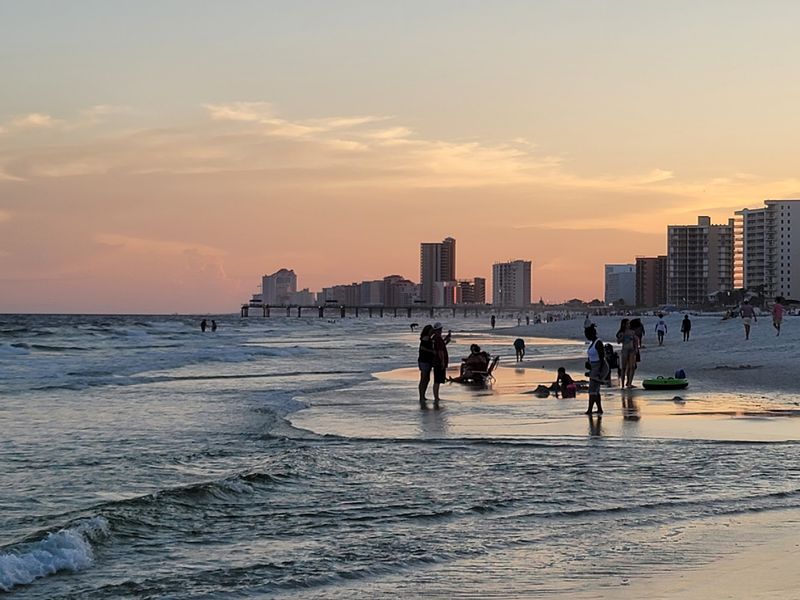
Ask around town in mid-July and the conversation turns to traffic fast. Roads near the main highways back up during peak season, and a drive that takes eight minutes in April can stretch far longer in summer.
Infrastructure feels the squeeze too. Utilities and city services were built for a smaller population, and the steady arrival of new residents and visitors puts real strain on the system.
Sightlines have changed as well. Rows of high-rise condominiums now stand where open water views once existed, and that shift bothers people who remember the older skyline.
Beach access adds another layer of frustration. New barricades, temporary closures at spots like Alabama Point East, and climbing parking costs make a simple beach day more complicated than it used to be.
None of this makes the town less worth visiting. It just changes how a trip should be planned.
Shoulder seasons solve most problems at once. Late April, May, September, and October bring warm water, thinner crowds, and parking that actually exists.
Renting a place within walking or biking distance of the sand removes the daily car hunt entirely. Bikes handle Canal Road better than anything with four wheels.
Locals are not asking people to stay away. They are asking for growth that matches what the town can actually carry.
Sea Turtles, Oyster Shells, And A Town Hitting Pause
Something encouraging is happening behind the construction noise. The city council has enacted and extended moratoriums on new multi-family residential projects and subdivisions, buying time to study traffic, infrastructure, and environmental impact before more building moves forward.
The reasoning is straightforward. Roads, utilities, and emergency services need to keep pace with growth, not scramble behind it.
Wetlands and coastal ecosystems get particular attention, with restrictions limiting development near those sensitive areas. Marsh and dune systems do quiet work protecting the coast from storms.
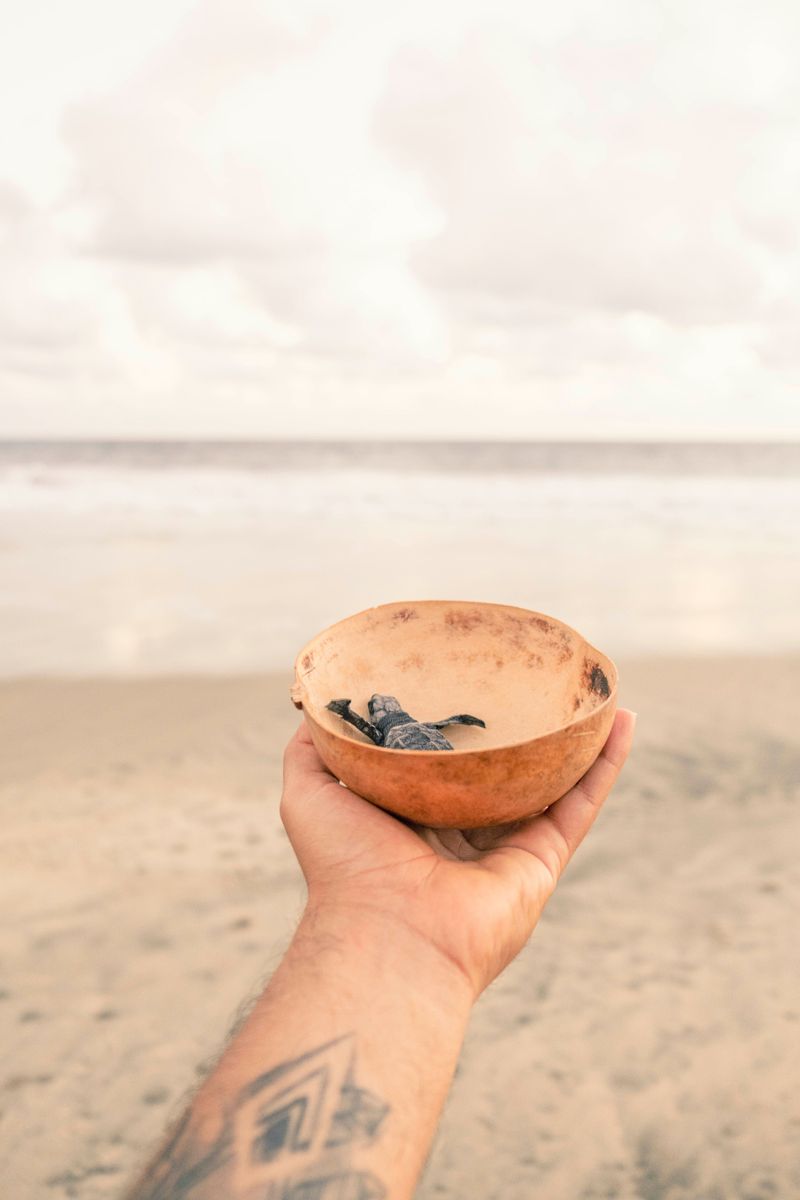
Conservation programs pull visitors into the effort too. The Leave Only Footprints initiative asks everyone to clear belongings and trash off the sand by sunset, which matters enormously during sea turtle nesting season.
Share the Beach, run with the Alabama Coastal Foundation, monitors and protects endangered sea turtle nests along the shoreline. Volunteers walk the beach at dawn looking for tracks.
An oyster shell recycling program collects shells and returns them to the water, where they form habitat for new oyster growth and help filter the bays.
Beach renourishment projects add sand back where erosion takes it, protecting habitat and keeping the shoreline wide enough to enjoy.
Visitors help simply by following the rules. Fill in holes, flatten sandcastles, keep lights low at night, and leave the dunes alone.
