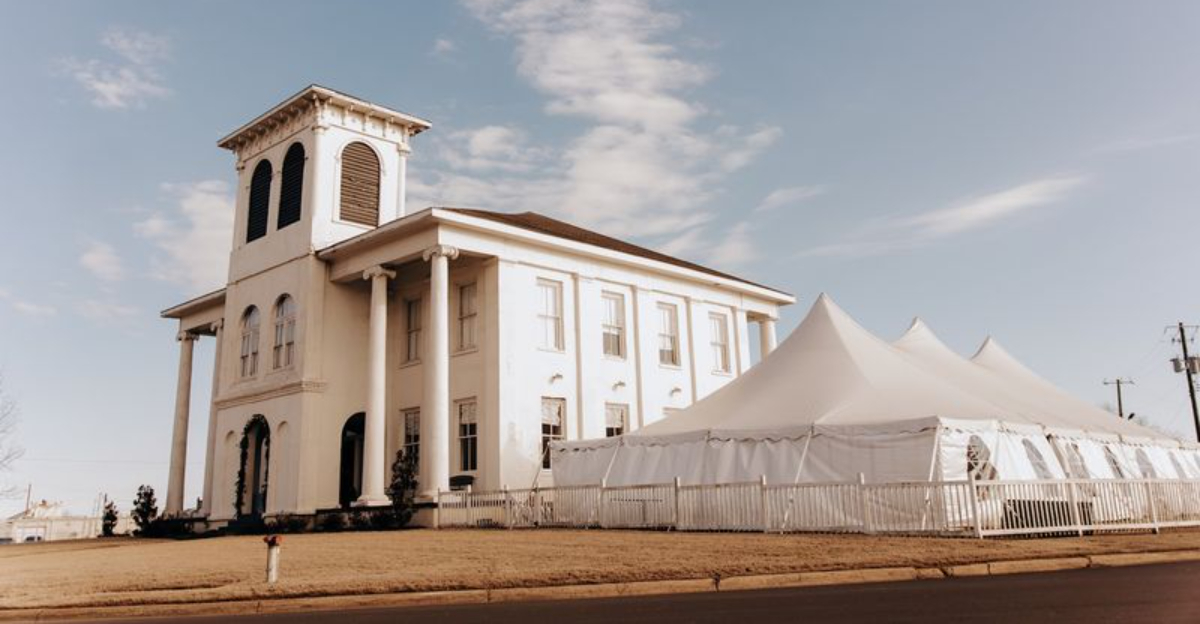
Hidden in plain sight along a quiet Tuscaloosa street stands a historic mansion that has witnessed nearly two centuries of change, tragedy, and legend. Built in the 1830s, it remains one of the city’s most talked-about landmarks, known as much for its striking architecture as for the stories tied to its past.
Over the years, tales have circulated about unexplained lights, sorrowful family history, and events that have blurred the line between fact and folklore.
Today, it stands as a reminder of a different era, drawing in those who are fascinated by history, old Southern estates, and the mysteries that seem to linger in places like this.
Whether you are interested in architecture or local legends, this Alabama landmark offers a story that continues to capture attention.
Come Ready For A Longer Visit To The Grounds
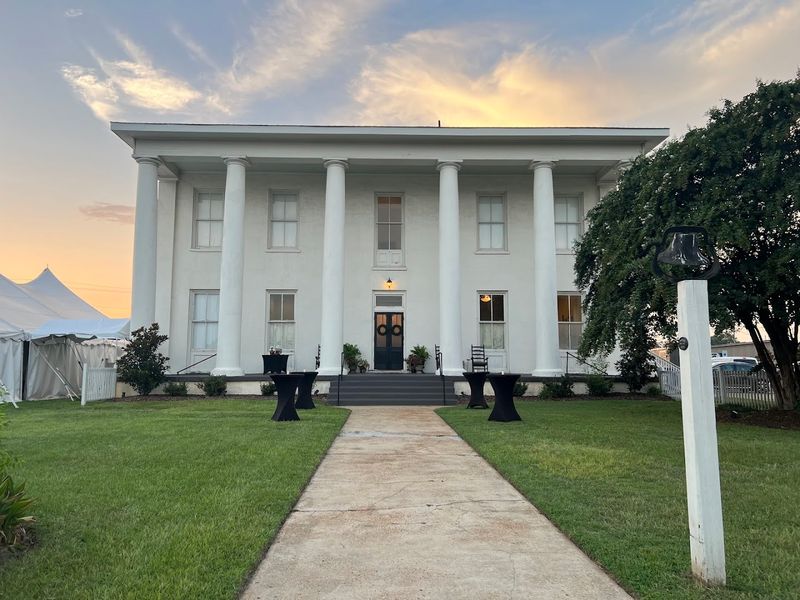
There is something about walking the grounds of a place that has stood for nearly two centuries that slows you down in the best way. The Drish House sits at 2300 17th Street in Tuscaloosa, Alabama, and the property surrounding it feels like a living museum.
Mature trees frame the mansion from multiple angles, and the outdoor covered tent area adds a surprisingly welcoming contrast to the historic structure behind it.
The grounds originally served as the focal point of a 350 to 450 acre plantation, a fact that adds complicated historical weight to every step you take across the property. That land is long gone, but the house remains, carrying those layers of history in its foundation and its walls.
One thing visitors consistently mention is how much there is to absorb just by standing outside. The scale of the building, the texture of the old brickwork, and the way the tower casts a long shadow in the afternoon sun all create a sensory experience that photographs simply cannot replicate.
Parking is available on site, which is a genuine bonus given the downtown Tuscaloosa location.
The venue is open for tours on Fridays and Saturdays from 1 to 5 PM, and appointments can be arranged for special visits. Giving yourself a full afternoon here rather than a quick stop means you actually absorb what this property has to offer, rather than rushing past it.
Plan Extra Time For The Tower’s Dark Legend
Of all the stories connected to this mansion, one keeps coming back no matter how many years pass. Sarah Drish, wife of Dr. John R.
Drish, watched her husband’s funeral with careful, grief-stricken eyes. She made one specific request before she died in 1884; that the same candles used at his wake be preserved and burned at her own funeral.
When Sarah passed away, those candles were nowhere to be found. And that is when the strange reports began.
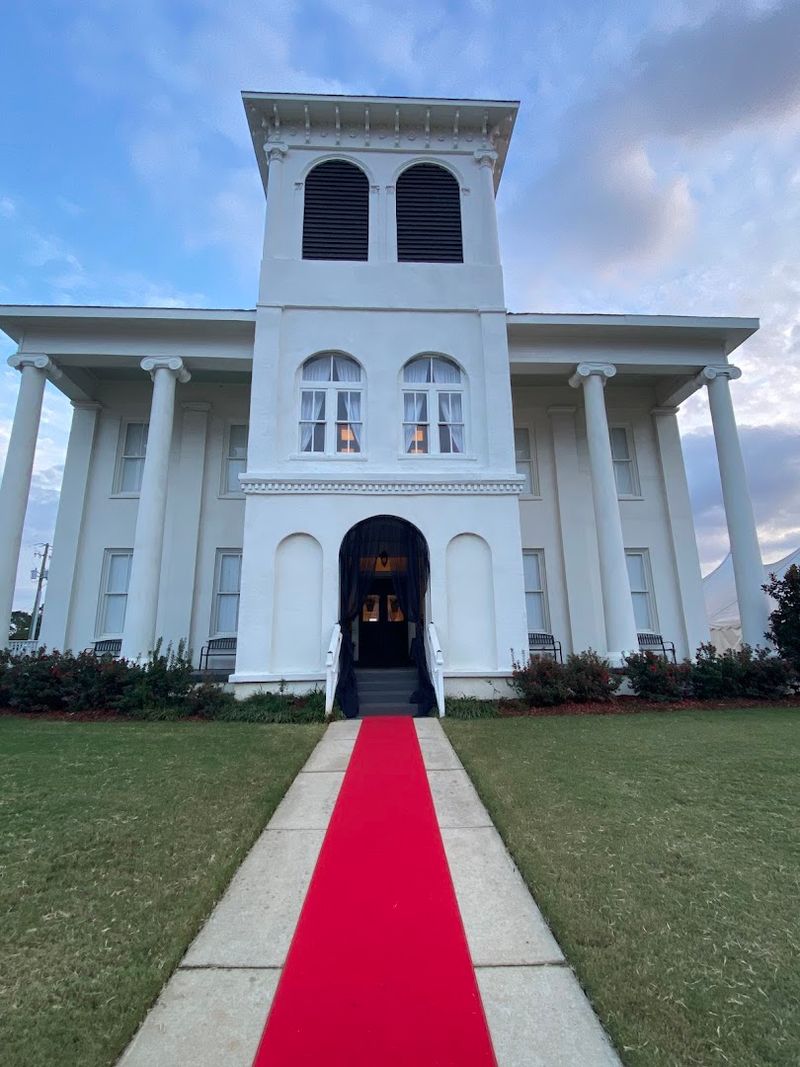
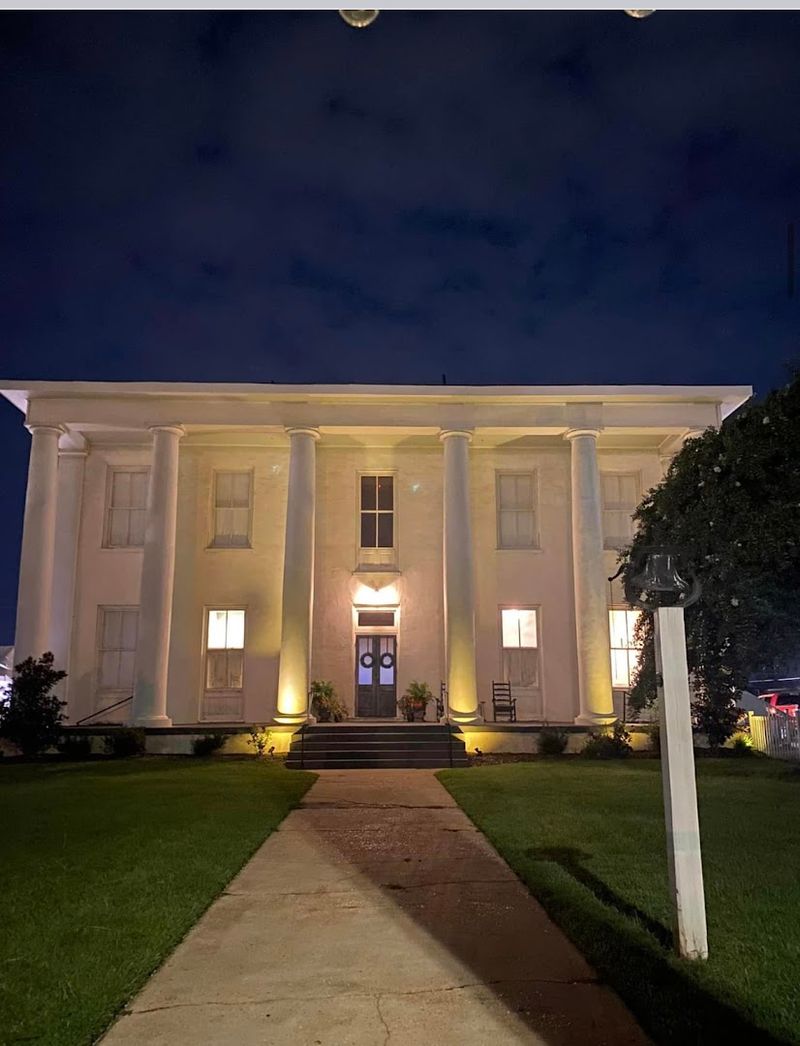
Neighbors and passersby started seeing glowing, flame-like lights flickering in the tower windows late at night. No fire department was ever called.
No fire was ever found. The lights simply appeared and disappeared, as if someone inside was searching desperately for something lost.
Most locals believe Sarah’s spirit never left. They say she wanders the tower still, holding candles that only she can see, frustrated that her final wish was never honored.
Author Kathryn Tucker Windham helped spread this legend nationally through her beloved book “13 Alabama Ghosts and Jeffrey,” cementing the tower’s reputation as one of the South’s most talked-about paranormal mysteries.
Visitors who schedule evening tours often linger near the tower longer than anywhere else. Something about it pulls at your attention.
Whether you believe in ghosts or not, the story of Sarah Drish and her missing candles is genuinely hard to shake once you hear it told inside these walls.
Do Not Skip The Story Of Catherine Drish
Every old mansion seems to have one story that cuts deeper than the rest. At the Drish House, that story belongs to Catherine, the daughter of Dr. John R.
Drish. By most historical accounts, her life was shaped and ultimately diminished by her father’s controlling grip on everything she held dear.
Legend holds that Catherine fell in love, as young people do, and that her father responded by locking her away and driving her suitor out of Tuscaloosa entirely. The relationship was severed not by choice but by force.
Catherine never fully recovered from that loss, and her later years were marked by instability that eventually led to her husband divorcing her, citing concerns about her mental state.
Some visitors to the Drish House report seeing a female figure standing motionless in an upper window, gazing outward as if waiting for someone who never came back. Whether or not you put stock in that kind of account, Catherine’s real story needs no supernatural embellishment to be heartbreaking.
Her experience reflects a painful truth about life for women in the antebellum South, where fathers held enormous legal and social power over their daughters’ choices. Hearing her story inside the house where it unfolded makes it feel immediate and real in a way that reading about it in a book never quite does.
The Drish House does not shy away from these harder histories, and that honesty is part of what makes a visit genuinely meaningful.
You Should See This Rare Architectural Blend First
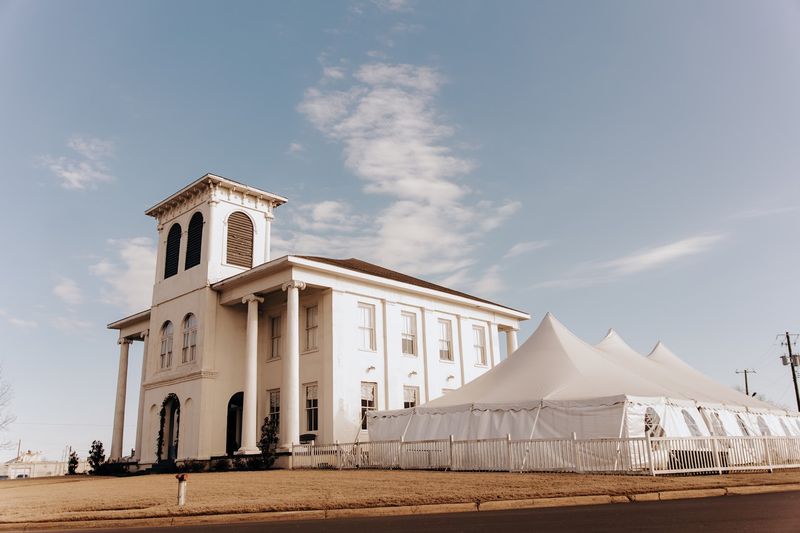
Most historic Southern homes follow one style. The Drish House breaks that rule in the most spectacular way possible.
When Dr. John R. Drish first built this mansion in 1837, it followed the clean lines and tall columns of Greek Revival architecture.
That alone would have made it noteworthy.
But Dr. Drish was not done. Between the 1850s and 1860s, he added a dramatic three-story Italianate tower to the structure, creating what historians now call a “Bracketed Greek Revival” design.
The result is a building that looks like two different eras decided to share one roofline, and somehow it works beautifully.
What makes this even more remarkable is who actually built it. Enslaved craftsmen and artisans constructed the mansion by hand, their skill evident in every column, cornice, and carved detail that has survived nearly 190 years of Alabama weather and history.
Standing in front of the house, you can feel the weight of all that time. The tower rises above the surrounding neighborhood like a quiet sentinel, watching everything that passes below.
Architectural enthusiasts often call it one of the most unusual surviving examples of its kind in the entire state.
No photograph fully captures the experience of seeing both styles merge in person. You have to stand there, look up, and let the building tell its own complicated, layered story before you even step through the front door.
Make Time For The Walker Evans Photography Connection
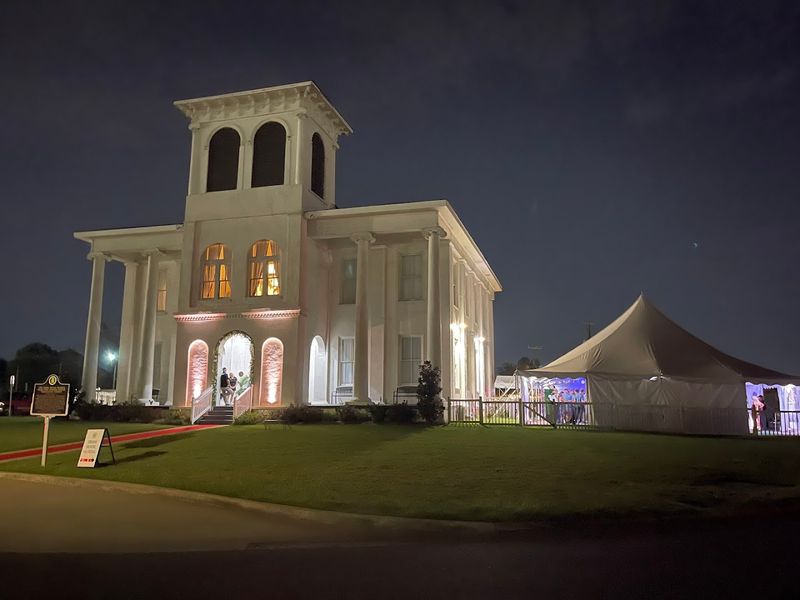
Not many haunted houses can claim a connection to one of America’s most celebrated photographers, but the Drish House can. During the 1930s, the mansion was being used as a parts warehouse by the Tuscaloosa Wrecking Company, a far cry from its original grandeur.
It was during this period that documentary photographer Walker Evans captured the building in a now-famous image titled “Tuscaloosa Wrecking Company.”
That photograph is not gathering dust in some regional archive. It currently lives in the permanent collection of the Metropolitan Museum of Art in New York City.
A building that once stored salvaged parts from demolished structures ended up becoming the subject of museum-worthy art, which says something interesting about how beauty survives even neglect.
Evans was traveling through the South during the Great Depression, documenting everyday American life with unflinching clarity. The Drish House, stripped of its former elegance and put to industrial use, apparently still caught his eye.
That instinct turned out to be historically significant.
For photography enthusiasts and history lovers alike, this connection adds an unexpected dimension to a visit. Standing where Evans once stood and looking at the same facade he photographed almost a century ago creates one of those rare moments where past and present genuinely overlap.
The house has been beautifully restored since those warehouse days, but knowing it passed through that chapter and still survived makes the current building feel even more remarkable than its architecture alone would suggest.
Try Booking A Paranormal Investigation Night Here
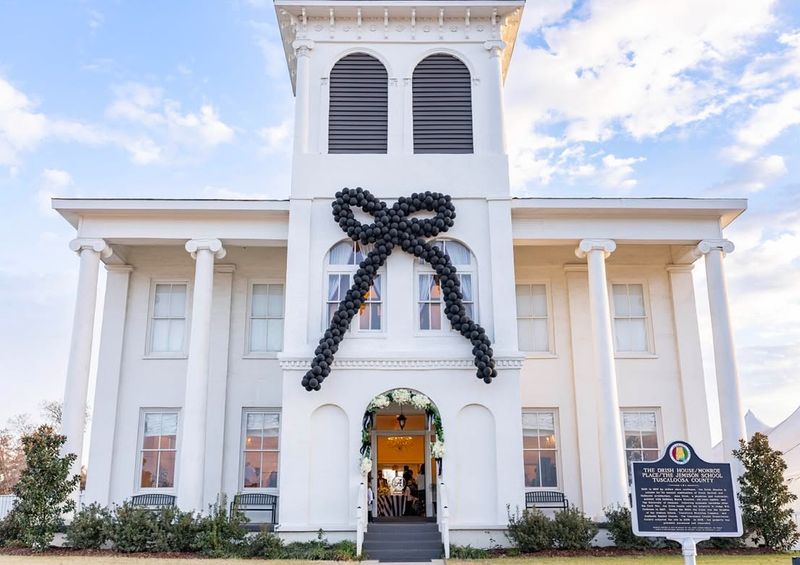
Ghost hunters have a long list of places they want to visit, and the Drish House consistently ranks among the most requested sites in Alabama.
The mansion accommodates paranormal investigations by appointment, drawing enthusiasts from across the country who want to experience the tower and the rooms firsthand after dark.
Reports from investigators over the years include unexplained temperature drops, strange sounds in the upper floors, and photographs that capture light anomalies near the tower windows. Some visitors claim to have recorded audio that they cannot explain.
Others simply describe an overwhelming sense of being watched from corners of rooms that appear completely empty.
What makes the Drish House particularly compelling for this kind of visit is that the paranormal lore is deeply tied to real, documented historical events. The candle story is not invented folklore.
Sarah Drish was a real person, and her obsession with those funeral candles is part of the historical record. That grounding in actual history gives the ghost stories here a weight that purely invented legends lack.
Even skeptics tend to admit there is something unsettling about being in the tower room at night. The atmosphere of the building, its age, and its complicated past combine to create a sensory experience that is genuinely hard to dismiss.
Skip Nothing On The National Register Visit
A building does not earn a place on the National Register of Historic Places by accident. The Drish House achieved that recognition in 2015, following its earlier listing on the Alabama Register of Landmarks and Heritage in 1975.
Both designations reflect the mansion’s genuine significance to the architectural and cultural history of the state.
The house has worn many identities over its 189 years. It began as the centerpiece of a large plantation, then became the Jemison School in 1906, was repurposed as an industrial warehouse from 1925 through the 1940s, and served as the Southside Baptist Church from the 1940s all the way through 1995.
Each chapter left its mark on the structure, and the current restoration honors all of those layers without erasing them.
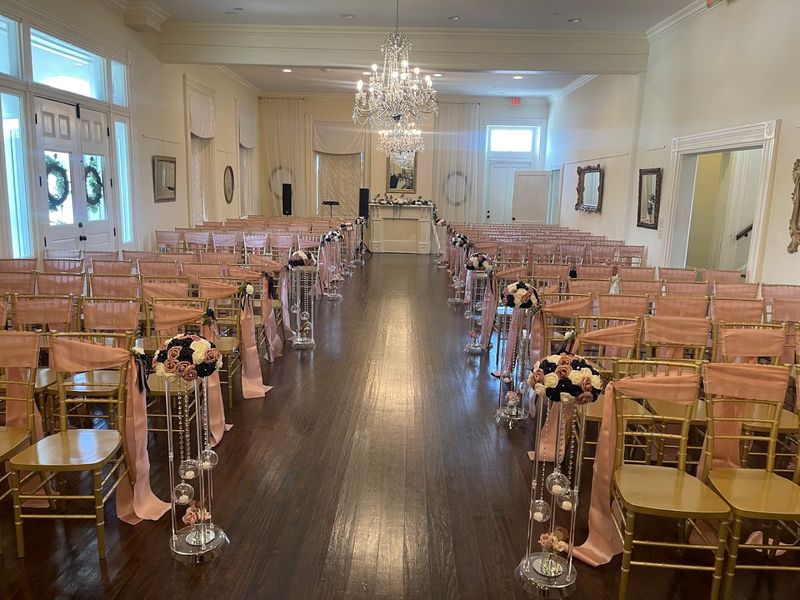
Today the mansion operates as a premier event venue, hosting weddings, parties, and community gatherings with the same walls that once held a church congregation and before that, a schoolroom full of children.
That continuity of use across nearly two centuries is genuinely rare in American historic preservation.
Tours run on Fridays and Saturdays between 1 and 5 PM, and the knowledgeable staff brings the full history of the house to life rather than glossing over its more difficult chapters.
The story of the enslaved craftsmen who built it, the family tragedies that unfolded inside it, and the many lives it has sheltered since 1837 all deserve your full attention.
