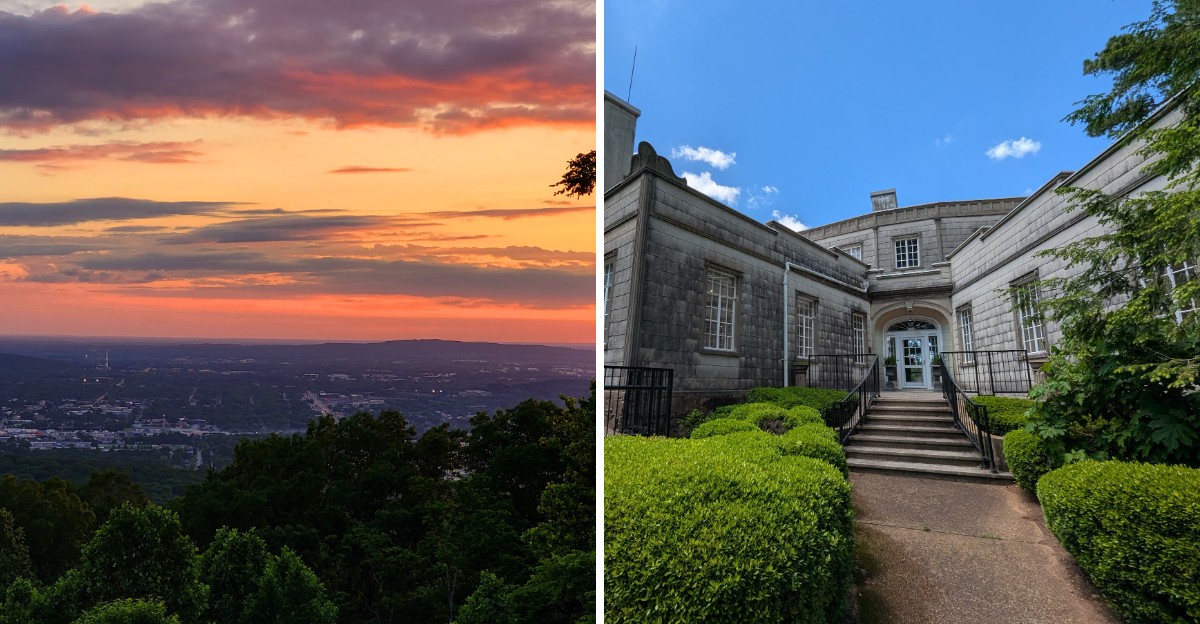
The mansion has a mountain. The mountain has a farm.
The farm has pigs. At some point, the whole arrangement becomes too strange to explain in one sentence.
That is part of what makes this Alabama destination so much fun. Spread across 167 acres, the property combines a quirky historic house with log cabins, barns, gardens, and a collection of animals that make the past feel considerably less polished.
Some homes date back more than 200 years, while preserved tools and demonstrations help show how everyday work was actually done. The original owner was a doctor who apparently loved the mountain enough to shape his whole life around it.
Today, visitors get the unusual result: a place where rural life from another century is still noisy, muddy, practical, and very much alive.
Say Hello to the Barnyard Crew
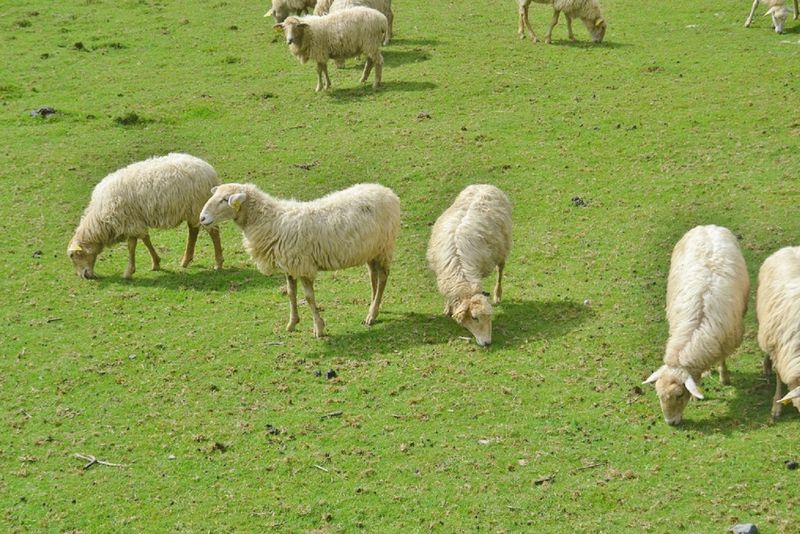
Somebody in the Burritt Barnyard is always making noise, and it is usually a rooster with a lot of opinions. Sheep, pigs, goats, horses, and chickens all live here, and each one has a job that matters to the story of 1800s farm life.
Back then, animals were not just cute neighbors. Sheep gave wool for warm clothes, while horses pulled plows and wagons across rocky fields.
Pigs and chickens helped feed the family through long winters.
Kids tend to head straight for the goats. These animals are curious, a little bit silly, and happy to stare right back at anyone who stares at them.
Keep an eye on small hands near the fences, and always follow posted signs about feeding and touching.
Timing can make the visit even better. Animals are often more active in the cooler parts of the day, so a morning trip might mean more movement and fewer sleepy piles of fur.
Warm afternoons can bring out the nappers instead.
Spring Farm Day is a special treat for animal lovers. During this event, visitors can watch sheep shearing and try hands-on chores like wool carding and butter churning.
It turns a simple barnyard stop into a real lesson about where everyday things come from.
Bring a camera, too. Pig snouts up close make for surprisingly great photos, and the goats rarely mind posing.
The Oldest Log Cabin in Alabama Lives Here
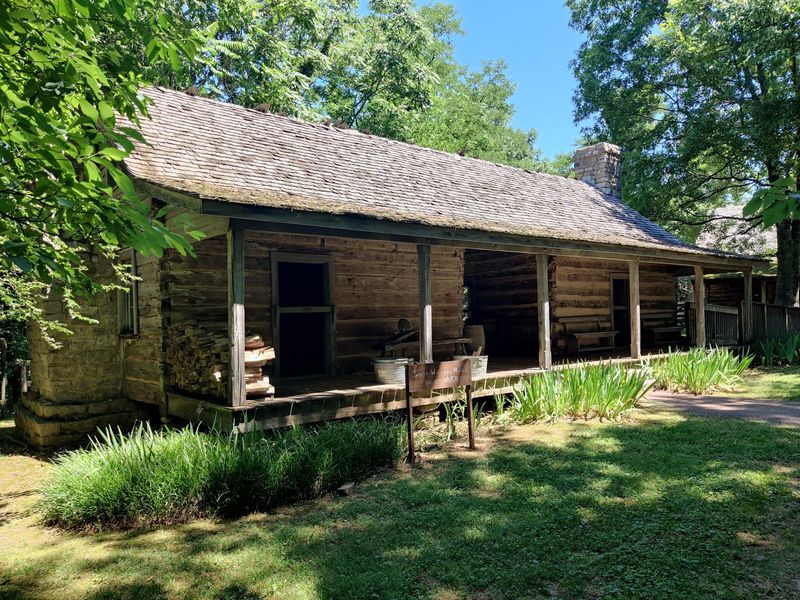
Around 1808, before Alabama was even a state, someone stacked heavy logs and built the Joel Eddins House. Today it holds the title of the oldest documented log cabin in Alabama, and it now rests inside the historic park at Burritt.
That is a lot of years for one little home. The logs show the work of hand tools, and the rooms are small, snug, and simple.
Families back then did not need much space, since most of life happened outdoors.
Take a slow look at the corners where the logs lock together. Builders often cut notches so each piece fit tightly, which is pretty clever for a time with no power tools.
Peek at the fireplace too, because it was the heart of the home for cooking and warmth.
The cabin sits among other restored rural buildings in the historic park. Together they show how families in the Tennessee Valley farmed, stored food, and got through each season.
Signs beside the buildings explain the history, so reading them is worth the extra minute.
Kids often find it fun to imagine sleeping here with the whole family in one room. It opens up good conversations about how different daily life used to be.
No phones, no fridge, and definitely no air conditioning.
History buffs will want extra time here. Some stories are best told by old wood.
Sparks Fly at the Blacksmith Shop
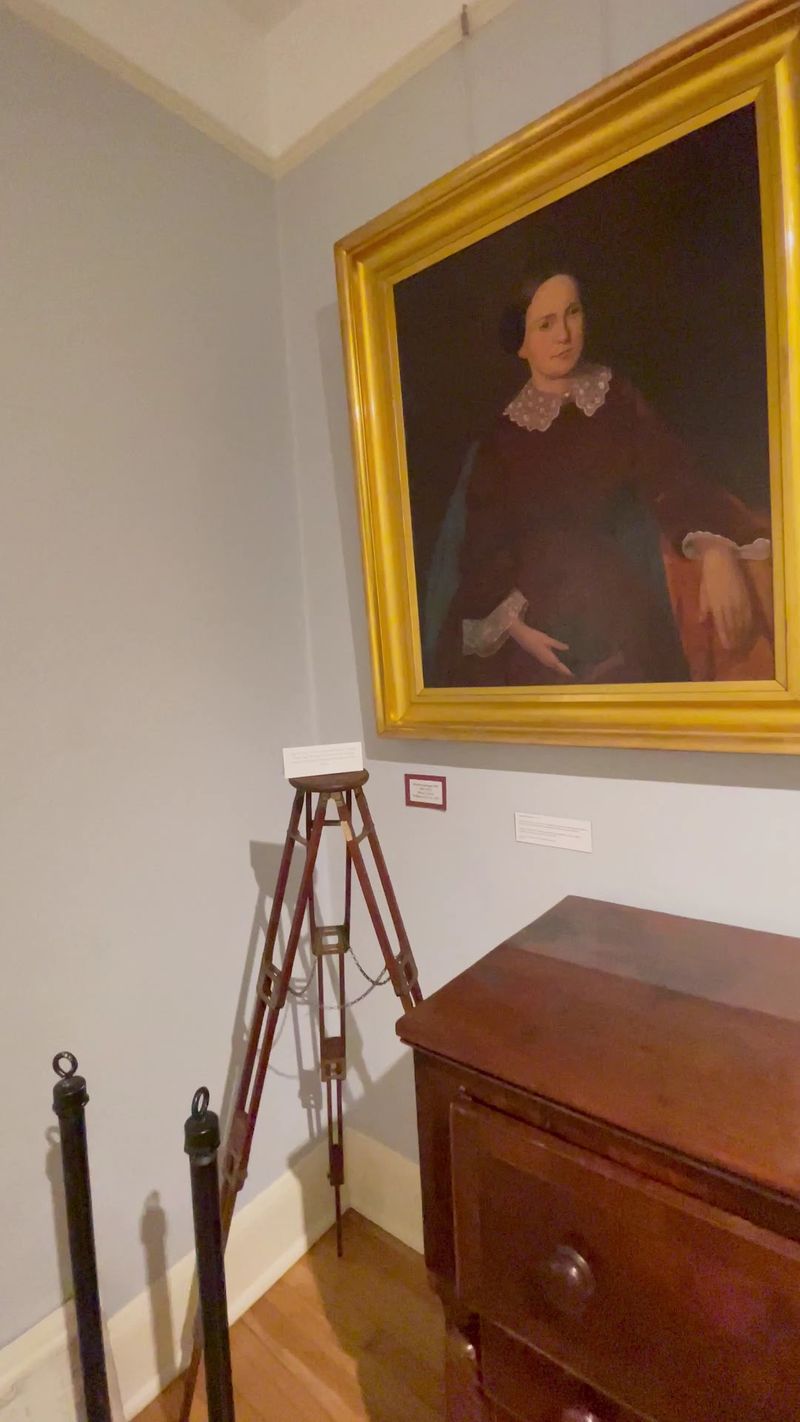
Clang, clang, hiss. That sound usually means the blacksmith is hard at work, shaping glowing metal into something useful.
Living history interpreters at Burritt dress in period clothing and show the skills that kept early Alabama farms running.
Blacksmithing is often the crowd favorite, and it is easy to see why. Fire, hammers, and red-hot iron make for a pretty exciting show.
Families in the 1800s depended on the smith for tools, hinges, horseshoes, and repairs.
Other buildings hold quieter talents. Spinners turn fluffy wool into thread, and cooks prepare food over an open hearth the old-fashioned way.
Watching a meal come together without a stove makes a modern kitchen look like magic.
The best part is that the interpreters love questions. Ask how long it took to make a nail, or why certain chores happened in certain seasons.
One answer usually leads to another question, and that is exactly the fun of it.
Demonstrations can change depending on the day and the season. Checking the museum schedule before heading up the mountain helps avoid missing a favorite activity.
Special events often bring extra demonstrations.
Kids who enjoy building things often leave inspired. A few even start asking for their own hammer on the ride home, so consider that fair warning.
Stand back a little near the forge. It gets hot, and those sparks do not care about sneakers.
Two Time Periods, One Short Stroll
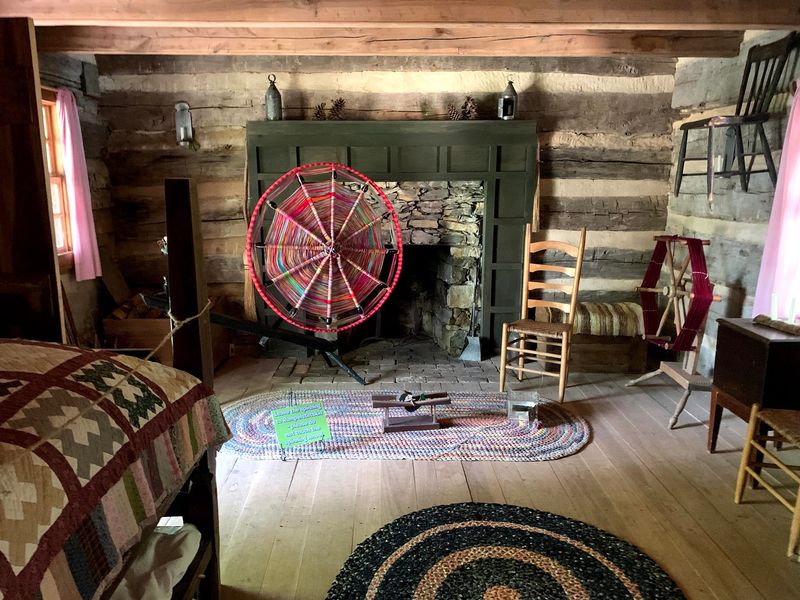
Fifty years can change a farm more than people might guess. The historic park at Burritt is split into two areas, one showing life around 1850 and another showing life around 1900.
Moving between them is like flipping through chapters of the same family story.
The 1850 side feels rugged and basic. Log cabins, hand tools, and simple furniture show a time when most families built, grew, and made almost everything themselves.
Cross over to the 1900 area and the details start to shift. Furniture looks a bit more polished, and tools reflect new ways of working the land.
Small upgrades like these made daily chores a little less exhausting.
A fun game for families is spotting the differences. Compare the kitchens, the beds, and even the barns.
Kids tend to get competitive about it, which keeps everyone looking closer.
The park also includes a replica of a four-room Dorothy Davidson Rosenwald Schoolhouse. It shares an important piece of African-American educational history in the region, and it adds depth to the story of rural life.
Spend a few quiet minutes inside and read the displays.
Wear sturdy shoes for this part of the visit. Paths wander between buildings, and there is a good bit of ground to cover.
Taking it slow pays off here, since the small details are where the real stories hide.
A Mansion Built in the Shape of an X
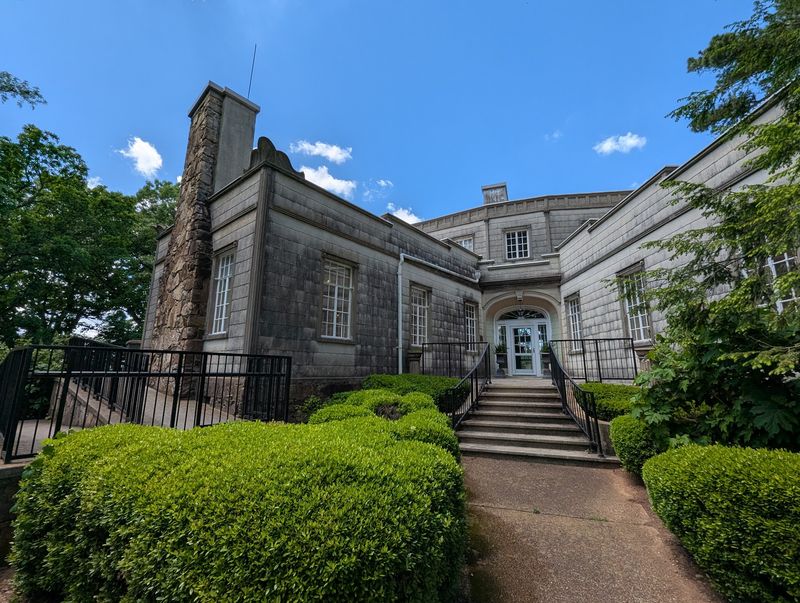
Dr. William Henry Burritt was a homeopathic physician and inventor, and his house proves he liked to think differently. The mansion is shaped like a giant X, a design meant to catch breezes, pull in natural light, and frame the views from every direction.
The first house burned down, which is a heartbreaking twist. Dr. Burritt rebuilt it in 1938 and added smart fire-proofing methods for the time.
Clearly, he was not taking any chances the second time around.
Inside and out, the style is a fun mix. Art Deco, Federal, Beaux Arts, and Classical Revival touches all show up in one building.
It sounds like a lot, yet somehow it all works.
The mansion is also cozier than the word might suggest. Visitors are sometimes surprised by the modest number of bedrooms, which makes the house feel personal instead of grand.
Docents inside share local lore and stories about the doctor, so ask plenty of questions.
Car fans should not skip the garage. A restored 1949 DeSoto sits there, shiny and full of old-school charm.
Its curvy fenders and bold chrome look straight out of an old movie.
Dr. Burritt had no heirs, so he left the whole estate to the city of Huntsville when he passed away in 1955. That gift became Huntsville’s first museum.
Pretty generous for one mountain home, right?
Big Valley Views and Birdsong on the Trails
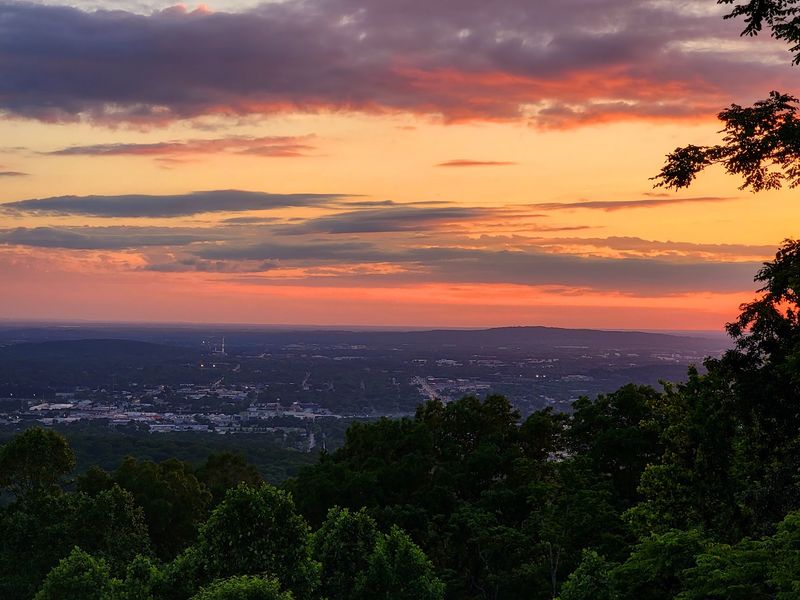
On a clear day, the whole Tennessee Valley spreads out below the mountain like a giant map. Downtown Huntsville looks tiny from up here, and on hazy days the ridges fade into soft blue layers.
The overlook is a favorite photo spot for good reason. Morning light is soft and calm, while late afternoon brings warmer colors.
Try both if time allows.
Beyond the views, nature trails wind through the woods around the property. Hikers pass old coal mines and interesting limestone rock formations along the way.
It is a nice change of pace after touring buildings and meeting animals.
Bird watchers have extra reason to bring binoculars. The trails are part of the Huntsville/Madison County Birding Trail, so feathered visitors are common in the trees.
Moving quietly and pausing often helps spot more of them.
Trail tips help make the walk easier. Wear shoes with good grip, since rocks and roots can be slippery after rain.
Carry water, especially during Alabama’s warm and sticky summer months.
Keep an eye out for small creatures too. Squirrels dart across the paths, and lizards sometimes sun themselves on warm rocks.
Patience is the secret ingredient.
Leaves change colors in fall, making the woods extra pretty. Spring brings fresh green growth and plenty of bird activity.
Honestly, there is no bad season for a stroll here, just different moods.
Festivals, Folk School Classes, and Planning the Trip
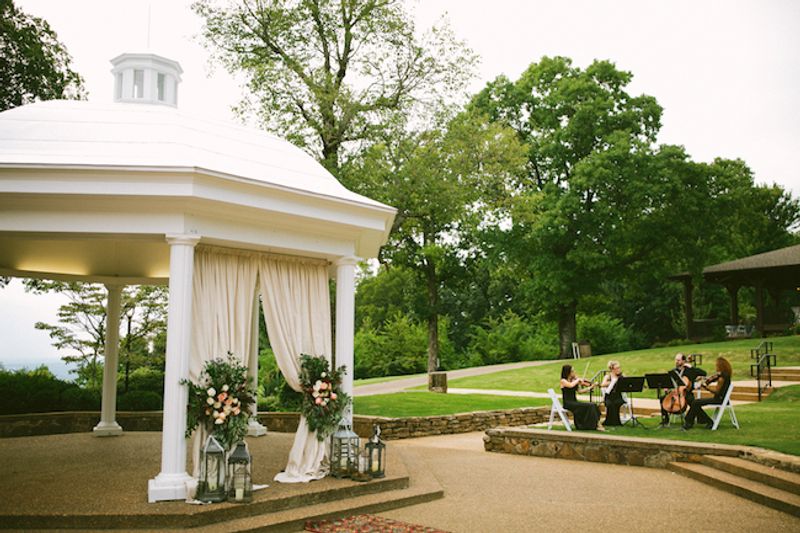
Some visitors come for one afternoon and end up returning every season. Burritt keeps a busy calendar, with seasonal festivals, rotating art exhibits, and concerts like the City Lights and Stars series filling the mountain with music.
The Burritt Folk School is a hidden gem for hands-on learners. Regional instructors teach traditional arts and crafts in workshops, giving people a chance to try skills that were common on farms long ago.
Learning an old craft from a real expert is a pretty special way to spend a day.
Holiday events are worth watching for too. Around Christmas, the property often gets dressed up with decorations, and family-friendly shows sometimes take place in the small chapel nearby.
Finding the place is simple. Burritt on the Mountain sits at 3101 Burritt Dr SE, Huntsville, AL 35801, and the drive winds up the mountain with pretty views along the way.
Hours usually run from 9 AM to 5 PM Tuesday through Saturday and 12 to 5 PM on Sunday, with the museum closed on Mondays.
A visit of about two hours covers the main highlights at a comfortable pace. Families who love animals or trails may want extra time.
Leave room in the schedule for the gift shop. It is a fun last stop before heading back down.
