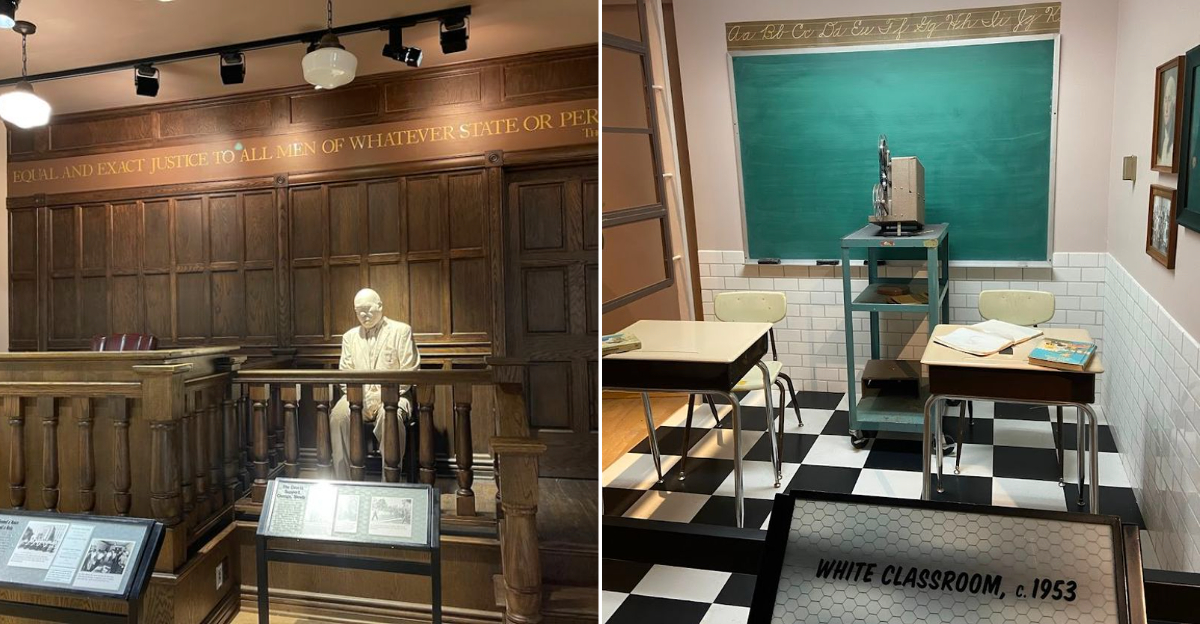
Walk in confident, and this museum will calmly take that confidence apart. The Birmingham Civil Rights Institute makes old assumptions fall apart fast, because it grounds history in a real city where the stakes were daily life.
You arrive expecting a museum visit and leave with a sharper understanding of what people endured and how organized the resistance had to be. The exhibits do not let you keep distance.
They pull you into the timeline with artifacts, images, and narratives that connect segregation, protest, violence, and courage without smoothing the edges. Birmingham itself becomes part of the lesson, because the location makes it impossible to treat this as somewhere else’s story.
You start noticing how systems were built, how they were enforced, and how ordinary spaces became battlegrounds. It is intense, but it is also clarifying.
By the time you step back outside, the city feels different, and your trip does too, because you cannot unlearn what the institute lays out so clearly.
First Steps Inside And Why The Mood Hits Immediately
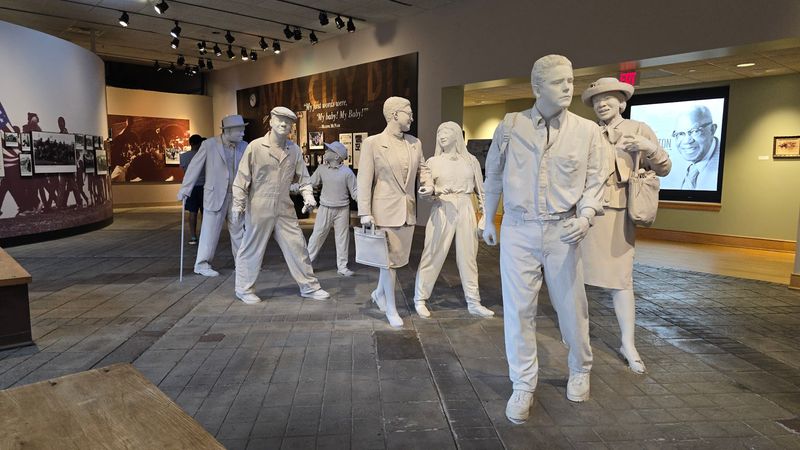
Walk through the doors at Birmingham Civil Rights Institute, 520 16th St N, Birmingham, AL 35203, and the sound softens in a way that makes you pay attention. The lobby is calm, the lighting is low, and the first gallery draws your eyes toward portraits that feel like they are watching back.
You do not rush here, because the design slows your stride before you realize it.
There is a gentle hush that does not feel staged, and it settles in as you pass the first panels that lay out where Birmingham fits in Alabama and across the South. The typography is simple, the language spare, and the photos do the heavy lifting with faces that carry both steel and worry.
You hear your own steps and that tiny echo works like a metronome for your thoughts.
Right away, the building cues your body to look closely, not scroll past like a feed. You stand in front of a case and the glass throws back a faint reflection, which sets your face next to a marcher’s sign in a way that is not subtle.
That moment makes you a participant, not a spectator, and you feel your shoulders change as the day begins.
Birmingham’s Layout Outside, Church Row, Parks, And Key Blocks Nearby
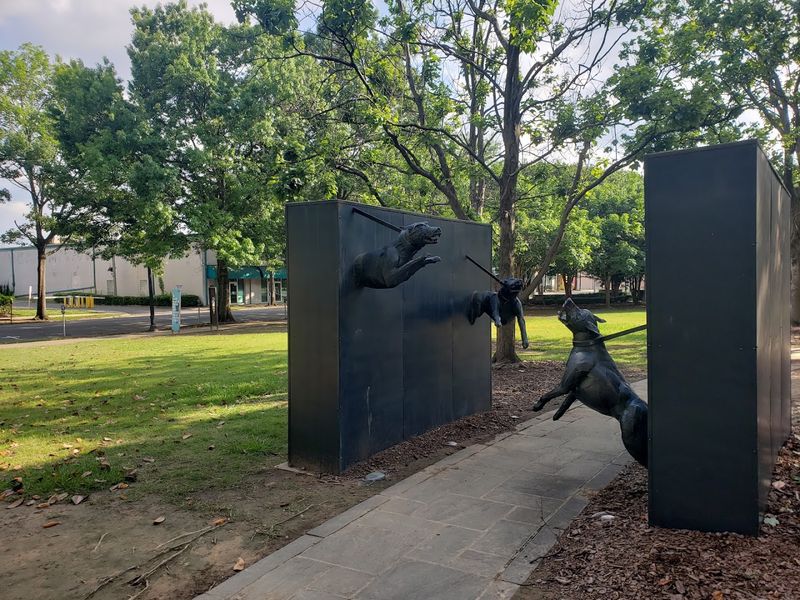
Step back outside for a second in your mind, because the geography around this building does half the storytelling. Across the way sits Kelly Ingram Park where statues freeze the heat of confrontation, and a short walk lands you at 16th Street Baptist Church with its brick, stained glass, and steady presence.
The blocks feel close, almost stitched, like history compressed into a tight grid.
This part of Birmingham keeps the edges visible, from church steps to park paths to the institute’s wide windows that face the street. Standing on the sidewalk, you can trace a line between sanctuary, protest, and interpretation without guessing.
Alabama cities do this thing where the streets carry memory in their corners, and this neighborhood shows it clearly.
Inside the museum, that outside map stays in your head as context for every exhibit. When a display mentions a march route or a gathering spot, you can point to it in real life just beyond the glass.
It grounds the stories, and it makes the whole visit feel like walking a living atlas rather than checking off rooms.
Timeline Start, The Quick Context That Changes Everything
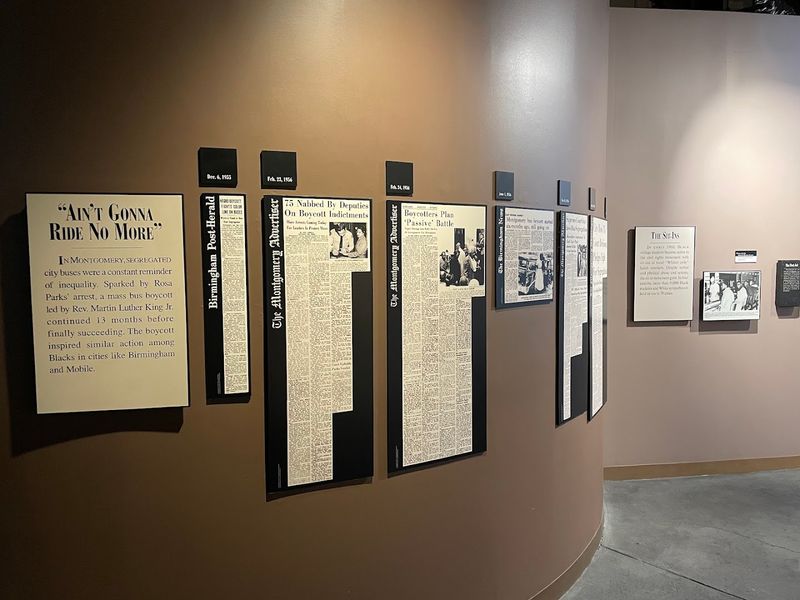
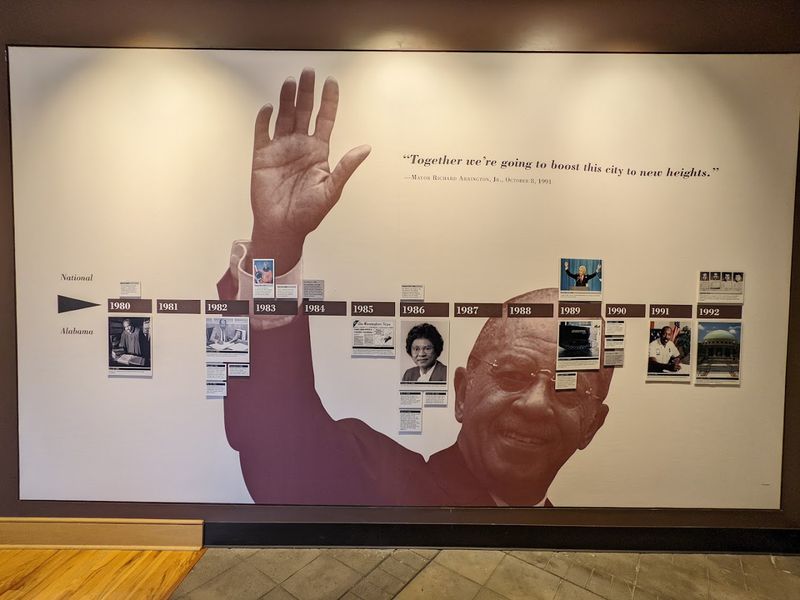
The timeline hits you early, clean and spare, and it snaps your sense of sequence into place. Instead of drowning you in dates, it stacks moments beside faces and laws, giving just enough to make your brain connect the gaps.
You stand there nodding because the pattern is impossible to miss once the layout lines it up.
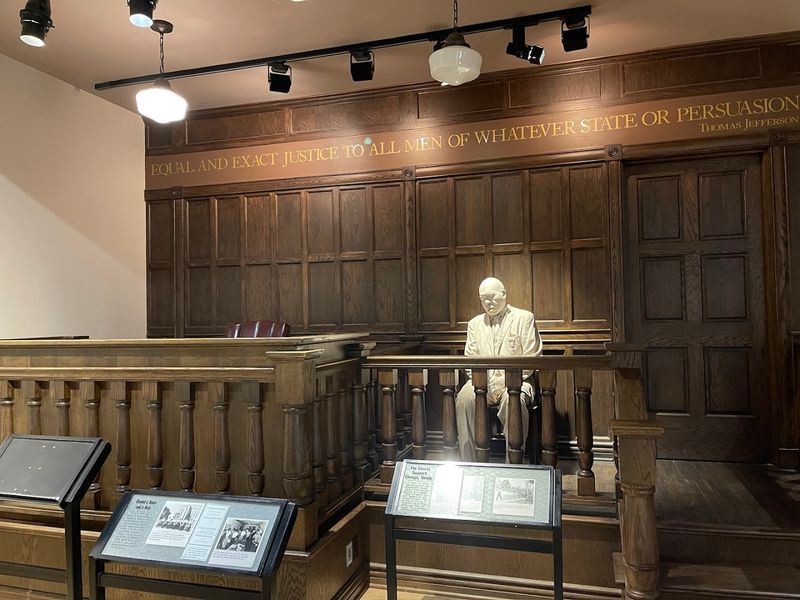
I like how the panels move from personal stories to policy and back again. One square shows a family carving out daily life, another shows a courtroom or a city order, and the flip between them builds tension without theatrics.
It is the kind of curation that respects your attention and trusts you to finish the thought.
What changes everything is pace. You read a few lines, then a photo pulls you into a longer pause, and suddenly the sweep of Alabama’s role has contour and weight.
That quick context frees you to go deeper in later rooms, because you are no longer hunting for where each piece falls in the larger picture.
Everyday Life Details That Make History Feel Close
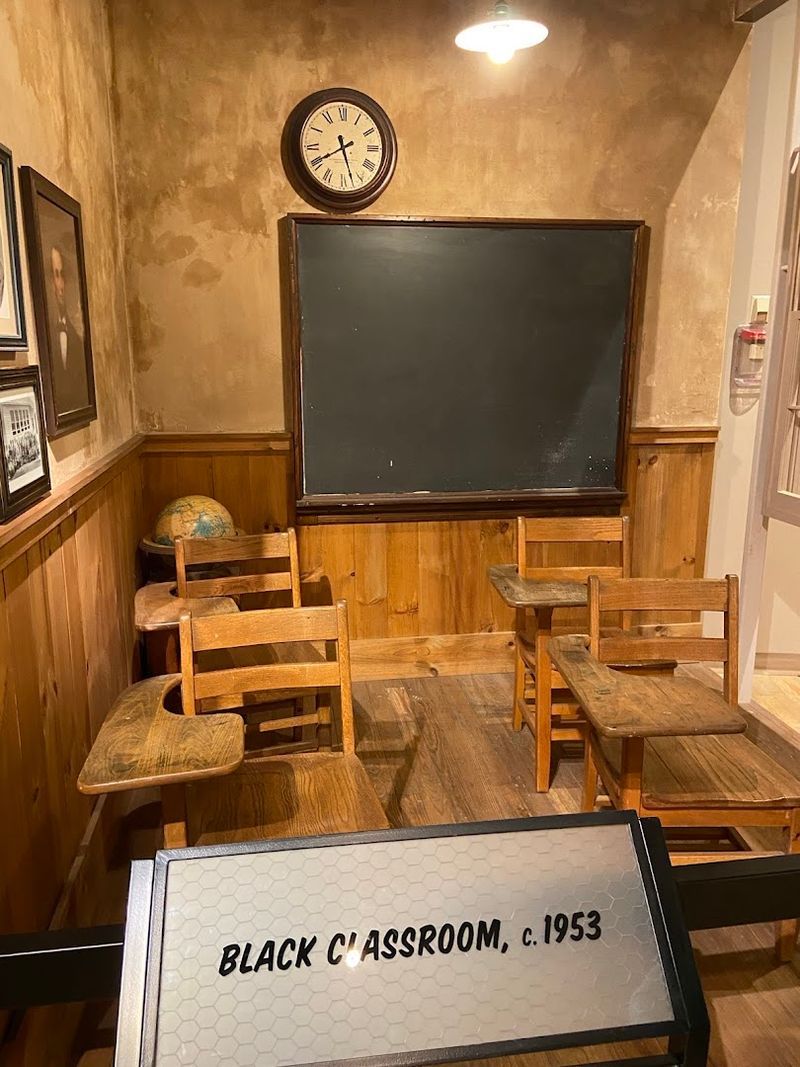
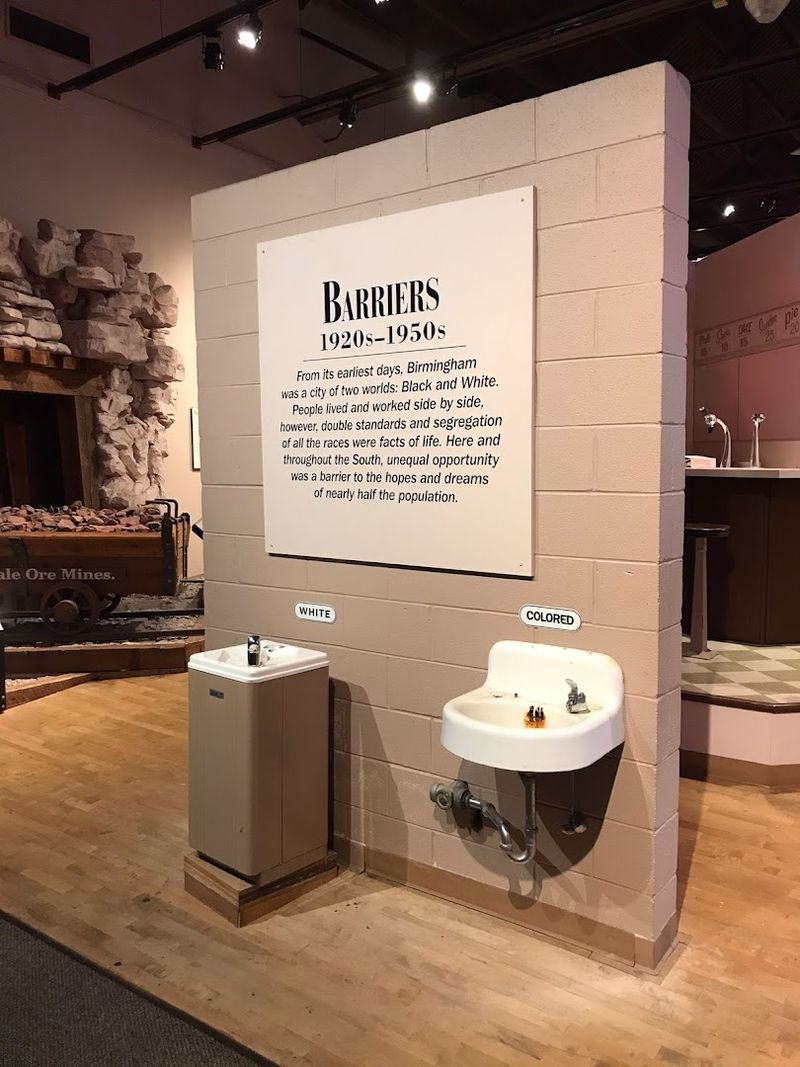
The rooms with everyday artifacts are the ones that slide under your skin. A bus seat with worn vinyl, a schoolbook stamped with a district mark, a counter stool that still leans a little to one side, all of it feels like someone just stepped away.
You look at the scuffs and they read like timestamps.
What gets me is how ordinary these pieces are, because ordinary is where dignity lives. A uniform patch, a church bulletin, a work ID, they carry the weight of rules that tried to press people small.
When you see the objects together, the policies stop being abstract, and you realize the scale of inconvenience designed to wear people down.
There is a photo of a family in their Sunday clothes that I swear slows the air around it. You cannot help comparing it to your own small routines, and that is when the past tilts forward.
Alabama becomes less a setting and more a house where every room held a specific kind of courage, repeated day after day without an audience.
Protest Strategy And Why The Tactics Mattered
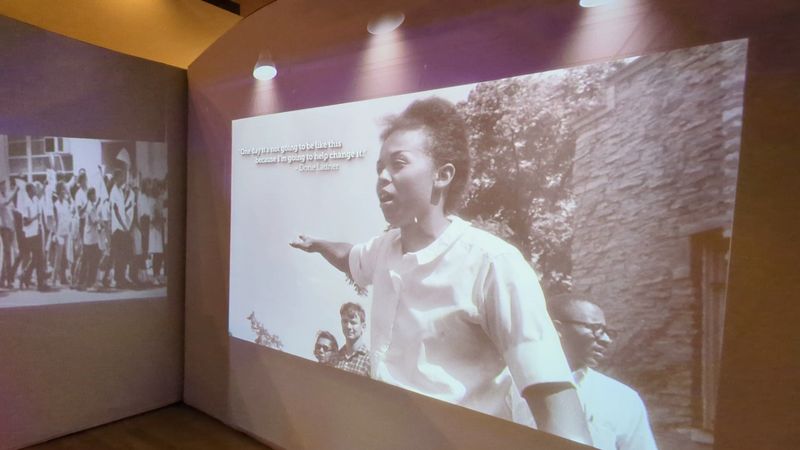
The strategy room is where the noise in your head sharpens into focus. On the walls are flyers, route maps, and training notes that turn marches from legend into logistics, and it is strangely moving to see courage broken into steps.
You read how volunteers practiced calm responses and it reframes bravery as discipline, not just adrenaline.
There is a panel on roles, from marshals to legal observers to the folks who handled rides home. The plan included contingencies, community support, and clear goals that could be measured through behavior.
Seeing that, you realize the narrative was never just spontaneous outrage, it was organized love with boundaries and tools.
What mattered about the tactics was how they challenged the story told about order. By staying nonviolent, protesters put the burden of escalation on those who claimed to defend peace, and that contrast showed up in every photograph.
In Alabama streets, that clarity changed minds far beyond the city, because strategy traveled faster when it looked like simple decency held steady under pressure.
Police Response Stories That Reframe “Order” And “Safety”
This section is hard and necessary, and the curation treats it with care. Glass cases hold equipment, headlines, and statements side by side, and the effect is not spectacle but evidence.
You read a line from a report, then a witness account, and the gap between them asks you to sit with the word order a little longer.
The photos are steady rather than sensational, which somehow makes them land deeper. You see posture, distance, and the edges of a street where choices became policy in real time.
The narrative does not shout, it just places the pieces until you build the picture yourself.
Walking through, you feel how the definition of safety changes depending on who gets to speak first. The exhibit gives that microphone to multiple voices, and it lets the contradictions breathe without smoothing them.
In Alabama, that reframing travels beyond the gallery, because once you have weighed those accounts, you start noticing how the same language works in your own city too.
Kids And Students, The Part Visitors Never Forget
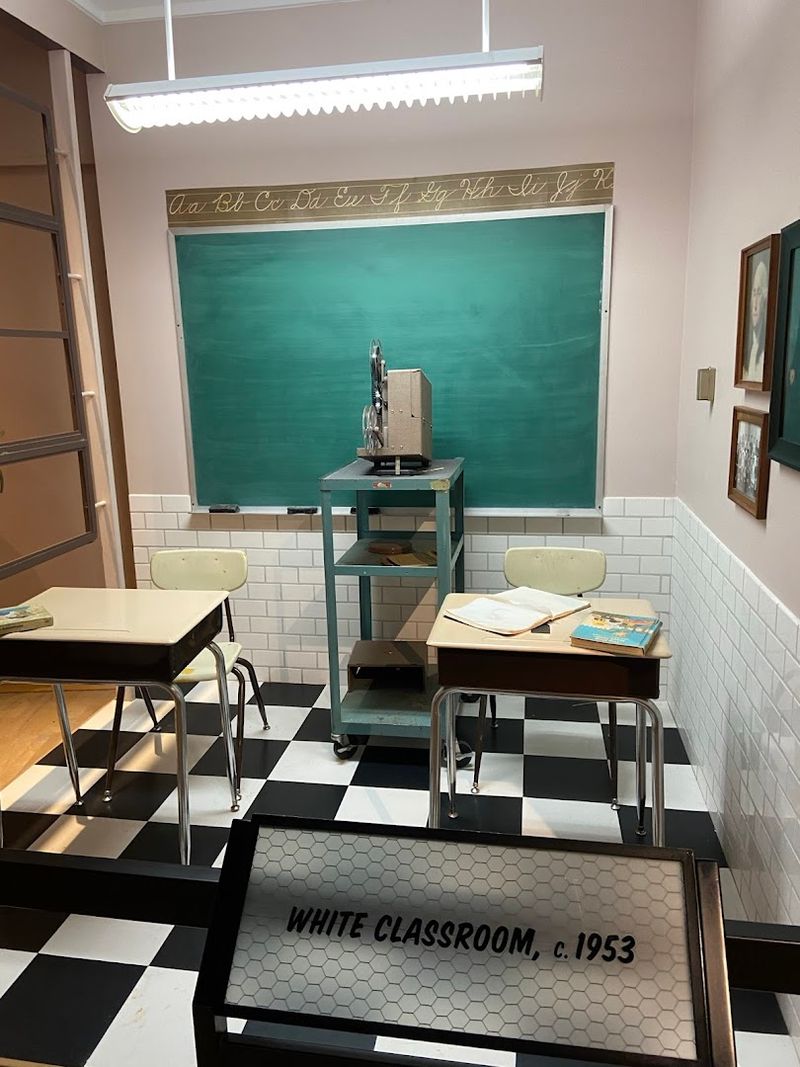
The youth section sneaks up on you and then stays with you the rest of the day. Photos of students line the walls, and the faces are determined in a way that knocks down the distance between then and now.
Listening stations play voices that sound young and certain, and you find yourself leaning closer.
There is a careful balance here that avoids turning bravery into spectacle. The curators frame kids as strategists and partners, not props, and that shift changes how you read the whole movement.
You realize classrooms and church basements functioned like planning labs, where courage learned how to walk in a straight line.
I think this is why visitors remember this part the most. When you see small hands holding signs, the idea of risk lands in sharper detail, and the scale of community comfort grows visible.
Alabama is all over these stories, but the recognition is personal, because you can picture the hallway at your own school and who might have stepped forward.
Media, Photos, And How The Story Traveled Nationwide
There is a room where the walls feel like a printing press still cooling. Front pages line up in chronological waves, cameras sit in cases like sturdy witnesses, and monitors loop segments that moved the story beyond Alabama.
You can almost hear the thrum of editors deciding which image would carry the day.
The display makes a clear point without lecturing. When the nation saw calm faces facing down pressure, the gap between claimed order and practiced brutality came into painful focus.
The museum lets you stand there long enough to track how a single frame ricocheted across living rooms and shaped what people believed.
I like how they include captions about framing, cropping, and whose voices were missing. That honesty makes the gallery feel less like victory lap and more like media literacy in action.
By the time you step out, you are carrying a quiet reminder to ask who is holding the camera and what stands just outside the shot.
Quiet Rooms For Reflection And What People Say After
After the heavier rooms, the quiet spaces feel like a breath you finally finish. Benches sit along a low wall, soft light warms the floor, and short quotes float on the paint like steady anchors.
You watch people settle, read a line twice, and then look at nothing for a few long seconds.
The comments book is where you hear the after-voices. Some notes are careful and tidy, others sprawl with emotion, and together they sound like a roomful of murmurs from different corners of the country.
No one is performing, they are just trying to match words to a shift they can feel but not fully name.
I always think reflection rooms are the secret heart of a museum day. Here, they give your mind time to file the images and your body time to let go of the tightness in the shoulders.
You leave carrying less noise and more clarity, which might be the most powerful takeaway Alabama can hand you in a single afternoon.
Visit Tips, Timing, Nearby Stops, And Leaving With A New Lens
If you can, arrive early and give yourself space to move slowly without watching the clock. Start in the first gallery, step outside to Kelly Ingram Park for a short reset, then come back in for the deeper rooms once your pace has settled.
A loop like that keeps you steady and makes the final sections land cleanly.
Bring comfortable shoes and the sort of curiosity that welcomes quiet. Check the institute’s calendar before you go, because programs can shape how you plan your route and how much time you keep for reflection.
Nearby, walk past 16th Street Baptist Church and take a moment with the facade before heading back.
When you step out for the last time, look down the block and try to name what feels different. For me it is usually the street noise, because it sounds like ordinary life carrying brave echoes.
That lens stays with you all the way across Alabama and back home, where the same questions wait on your own corner.
Dear Reader: This page may contain affiliate links which may earn a commission if you click through and make a purchase. Our independent journalism is not influenced by any advertiser or commercial initiative unless it is clearly marked as sponsored content. As travel products change, please be sure to reconfirm all details and stay up to date with current events to ensure a safe and successful trip.
