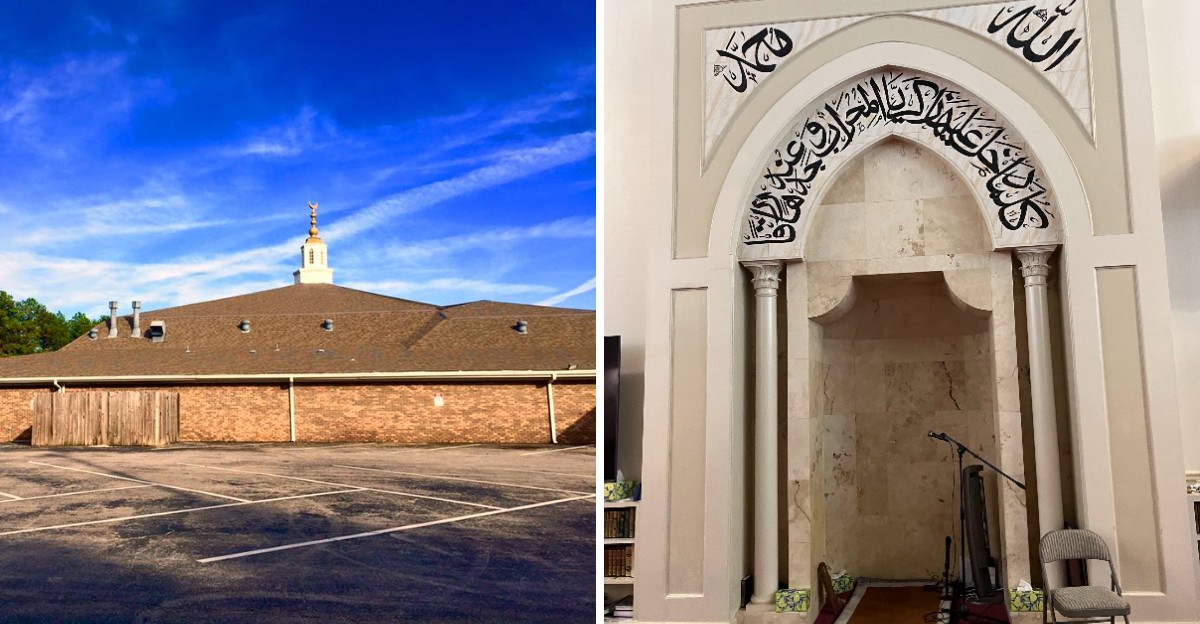
A church building became a mosque, and the first Friday prayer inside happened just three days after Christmas. That timing alone makes me smile.
The community behind it spent years praying in rented rooms. In 2006, members voted together to buy a building of their own.
Then they spent about a year renovating it.
I like how practical this story is. Nobody waited for a perfect brand-new structure to appear.
They found a solid building in Alabama and made it fit their needs.
Today the place holds up to 500 worshippers and sits on more than six acres. It also runs classes, hosts weddings, and opens its doors to curious neighbors.
From Rented Rooms to a Front Door of Their Own
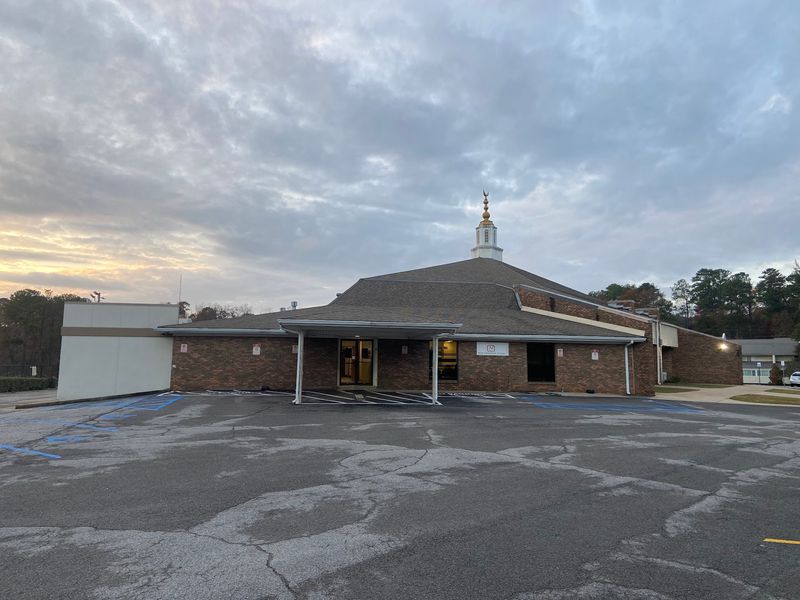
Renting a prayer space works, but it rarely feels like home. The Muslim community behind the Hoover Crescent Islamic Center knows that feeling well.
The story starts with the Birmingham Islamic Society, founded in 1990. Local Muslims wanted a shared place to worship, and the group grew steadily from there.
Over the years, the society used several spaces. It operated a mosque near the University of Alabama at Birmingham.
Later, it bought a larger property in Homewood in 1996.
The Homewood site housed the Islamic Academy of Alabama. It also served as the main center for a long stretch.
Still, families in the Hoover area needed something closer.
In 2003, the community set up a musallah, which is a prayer space, inside a rented facility. It filled a real need.
But rented rooms come with limits on space, schedules, and long-term plans.
So the group made a bold move. In 2006, members voted together to buy an existing church building.
That vote turned a temporary arrangement into something permanent.
I love that the decision came from the whole community. It wasn’t one donor or one leader acting alone.
Everyone had a say in where they would gather next.
A Year of Renovations Before That First Friday Prayer
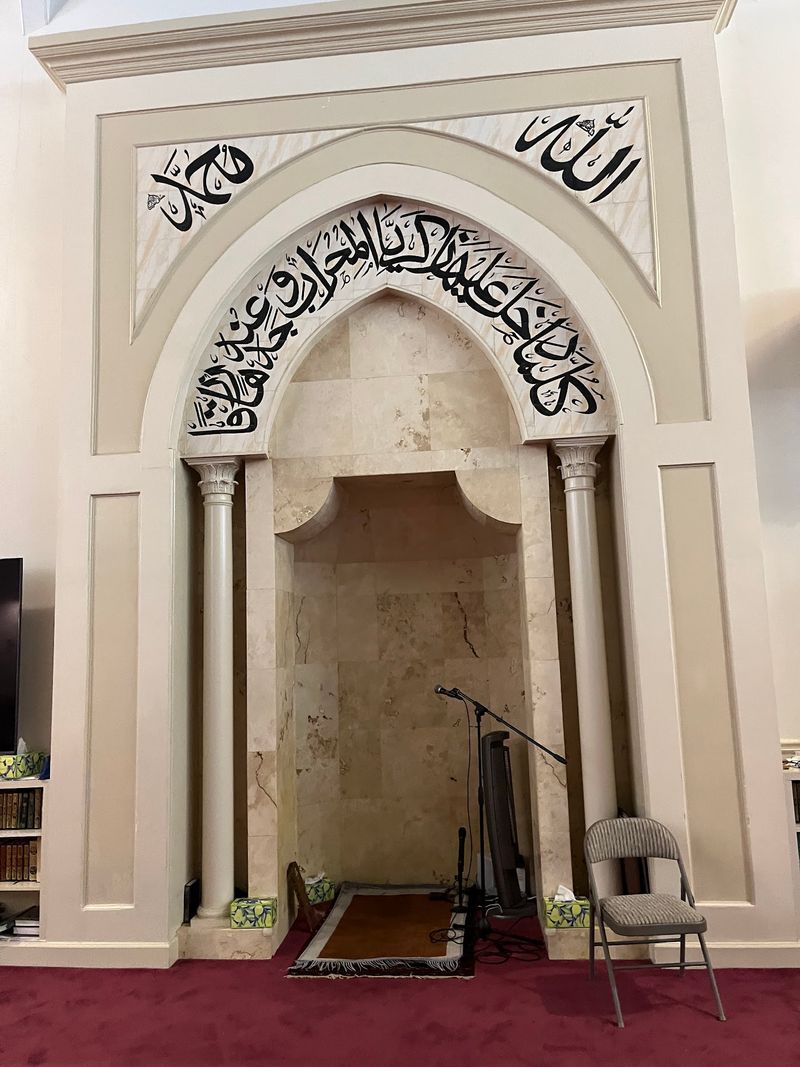
Buying the building was only step one. Turning a church into a working mosque took about a year of renovations and careful preparation.
Think about everything a mosque needs that a church usually doesn’t. Prayer must face a specific direction.
Worshippers need places to wash before prayer. Shoes need somewhere to go.
The team tackled those changes and more. When the work wrapped up, the building officially became an Islamic center with a new purpose.
Then came the big day. The first Jummah, or Friday congregational prayer, took place on December 28, 2007.
That’s a memorable way to close out a year.
I can’t imagine the mix of relief and joy in that room. After years of borrowed space, people finally prayed in a place they owned.
That kind of milestone sticks with a community for decades.
The renovation also says something about reuse. Instead of tearing down a sound building, the community gave it a second life.
Walls that once held one faith now hold another, still serving people gathering to worship.
Honestly, that’s a pretty neighborly way for a building to keep doing good work in Alabama.
Room for 500 Worshippers Under One Roof
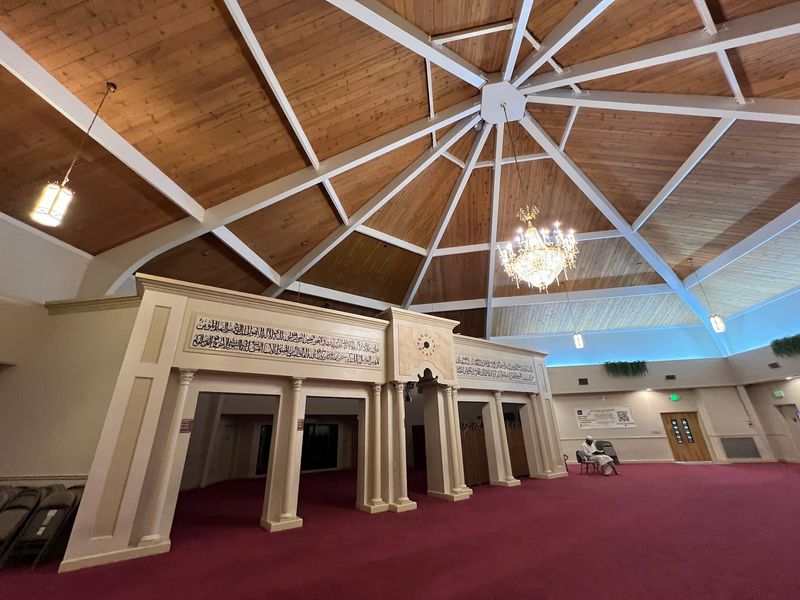
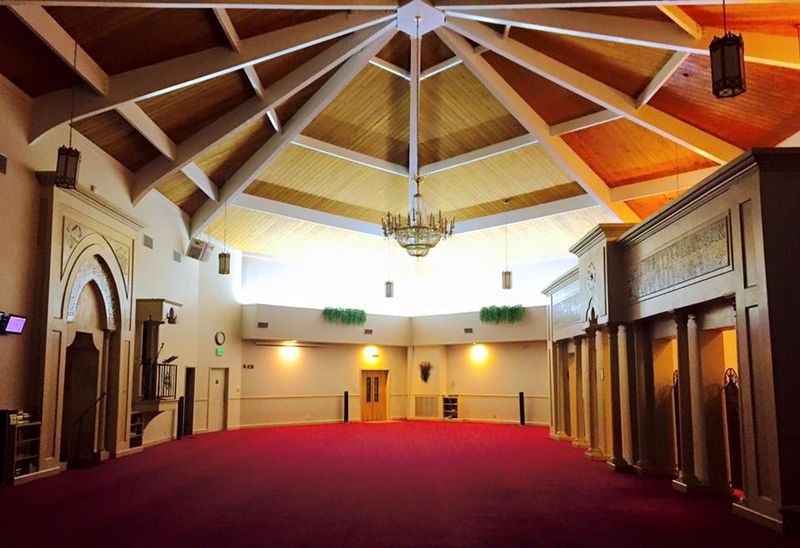
Five hundred people. That’s how many worshippers the main prayer hall at Hoover Crescent Islamic Center can hold at once.
The whole facility covers about 13,000 square feet. The prayer hall is the heart of it, and it was built for big gatherings.
That size matters most at peak times. Friday prayers draw crowds, and holidays draw even more.
A spacious hall means fewer people squeezed into hallways or overflow corners.
A dedicated prayer and seating area for women is also part of the layout. Families can attend together and still have the spaces their worship calls for.
The center is known for clean, well-kept facilities. That attention helps create a calm, peaceful mood for prayer and reflection.
Here’s a small tip for newcomers. Prayer halls are carpeted, and shoes come off before you enter.
Wearing clean socks is a simple courtesy that everyone appreciates.
It’s also smart to dress modestly. Covering shoulders and knees is a safe choice for any visitor.
Women may want to bring a scarf.
None of this is complicated. A little preparation just helps you feel comfortable in a room built to welcome hundreds.
Six and a Half Acres and Parking That Actually Works
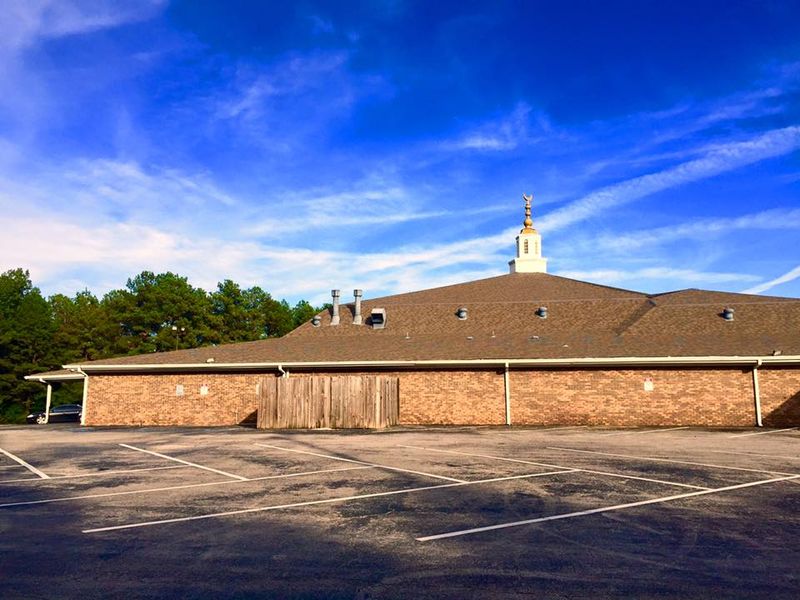
Parking stress before prayer is a real thing. Luckily, this campus offers space for up to 200 cars.
The property stretches across 6.5 acres. That’s a lot of breathing room for a suburban worship center, and it shows in how easily the site handles crowds.
You’ll find it at 2524 Hackberry Ln, Hoover, AL 35226. Hoover sits just south of Birmingham, so the center is easy to reach from much of the metro area.
Hackberry Lane is also home to other places of worship. It’s a road where several faith communities share the neighborhood.
The building is wheelchair accessible, which makes a big difference for older members and anyone with mobility needs. Getting from car to prayer hall shouldn’t be a struggle.
Planning a visit between prayer times? The doors may not always be open.
A quick call ahead using the number posted at the building can save you a wasted trip.
Friday afternoons bring the biggest gatherings, so arrive early if you’re attending Jummah. More cars mean more walking, even on a lot this size.
That’s still a nicer problem than circling a rented strip-mall lot.
Washing Stations, Shoe Racks, and Other Smart Details
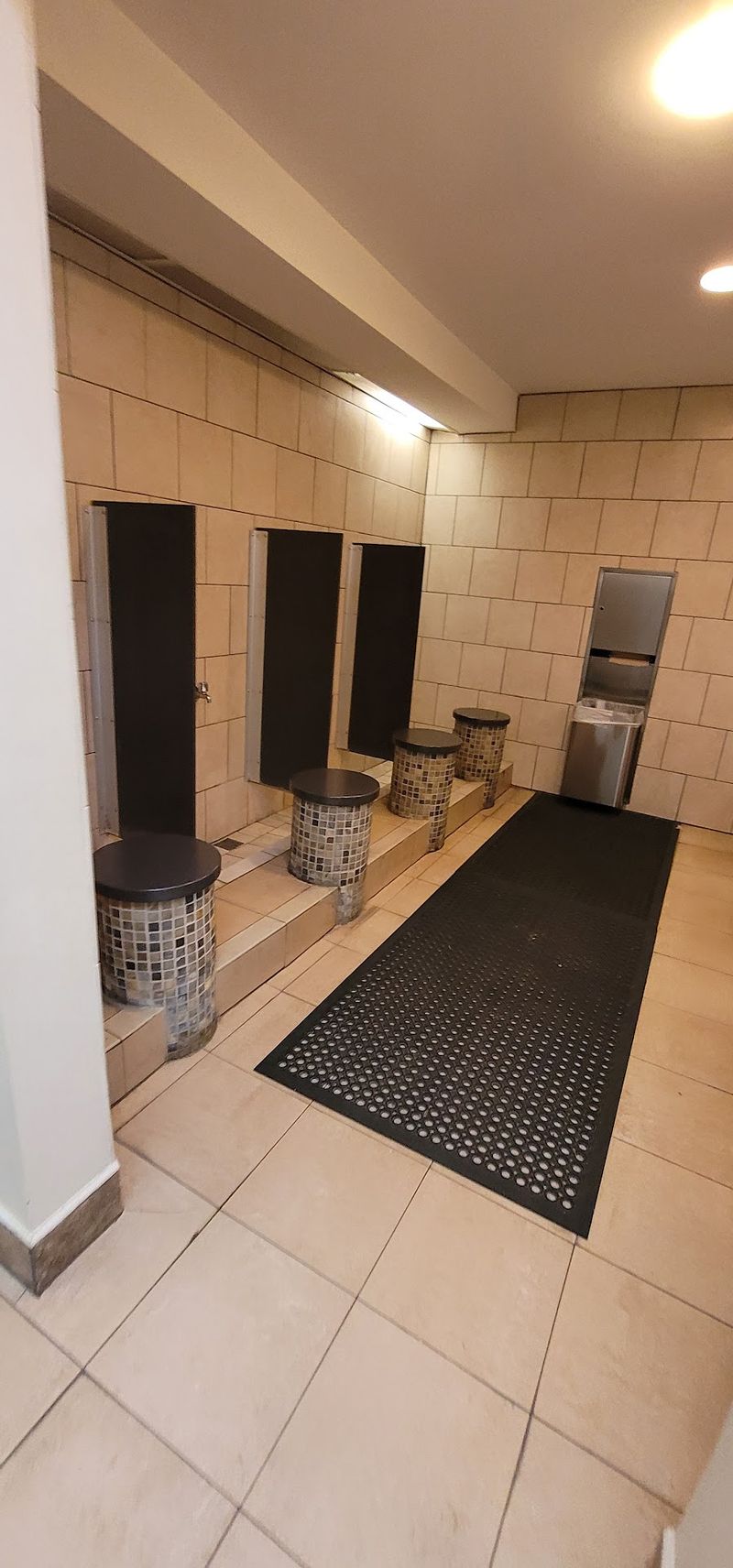
Ever wonder what a mosque needs that most buildings skip? At the Hoover Crescent Islamic Center, the answer is built right into the restrooms.
Muslims perform wudu, a ritual washing, before prayer. Hands, face, arms, and feet all get rinsed.
So the center’s restrooms include ablution stations made for that purpose.
Designated shoe storage areas keep footwear organized near the entrance. With hundreds of people arriving at once, that’s no small thing.
Nobody wants a mountain of sneakers blocking the door.
Free wireless internet is available too. It’s a handy perk for students, parents waiting on classes, or anyone checking prayer times.
The building also has administrative offices. In fact, the center serves as the current administrative hub for the entire Birmingham Islamic Society.
Decisions for the wider network happen right here.
A library rounds out the practical features. Books give people a quiet way to learn more about faith and history between activities.
None of these details are flashy. But together, they show a building shaped carefully around daily worship.
That’s the real payoff of owning your own space instead of making do with a rental.
Weekend School Keeps the Classrooms Busy
Weekends here aren’t just for sleeping in. Furnished classrooms fill up with students learning about faith, language, and more.
The center offers a weekend school for young people. Classes cover the Quran, Sunday school lessons, and language instruction.
For many families, that’s a big part of passing traditions to the next generation.
Learning isn’t only for kids, either. The center has offered a class for people new to Islam that walks through the basics.
Starting fresh is easier with a patient guide.
This focus on education fits the center’s bigger goal. It aims to be both a place of worship and a teaching institution.
The mission reaches beyond members. Anyone interested can learn about Islam, its teachings, history, and culture.
That open approach makes the center a resource for the wider Hoover area.
Curious students writing a report might find it especially helpful. So might teachers planning lessons on world religions.
I believe education is one of the best ways to build understanding between neighbors. Real conversations beat guesswork every time.
Having classrooms ready and waiting makes those conversations much easier to start.
Many Countries, One Tight-Knit Congregation
Members trace their roots to Arab countries, the Indian subcontinent, and right here in the United States. That mix gives the congregation a wonderfully global feel in suburban Alabama.
Most worshippers follow Sunni Islam. Still, the center welcomes those who practice Shi’a Islam as well.
That openness helps people from different paths pray side by side.
The community is often described as tight-knit. Strong ties form when people share classes, holidays, and life events in the same building.
Services support those big moments. The center handles nikah, or wedding services, and janazah, the Islamic funeral services.
Counseling is also offered for members facing hard times.
The hall is available for rent too. It works for events and weddings, so celebrations can happen under the same roof as weekly prayers.
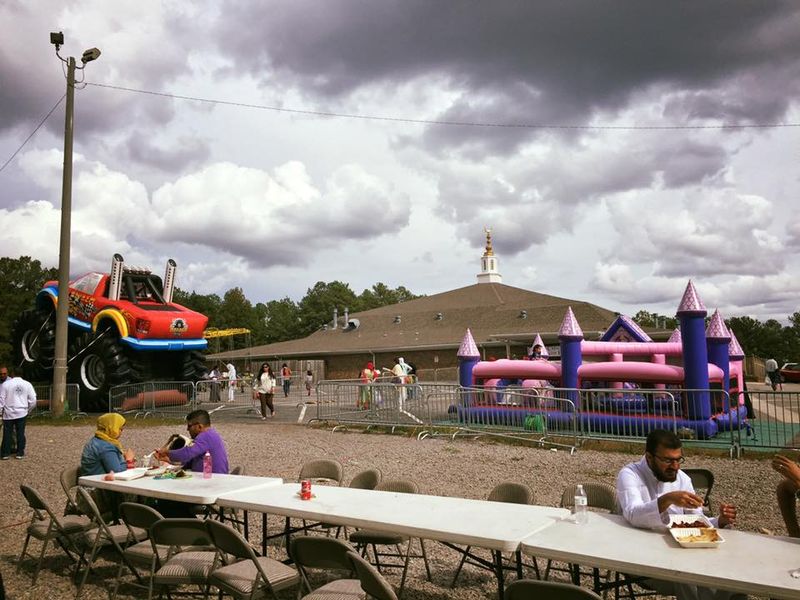
During Ramadan, the center has served free iftar, the evening meal that breaks the daily fast. Sharing food after a long day without eating builds friendships fast.
A community this varied could easily split into small groups. Instead, it seems to find common ground in worship and service.
That’s a lesson plenty of places could borrow.
Helping Neighbors Through the Day of Dignity
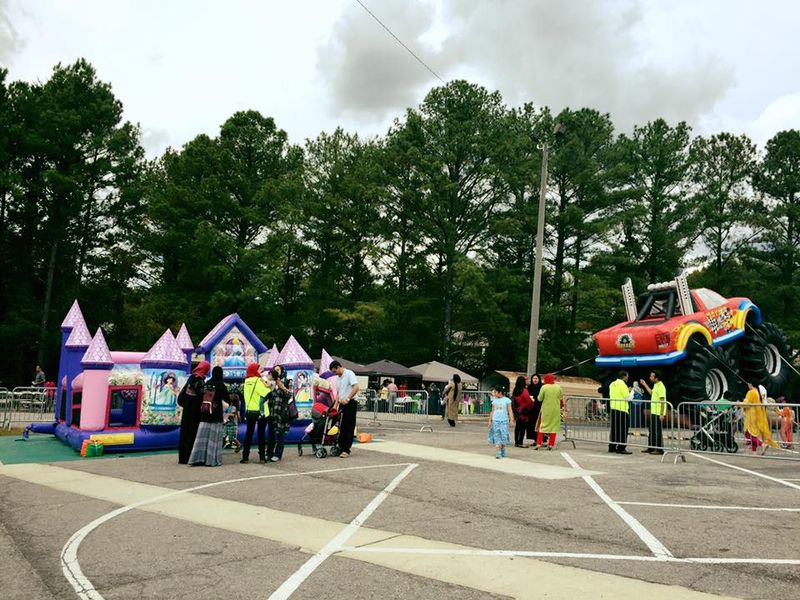
Faith shows up in actions, not just words. The Day of Dignity puts that idea to work.
The center organizes this event to assist the less fortunate in society. It’s a way for members to roll up their sleeves and serve people who are struggling.
Service like this connects to core Islamic teachings. Charity and caring for the needy are central parts of the faith.
So an event focused on dignity feels like a natural fit.
The name says a lot, too. Help is offered with respect, not pity.
Everyone deserves to feel valued, especially during a rough season.
Want to get involved? Reaching out to the Birmingham Islamic Society is the best first step.
Volunteers often make or break events like this.
Kids can learn a lot from joining in. Sorting supplies or greeting guests teaches kindness in a hands-on way that no worksheet can match.
I like that the center looks outward. A building full of prayer is good.
A building that also sends people out to help their neighbors in Hoover is even better.
Non-Muslim Visitors Get a Genuine Invitation
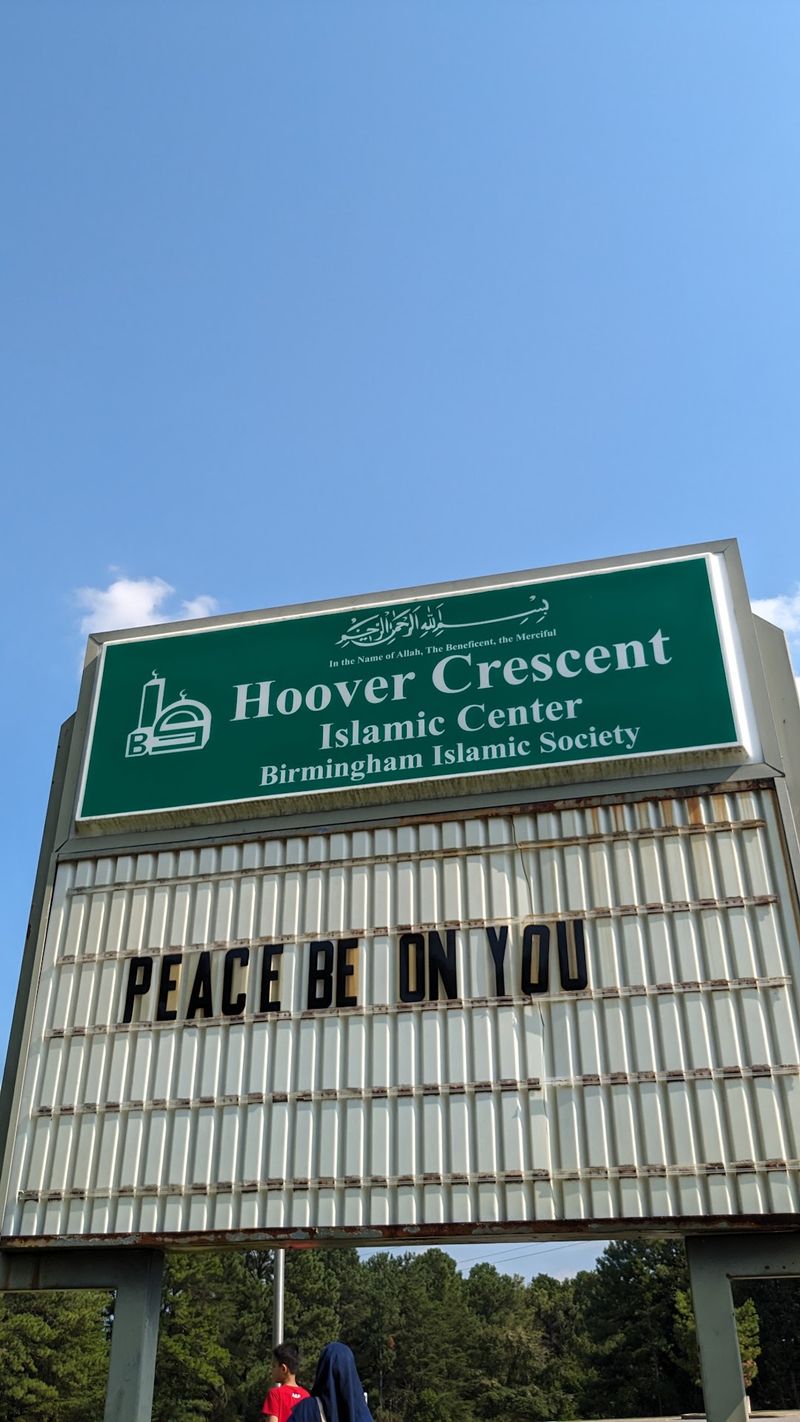
Plenty of people drive past a mosque and wonder what happens inside. At Hoover Crescent Islamic Center, curiosity is actually welcome.
The center invites non-Muslim members of the community to visit and learn about Islam. That invitation is part of its educational mission, not an afterthought.
It also takes part in interfaith programs. These bring people of different religions together to talk, listen, and find shared values.
Civic life gets attention as well. The center has hosted events like candidate forums, giving voters a chance to hear from people running for office.
That’s democracy happening in a former church turned mosque.
A first visit can feel a little nerve-wracking. A few simple steps help.
Dress modestly, remove your shoes before the prayer hall, and stay quiet during prayer times.
Calling ahead is a smart idea too. Staff can point you toward a good time to drop by or an upcoming open event.
The story here started with a community needing a home of its own. Now that home in Alabama opens its doors right back.
Honestly, that’s a pretty great way for this chapter to keep going.
