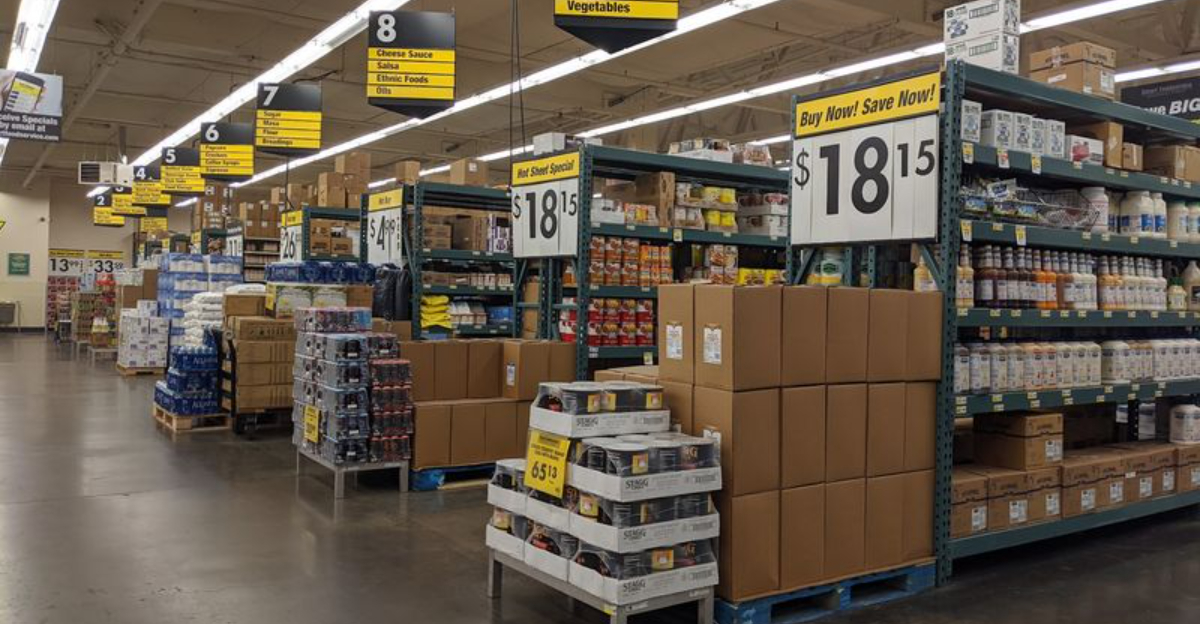
Regular grocery shopping feels almost pointless after seeing what’s stacked inside this place. Pallets instead of shelves, bulk sizes that make normal portions look laughable by comparison.
Prices drop dramatically once quantities go up, rewarding anyone willing to buy in volume rather than grabbing single items here and there. Families stock up for months and shoppers unfamiliar with warehouse pricing usually walk out stunned by their receipt total.
Oregon shoppers who discover this place rarely go back to paying regular prices elsewhere. Nothing about the experience feels fancy, concrete floors, industrial shelving, exactly what you’d expect from somewhere built purely for function over presentation.
Oregon has plenty of grocery options competing for attention with flashy branding. This warehouse skips all that, letting bulk pricing speak louder than any marketing campaign could.
A Warehouse Built For Restaurant Kitchens, Open To Everyone
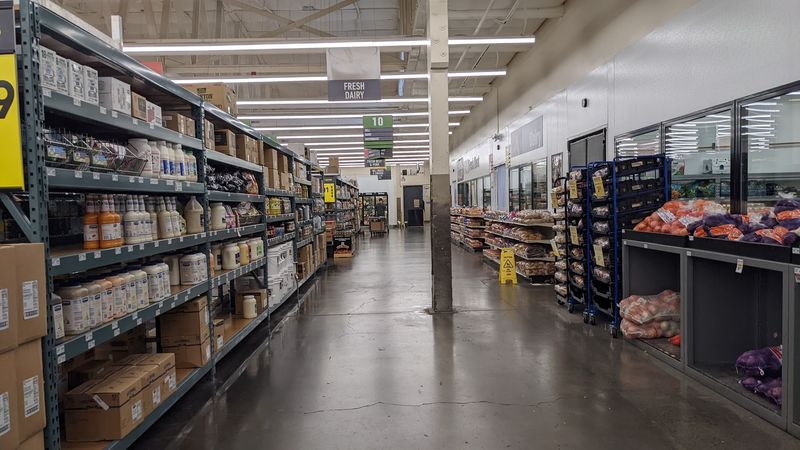
Most people assume a place stocked for restaurants requires paperwork, a business license, or at least a membership card. Not here. Anyone can walk through the doors and shop the same shelves that neighborhood cafes and food carts use.
That single detail changes how the whole trip feels. Instead of squeezing between crowds, shoppers roll carts down wide concrete aisles with room to stop, compare, and actually think.
The layout follows warehouse logic rather than supermarket tricks. Cases sit stacked at floor level, single units rest on shelves above, and signage stays simple and direct.
Regulars mention that the store has changed names over the decades while keeping the same purpose, which explains why longtime Portland cooks still call it by older titles out of habit.
For a first visit, plan a slow lap before grabbing anything. Half the fun comes from spotting products that never appear in ordinary markets, and rushing means missing them entirely.
Bulk Pantry Staples That Make Home Cooks Grin
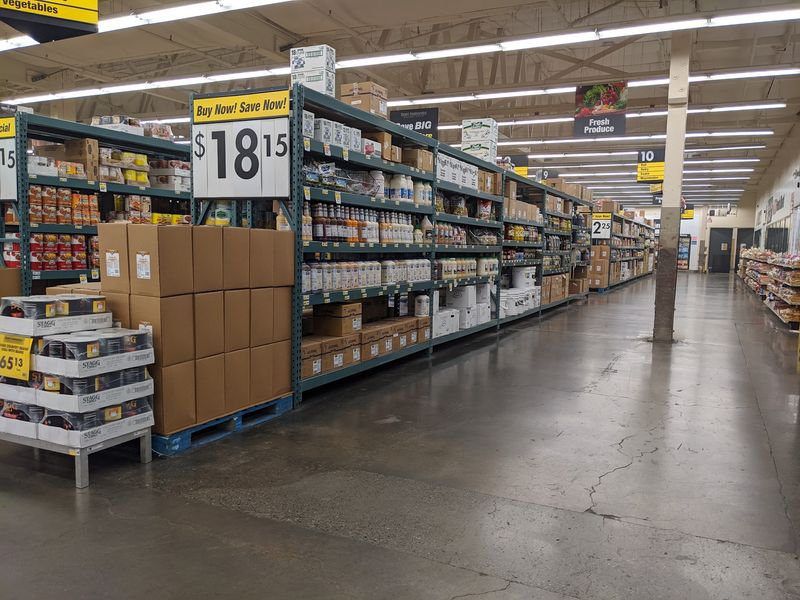
Nothing prepares a person for the sight of a five gallon bucket of peanut butter. It sits there, unbothered, as if a jar that size is completely normal.
Dried garbanzo beans arrive in sacks rather than pouches. Rice, flour, sugar, and lentils fill the same territory, stacked in quantities meant to last through a season of cooking rather than a single week.
Condiments deserve their own moment. Oversized jars of Dijon mustard, industrial tubs of mayonnaise, and fruit preserves in sizes that would embarrass a breakfast table all line the shelves.
Shoppers with small kitchens still find plenty to love, since many items come in mid-sized options rather than only cases. A little planning helps. Bring a tape measure of a mental sort, meaning think about pantry space before committing to something enormous.
Splitting purchases with neighbors or family turns big containers into a smart move rather than a storage headache waiting to happen.
The Meat Counter Locals Keep Coming Back For
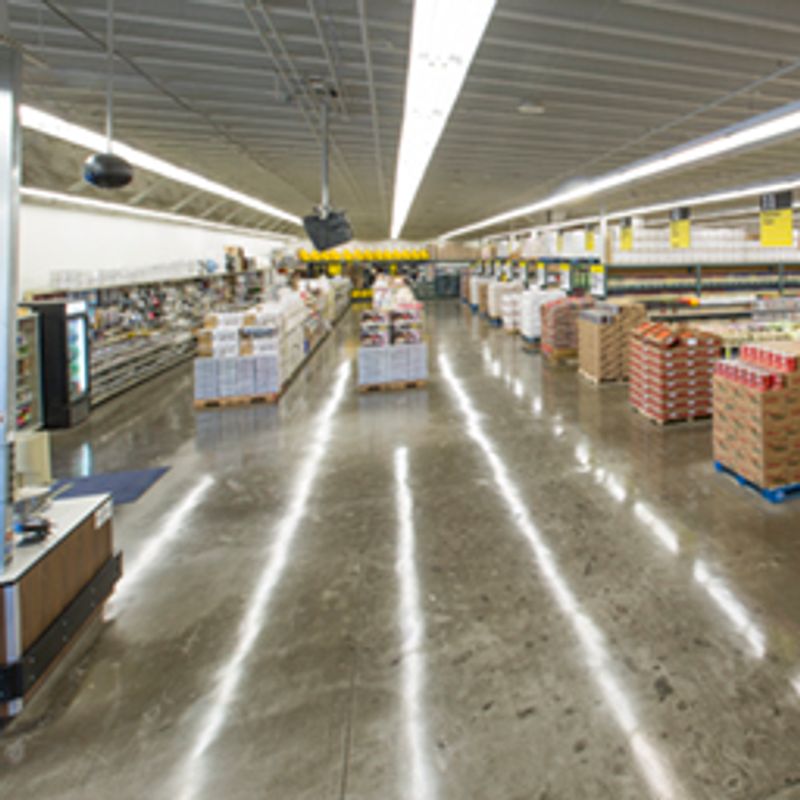
Ask around Portland about where backyard grill enthusiasts shop, and the meat section here comes up fast. Whole cuts, family packs, and case quantities fill the chilled displays.
Shoppers consistently point out how well stocked the coolers stay, and how rarely anything looks tired or near its date. Staff working that area know their cuts and answer questions without rushing.
Barbecue season turns the department into a planning zone. Briskets, pork shoulders, ribs, and burger patties in volume make hosting a crowd far less stressful.
Freezer space matters more than anything else here. Portion large purchases into meal-sized bags at home, label them clearly, and a single trip can cover weeks of dinners.
Camping groups do the same thing, packing coolers with pre-portioned protein before heading toward the Gorge or the coast. Even for a household of two, buying once and freezing smartly beats repeated mid-week grocery runs by a comfortable margin.
Produce Bins Stocked For Serious Cooking
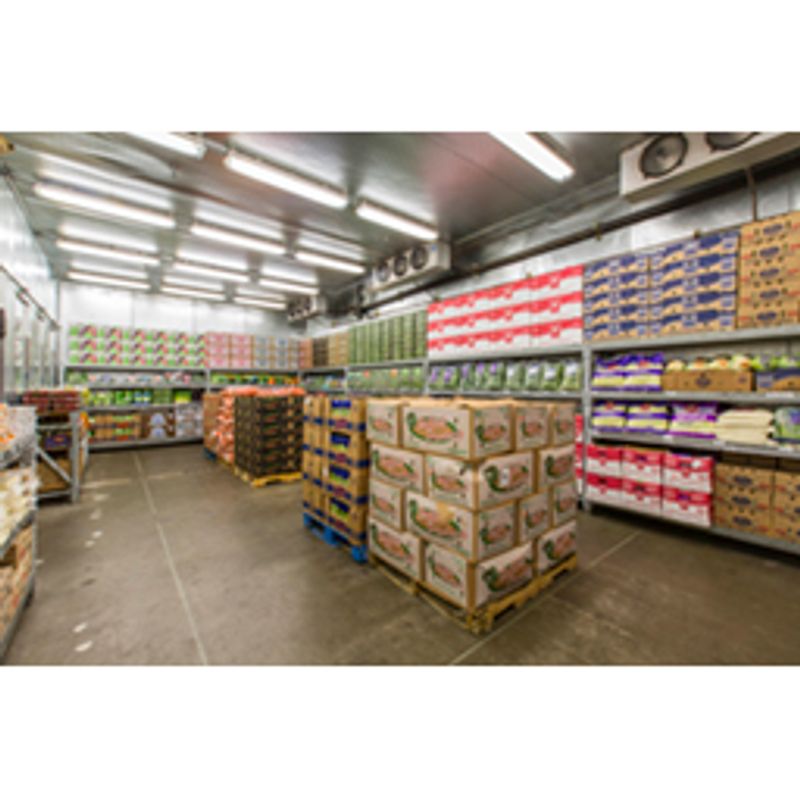
Crates instead of cartons. That is the fastest way to describe the produce area, where onions come in sacks and tomatoes arrive by the case.
Selection leans practical rather than boutique, focusing on the vegetables kitchens actually burn through. Potatoes, carrots, celery, peppers, citrus, and leafy greens hold steady spots.
Anyone making soup for a crowd, prepping salsa in volume, or feeding a family reunion will find the quantities genuinely useful.
Fair warning, though. Fresh items in bulk need a plan, because a twenty-five pound bag of onions does not wait patiently forever. Roasting, freezing, and pickling turn surplus into future meals instead of compost. Portland home cooks often batch-prep the same afternoon they shop.
Pair this stop with a regular market run for the odds and ends, since the store focuses on volume rather than covering every single household item. Used that way, the produce section becomes a genuine budget tool rather than a novelty.
Freezer Aisles Loaded With Party Food
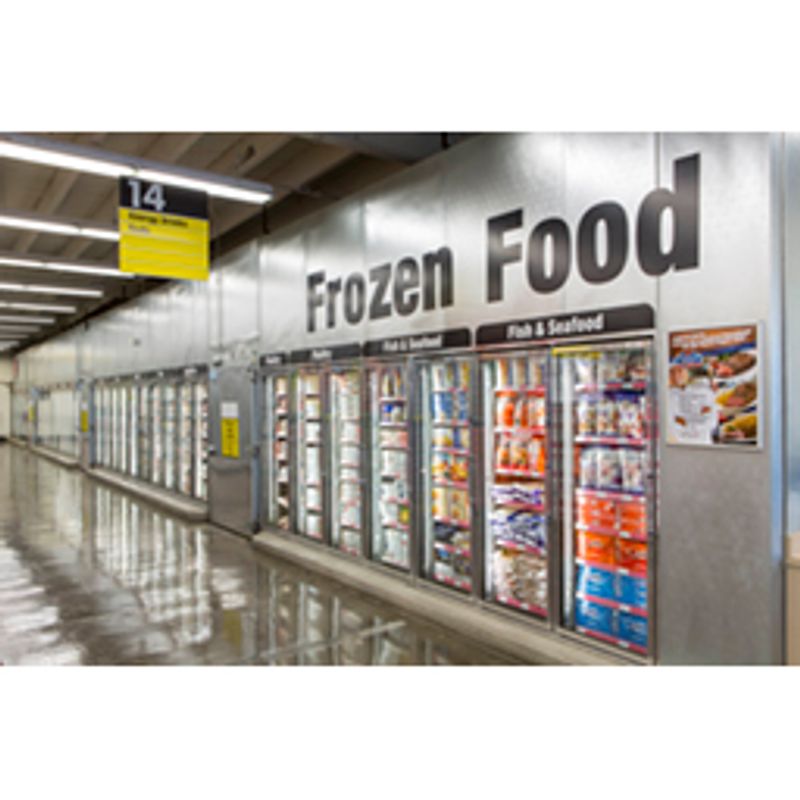
Glass doors stretch down the aisle, fogged just enough to make browsing feel like unwrapping something. Behind them sit bags of fries in sizes that could supply a diner.
Frozen appetizers, breaded favorites, vegetables, seafood, and desserts fill the rest of the space. Cooks planning graduation parties or holiday gatherings tend to linger here longest.
The practical appeal is obvious. Freezer items stretch far past their purchase date, which makes bulk buying feel less risky than fresh goods. Fries alone earn the trip for plenty of shoppers, especially households with teenagers or anyone who owns an air fryer and zero regrets about it.
Bring insulated bags if the drive home takes a while, since Portland traffic has ruined more than one grocery haul. Check what fits in the freezer before shopping, not after. That small step keeps a great deal from turning into a tetris problem at midnight.
Snacks, Sweets And Giant Bags Of Temptation
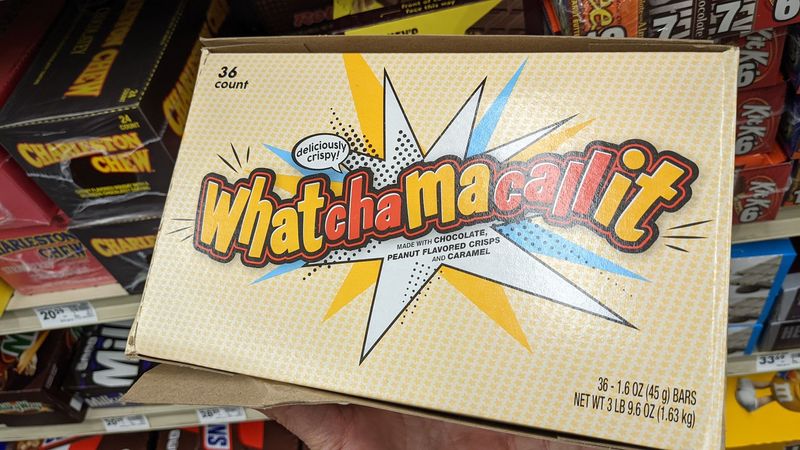
A giant bag of chocolate covered espresso beans is the kind of discovery that makes a person text a friend from the aisle. Shoppers mention it often, and honestly, fair enough.
Candy, chips, cookies, nuts, and dried fruit fill this stretch in packaging sized for concession stands. Office break rooms and classroom parties get stocked here regularly.
Baking supplies sit nearby, with chocolate chips, cocoa, and sprinkles in containers that make holiday cookie marathons far cheaper. Self-control becomes the only real challenge. A bag that big looks reasonable in a warehouse and enormous on a kitchen counter.
Storage jars help, and the store happens to sell those too, which feels either convenient or slightly mischievous depending on the day.
Trail mix builders love the nut selection, since assembling a custom blend from bulk components costs noticeably less than buying pre-made pouches at a standard supermarket.
Cookware, Containers And Kitchen Gear Worth Browsing
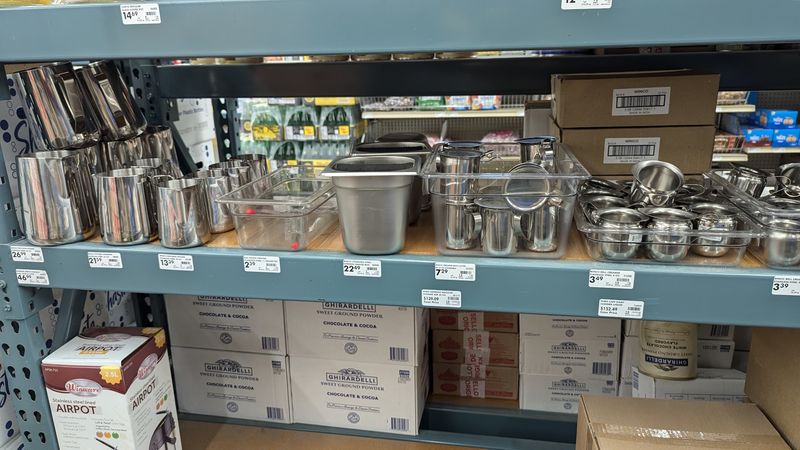
Halfway through a food run, the aisles shift and suddenly there are stock pots big enough to bathe a toddler. Sheet pans, mixing bowls, and stainless steel everything follow.
Restaurant grade dishware sits stacked in neat towers. Plates, glasses, and serving pieces built to survive commercial dishwashers also survive chaotic home kitchens.
Food storage containers might be the most useful section of all. Clear tubs with lids, deli cups, and squeeze bottles keep a pantry organized for far less than boutique organizing shops charge.
Home bakers grab half sheet pans by the pair. Canning enthusiasts stock up on gloves, funnels, and labeling supplies. Durability is the theme throughout, since gear designed for daily restaurant abuse rarely gives up in a household setting.
Anyone furnishing a first apartment or upgrading tired cookware should budget extra browsing time here, because the practical stuff quietly outshines the fancy department store versions.
Hard To Find Items That Reward Slow Shopping
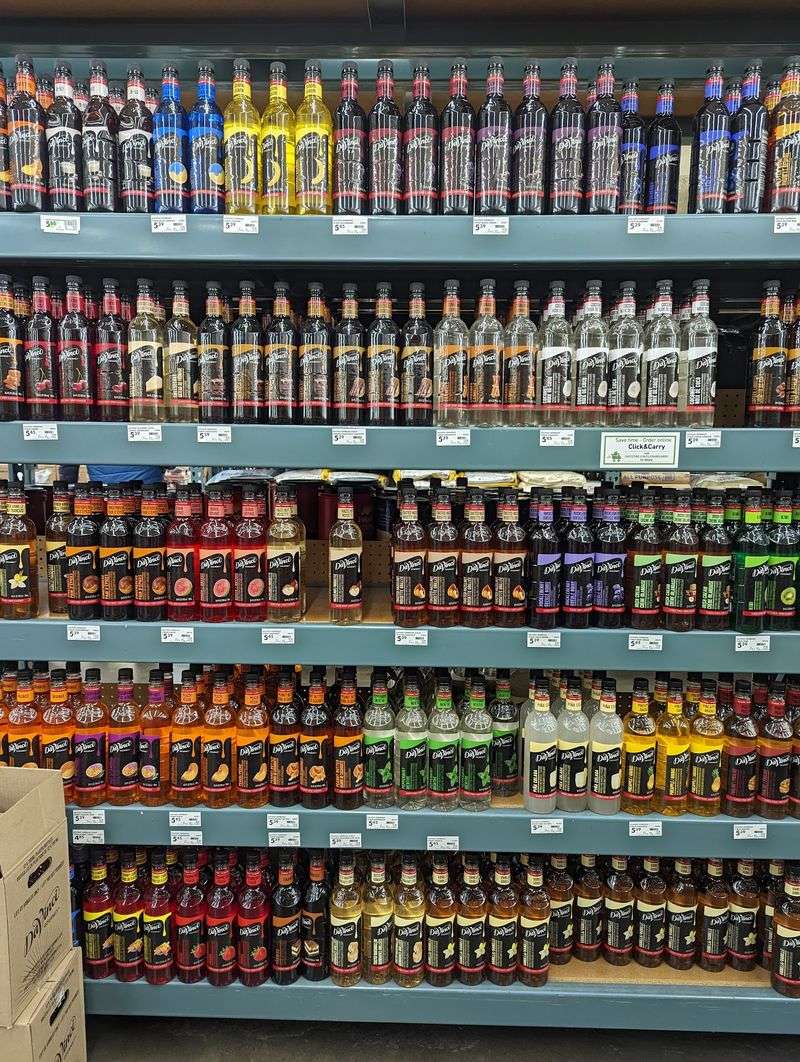
Rushing through means missing the good stuff. Regular shoppers say the same thing, that a careful lap turns up ingredients unavailable anywhere else nearby.
Spices in half-gallon containers, specialty sauces, restaurant-style seasoning blends, and cooking oils in commercial sizes hide among the everyday goods.
Rotating specials add another layer, appearing and disappearing depending on what the warehouse receives that week. Bring a phone for comparison math if that is your style, since some items beat other bulk retailers while others simply offer sizes nobody else stocks.
The staff can order certain products by the case when something is not on the floor, which has helped local cooks track down oddly specific glassware and supplies over the years.
Curiosity pays off here more than a strict list does. Half the joy comes from leaving with something unplanned that changes dinner completely, whether that is a new hot sauce or a spice blend you cannot find elsewhere.
Helpful Staff And A Calm Shopping Pace
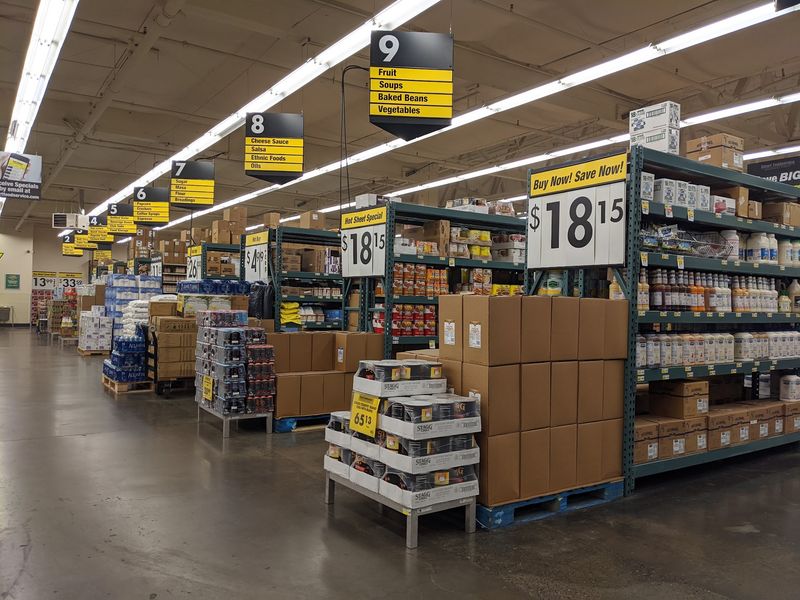
Something about the atmosphere here runs slower than a typical big box run. Aisles stay open, registers move quickly, and nobody feels rushed toward the exit.
Employees come up constantly in conversations about this location. Floor staff point out where things live, cashiers stay friendly, and the meat department crew answers questions with actual knowledge.
Shoppers who have come for two decades still show up, which says plenty about consistency. Cleanliness holds up too, with tidy shelves and organized displays even in the back corners where warehouses usually get messy.
For anyone nervous about wandering into a supply store meant for professionals, the welcome tends to dissolve that worry within minutes. Ask questions freely. Staff know the inventory well and can often suggest a better size or a comparable product when something is out.
That mix of helpfulness and elbow room makes the trip feel productive rather than exhausting.
Planning A Smart Visit To Northwest Portland
Timing makes a difference. Early mornings tend to be quietest, with doors opening at six on weekdays and Saturday, and a later start on Sunday.
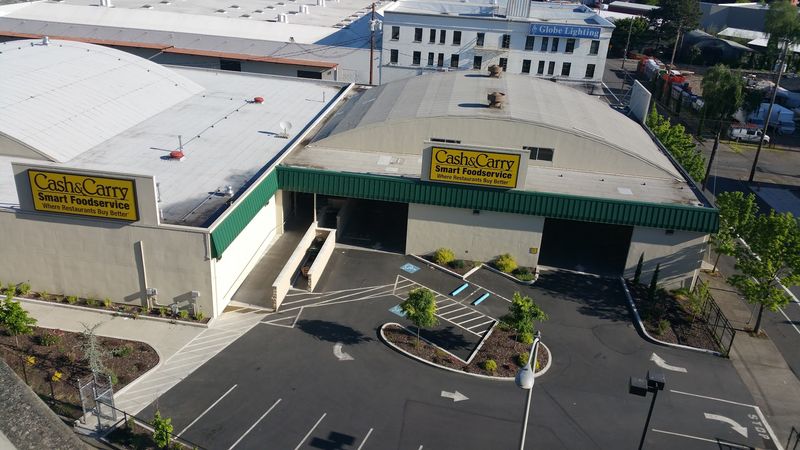
Parking sits on site in the store garage, which counts as a small miracle in this part of the city. Spaces get tighter during busy stretches, so a weekday visit helps. Bring reusable bags or sturdy boxes, since bulk purchases outgrow ordinary sacks quickly.
Treat the trip as a supplement rather than a full grocery replacement. Stock up on proteins, staples, frozen goods, and supplies here, then fill gaps at a neighborhood market.
The surrounding Northwest neighborhood makes a nice pairing, with plenty of cafes and shops within a short drive for a post-shopping break. Find it at 1825 NW 19th Ave, Portland, OR 97209, United States, tucked into a low key block that keeps the crowds pleasantly thin.
