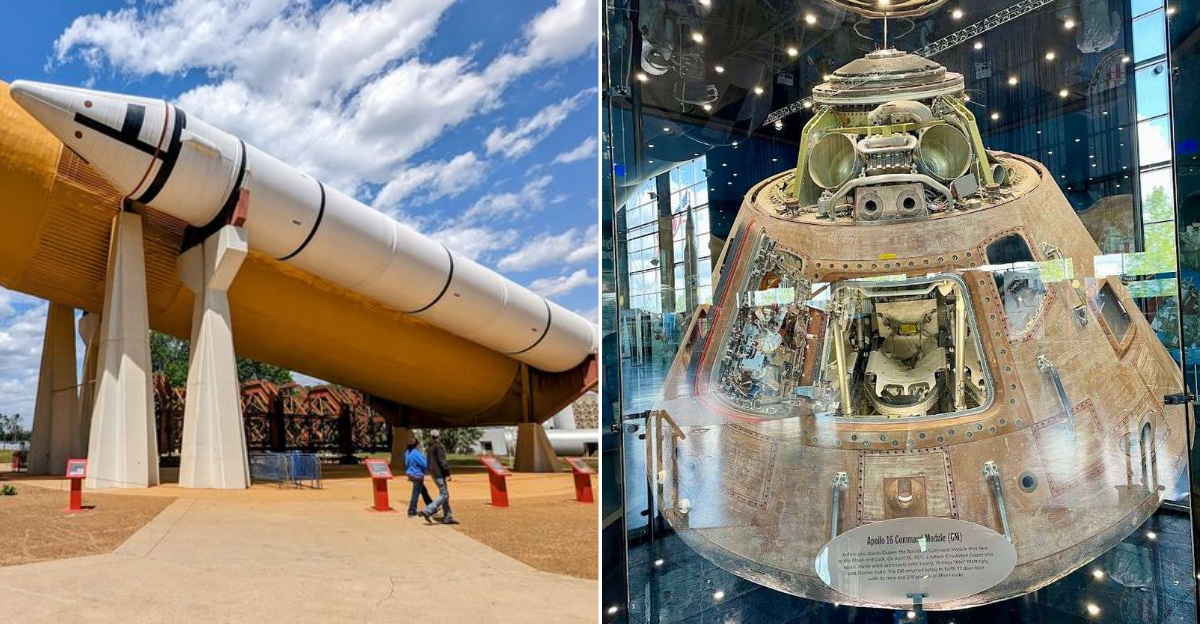
You can touch a piece of the moon without leaving Alabama. That is not a metaphor.
This massive space complex houses real NASA moon rocks behind glass, and you can stand inches from them, staring at a rock that once sat in a dusty lunar sea. But the real thrill comes when you strap into a multi-axis trainer and spin until your stomach flips.
You will climb inside a full-scale shuttle replica, touch a capsule that actually flew in space, and feel what it is like to lose gravity in a chair that tumbles in every direction. Kids run from exhibit to exhibit, and adults suddenly forget their age.
The place is huge, loud, and full of the kind of wonder that makes you want to build a rocket in your backyard. Alabama has a proud space history, and this center lets you live it.
Wear comfortable shoes and prepare to feel like a kid again.
The First Look Outside
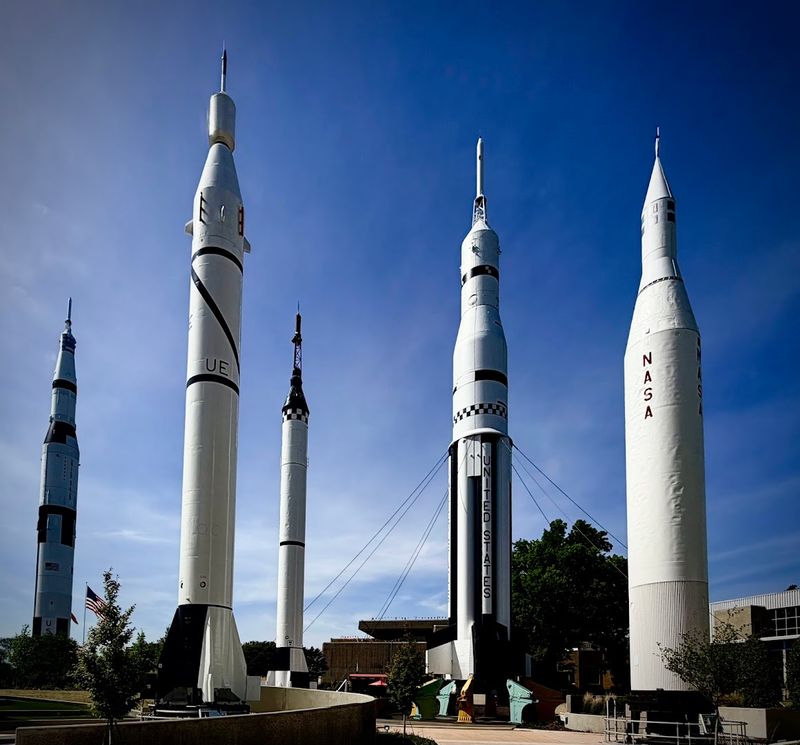
The first thing that hit me was the scale, because the rockets outside do not ease you into anything at all. They just rise out of the Alabama sky like somebody forgot to tell gravity how this place was supposed to work.
Before you even step through the doors, you already feel that little kid part of your brain waking up and pointing everywhere at once.
What I liked is that the grounds feel open enough for you to wander and take it in at your own speed. You can stand back and stare for a minute, then move closer and start noticing the details, like the shape of the engines, the skin of the vehicles, and the way everything suddenly feels less like a school lesson and more like real human effort.
It makes the whole visit feel grounded, even while everything around you is about getting off the ground.
If you are coming with somebody who says they are only mildly interested in space, this is usually where that act starts to fall apart. The outdoor display has a way of making people go quiet for a second, then start asking questions they did not expect to care about.
That is a strong opening, and honestly, the center knows exactly what it is doing with that first impression.
Walking Into The Main Complex
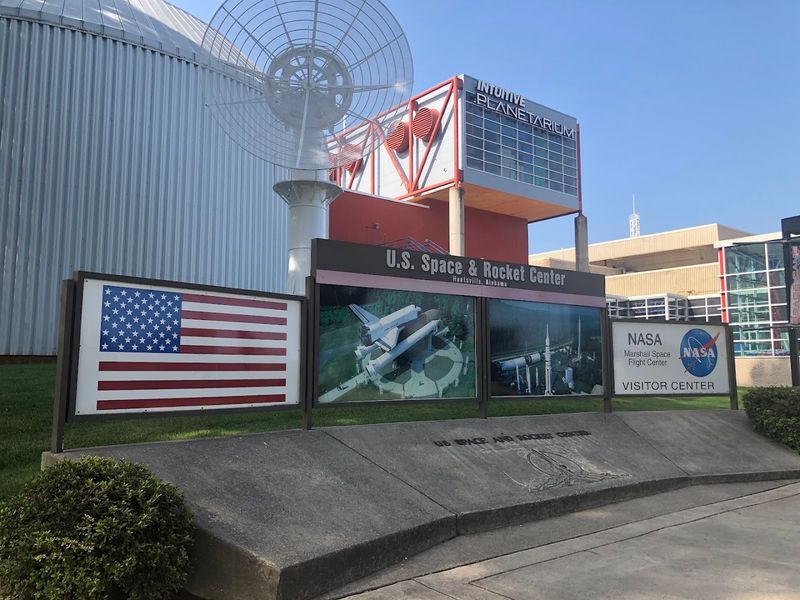
Once you head inside, the whole place settles into focus, and that is when I started realizing how much there is to absorb. The U.S.
Space & Rocket Center sits at 1 Tranquility Base, Huntsville, AL 35805, and somehow that address already sounds like the start of a story you want to keep following. The building feels lively without being chaotic, which makes it easy to get your bearings and decide what kind of day you want to have.
I appreciated that it does not push you into one mood the second you enter. You can drift toward giant artifacts, take your time with exhibits, or just stand there for a second and look around while the excitement catches up with you.
There is a casual rhythm to the place that works really well, especially if you like museums that let curiosity lead instead of forcing a strict path.
That first indoor stretch also gives you a sense of how seriously Huntsville takes its connection to space exploration. You are not just near a collection of objects, but inside a place that is tied to real NASA history and a city that still carries that identity naturally.
It feels local, national, and strangely personal all at once, which is a combination I did not expect to land so well.
Seeing A Real Moon Rock
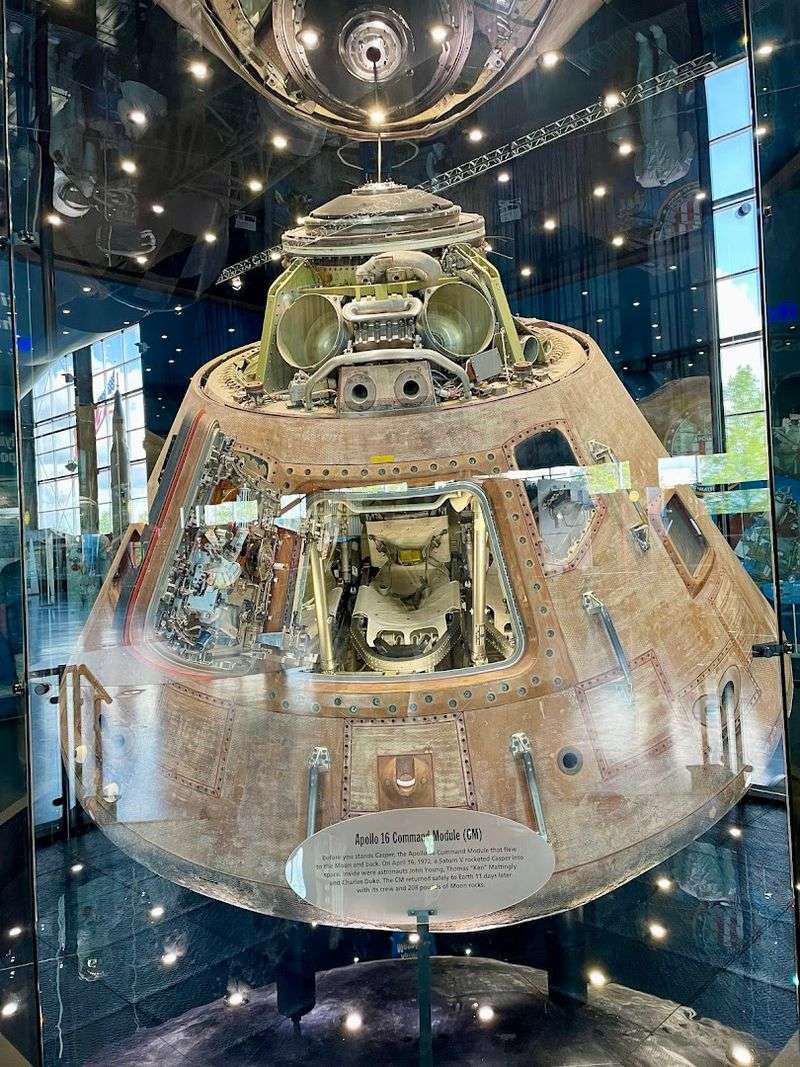
I am telling you right now, seeing a real moon rock changes the whole tone of the visit. It is one thing to read the words and nod along, but it is another thing entirely to stand there and think, that piece was actually on the moon, and now it is sitting in front of me in Alabama.
Your brain tries to make that normal, and it just cannot quite do it.
What surprised me most was how quiet the moment felt. People naturally slow down around it, not because anyone tells them to, but because the idea carries its own weight without needing much help.
You start thinking about distance, about human effort, and about how strange and moving it is that something from that landscape ended up here where ordinary visitors can see it up close.
I also liked that the moon rock is not treated like a gimmick, which would have ruined the magic immediately. It feels respected, thoughtfully presented, and tied into the bigger story of exploration instead of being used as a quick attention grab.
If you only remember one indoor moment from this place, there is a very good chance it will be this one, because some objects really do bring the whole history into focus at once.
The Rocket Hall Feeling
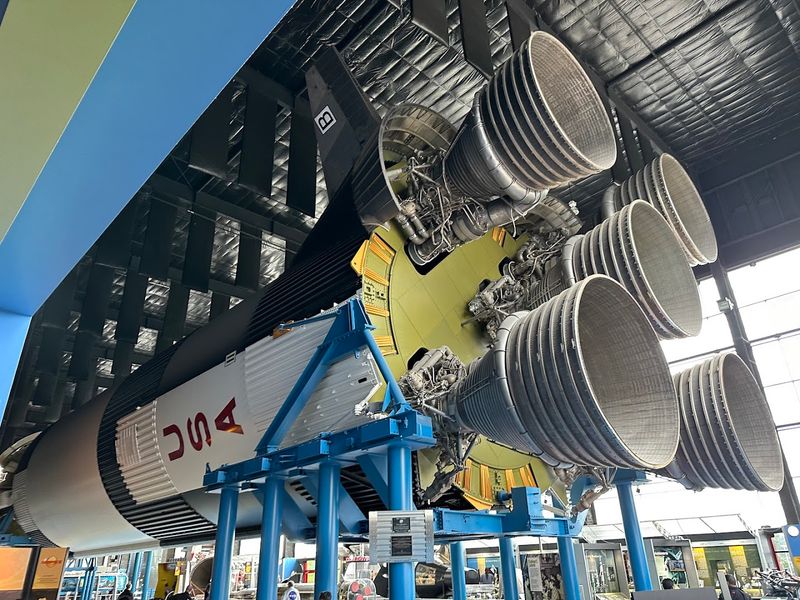
You know that feeling when you walk into a room and your neck immediately tilts back before you even mean to do it? That is the rocket hall effect, and it works fast.
The vehicles around you are so large and so physical that spaceflight stops feeling abstract and starts feeling like a loud, complicated, deeply human undertaking.
I loved how the gallery lets the machines speak for themselves without overcomplicating the mood. The size alone tells part of the story, but the worn surfaces, the engineering details, and the way everything is arranged make you understand how many minds and hands had to come together to get any of this done.
It feels ambitious in the best way, like a record of what happens when people decide a hard thing is worth chasing anyway.
This was also one of the moments when Alabama really started to feel woven into the national story for me. Huntsville is not just borrowing the glow of space history from somewhere else, because the connection here is real and deep, and the museum makes that clear without getting stiff about it.
You walk through the gallery feeling impressed, sure, but also kind of grateful that a place like this exists and lets you stand so close to that scale of effort.
Space Camp Energy Everywhere
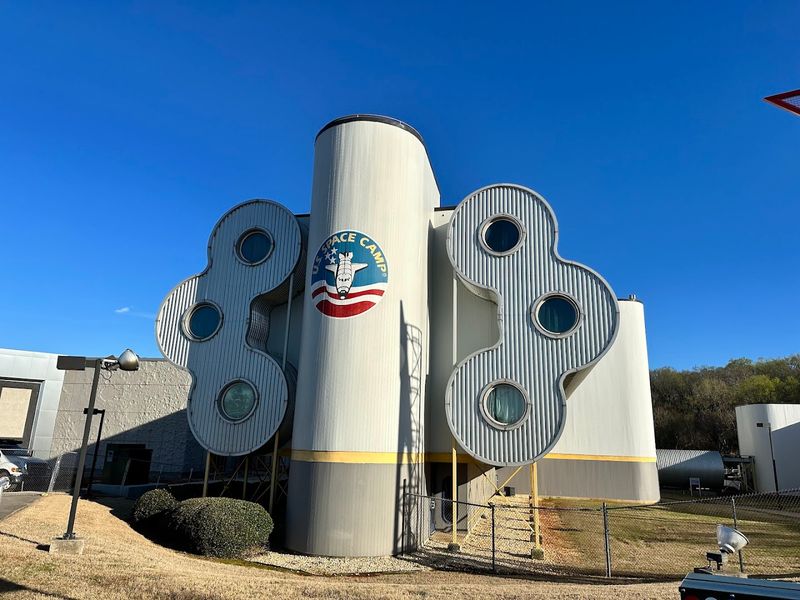
Even if you are not there as part of a full camp program, you can feel the Space Camp energy hanging around the complex. It has this unmistakable mix of ambition, nerves, teamwork, and pure excitement that reminds you how many people first fell in love with space right here.
There is something really endearing about a place that lets curiosity be earnest without making it feel cheesy.
I think that is why the center works so well for adults too, because it never talks down to you. The camp legacy gives the whole place a lived-in sense of purpose, like generations of visitors have come through here wanting to test themselves, build something, solve something, or at least understand the mission a little better.
You can feel that momentum even when you are just walking through and taking it all in at your own pace.
There is also something comforting about seeing education treated as an adventure instead of a chore. The setting encourages you to imagine, participate, and ask better questions, and that mood carries beyond the designated training spaces.
In Alabama, where space history can sometimes sound huge and distant, this part brings it back down to a human level and reminds you that inspiration usually starts with someone saying, maybe I could try that too.
The Human Stories In The Exhibits

For me, the exhibits really clicked when I stopped looking at them as a parade of machines and started seeing the people tucked into every story. You get reminded again and again that space exploration is not just about hardware, but about engineers, crews, test teams, families, and all the steady work that rarely looks glamorous in the moment.
That human layer gives the whole complex a warmth I honestly was not expecting.
Some museums can feel like they are asking you to admire everything from a respectful distance, but this one feels more like an invitation to understand how effort accumulates. You start connecting one decision to another, one challenge to the next, and the larger achievements begin to feel less mythical and more real.
That is a good thing, because real stories are usually more interesting than polished legends anyway.
I also appreciated how naturally Huntsville fits into those stories without the place needing to brag about itself. Alabama comes through as a setting where important work happened, and where that work still matters enough to be remembered with care rather than nostalgia alone.
If you are the kind of traveler who likes leaving a museum with actual people on your mind instead of just photos on your phone, this section of the visit really stays with you.
Why Huntsville Feels Different
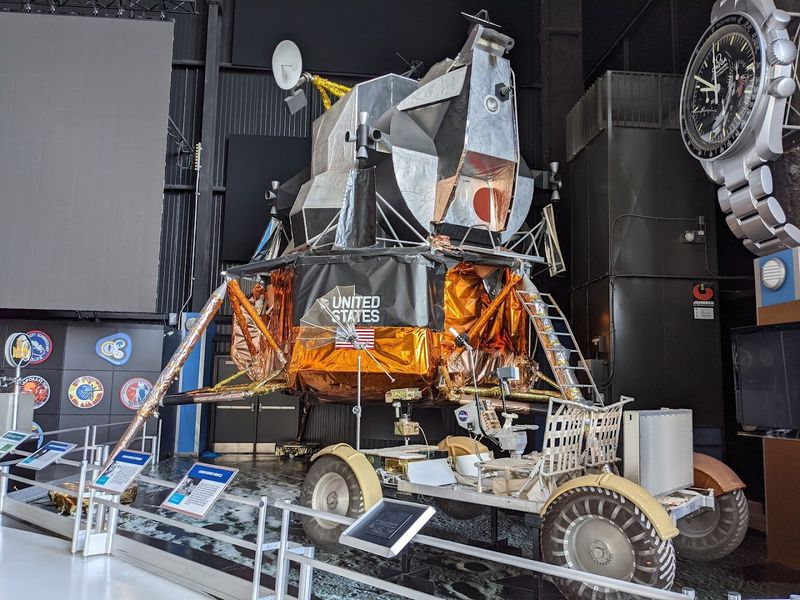
Part of what makes this whole experience land so well is the city around it, because Huntsville does not treat space history like a costume it puts on for visitors. The connection feels lived in, local, and still very much part of the place, which gives the center a completely different energy from a museum that could be dropped anywhere.
You feel that the minute you start paying attention to how naturally the story fits its setting.
I think that matters more than people realize. When a museum is rooted in the identity of a city, everything around it starts to feel more coherent, and your visit takes on a little more depth without trying too hard.
The center is impressive on its own, of course, but being in Huntsville gives it context, and context is often the thing that turns a fun stop into a memory that hangs around.
There is also a nice balance here between big national significance and regular Southern ease. Alabama gives the experience a grounded quality that keeps it from floating off into pure spectacle, which is a weirdly fitting thing to say about a space complex, but it is true.
You leave with the sense that extraordinary work happened here because ordinary people kept showing up, doing difficult jobs, and believing the effort meant something.
Leaving With Your Head In Orbit
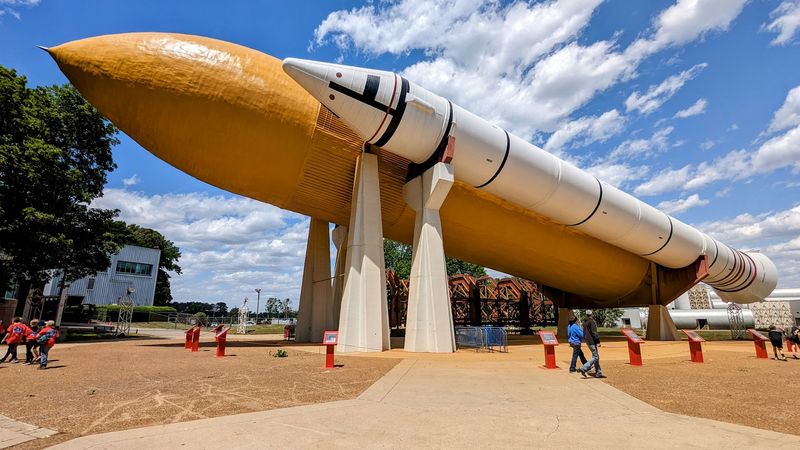
By the time you leave, the funny thing is that you do not feel like you just visited a museum and checked it off a list. It feels more like you spent a day inside a very specific American idea, one built out of trial, imagination, engineering, and a stubborn refusal to stop reaching higher.
That is a bigger feeling than I expected to carry back to the parking lot, but there it was.
I kept thinking about how rare it is to find a place that can be genuinely exciting and genuinely reflective at the same time. You get the visual drama, the hands-on elements, the real NASA connection, and the emotional jolt of seeing something as impossible sounding as a moon rock with your own eyes.
Yet somehow it still feels friendly, unpretentious, and easy to share with someone who might not know a capsule from an engine bell.
If you are heading through Alabama and want something that feels memorable in a way that is hard to fake, I would absolutely point you here. The U.S.
Space & Rocket Center gives you history, wonder, and just enough astronaut fantasy to make the drive home feel a little different. Honestly, that is all I am asking from a travel stop, and this place gives you way more than that without ever feeling like it is trying too hard.
