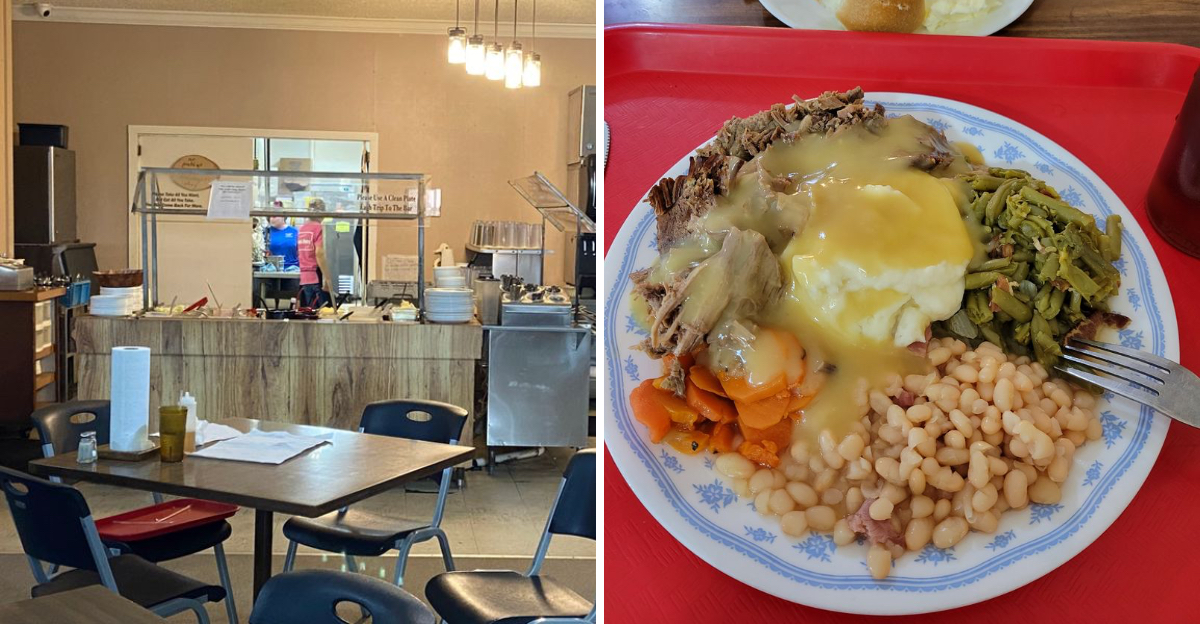
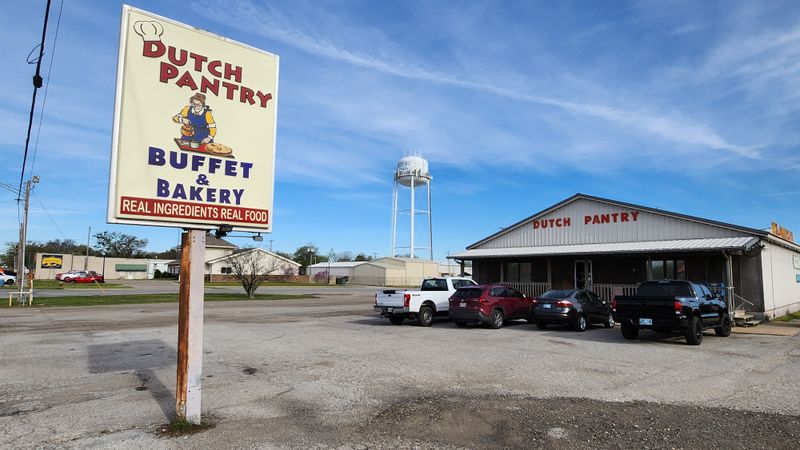
You know that Sunday feeling when the table is full and nobody is counting calories? That is exactly what hit me when I walked into Dutch Pantry in Chouteau.
No trendy lighting. No complicated menu language.
Just the unmistakable comfort of food that is meant to fill you up and slow you down. The buffet shifts daily, which means every visit carries a little suspense.
Chicken fried steak one day, turkey and dressing the next, creamy mashed potatoes always close by, and rolls so soft they barely survive the trip to your plate. Then there is the dessert table, stacked with pies that taste like they came straight from a family recipe box.
Sitting across from the Amish Cheese House, it is easy to find and even easier to justify a second trip through the line. I went in curious.
I left feeling like I had just attended a family dinner I did not know I was invited to.
A Buffet That Feels Like Family Dinner
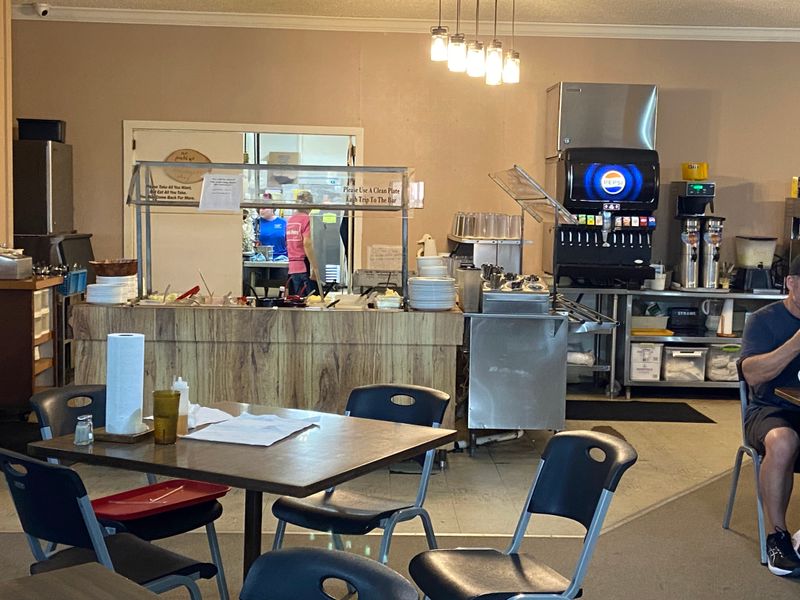
Walking through the doors feels different from entering a typical restaurant. Nobody rushes over with menus or directs you to a specific table because this place operates on trust and simplicity.
You pick your own seat, grab a plate, and head straight to the buffet line where steam rises from trays of homestyle cooking. The setup might seem casual at first, but that informality creates an atmosphere where everyone relaxes and focuses on the food.
Families settle in at tables while solo travelers find comfortable spots near windows. The restaurant hums with conversation rather than background music, and the clatter of silverware against plates provides the soundtrack.
Staff members work behind the buffet keeping food fresh and trays full, but they stay out of the way otherwise. This approach allows diners to move at their own pace, returning to the buffet as many times as hunger demands.
The space feels lived-in rather than decorated, with practical furniture and straightforward lighting. What it lacks in polish, it makes up for in genuine warmth and the unmistakable comfort of a place that knows exactly what it does well.
Daily Rotating Main Dishes Keep Every Visit Fresh
The menu shifts throughout the week, with different main dishes featured each day. Monday might bring turkey and dressing, while Friday welcomes meatloaf and catfish to the buffet line.
Chicken fried steak appears regularly, earning praise from customers who drive hours specifically for that crispy, gravy-covered comfort. The kitchen prepares fried chicken in cast iron skillets rather than commercial fryers, creating a texture and flavor that reminds diners of home cooking from decades past.
Turkey served here arrives tender and juicy, seasoned simply and cooked until it practically falls apart. Meatloaf follows traditional recipes without trying to reinvent the dish, delivering exactly what people expect from this classic comfort food.
Catfish joins the rotation on certain days, offering a lighter protein option alongside the heartier meat dishes. The daily rotation means regular customers can visit multiple times without eating identical meals, though some dishes prove popular enough to appear more frequently.
Checking the daily menu online before visiting helps diners plan around their favorites. The rotating schedule also encourages people to try dishes they might not order from a standard menu, expanding their comfort food horizons one buffet visit at a time.
Side Dishes That Steal the Spotlight
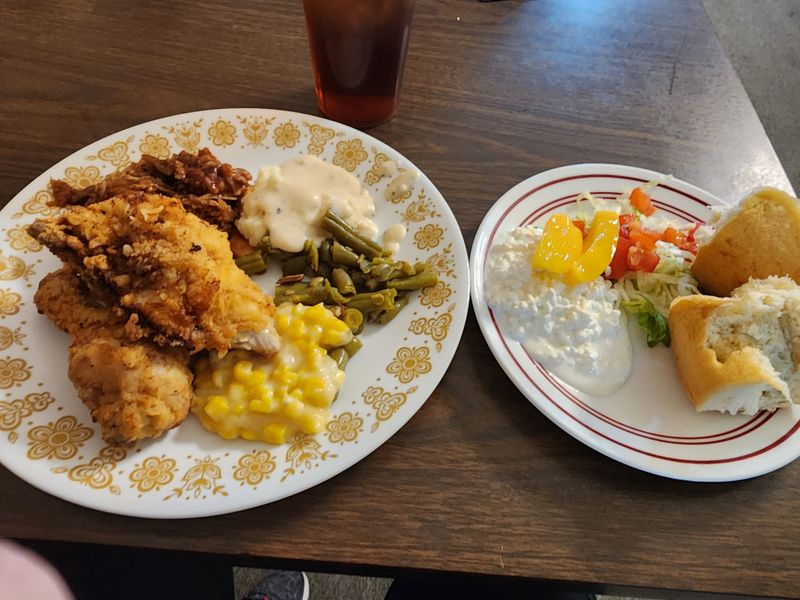
Mashed potatoes arrive creamy and smooth, topped with rich gravy that pools in the center of each scoop. Green beans get cooked with bacon, adding smoky depth to the vegetable.
Baked beans balance sweetness and savory notes in a way that makes them disappear quickly from serving spoons. Creamed corn earns specific mentions in customer reviews, with its smooth texture and buttery flavor standing out even among strong competition.
Dutch egg noodles represent a signature side that draws devoted fans. These wide, tender noodles carry butter and seasoning in every fold, providing the kind of carbohydrate comfort that makes people consider second and third helpings.
Kraut and sausage offers tangy contrast to richer dishes, while sweet potatoes provide natural sweetness without heavy additions. The restaurant prepares vegetables simply, allowing their natural flavors to shine rather than masking them with excessive seasoning.
Some sides arrive more successful than others on any given day, as happens with high-volume cooking. The variety ensures every diner finds multiple options that appeal to their preferences, building plates that reflect personal tastes rather than predetermined combinations.
Homemade Rolls That Deserve Their Own Visit
Golden dinner rolls emerge from the kitchen throughout service, arriving at the buffet warm and ready to be slathered with butter. These yeast rolls earned descriptions like “little clouds” from customers who struggle to limit themselves to just one.
The texture stays soft and tender inside while developing a slightly firmer exterior that holds up to butter without falling apart. Fresh rolls appear regularly during meal service, ensuring diners can grab warm ones rather than settling for rolls that have been sitting out.
Butter melts immediately upon contact, seeping into the bread and creating pockets of rich flavor. The rolls work equally well as vehicles for soaking up gravy or as standalone treats eaten between bites of main dishes.
Some customers purchase bags of rolls to take home, unwilling to leave without extra supplies. Cinnamon rolls also make occasional appearances, featuring vanilla notes and just enough icing to complement rather than overwhelm.
The restaurant sells these baked goods separately for people who want to bring home a taste of the buffet. Rolls fresh from the oven represent one of those simple pleasures that elevate an entire meal, turning a good buffet into something worth remembering.
A Salad Bar Built Around Homemade Preparations
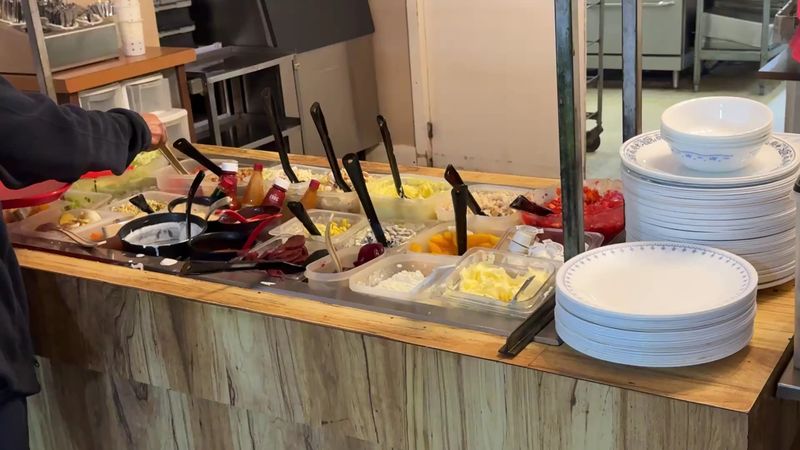
Iceberg lettuce forms the foundation for traditional green salads, but the real stars sit in smaller bowls arranged along the bar. Potato salad receives enthusiastic praise for its creamy dressing and perfectly cooked potatoes cut into uniform pieces.
Bean salad combines multiple varieties with a tangy vinaigrette that cuts through richer buffet items. Pasta salad offers another cold option, providing variety for diners who want contrast to hot entrees.
These homemade salads distinguish themselves from commercial versions through texture and seasoning that tastes balanced rather than overdone. The salad bar serves practical purposes beyond nutrition, offering lighter bites between trips to the hot food section.
Fresh vegetables appear alongside the prepared salads, though the homemade options draw more attention. Some diners skip the lettuce entirely, focusing instead on scooping generous portions of potato and bean salads onto their plates.
The salad bar provides pacing for the meal, giving stomachs time to settle before returning for another round of main dishes. It also accommodates different eating styles, from those who load up on vegetables first to others who treat salads as palate cleansers between heavier courses.
Dessert Selection That Demands Stretchy Pants
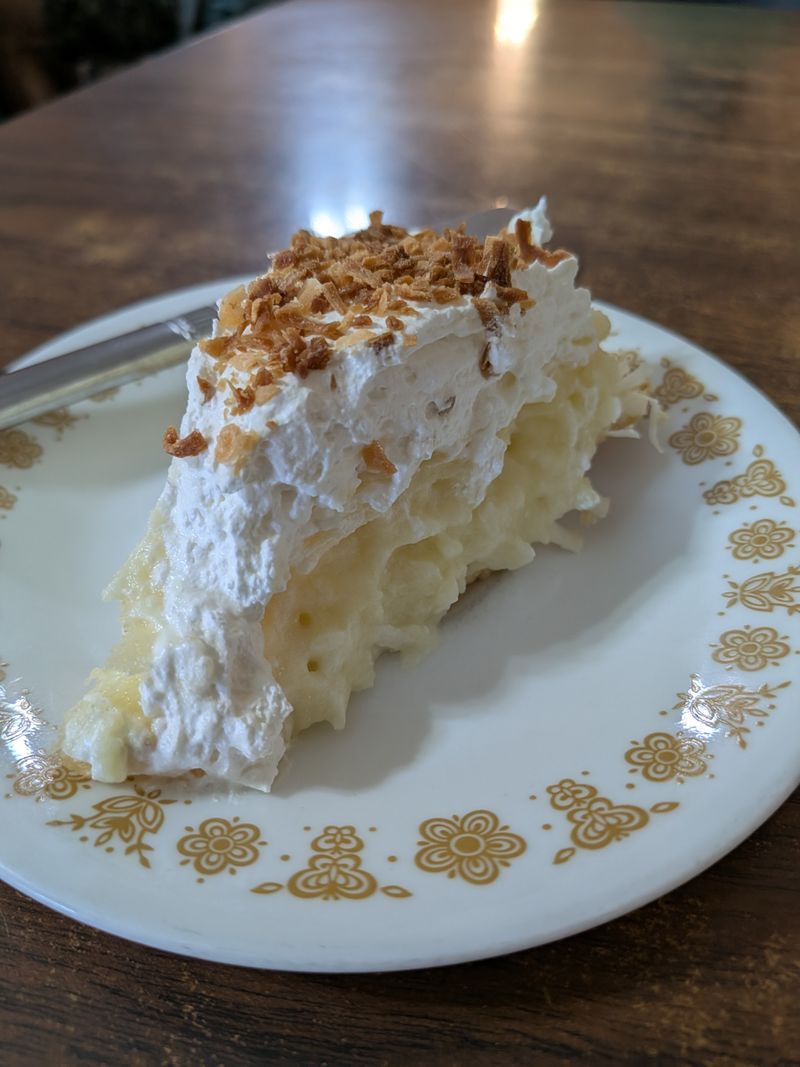
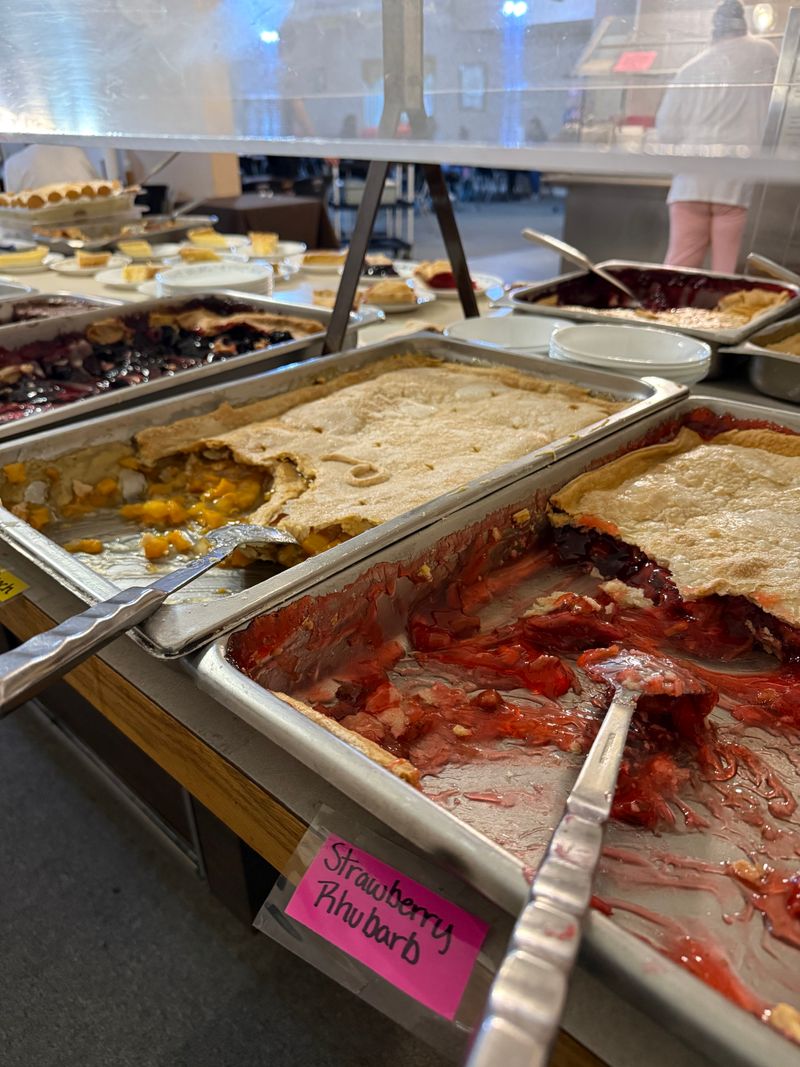
Fifteen to twenty different desserts wait at the end of the buffet line, creating a display that stops diners in their tracks. Pies dominate the selection, with fruit varieties like strawberry rhubarb, blackberry, and lemon meringue appearing alongside cream pies in peanut butter and chocolate flavors.
Cobblers arrive bubbling and warm, their fruit fillings topped with golden crusts that crunch slightly before giving way to soft interior layers. Banana pudding layers wafers, custard, and whipped topping in the traditional Southern style that never goes out of fashion.
Pecan pie delivers the right balance of sweet filling and crunchy nuts without crossing into cloying territory. Cakes appear in multiple varieties, including chocolate options that satisfy cocoa cravings.
Sugar-free versions of several desserts accommodate different dietary needs without compromising on flavor. The sheer variety means even frequent visitors can try something new on each trip.
Many customers admit the dessert bar alone justifies the buffet price, and some arrive with strategic plans to save maximum stomach space for sweets. The homemade quality shows in every bite, from flaky pie crusts to smooth pudding textures that could only come from scratch cooking.
Self-Service Approach That Puts Diners in Control
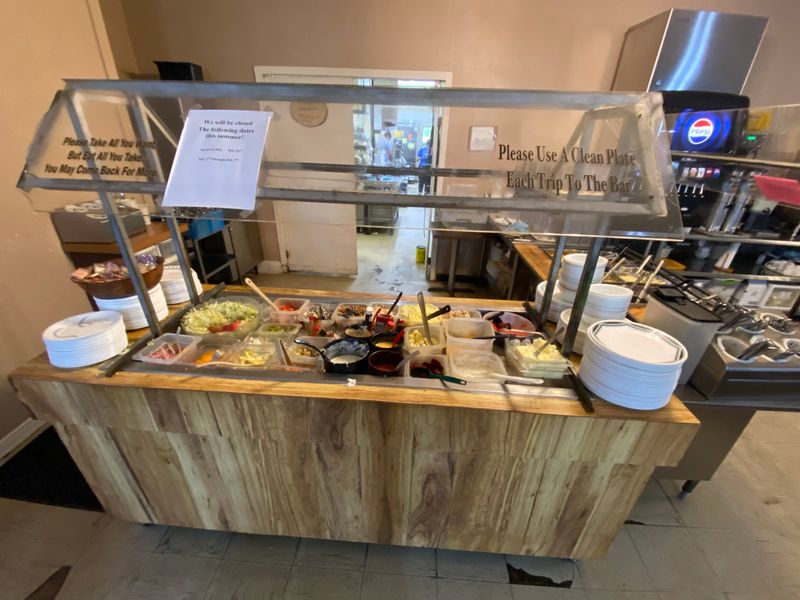
Servers do not hover over tables or interrupt conversations to ask about satisfaction levels. Instead, diners handle everything themselves from the moment they choose a seat.
Drink stations provide glasses and beverage options, allowing people to fill and refill without waiting for staff attention. Plates stack at the beginning of the buffet line, and used dishes accumulate on tables until diners finish their meals.
This system works well for people who prefer controlling their own dining pace and dislike frequent interruptions. Families with children appreciate the freedom to get up and down as needed without coordinating with servers.
The trade-off comes in table maintenance, as staff may not clear dishes as quickly as some diners prefer. Tables sometimes sit covered with used plates longer than they would in traditional full-service restaurants.
Payment happens at the end when diners approach the register near the entrance. The self-service model keeps costs lower while allowing staff to focus on keeping the buffet stocked and fresh.
This approach suits the restaurant’s overall philosophy of simplicity and efficiency, though first-time visitors sometimes stand near the entrance waiting for guidance that never comes.
Pricing That Reflects Unlimited Home Cooking
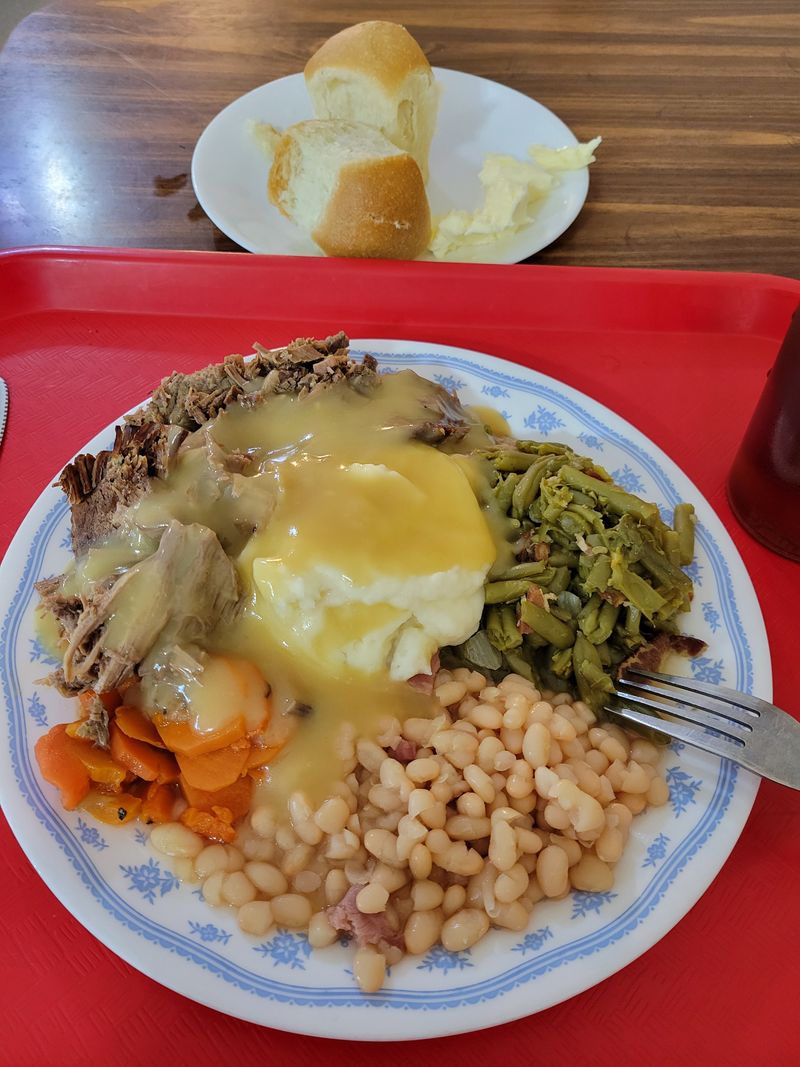
The all-you-can-eat format means one price covers everything from salad bar to dessert spread, with drinks included in the cost. Adults pay standard buffet rates while children and seniors receive discounted pricing.
Some customers express surprise at the total bill, particularly families paying for multiple people. The cost runs higher than fast-casual chains but remains reasonable compared to full-service restaurants serving similar quality food.
For people who eat lighter portions, the value proposition shifts since they pay the same price as those who make multiple trips. Heavy eaters and dessert enthusiasts tend to feel they received excellent value, especially when factoring in the homemade quality.
The restaurant adds a small fee for credit card transactions, encouraging cash payment when possible. Tipping presents an interesting question in the self-service model, with the payment system prompting for gratuity despite minimal table service.
Many diners leave tips anyway, recognizing the work staff performs keeping the buffet maintained throughout service. The pricing structure rewards appetite and adventure, favoring those willing to try multiple dishes and return for seconds without hesitation.
Location That Makes Road Trips More Delicious
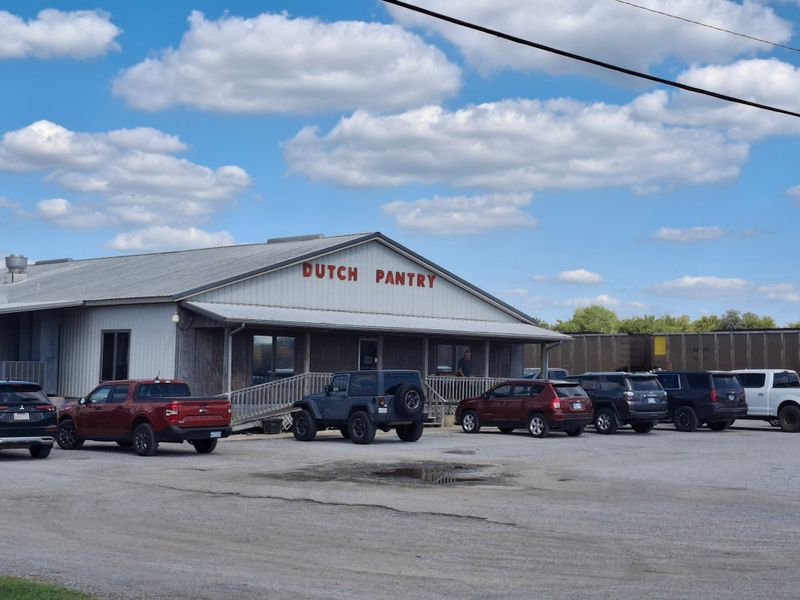
Chouteau sits in northeast Oklahoma along routes connecting Kansas, Missouri, and Arkansas to points south. The restaurant occupies a spot on Main Street that travelers can easily access without navigating complicated turns or backroads.
Its proximity to the Amish Cheese House across the street creates a natural pairing for people interested in Dutch food culture. The location works well for RV travelers, with parking that accommodates larger vehicles.
People driving between Dallas and Kansas City frequently plan stops here, breaking up long drives with substantial meals. The restaurant sits far enough from major highways to feel like a discovery rather than a highway exit option, yet remains accessible enough for convenient detours.
Small-town location means less traffic stress and easier parking compared to urban restaurants. The setting also contributes to the homestyle atmosphere, fitting naturally into a community where people know their neighbors.
For locals, the restaurant serves as a regular dining option rather than a special occasion destination. Travelers benefit from this local popularity, as it ensures consistent business that keeps the buffet fresh and the restaurant operating reliably.
Amish Heritage That Shapes the Menu and Values
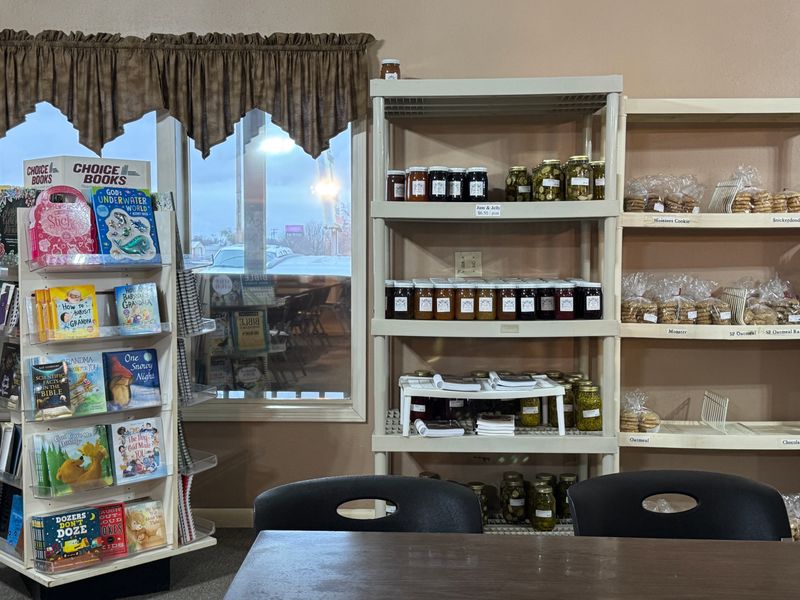
Dutch culinary traditions influence everything from recipes to preparation methods, creating food that tastes distinctly different from standard American buffet fare. The connection to Amish cooking shows in the emphasis on from-scratch preparation rather than relying on convenience products.
Canned goods line shelves near the register, offering customers chances to take home preserves and other items made using traditional methods. These products extend the restaurant experience beyond the dining room, allowing people to recreate some flavors in their own kitchens.
The cooking style favors simple seasoning that enhances rather than masks natural flavors, a hallmark of Amish culinary philosophy. Recipes get passed down and refined over time rather than constantly changing to follow food trends.
This heritage creates consistency that regular customers depend on, knowing their favorite dishes will taste the same visit after visit. The values behind the food include waste reduction, seasonal awareness, and respect for ingredients.
Family involvement in the restaurant reflects another traditional value, with multiple generations sometimes visible working together. The Amish influence extends beyond food into the overall atmosphere of simplicity and focus on essentials rather than extras.
Practical Tips for Making the Most of Your Visit
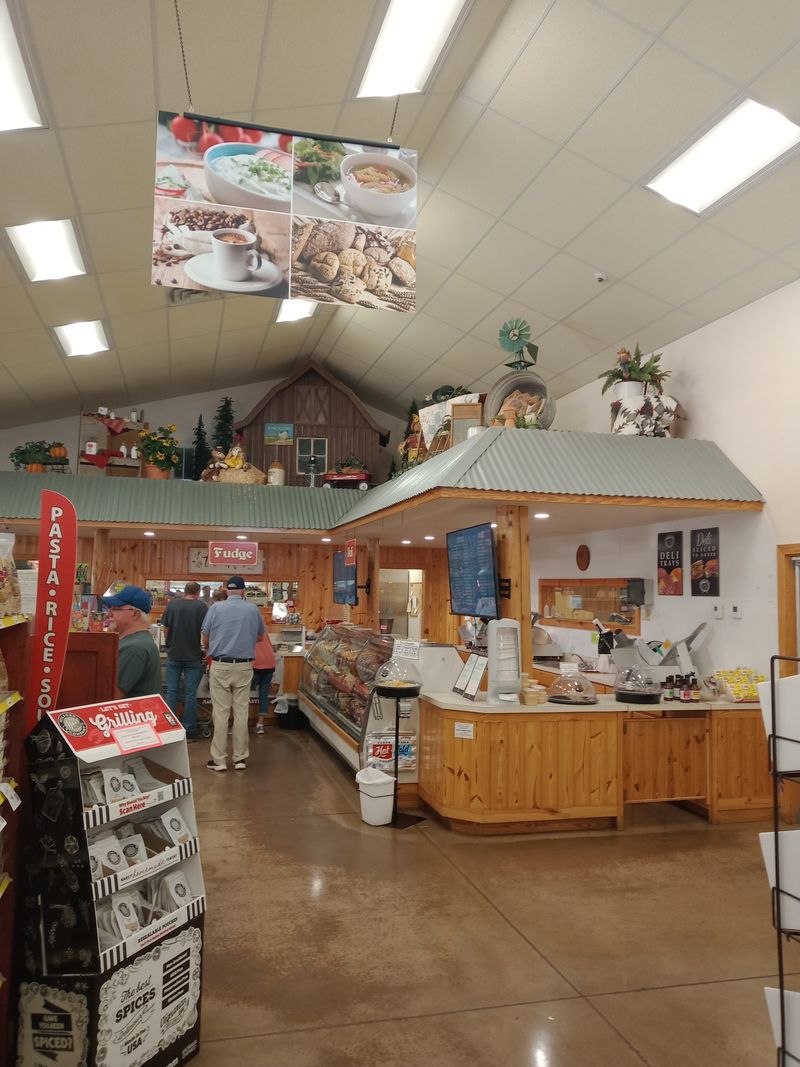
Arriving during off-peak hours means shorter lines at the buffet and more breathing room at tables. Weekday lunches draw regular crowds, so earlier or later timing helps avoid the rush.
First-time visitors should walk through the entire buffet before filling their plates, surveying all options to plan strategic selections. Starting with smaller portions allows room for trying multiple dishes and leaves space for the extensive dessert selection.
Bringing cash avoids the extra credit card fee and speeds up the payment process. Wearing comfortable, loose-fitting clothing proves wise given the all-you-can-eat format and tempting food options.
Checking the daily menu online before visiting helps those with specific cravings time their trips around favorite main dishes. Arriving with an appetite maximizes value, though coming too hungry might lead to over-serving and discomfort.
The self-service format means bringing your own patience for clearing tables and managing expectations about traditional restaurant service. Planning extra time allows for leisurely eating and multiple trips to the buffet without feeling rushed.
Stopping at the Amish Cheese House across the street creates a fuller experience of Dutch food culture in the area.
Location: 10 W Main St, Chouteau, Oklahoma
Dear Reader: This page may contain affiliate links which may earn a commission if you click through and make a purchase. Our independent journalism is not influenced by any advertiser or commercial initiative unless it is clearly marked as sponsored content. As travel products change, please be sure to reconfirm all details and stay up to date with current events to ensure a safe and successful trip.
