Self-control? That’s adorable.
You think you’ll just sample a few plates, maybe grab a modest portion of protein, and call it a lunch. Then the broth starts bubbling, the first round arrives, and suddenly you’re ordering your fourth helping of pork belly like someone who’s completely forgotten how buttons work.
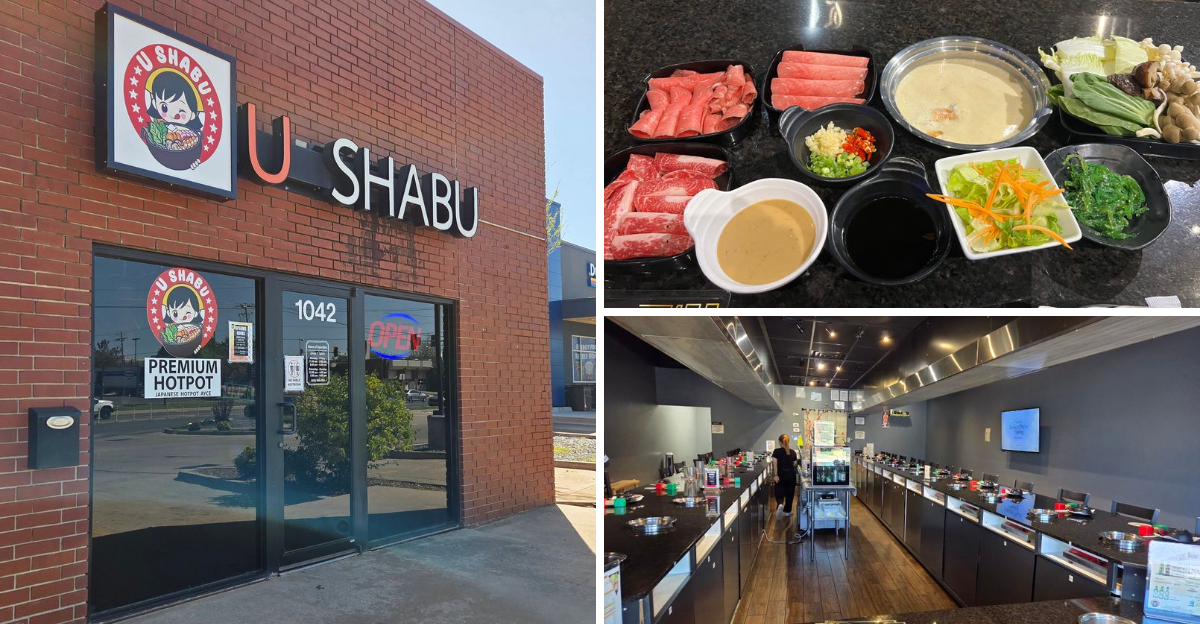
U SHABU Japanese Hotpot in Edmond doesn’t just serve food. It dismantles every promise you made to yourself about eating sensibly.
Located across from UCO, this spot has mastered the art of making reasonable portions feel like a personal insult. The all-you-can-eat format isn’t a challenge; it’s a trap disguised as hospitality.
You sit at your own personal cooking station, broth simmering away, and before you know it, you’ve entered a trance state where ordering more seems not just logical but necessary.
Oklahoma doesn’t mess around when it comes to value, and this place proves it by turning a simple lunch into an edible expedition that laughs at moderation.
Individual Hot Pot Stations Make Everyone the Chef
Forget fighting over a divided pot or negotiating broth flavors with your dining companions. At U SHABU, every single person gets their own bubbling cauldron of soup, which sounds democratic until you realize it also means nobody can judge your seventh order of noodles.
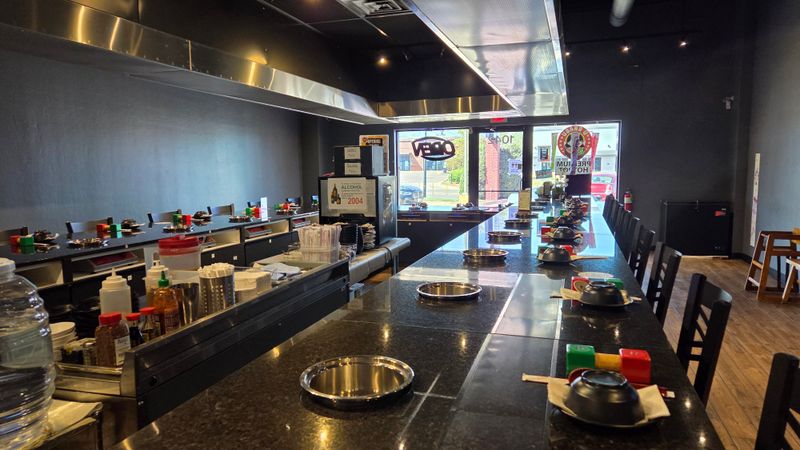
The seating arrangement lines everyone up in a U-shape, each with their own induction burner and personalized cooking station.
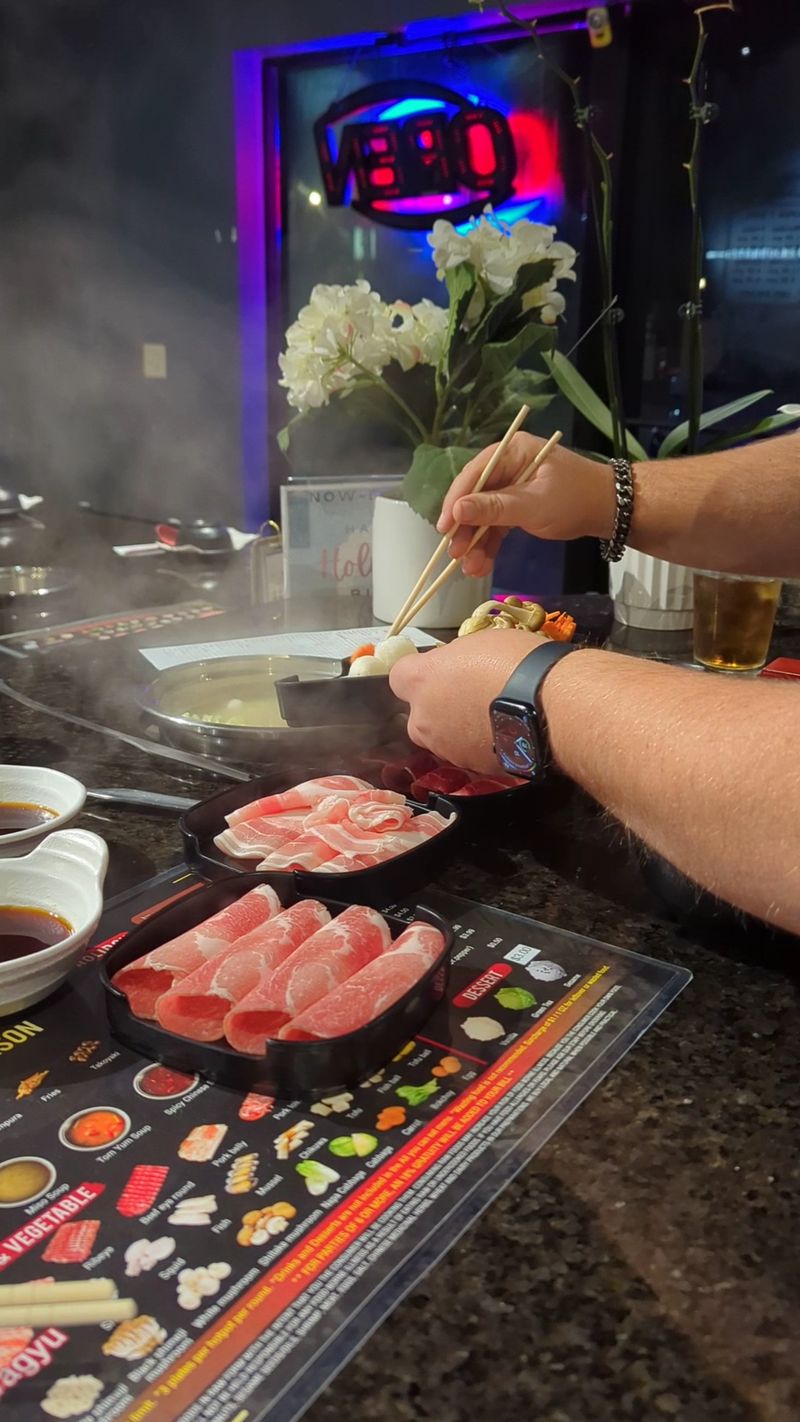
This setup transforms the experience from communal dining into something closer to a culinary meditation session. You control the heat, the timing, and the exact moment your food hits perfection.
No more overcooked vegetables because someone else got distracted. No more undercooked seafood because your friend has the patience of a toddler.
The individual stations also create a surprisingly focused atmosphere. Instead of the usual restaurant chaos, you’re locked into your own little cooking world.
The noise level stays low, conversations happen naturally, and you can actually hear yourself think between bites.
For solo diners, this setup is pure gold. You’re not awkwardly sitting alone at a table meant for four.
You’re just another person enjoying their own hot pot journey, completely normalized by the restaurant’s design. Groups work too, though chatting across the line takes a bit more effort than a traditional table would allow.
Broth Selection That Actually Matters
Most restaurants treat broth like an afterthought, a liquid placeholder that exists only to make your food wet. U SHABU treats it like the foundation of your entire meal, which it absolutely is.
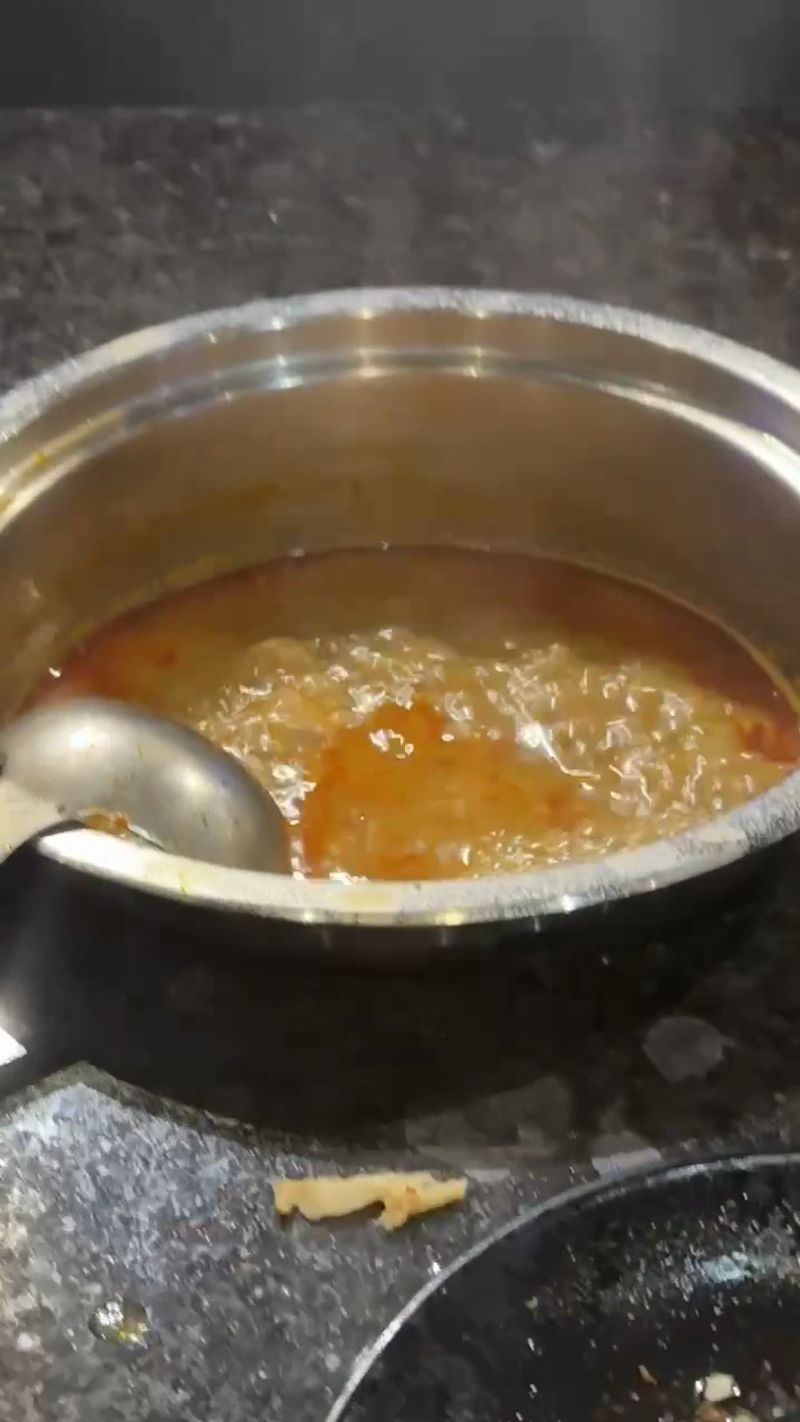
The sukiyaki broth comes loaded with flavor, sweet and savory in a way that makes plain water seem like a personal offense. Tonkotsu brings that rich, creamy pork bone depth that coats everything in comfort.
For those who need their food to fight back, the Sichuan hot spicy broth delivers enough heat to make you question your life choices in the best possible way. Tom yum offers that bright, citrusy punch that wakes up your taste buds mid-meal.
The staff doesn’t just list these options and walk away. They let you sample before committing, which shows a level of customer service that most places abandoned somewhere around 2015.
The broths get refilled when they run low, meaning you’re not stuck trying to cook your last round of vegetables in three tablespoons of liquid. Some diners mix broths halfway through, combining sukiyaki’s sweetness with tom yum’s brightness for a flavor profile that shouldn’t work but absolutely does.
This attention to broth quality separates U SHABU from places that think hot pot just means boiling water with vague seasoning. The liquid matters as much as what you’re cooking in it.
All-You-Can-Eat Pricing Removes Decision Paralysis
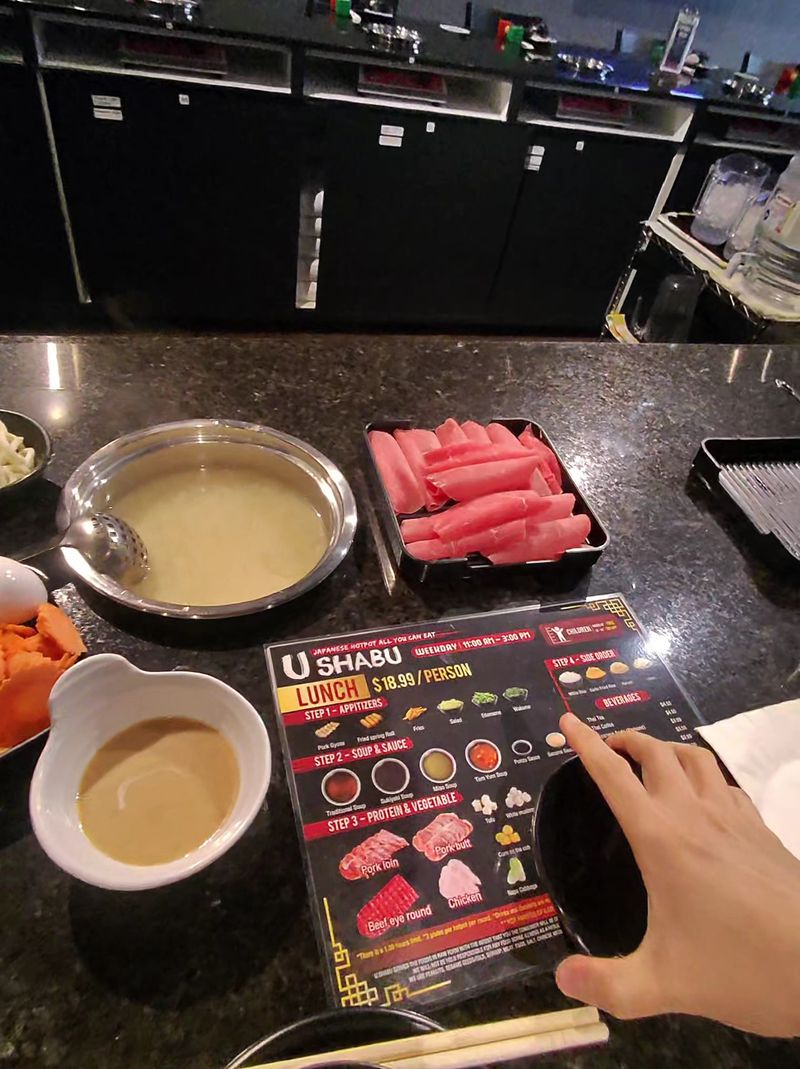
Decision fatigue hits differently when you’re staring at a menu trying to calculate if ordering two appetizers and three proteins will leave you satisfied or bankrupt. U SHABU solves this problem by offering all-you-can-eat options at different price points, letting you choose based on what you want to access rather than playing mental math games with individual prices.
The lunch special sits at a price point that makes eating here a weekly habit rather than a special occasion. You pick your tier, and suddenly the entire menu becomes available without the constant mental calculator running in the background.
Want to try every protein option? Go ahead.
Curious about three different vegetable varieties? Order them all.
This pricing structure also eliminates that annoying moment when you’re still hungry but don’t want to order more because you’re already mentally tallying the bill. You paid upfront for unlimited access, so ordering more becomes the logical choice rather than a budgetary debate.
For first-timers who don’t know what they like yet, this format is perfect. You can experiment without commitment, discovering that you actually love fish cakes or that bok choy cooked in tonkotsu broth is somehow better than it has any right to be.
The value proposition here isn’t just about quantity. It’s about removing the financial anxiety that makes dining out stressful instead of enjoyable.
Service That Explains Instead of Assuming
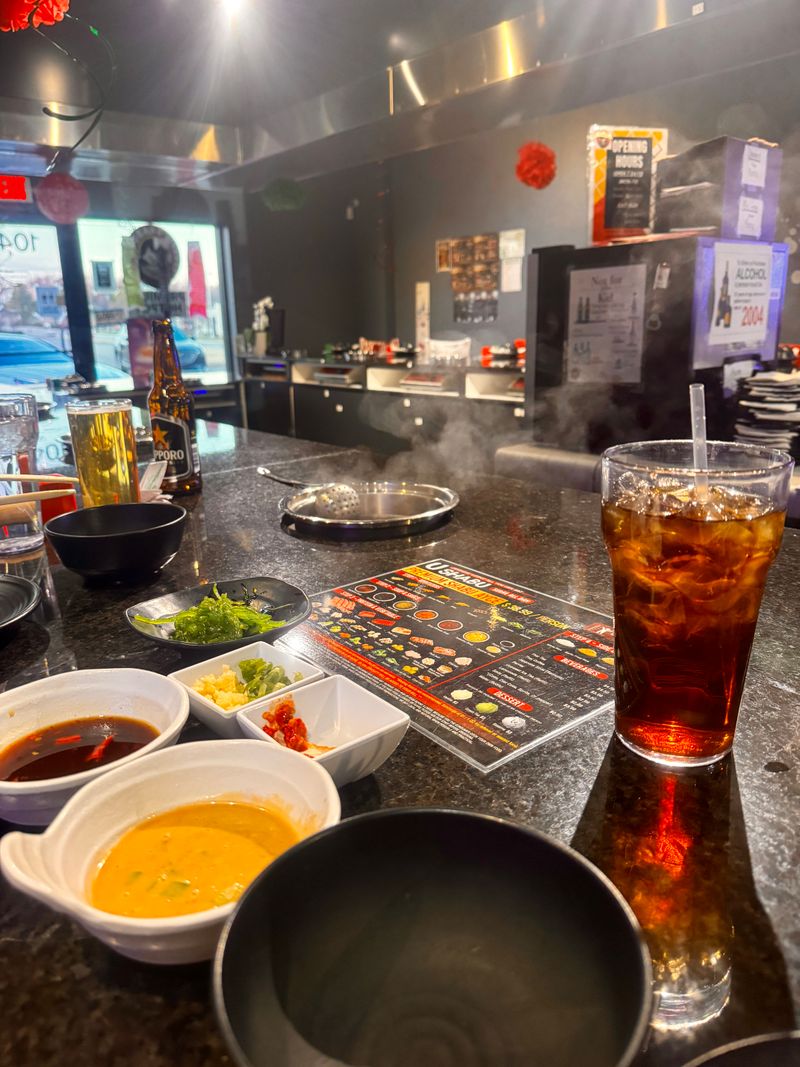
Walking into a hot pot restaurant for the first time can feel like showing up to a party where everyone knows the rules except you. U SHABU’s staff recognizes this and actually takes time to walk newcomers through the entire process without making you feel like you’re holding up the line.
They explain the pricing tiers, demonstrate how the cooking works, and offer suggestions based on what you like.
This isn’t rushed, scripted service where someone rattles off the specials and disappears. The servers stick around long enough to answer questions, let you sample sauces, and make sure you understand what you’re getting into before your first order arrives.
For people who’ve never done hot pot before, this guidance transforms a potentially confusing experience into something approachable.
The attentiveness continues throughout the meal. They refill broths before you have to ask, check in without hovering, and somehow manage to be available exactly when you need them.
That balance between present and intrusive is harder to achieve than most people realize.
Even for experienced hot pot enthusiasts, the service adds value. The staff knows the menu well enough to make solid recommendations, like suggesting you add garlic to the sesame dipping sauce or trying a broth combination you wouldn’t have thought of yourself.
Good service doesn’t just mean being polite. It means actively improving the experience, which this team consistently delivers.
Freshness You Can Actually See
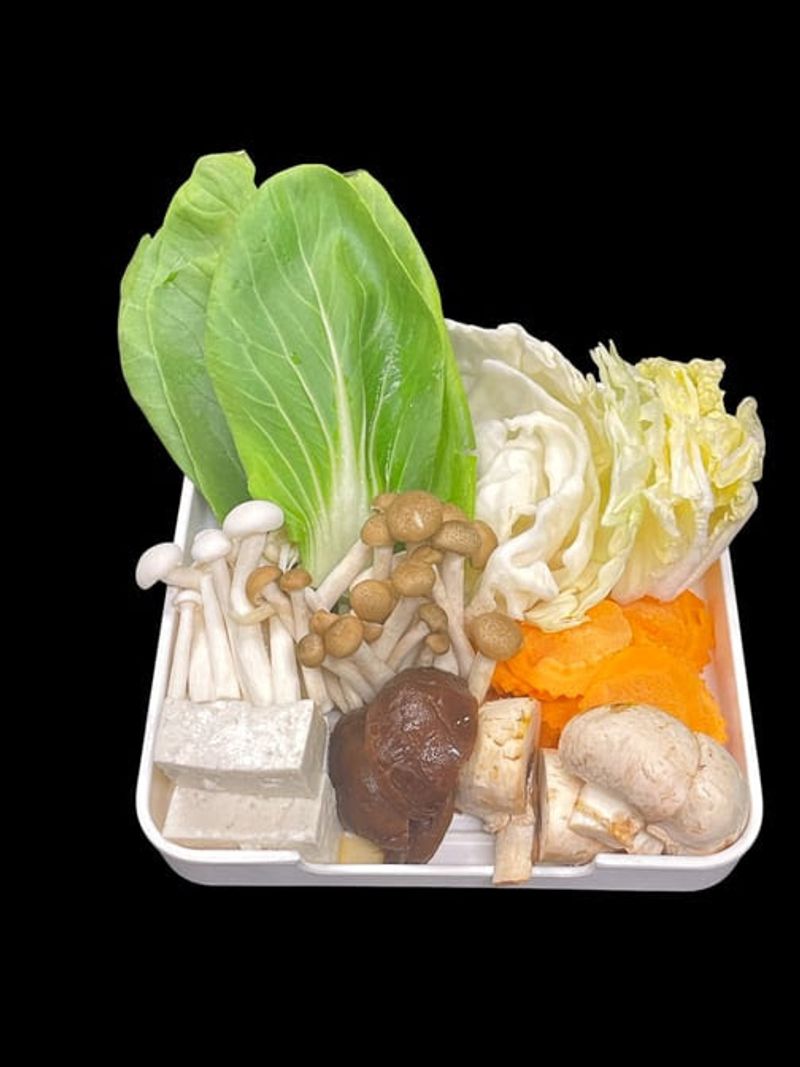
There’s fresh, and then there’s so-fresh-it-makes-grocery-store-produce-look-sad fresh. U SHABU falls firmly into the second category.
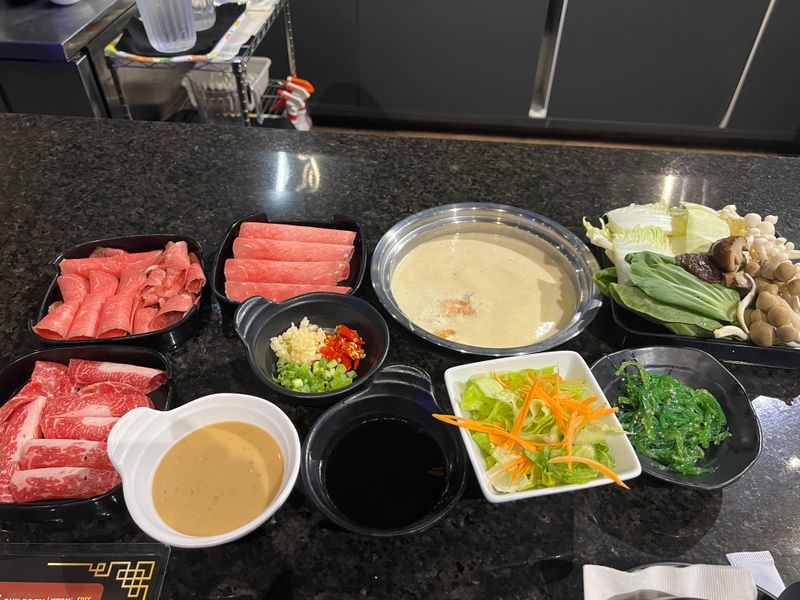
The vegetables arrive crisp and bright, the kind that still have structural integrity instead of looking like they’ve been sitting in a cooler since last Tuesday. The proteins come out properly chilled, with good color and texture that suggests they haven’t been languishing in a walk-in for days.
This quality shows up immediately when you start cooking. Fresh ingredients behave differently in hot broth.
Vegetables maintain their texture instead of turning to mush after thirty seconds. Proteins cook evenly and taste clean rather than carrying that vaguely off flavor that comes from sitting too long.
For an all-you-can-eat establishment, maintaining this level of freshness is impressive. Many unlimited-format restaurants cut corners on ingredient quality, figuring volume matters more than taste.
U SHABU clearly didn’t get that memo. The pork belly has good marbling, the seafood doesn’t smell like low tide, and the mushrooms actually taste like mushrooms rather than textured water.
This commitment to freshness also means you’re not just filling up on cheap filler ingredients. What you’re eating actually has nutritional value and flavor, which makes the unlimited format feel less like a quantity competition and more like a legitimate meal.
Quality ingredients elevate the entire experience from cheap buffet to actual dining.
Atmosphere That Encourages Focus Over Chaos
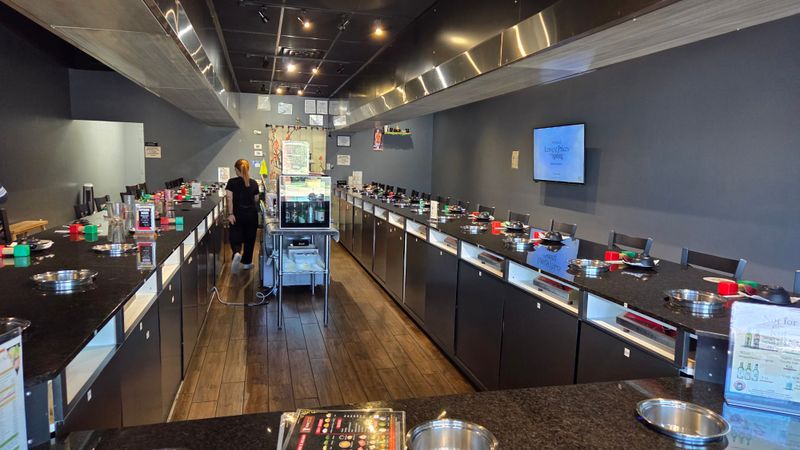
Most restaurants aim for either lively energy or quiet sophistication, rarely nailing the balance between the two. U SHABU somehow manages both simultaneously.
The overall noise level stays low, creating an environment where you can actually hold a conversation without shouting. Yet it doesn’t feel stuffy or overly formal.
The vibe lands somewhere between focused and relaxed.
The seating arrangement contributes to this atmosphere. Because everyone faces their own cooking station rather than staring at each other across a table, the social pressure eases up.
You can engage with your dining companions when you want or zone into your cooking when you need a mental break. This flexibility makes the space work equally well for solo diners seeking some meditative cooking time and groups looking for a social meal.
The interior stays clean and uncluttered, which sounds basic until you’ve been to restaurants where visual chaos makes you anxious before you even order. Simple design choices create a calming effect that lets the food remain the focus rather than competing with busy decor.
This atmosphere particularly shines during weekday lunches when the pace stays manageable. You can actually recharge here rather than leaving more stressed than when you arrived.
For people who find most restaurant environments overwhelming, this setup offers a welcome alternative.
Ambiance matters more than most people admit, and U SHABU gets it right.
Located Across From UCO in Edmond
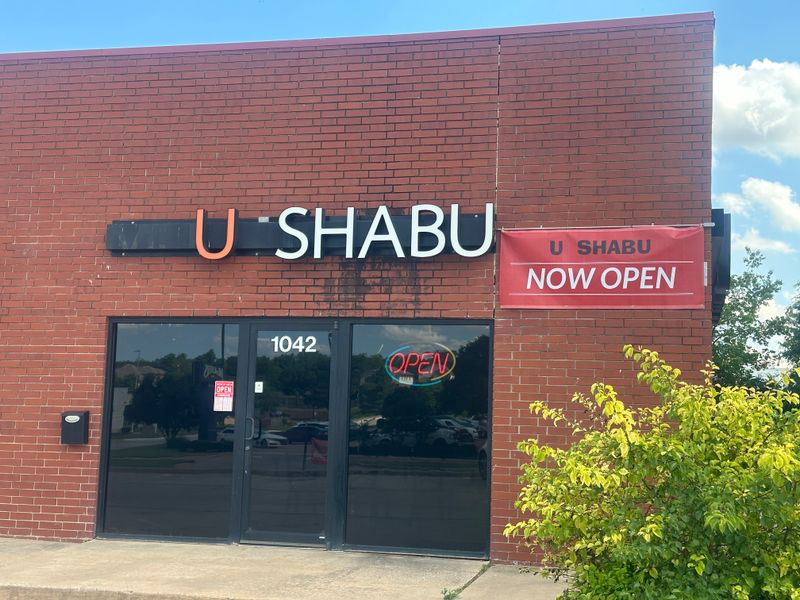
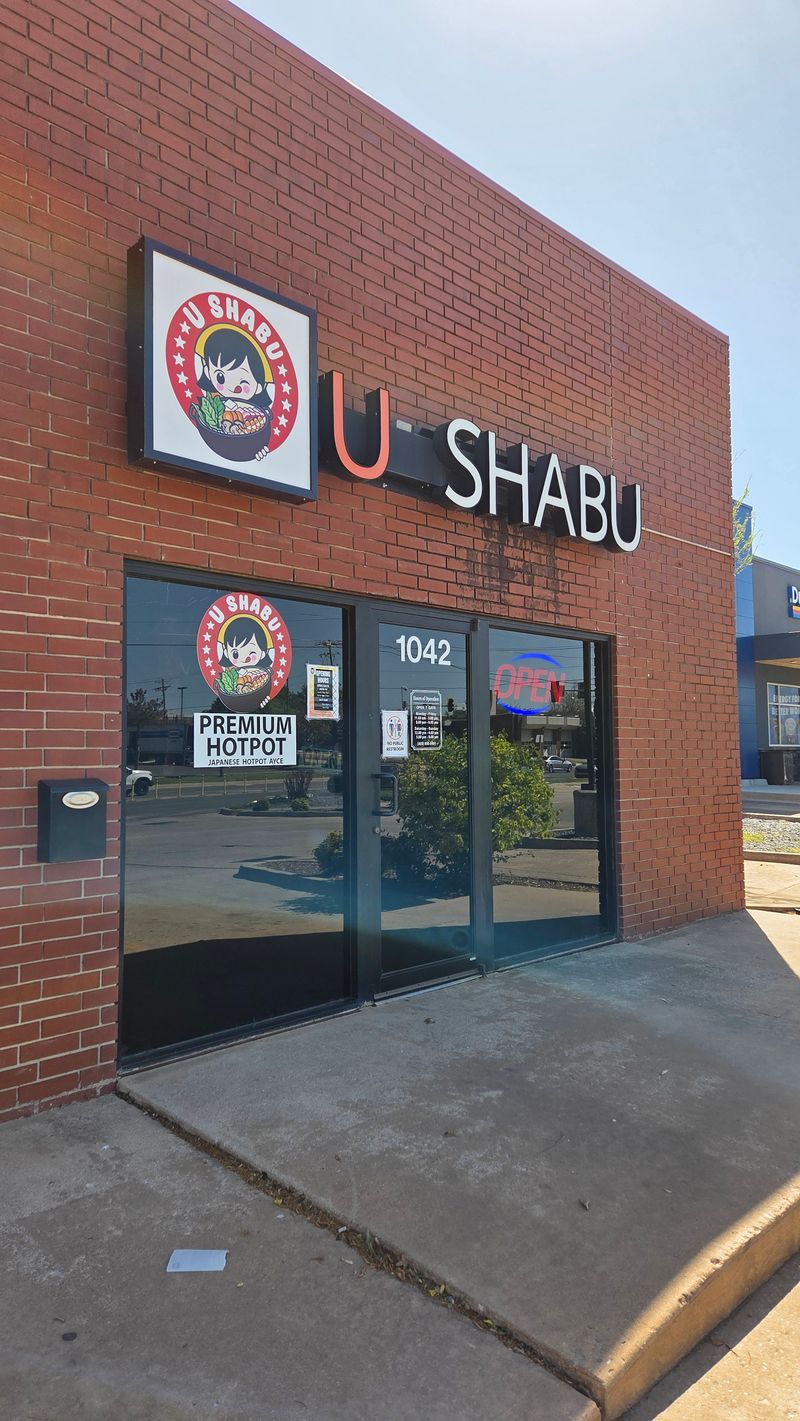
Finding U SHABU requires actually looking for it, which is either charming or annoying depending on your tolerance for culinary scavenger hunts. The location sits across from the University of Central Oklahoma campus on East 2nd Street, easy to miss if you’re not paying attention.
The exterior doesn’t scream for attention, which means you might drive past it twice before realizing you’ve found the place.
Once you know where it is, the location makes perfect sense. Close enough to campus to attract students looking for affordable meals, but not so deep in college territory that it becomes exclusively a student hangout.
The surrounding area offers decent parking, which matters more than people realize when you’re trying to decide where to eat.
Edmond itself brings a different energy than downtown Oklahoma City. Slightly quieter, a bit more suburban, but still with enough going on to feel alive rather than sleepy.
U SHABU fits this vibe perfectly, offering something interesting without trying too hard to be trendy.
For people driving from other parts of Oklahoma, the location is accessible without being complicated. You’re not navigating confusing one-way streets or searching for parking garages.
Just straightforward access to good food.
The address is 1042 East 2nd Street, Edmond, Oklahoma, in case you want to stop circling the block and actually find the place.
Dipping Sauce Station Becomes Personal Laboratory
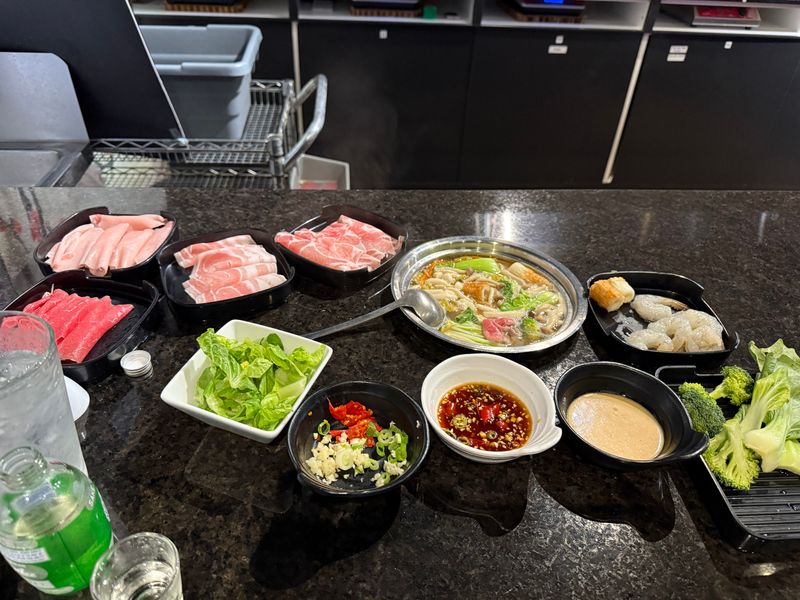
The dipping sauce situation at U SHABU deserves its own paragraph because it transforms from simple condiment selection into full-blown culinary experimentation. The sesame sauce arrives as a base, rich and nutty, but the real magic happens when you start customizing.
Staff suggestions include adding garlic, which sounds obvious until you taste how it completely transforms the flavor profile.
Ponzu brings brightness and acidity, cutting through the richness of fatty proteins. Chili oil adds heat without overwhelming everything else.
The beauty of having your own sauce station means you can adjust ratios throughout the meal, making your sauce spicier as you build tolerance or adding more sesame when you want comfort.
This level of customization appeals to people who like controlling every aspect of their meal and to those who just want something that tastes good. You can follow staff recommendations or go rogue with your own combinations.
Either way, you’re not stuck with whatever the kitchen decided you should eat.
The sauces also help bridge different broth choices. If your tonkotsu broth feels too rich halfway through, a bright ponzu-based sauce balances things out.
If your spicy Sichuan broth is testing your limits, creamy sesame sauce provides relief between bites.
Small details like good dipping sauces separate adequate hot pot from memorable hot pot, and U SHABU clearly understands this distinction.
Hours That Work For Actual Lunch Schedules
U SHABU operates during lunch hours, which sounds limiting until you realize most people actually want hot pot for lunch rather than dinner. The weekday schedule runs from 11 AM to 3 PM, giving you a solid four-hour window to show up without racing against closing time.
Weekend hours shift slightly, opening at noon on Saturday and Sunday, presumably because nobody wants to cook hot pot at 11 AM on a Saturday morning.
These hours work particularly well for the all-you-can-eat format. You can take your time, order multiple rounds, and not feel rushed because the kitchen needs to flip tables for dinner service.
The lunch focus also means the restaurant isn’t trying to be everything to everyone, which often results in doing nothing particularly well.
For people with flexible work schedules or those looking for a solid weekend lunch spot, these hours hit perfectly. You avoid dinner crowds, get the same quality food, and often pay less than evening pricing at comparable restaurants.
The Thursday closure gives the staff a consistent break, which probably contributes to the consistently good service. Burned-out restaurant workers rarely provide the kind of attentive, patient service that makes U SHABU stand out.
Operating hours might seem like a boring detail, but they shape the entire experience. A restaurant that knows its lane and sticks to it usually does better than one trying to serve breakfast, lunch, and dinner.
Perfect For Solo Diners and Groups Alike
Most restaurants clearly favor either solo diners or groups, making the other category feel like an afterthought. U SHABU’s setup somehow accommodates both without compromise.
Solo diners blend seamlessly into the U-shaped seating arrangement, enjoying their own hot pot without the awkwardness of sitting alone at a four-top table. The individual cooking stations normalize eating alone, turning it into a focused, almost meditative experience rather than a social failure.
Groups work equally well, though the seating does require some adjustment in expectations. You’re sitting in a line rather than around a table, which makes conversation flow differently.
Instead of everyone talking at once, discussions happen in smaller clusters or rotate as people finish cooking and look up. Some diners find this arrangement limiting, while others appreciate how it reduces the pressure to constantly engage.
For couples, the setup creates an interesting dynamic. You’re side by side rather than facing each other, which feels more collaborative than confrontational.
You can easily share ingredients, compare cooking techniques, or just enjoy comfortable silence without it feeling weird.
The flexibility extends to different dining motivations too. Come alone for some recharging time, bring friends for a social meal, or show up with coworkers for a team lunch.
The space adapts to whatever energy you bring rather than forcing a specific vibe.
Owner Involvement Creates Consistency
Plenty of restaurants have owners, but not all of them actually show up. At U SHABU, owner Puy maintains a visible presence, checking on tables and making sure things run smoothly.
This hands-on approach creates consistency that’s hard to achieve when management stays hidden in an office somewhere. When the person who owns the place also works the floor, standards don’t slip as easily.
Regular customers notice this involvement. Reviews mention Puy by name, which rarely happens unless someone makes a genuine impression.
That personal touch transforms a transaction into a relationship, turning first-time visitors into weekly regulars. People return not just for the food but because they feel welcomed by someone who actually cares whether they enjoy themselves.
This ownership style also means problems get addressed quickly. If something goes wrong with your meal, you’re not waiting for a message to travel through three layers of management.
The person who can actually fix things is right there, which speeds up solutions and prevents small issues from ruining entire experiences.
The owner’s presence also sets the tone for staff behavior. When employees see their boss treating customers with genuine hospitality rather than corporate efficiency, they tend to follow that example.
The result is service that feels personal rather than scripted.
Small restaurants live or die on consistency, and visible ownership is often the difference between places that thrive and those that slowly decline.
Dear Reader: This page may contain affiliate links which may earn a commission if you click through and make a purchase. Our independent journalism is not influenced by any advertiser or commercial initiative unless it is clearly marked as sponsored content. As travel products change, please be sure to reconfirm all details and stay up to date with current events to ensure a safe and successful trip.
