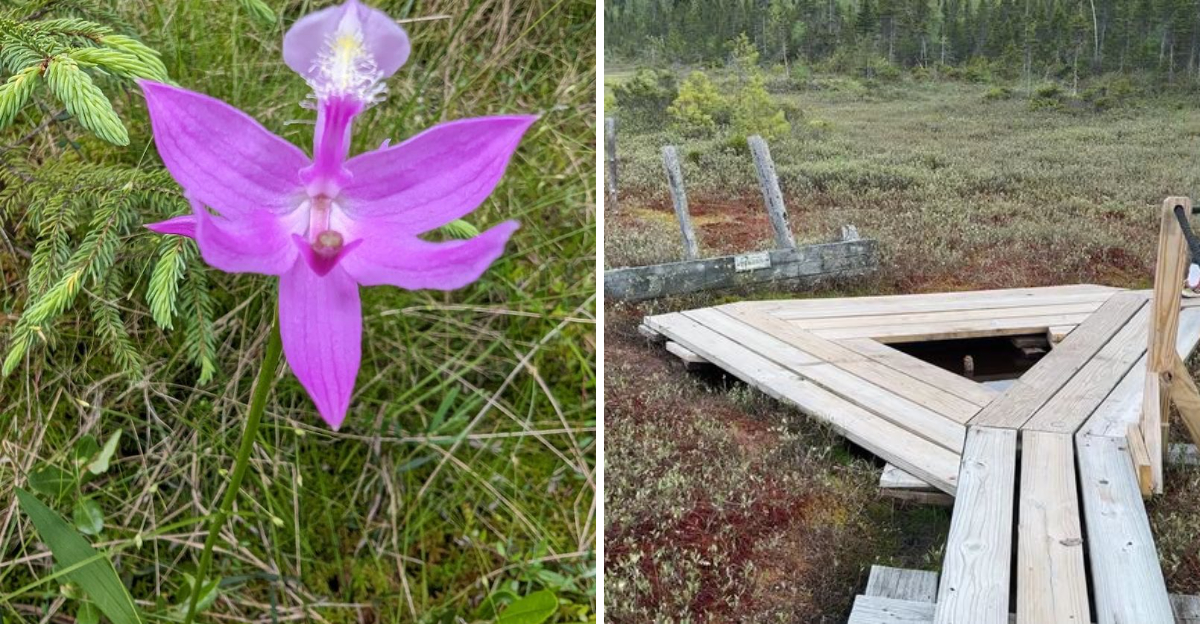
I have walked through a lot of beautiful places in New Hampshire, but I have never walked through anything quite like this. The boardwalk hovers above a rare and vibrant bog ecosystem, and the views are unlike anything else in the state.
The path is only about a mile long, easy enough for almost anyone, but the scenery is absolutely mesmerizing. I went in July, and the blueberries were sun warmed and sweet along the boardwalk.
The air smelled like pine and damp earth, and the plants were a riot of colors and textures. I learned that the bog is a kettle hole formed by retreating glaciers thousands of years ago, and that some of the plants here are also found in the arctic tundra.
The boardwalk shakes slightly in some spots, and you can feel the bog moving beneath you. That is the thing about this place.
It is rare and fragile and beautiful. And it is right here in New Hampshire, waiting for you to discover it.
A Kettle-Hole Bog Born From Glaciers
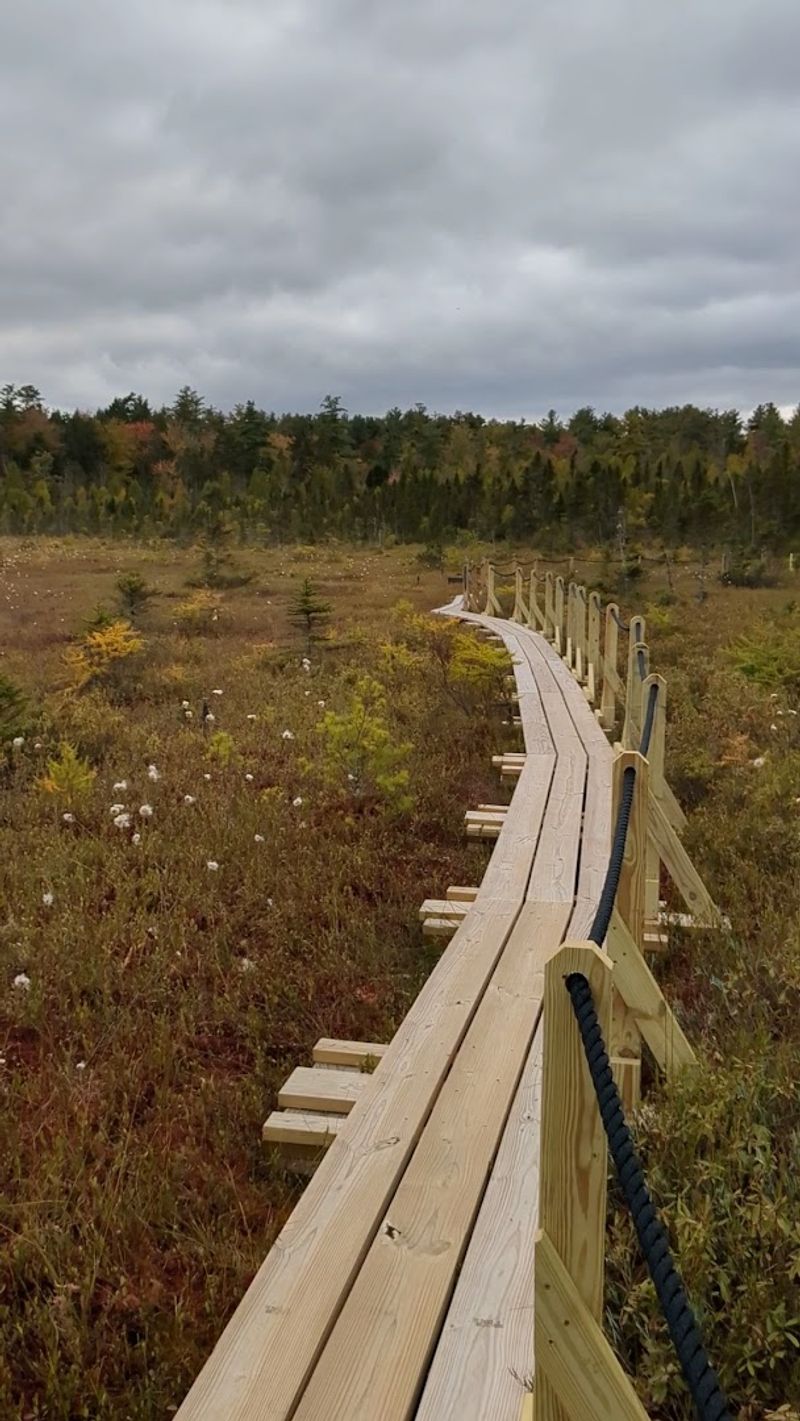
Picture a massive block of glacier ice slowly melting into the earth over thousands of years, leaving behind a deep, bowl-shaped depression that eventually fills with water. That is exactly how Philbrick Cricenti Bog came to exist.
The glaciers that once blanketed New Hampshire retreated roughly thirteen thousand years ago, and the kettle hole they left behind has been quietly evolving into one of the most fascinating bogs in the northeastern United States ever since.
What makes a kettle-hole bog so special is the way it functions as a closed system. Rainwater is the primary source of moisture, which means nutrients stay extremely low and acidity stays extremely high.
The bog sits at around a 4.0 pH, roughly as acidic as tomato juice, and that hostile chemistry is precisely what makes the plant life here so extraordinary.
New Hampshire is home to a handful of these ancient glacial remnants, but few are as accessible or as well-preserved as this one. Standing on the boardwalk and knowing that thousands of years of ecological history are unfolding just inches beneath your sneakers is genuinely mind-blowing.
The bog does not just exist in time. It tells it.
The Boardwalk That Makes the Whole Experience Possible
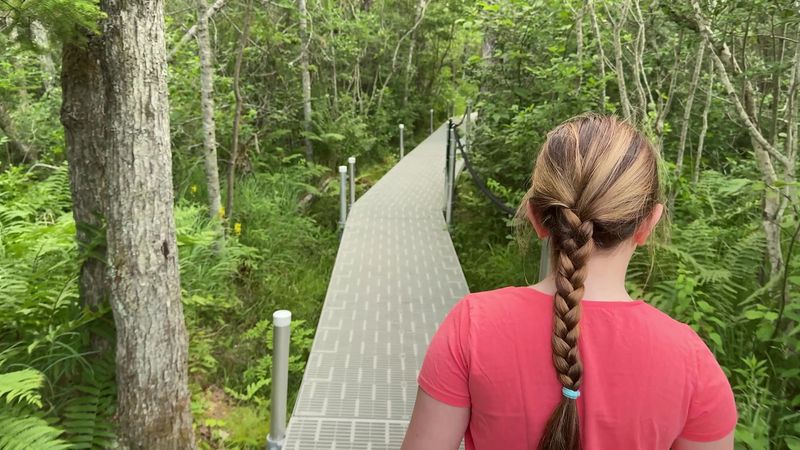
Walking through a bog without a boardwalk would be an absolute disaster, and possibly a dangerous one too. The boardwalk system at Philbrick Cricenti Bog is what transforms this fragile, watery wilderness into a place anyone can enjoy safely.
The trail was significantly upgraded between mid-2022 and late 2025, with new aluminum walkways replacing older wooden planks in many sections, all funded through private donations and serious volunteer dedication.
The result is a trail that feels thoughtful and well-built without losing its sense of adventure. Some sections still feature the original wooden boards laid directly over the bog mat, and those stretches have their own rustic charm.
The aluminum sections are non-slip, sturdier underfoot, and wide enough to accommodate most mobility devices, making the bog surprisingly accessible for a wetland trail.
Multiple loop options branch off the main path, including the Bog Peril Loop, the Tundra Garden Loop, the Peek Hole Loop, and the fan-favorite Quaking Loop. Each one offers a slightly different perspective on the ecosystem.
My honest advice: walk slowly, look down often, and resist every urge to step off the boards. The bog looks solid.
It absolutely is not.
Carnivorous Plants That Actually Eat Insects
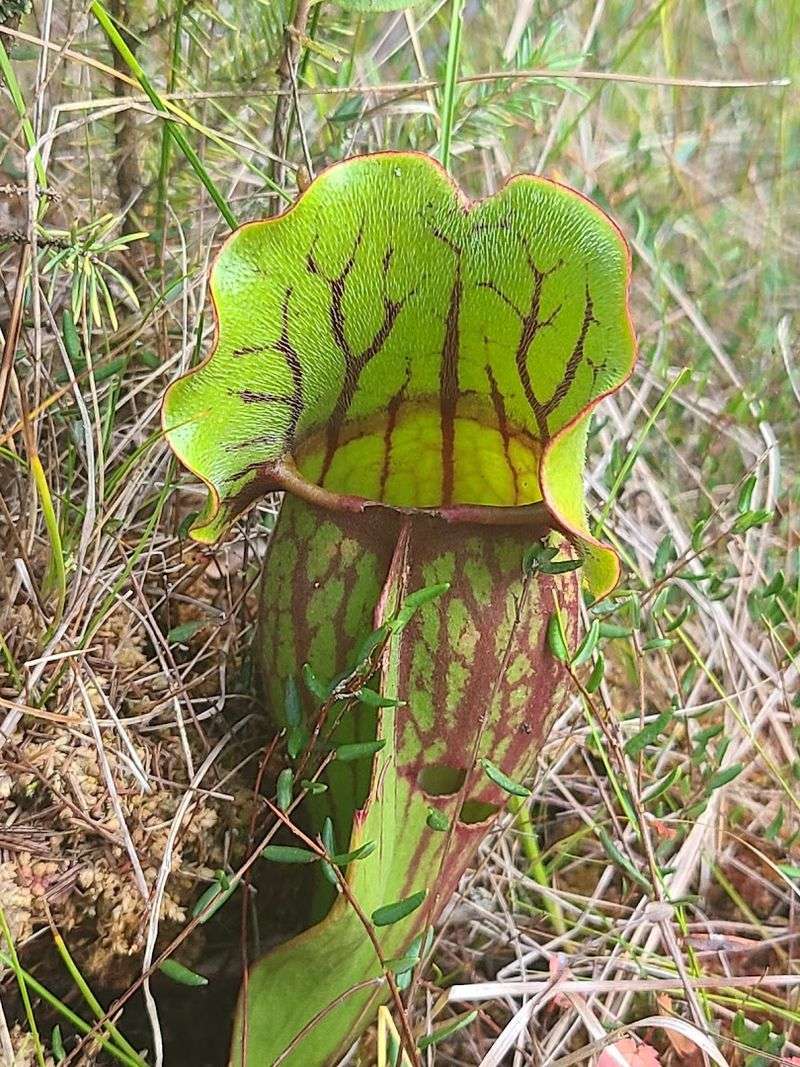
Yes, you read that correctly. The bog is home to plants that trap and digest living insects, and seeing them in person is one of the most thrilling nature experiences New Hampshire has to offer.
The star of the show is the Purple Pitcher Plant, a bold, tubular beauty that lures insects inside with sweet-smelling nectar, then drowns them in a pool of digestive liquid at the base of its leaf. Brutal, beautiful, and weirdly fascinating.
Sundews are the other carnivorous celebrity at Philbrick Cricenti Bog. These tiny plants are covered in glistening, sticky droplets that look like morning dew but function more like flypaper.
An insect lands expecting a drink and ends up becoming lunch instead. Bladderworts, which live below the waterline, round out the carnivorous trio with their microscopic vacuum-like traps that suck in aquatic prey at lightning speed.
The reason these plants evolved such extreme feeding strategies comes down to the bog’s chemistry. With almost no nutrients available in the soil or water, these species had to get creative about their nitrogen sources.
Visiting during summer gives you the best chance of spotting them in full, insect-catching action. Bring a magnifying glass if you have one.
Sphagnum Moss, The Bog’s True Architect
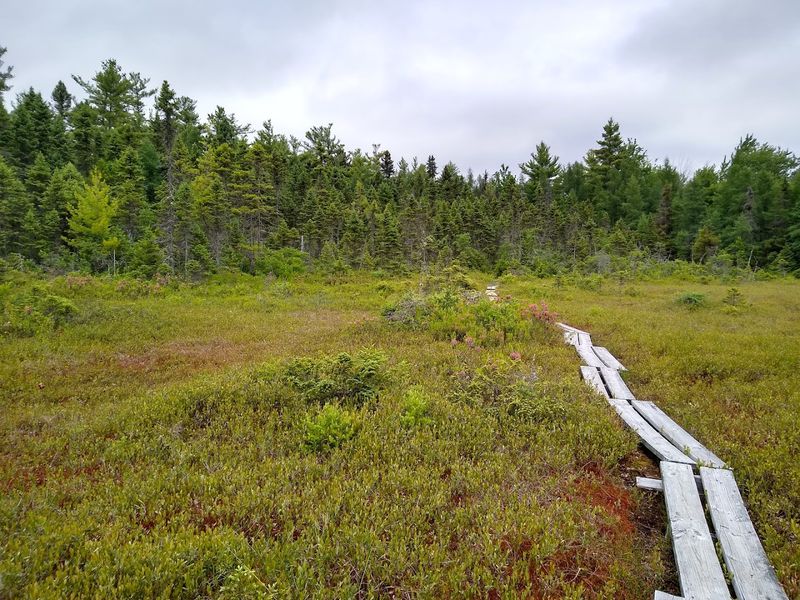
Sphagnum moss might not sound glamorous, but this humble plant is basically the entire reason the bog exists. At Philbrick Cricenti Bog, sphagnum forms the floating mat that covers the water’s surface, creating a living platform thick enough to walk on, yet flexible enough to ripple and bounce underfoot.
The mat in some areas has accumulated peat to a depth of around twenty feet, which is an almost incomprehensible amount of slow, steady biological accumulation.
What makes sphagnum so ecologically powerful is its ability to hold enormous quantities of water while simultaneously releasing acids that lower the pH of its surroundings. That acidic environment suppresses the decomposition of dead plant material, which is why peat builds up so dramatically over time.
Essentially, sphagnum creates the very conditions it thrives in, making it one of nature’s most effective self-sustaining systems.
The colors of the moss shift beautifully depending on the season and moisture levels, ranging from vivid lime green in wet conditions to deep russet red in drier periods. Walking above a carpet of sphagnum and knowing it has been building for thousands of years gives the whole experience a quietly epic quality.
New Hampshire does not advertise this enough.
The Quaking Loop Where the Ground Actually Moves
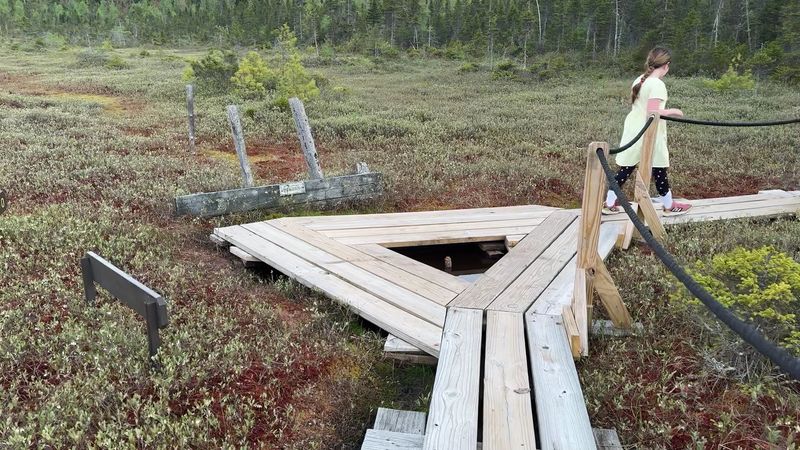
Of all the loop trails at Philbrick Cricenti Bog, the Quaking Loop earns the most gasps. Step onto this section of boardwalk and you will feel the entire mat beneath you gently sway and undulate, like walking on a very slow, very earthy trampoline.
The sensation is unlike anything most people have felt before, and it is simultaneously thrilling and slightly terrifying in the best possible way.
The quaking effect happens because the peat mat in this area is particularly thin and loosely anchored, allowing it to flex and shift when weight is applied. Push a long stick into the mat here and it will slide down through the peat and into water far below.
Signs along the trail make this point dramatically clear, and some even invite you to test the depth yourself with a branch.
Kids absolutely love this section, and honestly, so do adults who think they are too cool to be impressed by a wobbling bog. The Quaking Loop is a physical reminder that the ground you are standing on is not actually ground at all.
It is a living, floating layer of plant material suspended above a deep, dark pool. New Hampshire wilderness does not get more surreal than this.
Rare Orchids and Wildflowers Hiding in Plain Sight
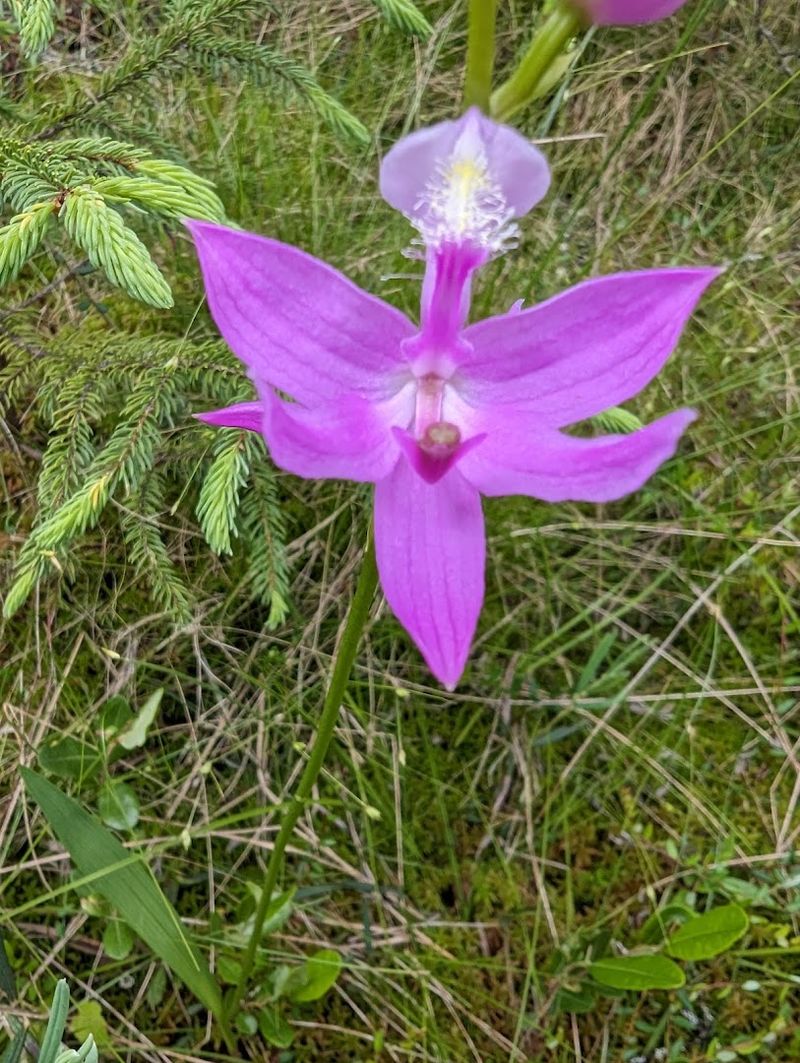
Beyond the carnivorous headliners, Philbrick Cricenti Bog is quietly home to some of the most beautiful and uncommon wildflowers in all of New England. White fringed bog orchids push up through the moss with an elegance that feels completely out of place in such a harsh environment.
Grass-pink orchids add splashes of vivid purple-pink color that stop you mid-step. Finding an orchid blooming in the middle of an acidic bog feels like discovering a secret the forest decided to keep just for you.
Bog bean spreads its distinctive three-part leaves across the water’s surface, while water arum adds architectural drama with its bold, arrow-shaped foliage. Leatherleaf, one of the most cold-hardy shrubs in North America, forms dense low thickets across the mat, and bog-rosemary contributes its delicate pink blossoms to the mix.
The sheer variety of specialized plants packed into this relatively small space is genuinely astonishing.
Spring and early summer tend to be the prime seasons for wildflower spotting at the bog. Each visit reveals something slightly different depending on timing, weather, and how carefully you look.
Slow down, crouch low, and scan the moss carefully. The bog rewards patience with breathtaking little discoveries that most people walk right past.
Tamarack and Black Spruce Trees Stunted by the Bog’s Harsh Conditions
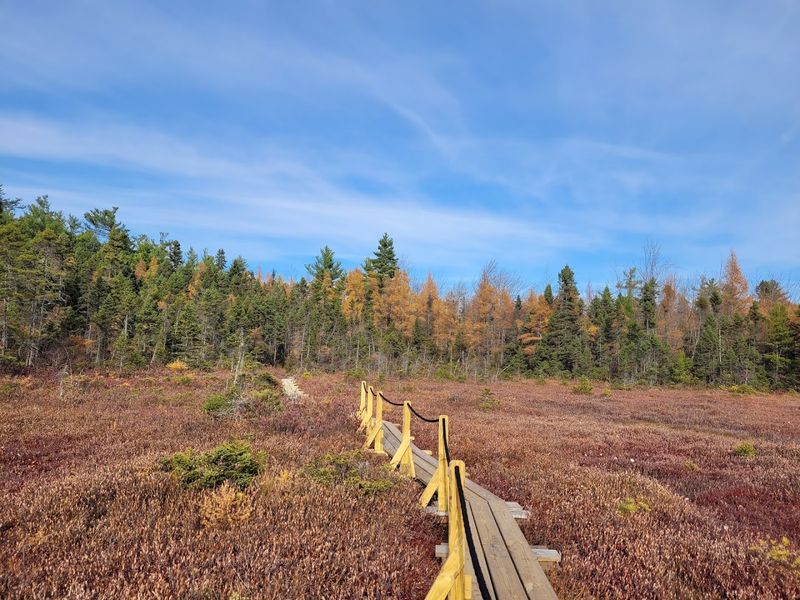
Not many trees can survive in a bog, and the ones that do pay a visible price for it. At Philbrick Cricenti Bog, black spruce and tamarack trees grow throughout the mat and along its edges, but they look nothing like the towering specimens you might find in a healthy forest.
Despite being well over sixty years old, many of these trees stand barely taller than a person, their growth so severely stunted by the acidic, nutrient-starved conditions that they seem frozen in a permanent state of botanical youth.
Tamarack is particularly fascinating because it is one of the very few deciduous conifers in North America, meaning it drops its needles every autumn just like a maple or oak.
Watching tamarack needles turn golden yellow in fall while surrounded by the rich reds and greens of the bog is a genuinely stunning sight.
The black spruce swamp that forms a transitional ring around the open bog creates a moody, atmospheric buffer zone between the surrounding forest and the open mat.
These dwarfed trees are living proof of just how demanding the bog’s chemistry really is. A tree that would grow forty feet tall in normal soil manages only a fraction of that here.
The bog humbles everything it touches.
An Arctic Tundra Vibe in the Heart of New England
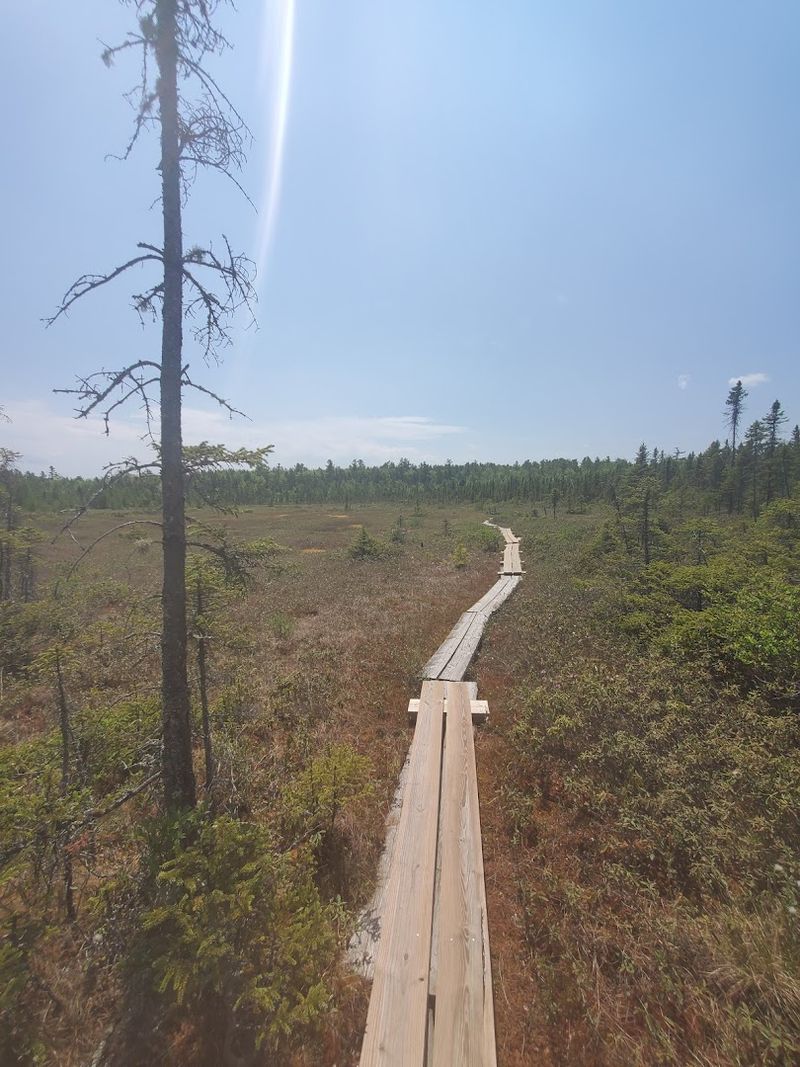
Standing in the open section of Philbrick Cricenti Bog on a cool, overcast morning feels genuinely disorienting. The flat, open mat stretching in every direction, the low-growing heath shrubs, the absence of tall trees, and the muted color palette of rust, olive, and grey…
It all creates a landscape that looks far more like the Alaskan tundra than central New Hampshire.
Many of the plant species found here are technically arctic or subarctic in character, having persisted at this location since the end of the last ice age.
This tundra-like quality is not an accident or a coincidence. The bog’s acidic, nutrient-poor, waterlogged conditions mimic the environment of far northern latitudes so closely that plants adapted to those extremes find it perfectly hospitable.
Species that would normally require a plane ticket to Alaska to observe grow freely here, just off Newport Road in a small New Hampshire town.
The open bog also means full sun exposure with very little shade, which makes the site brutally hot during peak summer afternoons. Morning visits are highly recommended for comfort, better lighting for photography, and a greater chance of spotting wildlife while the bog is still quiet.
Pack sunscreen, water, and a genuine sense of wonder.
Educational Signage That Makes the Science Come Alive
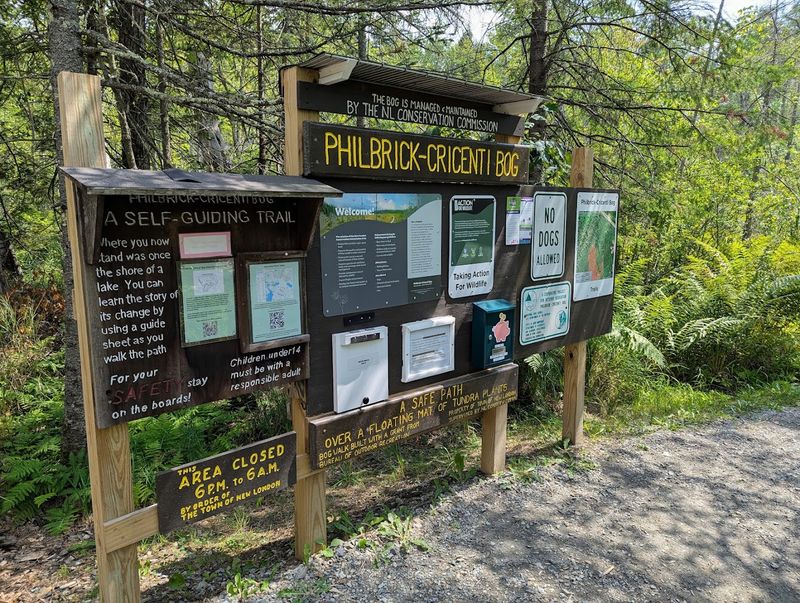
One of the things that genuinely sets Philbrick Cricenti Bog apart from other nature trails is how well it teaches while you walk.
Interpretive signs are placed at key points throughout the boardwalk system. Each one is explaining a specific aspect of the bog’s ecology in clear, engaging language that does not require a biology degree to appreciate.
The signage covers everything from peat formation and bog chemistry to individual plant species identification and the mechanics of carnivorous plant digestion.
QR codes on trail markers link to additional digital resources, allowing curious explorers to access deeper information right from their phones.
The educational approach feels genuinely thoughtful rather than obligatory, and it transforms what could be a pleasant but passive stroll into an active learning experience.
Kids who might normally rush through a nature trail tend to slow down here, pulled in by the hands-on demonstrations and surprising facts.
The bog has also been used regularly for guided educational tours, and the New London Conservation Commission occasionally hosts open house events where experts are on hand to answer questions.
The combination of excellent on-site signage, accessible trail design, and community engagement makes Philbrick Cricenti Bog one of the most educational free outdoor experiences in all of New Hampshire.
Come curious, leave fascinated.
Planning Your Visit to 295 Newport Road, New London
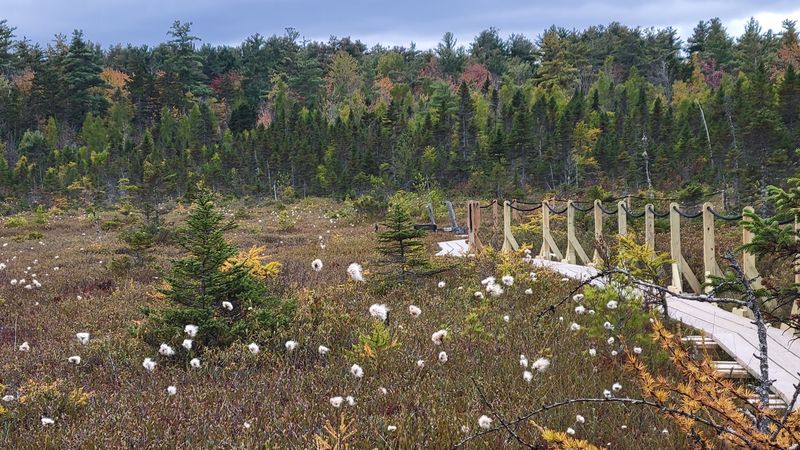
Getting to Philbrick Cricenti Bog is straightforward, and the experience costs absolutely nothing to enjoy. The trailhead is located at 295 Newport Road, New London, NH 03257, right along the main road, making it easy to find even on a first visit.
Parking is limited, so arriving early on weekends during peak season is a smart move. The trail itself covers less than a mile in total, making it manageable for most fitness levels and age groups.
A few practical notes worth knowing before you go: dogs are not permitted on the trail, which helps protect the sensitive ecosystem. There is no formal restroom facility at the site, so plan accordingly before leaving town.
Wear sturdy, closed-toe footwear since some boardwalk sections sit very close to the water, and wet conditions can make certain planks slippery despite the non-slip surfaces on the newer aluminum sections.
The bog is maintained by the Town of New London Conservation Commission, and it is open year-round. Fall brings spectacular color, spring delivers wildflower blooms, and even a rainy day visit has its own moody magic.
New Hampshire has no shortage of beautiful natural places, but Philbrick Cricenti Bog offers something genuinely rare. Pack your curiosity and go see it for yourself.
