A garden center can ruin a person in under ten minutes. Not financially.
Creatively. You see a tray of herbs and start imagining a kitchen garden.
Then come the coneflowers. Then the hostas.
Then the peppers. Suddenly there is a plan for an entire yard.
This Alabama nursery makes that progression especially easy because shoppers can fill up on local plants without spending what they expected. Rows of flowers, herbs, vegetables, and shade plants stretch through the greenhouses, drawing customers from well beyond the surrounding area.
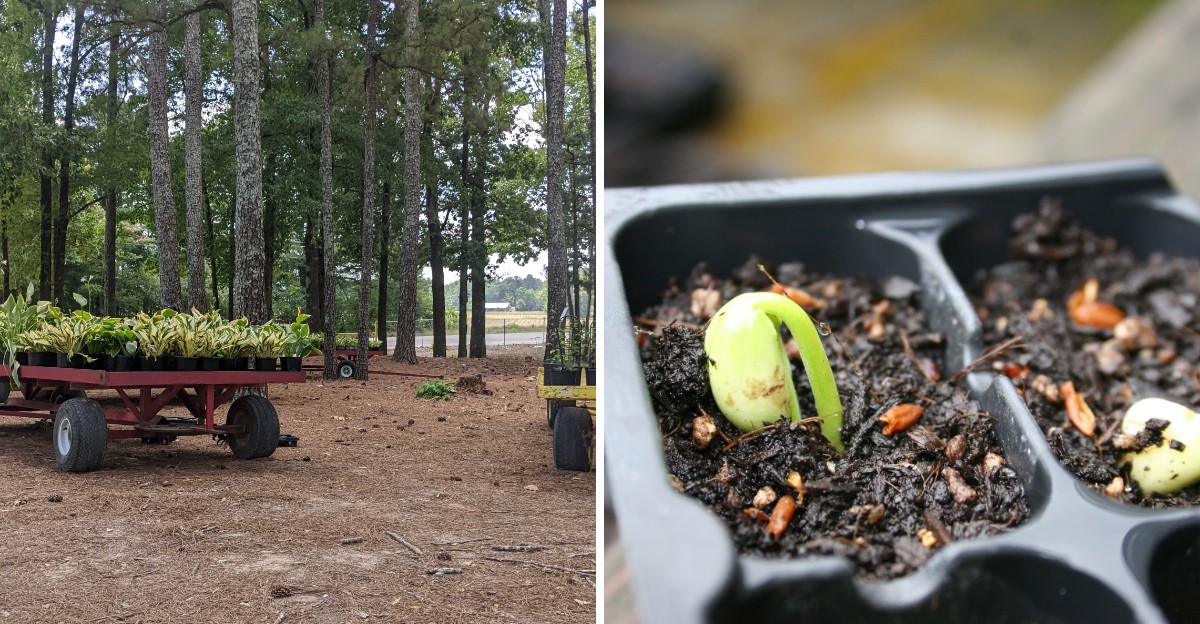
The early hours matter. So does the wagon.
Because once the spring selection starts disappearing, waiting for another weekend can be a costly mistake in gardening terms.
Over 450 Perennial Varieties Growing Under One Roof
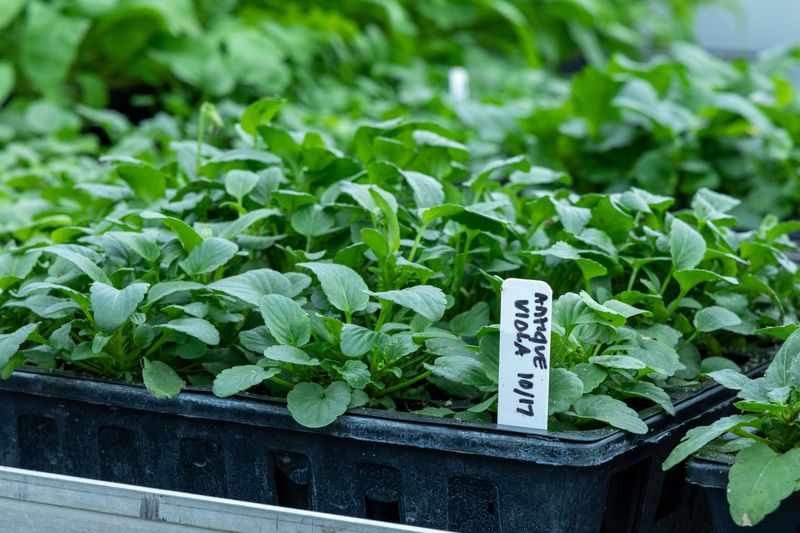
Most garden shops offer a handful of reliable perennials and call it a season. Sawyer grows more than 450 varieties, spread across container sizes running from one quart up to three gallons.
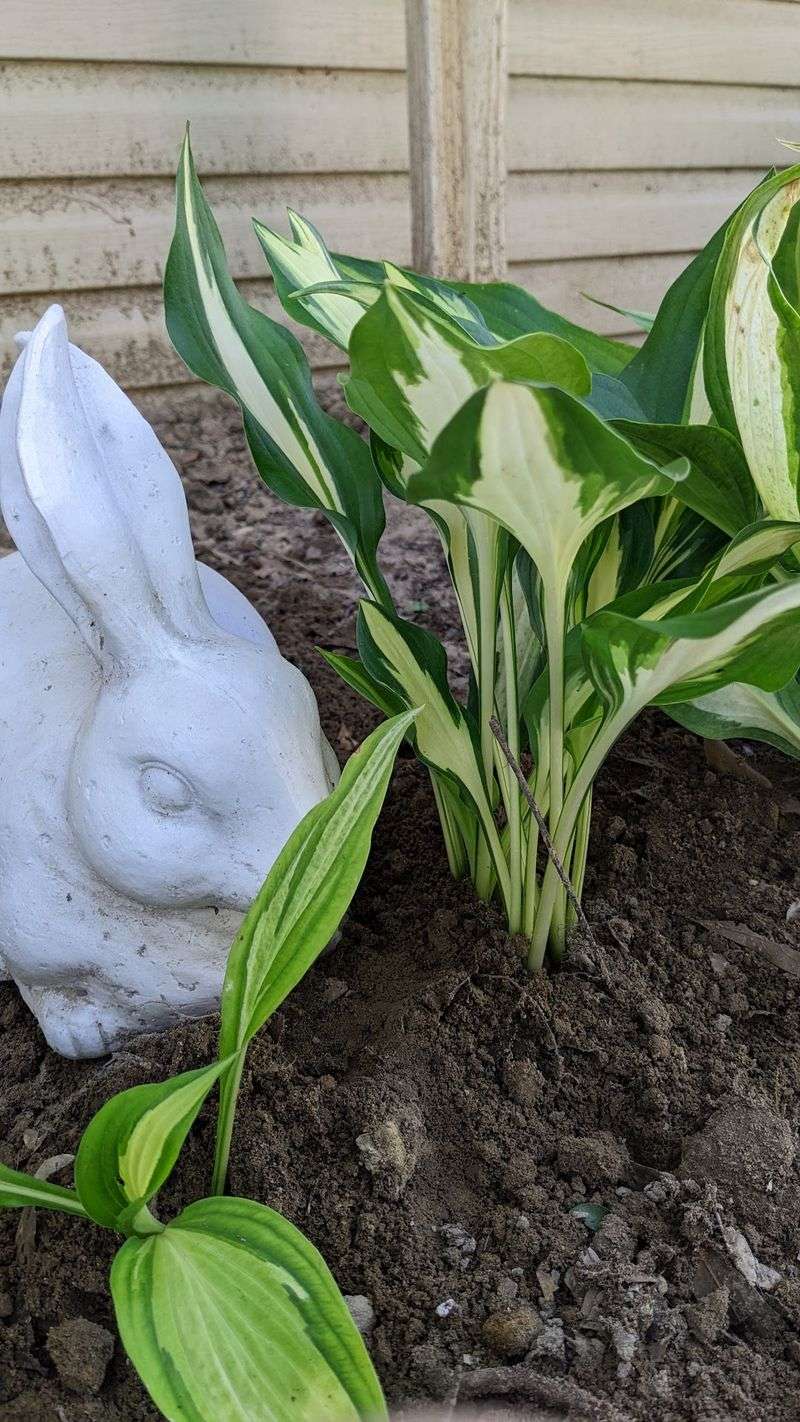
Hostas show up in shades of blue-green, chartreuse, and cream stripes. Coral bells bring burgundy and caramel foliage that holds color long after blooms fade.
Coneflowers stand tall in the sunnier houses, waiting for pollinators to find them.
Variety matters more than people realize. A yard with different bloom times stays interesting from early spring through the first cool nights of fall, instead of peaking for two weeks and going quiet.
Shade gardeners do especially well here. Hostas and ferns thrive under Alabama’s oaks and pines, where turfgrass usually struggles and gives up.
Walking the benches slowly pays off. Labels list growing habits, and comparing two similar plants side by side helps far more than scrolling through photos online.
Container sizes give flexibility too. Smaller quarts work well for mass plantings where patience is fine, while three-gallon pots deliver instant presence near a porch or mailbox.
Bring a notebook or take photos of the tags. Half the fun is planning next year’s additions before this year’s are even in the ground, and the selection shifts as the growing season progresses.
Prices That Feel Like A Throwback To Simpler Times
Gardeners around Cherokee County talk about the prices here the way people talk about gas stations from decades past. Quart pots and gallon containers move for numbers that seem out of step with modern garden centers.
That value comes from how the operation works. Sawyer is primarily a wholesale grower, shipping millions of perennials each year to retail chains across the Great Lakes and Midwest regions.
Plants grown for those big orders sometimes remain at the Leesburg facility, and the public sale is where they find homes.
Instead of paying for fancy displays or retail markup, shoppers walk straight into the growing houses. No showroom, no frills.
The savings show up in the cart.
Because of the pricing, people tend to think in quantity rather than singles. A whole flower bed can get planted in one trip, which is rare anywhere else.
Filling a border with coneflowers or edging a walkway with coral bells suddenly stops feeling like a splurge.
One practical note worth remembering: public sales generally run on a cash only basis, so plan ahead before making the drive out to County Road 7.
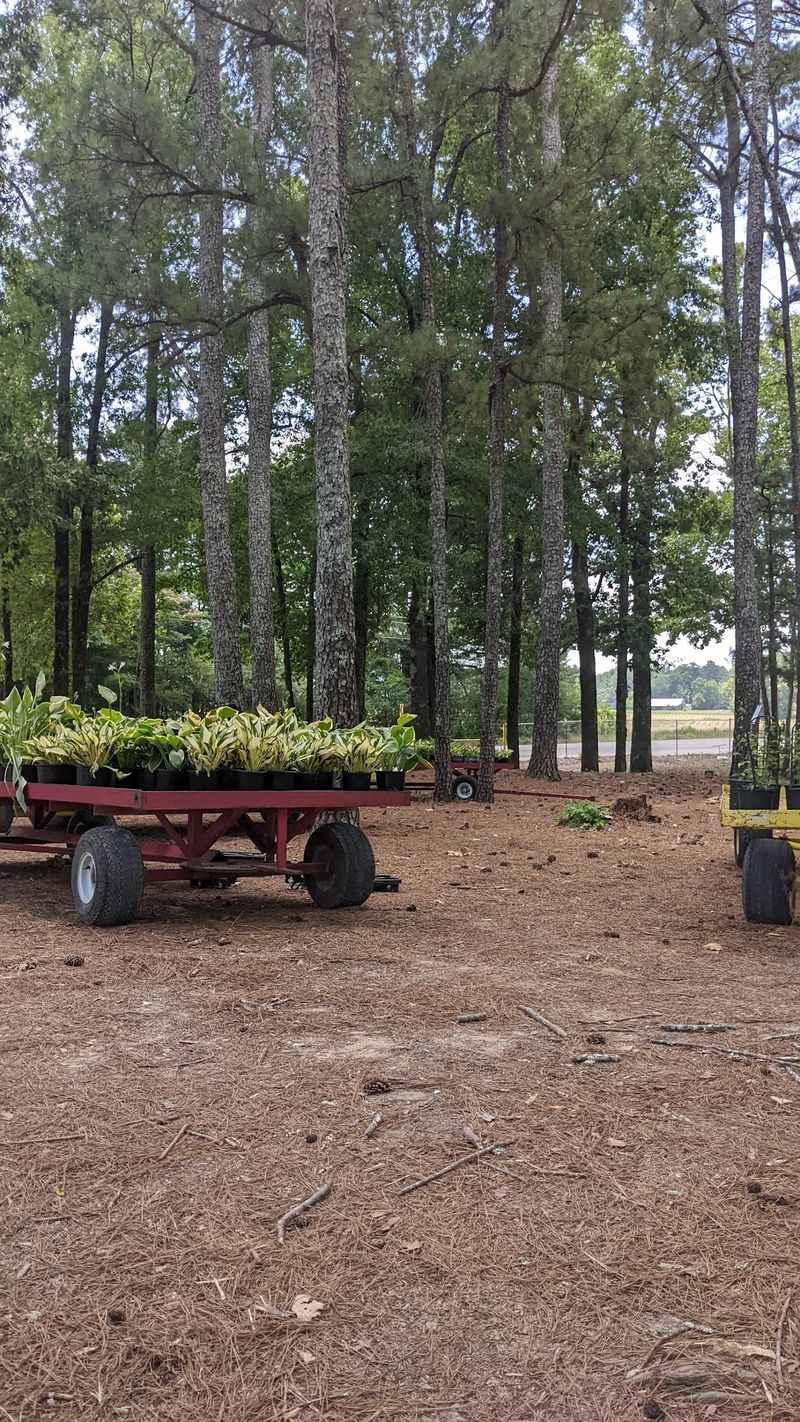
Landscapers, church volunteers, and weekend hobbyists all shop side by side. Everyone hauls their own flats.
It has the friendly, slightly chaotic energy of a farmers market, only with dirt under everyone’s fingernails and wagons rolling past the benches.
A Family Story That Started Back In 1956
Long before the Leesburg greenhouses existed, Bob and Shirley Sawyer started growing perennials in Hudsonville, Michigan, back in 1956. The early work centered on supplying local markets and other nurseries.
Growth came gradually. In 1974, the family purchased 90 acres in Michigan, giving the operation room to expand well beyond its modest beginnings.
The Alabama site arrived later as a subsidiary facility, built to serve growing markets and stretch the production calendar. Between both states, the company now works roughly 300 acres.
Ownership changed hands in 2014, when Tom Kowieski and a partner took over from the Sawyer family. Kowieski eventually became sole owner, and the original name stayed put.
There is something grounding about shopping at a place with that kind of runway behind it. Nearly seven decades of growing knowledge sits behind every bench of plants.
Fun detail worth knowing: the Alabama location exists partly because the warmer climate allows a wider range of varieties to be ready earlier, which helps keep shelves stocked up north.
History here is not displayed on plaques or wall murals. It shows up in the way the greenhouses are laid out and the way staff talk about what grows well, passed along season after season by people who have been doing this a long while.
Vegetable Starts For Anyone Dreaming Of Homegrown Tomatoes
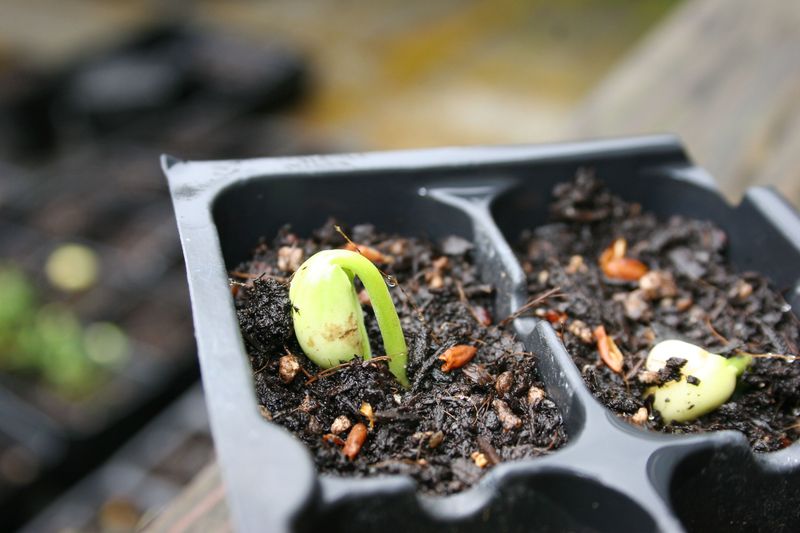
Heirloom tomatoes have a way of turning casual shoppers into serious gardeners. During public sales, the Leesburg greenhouses stock heirloom and open-pollinated tomato starts alongside peppers, eggplants, squash, pumpkins, beans, and peas.
Starting from transplants instead of seed saves weeks of guesswork. The plants already have strong roots and sturdy stems, which matters when Alabama’s spring weather swings between chilly nights and sudden warm spells.
Herbs round out the mix. Basil, oregano, and other kitchen staples usually sit near the vegetable benches, ready for pots by the back door.
Open-pollinated varieties carry a bonus for curious gardeners. Seeds saved from those plants grow true to the parent, so one purchase can turn into several seasons of tomatoes.
Planning helps. Squash and pumpkins need serious elbow room, while peppers tolerate tighter spacing and containers without complaint.
Shoppers who arrive early in the season find the widest selection of vegetable starts. Later visits still turn up plenty, though favorites can vanish quickly once word spreads.
Houseplants also make appearances during sales, which is handy for anyone whose gardening space is a windowsill rather than an acre. Between the edibles, the herbs, and the leafy indoor options, it is easy to leave with a full flat and a loose plan for the weekend.
Staff Who Actually Know What They Are Talking About
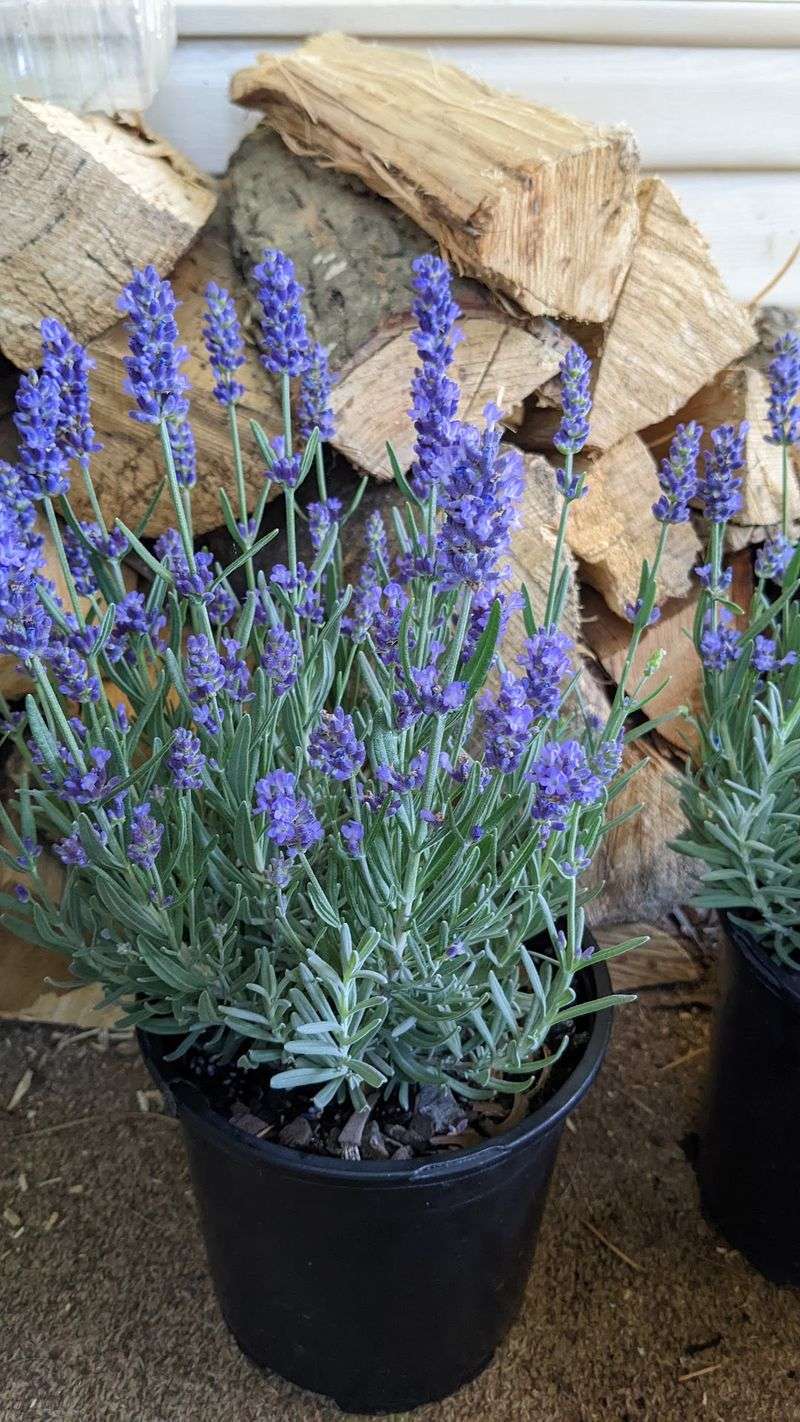
Ask a question about soil drainage or afternoon sun here, and the answer comes from experience rather than a laminated card. Staff spend their days among these plants, watching how each variety behaves through Alabama heat.
Visitors regularly mention how helpful and easygoing the team is. Names get remembered, advice gets offered freely, and nobody rushes a shopper along the aisles.
That kind of guidance changes outcomes. Picking the wrong plant for a soggy corner wastes money and effort, while a quick conversation can steer someone toward something that thrives instead.
Practical questions get practical answers. How tall will it get, how much water does it want, will deer bother it, when does it bloom.
The company culture leans on a diverse workforce and mutual respect, something reflected in how smoothly the sales floor operates during busy spring mornings.
Newcomers should not feel shy. Plenty of first-time gardeners show up with nothing but a rough idea of a sunny flower bed, and they leave with a workable plan.
Repeat customers make the return trip year after year, often several times in one season. That pattern says a good deal about the experience, and it explains why the same faces keep showing up in the parking area with empty wagons and big intentions.
Early Morning Hours Built For Southern Heat
Seven in the morning might sound brutal to some, but anyone who has gardened through an Alabama July understands the logic completely. Public sales at the Leesburg location typically run Monday through Friday, starting at 7 AM and wrapping up in the early afternoon.
Morning light inside the greenhouses is genuinely lovely. Dew still clings to hosta leaves, the air stays cool for a while, and the whole place feels calm before the day heats up.
Shopping early also protects the plants. Tender starts sitting in a hot vehicle for hours do not travel well, so an early pickup means faster planting at home.
The season has a natural ending point. Sales generally continue until the plants sell out, often by the last week of June.
That timeline shapes how regulars plan. Serious shoppers make multiple trips through spring rather than betting everything on one visit in late June.
Weekends are not part of the schedule, so the trip needs a weekday. Retirees, remote workers, and anyone with a flexible morning have the advantage here.
A Country Drive Through Northeast Alabama Worth Taking
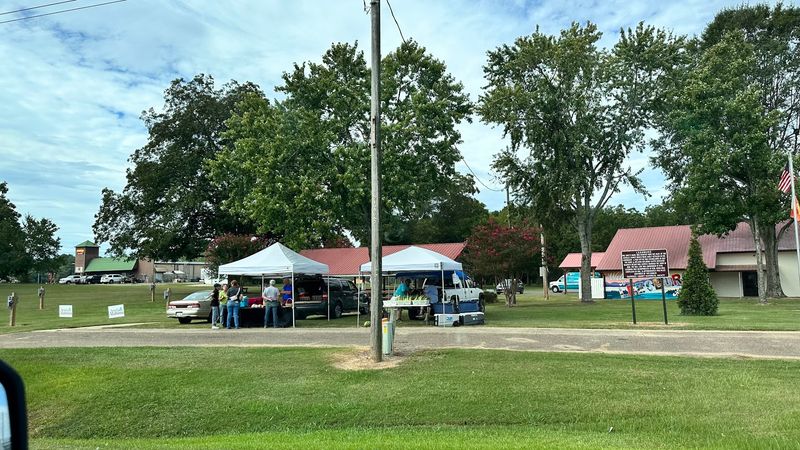
Getting there is honestly part of the appeal. Leesburg sits in Cherokee County near Weiss Lake, surrounded by rolling farmland, pine stands, and the kind of two-lane roads where drivers wave at each other out of habit.
The nursery address, 5735 County Road 7, Leesburg, AL 35983, puts visitors well off the interstate and into genuine countryside. Cell service may waver, so downloading directions beforehand is a smart move.
Lookout Mountain rises nearby, and the surrounding area offers lake views, fishing spots, and quiet scenery that makes the drive feel less like an errand.
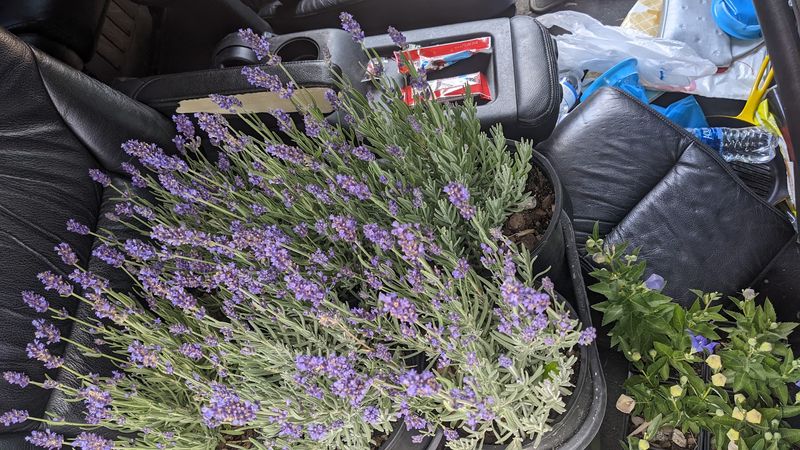
Bring the right vehicle. A truck bed, an SUV with the seats folded down, or a few sturdy boxes will make the return trip far less stressful.
A wagon or cart helps enormously once inside the greenhouses. Flats get heavy faster than expected, and the growing houses stretch a good distance.
Closed-toe shoes beat sandals, since floors stay damp and gravel shows up in the walkways. Water and a hat round out the packing list.
Plenty of visitors turn the outing into a half-day adventure, combining plant shopping with a lake stop or a small-town lunch nearby. The pace is unhurried, the scenery is green, and the truck heads home loaded with flowers.
