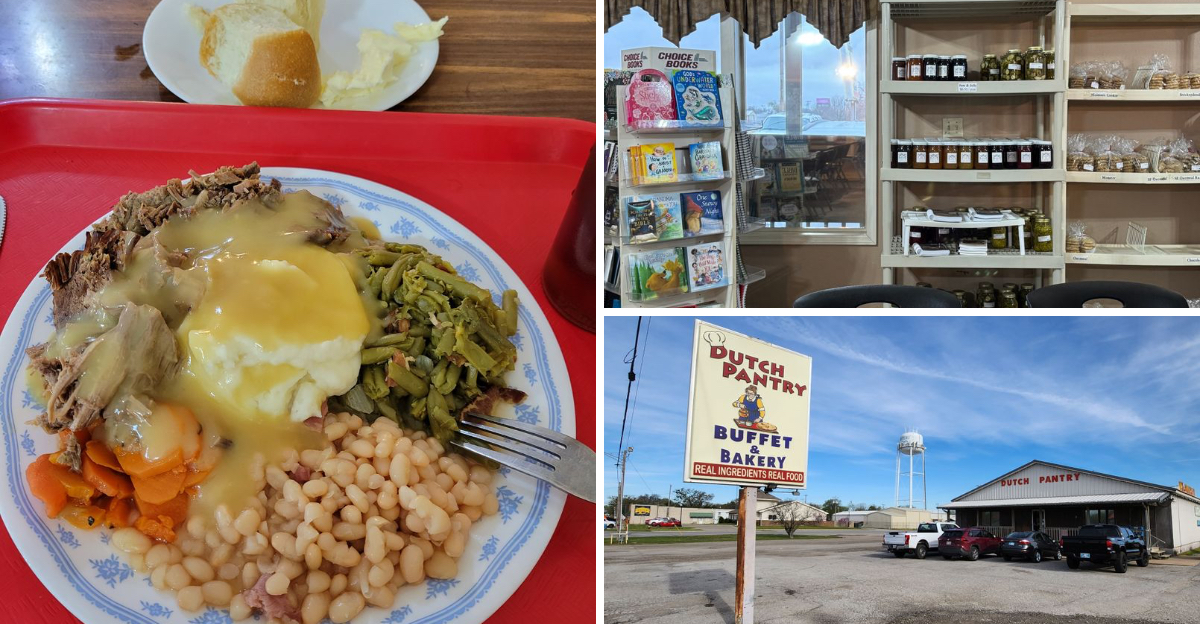
Tucked into the heart of northeastern Oklahoma, the small town of Chouteau offers travelers a rare glimpse into a slower, simpler way of life.
Rolling hills, friendly locals, and a strong sense of community make this corner of the state feel like stepping back in time to when neighbors knew each other by name and hospitality meant something real.
Visitors flock here not for flashy attractions or neon lights, but for authenticity and warmth that can’t be manufactured.
At the center of this charming town sits a place that embodies everything people love about Oklahoma’s heartland dining culture. Dutch Pantry has earned its reputation as a must-visit destination for anyone craving honest, homestyle cooking served with unpretentious charm.
This seat-yourself buffet spot draws crowds from hours away, proving that great food doesn’t need fancy trappings or celebrity chefs.
What makes this café so special isn’t just what’s on the tables, but the entire experience of walking through those doors. From the moment you step inside, you’re welcomed into a space that feels like a family gathering rather than a commercial transaction.
It’s the kind of place where strangers become friends over shared tables and second helpings, where every visit feels like coming home.
A No-Frills Buffet That Puts Food First
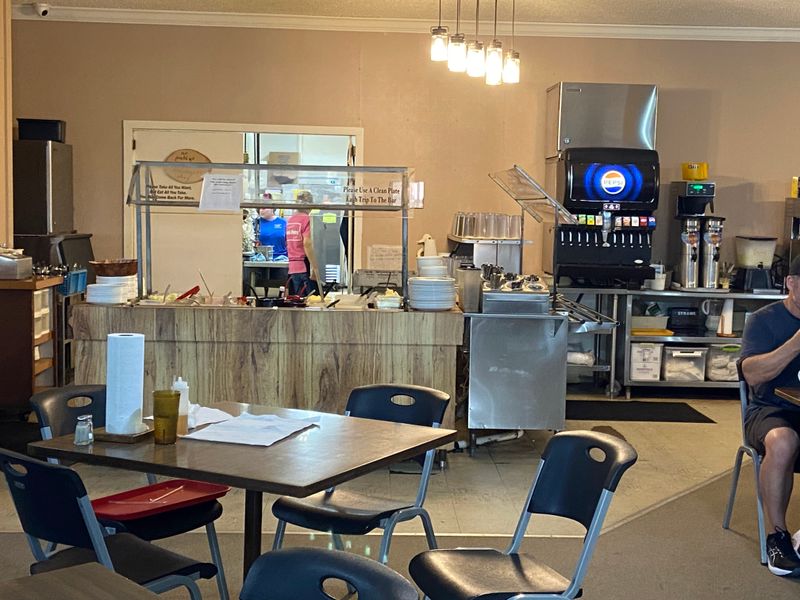
Walking into Dutch Pantry means leaving your expectations of modern restaurant service at the door. There’s no hostess stand, no waitstaff hovering with menus, and no carefully choreographed dining experience.
Instead, you’re greeted by the aroma of homemade rolls and the sight of tables filled with locals who already know the drill.
This seat-yourself setup might throw first-time visitors for a loop, but regulars love the informal vibe it creates. You grab a plate, head to the buffet line, and load up on whatever looks good.
Drinks are self-serve too, which means you can refill your sweet tea or coffee without waiting for anyone’s permission.
The simplicity of the operation keeps the focus exactly where it belongs: on the food itself. Without the distractions of elaborate décor or formal service protocols, every bite becomes the main event.
This stripped-down approach might seem unusual in an age of Instagram-worthy restaurant designs, but it’s precisely what gives Dutch Pantry its authentic charm.
Some folks appreciate a heads-up about the system before they arrive, while others enjoy figuring it out as they go. Either way, the relaxed atmosphere makes it easy to settle in and enjoy the experience.
Once you understand how things work, the whole setup feels liberating rather than confusing. You’re in control of your own dining pace, free to take your time or move quickly as you please.
Scratch-Made Cooking That Tastes Like Grandma’s Kitchen
Forget factory-produced, pre-packaged restaurant fare. Everything served at Dutch Pantry gets made from scratch using traditional recipes that have stood the test of time.
The kitchen operates on principles that many modern establishments have abandoned in favor of convenience and cost-cutting.
Take the fried chicken, for example. Rather than using industrial deep fryers, the cooks prepare it in cast iron skillets the old-fashioned way.
The result is crispy, golden pieces that taste exactly like what your grandmother might have made on Sunday afternoons. Each bite carries the unmistakable flavor of food prepared with care and attention rather than speed and efficiency.
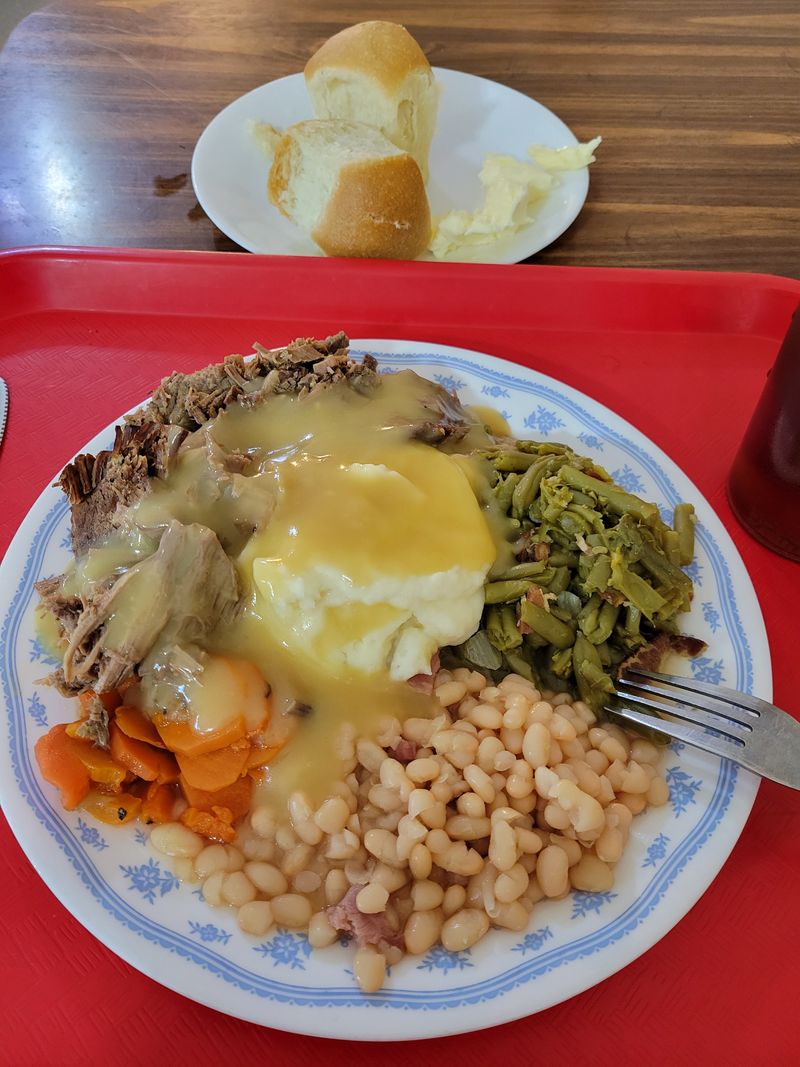
The mashed potatoes achieve that perfect creamy texture that only comes from real potatoes, real butter, and someone who knows what they’re doing. Homemade noodles, slow-cooked beans with ham, and vegetables seasoned just right round out the spread.
Even the rolls get made fresh in-house, emerging from the oven as soft, buttery clouds that practically melt in your mouth.
This commitment to scratch cooking means the menu rotates based on what the kitchen can realistically prepare each day. You won’t find endless options or every possible dish under the sun.
Instead, you’ll discover a focused selection of items made exceptionally well, each one representing hours of work and generations of knowledge.
The Daily Menu Keeps Things Fresh and Exciting
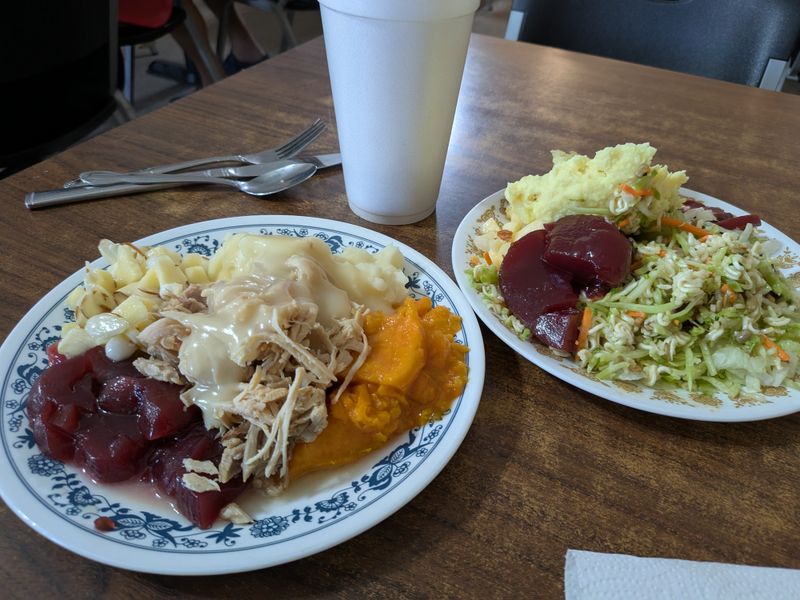
Dutch Pantry operates on a rotating schedule that changes the main offerings throughout the week. Monday might bring turkey and dressing that rivals any Thanksgiving spread, while Friday features catfish and meatloaf.
This rotating system ensures that regular customers never get bored, even if they stop by multiple times each week.
The variety also gives the kitchen team the ability to focus their energy on preparing each dish to perfection. Rather than trying to maintain a massive menu of mediocre options, they can concentrate on doing a few things exceptionally well each day.
Smart diners check the schedule before making the drive, planning their visits around their favorite offerings.
Chicken fried steak days draw particularly enthusiastic crowds, with people driving from neighboring towns specifically for that golden, crispy goodness. The rotating schedule has turned into something of a local tradition, with families planning their weekly routines around which day offers their preferred main dish.
It creates a sense of anticipation that static menus simply can’t match.
Beyond the rotating mains, certain staples remain available regardless of the day. The salad bar, side dishes, and that legendary dessert selection stay consistent, providing familiar favorites even when the protein changes.
This balance between variety and reliability keeps customers coming back week after week, always finding something new to enjoy alongside their tried-and-true favorites.
Family-Owned Warmth in Every Corner
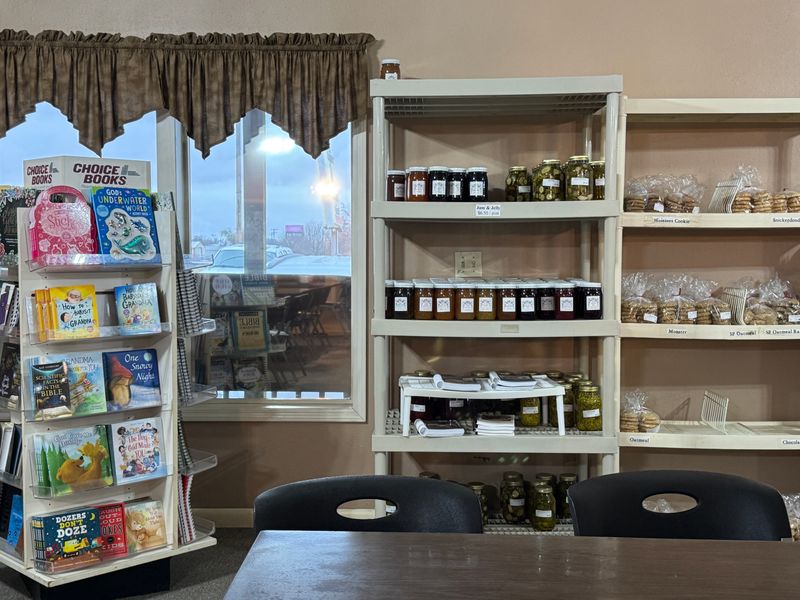
Dutch Pantry operates as a genuine family business, with multiple generations often working side by side during service hours. Customers have reported seeing owners and their children decorating Christmas trees between buffet duties, creating moments of authentic family life that unfold right in the dining room.
This isn’t corporate hospitality training at work, but real people running a real family establishment.
The personal investment shows in countless small details that chain restaurants can’t replicate. When problems arise, the owners are right there to address them because this is their livelihood and their reputation on the line.
They know many regular customers by name, remember their preferences, and genuinely care whether people enjoy their experience.
This family atmosphere extends beyond the ownership to create a vibe that feels more like a community gathering than a commercial transaction. Tables of strangers strike up conversations, sharing recommendations about which desserts to try or swapping stories about their favorite menu days.
The casual setup encourages this kind of interaction in ways that formal dining rooms never could.
Visitors often comment on how the whole experience reminds them of family reunions or church potlucks where everyone contributes and everyone belongs. That’s not accidental.
The entire operation gets designed around creating exactly that feeling of welcome and belonging. In an increasingly impersonal world, that human touch means everything to people hungry for genuine connection alongside their homestyle cooking.
Location That Makes the Journey Part of the Experience
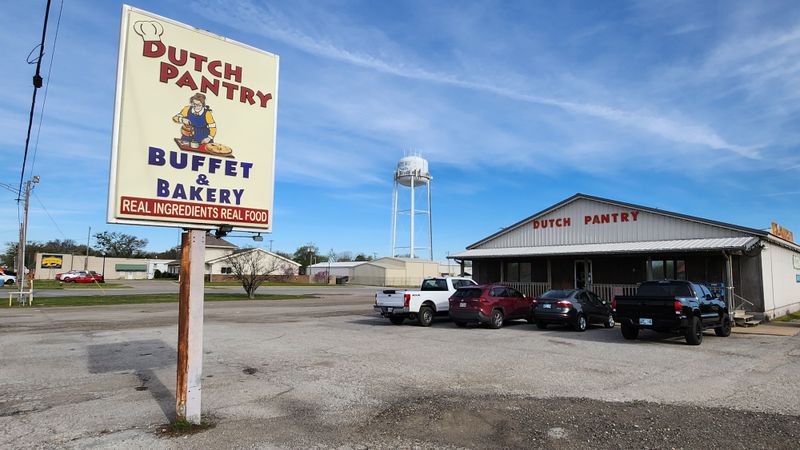
Chouteau sits along Highway 69 in northeastern Oklahoma, making Dutch Pantry a convenient stop for travelers moving between Tulsa and Kansas City or Dallas and points north.
The location has transformed the restaurant into something of a regional landmark, with people planning their road trips around meal times that coincide with being in the area.
Small-town Oklahoma charm surrounds the café on all sides. Across the street, the Amish Cheese House offers another taste of traditional craftsmanship, creating a mini destination area for folks interested in authentic, handmade goods.
Together, these establishments give visitors a reason to exit the highway and explore what this corner of Oklahoma has to offer.
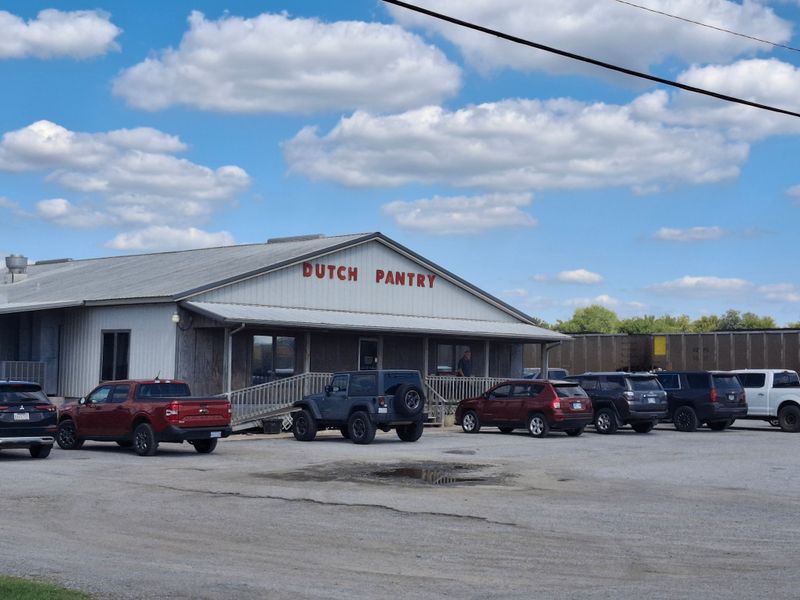
The building itself occupies a spot on Main Street, anchoring the town’s modest commercial district. There’s nothing fancy about the exterior, which perfectly matches the unpretentious vibe inside.
You won’t find it by looking for architectural showpieces or trendy design elements. Instead, watch for the cars in the parking lot, because word-of-mouth keeps this place busy despite its humble appearance.
Getting there requires a willingness to venture off the beaten path, at least slightly. Some customers drive more than two hours one way specifically for a meal here, treating the journey as part of the adventure.
The rural setting adds to the overall experience, reminding visitors that some of Oklahoma’s best treasures hide in unexpected places far from urban centers. Address: 10 W Main St, Chouteau, Oklahoma.
An All-You-Can-Eat Format That Encourages Exploration
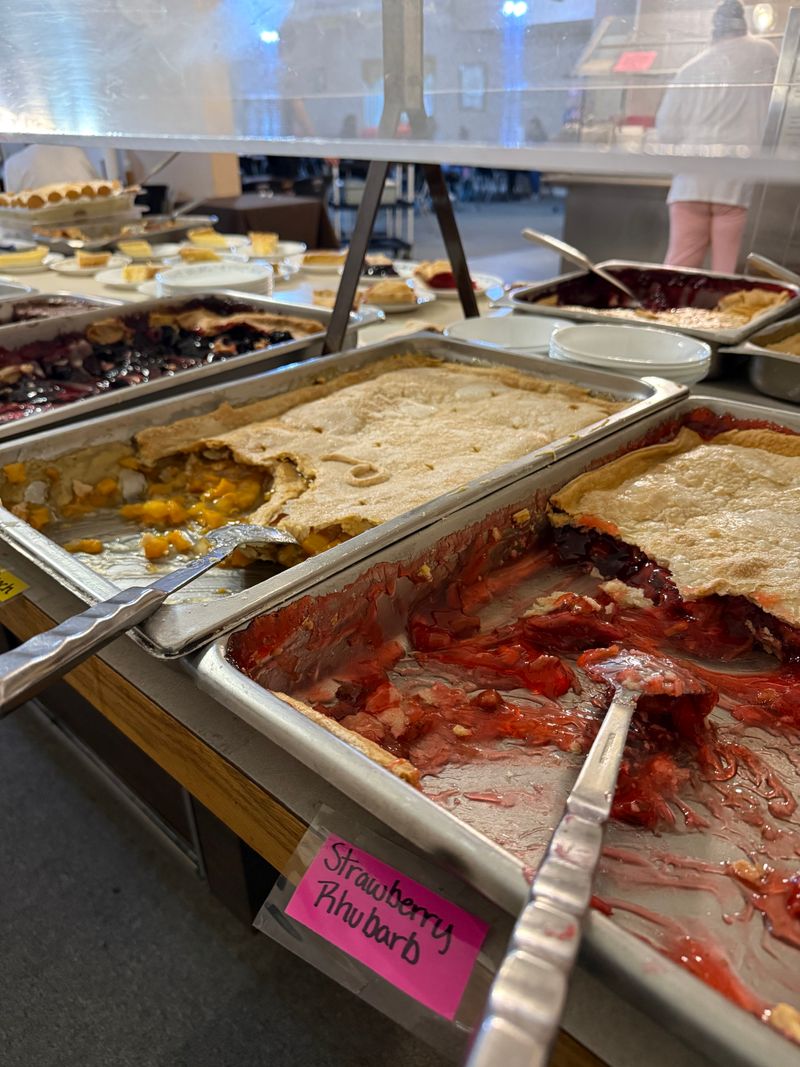
The buffet setup at Dutch Pantry operates on a straightforward all-you-can-eat basis that encourages customers to try everything that catches their eye.
Unlike restaurants where you commit to a single entrée and hope you chose well, here you can sample the chicken fried steak, the catfish, and the meatloaf all in one visit if you’re feeling ambitious.
This format works particularly well for families with varied tastes or picky eaters who might struggle with traditional menus. Kids can load up on rolls and mashed potatoes if that’s what makes them happy, while adults explore the more adventurous offerings.
Everyone leaves satisfied without anyone having to compromise on their preferences.
The buffet also creates opportunities to discover dishes you might never order from a menu. How many people would specifically request creamed corn or kraut with sausage if they had to commit to a full portion?
But when you can take just a spoonful to try, suddenly you’re willing to experiment. That’s how longtime favorites get discovered and how the restaurant keeps surprising even its most regular customers.
Portion control becomes a personal responsibility rather than a restaurant decision, which appeals to folks with hearty appetites who often leave traditional restaurants still feeling hungry. The all-you-can-eat model means you never have to hold back or make difficult choices about what to skip.
Of course, that freedom requires serious self-discipline when faced with that dessert bar calling your name from across the room.
Homemade Baked Goods You Can Take Home
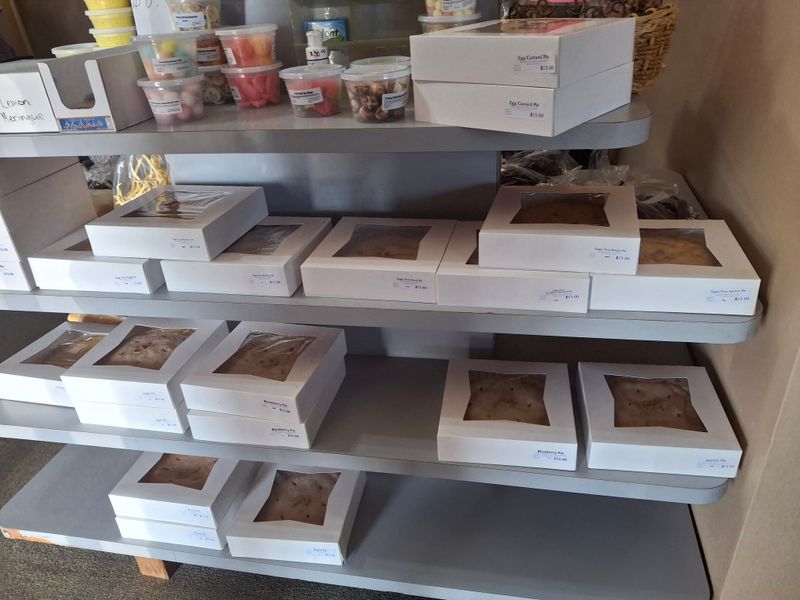
Beyond the buffet experience, Dutch Pantry operates a retail section where customers can purchase baked goods, Amish canned goods, and other specialty items to take home. Those famous dinner rolls that taste like buttery clouds?
You can buy them by the bag. The pies that steal the show at the dessert bar?
Available whole for your own gatherings.
This retail component extends the experience beyond a single meal, allowing you to bring a taste of Dutch Pantry back to your own kitchen. Customers regularly stock up on preserves, pickled vegetables, and other canned goods that showcase traditional Amish preservation techniques.
These items make excellent gifts for food-loving friends or special treats for your own pantry.
The baked goods counter tempts visitors who are already stuffed from the buffet but can’t resist taking something home for later. Those same cookies and pies that grace the dessert bar can become tomorrow’s breakfast or next week’s special dessert.
Many customers plan ahead, bringing coolers to transport their purchases safely during the drive home.
This retail aspect also supports the business model, allowing the kitchen to maximize the value of their scratch-cooking efforts. The same batch of rolls that feeds buffet customers can also generate retail sales, making the labor-intensive production process more economically viable.
For customers, it means access to quality baked goods that would take hours to replicate at home, all at reasonable prices that reflect the rural Oklahoma economy.
A Schedule That Honors Traditional Values
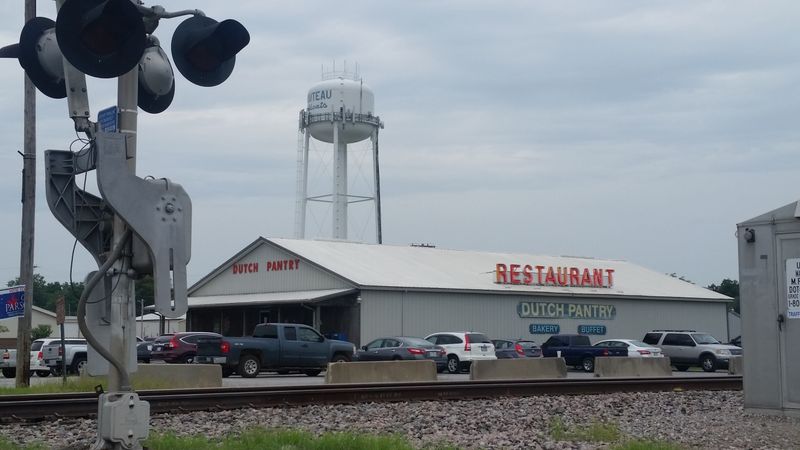
Dutch Pantry closes on Sundays, a practice rooted in the Pennsylvania Dutch and Amish traditions that inspire the restaurant’s approach. This weekly closure might inconvenience some travelers, but it demonstrates a commitment to values that transcend profit maximization.
The owners prioritize rest, family time, and spiritual observance over squeezing out every possible dollar from seven-day operations.
The remaining six days run from early morning until evening, with slightly extended hours on Fridays and Saturdays to accommodate weekend crowds.
Opening at six in the morning makes Dutch Pantry a legitimate breakfast destination, though the buffet format means the meal categories blend together more than they would at traditional restaurants.
Nothing stops you from having chicken fried steak and pie at seven in the morning if that’s what sounds good.
This schedule creates a rhythm that regular customers build into their weekly routines. They know not to plan Sunday visits, and they know which days offer their favorite main dishes.
The consistency and predictability feel comforting in a world where everything else seems to change constantly. You can count on Dutch Pantry being exactly where it should be, doing exactly what it does best, six days a week.
The Sunday closure also ensures the staff gets a guaranteed day off together, reducing burnout and turnover in an industry notorious for grinding through employees.
Happy, rested workers create better food and better experiences, making that closed day an investment in quality that pays dividends throughout the rest of the week.
Comfort Food That Sticks to Your Ribs
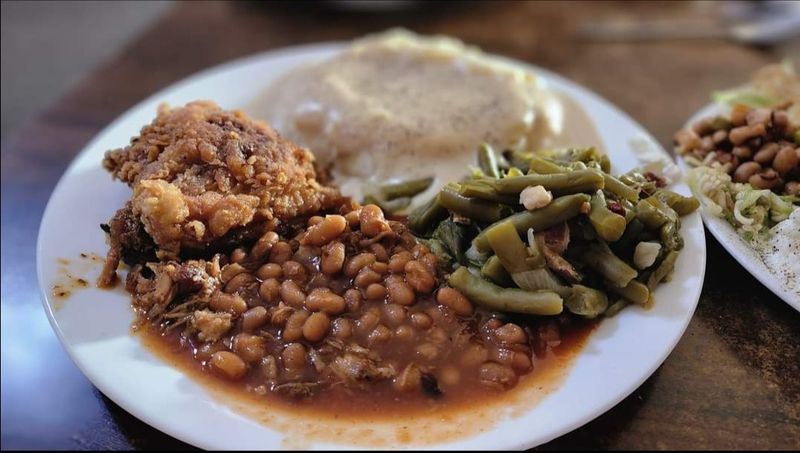
Nobody visits Dutch Pantry looking for light, trendy cuisine or calorie-conscious options. This is stick-to-your-ribs cooking designed to fuel hard work and satisfy deep hunger.
The portions are generous, the flavors are bold, and the overall approach celebrates food as sustenance and pleasure rather than as a wellness project or Instagram opportunity.
Mashed potatoes swimming in gravy, chicken fried steak with white gravy, baked beans slow-cooked with ham, and yeast rolls dripping with butter form the foundation of the buffet spread.
These are dishes that sustained farming families through long days of physical labor, and they still deliver that same satisfying fullness today.
Modern diners might lead more sedentary lives, but the appeal of genuine comfort food never fades.
The cooking style embraces traditional American comfort food without apology or modification for contemporary dietary trends. You won’t find quinoa bowls or kale salads here, though basic salad bar offerings provide some lighter options for those who want them.
The focus remains squarely on the kind of food that grandmothers made for Sunday dinners and church potlucks throughout Oklahoma’s history.
This unapologetic approach to hearty cooking has earned Dutch Pantry a devoted following among people tired of restaurants that prioritize aesthetics over substance.
Sometimes you just want food that tastes good and fills you up, prepared by people who understand that not every meal needs to be a culinary adventure or a health optimization opportunity.
Sometimes, comfort is exactly enough.
A Road Trip Destination Worth Planning Around
Dutch Pantry has achieved something remarkable: it draws customers who drive hours specifically to eat there, treating the restaurant itself as the destination rather than a convenient stop along the way.
People regularly make four-hour round trips just for a meal, which speaks volumes about the quality and uniqueness of the experience offered.
The café has become woven into the travel routines of folks who regularly drive between major cities in Oklahoma, Kansas, Missouri, and beyond. They time their departures to ensure they hit Chouteau during operating hours, building their entire travel day around a Dutch Pantry meal.
This kind of loyalty can’t be bought with advertising or manufactured through clever marketing.
Word-of-mouth recommendations drive much of this destination traffic, with satisfied customers telling friends and family about their discoveries. Social media reviews and online ratings have amplified this effect, turning a small-town buffet into a regional phenomenon.
Yet the restaurant hasn’t changed its fundamental approach despite the attention, maintaining the same values and practices that earned its reputation in the first place.
For travelers exploring Oklahoma’s backroads and small towns, Dutch Pantry represents exactly the kind of authentic local experience that makes those journeys worthwhile. It’s not polished or pretentious, and it doesn’t try to be anything other than what it is: a family-run buffet serving honest food to hungry people.
Sometimes, that’s precisely what makes a place worth traveling to find. Pack your appetite and hit the road.
Dear Reader: This page may contain affiliate links which may earn a commission if you click through and make a purchase. Our independent journalism is not influenced by any advertiser or commercial initiative unless it is clearly marked as sponsored content. As travel products change, please be sure to reconfirm all details and stay up to date with current events to ensure a safe and successful trip.
