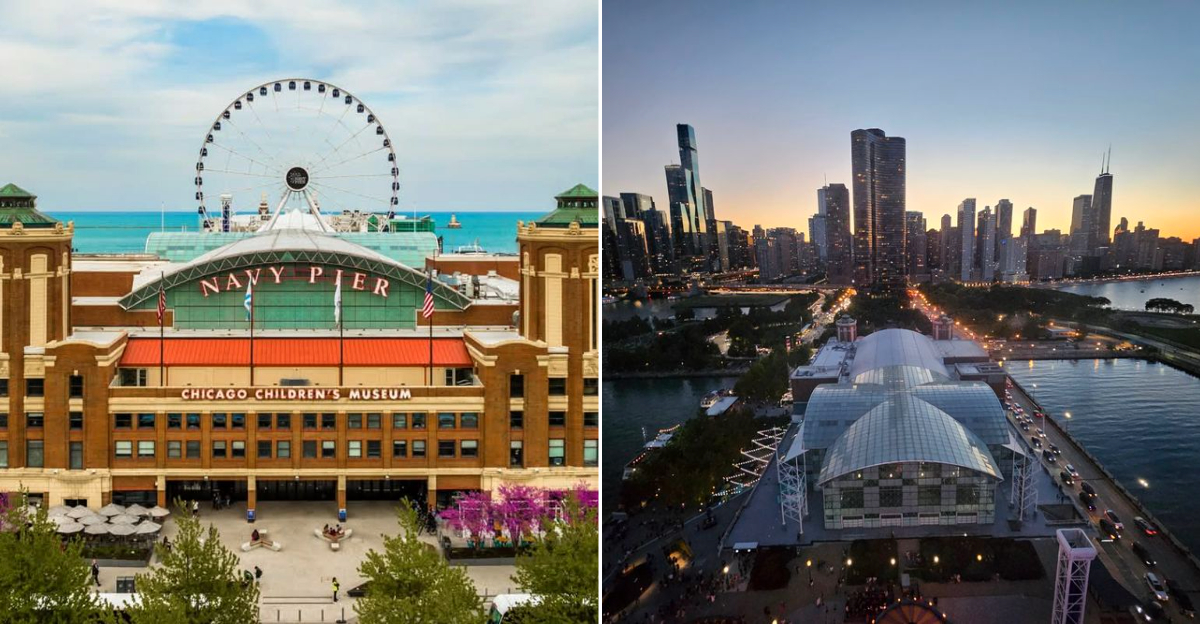
Mental picture alert: rolling into Chicago a little late, the lake feeling moody, and Navy Pier looking like it is half asleep but still somehow awake.
There is that in-between feeling when a place is winding down, yet the air keeps moving and the sounds do not quite quit, like the city is breathing lightly.
Footsteps echo a little longer, conversations soften, and the water keeps its own steady rhythm alongside you. That is the vibe here on the lakefront, and it sneaks up on you in a genuinely memorable way.
If you are up for a slow walk and a little curiosity, the pier keeps whispering even when the lights go low.
A Pier Designed For Constant Movement And Sound
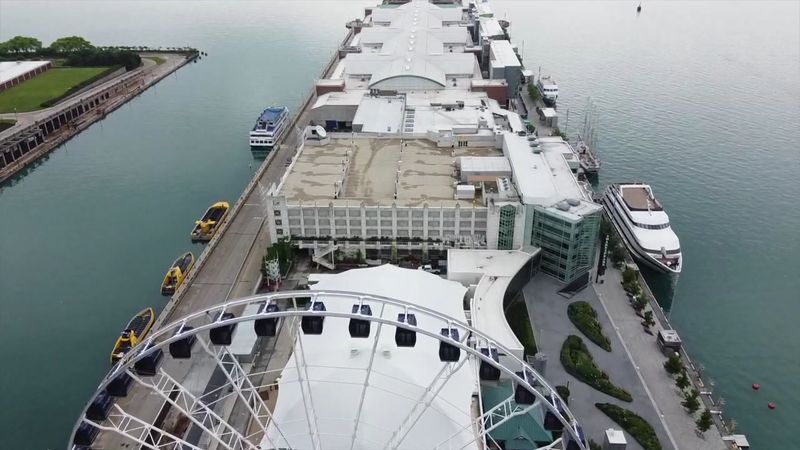
Start near the entrance at Navy Pier, 600 E Grand Ave, Chicago, Illinois, and listen first. Even when things are closed, the water taps the pilings, and little clinks from rigging carry down the walkway.
The layout funnels breeze from the lake, so banners whistle and signage creaks softly. That airflow keeps the place from ever feeling flat.
You can stand by the rail and hear footsteps echo from the covered arcade even when no one is there.
The shape creates a loop, so tiny noises travel farther than you expect.
Look at the long axis of the pier and how it points you toward the horizon. That line keeps your body moving, and your ears keep scanning right along with it.
It is like the architecture nudges you to keep walking, then hands the sound off to the next section.
The result is a low hum that feels alive.
That hum is not spooky, just steady. It is the building and the lake doing what they do, and you can hear it if you slow down.
How Mechanical Amusements Create Lasting Audio Presence
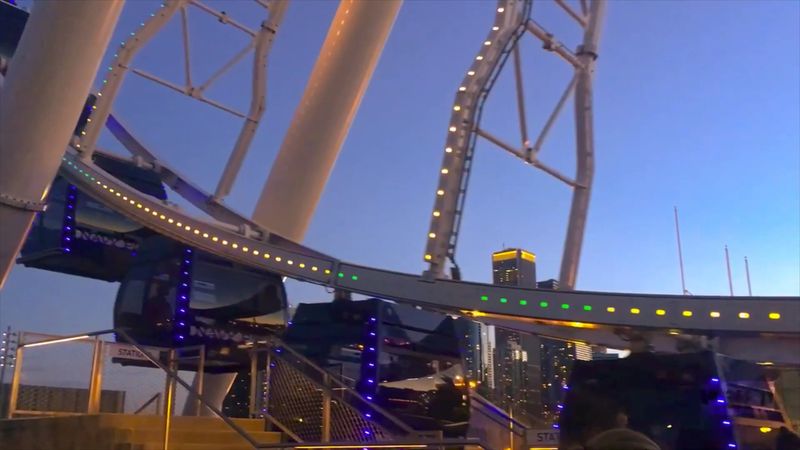
Head closer to Polk Bros Park at 600 E Grand Ave, Chicago, and you might catch little clicks from mechanisms settling.
Even off, the rides have metal joints and chains that flex with temperature and wind.
Think about gears that were designed to move all day. They do not turn now, but the parts sigh a bit when the breeze shifts.
A railing or gate can rattle in short bursts and then stop. That tiny burst lingers because the open space does not absorb it quickly.
When a lock resets on a ride door, the ping hops to the next surface.
The pier amplifies it like a quiet microphone.
None of this reads as entertainment noise. It reads as memory, like the rides are cooling down but still talking.
Walk a little slower, and you will hear soft scraping from maintenance plates and access panels. They are part of the soundscape whether the lights are on or not.
Why Carousel Music Carries Farther Than Expected
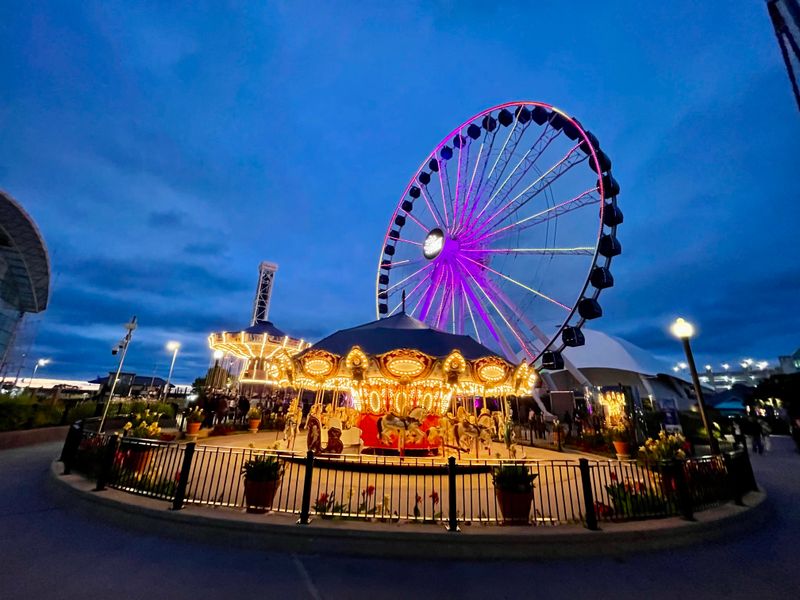
Over by the pier concourse at 600 E Grand Ave, Chicago, the carousel speakers sit tucked under canopies. Even at low volume, that music can travel across the open deck.
High notes bounce cleanly across water and smooth concrete.
The pier has long corridors that behave like gentle megaphones.
You may hear a faint melody and wonder where it is coming from. Turn twice, and it shifts as the wind bends it.
The materials help the carry, especially glass and steel. They reflect the treble just enough to keep it floating.
It is never loud in the off hours. It is more like a postcard sound that keeps arriving in little pieces.
Stand still for a minute and let the breeze pick the measure it wants you to hear. That is when the pier feels like it is playing along.
The Role Of Wind And Open Architecture
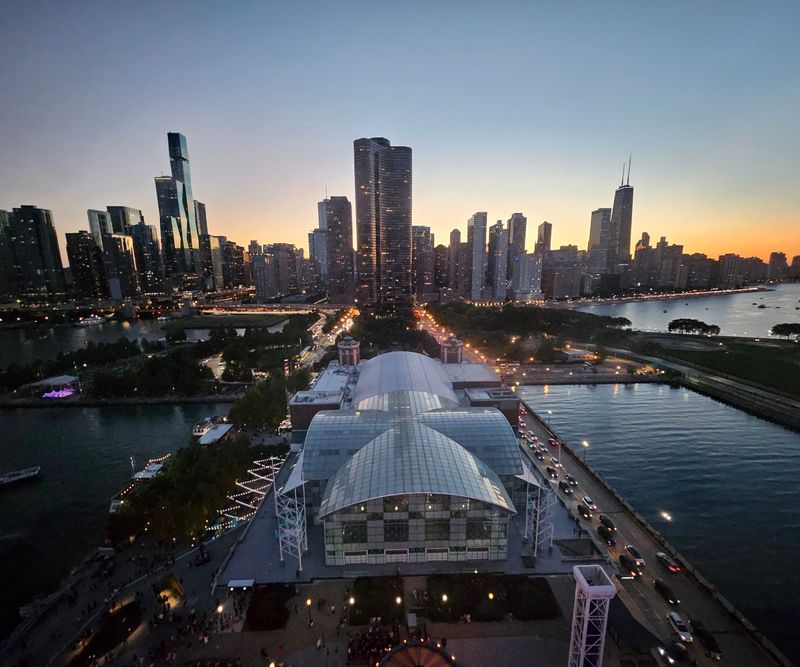
Walk midway down Navy Pier, and you will notice how the wind picks up. The open sides act like a channel that guides the airflow straight through.
Flags crack lightly, then rest. Banners whisper and twist, and the metal seams answer with a soft tic.
The rooflines make pockets where gusts roll and then slip away.
You can feel the pressure change on your cheeks.
That constant movement gives the pier a pulse. It is not dramatic, just rhythmic enough to feel present.
When a door opens from the indoor arcade, the wind grabs it gently. The hinge speaks in a hush, and then the sound fades down the boards.
This is why the place never goes quiet.
The air keeps the architecture busy even when the crowds go home.
Historic Design Choices That Did Not Rely On Electronics
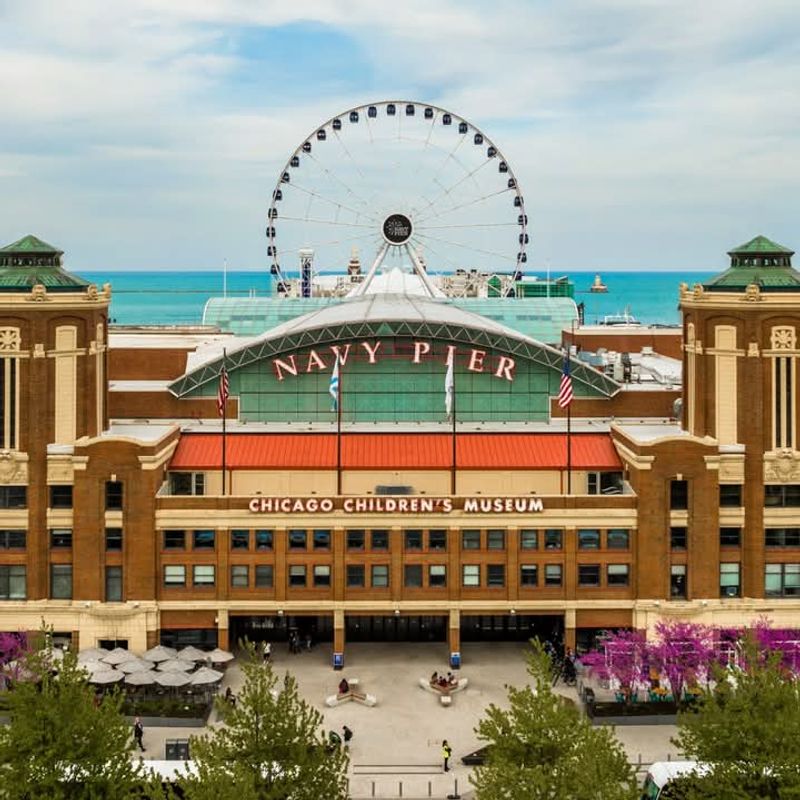
Near the central hall, the older structural choices show up in hinges, latches, and heavy doors. Those mechanical parts were built for durability and rhythm.
Before constant digital control, the design leaned on weight and balance.
You feel that when a door closes smoothly without a motor.
The echo inside the hall comes from sturdy masonry and long glass runs. It rewards small sounds with a longer tail.
Handrails vibrate if a gust catches the slabs just right. That vibration hums like a quiet tuning fork.
This character is functional, not nostalgic. It keeps things working with fewer moving electronics to silence the place.
So even with systems powered down, the pier still communicates. It talks through levers, closures, and the natural flex of the building.
Why Off-Season Visits Feel Especially Atmospheric
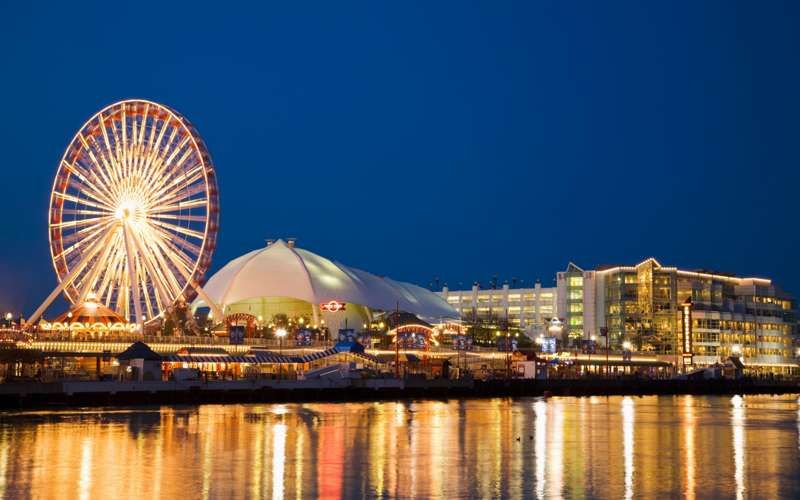
If you swing by in the cooler months at 600 E Grand Ave, Chicago, Illinois, the pier slows down without stopping. That is when you can actually hear the details.
Construction of the walkways lets footsteps travel.
One person forty yards away can sound much closer than they are.
The lake throws a constant hush against the planks and rails. That hush becomes the baseline for everything else.
Without crowds, you notice elevator chimes drifting from the indoor arcade. They appear and disappear like little breadcrumbs.
It feels like the pier is idling, not asleep. There is a soft patience to the way it waits for the next rush.
Bring a friend and talk in low voices. Your words ride the same currents as the wind and come back to you.
How Empty Spaces Amplify Small Sounds
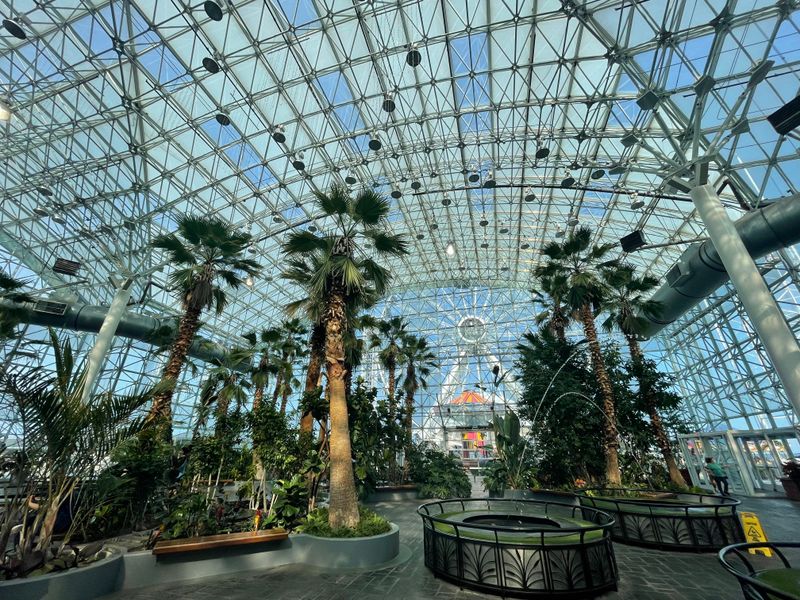
Stand near the east end of Navy Pier, 600 E Grand Ave, Chicago, and clap once. You will hear a quick answer from the open deck and the steel nearby.
That same thing happens when a bolt shrugs or a latch releases.
The sound grabs space easily because there is less to soak it up.
Benches and planters are not soft enough to kill the echo. They shape it and send it toward the water.
You will notice footsteps sounding crisp, then thin, then crisp again. That is the deck changing support beneath you.
In empty moments, even a zipper or key ring seems loud. The pier is basically a quiet amplifier tuned by wind.
Give it a minute, and the rhythm becomes familiar. Then you start picking out details you missed at first.
The Difference Between Silence And Stillness
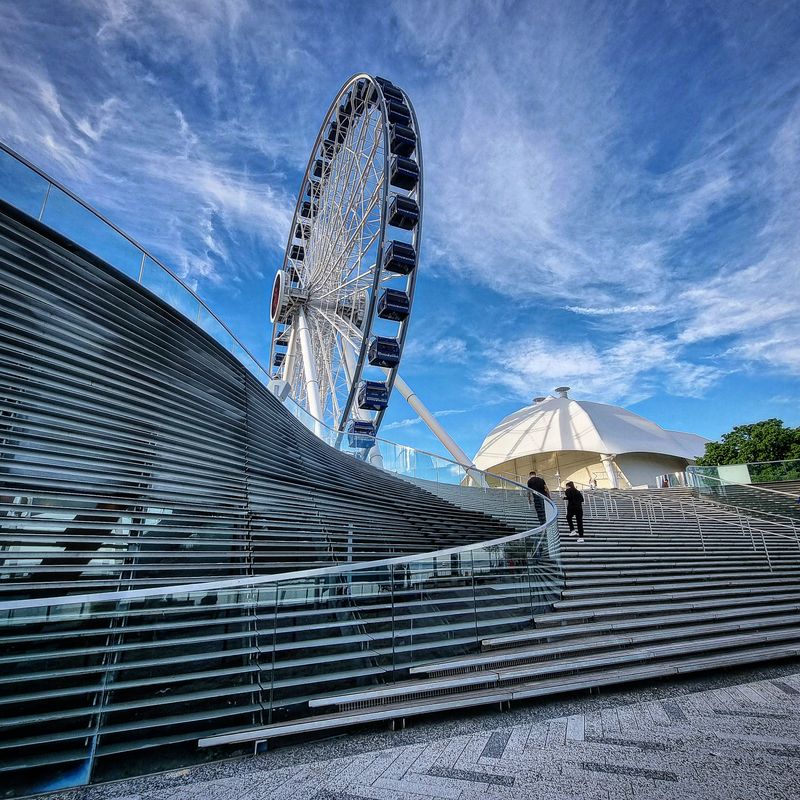
There is a neat distinction at 600 E Grand Ave, Chicago, Illinois. The pier is rarely silent, but it can feel very still.
Stillness means the motion is balanced, not gone.
The lake keeps a slow beat and the structure answers lightly.
You can lean on the rail and feel almost no sway. Then a small vibration runs the length of the handrail like a whisper.
That whisper is enough to remind you the place is active. It is a kind of calm heartbeat rather than quiet.
When a ferry horn carries from the harbor, the sound steps in gently. It folds into the pier like another layer of fabric.
Silence would be blank, and this is not blank. This is layered calm, which is a better companion for a walk.
Why Visitors Notice Sound More When Crowds Leave
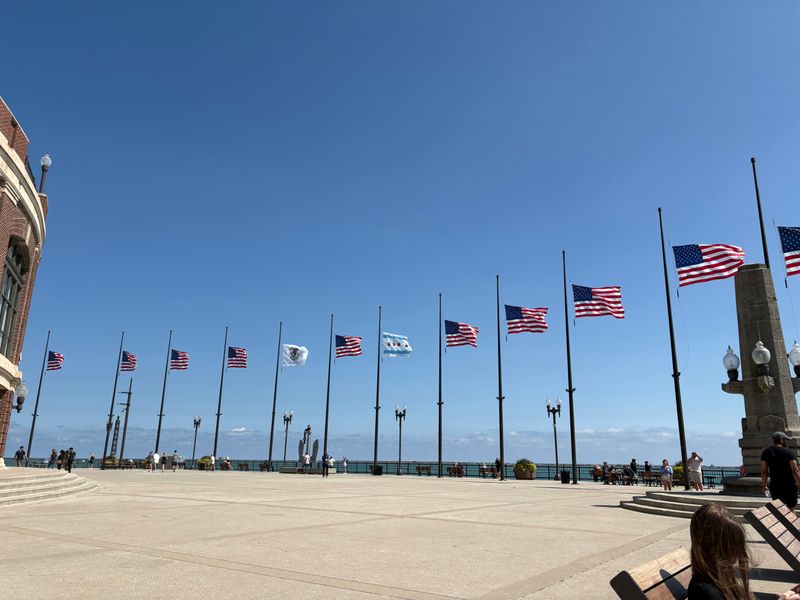
After the rush at 600 E Grand Ave, Chicago, your ears switch modes. Without chatter, they start elevating tiny cues automatically.
That is when you catch a door seal burp as pressure changes. Or a banner pole ping when the wind shifts lanes.
Crowds mask all of that with a constant wash. When the wash drops, the texture pops into focus.
It is not that the pier gets louder. It is that your attention widens and lands on the small stuff.
So yeah, when things close, the soundstage grows.
You are suddenly the audience to a quiet little concert.
Take a slow lap and you will hear it building and fading. It feels personal, like the pier is letting you in on it.
How This Pier Maintains Its Presence Without Spectacle
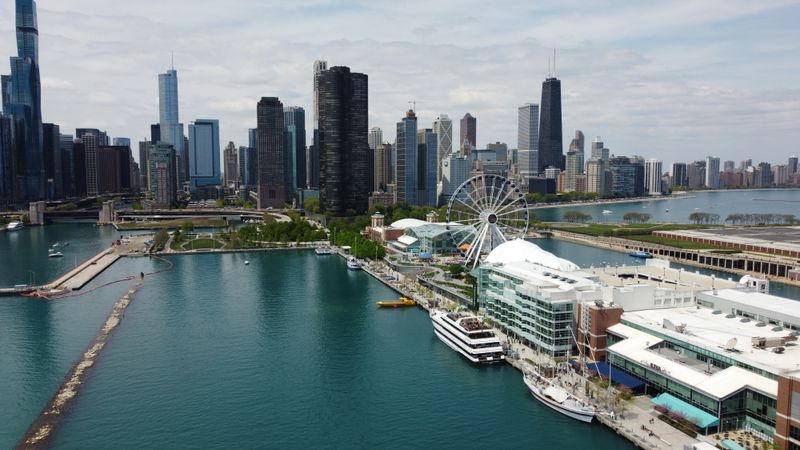
Back near the entrance you can feel the place settle without losing personality. The architecture, the lake, and those mechanical bits keep a steady character.
It does not need bright shows to feel awake.
The structure itself does the talking with simple, honest sounds.
Walk past the glass and watch your reflection move beside you. That little echo of motion pairs with the quiet scrape of your shoes.
The feeling is confident and low key at the same time. It is like the pier knows how to host even when the party is over.
Illinois has plenty of busy places, but this is a rare kind of calm. It stays present without asking for attention.
When we go, let us time it for that in between hour. You will hear what I mean the moment the wind turns the first flag.
Dear Reader: This page may contain affiliate links which may earn a commission if you click through and make a purchase. Our independent journalism is not influenced by any advertiser or commercial initiative unless it is clearly marked as sponsored content. As travel products change, please be sure to reconfirm all details and stay up to date with current events to ensure a safe and successful trip.
