Think you’ve seen every old tree Virginia has to offer? Think again.
Tucked away in the rolling hills of Orange County lies a forest so ancient, so untouched, that walking through it feels like stepping into a time machine. The James Madison Landmark Forest shelters some of the oldest living trees on the East Coast, with towering giants that were saplings when Shakespeare was still writing plays.
This isn’t just another nature preserve with a few nice trails. It’s a living museum where centuries-old tulip poplars and oaks stretch skyward, their massive trunks telling stories of a world before highways, before cities, before America itself existed.
Most people drive right past it on their way to more famous Virginia landmarks, completely unaware they’re missing one of the rarest old-growth forests left standing. Ready to discover why tree huggers and history buffs alike consider this place absolutely sacred?
Stepping Into A Forest That Predates The Nation
Picture yourself surrounded by trees so old they make your family tree look like a sapling. The James Madison Landmark Forest contains some of the most impressive old-growth timber remaining in Virginia, with several specimens pushing past the four-century mark.
Walking among these giants isn’t like your average nature stroll.
The forest floor here tells a different story than what you’ll find in younger woodlands. Decomposing logs the size of small cars create natural nurseries for new growth.
Fungus and moss patterns develop over decades, creating ecosystems within ecosystems that scientists still study today.
Light filters through the canopy differently here too. The massive crowns of these ancient trees create a cathedral-like atmosphere, with shafts of sunlight piercing through gaps like nature’s own stained glass.
Spring brings wildflowers that have bloomed in this exact spot for generations.
Birds nest in cavities that took centuries to form. The ecological complexity here surpasses anything you’ll experience in second-growth forests, which make up most of what we see today across the eastern United States.
Trees That Watched History Unfold
Some of these tulip poplars and white oaks were already towering specimens when James Madison himself walked beneath them. Imagine that for a second.
The same trees that provided shade for the Father of the Constitution still stand today, witnessing everything from colonial times through the Civil War and into our modern era.
Dendrochronology, the study of tree rings, reveals fascinating climate patterns and historical events recorded in the wood itself. Drought years, fire scars, and growth spurts all leave their mark.
Scientists have used core samples from similar aged trees to reconstruct regional weather patterns going back centuries.
The sheer size of these specimens staggers first-time visitors. Trunks measure six, seven, even eight feet in diameter at chest height.
Their crowns spread wider than most people’s houses, creating shade circles that could shelter entire picnics.
Local historians love pointing out that these trees were mature adults during the Revolutionary War. They’ve outlived countless human generations, standing as silent witnesses to the complete transformation of the American landscape around them.
Why This Forest Survived When Others Didn’t
Most of Virginia’s original forests fell to axes centuries ago. Timber for ships, homes, and farmland cleared millions of acres.
So how did this particular patch escape the sawmill? The answer involves geography, ownership, and a bit of luck.
The Madison family owned this land for generations, and certain parcels remained undeveloped for practical reasons. Steep slopes and rocky terrain made logging difficult with period equipment.
Sometimes the trees that survive aren’t the ones in the best locations, but the ones in the worst spots for human exploitation.
Conservation efforts in the twentieth century finally gave these trees official protection. Recognition of their ecological and historical value led to landmark status, ensuring future generations could experience what’s become increasingly rare.
Today’s forest management focuses on protecting these ancient specimens while allowing natural processes to continue. Dead trees stay where they fall unless they pose safety hazards, maintaining the complete lifecycle that makes old-growth forests so ecologically rich.
The forest serves as a baseline for understanding what Virginia’s landscape looked like before European settlement, offering researchers invaluable insights into natural forest dynamics.
The Ecological Wonderland Beneath The Canopy
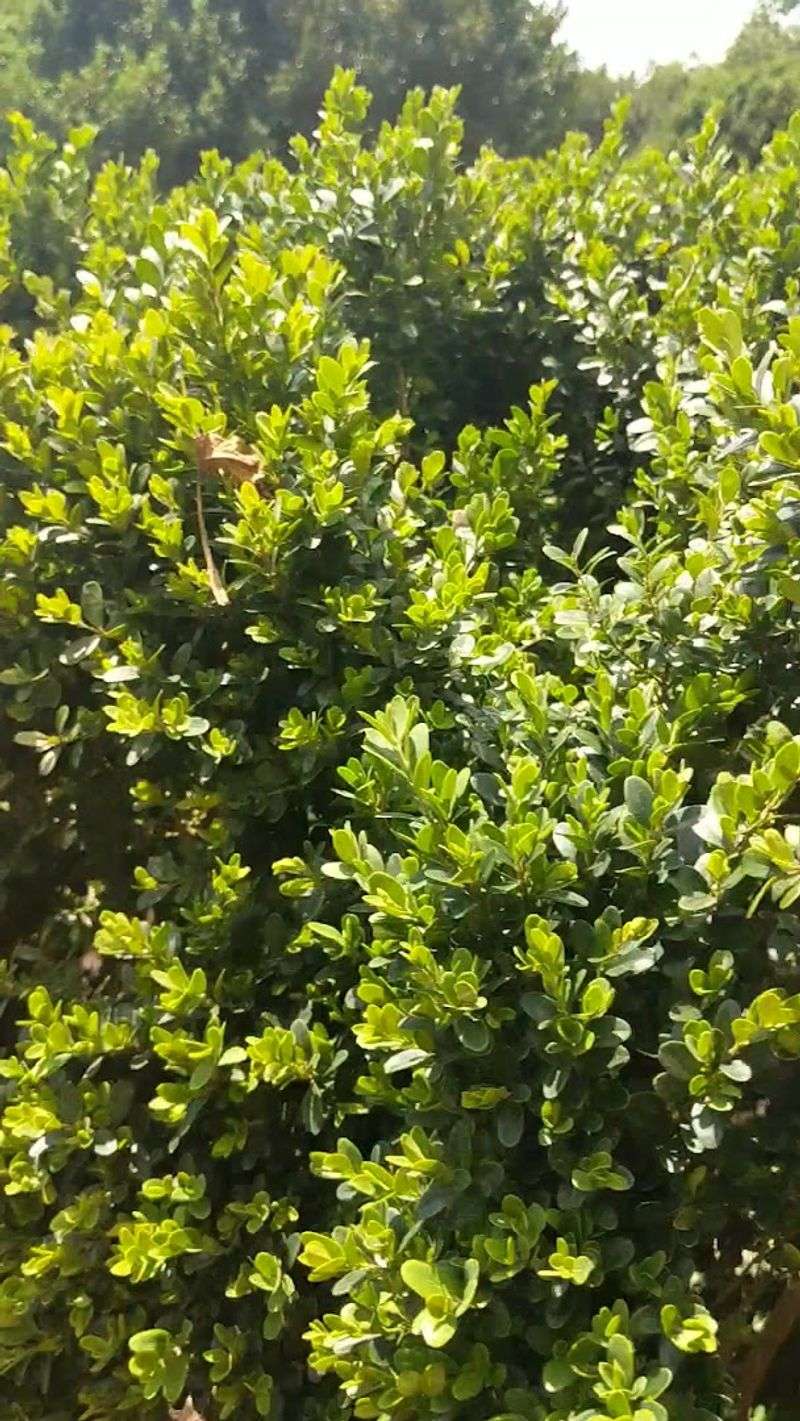
Look down as much as you look up in this forest. The ground-level action rivals anything happening in the treetops.
Decomposing logs host entire communities of insects, salamanders, and fungi that you won’t find in younger forests where fallen timber gets cleared away.
Wildflower displays here peak in early spring before the canopy fully leafs out. Trillium, bloodroot, and Virginia bluebells carpet the forest floor in waves of color that last just weeks.
These spring ephemerals evolved to take advantage of the brief window of sunlight before the trees above block it out.
The soil itself differs from what you’d find in managed forests. Centuries of undisturbed leaf litter create a rich, dark humus layer teeming with microscopic life.
This organic material acts like a sponge, absorbing rainfall and slowly releasing it, which helps prevent erosion and maintains stream health.
Mushroom hunters prize old-growth forests for their diversity of fungal species. Rare varieties that need specific conditions thrive here, some forming relationships with tree roots that go back decades.
Bird Watching In A Living Time Capsule

Grab your binoculars because the bird life here outshines most Virginia locations. Old-growth forests support species that simply can’t make it in younger woodlands.
Pileated woodpeckers, those crow-sized birds with flaming red crests, hammer away at dead snags that took centuries to develop the right decay.
Cavity-nesting birds like wood ducks, screech owls, and various woodpecker species depend on the natural holes that form in ancient trees. Young forests lack these features, forcing birds to compete for limited nesting sites or abandon areas entirely.
Migratory warblers use old-growth forests as crucial stopover points during spring and fall journeys. The insect abundance here provides essential fuel for birds traveling thousands of miles.
Birdwatchers time visits to coincide with migration peaks, when dozens of species pass through in a single morning.
Year-round residents like barred owls and Cooper’s hawks patrol the forest, their hunting strategies adapted to the complex structure of mature woodland. The multi-layered canopy creates different ecological niches from ground to treetop, supporting far more species than simplified forest structures.
Trail Systems That Protect While They Showcase
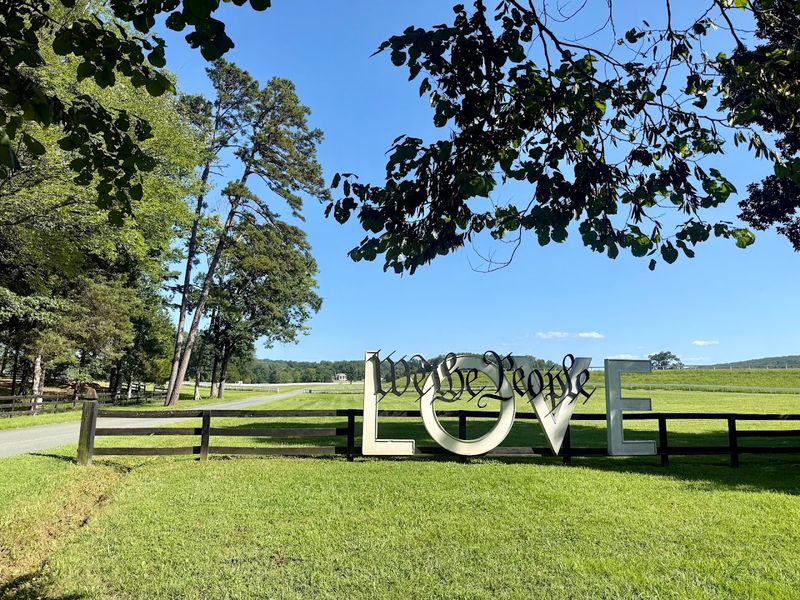
Walking these trails requires staying on designated paths, and for good reason. Soil compaction around ancient tree roots can damage root systems that took centuries to establish.
Trail designers carefully routed paths to minimize impact while maximizing your experience of the forest’s grandeur.
Interpretive signs along the way explain what you’re seeing without overwhelming you with information. QR codes link to audio guides that dive deeper into specific trees, ecological processes, or historical connections.
It’s education that doesn’t feel like school.
Trail difficulty varies from easy strolls suitable for families to more challenging routes that climb ridgelines for panoramic views. Even the easier paths deliver impressive tree encounters, with several champion specimens standing right beside the trail.
Seasonal trail closures protect sensitive areas during breeding seasons or when wet conditions would cause excessive erosion. Check current conditions before visiting, especially after heavy rain.
The forest’s protection depends on visitor cooperation with these temporary restrictions.
Benches positioned at scenic spots invite contemplation. Sitting quietly often rewards you with wildlife sightings that rush-through hikers miss completely.
Photography Paradise For Nature Shooters
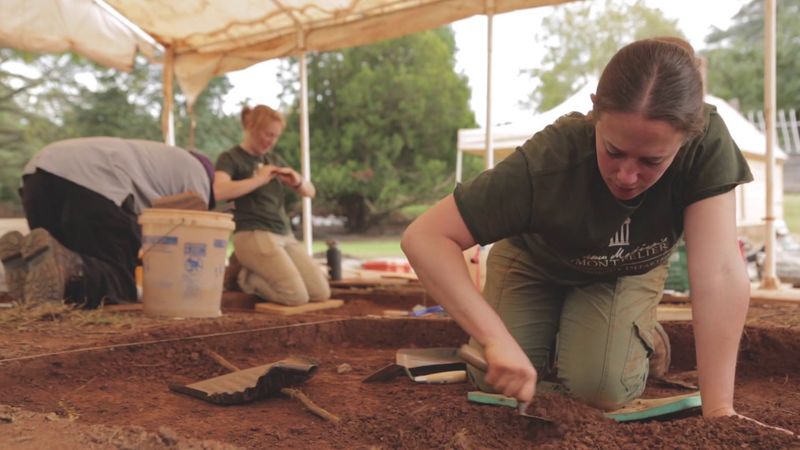
Photographers travel from across the country specifically to capture these trees. The combination of massive scale, dramatic lighting, and unspoiled natural beauty creates images that simply aren’t possible in younger forests.
Morning fog rolling through the canopy produces especially magical conditions.
Composition challenges abound when trying to convey the true scale of these giants. Including a person in the frame helps viewers grasp the immensity, but finding the right angle takes patience.
Wide-angle lenses capture the towering height, while telephoto lenses isolate details in the bark and canopy.
Seasonal changes offer completely different photographic opportunities. Autumn color pops against dark trunks, winter reveals structural details hidden by summer foliage, and spring wildflowers add foreground interest.
Serious photographers visit repeatedly throughout the year.
Low-light conditions under the dense canopy require tripods and longer exposures. The forest’s protection rules prohibit drones, preserving the peaceful atmosphere while protecting nesting birds.
Traditional photography techniques work best here anyway, encouraging slower, more thoughtful image-making.
Local photography groups organize workshops here, teaching composition and technical skills while emphasizing leave-no-trace principles that protect this irreplaceable resource.
The Science Of Really Old Trees
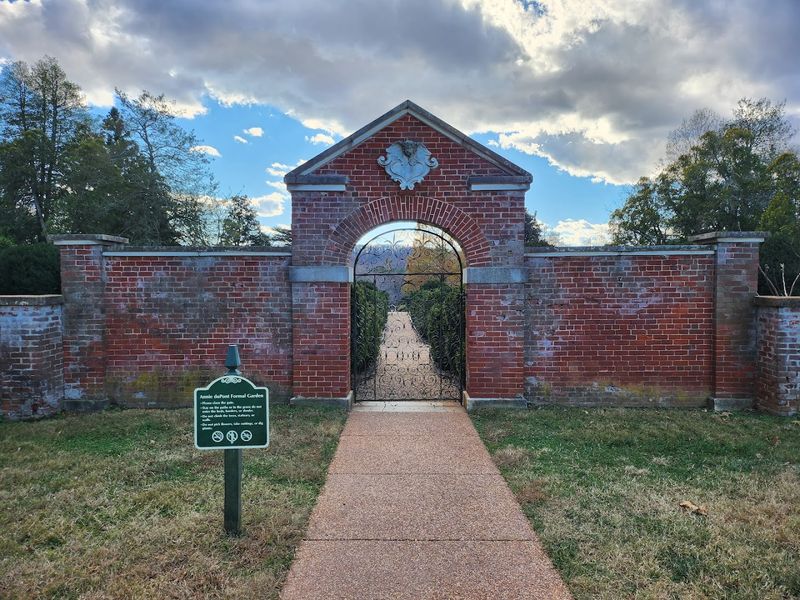
Researchers from universities across the region study this forest to understand forest ecology, climate change impacts, and long-term ecosystem dynamics. The undisturbed nature of old-growth forests makes them invaluable outdoor laboratories where natural processes play out without human interference.
Carbon sequestration studies reveal that old-growth forests continue storing carbon at impressive rates, debunking myths that old trees stop growing. These ancient specimens lock away tons of carbon in their massive trunks and extensive root systems, making forest preservation a climate change strategy.
Soil scientists examine the complex underground networks of mycorrhizal fungi that connect trees and facilitate nutrient exchange. These fungal highways, sometimes called the
Connecting Madison’s Legacy To Conservation

James Madison understood land stewardship in ways that feel surprisingly modern. His agricultural experiments and writings about soil conservation show an appreciation for long-term thinking that aligns perfectly with old-growth forest protection.
The forest bearing his name continues that legacy of preservation.
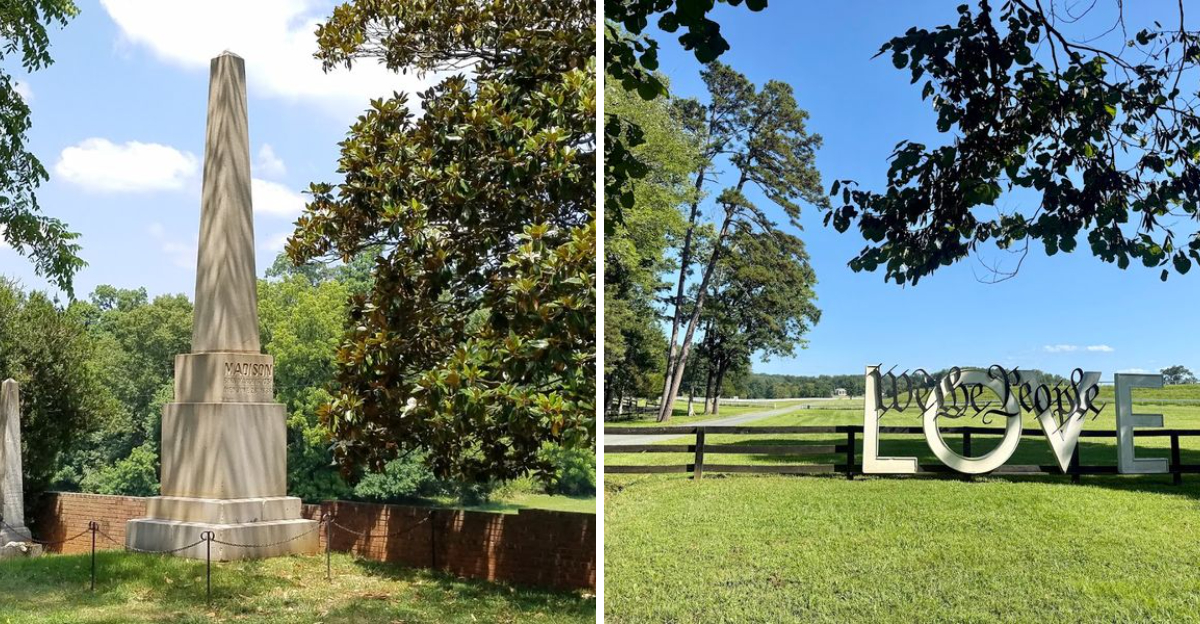
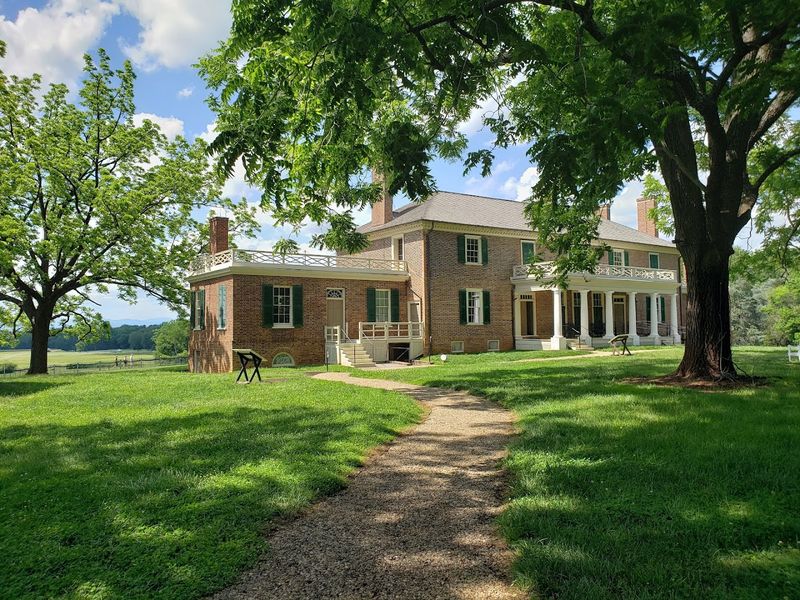
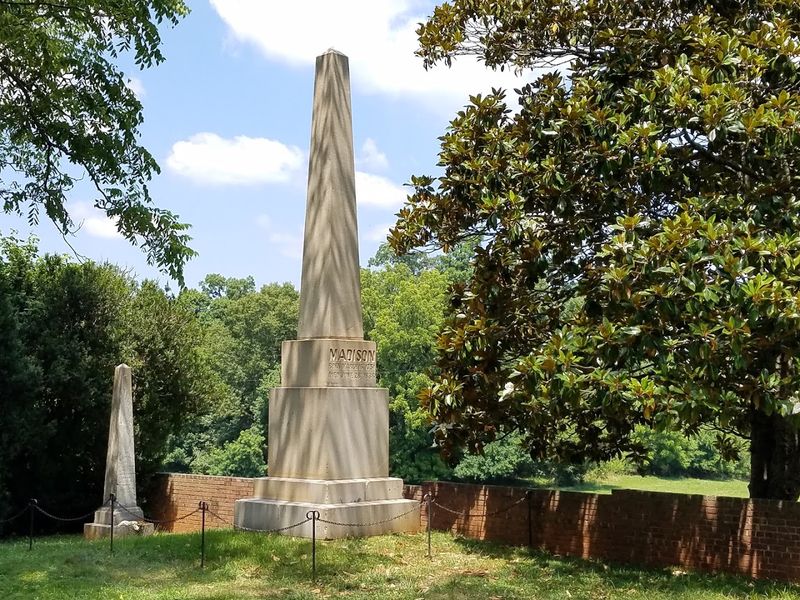
Madison’s Montpelier estate, located nearby, offers complementary historical context. Visitors often combine trips to both locations, experiencing the cultivated landscapes Madison knew alongside the wild forests that existed beyond his fields.
The contrast illustrates how different land uses shaped Virginia’s current landscape.
Educational programs connect constitutional history with environmental stewardship, showing how Madison’s ideas about balanced governance mirror ecological balance in natural systems. It’s a creative way to engage students who might not initially care about either history or trees.
The forest’s designation as a landmark recognizes both its natural and cultural significance. It’s not just about old trees, but about the continuous thread of Virginia history these trees represent.
They stood here before Madison, during his lifetime, and remain standing long after.
Conservation groups use the forest as an example when advocating for protection of other old-growth remnants scattered across Virginia.
Planning Your Visit To Touch Living History
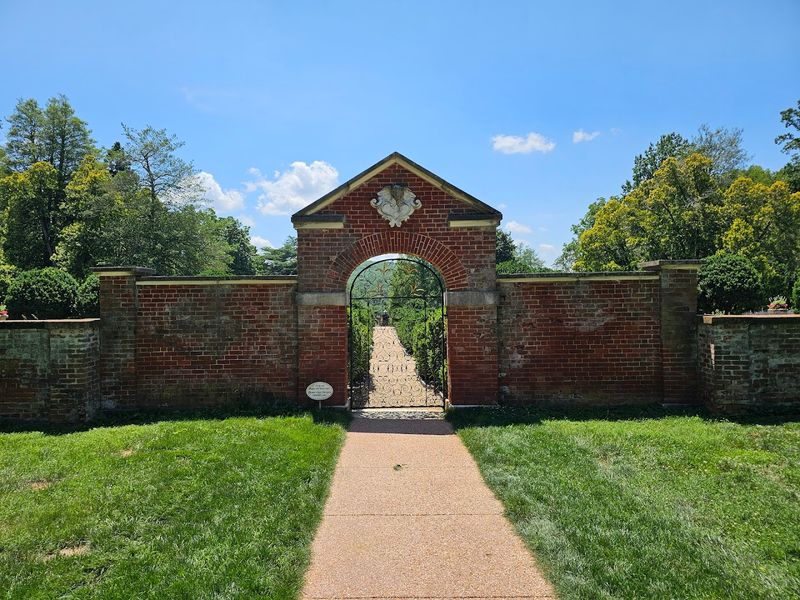
The James Madison Landmark Forest sits at 11350 Constitution Highway in Montpelier Station, Virginia, making it easily accessible from Charlottesville or Richmond. Most visitors combine their forest exploration with a tour of James Madison’s Montpelier, creating a full day of historical and natural discovery.
Admission policies and hours vary seasonally, so checking ahead prevents disappointment. The forest trails typically open dawn to dusk year-round, but guided programs follow specific schedules.
Spring and fall offer the most comfortable temperatures and the best wildlife viewing opportunities.
Wear sturdy hiking shoes even on easy trails. Tree roots create uneven surfaces, and trails can be muddy after rain.
Bringing water, snacks, and insect repellent during warmer months makes the experience more enjoyable. Cell service gets spotty in the deeper forest sections.
Respect the rules designed to protect these irreplaceable trees. Stay on trails, pack out everything you bring in, and never carve into bark or remove natural materials.
These giants survived four centuries of threats; let’s not become the generation that damages them through carelessness.
The best times to visit are weekday mornings when you might have entire trail sections to yourself, amplifying the timeless atmosphere these ancient trees create.
Dear Reader: This page may contain affiliate links which may earn a commission if you click through and make a purchase. Our independent journalism is not influenced by any advertiser or commercial initiative unless it is clearly marked as sponsored content. As travel products change, please be sure to reconfirm all details and stay up to date with current events to ensure a safe and successful trip.
