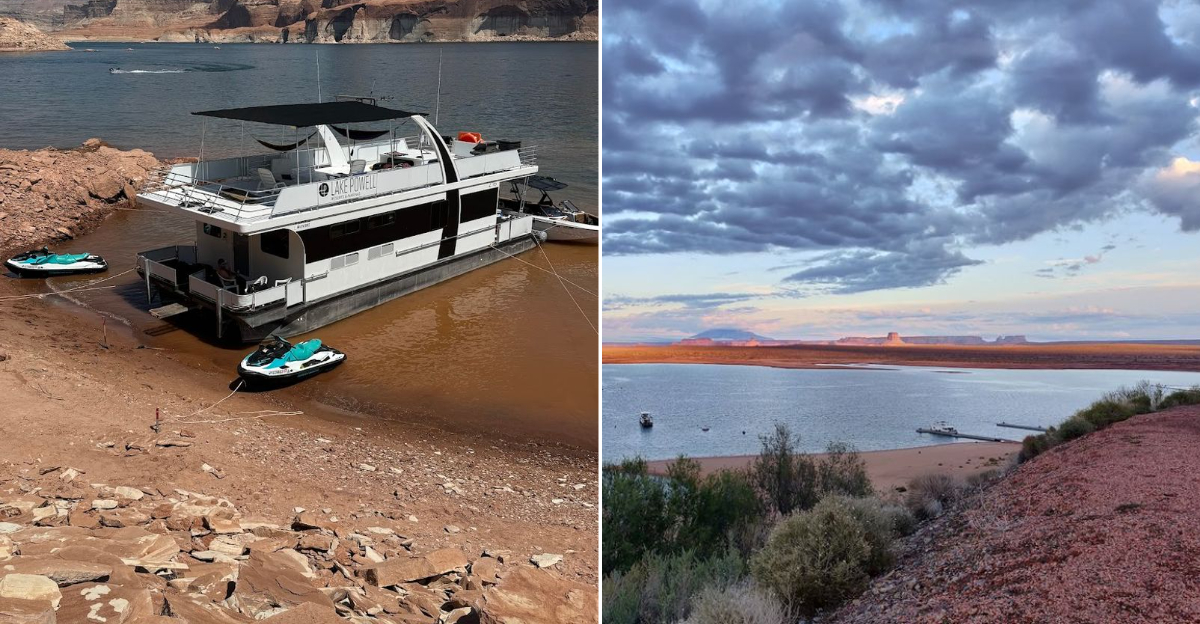
A lake does not have to vanish completely to start looking like a very different place. This Arizona one is proving that in a way that feels hard to ignore, as falling water levels expose expansive mud flats where open water once seemed much more secure.
That kind of change does more than alter the view. It shifts the whole mood of the landscape, turning a familiar lake scene into something that looks drier, harsher, and more uncertain with every newly exposed stretch.
The contrast is what makes this story so striking. What should feel like a classic Arizona waterside setting now carries visible signs of stress, and those widening flats make the drop impossible to shrug off as a small seasonal change.
This is the sort of transformation that grabs your attention fast, because it is not just about what the lake looks like today. It is about what those expanding mud flats may be quietly warning about next.
The Wahweap Side Of Lake Powell Looks Different Now
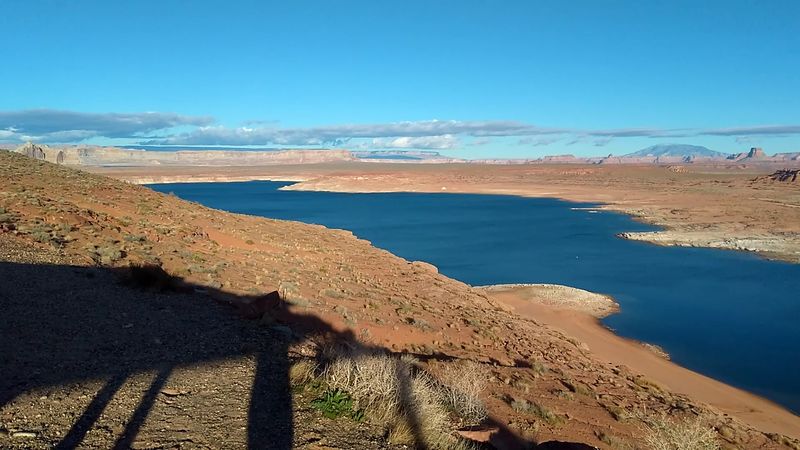
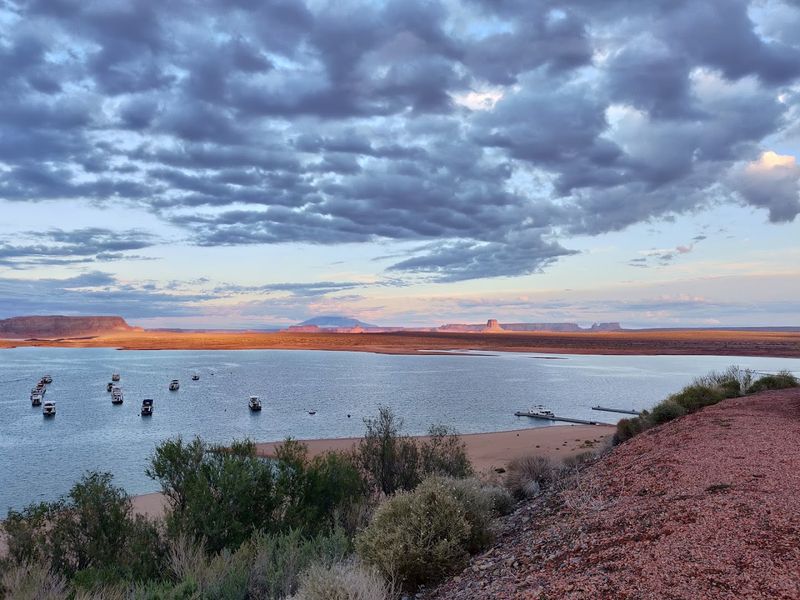
Pull up to Wahweap now, and the first thing you notice is how far the water has backed away from what your memory says is normal. The marina sits there like a stubborn bookmark, but the page around it has stretched and faded.
You see long bands of exposed earth, pale and ribbed, and the floating docks look a touch orphaned, nudged into new positions by necessity.
It is still Arizona quiet, that soft hush the desert gives when the wind rests, only now the quiet lands on ground that used to be hidden. You scan the buttes and your eyes drop to the flats, where tracks from trucks and maintenance crews sketch new paths.
The smell is different too, damp and mineral, like a cellar door opened out in the sun.
Give yourself a minute to recalibrate, because your sense of distance will lie at first. What seems like a casual stroll to the water might be a real hike across sticky sediment.
The curve of the bay feels wider, and every sound carries farther, even small voices from the slips.
If you have a mental postcard of this place, tuck it away for comparison and let this version stand on its own. It is the same landmark on the map, with a changed face that asks you to look closer.
You are not losing the lake, but you are meeting its foundation in plain sight.
How Falling Water Levels Changed The Shoreline
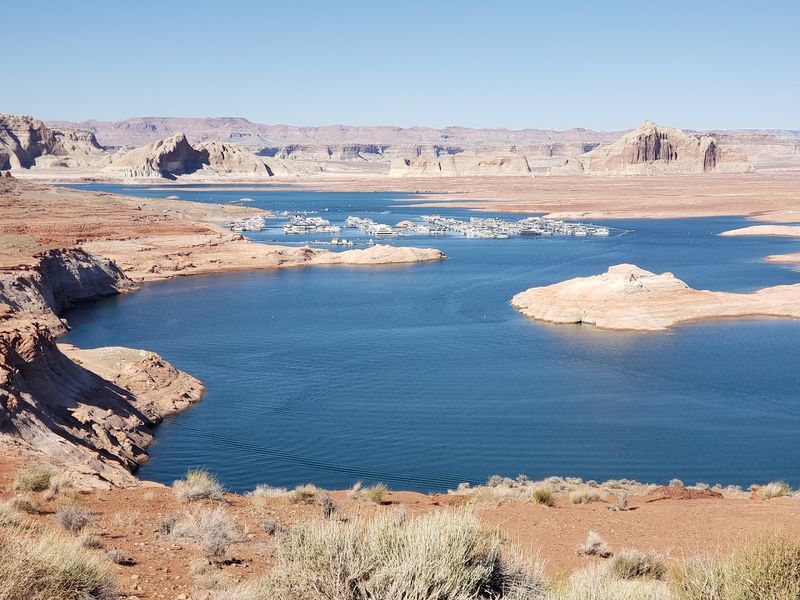
Remember the neat edge where water kissed the sandstone, leaving clean lines like rings in a bathtub? Those rings are up on the walls now, high and dry, and below them the shore sprawls outward in soft, unpredictable contours.
The waterline has stepped back, one careful move after another, until the bay looks like a shirt that shrank in the wash.
Arizona geology is honest about it, because the colors do not lie. You get pale layers, then rusty bands, then that slatey gray right at your feet where the flats hold on to moisture.
Walk a few yards and your shoes tell you what the charts have been saying.
The shift does more than rearrange your selfie spots. Angles change for boaters, depths change near the old ramps, and currents thread through different channels.
Things you never considered suddenly matter, like the slope of a cove or where a sandbar decides to settle.
This is not a single-moment event, even if it lands like a reveal when you arrive. The shoreline keeps editing itself, responding to wind, sun, and the steady math of inflows and outflows.
Stand still for a breath, and you can almost feel the lake breathing too, just with shorter inhales.
The Expansive Mud Flats Visitors Notice First
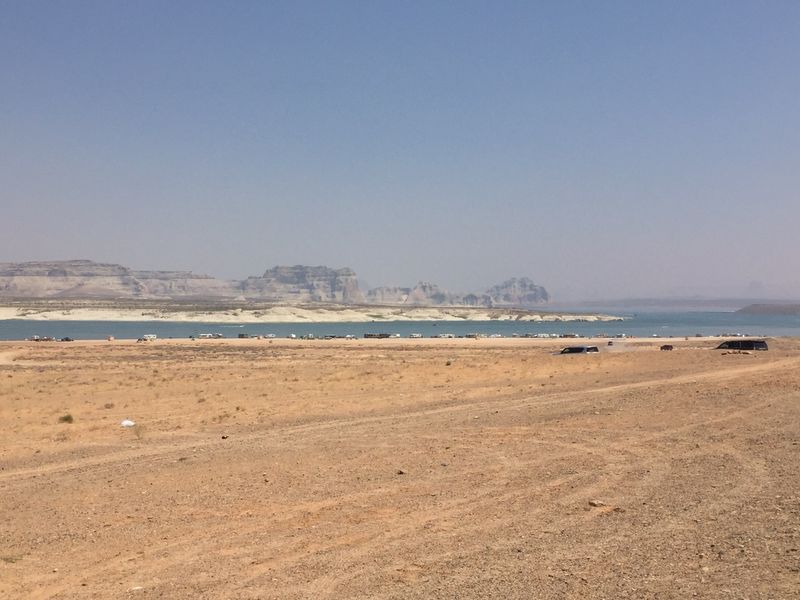
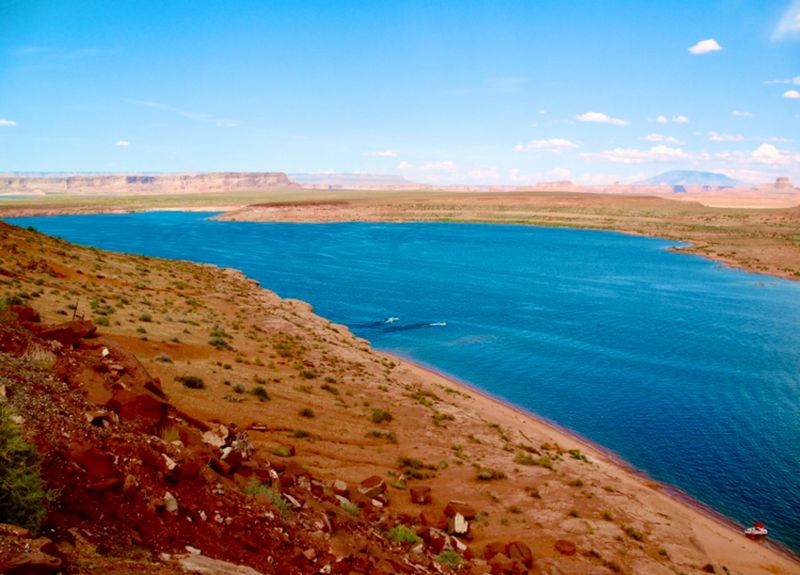
Those mud flats hit your senses right away, wide and strangely quiet, like a stage before the actors show up. The surface looks smooth from far away, but it is a patchwork of crust, sheen, and soft spots that tell different stories underfoot.
You can see where small rivulets wandered off and left glossy ribbons behind as the sun pulled the water back.
Arizona has plenty of dry earth, but this is a different kind of ground because it remembers the lake in its texture. Every step leaves a mark that is both temporary and stubborn, drying into prints that linger.
Out near the edges, you might catch little puddles reflecting the cliffs like tiny, patient mirrors.
Give those flats space and respect, because they are persnickety. What looks firm might slump, and what looks delicate can hold more weight than you expect.
Ask yourself if you want to wash your shoes for days, and that usually answers the exploration question.
The scale sneaks up on you until you turn around and realize how far the marina has receded. It feels like the beach moved away while you were talking.
That long reach of sediment is the lake’s recent history written in soft clay, and you are reading it line by line without meaning to.
Why This Part Of The Lake Feels So Exposed
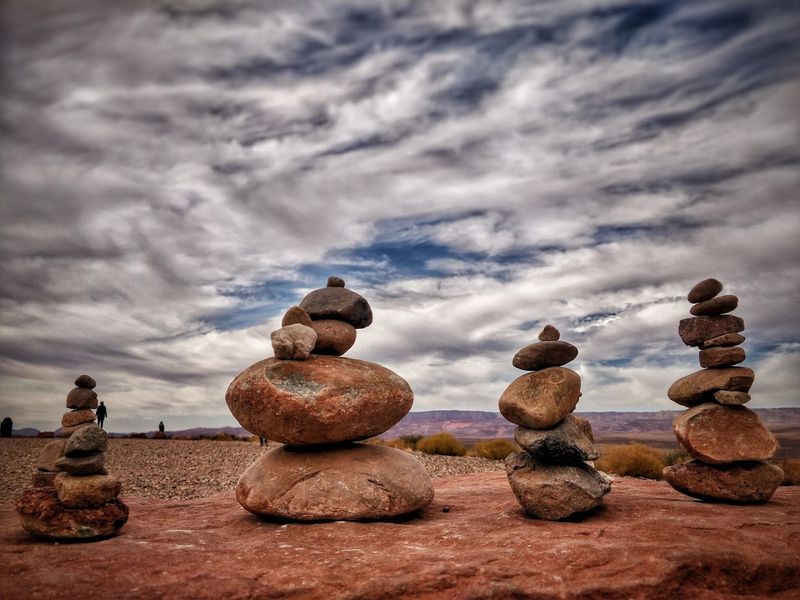
Out here by Wahweap, the basin opens like a bowl, which makes every drop in water feel bigger to the eye. With the buttes standing back a little, the vista does not hide much, so the retreating shoreline reads like underlined text.
You can trace the old limits with your finger in the air and see how empty space has taken their place.
Arizona light adds to that exposed feeling, because it is unfiltered and decisive even when clouds scatter it. The sun pulls detail out of every ripple in the flats and draws clean shadows around the stranded edges.
There is not much tree cover to soften the truth.
Is it uncomfortable? Sometimes, yes, because you are looking at scarcity in physical form, not a chart or a forecast.
That clear view makes your thoughts sit up straighter.
But there is also a kind of clarity that helps you understand the land. You notice the natural contours, the tucked-away ledges, and the quiet low spots where water lingers.
The exposure turns the lakeshore into a map you can read without a legend, even if the story stings a bit.
What Low Water Means Around The Marina
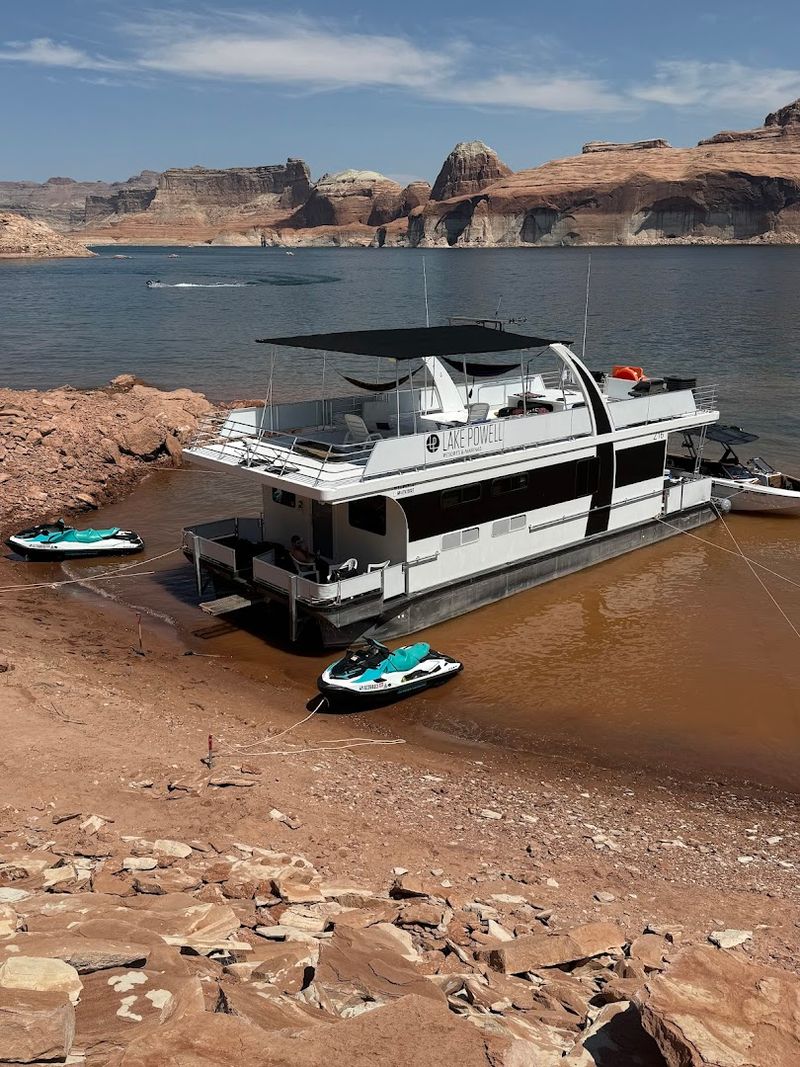
Day to day at the marina, low water shows up as a string of small adjustments that never really stop. Ramps stretch longer than you remember, gangways angle more sharply, and the crew keeps repositioning things to chase depth.
You will see workboats nudging floats and markers, like chess pieces moving to avoid a checkmate.
In Arizona, operations bend with the elements, and this is no exception. Parking lots that used to sit near the water might feel farther away, while staging areas migrate as the shoreline redraws itself.
That means a little extra patience when you load up or step down to a dock.
There is also coordination you might not notice unless you slow down. Marinas talk to each other, ramp managers compare notes, and everyone keeps ears open for fresh depth readings.
It is a quiet network built on habit and radio check-ins.
For visitors, the takeaway is simple and practical. Plan for a few more steps, watch your footing on new transitions, and listen to staff who read this lake like a diary.
The systems are still working, just stretched, and you can feel that tension in the walk to the slip.
Boat Access In A Constantly Shifting Landscape
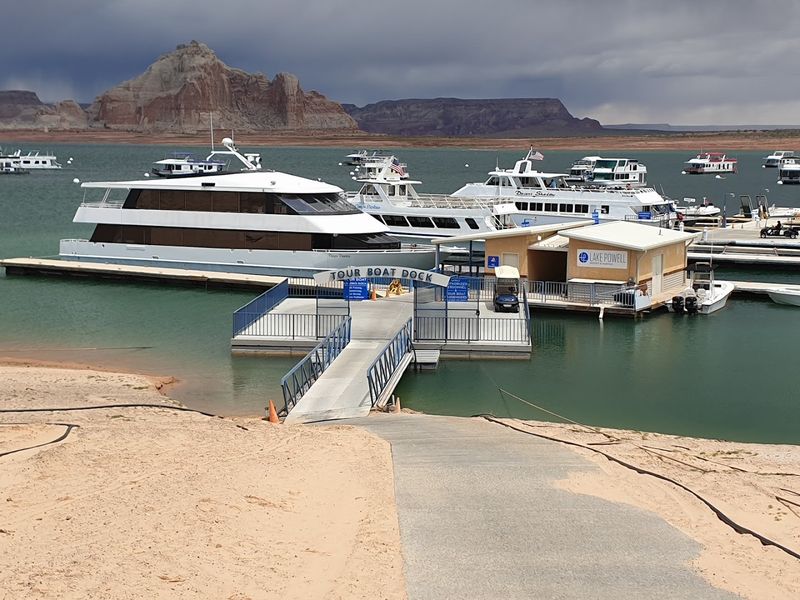
If you are bringing a boat, the landscape plays by new rules that change faster than your memory can keep up. Launches might funnel through fewer points, and retrievals can take longer as crews manage shallow entries.
You will see temporary markers doing the work that old landmarks used to do without effort.
Arizona boaters learn to read color and texture like a second language. Darker water does not always mean depth now, and that light tan band might hide a shelf waiting under the surface.
People swap tips in the lot because yesterday’s safe line might not be today’s.
Ask questions and take the unhurried option whenever you can. If a crew member suggests a different angle, they are saving you from a messy pivot or a prop kiss with sediment.
A few extra minutes can buy a day without headaches.
The point is not to scare you, but to keep you nimble. This lake is still very much alive, just thinner in places, and the routes flex with the conditions.
Treat the access like a conversation where you listen first, then speak with your throttle.
Why The Lake’s Drop Is Bigger Than A Visual Change
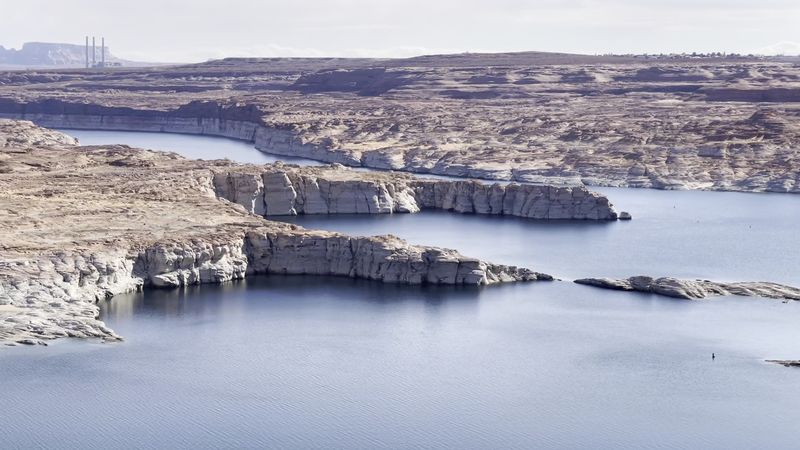
It is easy to treat the receded water like a dramatic backdrop, but this is a living system, and it feels every inch. The flats are not just scenery; they are symptoms of long, slow shifts upstream and across the basin.
You are basically standing inside a regional conversation about supply, demand, and the stubborn math of climate.
Arizona is a main character here, but the cast is bigger than a single state line. The Colorado River ties towns, farms, power, and parks into the same rope, and when the knot tightens, everyone feels it.
You can see that truth in the marina’s daily adjustments, which are small echoes of larger decisions.
This is not meant to feel hopeless, only honest. Management plans evolve, conservation expands, and people who love this place keep showing up with care and ideas.
The story moves in increments, slow but real.
So when you look across the flats and feel that tug in your chest, trust it. You are sensing more than a view; you are noticing a system under stress learning to adapt.
That awareness is part of traveling here now, and it travels home with you whether you invite it or not.
How The Page Setting Frames The Whole Scene
Page wraps around this lake like a helpful neighbor who has seen everything, and that perspective changes how you absorb the view. The town sits close enough that you carry the lake’s mood into every errand and back again.
You leave the marina and still find yourself tracing shoreline changes in your head while you pass gas stations and trailheads.
Arizona towns know how to coexist with dramatic landscapes, and Page feels like a classroom for that lesson. The road angles give you quick looks at the flats, then widen to the full bay like a reveal.
Even mundane parking lots feel theater-adjacent when the buttes light up at dusk.
There is a steadiness in people going about their day, balanced against a lake that keeps shifting underfoot. That contrast clears your thoughts, because both truths can exist at once.
You end up respecting the unsentimental rhythm of a place that adapts without fanfare.
When you circle back toward Wahweap, the story clicks into a single frame again. Town, desert, water, and those wide new margins of sediment all share the same breath.
It is a reminder that the setting holds the scene together, even when the scene will not sit still.
An Arizona Lake Story That Still Feels Unsettling
I will not lie, this one lingers. You walk away from Wahweap with images that do not file neatly into your usual travel folder, because the flats are both beautiful and blunt.
The quiet gets in your head, and the scale of the change feels bigger when you are back in your room.
Arizona has always carried contradictions, and this is another one you learn to hold without snapping it shut. The lake is still a place to gather and explore, but its bones are showing, and that sight sticks with you.
You can love a landscape and still listen when it tells you it is tired.
Maybe that is the honest ending here. Come see, pay attention, and let the scene talk in its slow, measured way.
Ask the simple questions, then keep a little space for the complicated answers.
On the drive out, the mud flats fade into distance, but the shape of them keeps coloring your thoughts. You are already planning the next check-in, wondering what will be revealed or reclaimed by then.
That mix of hope and unease is the truest souvenir you will carry from this Arizona lake.
Dear Reader: This page may contain affiliate links which may earn a commission if you click through and make a purchase. Our independent journalism is not influenced by any advertiser or commercial initiative unless it is clearly marked as sponsored content. As travel products change, please be sure to reconfirm all details and stay up to date with current events to ensure a safe and successful trip.
