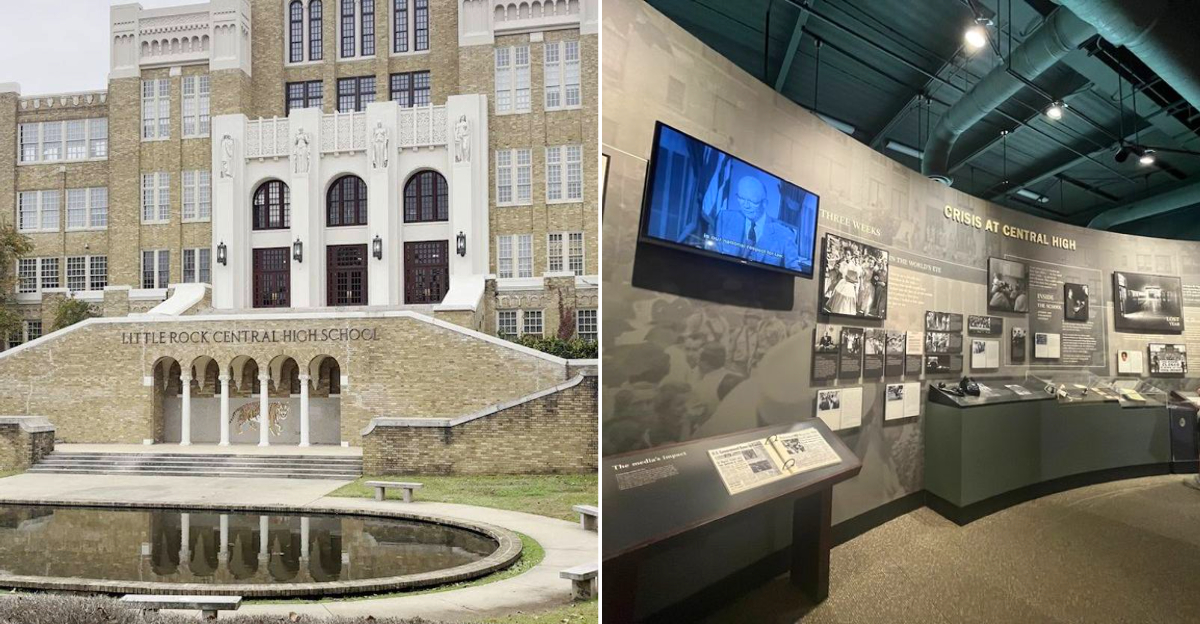
So what does it look like when one school becomes a national flashpoint? In Arkansas, this historic site turns that question into something you can walk through, not just read about.
You see the building, the streets around it, and the ordinary details that suddenly carried weight. It is a reminder that history is not always made in grand halls, it is made in everyday places.
As you move through exhibits and viewpoints, the timeline tightens and the stakes get clearer. You connect local decisions to national headlines, and you feel how quickly a community gets pulled into the spotlight.
The stories focus on students, families, and the people who showed up, for better or worse. It is intense, but it is also clarifying, because it shows how courage and resistance can share the same sidewalk.
Arrive On Daisy L Gatson Bates Drive And Take In The Front View
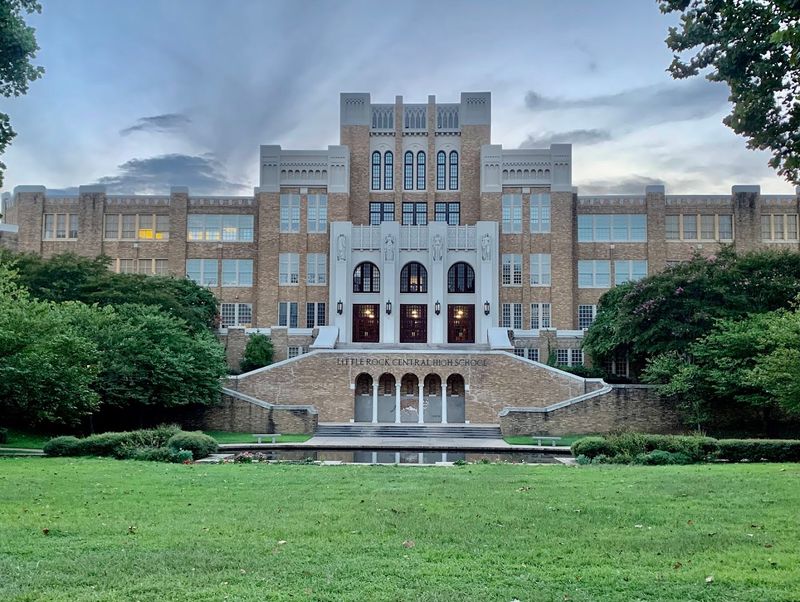
First things first, pull up along Daisy L Gatson Bates Drive and just look at that front face of Little Rock Central High School at 2120 W Daisy L Gatson Bates Dr, Little Rock, AR 72202. The scale is striking, but it is the symmetry and the way the brick and limestone stack together that makes you pause.
You feel the theater of history right there on the steps, like the building itself is holding its breath.
Stand on the sidewalk and let your eyes trace the lines, because this design was made to project steadiness. I like to take a slow minute here, no rush, no chatter, just the sound of cars and birds behind me.
You think about students walking up, normal day energy in their pockets, and then that calm turns into a scene that ripples through Arkansas and far beyond.
If you are with a friend, trade a few quiet thoughts before snapping any photos. The sunlight tends to bounce softly across the facade, which gives the stonework a warm glow.
It is not about getting the perfect angle, it is about letting the weight settle in without rushing the moment. Give yourself that time, because this is where the story starts for real.
Important Note, The School Is Not Open For Walk-In Visits
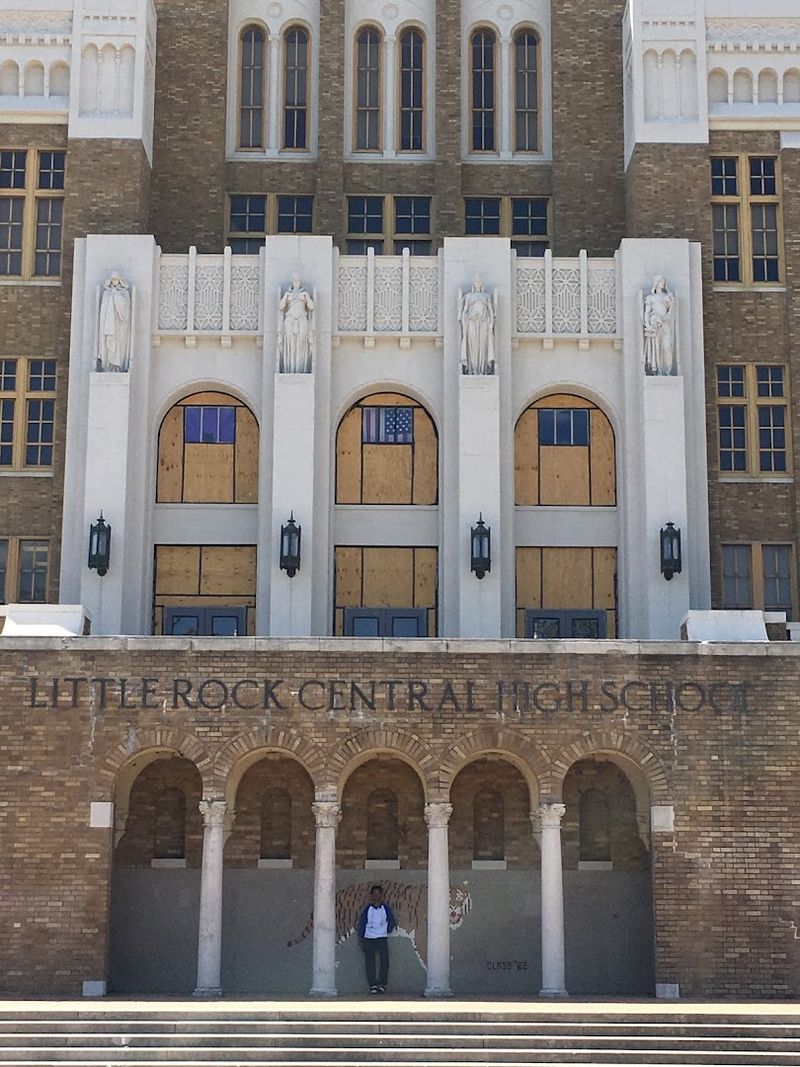
Quick heads up before you start plotting a route around the building. The school is an active campus, and it is not open for unscheduled walk in visits, so you are not strolling hallways on a whim.
That boundary keeps students learning while the historic site does its job right across the street.
I like to think of it as a respectful line that actually deepens the visit, because it pushes you to engage with the story outside and at the official spaces. If you are craving interior context, the visitor center is where you go for that.
Everything important you want to understand is still completely accessible from the public areas and programs.
When you plan, just keep flexibility in your pocket and remember that this place balances past and present every single day. Arkansas hospitality shows up here as clear guidance and friendly rangers who keep things moving smoothly.
Ask questions, follow posted instructions, and enjoy the experience without crossing the boundary. You will leave with what you came for, which is a fuller grasp of what happened and why it still matters.
The Little Rock Nine Story That Made This A National Flashpoint
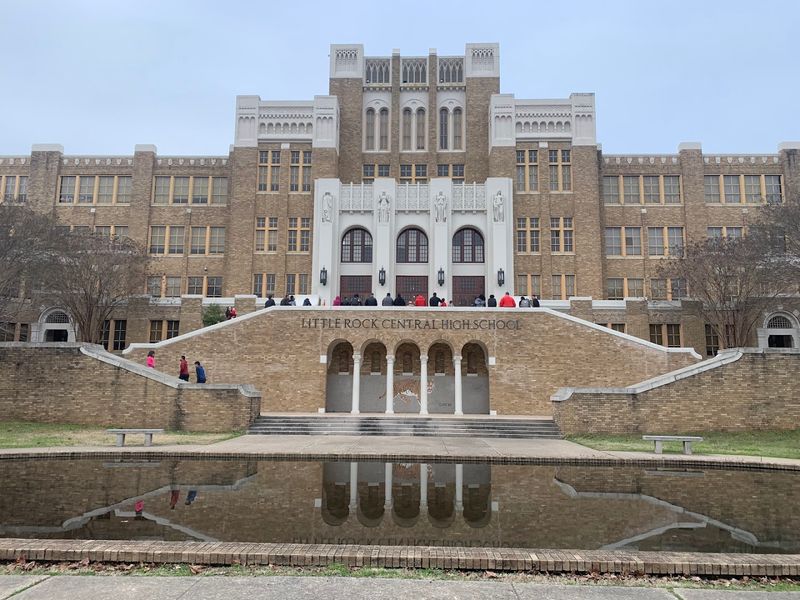
Here is the heart of it, and it still lands like a drumbeat when you stand there. The Little Rock Nine walked toward this school and met a wall of resistance that turned a local enrollment into a national moment.
You can read the panels and feel how ordinary courage becomes the kind that rewrites expectations.
When you picture those students stepping forward, you realize how every sidewalk square and stair rail holds a piece of that day. The site invites quiet, not spectacle, which honestly makes the story hit harder.
You begin to connect the faces and the choices to the building you are staring at, and it stops feeling like distant history.
What I love about being on the ground is how the noise of the past feels sharper than the street sounds now. Arkansas shows up here as a place that wrestled in public with what fairness actually means.
Take a breath, read the names, and let your mind run the timeline from front door to headlines. You will carry that with you the rest of the day.
Start At The Visitor Center Exhibits And Short Film
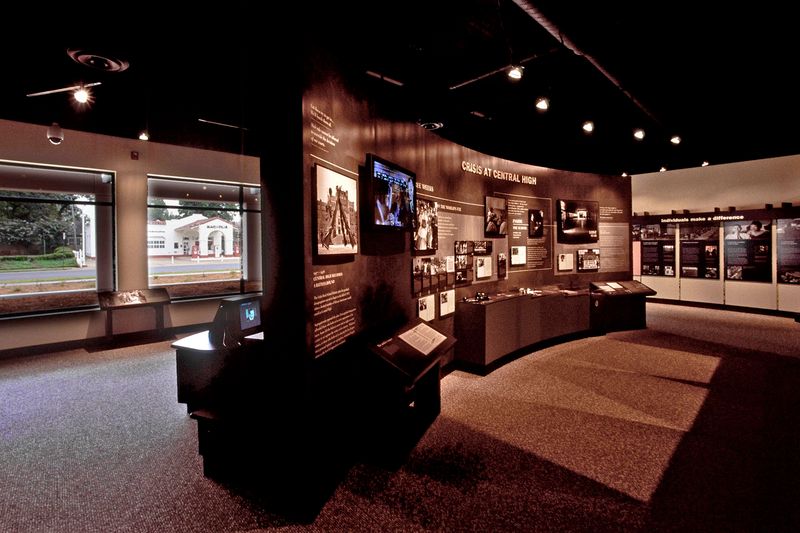
I always start at the visitor center because it sets the tone in a way that the sidewalk cannot. The exhibits give you voices, photos, and timelines that stitch the scene together with clarity.
There is a short film that pulls the threads tight and leaves you ready to see the school with sharper eyes.
Take your time moving through the rooms, because details stack up fast and it helps to pause after each section. You will find artifacts and first person accounts that nudge you to listen closely.
When the film wraps, walk outside and notice how the building across the way suddenly feels more personal.
The staff here are kind and grounded, and they handle questions with the kind of calm you appreciate when a story is this big. Arkansas history lives in these walls, and the center does a steady job of giving it a voice that feels current.
If you want a roadmap for the visit, this is it. Jot a couple of notes or snap a quick photo of the map, then head out feeling oriented and ready.
Ranger Programs That Walk You Through The 1957 Moment
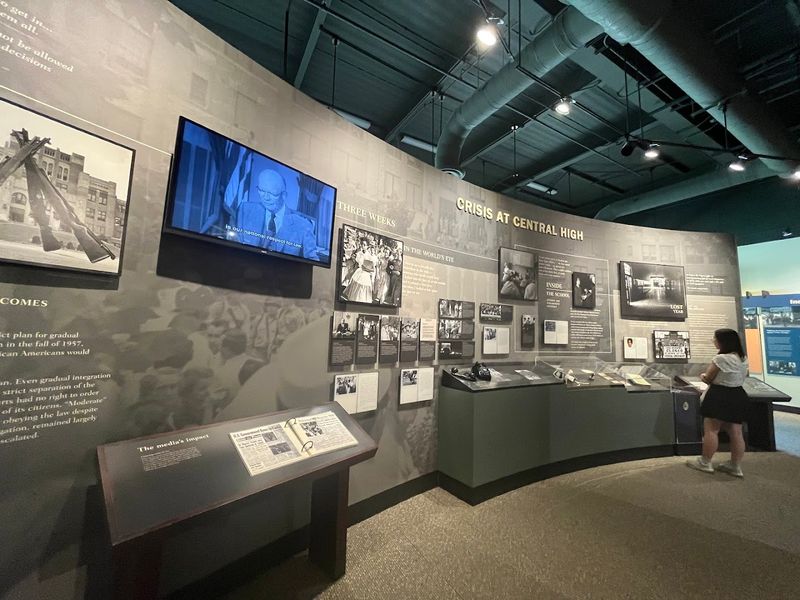
If you can catch a ranger program, do it, because hearing the story told right where it happened changes the way you absorb it. The rangers have a gift for pacing, giving you context, then letting quiet do some of the heavy lifting.
Standing in the exact spots where decisions piled up feels different than reading a paragraph.
They will point out angles you might skip, like where the lines of sight made the crowd appear larger, or how the steps functioned like a stage. You start to feel the choreography of a day that was never planned as theater.
The group energy settles into something steady and respectful without anyone having to say it aloud.
I like how questions turn into conversations that run deeper than surface facts. Arkansas shows its thoughtful side through these talks, because the history is handled with care rather than spectacle.
You walk away with small insights that stick, the kind you replay while looking back at the facade. It is time well spent, especially if you want the moment to land in a lasting way.
Magnolia Gas Station History That Ties Into The Same Story
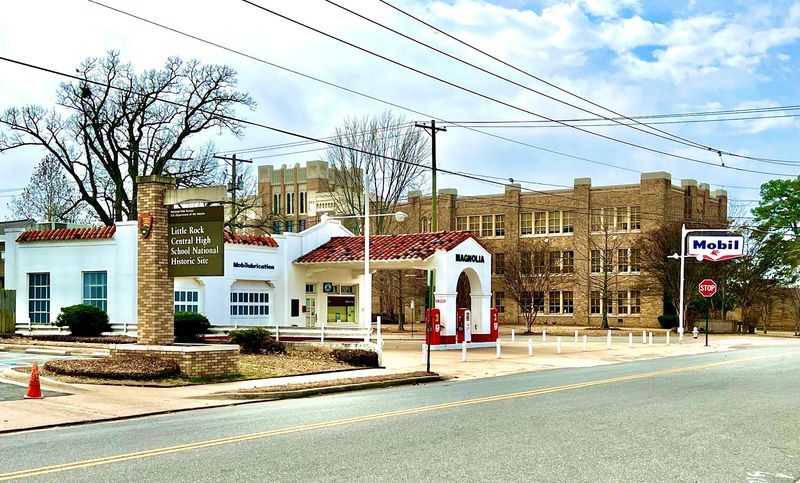
Right near the school sits the old Magnolia gas station, and it is more than a cute vintage facade. During the crisis, journalists used this spot as a base, which means the building soaked up the swirl of reporting and reactions.
Stand there and you can picture camera gear, notebooks, and nerves running high.
The station has been preserved with a clean, respectful look that keeps the focus on context rather than kitsch. Interpretive signs help you connect this modest corner to the larger arc of the story.
It is wild how a small service station becomes a lens for understanding how the nation watched Arkansas in real time.
Take a slow walk around the exterior and let your eyes land on the details, from the pumps to the roofline. You are not here for a retro snapshot, you are here to feel how nearby spaces picked up the same gravity.
When you step back toward the school, the whole block feels like a set where the stakes were incredibly real. It is a quick stop that quietly deepens everything else you have seen.
Outdoor Viewing Spots For A Calm, Thoughtful Loop
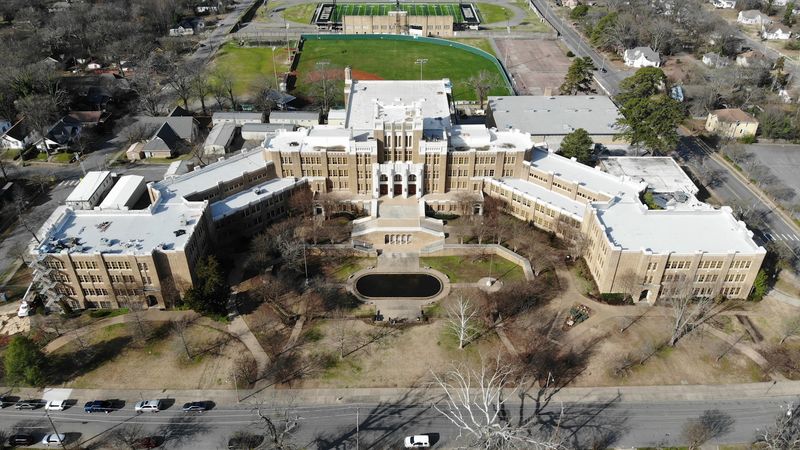
Circle the block at an easy pace and let the different angles teach you new things. From certain corners, the building stretches wider than you expect, and the sightlines pull your eyes to the steps again and again.
Trees, crosswalks, and small patches of grass offer natural pauses for reflection without forcing the moment.
I like to build a little loop that starts near the visitor center, swings by the gas station, and tucks back toward the facade. Each stop feels like a chapter, and by the time you return, the story has settled into something more complete.
Keep your phone in your pocket for a minute and let your senses handle it.
This is where Arkansas weather can be your friend if the light is soft and the breeze is steady. The quieter you move, the more the site reveals the everyday rhythm beneath the famous days.
You are simply a visitor walking a neighborhood that learned the weight of history. That low key approach fits the tone here and keeps your thoughts centered.
The 1927 Landmark Details Most Visitors Miss
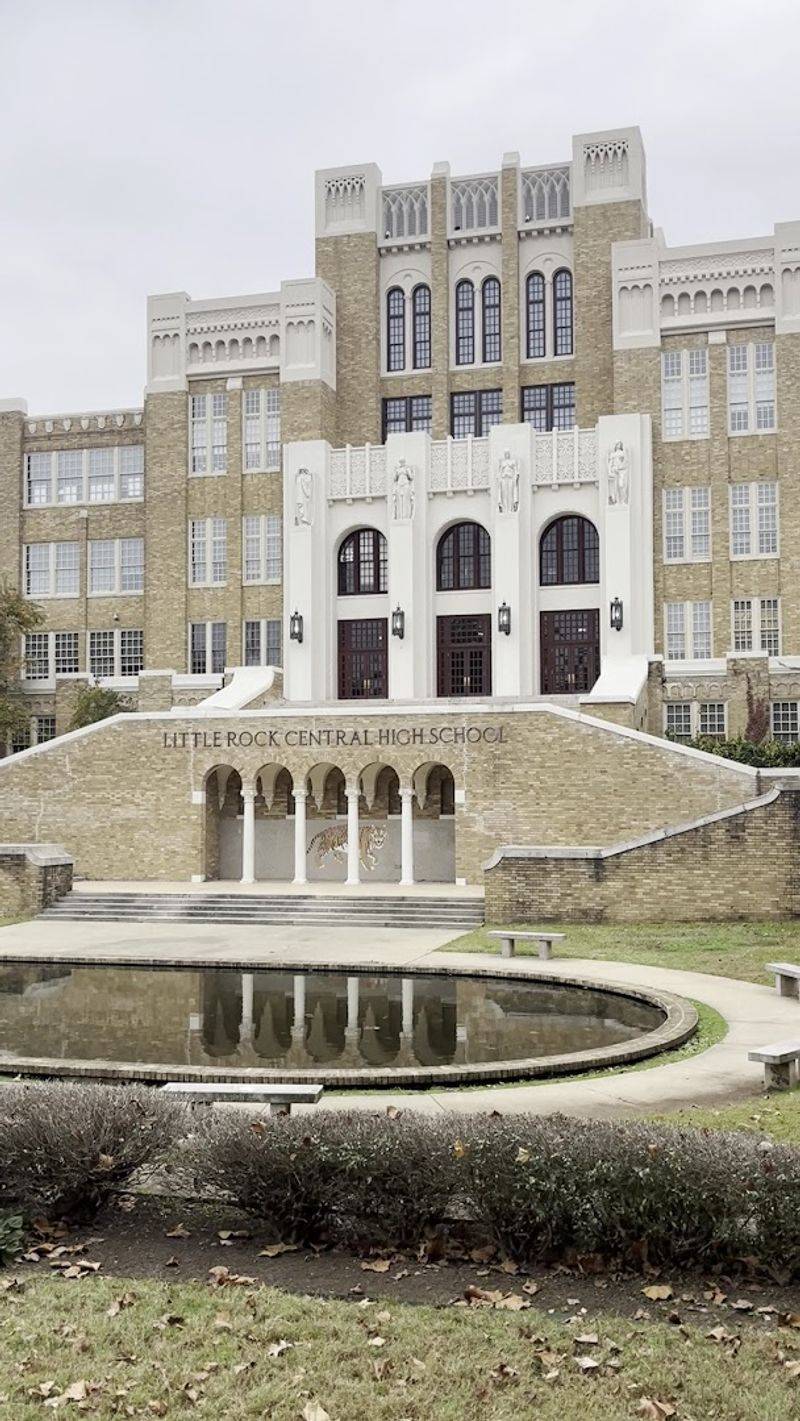
Look closer at the architecture and you will see details that hide in plain sight. The geometric patterns along the parapets and the layered brickwork give the building a firm, almost rhythmic presence.
Step back and forth a few feet and watch how the light carves out those lines.
Most folks focus on the steps, which makes sense, but the side elevations repay attention with surprising grace. There are repeating forms and subtle ornament that feel confident without shouting.
It is the kind of design that says we are sturdy, we are here, and we mean business, which makes the story that unfolded here even more vivid.
I like following the windows across the facade and noticing how they stack like measured beats. Arkansas schools built in this era were not shy about scale or craft, and this one wears both in every course of brick.
Give the masonry a few quiet minutes and you will start to spot patterns you missed at first glance. That small act of looking longer changes the whole visit.
Passport Stamp And Junior Ranger Options For Kids
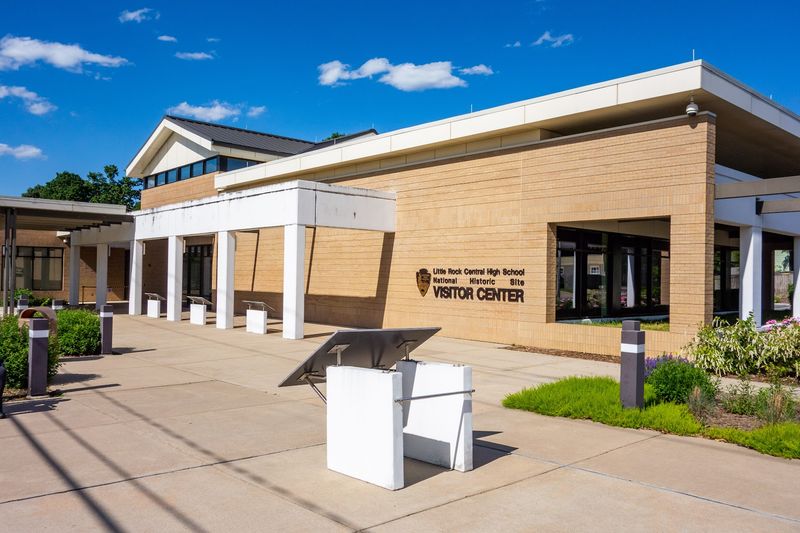
If you are bringing kids or you just like collecting memories the analog way, swing back into the visitor center for the passport stamp. It is a small ritual that turns the visit into something you can hold in your hand later.
The stamp becomes a reminder that you stood in a place where courage walked up the steps.
There are Junior Ranger materials that invite younger visitors to pay attention with purpose. Activities steer them toward real details and honest questions, which is exactly what you want here.
I have seen families lean over a booklet together and suddenly the building outside feels even more alive.
This is one of those Arkansas sites where learning lands best when it is shared, and the programs are built with that in mind. Take a few minutes at the desk, ask for guidance, and let the kids lead the way.
When they earn that badge or complete a page, it clicks that history is not abstract. It is real, it is local, and it is something they can carry forward.
Timing Tips For Parking, Photos, And A Smooth Visit
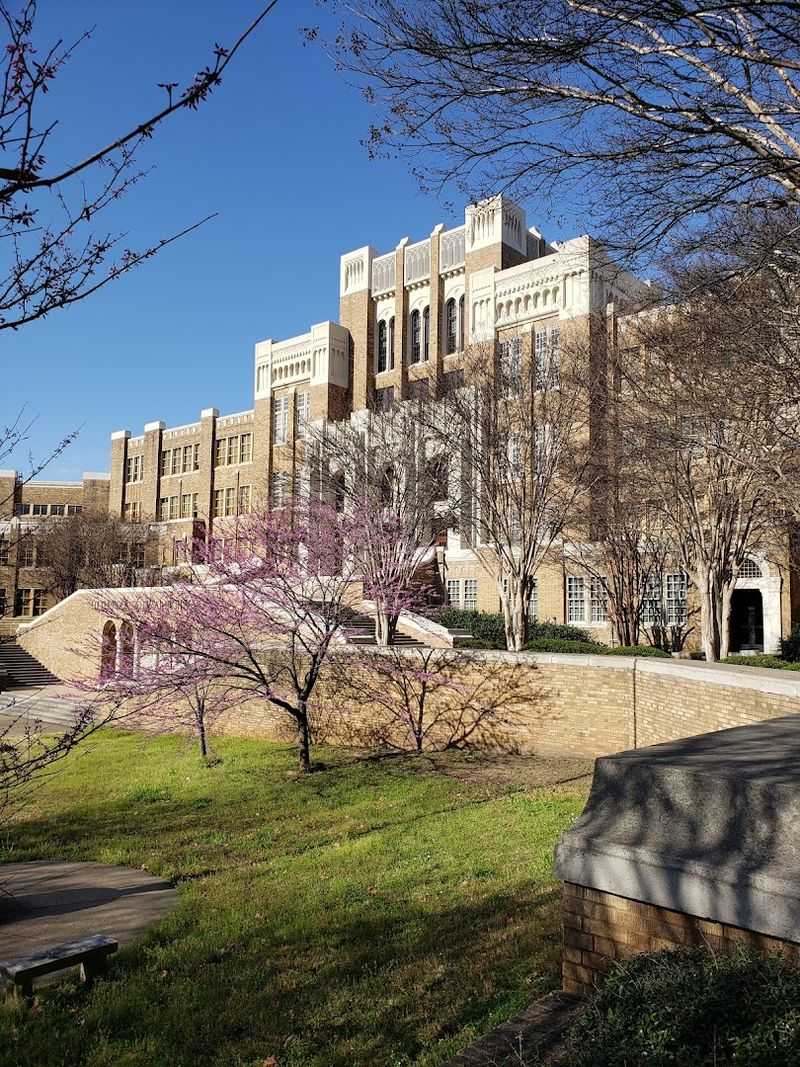
Let us talk practical so the visit flows without bumps. Arrive with a little cushion in your schedule so you can catch a ranger talk or the film without rushing.
Street parking near the visitor center tends to be straightforward, but reading signs carefully keeps everything easy.
For photos, softer light helps the facade read beautifully, and clouds can be your friend. I like to frame wide shots from across the street and then step in for detail work on the brick and stone.
Keep safety first and always stay aware of traffic while you are focusing on the building.
Plan the loop so you end where you started, which makes it easier to grab the stamp or ask any last questions. Arkansas weather can swing, so bring what you need and stay flexible.
You will leave feeling like you made room for both heart and head, which is what this site asks of you. A calm plan makes the entire experience land in a steady, meaningful way.
Dear Reader: This page may contain affiliate links which may earn a commission if you click through and make a purchase. Our independent journalism is not influenced by any advertiser or commercial initiative unless it is clearly marked as sponsored content. As travel products change, please be sure to reconfirm all details and stay up to date with current events to ensure a safe and successful trip.
