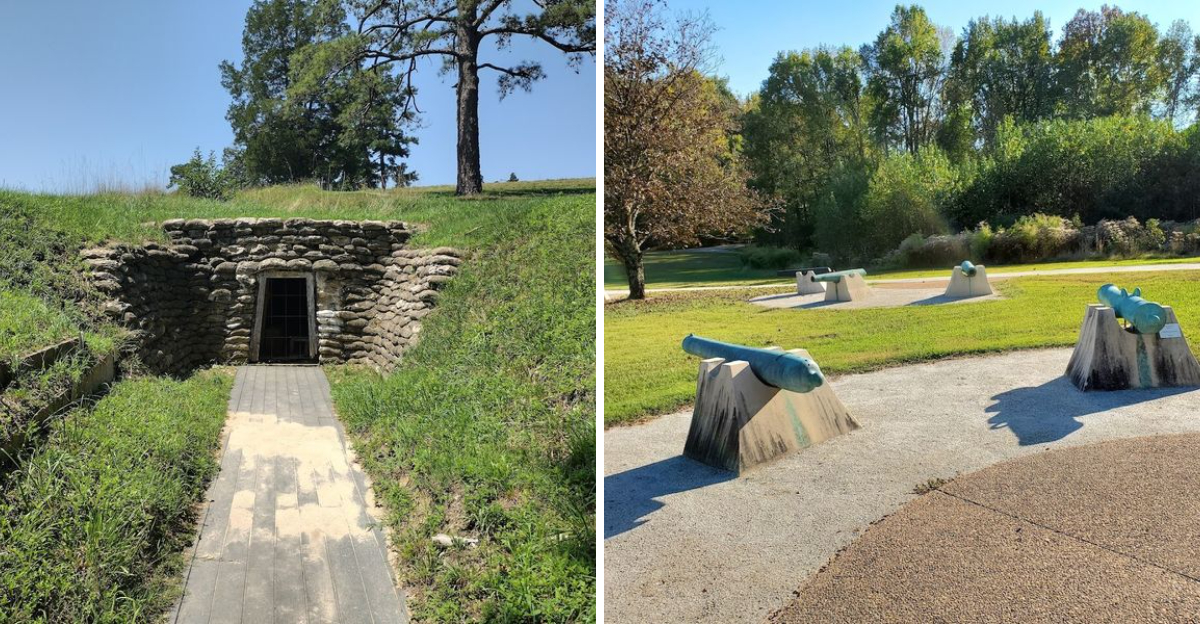
The ground is quiet now. But the history is loud.
This battlefield walk revisits a side of Virginia history that still sparks debate, a place where soldiers fought and died in one of the longest sieges of the Civil War. I walked the trails, stopping at the earthworks and the monuments, trying to imagine what it must have been like.
The siege lasted months, and the scars are still visible in the landscape. The battlefield is preserved, with markers that tell the story from multiple perspectives.
It is a place that asks more questions than it answers. Virginia has plenty of Civil War sites, but this one is especially raw.
The Opening Assault That Changed Everything
June 1864 arrived with a brutal urgency that nobody on either side fully expected. Union forces under General Ulysses S.
Grant launched a bold offensive against the Confederate-held city of Petersburg, aiming to cut off the vital supply lines feeding the Southern war effort. The opening attacks were fierce, fast, and costly.
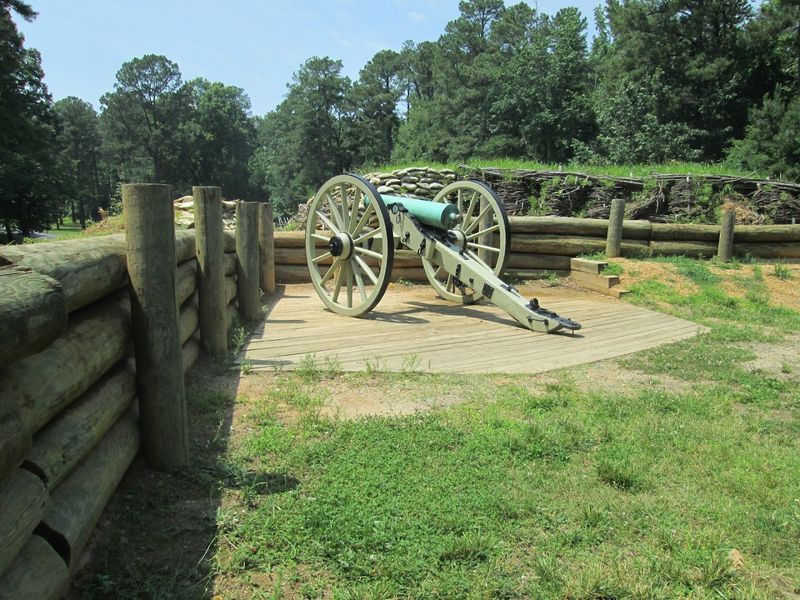
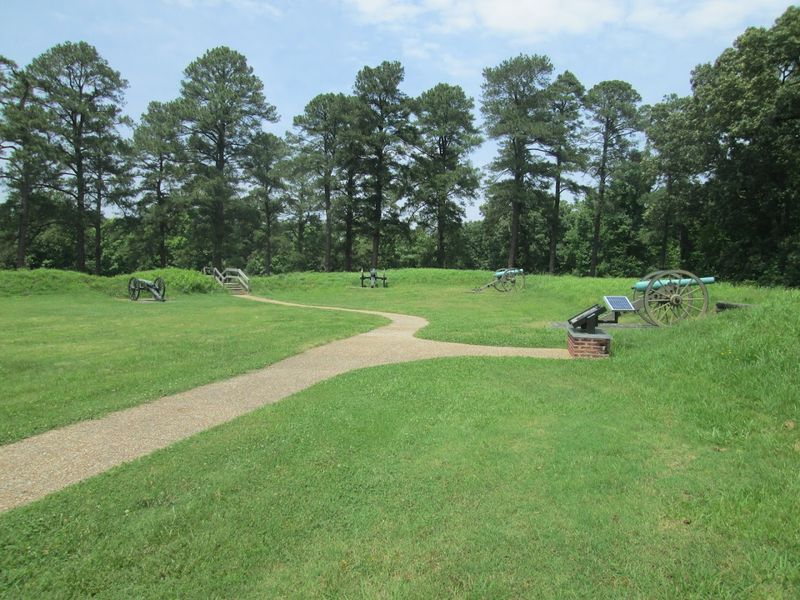
Standing at the Eastern Front today, you can almost feel the tension still baked into the soil. Petersburg National Battlefield preserves the exact ground where those initial Union assaults unfolded, complete with original earthworks, artillery positions, and interpretive wayside exhibits that bring each moment to life.
The park’s self-guided walking trails here are genuinely excellent.
What makes this section so compelling is how the fortifications reveal just how prepared Confederate defenders were. The earthen breastworks are remarkably intact, giving a clear sense of why Union commanders struggled to break through quickly.
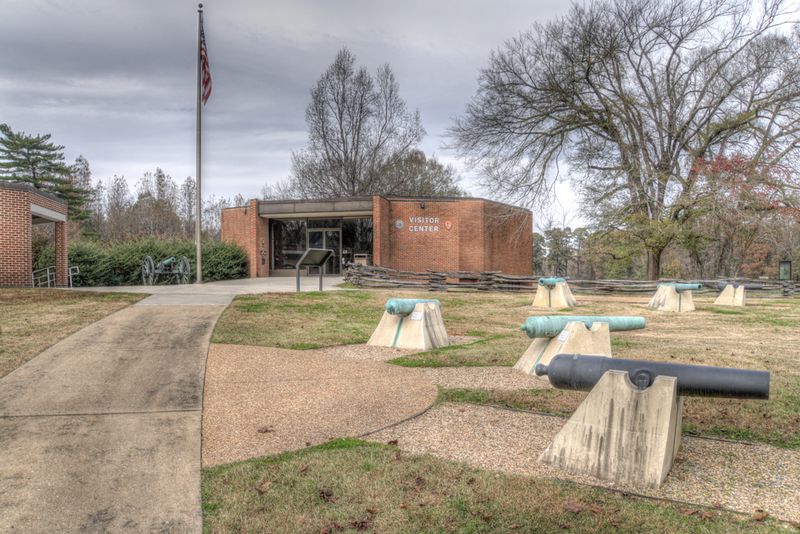
Rangers stationed at the visitor center offer sharp, engaging context that no guidebook can fully replicate. Start your visit here, watch the short film, grab a trail map, and prepare to see Virginia history in a way that genuinely surprises you.
Siege or Campaign, the Debate That Will Not Quit
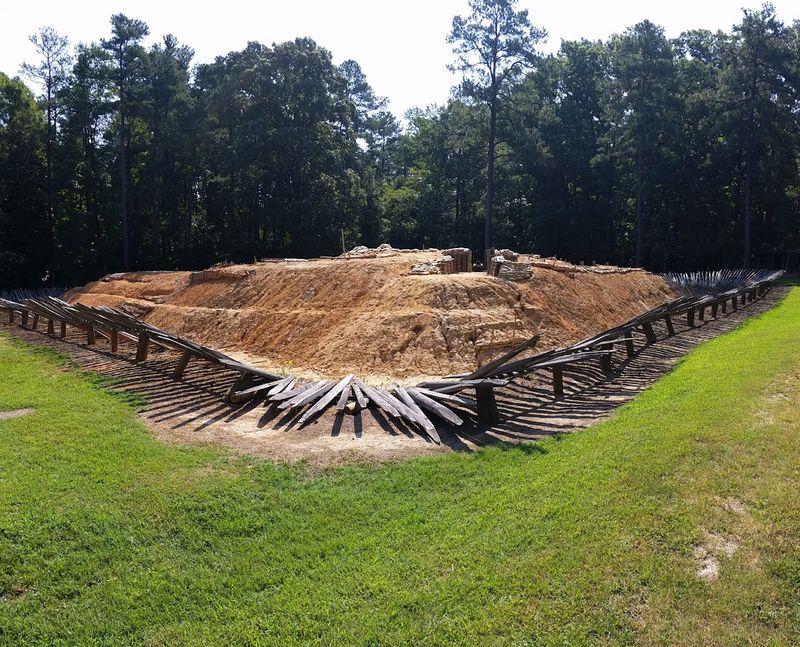
Military historians love a good argument, and the question of whether Petersburg was truly a “siege” or a relentless Union “campaign” is one that still gets people fired up at academic conferences. Some scholars, including notable Civil War historian A.
Wilson Greene, argue that Confederate forces were never fully encircled, which technically disqualifies the events from being called a classic siege.
The distinction might sound like splitting hairs, but it actually changes how you interpret the entire nine-plus-month standoff. A siege implies inevitable surrender through starvation and isolation.
A campaign suggests something more dynamic, a grinding series of Union offensives designed to stretch Confederate supply lines until they snapped. Both readings carry weight, and visiting Petersburg National Battlefield puts you right in the middle of that intellectual tug-of-war.
Wayside exhibits throughout the park present multiple perspectives without forcing a single conclusion on you. That intellectual honesty is refreshing and rare.
Virginia has no shortage of Civil War sites, but few encourage visitors to think this critically about what they are actually seeing. Bring your curiosity, because this place rewards it generously.
The Crater and the Catastrophe Nobody Saw Coming
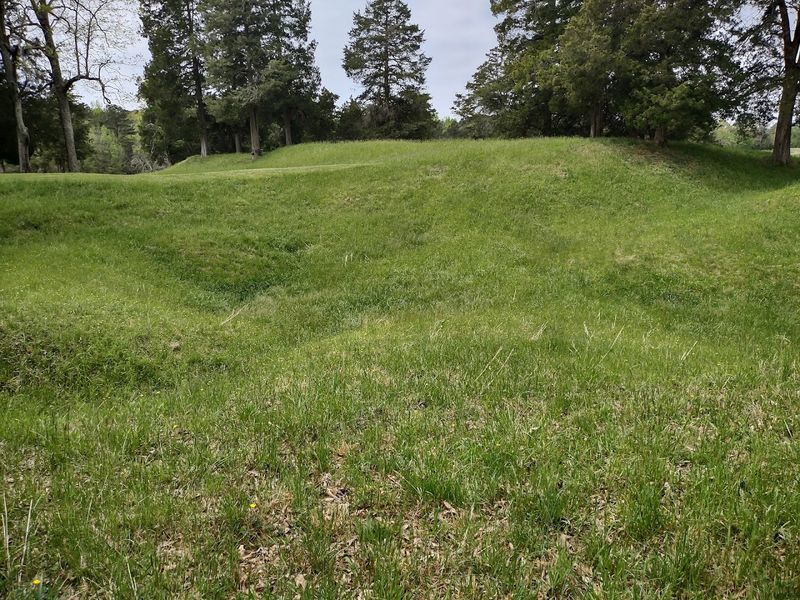
Nothing at Petersburg National Battlefield stops visitors in their tracks quite like The Crater. On July 30, 1864, Union engineers detonated a massive underground mine packed with explosives directly beneath Confederate lines, blasting a hole in the earth so enormous it could swallow a house whole.
For one brief, smoke-filled moment, it seemed like the war might end right there.
It did not. The Union infantry assault that followed was a tactical disaster of almost unbelievable proportions.
Soldiers who charged forward found themselves trapped inside the crater itself, unable to climb out, and Confederate forces quickly regrouped to pour devastating fire down into the pit.
The tragedy deepened because many of those soldiers were African American troops. They had trained specifically for this assault, only to be reassigned at the last minute and then thrown into chaos without proper leadership.
Walking the Crater trail today is a genuinely moving experience. The depression in the ground is still visible, still haunting, still demanding to be noticed.
Ranger-led talks at this site are among the best in the entire park system in Virginia. Do not skip this one under any circumstances.
African American Soldiers and the Fight for Recognition
One of the most powerful and still-contested stories woven through Petersburg National Battlefield involves the African American men who fought and died here.
United States Colored Troops regiments played significant roles throughout the Petersburg campaign. They were charging Confederate fortifications, manning siege lines, and enduring the same brutal conditions as their white counterparts, often with even less recognition afterward.
The Battle of the Crater placed this injustice in sharp relief. African American troops who had trained rigorously for the assault were pulled from the lead position hours before the attack, reportedly due to political concerns about optics.
When they were finally sent in after the initial chaos, they faced both Confederate bullets and the failure of their own command structure. The losses were staggering and the aftermath was largely ignored for decades.
Petersburg National Battlefield now interprets this history with clarity and care. Exhibits acknowledge the bravery of these soldiers directly, and Poplar Grove National Cemetery within the park is the final resting place for thousands of Union soldiers, including African Americans.
Virginia’s complicated relationship with this chapter of history makes visiting this battlefield feel genuinely important rather than just educational.
Poplar Grove National Cemetery and the Quiet Power of Remembrance
Few places within Petersburg National Battlefield carry as much quiet emotional weight as Poplar Grove National Cemetery. Thousands of Union soldiers are buried here, many of them identified only by a small white stone marked “Unknown Soldier.”
Walking among these graves has a way of making the abstract scale of the Civil War feel intensely, uncomfortably personal.
The cemetery holds the remains of African American soldiers, American Indian soldiers, and men from across the Northern states who traveled south to fight in a conflict that would reshape the entire country.
The diversity of those buried here reflects a reality that popular Civil War narratives often flatten or ignore entirely.
Standing in this space forces a more honest reckoning with what the war actually was.
Poplar Grove is part of the larger Petersburg National Battlefield administrative network, and visiting it feels like a natural, necessary complement to the more action-focused sections of the park. The grounds are beautifully maintained and genuinely peaceful.
Virginia has many cemeteries tied to the Civil War, but this one carries a particular gravity that lingers long after you drive away. Plan to spend more time here than you originally intended.
Grant’s Headquarters at City Point and the War Behind the War
City Point does not look like a battlefield, and that is precisely what makes it fascinating. Tucked within the broader Petersburg National Battlefield administrative network, this site served as General Ulysses S.
Grant’s primary headquarters throughout the nine-month campaign. From here, Grant coordinated one of the largest logistical operations in American military history, essentially building a small city from scratch to supply his massive army.
Walking the paths at City Point today reveals a different kind of war story, one about supply chains, diplomacy, and the everyday lives of both soldiers and civilians.
Exhibits here explore the experiences of free and enslaved African Americans who lived and worked at City Point during the siege, adding crucial social context to the military narrative.
President Abraham Lincoln himself visited this site near the war’s end.
The waterfront location gives City Point a completely different atmosphere from the earthwork-heavy sections of the main battlefield. It is contemplative, almost breezy, and surprisingly rich in interpretive content.
For anyone exploring Petersburg National Battlefield over multiple days, City Point deserves a full morning on its own. The view across the Appomattox River alone makes the trip worthwhile.
The Trench Lines That Predicted the Future of War
Military scholars have long pointed to the Petersburg campaign as one of the earliest clear previews of modern warfare.
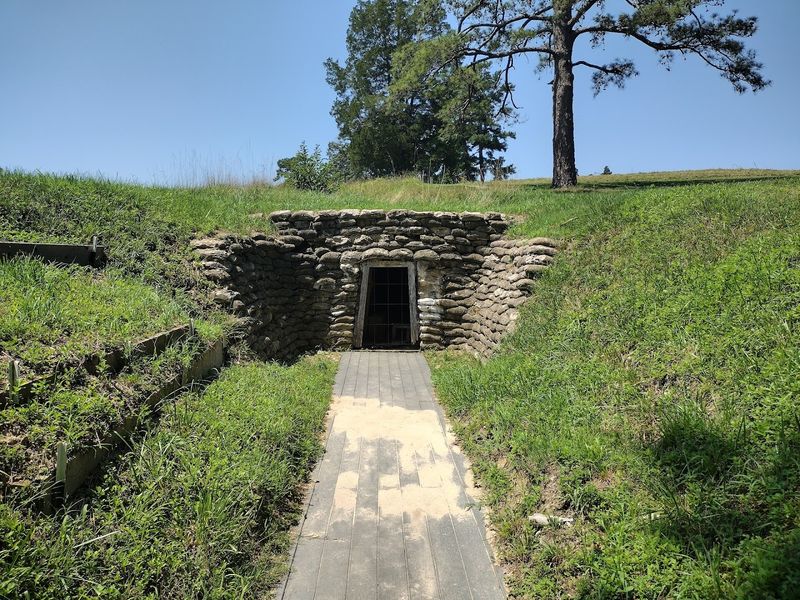
The elaborate system of trenches, reinforced earthworks, underground mines, and sustained artillery bombardments. They defined this nine-month standoff bears a striking resemblance to the Western Front of World War I, fought half a century later.
That parallel is not coincidental.
Wandering through the preserved trench lines at Petersburg National Battlefield is an experience that rewires your mental image of the Civil War. Forget cavalry charges and dramatic open-field encounters.
This was attritional warfare, grinding and methodical, designed to exhaust an opponent rather than overwhelm them in a single bold stroke. Both Union and Confederate soldiers lived in these earthworks for months, enduring heat, cold, disease, and constant danger.
The sheer scale of the fortification system across the battlefield’s more than 2,600 acres is staggering. Virginia does not often get credit for hosting the birthplace of modern military tactics, but Petersburg makes a compelling case.
Audio boxes placed along the Eastern Front trails add vivid detail to what you are seeing, turning a pleasant walk into a genuinely immersive history lesson that sticks with you for days.
Five Forks and the Final Unraveling
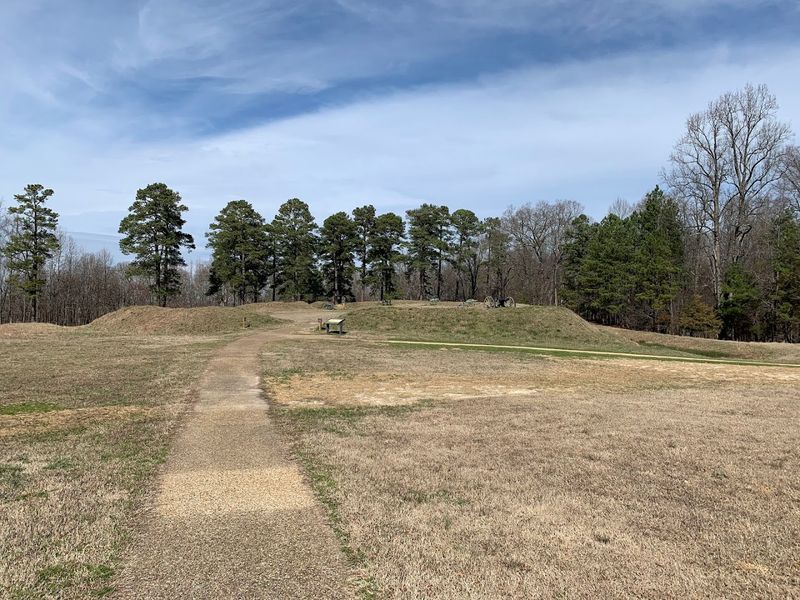
April 1, 1865, is a date that every Civil War enthusiast knows, and the Five Forks unit of Petersburg National Battlefield is where it all came apart for the Confederacy.
Union forces under General Philip Sheridan decisively defeated Confederate troops at this crossroads, cutting off the last viable supply route into Petersburg.
Robert E. Lee’s army had no choice but to evacuate, and the war effectively entered its final week.
Five Forks feels different from the Eastern Front sections of the park. The terrain is more open, the atmosphere slightly less claustrophobic, and the interpretive signage focuses sharply on the rapid, decisive nature of the fighting that day.
There is something almost cinematic about standing in a field where a single afternoon of combat genuinely changed the course of American history.
Getting to Five Forks requires a bit of planning since it sits at a distance from the main Eastern Front visitor center. The driving tour route connects all the units efficiently, and having a paper map or the NPS app handy makes navigation much smoother.
Petersburg National Battlefield rewards visitors who take the time to explore all five of its administrative units rather than sticking only to the most famous sites.
The Eppes Plantation and the Enslaved People Who Built the Confederate War Machine
Among the most sobering stops within Petersburg National Battlefield is the site connected to the Eppes Plantation, where more than 100 enslaved people lived and worked during the war. This is not a comfortable piece of history, and the park does not present it as such.
The plantation represents the economic and human foundation upon which the Confederate war effort depended.
Enslaved African Americans were forced to dig the very trenches that Confederate soldiers used to resist Union advances.
Their labor was coerced, their lives were endangered by the same artillery that threatened soldiers on both sides, and their stories were largely erased from mainstream Civil War narratives for over a century.
Petersburg National Battlefield now works to restore those stories to their rightful place in the historical record.
Engaging with this part of the battlefield requires a willingness to sit with discomfort, which is honestly what makes it so valuable. Virginia has grappled publicly with how to present plantation history in recent years, and this site reflects a more honest, inclusive approach to Civil War memory.
The interpretive materials here are thoughtful and unflinching. Bring your full attention, because this history absolutely deserves it.
Planning Your Visit to Petersburg National Battlefield
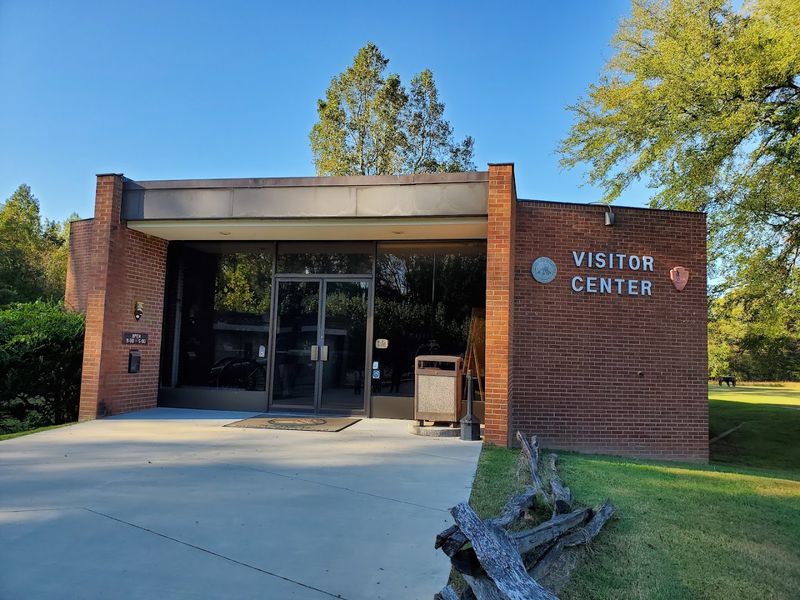
Petersburg National Battlefield sits at 5001 Siege Road, Petersburg, VA 23803, and the park is open daily from 9 AM to 5 PM. The Eastern Front visitor center is your best starting point, offering a well-produced orientation film, exhibits, ranger talks, and a bookstore stocked with serious Civil War scholarship.
Rangers here are genuinely knowledgeable and enthusiastic about helping visitors make the most of their time.
The full driving tour covers around 33 miles and connects 13 distinct sites across all five park units. If you are short on time, prioritize the Eastern Front trails, The Crater, and Poplar Grove National Cemetery.
Hikers and cyclists will find roughly 10 miles of recreational trails that weave through some of the most historically significant terrain in all of Virginia.
Free monthly sunset walking tours run from May through August, which is absolutely worth planning around if your schedule allows. Horseback riding is permitted on designated paths for those who want a truly memorable way to experience the grounds.
The park’s phone number is 1-804-732-3531, and the official NPS website at nps.gov/pete has current schedules and ranger program listings. Come ready to walk, think, and leave with a much more complicated view of American history.
