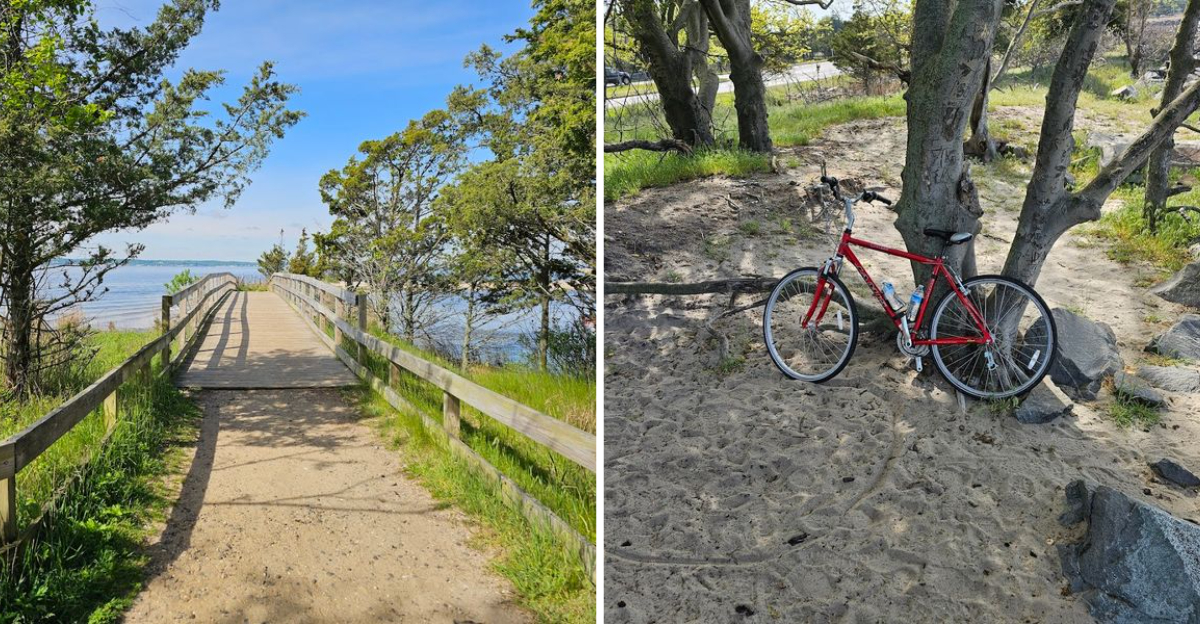
You zip along paved paths with salt air in your face and New York City’s skyline hovering across the water like a postcard that forgot to stay still.
This is the northern tip of a New Jersey barrier island, where the Atlantic meets sandy beaches, maritime forests, and an old army fort that nature is slowly reclaiming.
You’ll pedal past historic lighthouses, spot ospreys diving for breakfast, and hear nothing but wind and your own happy wheezing.
The loop is flat enough for beginners but scenic enough for serious cyclists.
A water bottle, a camera, and a sense of wonder are all you need. The skyline handles the rest.
The Sandy Hook Multi-Use Pathway: Where Every Pedal Stroke Tells a Story
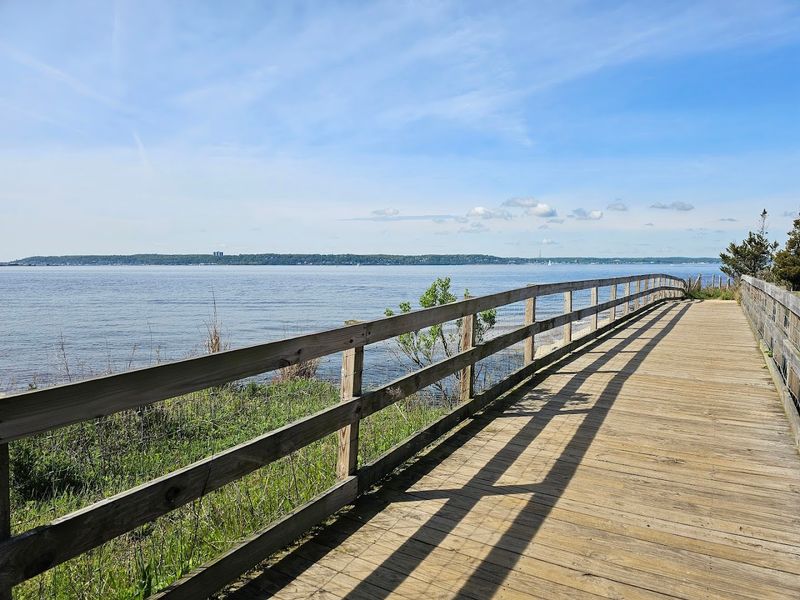
Few bike paths in the country can match what the Sandy Hook Multi-Use Pathway offers within its roughly 7 to 8.7 miles of paved trail.
The route winds along the peninsula through some of the most varied coastal scenery you will find anywhere on the East Coast.
It is flat, well-maintained, and genuinely welcoming to riders of all experience levels.
Salt marshes stretch out on one side while sandy beaches frame the other, creating a natural corridor that feels almost theatrical. The path accommodates cyclists, joggers, hikers, and in-line skaters, making it a lively shared space with a friendly, easygoing atmosphere.
Bike-maintenance stations are tucked along the route so you are never left stranded mid-ride.
Getting here is straightforward, and the trail begins near the park entrance off South Hartshorne Drive. Whether you choose to do the full length or just a portion, each section rewards you with something different.
Manhattan Skyline Views That Stop You Mid-Pedal
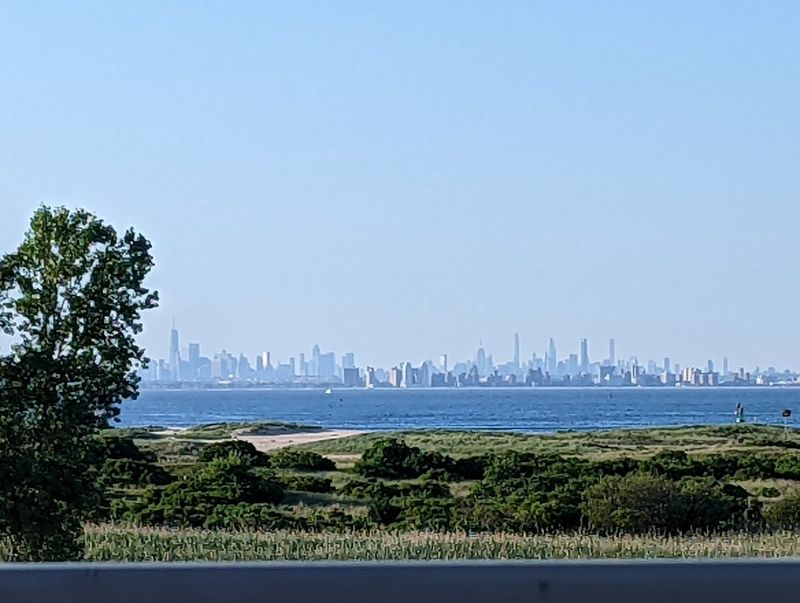
Pedaling toward the northern end of the trail and suddenly spotting the Manhattan skyline is one of those travel moments that genuinely catches you off guard. The skyscrapers rise above the waterline like a painted backdrop, almost too perfect to be real.
On a clear day, the view stretches across to include the Verrazano Narrows Bridge, Coney Island, and the Brooklyn waterfront.
This is not a distant, squint-to-see-it kind of view. The skyline feels close enough to be part of the landscape, which makes the contrast with the wild coastal surroundings even more striking.
Cyclists often slow down or stop entirely near the northern beaches and cannon installations just to take it all in.
Sunrise and sunset visits add a completely different mood to the same view. Morning light turns the skyline golden, while evening casts it in deep purples and pinks.
Either way, the northern trail section earns its reputation as one of New Jersey’s most unexpected scenic rewards.
Sandy Hook Lighthouse: The Oldest Still-Working Lighthouse in America
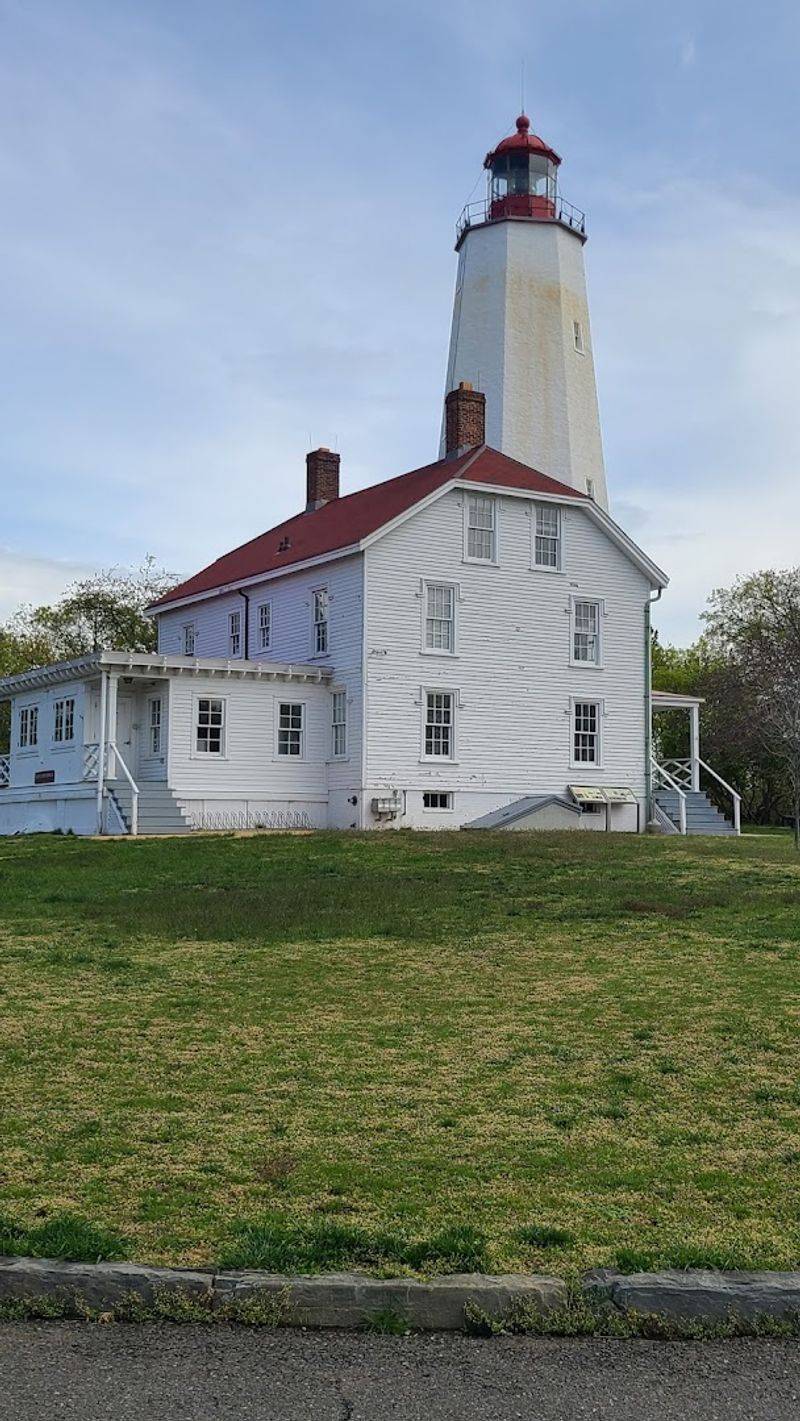
Built in 1764, the Sandy Hook Lighthouse holds the title of the oldest continuously operating lighthouse in the United States. That is not a small claim.
More than 260 years of maritime history are packed into that white octagonal tower, and riding up to it on a bike somehow makes the discovery feel even more personal.
The lighthouse stands within the grounds of Fort Hancock, and the contrast between its colonial-era architecture and the surrounding military buildings creates a genuinely layered historical atmosphere.
The structure is remarkably well-preserved, and the National Park Service does a thoughtful job of providing context about its long service history.
The path brings you close enough to admire the lighthouse without needing to detour far off-route. Many cyclists treat it as a natural rest stop before continuing northward.
If you are a history fan, plan extra time here because the surrounding area rewards slow, curious exploration far more than a quick glance from the saddle ever could.
Fort Hancock and Officers Row: History You Can Actually Ride Through
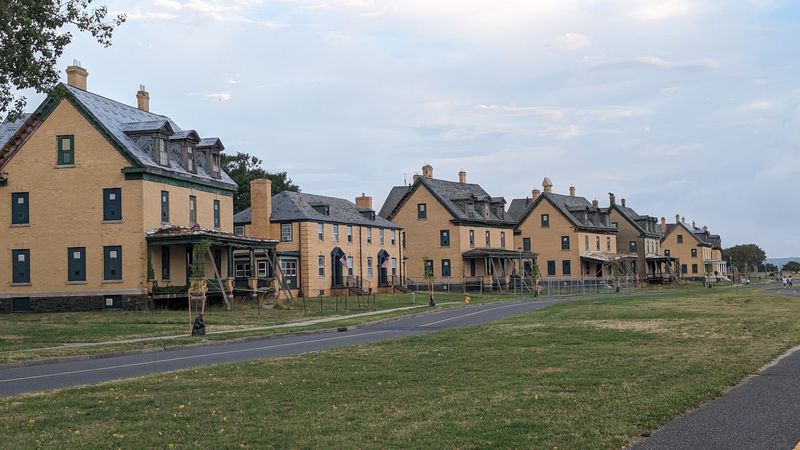
Riding through Fort Hancock feels like pedaling into a history textbook that nobody locked away in a library.
The army post, which dates back to the late 1800s, once served as a critical coastal defense installation protecting New York Harbor.
Officers Row, a long stretch of stately brick homes, still stands with remarkable dignity along the roadside.
The buildings are in various stages of restoration, and that process is part of what makes the area so compelling. You can see the work being done to preserve these structures, which adds a living, ongoing quality to the history rather than making it feel frozen in amber.
The grounds are quiet and spacious, perfect for a slower pace on the bike.
Nike missile sites from the Cold War era are also accessible along this stretch, adding yet another historical layer to the ride. Fort Hancock manages to cover centuries of American military history within a single, bikeable area.
It is the kind of place that rewards repeat visits because there is always more to notice.
Atlantic Ocean Beaches Running Right Alongside the Trail
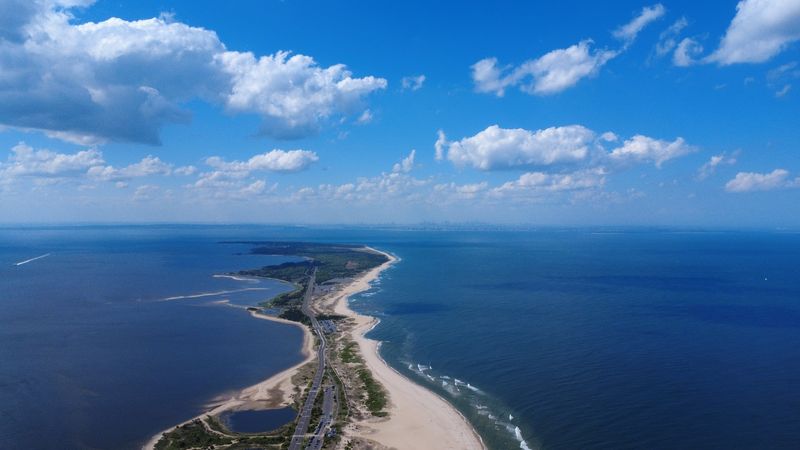
One of the most satisfying things about this trail is how casually it runs alongside some genuinely beautiful Atlantic Ocean beaches. You are not separated from the water by parking lots or boardwalk infrastructure.
The beach is just right there, accessible and open, with the sound of waves serving as a constant soundtrack for the ride.
Beaches along the route are labeled alphabetically, from Area B through Area G and beyond, each with its own character and crowd level. Some sections are busier during summer weekends, while others stay relatively peaceful even on warm days.
The variety means you can always find a stretch that matches your preferred vibe.
After a long ride, ducking down to the shore for a swim or a rest in the sand is one of the simplest pleasures the park offers. Outdoor showers are available at multiple beach access points, which is a small but very welcome amenity after a salty, sweaty ride.
Clean, accessible, and genuinely lovely.
Salt Marshes, Maritime Forests, and Dunes Along the Route
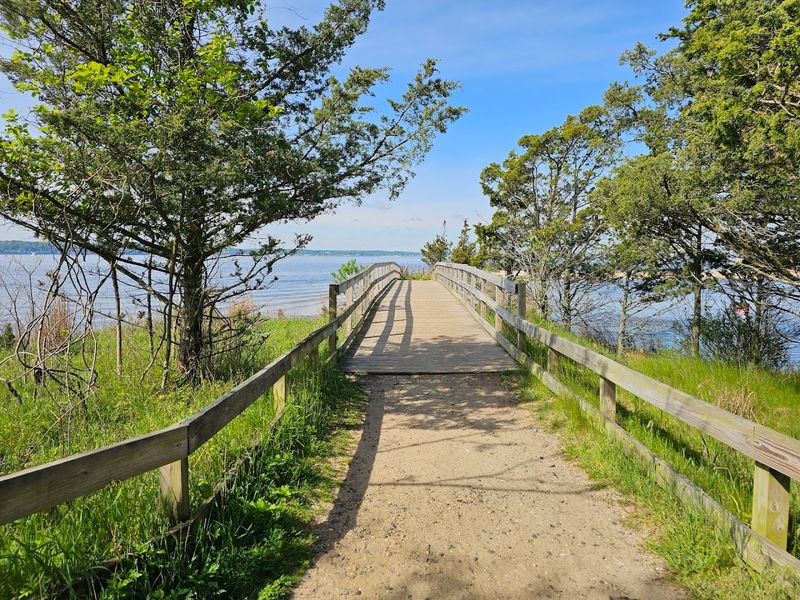
Not every great bike trail runs through such a rich variety of natural environments. The Sandy Hook pathway passes through salt and freshwater marshes, maritime forests thick with gnarled trees, and rolling sand dunes that shift with every storm season.
Each ecosystem feels distinct, and the transitions between them happen naturally as you ride.
The marshes are especially captivating in the early morning when mist hangs low over the water and shorebirds move quietly through the grasses. Maritime forests offer patches of shade that feel like a gift on hot summer days.
The dunes, meanwhile, create a sense of scale that reminds you just how dynamic this coastal landscape really is.
This ecological diversity is part of what makes Sandy Hook so valuable as a protected area. The National Park Service manages the land carefully to maintain these habitats, and the results are visible throughout the trail.
Riding through here with even a little awareness of the surrounding ecosystems turns a simple bike ride into something genuinely educational and memorable.
Bird Observatory and Wildlife Observation Deck: Nature Watching at Its Best
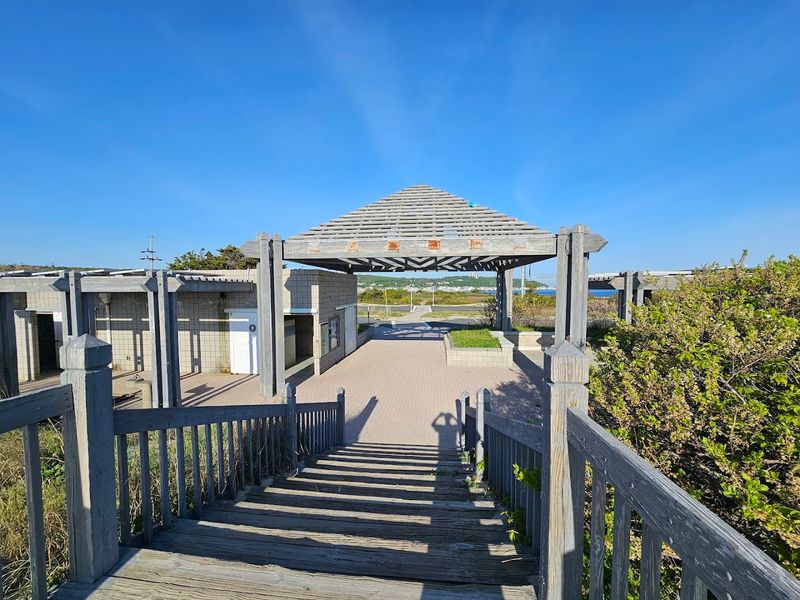
Sandy Hook is a genuinely spectacular place for bird watching, and the trail gives direct access to a bird observatory and a dedicated wildlife observation deck.
The peninsula sits along the Atlantic Flyway, one of North America’s major migratory bird routes, which means the species diversity here can be extraordinary depending on the season.
Pulling off the path to spend a few quiet minutes at the observation deck resets the pace of the whole ride in the best possible way. You stop moving fast and start paying attention to what is actually happening in the marsh below.
Herons, egrets, ospreys, and dozens of shorebird species are regular visitors to this stretch of coastline.
Even if you are not a dedicated birder, the observation deck offers a genuinely peaceful pause in the middle of an active trail day. The sounds alone are worth stopping for.
Wind through the reeds, distant waves, and the occasional call of a bird you cannot quite identify make for a natural soundtrack that no playlist could replicate.
Sandy Hook Bay Side Views and Sunset Photography
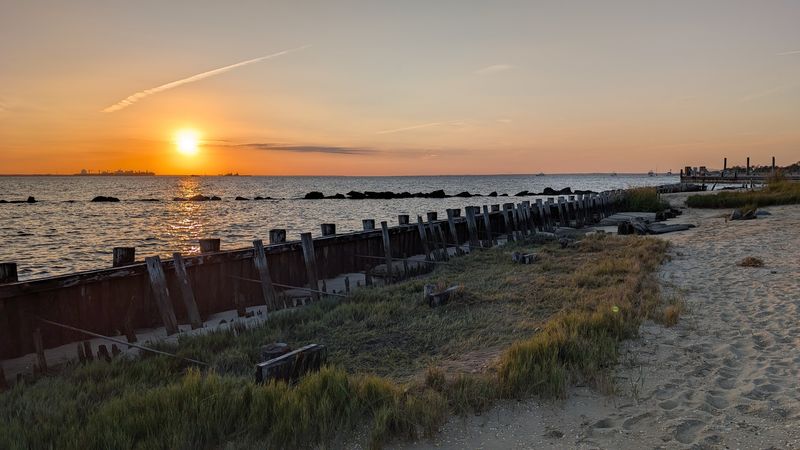
The bay side of Sandy Hook operates at a completely different frequency than the ocean side. Where the Atlantic is all energy and crashing waves, the bay is calm and reflective, especially in the late afternoon when the light turns golden and the water goes glassy.
Riding the trail as the sun drops toward the bay horizon is one of those experiences that genuinely stays with you.
Sunset photographers have discovered this spot for very good reason. The combination of historic Officers Row silhouettes, open water, and a sky that shifts through a dozen colors in the span of thirty minutes makes for extraordinary images.
Even without a camera, it is the kind of light that makes you stop and just breathe for a moment.
The bay side also offers calmer swimming conditions compared to the ocean beaches, and the water tends to warm up earlier in the season. Fishing from the shoreline is popular here too, with anglers setting up along the bay banks throughout the day.
It is a quieter, more contemplative side of Sandy Hook that feels worth seeking out.
Year-Round Access and Practical Tips for Your Visit
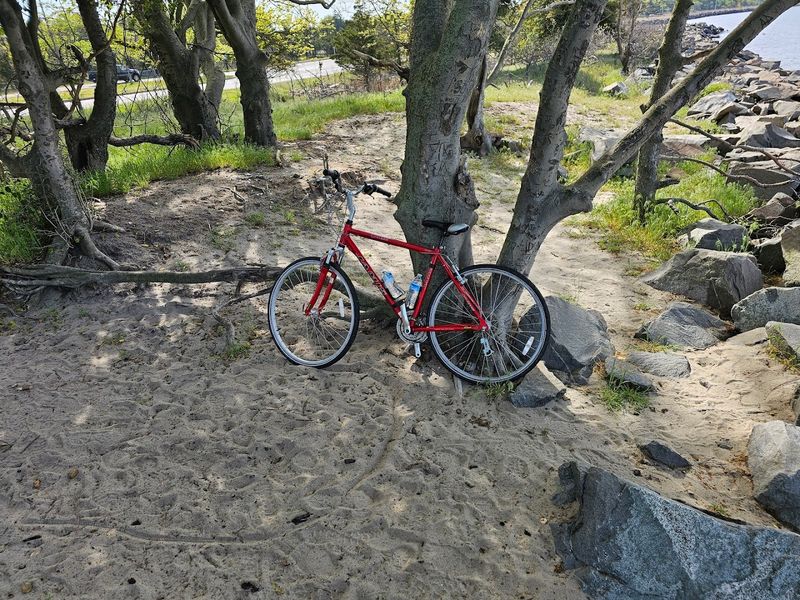
Sandy Hook is open every single day of the year, around the clock, which makes spontaneous visits genuinely possible.
The pathway itself is paved and flat enough to be accessible for most fitness levels, and the amenities along the route make it easy to spend a full day without feeling underprepared.
Restrooms, drinking fountains, and bike-maintenance stations are spaced conveniently throughout.
Off-season visits have a particular appeal because the peninsula feels spacious and unhurried. The trail is never truly empty, but autumn and spring bring a quieter energy that lets you focus on the landscape rather than navigating crowds.
Pets are welcome on the pathway when leashed, though ocean-side beaches have seasonal restrictions from mid-March through early September.
Bicycle rentals are available in the area for those who do not bring their own. Parking fees apply during the main summer season, but free entry is available in the off-season and after evening hours during summer.
Plan your arrival, pack food and water, and give yourself room to explore at a pace that actually lets you enjoy it.
Address: 128 S Hartshorne Dr, Highlands, NJ
