What if a parking lot turned out to be one of the best wildlife photography spots on the East Coast? That is exactly what happens here every June.
A raised walkway gives you eye level views of hundreds of nesting herons, egrets, and ibises all crowded into a small grove of trees right next to the bridge.
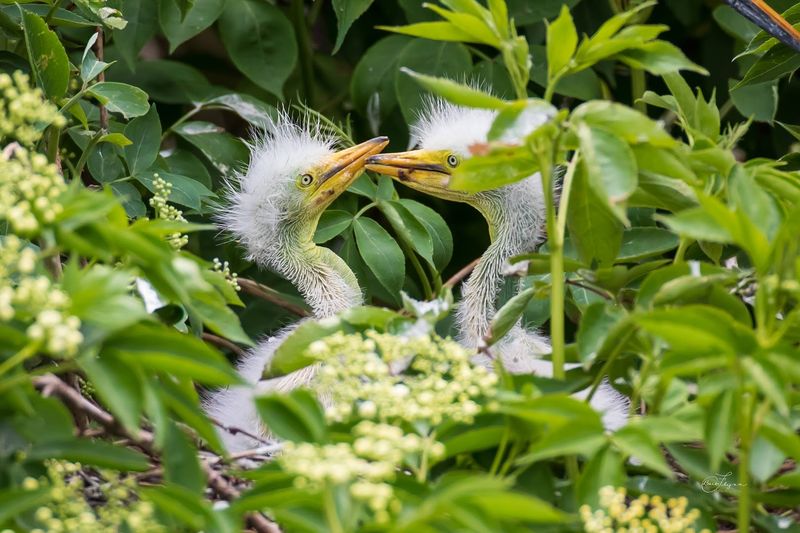
The chicks are growing fast and demanding food constantly, so the parents are flying in and out every minute with fresh catches.
It is chaotic, loud, and absolutely mesmerizing. Photographers gather with their massive lenses, but even a phone can capture something magical from this spot.
The best part? You do not even need binoculars to see the action.
New Jersey really knows how to hide a wildlife spectacle in plain sight.
The Rookery at the Heart of It All
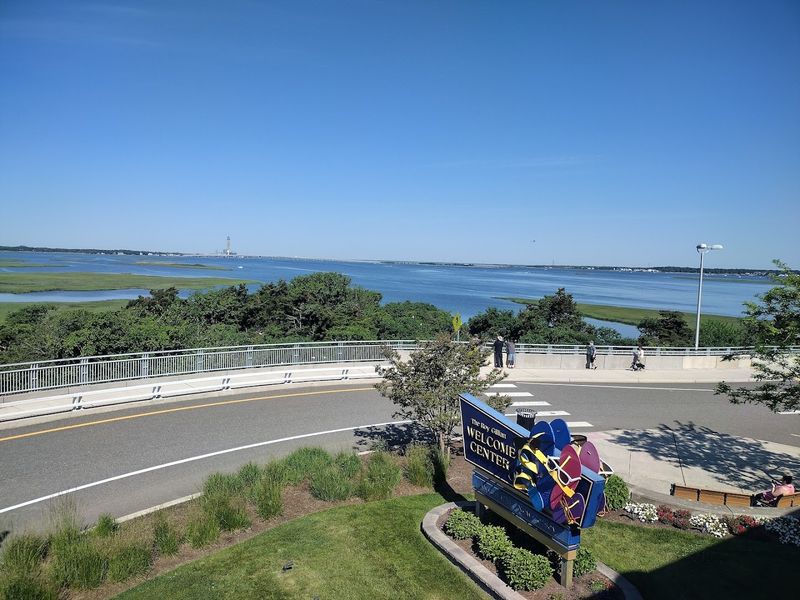
Standing above the rookery on the causeway, the first thing that hits you is the sheer scale of it.
Hundreds of large wading birds packed into a grove of trees and shrubs on a small island in Great Egg Harbor Bay, all going about their nesting business as if you are not even there.
It is genuinely one of those moments where your brain needs a second to catch up.
The Rookery at the Ocean City Welcome and Information Center, also called the Roy Gillian Welcome Center, sits right along the Stainton Memorial Causeway on Route 52.
This is the main road that brings visitors into Ocean City, New Jersey, making it one of the most accessible bird sanctuaries you will ever stumble across.
You do not need to hike through marshland or book a boat tour.
The setup here is almost unfairly good for viewing. An elevated road runs directly above the rookery, so you can peer straight down into active nests.
Few places in the country offer this kind of intimate, overhead access to nesting wading birds.
June, the Month When Everything Peaks
June is not just a good time to visit the rookery. It is the time.
Nesting season hits its absolute peak during this month, and the level of activity happening in those trees is almost overwhelming in the best possible way.
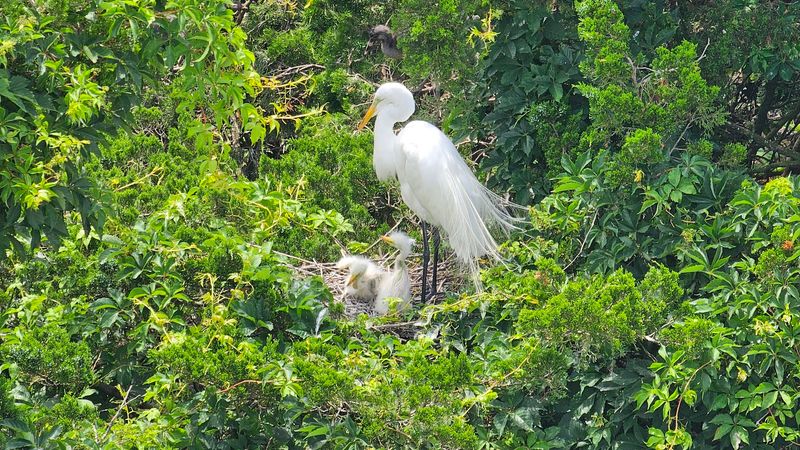
By early June, most eggs have already hatched and chicks are growing fast. Parents are constantly flying in and out, bringing food and tending to their young.
The whole island becomes a living, breathing nursery that changes from week to week as chicks grow closer to fledging.
What makes June especially exciting for photographers is the behavior on display. You can watch adults landing directly on nests, chicks stretching their wings for the first time, and siblings jostling for position at feeding time.
Every few minutes something new happens somewhere in those trees. Late spring through early summer also covers the incubation and hatching phases if you visit a bit earlier, giving you a full arc of the nesting story across multiple trips.
Photographer Access That Feels Almost Unfair
Most wildlife photography involves patience, distance, and a lot of waiting. This spot flips that script entirely.
The raised parking lot at the Welcome Center puts you at eye level with nests that are sitting right in the treetops below, close enough that you can see the texture of feathers without a single zoom.
The bridge overlook adds another angle entirely. From up there, you are looking almost straight down into nests, capturing a perspective that most bird photographers never get in a lifetime of fieldwork.
Both positions offer clean backgrounds of water and sky, which makes for images that look like they came from a professional expedition.
One practical note for shorter visitors or those using standard zoom lenses: the railing at the parking lot overlook is solid, so a small step stool makes a real difference for getting your camera above it cleanly.
Early morning light hits the trees from a favorable angle, which means golden hour shots of feeding adults are absolutely within reach for anyone who arrives before the crowds do.
A Species List That Makes Birders Giddy
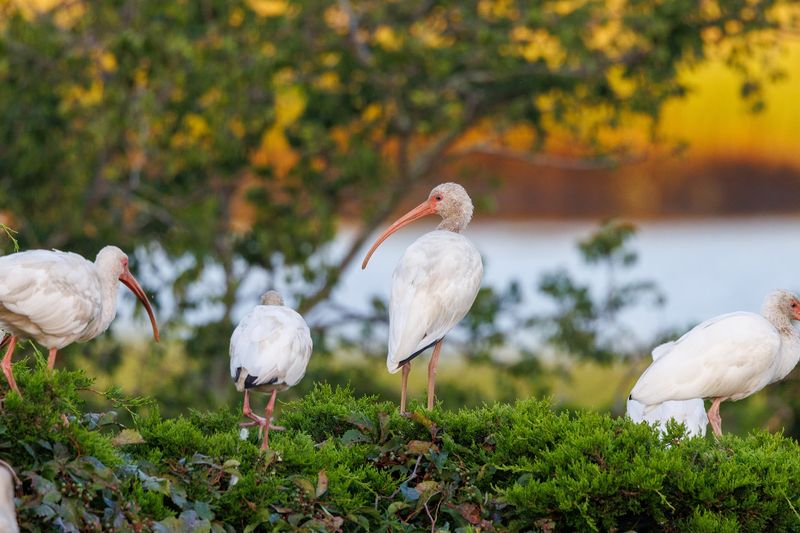
The variety of species packed into this one small island is genuinely remarkable.
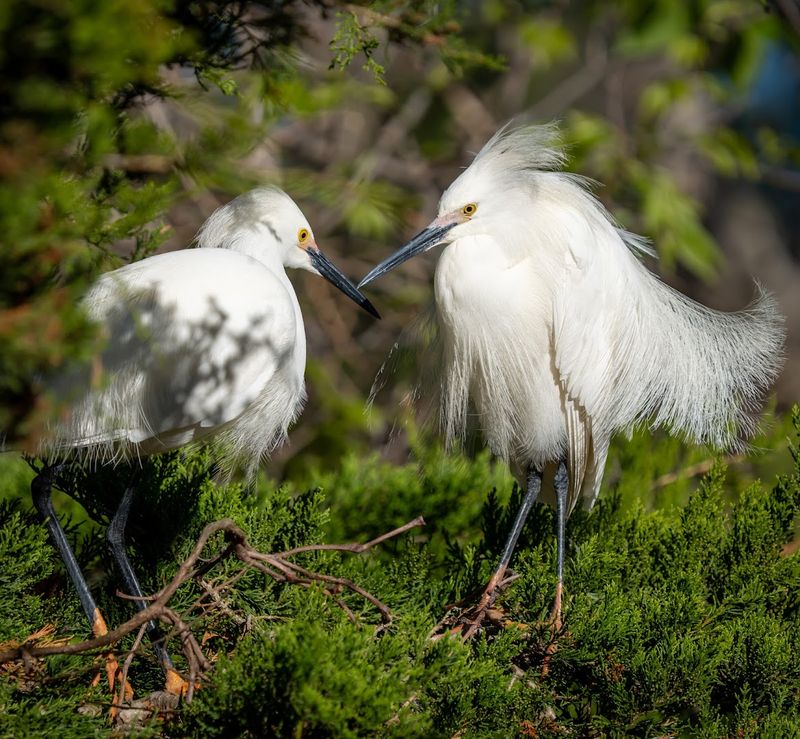
Great Blue Herons and Little Blue Herons share space with Great Egrets and Snowy Egrets, all of them nesting within feet of each other in a kind of organized chaos that only nature could pull off.
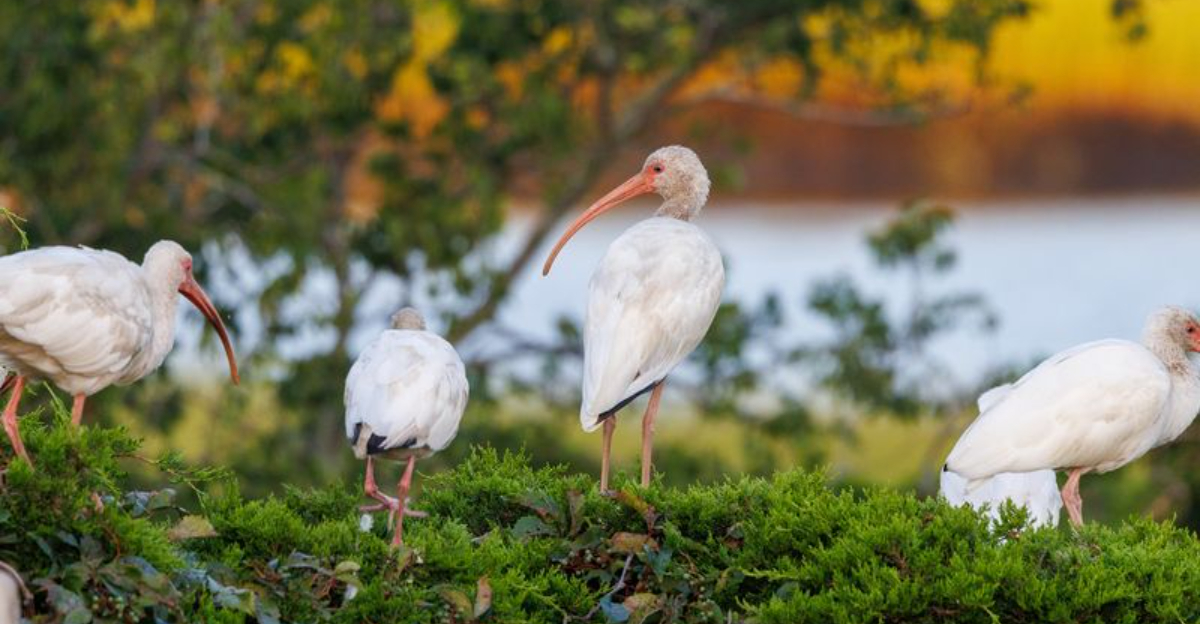
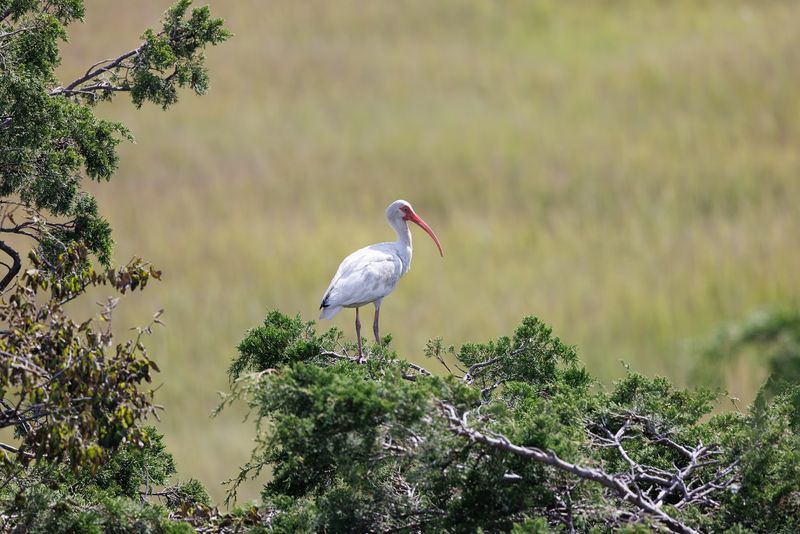
Yellow-crowned and Black-crowned Night-Herons add to the mix, along with Glossy Ibis and the now-famous White Ibis. That last species made history here in 2020 when it nested at this rookery for the very first time ever documented in New Jersey.
Ornithologists took notice immediately, and the site gained a whole new level of scientific attention as a result.
For anyone keeping a life list, this place can add multiple species in a single afternoon. The birds nest in close proximity to the viewing areas, so even without a telephoto lens you can get surprisingly detailed looks.
Binoculars are available on site for a small coin, making it accessible even for visitors who arrive unprepared for a full birding session.
The Welcome Center Itself Is Worth Your Time

Beyond the birds, the building itself is a genuinely useful stop. The Ocean City Welcome and Information Center is a large, well-maintained facility stocked with brochures, maps, and helpful information about the surrounding region.
Staff inside are friendly and knowledgeable, ready to point you toward beaches, restaurants, and local attractions.
Restrooms are available inside, which matters more than you might think when you are planning a long morning of outdoor photography or birding. The center is open most days from 9 AM to 4 PM, with slightly shorter hours on Sundays.
It is worth checking their current schedule before planning a trip, especially if you want access to the interior resources.
The building also features educational displays about the local bird species, which are a great way to prep yourself before heading outside to the overlook. Even if you arrive when the center is closed, the outdoor viewing areas remain accessible.
The parking lot, bridge overlook, and the walkway around the property give you plenty of room to explore and photograph at your own pace.
New Jersey Audubon Guided Birding Programs
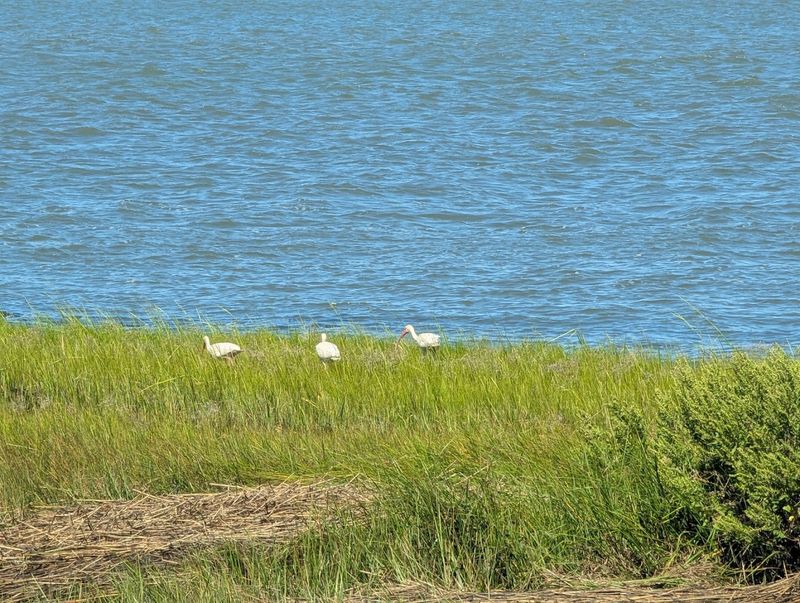
Showing up on your own is great, but going with a guide takes the whole experience to another level. New Jersey Audubon hosts organized birding programs specifically focused on this rookery, called Birding the Ocean City Rookery.
These guided visits are structured to help participants understand what they are seeing and why it matters.
A knowledgeable naturalist leading the group can point out species that a casual visitor might overlook entirely. They also explain the behaviors happening in real time, like why a certain heron is holding a stick in its bill or what a particular call means during feeding.
That kind of context transforms a visually impressive experience into a genuinely educational one.
Checking the New Jersey Audubon schedule ahead of your visit is a smart move, especially if you are traveling with kids or newcomers to birding. The programs tend to draw a mix of serious birders and curious first-timers, and the atmosphere is welcoming rather than competitive.
It is one of those rare guided experiences that feels more like a shared adventure than a lecture.
What to Wear and Bring for the Best Visit
A little preparation goes a long way at this spot, especially in the warmer months. Gnats can be persistent near the water and trees, particularly if you plan to spend time on the lower terrace beneath the bridge.
Long sleeves and long pants are genuinely recommended, not just as a suggestion but as something you will be glad you wore after about ten minutes.
A head net is one of those items that sounds excessive until the moment you actually need it. Bug spray is equally worth packing, and the kind with DEET handles the gnat situation more effectively than lighter formulas.
Keeping your hands free for camera controls is much easier when you are not constantly swatting at your face.
For photography, a telephoto lens in the 300mm to 500mm range gives you the most flexibility, though the close viewing angles mean even a kit lens can produce usable shots. Bring more memory cards than you think you need.
The action at this rookery moves fast, and you will find yourself shooting far more frames than you planned by the time you finally pull yourself away.
Sunsets Over Great Egg Harbor Bay
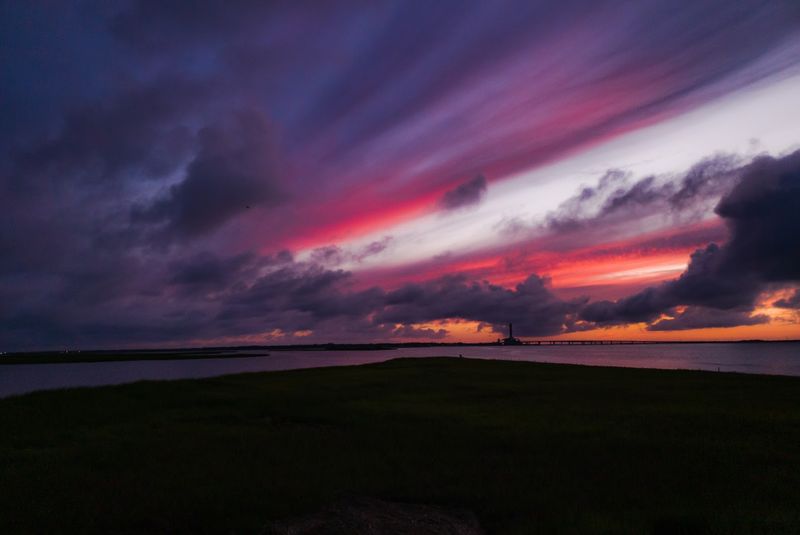
Most visitors arrive during the day for the birds, but staying until evening reveals a completely different kind of reward.
The sunsets over Great Egg Harbor Bay from this spot are genuinely spectacular, with open water reflecting colors that shift from gold to deep orange as the light drops.
Wading birds returning to roost at dusk create natural silhouettes against the sky that are almost impossible to photograph badly. Large herons and egrets gliding in against a painted backdrop are the kind of shots that end up framed on walls.
The combination of water, sky, and wildlife at golden hour is hard to beat anywhere on the Jersey Shore.
Bringing a wide-angle lens for sunset photography alongside your telephoto for the birds means you are covered for both experiences in a single visit.
The parking lot stays accessible after the Welcome Center closes, so lingering for the light is completely doable.
A folding chair and a thermos of something warm make the wait between the last bird activity and peak sunset color much more comfortable.
Walking Under the Bridge for a Different View
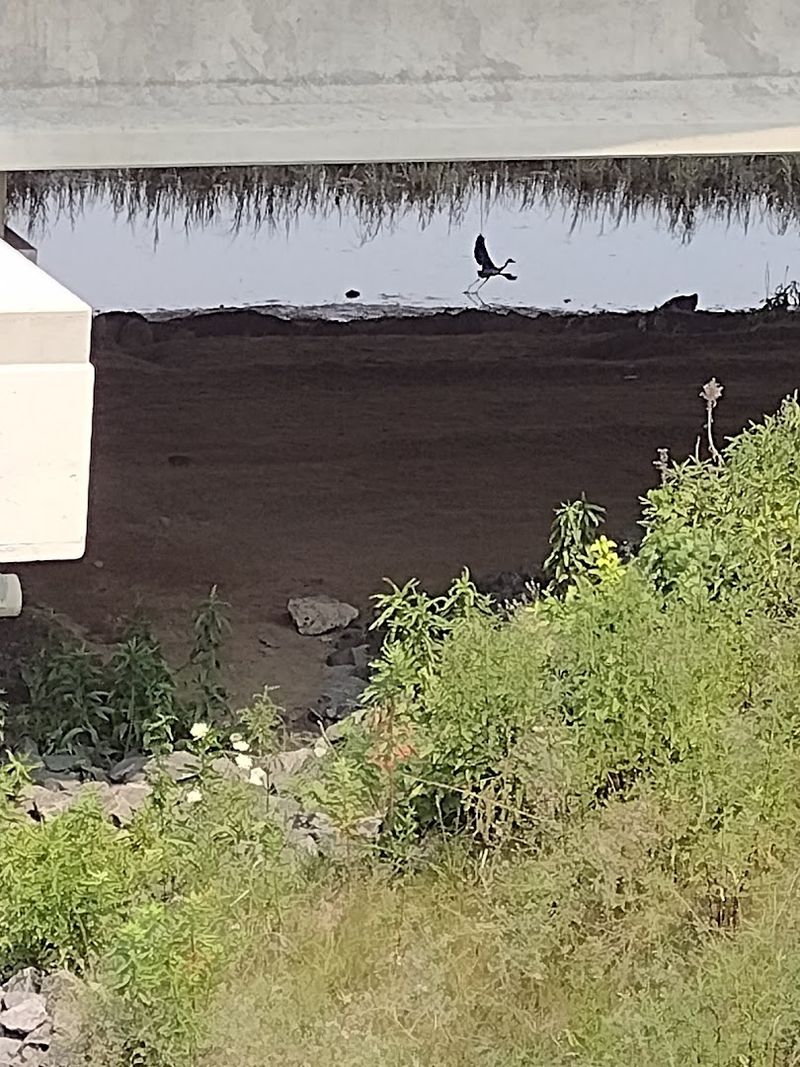
The overlook from the parking lot gets most of the attention, but the area beneath the bridge is worth exploring on its own terms.
Walking the lower path puts you at a completely different elevation relative to the birds, and the perspective shift changes everything about what you see and how close it feels.
Great Egrets and various heron species perch in vegetation along the water’s edge at this level, sometimes close enough that you can hear the soft sounds of feathers settling.
The bridge structure itself creates interesting geometric framing for photographs, with birds appearing between concrete supports and reflections shimmering in the bay below.
It is a more intimate experience than the elevated overlook, with a quieter energy that feels almost private.
Ducks of different varieties also frequent this area, adding movement and variety to the scene. The lower terrace is where the gnat situation is most intense, so the long pants and head net advice really applies here specifically.
Go prepared and you will stay longer. Leave unprepared and you will leave earlier than you wanted to.
Why This Place Deserves a Spot on Every Birder’s Map
Free admission, remarkable accessibility, and a species list that rivals dedicated wildlife refuges make this one of the most underappreciated birding destinations on the entire East Coast.
The fact that it sits directly on the road into a popular beach town means it is easy to combine with a broader Shore trip rather than requiring a dedicated detour.
The 2020 arrival of nesting White Ibis added a layer of ecological significance that continues to draw ornithologists and serious birders from well beyond New Jersey.
Watching a species expand its range in real time, documented right here at this small island rookery, is the kind of thing that gives a place genuine scientific weight alongside its visual appeal.
Families, solo photographers, casual nature lovers, and dedicated birders all find something worth returning for at this spot.
The experience shifts across the weeks of nesting season, so repeat visits in the same year reveal different stages of the same story.
Address: 300 W 9th St, Ocean City, NJ.
