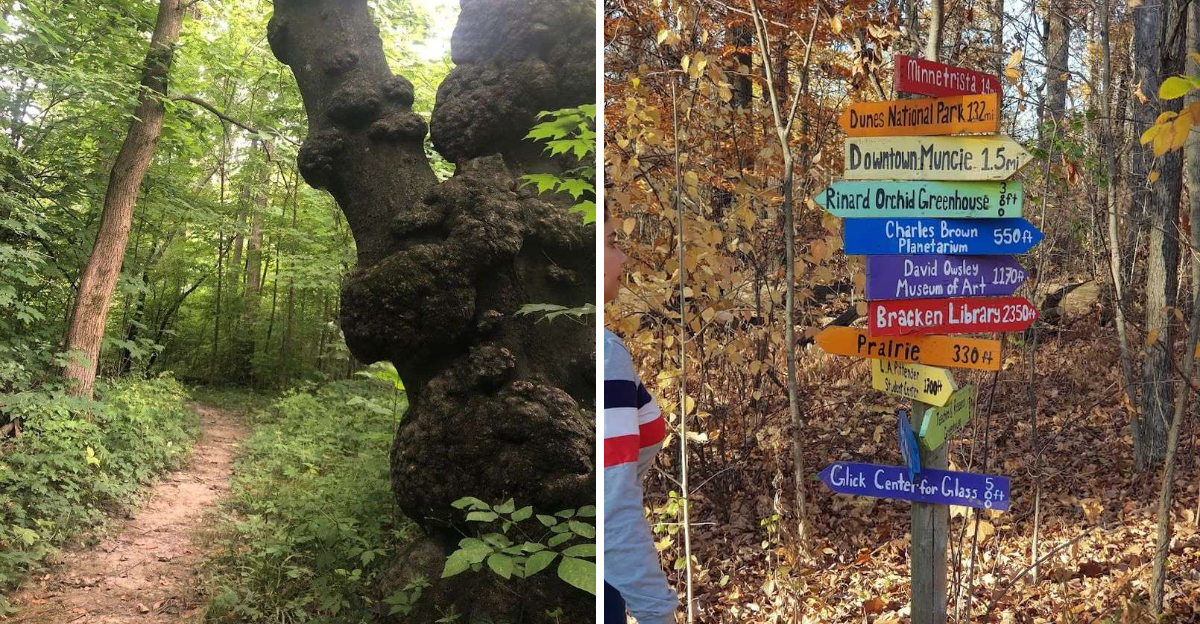
Muncie, Indiana holds a quiet natural escape that many visitors pass by without realizing it is there. Tucked along the edge of a university campus, a preserved woodland and greenhouse collection brings together forests, prairies, wetlands, and thousands of rare orchids in one unexpected setting.
Walking the trails feels like stepping into a different world, where shaded paths and open habitats create a calm break from the surrounding city. Inside the greenhouse spaces, carefully maintained plant collections add another layer of discovery, especially for anyone interested in unusual or tropical species.
It is the kind of place that appeals equally to casual walkers, families, and plant enthusiasts looking for something free and quietly impressive.
You Will Not Believe This Place Is Free
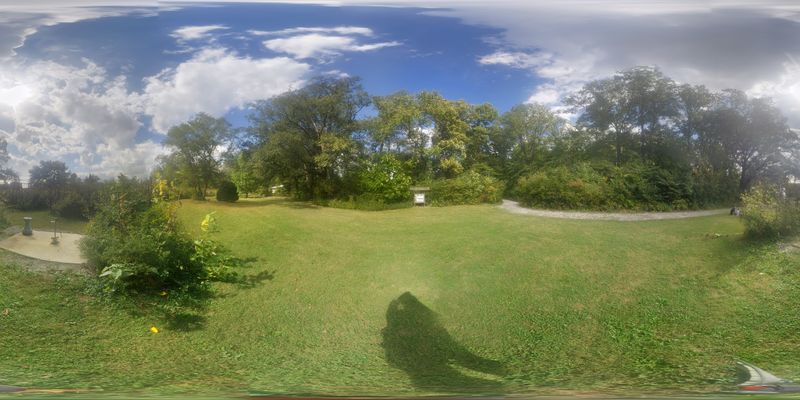
Free admission to a world-class botanical experience sounds too good to be true, but Christy Woods and the Wheeler Orchid Collection make it a reality every single day.
Located at Ball State University in Muncie, Indiana, this 17-acre outdoor garden and greenhouse complex welcomes the public without charging a single entry fee.
That alone makes it stand out from most botanical destinations across the country.
The Dr. Joe and Alice Rinard Orchid Greenhouse, which houses the Wheeler-Thanhauser Orchid Collection, is fully open to the public at no cost.
You can spend an entire afternoon exploring tropical orchid displays, a terraced mountain waterfall feature, and lush tropical plant arrangements without spending anything beyond gas money to get there.
Parking near the site requires only a small fee at the meter, making the total cost of your visit remarkably low. Families, students, and solo visitors all benefit equally from this open-access approach.
Ball State University designed Christy Woods as a community educational resource, meaning the public is genuinely welcomed and encouraged to explore.
Whether you visit once or return every season, the zero-admission policy removes every barrier between you and a truly remarkable nature experience in the heart of Indiana.
Come Ready For A Longer Visit
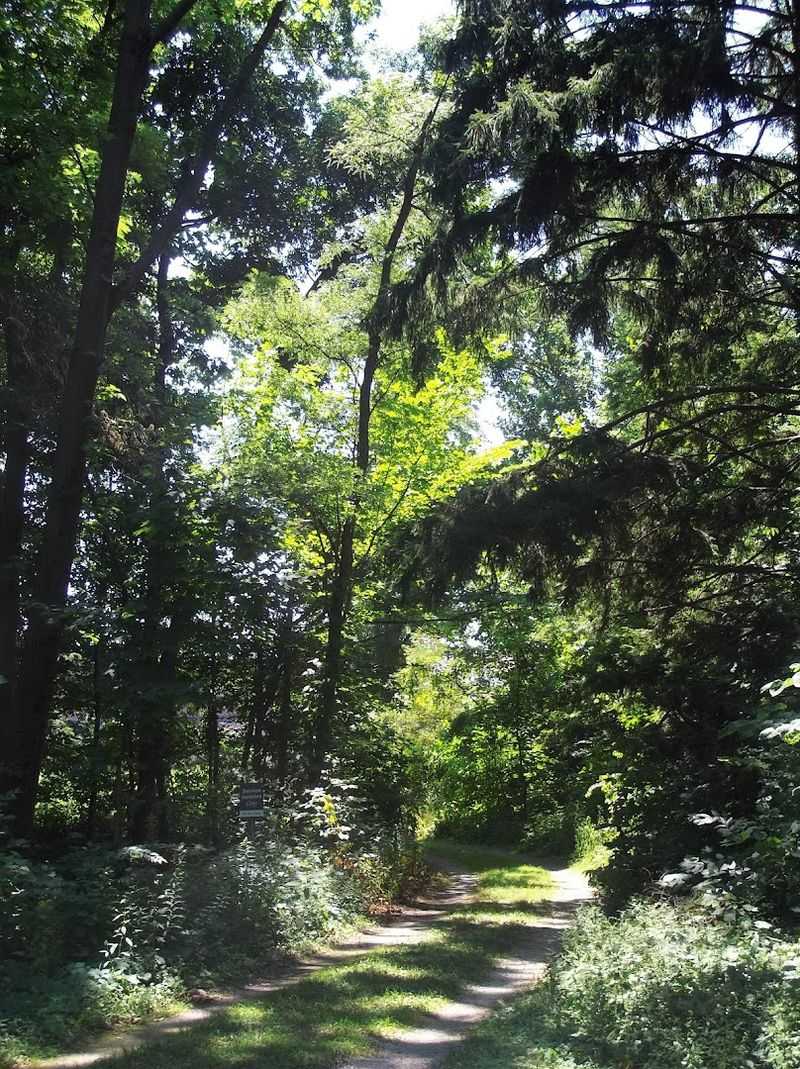
Seventeen acres sounds manageable until you actually start walking the trails and realize just how much variety is packed into every corner of Christy Woods.
The property includes a mature deciduous forest, a tallgrass prairie, and wetland areas, each offering a completely different atmosphere and set of plant species to observe.
Most visitors underestimate how much time they will want to spend here.
The forest canopy features oak, hickory, ash, walnut, hackberry, and maple trees that have been growing for decades. Walking beneath them feels genuinely different from a typical park stroll.
The tallgrass prairie section bursts with native wildflowers and pollinators during warmer months, and the wetlands attract migratory birds that stop through during spring and fall.
Trails and garden beds were first established back in 1928, giving the landscape a well-settled, lived-in character that newer parks simply cannot replicate. The paths are easy to follow and connect naturally between ecosystems, so you can move from shaded forest to open prairie without backtracking.
Plan at least two to three hours for a comfortable visit, and consider bringing a small notebook or camera. There is genuinely more to notice on every return trip, especially as seasons shift and different plants move through their cycles throughout the year.
Plan Extra Time For This Stop
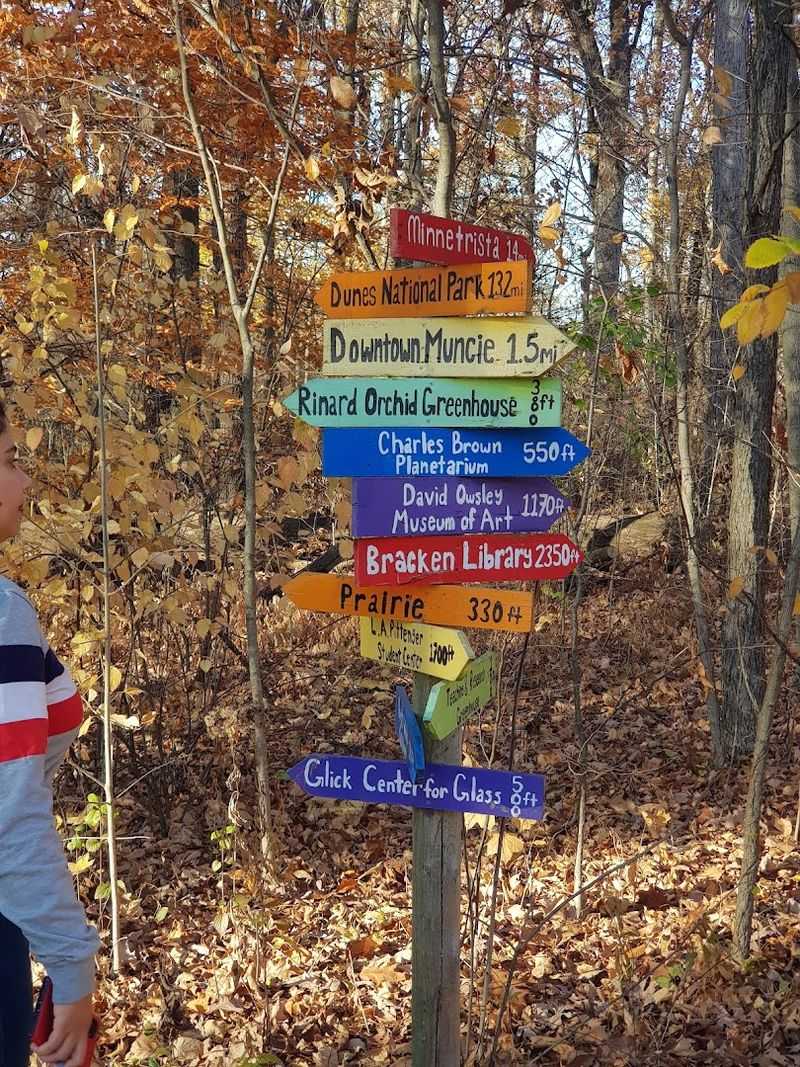
The Dr. Joe and Alice Rinard Orchid Greenhouse is the kind of place that stops you mid-step the moment you walk through the door. Warm, humid air wraps around you immediately, carrying faint floral fragrances from dozens of blooming orchids positioned throughout the 3,600-square-foot space.
It genuinely feels like stepping into a different climate zone.
Inside, a terraced mountain structure with a working waterfall mimics the conditions of high-elevation rainforest and cloud-forest environments.
Many of the orchid species on display are rare or endangered, and the greenhouse functions as a designated Plant Rescue Center under CITES, meaning it legally receives and rehabilitates illegally imported orchids from around the world.
That conservation mission gives the visit a deeper meaning beyond simple sightseeing.
Something is always blooming inside the greenhouse regardless of what season you visit outside. Winter visits are especially popular because the warm interior offers a genuine tropical escape when Indiana temperatures drop.
A 2022 expansion added a new Environmental Education Center and doubled the conservatory’s overall size, creating dedicated space for community programs and educational events. Visitors with limited mobility will find the facility fully accessible, including handicap-accessible restrooms.
Give yourself at least an hour inside this greenhouse alone, because the details reward slow, unhurried attention at every turn.
Do Not Skip This Stop
The Wheeler-Thanhauser Orchid Collection holds a distinction that most visitors do not know about until they arrive. It is the largest university-based orchid collection in the entire United States, with over 2,000 orchid specimens and tropical plants housed within a single greenhouse facility.
That record alone makes Christy Woods worth the trip from almost anywhere in Indiana.
Many of the orchids carry light fragrances that drift through the air as you move through the displays. The species range from common tropical varieties to extraordinarily rare plants that exist in very few collections worldwide.
Because the greenhouse also serves as a conservation and research facility, the plants are maintained with scientific precision, which means they look genuinely healthy and vibrant rather than neglected.
The collection is used actively by Ball State University researchers and students, but public visitors walk through the same space without restriction. You are essentially touring a working conservation laboratory that also happens to be breathtakingly beautiful.
Animal exhibits are incorporated into the tropical displays as well, adding another layer of biodiversity to the experience. If you have any interest in plants, ecology, or simply beautiful living things, skipping this greenhouse would be a genuine mistake.
It is one of those rare places that feels both scientifically significant and deeply calming at the same time.
You Should Know The History Here
Not many botanical gardens can trace their roots back more than a century, but Christy Woods has been growing since 1919. The land was originally gifted in 1918, and Dr. O.
B. Christy along with his students began reintroducing native Indiana plants the very next year.
That early commitment to native plant conservation shaped everything the site has become today.
By 1928, formal trails and garden beds had been established, transforming the space into a functioning outdoor teaching laboratory.
Over the following decades, Ball State University continued expanding and refining the collection, adding the orchid greenhouse and supporting facilities that now make Christy Woods one of the most ecologically rich small nature areas in the Midwest.
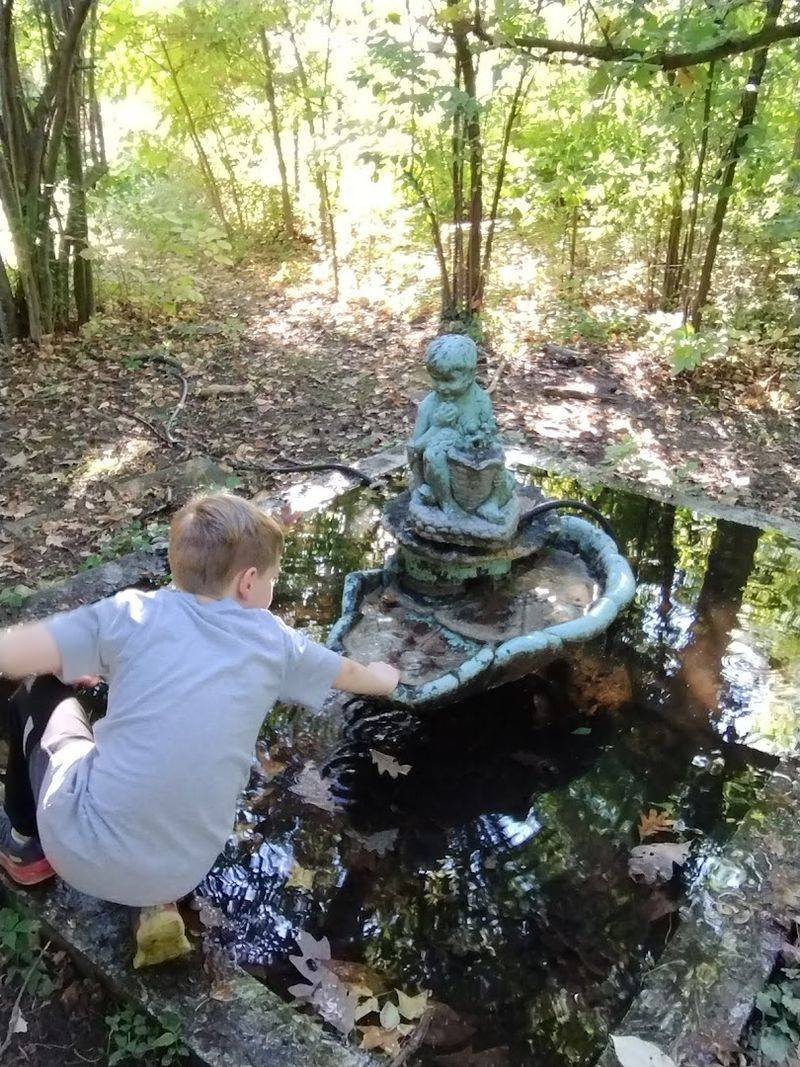
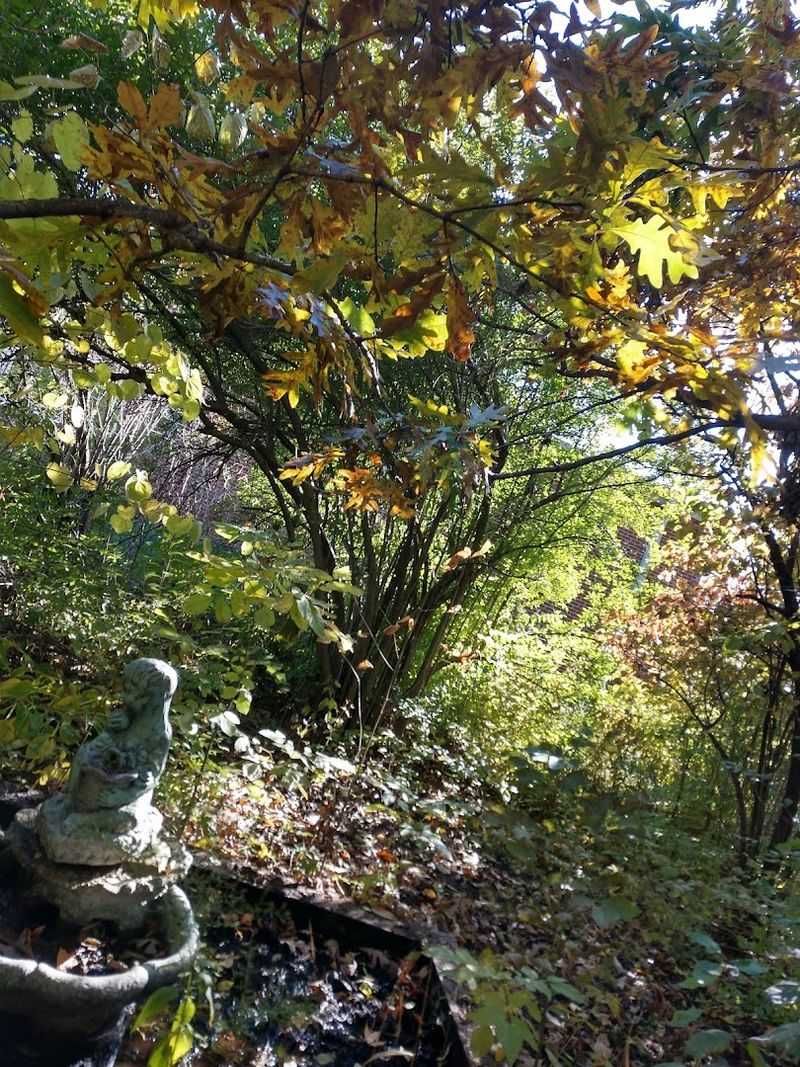
A memorial fountain installed in 1975 still stands quietly in the back of the property, a small reminder of the many generations of students, researchers, and community members who have passed through these trails. Walking here feels layered in a way that newer parks simply cannot manufacture.
The trees are genuinely old. The plant communities have had over a hundred years to establish themselves.
That depth of history gives every visit a grounded, unhurried quality that is increasingly rare in modern outdoor spaces. Knowing the backstory before you arrive makes the whole experience feel more intentional and rewarding.
Make Time For Wildlife Watching
Plant diversity at Christy Woods does something remarkable beyond just looking beautiful. It creates habitat.
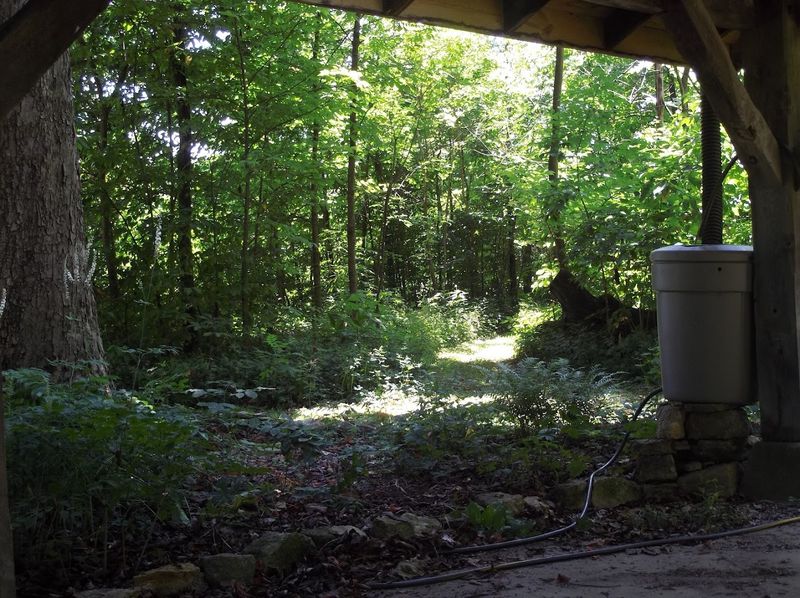
The mix of mature forest, prairie, and wetland ecosystems draws in an impressive variety of wildlife that most urban and suburban green spaces simply cannot support. Birdwatchers especially find this place rewarding across every season of the year.
Scarlet Tanagers have been spotted moving through during migration, which is a genuinely exciting sighting for anyone who follows birds.
The tallgrass prairie section attracts pollinators in impressive numbers during summer, including Tiger Swallowtail butterflies that float between native wildflowers in a way that feels almost theatrical.
Bats become active near the forest edges at dusk, feeding on the abundant insect life that the native plant community sustains.
Bringing binoculars is a genuinely good idea if birds are your focus. The layered vegetation structure, from ground cover up through the forest canopy, provides nesting and foraging opportunities for a wide range of species.
Even on a quiet weekday morning, you are likely to hear more bird calls than you might expect for a site located within a university campus setting. The wildlife here is not curated or staged.
It simply shows up because the habitat is right, which makes every encounter feel like a genuine discovery rather than a planned exhibit.
Skip The Rush And Stay Longer
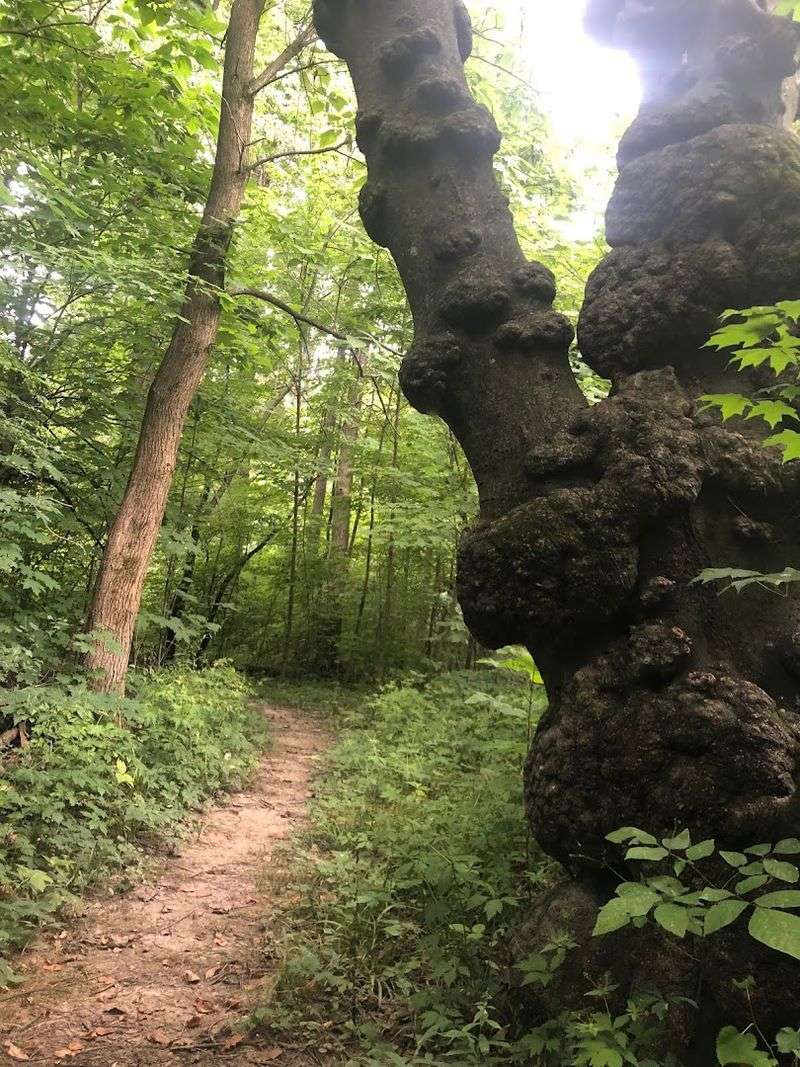
Christy Woods sits on the southwest corner of Ball State University’s campus at Muncie, IN 47306, but it carries the atmosphere of a nature preserve far removed from any city. The trails are quiet, well-maintained, and genuinely easy to navigate without a map.
Most visitors naturally slow their pace within the first few minutes of walking simply because the environment encourages it.
The combination of old-growth forest canopy, open prairie sky, and the warm greenhouse interior gives each section of the property a distinct mood.
You can move between them in a single visit and feel like you have experienced three completely different natural environments without ever leaving the same 17-acre space.
That variety keeps the experience from feeling repetitive even on return visits throughout different seasons.
Ball State University designed Christy Woods as both an outdoor classroom and a public resource, which means the space is maintained with genuine care and educational intention. Informational signage helps visitors identify plants and understand the ecological relationships between species.
Families with children find the trails approachable and engaging without being overwhelming. Solo visitors often describe the space as genuinely restorative.
Whatever pace you prefer, Christy Woods accommodates it without pressure or crowds. Arriving early on a weekday morning gives you the best chance of having the trails almost entirely to yourself, which makes the experience even more peaceful and memorable.
