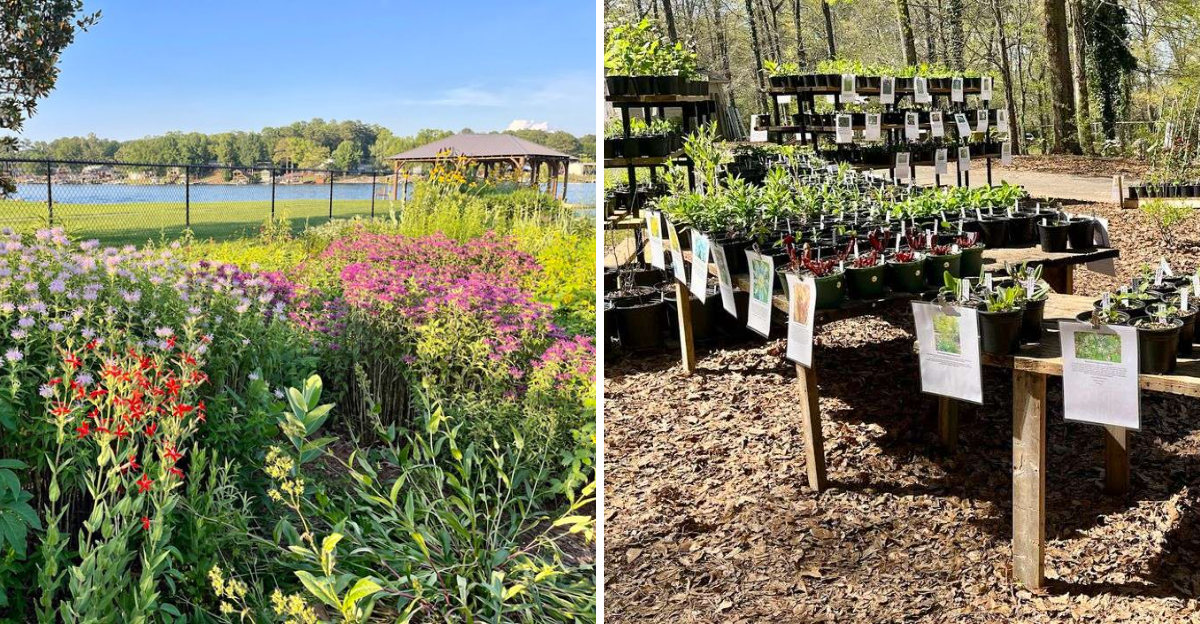
Alabama has a nursery that grows native species from wild-collected Southern seeds and keeps every plant pesticide-free.
What started as one person’s landscape project turned into a full-time mission fueled by a single vine and a book about native insects. The name carries a deliberate double meaning: the re-creation of native landscapes and a personal reinvention.
Thousands of plants are grown from seed each year, including species once considered extinct in the state.
I spent an afternoon walking through those growing beds, running my fingers over leaves I had never seen before, and realized I had stumbled onto something far bigger than a plant sale.
This hidden gem is quietly doing something extraordinary.
You Can Browse Rare Alabama-Native Plants Here
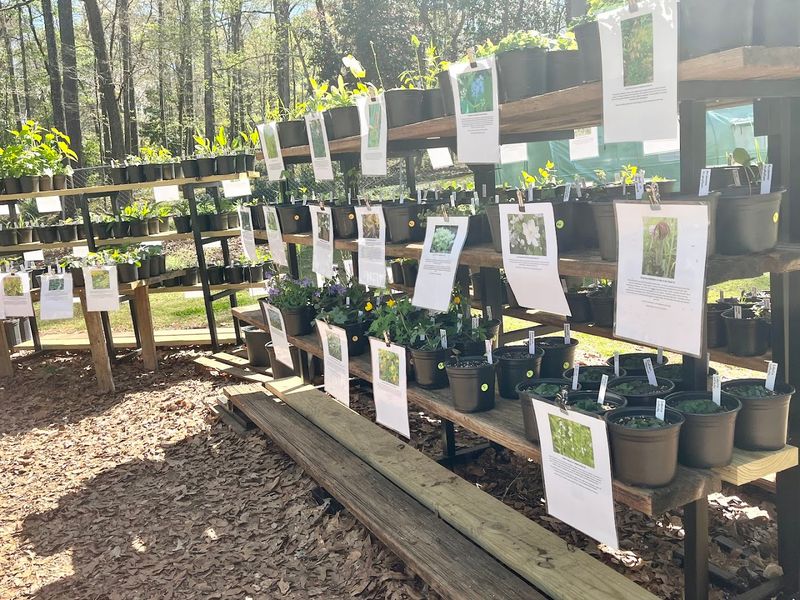
Not every nursery carries plants that are genuinely rooted in Alabama’s natural history. Recreative Natives, located at 125 Valley View Road, Cropwell, Alabama 35054, curates a selection that is fully native to this region and the broader Southeast.
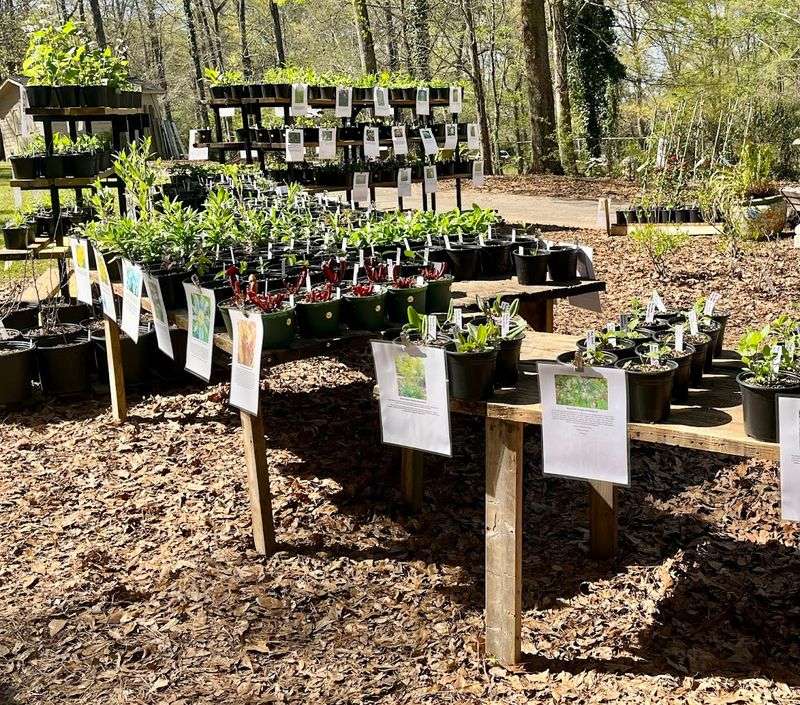
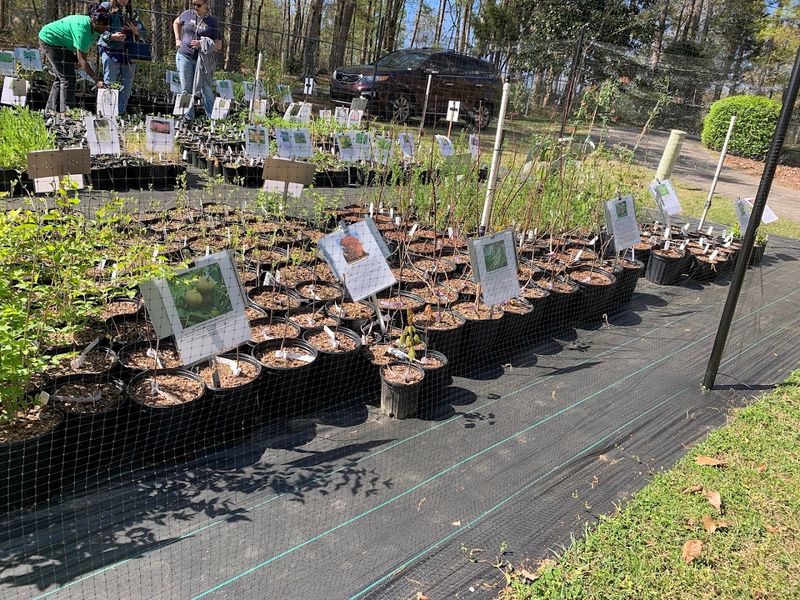
Trees, blueberry bushes, wildflowers, ferns, vines, and more line the outdoor shopping area, each carefully labeled with growing conditions and descriptions.
The selection is not random. Every species has been chosen because it belongs here, thriving naturally in local soil and climate without heavy intervention.
Many of these plants are genuinely hard to find elsewhere, including species that large commercial nurseries simply do not stock.
Alabama is home to 28 plant species found nowhere else on Earth, and this nursery takes that distinction seriously. Browsing the available plants feels less like shopping and more like exploring a living field guide to Alabama’s botanical heritage.
Each visit turns up something new, since the inventory shifts with the seasons and availability changes regularly. Checking the nursery’s website before you go helps you plan around what is currently in stock, so you do not miss the specific plants you are hoping to find.
Do Trust Every Plant Is Truly Pesticide-Free
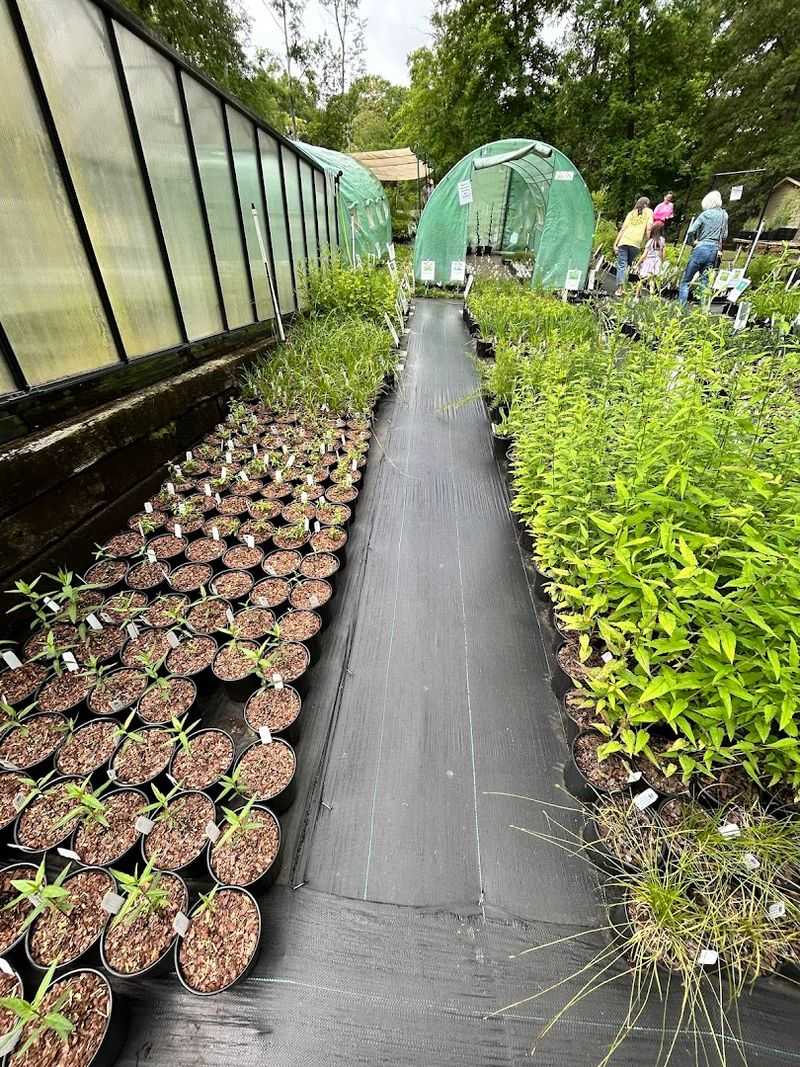
Here is something most gardeners do not think about until it is too late: the plants sitting in your cart at a big-box store may carry residual pesticides that silently harm the butterflies and bees you are trying to attract.
Recreative Natives eliminates that risk entirely with a 100% pesticide-free policy that applies to every single plant on the property.
Inside the greenhouses, only horticultural soap is used when pest management is absolutely necessary. Once plants move outdoors, the approach becomes even more hands-on.
Staff manually remove pests, and if a plant cannot be saved without chemical treatment, it is sacrificed rather than compromised.
This level of commitment goes beyond marketing language. It reflects a genuine understanding of how pesticides move through food webs, harming not just target pests but also the beneficial insects, birds, and small mammals that depend on healthy plants.
Pollinators that land on treated foliage can carry chemical residue back to their colonies, creating damage far beyond the original garden.
Choosing pesticide-free plants means you are bringing home specimens that are safe from the moment they arrive. Your garden becomes a clean, welcoming habitat rather than a chemical minefield.
For anyone focused on supporting local wildlife, this single policy makes Recreative Natives stand out from virtually every other nursery option in the region.
Plan Your Visit Around the Pollinator Garden Display
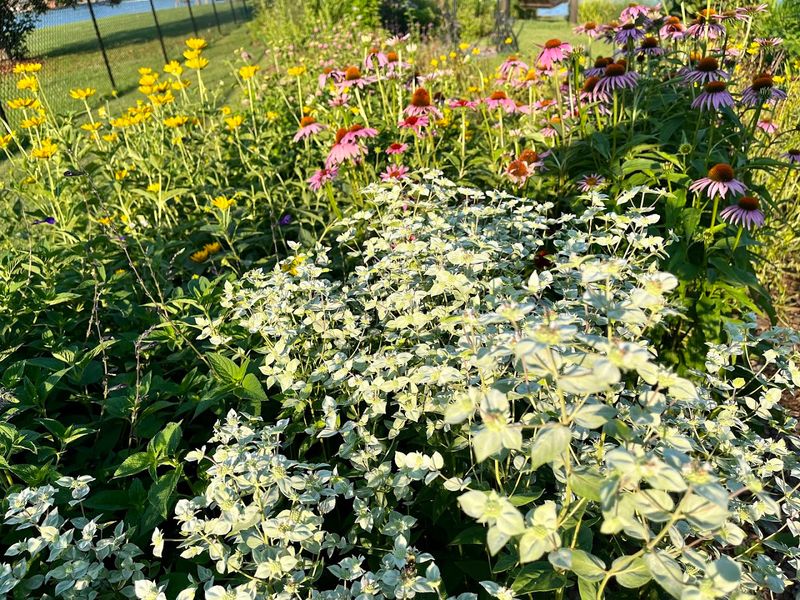
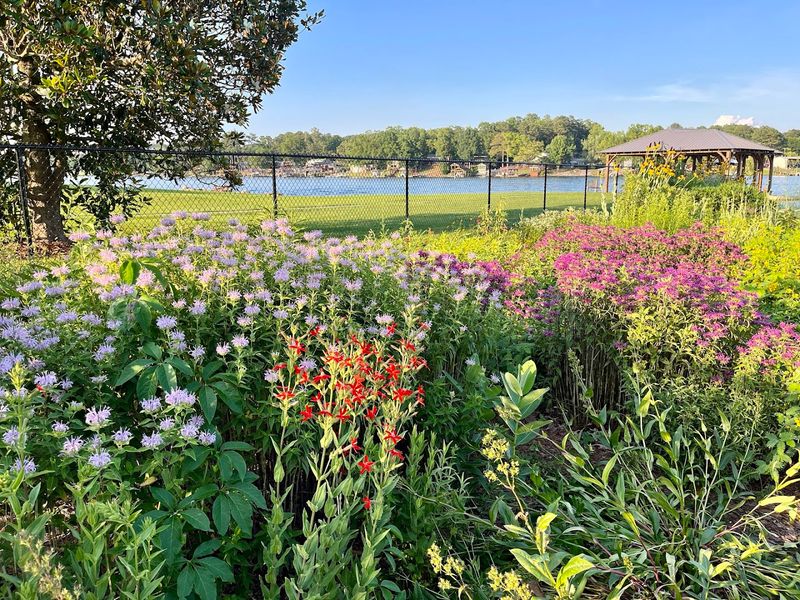
Few things make the case for native plants better than watching a monarch butterfly land on a flower you could take home today. The display gardens at Recreative Natives show visitors exactly what a thriving native plant landscape looks like in real life, not in a catalog photo but right in front of you.
The owner’s own garden serves as a living demonstration, showing how native species can create spaces that rival the visual appeal of traditional ornamental gardens while doing infinitely more ecological good.
Seasonal blooms rotate through the year, meaning the garden looks and feels different depending on when you visit.
What makes this especially useful is the educational dimension. You can see which plants attract which insects, observe host plant relationships in action, and understand how to layer species for year-round interest.
Some plants are even sold with caterpillars already present, a clear signal that the nursery views these natural interactions as a feature rather than a flaw.
Pollinators like native bees, swallowtail butterflies, and hummingbirds are drawn to the property in noticeable numbers. Watching them move through the garden gives you a direct preview of what your own yard could become.
Planning your trip to coincide with peak bloom periods, typically late spring through early fall, gives you the fullest picture of what this nursery and its plants can offer.
Try Planting Seeds Grown From Wild Southern Genetics
Most plants sold at nurseries come from generic seed stock that could originate anywhere in the country. Recreative Natives does something fundamentally different.
Seeds are gathered directly from wild populations across Alabama, including Jefferson, Shelby, St. Clair, and Talladega counties, as well as the Tennessee Valley and Etowah and Dekalb County areas.
This matters more than it might seem. Plants grown from locally collected ecotype seeds carry genetic traits that have evolved over thousands of years specifically for Alabama’s soils, rainfall patterns, and seasonal temperatures.
They are not just native by species name; they are native by origin, which makes them far more resilient once planted in your yard.
Generic seed stock, even if labeled as the same species, may come from populations adapted to Georgia, Tennessee, or the Carolinas. Those subtle genetic differences can affect how well a plant establishes, blooms, and supports local wildlife.
Insects and pollinators that evolved alongside Alabama’s specific plant populations may respond differently to plants from other regions.
When you bring home a plant from Recreative Natives, you are restoring something genuinely local to the landscape. That connection between plant genetics and place is one of the quieter but most powerful aspects of what this nursery offers.
It is conservation work disguised as gardening.
Make Your Yard Water-Smart With Low-Maintenance Natives
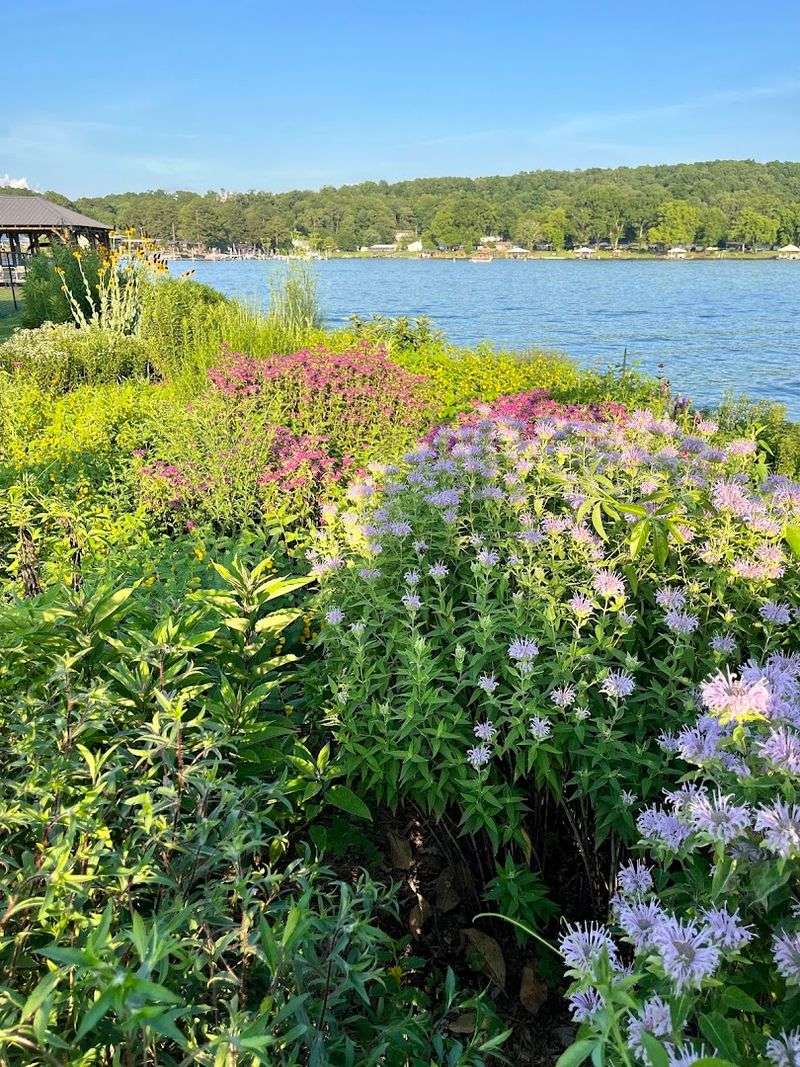
Water bills during Alabama summers can climb fast, especially when you are trying to keep non-native plants alive through stretches of heat and drought. Native plants from Recreative Natives flip that equation.
Once established, most of them require no irrigation at all, drawing only from natural rainfall even during dry spells.
Alabama’s soil, often described as rocky clay, is not always friendly to plants bred for other climates. Native species have spent millennia adapting to exactly these conditions.
They do not need peat amendments, extra topsoil, or soil conditioners to thrive. This cuts both the cost and the environmental footprint of setting up and maintaining your garden.
The deep root systems that many native plants develop also do meaningful work underground. They improve drainage, reduce surface runoff, and help filter water before it reaches local waterways like Logan Martin Lake, which sits near Cropwell.
That kind of passive environmental benefit is hard to put a price on.
Beyond water savings, these plants tend to resist the pest pressure and disease cycles that plague non-native species. Less spraying, less fussing, and less replacing dead plants every season adds up to a garden that actually gets easier over time rather than more demanding.
For anyone who loves the idea of a beautiful yard but not the constant upkeep, native plants are a genuinely practical solution.
Come See a Woman-Owned Business Rooted in Purpose
Recreative Natives was founded in April 2021 by Jessica Thompson, who noticed a significant gap in the local plant market after moving to Cropwell. There were simply no nurseries nearby offering true Alabama natives, so she started growing her own from seed, initially just for her personal garden.
The community need quickly became obvious, and Recreative Natives grew from there.
Jessica’s background in landscape design gives her an edge that goes beyond simply growing healthy plants.
She brings a design sensibility to every customer interaction, helping people think through not just what to plant but how to arrange species for seasonal color, wildlife value, and long-term ecological function.
Visitors frequently describe her knowledge as a highlight of the experience.
Her path to native plants was sparked by a single Yellow Passion Vine and a book by naturalist Doug Tallamy, which reframed how she understood the relationship between plants and wildlife. That shift in perspective led her to leave traditional landscape work and build something entirely her own.
The name Recreative Natives carries a double meaning she chose deliberately. It reflects both the re-creation of native landscapes and a personal reinvention of her own professional life.
That kind of intentionality shows in every corner of the nursery, from the seed-collection practices to the pesticide-free commitment. Supporting this business means supporting someone who built it with genuine ecological conviction.
Skip Generic Nurseries and Champion Real Conservation
Alabama holds a remarkable ecological legacy. With 28 plant species found nowhere else on the planet, the state has a biodiversity profile that deserves active protection.
Recreative Natives participates in that protection directly, propagating rare and threatened species from locally collected seeds and working with organizations like the Nature Conservancy and Birmingham Botanical Gardens on conservation projects.
Porter’s goldenrod, once considered extinct in Alabama, has been successfully germinated at this nursery. That single fact says a great deal about what is happening here beyond the ordinary retail plant transaction.
This is a nursery that functions partly as a conservation site, maintaining living examples of species that have nearly vanished from the wild.
Every purchase made at Recreative Natives feeds directly back into these efforts. The nursery operates as a small business, and its continued success is what allows Jessica to keep collecting seeds, propagating rare species, and educating the public about why any of this matters.
Choosing to buy here instead of at a large commercial nursery is a concrete act of ecological support.
The drive to Cropwell is part of the experience. The landscape of central Alabama is beautiful, and arriving at a nursery this purposeful makes the trip feel worthwhile.
Whether you are an experienced native plant gardener or just starting out, this place gives you something no big-box garden center can: plants with a real story, a real origin, and a real role in keeping Alabama wild.
