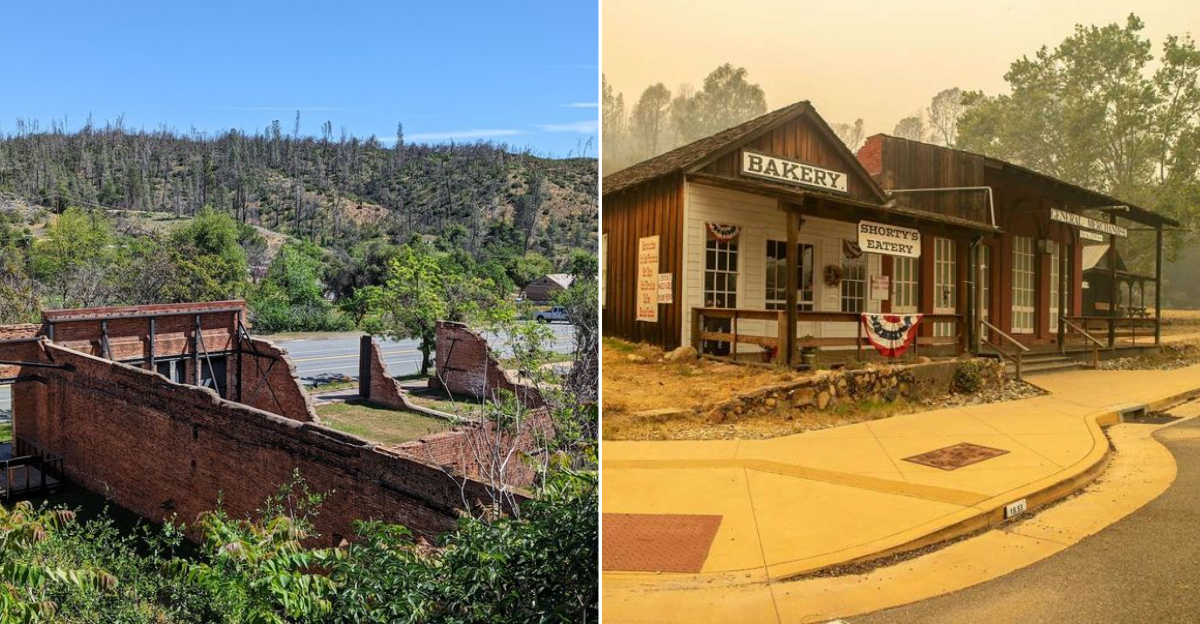
A creaking gallows, a courthouse full of gold rush paintings, and a row of brick buildings still scarred by a wildfire that nearly erased them. That is what you will find at this California ghost town, a place where the 1850s feel close enough to touch.
The old courthouse was converted in 1861 and now holds an unexpected collection of historic art, considered one of the finest of its kind in the state. A barn was moved from 80 miles away and rebuilt here, piece by piece, just to save it from disappearing.
The town’s fate was sealed when the railroad chose a different route, and the crowds moved elsewhere, leaving behind a quiet stretch of highway where the only traffic is curious visitors. Even a massive wildfire could not finish what time started.
So which Shasta landmark lets you walk among ruins, peek into a frontier courtroom, and stand where outlaws once met their end?
Head up Highway 299 and let the ghost town whisper its secrets. The gallows are still standing. The stories never left.
A Gold Rush Town Frozen In Time
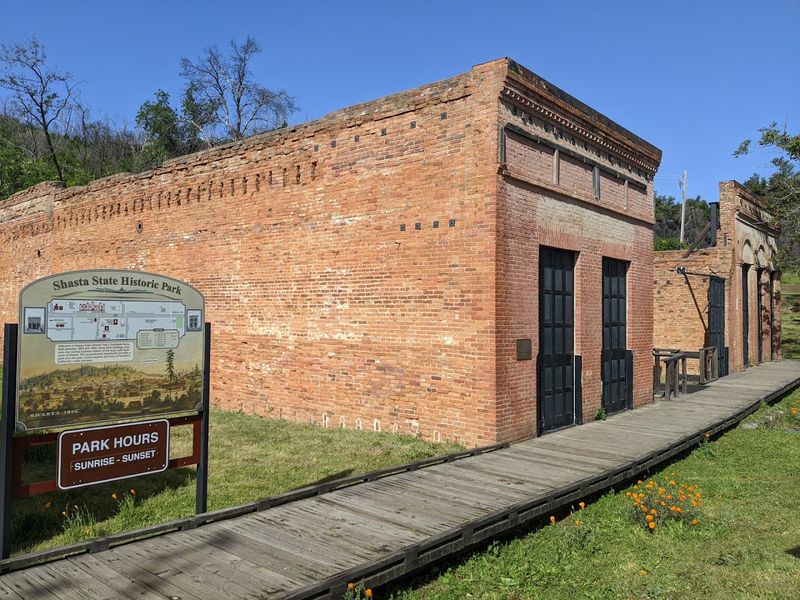
Look around, and it really does feel paused, like the director called cut and everyone stepped away without touching a thing. The brick fronts stand with their gaps and scars, and the sky frames them like a long breath.
You hear a breeze through dry grass, and suddenly the Gold Rush is not a chapter but a setting you can walk through.
What gets me is the ordinary stuff that still feels close, the storefront outlines and doorways that suggest footsteps you almost catch. You do not need much imagination here, because the road itself draws the line from wagon ruts to the present.
California sun hits the walls, and the red warms up as if the town still has a pulse.
Take it slow and talk it out while you move, because that is the trick with places like this. The more you notice, the more the town answers, and the answers are quiet but generous.
When you leave, the silence follows you like a song you half remember.
Located Six Miles West Of Redding On Highway 299
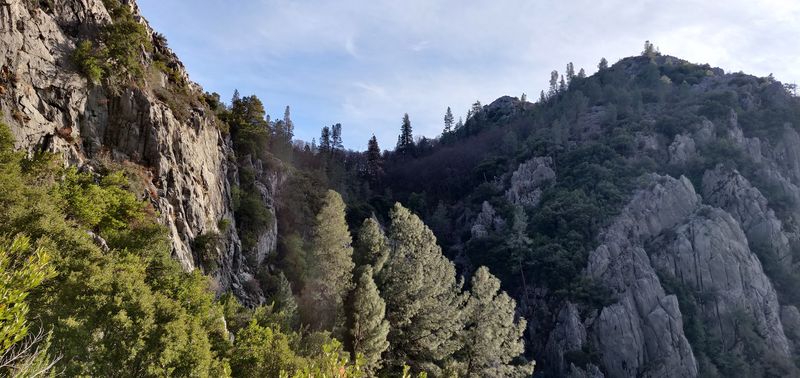
Getting here feels simple, like a short drift west from the bustle into a place that chose the quiet lane. The road slips through low hills, then the ruins appear almost casually, like neighbors who already know your name.
Before you park, you can read the street the way you read a face, and it reads calm.
You do not need a big plan to make this work. Just step out, breathe, and let the first plaque point your feet.
Redding sits close enough that this becomes an easy hop, yet the change in tempo makes it feel like a border crossing into history.
California has plenty of towns with stories, but this one keeps its voice soft and steady. The buildings do not crowd you, and the spaces between them matter as much as the bricks.
When the light tilts, the colors land warmer, and the day carries you without much effort.
Once A Booming Commercial Hub For Miners
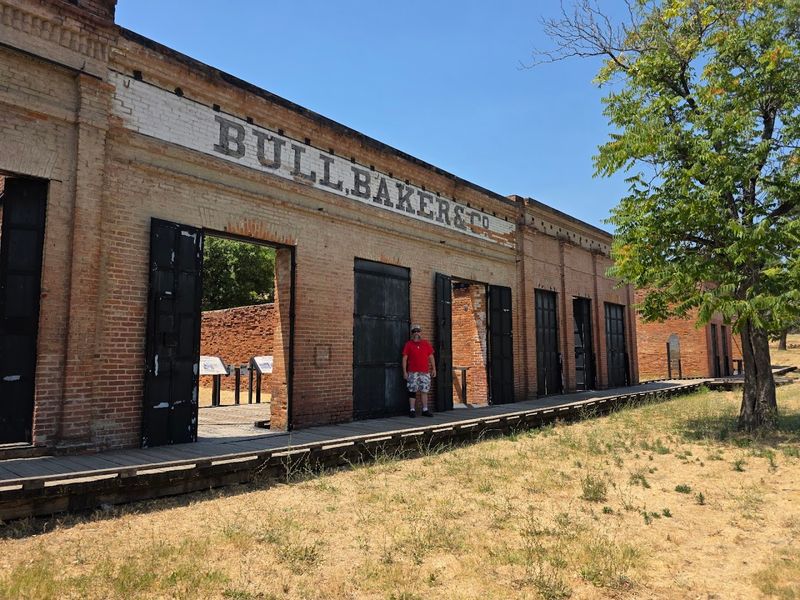
Stand in the middle of the old street and picture the churn of wagons, voices, and dust hanging in a stubborn cloud. Goods came and went, and the storefronts held everything a miner might need or hope for.
It is wild how easily the scene fills itself in once you look at the shapes of the entries.
I like reading the signboards, then closing my eyes to let the noise come back for a second. You can almost feel the rush of deals, repairs, and quick errands that kept the place alive.
The town knew movement, and that momentum still hums under the quiet.
California history can feel big and abstract, but here it taps you on the shoulder. Every niche and threshold frames a transaction that probably mattered to someone standing right where you are.
Stay a beat longer than you planned, and the hum turns into a steady rhythm you can follow.
The Famous Brick Buildings Now Stand As Ruins
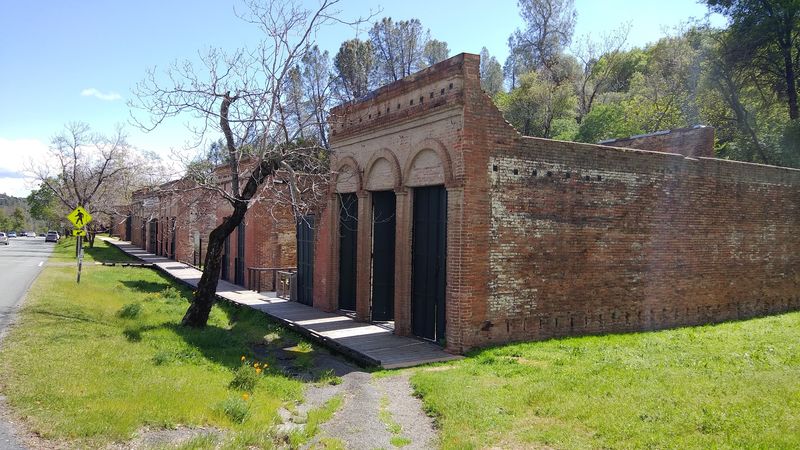
The bricks are the headline, right, but it is the gaps that write the story. You see open roofs, burned edges, and doorways that lead into sky, and it all feels honest.
No pretending, just the bones that remain and the trace of what held them together.
Walk close and you can read patterns in the mortar, chips where hands and tools worked hard. The color shifts from rust to ember when the sun swings, and the texture catches light like fabric.
Step back a few paces, and the whole row becomes a timeline you can scan with your eyes.
California weather can be stubborn, yet these walls still carry themselves with a kind of easy strength. They do not beg for attention, they earn it by staying put.
If ruins make you reflective, this stretch offers exactly the right amount of space to settle your thoughts.
The 1861 Courthouse Still Houses A Museum Inside
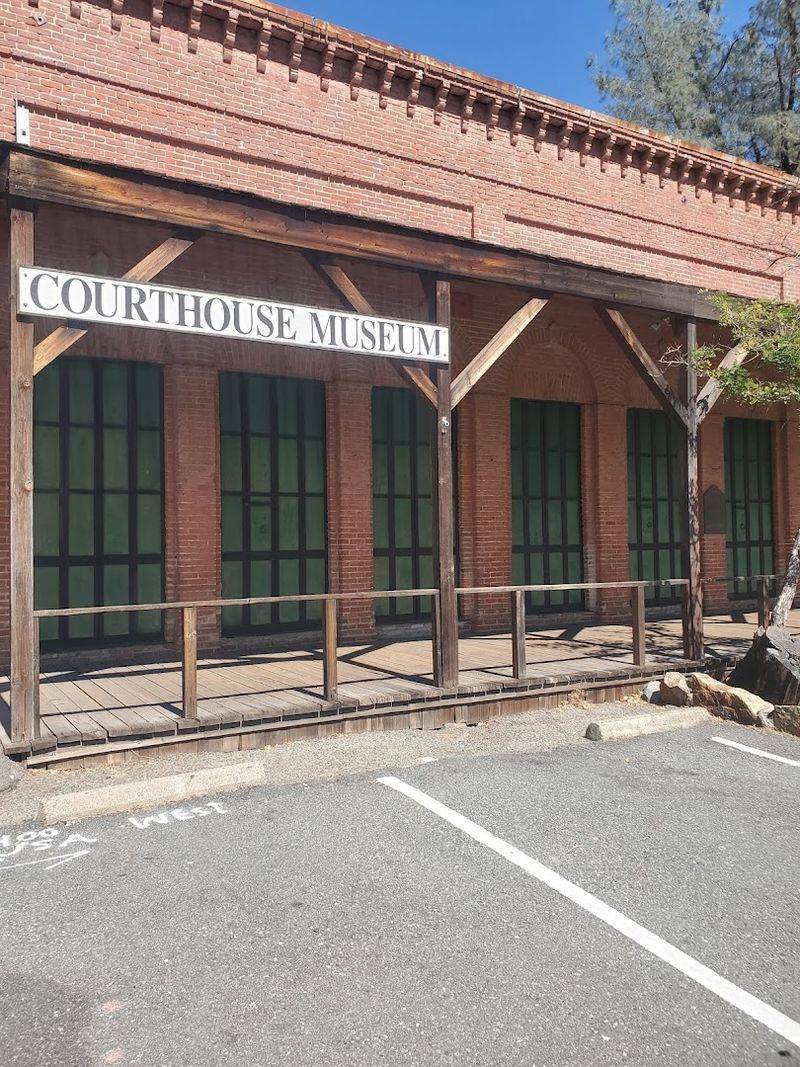
The courthouse feels sturdy the moment you see it, with that calm official posture that old civic buildings do so well. Step inside, and the rooms switch from echoing halls to careful displays that tell their stories without shouting.
You get artifacts that feel close enough to touch, and labels that land just right.
I like lingering near the windows, because the light makes the past feel lived in rather than distant. The exhibits walk you through the town without dragging your feet, and the flow makes sense for a slow wander.
It is the kind of museum where you keep saying one more room, then find another corner worth a look.
California history can get crowded with facts, but this place edits with care. You leave with scenes in your head, not just names.
When you step back outside, the courthouse seems to nod like a host who knows you will be back.
Original Jail Cells And A Reconstructed Gallows Remain
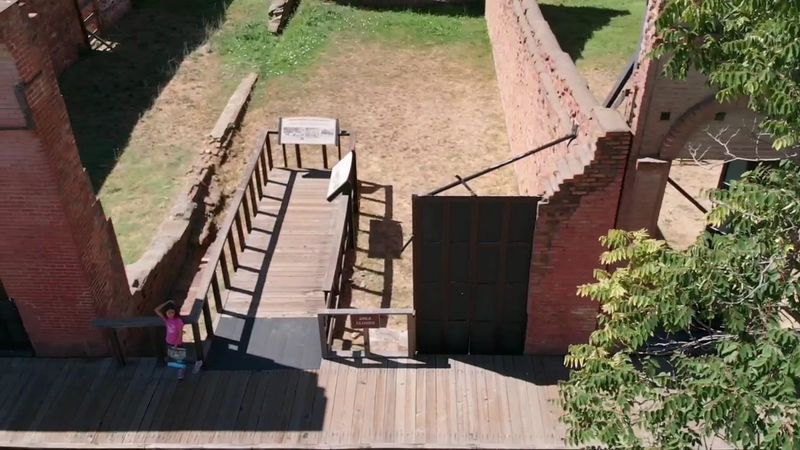
This part gets quiet fast, and it should. The cells are small and serious, and the iron carries a chill even on a warm day.
You feel the rules of the town crowd in, and the room asks for your attention without any drama.
Outside, the reconstructed gallows stands with measured, careful gravity. The signage keeps the focus on context, not spectacle, and that framing matters.
You will likely speak softer here, and the hush helps you consider how justice felt in a place this young and raw.
Moments like this are why historic parks matter in California and anywhere else. The hard parts should not vanish just because they are tough to hold.
When you step away, the street feels different, and the ruins seem to carry the weight with a little more clarity.
Main Street Feels Like A Walk Through History
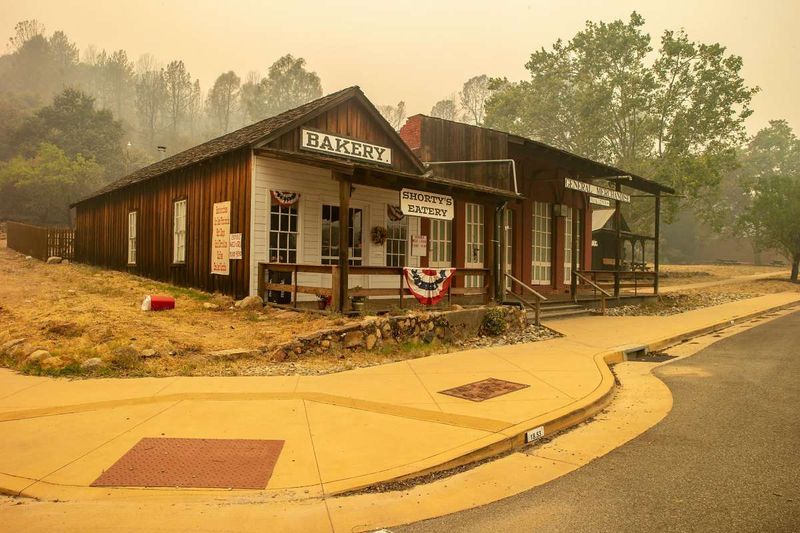
Start at one end and let the place set your pace. The street lays it out in sequence, so you can drift from ruin to ruin while the story clicks into place.
You do not need a guide if you trust your curiosity and follow what catches your eye.
The ground is uneven, which I kind of love, because it keeps your steps honest. Look up at the rooflines that no longer exist, and your mind fills them in without effort.
Every gap becomes a window into the next stop, and the views line up with an easy rhythm.
California days stretch long here, and that helps. By the time you reach the far end, you have a pocketful of details that feel earned rather than collected.
Turn around, and the return walk shows a different angle, like the town is happy to tell the story twice.
The Old Brick General Store Still Shows Its Charred Walls
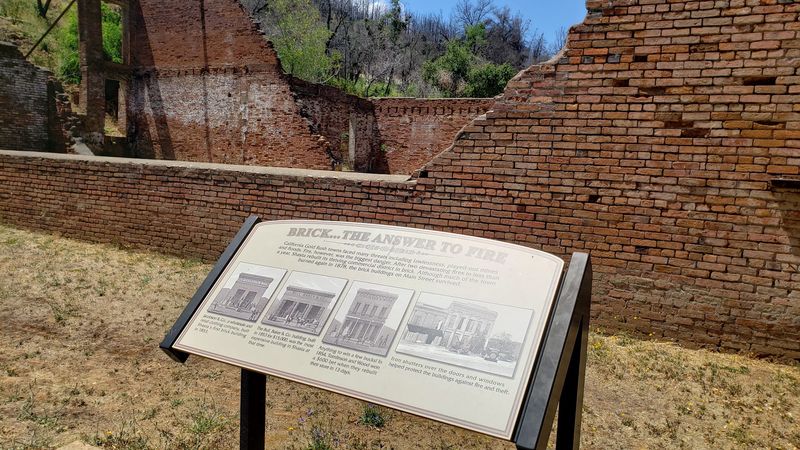
Step into the shell of the store and you will feel the mood shift. Charred brick turns the light a little darker, and the space holds a seriousness that lingers.
You can see where counters might have stood, and where voices once overlapped in a steady hum.
I always take a slow loop, tracing the edges where heat left its marks. The color changes are subtle up close, like bruises fading across the wall.
It is not spooky, just honest, and the honesty brings texture to everything else on the street.
In a state packed with reinventions, this corner of California lets the past keep its scars. The store stays present by refusing to pretend, and that makes the whole town feel more grounded.
When you step back onto the road, the sunlight lands brighter, and the day opens up again.
A Popular Stop For History Buffs And Road Trippers
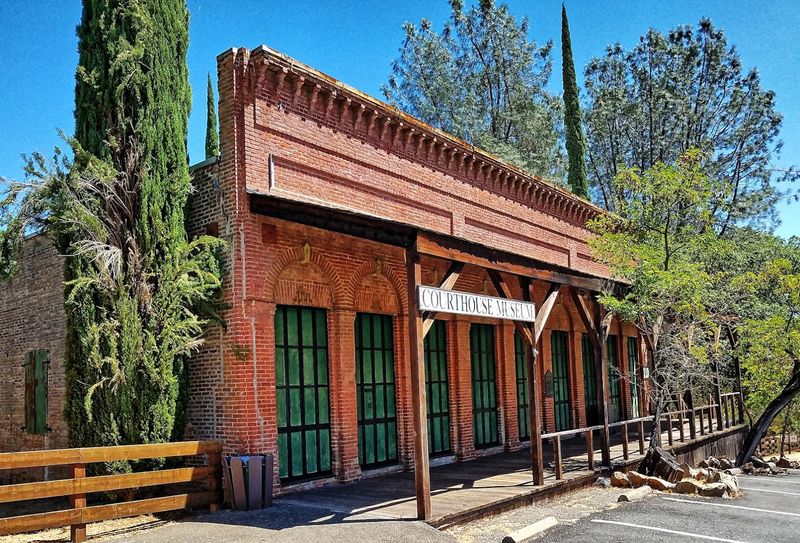
You will spot folks doing the same slow wander you are, reading, pointing, and trading little what if thoughts. It is an easy meet in the middle kind of stop, where a quick leg stretch turns into an hour without much effort.
People share directions and favorite corners like neighbors lending tools.
What I like is the balance between space and story. There is enough room to step aside, take a breath, and let the details land.
And there is always another sign just when you want one, so you never feel lost in the timeline.
California road trips thrive on places that reset your head without asking for a whole day. This one clicks perfectly with that rhythm, especially if you like a little substance mixed into the miles.
When you roll out, the car gets quiet for a minute, and that silence feels earned.
One Last Look Before Heading Back To The Highway
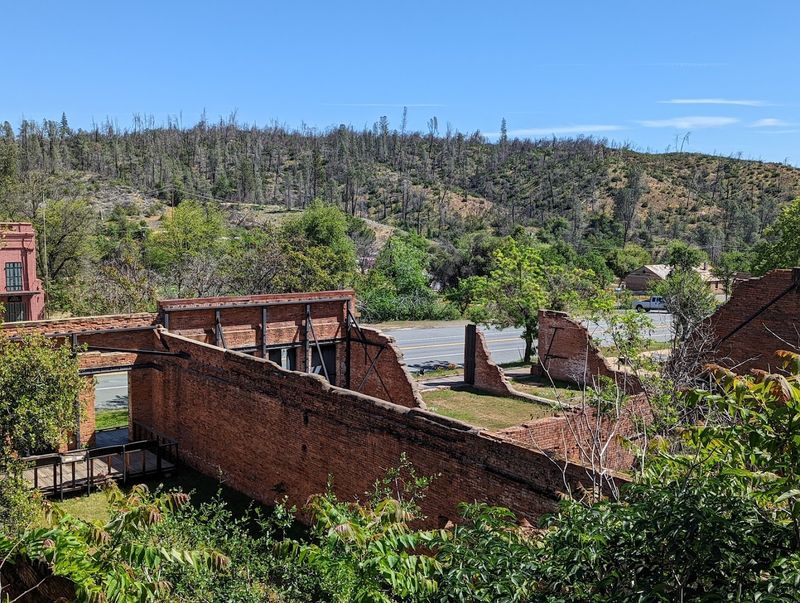
Before you go, stand still and take the long view down the row. The gaps, the bricks, the oak leaves flicking light across the street, it all lines up for a gentle goodbye.
You do not rush it, because moments like this are the whole point of stopping.
I always do a quick mental roll call of what stuck. The courthouse windows, the char, the quiet inside the cells, and the color of the walls right before the sun softens.
It is the kind of memory set that stays shelf ready for a long time.
California has a way of making the past feel near, and this place leans into that gift. You pull the door, start the engine, and let the town recede like a good story closing on its last page.
Then you promise yourself you will return, and somehow that feels like keeping history alive.
