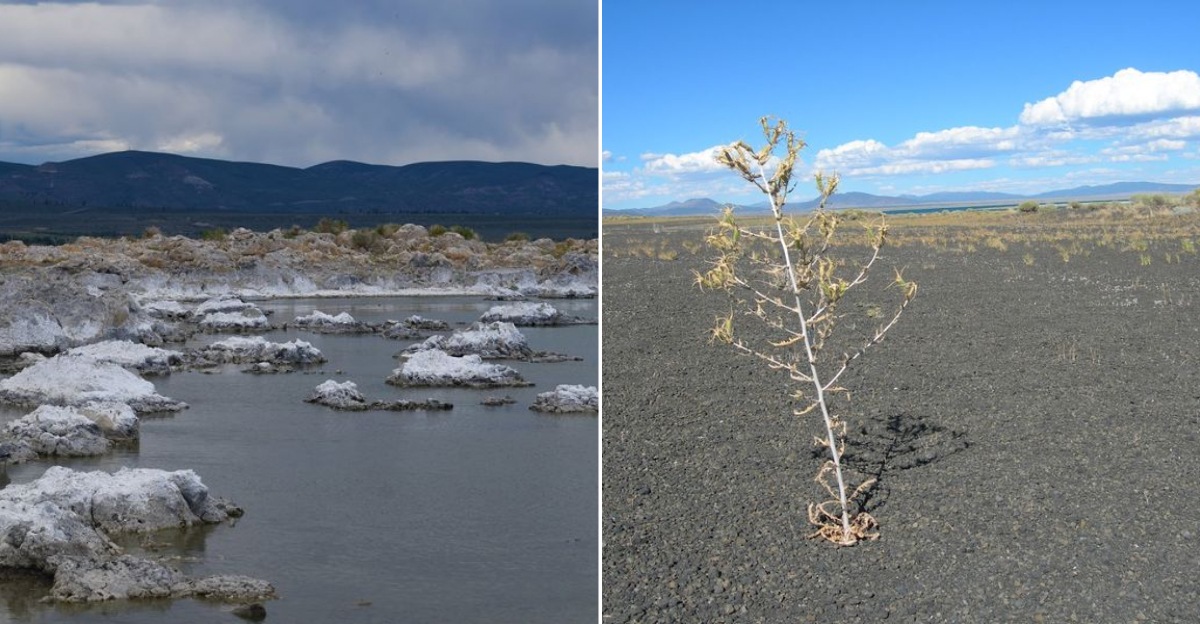
Some lakes look beautiful at first glance, then get more unsettling the longer you learn what is happening to them. This California lake has that kind of story, because its falling water levels are not just changing the view, they are putting an entire ecosystem under growing pressure.
It is one of North America’s oldest lakes, with strange mineral towers rising along the shore and water so alkaline it can feel almost slippery, but the real story here is what those shrinking levels mean for everything that depends on it. This is a place with no fish, yet it still supports massive numbers of brine shrimp, alkali flies, and millions of migratory birds that rely on it as a critical feeding ground.
As the lake drops, the ecological risks only grow, from habitat disruption to new threats against bird populations. That is what makes this story so compelling.
The landscape is unusual, the biology is remarkable, and the concern surrounding its future is getting harder to ignore.
Water Levels Changed The Story Of This Lake
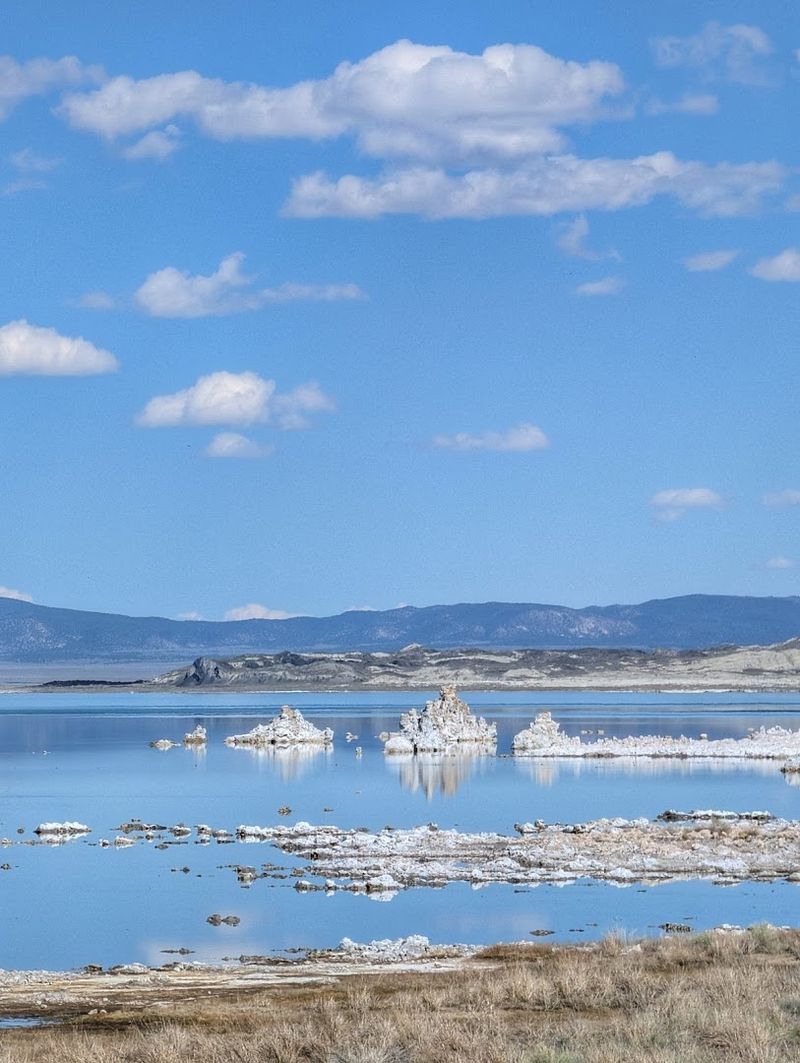
You can feel it the second you step out of the car, because the water sits lower than the stories you might have heard from older trips, and it changes how the place greets you. The lake still spreads wide, but the edge has slid back, and that shift creates new lines that the eye keeps tracing.
I walked along the crunchy crust where water once reached, and it felt like reading a margin note in a familiar book, telling a different version of the plot.
What happened is not a mystery, but the living results are what you notice first, from strand lines etched into the shore to isolated pools that look like leftover thoughts. California keeps learning this lesson the hard way, and Mono Lake puts it right in front of you without drama.
The story becomes personal when the wind lifts and you imagine where waves used to tap your shoes.
I kept thinking about how this basin connects to creeks, mountains, and choices made far away, and how a lake can hold memory without speaking. The new shoreline does not shout, but it points, and you can follow that line like a finger toward consequence.
Stand there for a quiet minute, and the scene folds together, beautiful and uneasy, as if the landscape is pausing mid sentence and waiting for you to answer.
Tufa Towers Show Just How Much Shifted
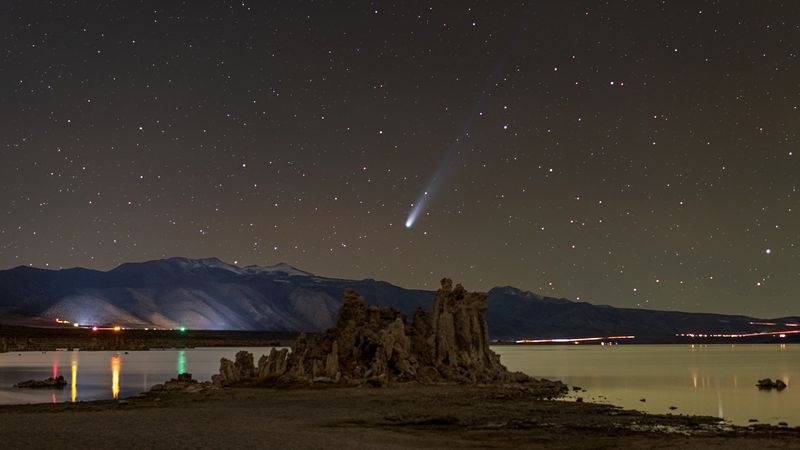
Those tufa towers are not just photogenic, they are yardsticks in plain sight, and they quietly tell you how far things have moved. When the water sits lower, the towers stand taller, showing off pockets, shelves, and old waterlines like rings on a tree.
I found myself circling one cluster, seeing how mineral lace and trapped bubbles once lived underwater, now drying in sunlight.
Tufa forms where spring water rich in minerals meets the lake and builds these chalky spires, so every exposed twist is a clue. California has other landmarks that reveal change, but here the geology doubles as a diary entry you can touch.
You can almost picture the surface lifting and dropping over seasons, with each section of stone taking a different turn in the light.
It is tempting to treat them as sculptures and forget they are living indicators, but the towers will not let you forget for long. The breeze moves across the pockets and makes tiny sounds, and gulls perch like punctuation marks.
If someone asks what shifted here, you could point at a single tufa and say, start right there, because the answers are written in porous limestone and they read like a careful, unskippable sentence.
The Shoreline Looks Different Than It Once Did
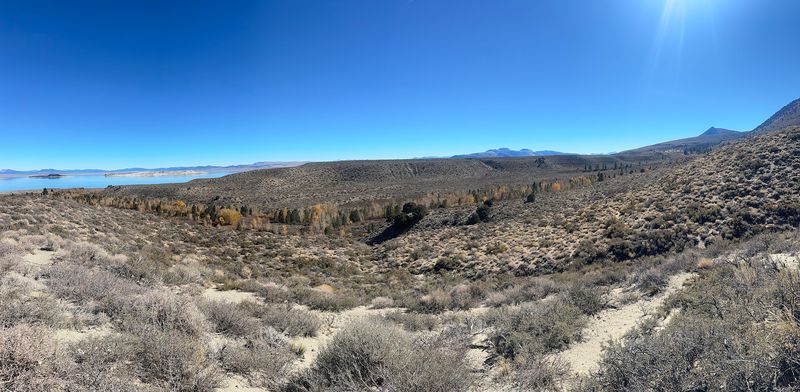
Walk the current edge and you will recognize the lake, but the frame has shifted like someone nudged a painting lower on the wall. The old high marks sit back from the water, and new paths curl along salty crust that crunches under your shoes.
I kept stepping around shallow puddles, thinking about how they used to be part of one smooth, shimmering skin.
The new shoreline draws different shapes, and it changes how birds land and how people wander, which matters more than it sounds. California landscapes often ask you to pay attention softly, and Mono Lake does that with a simple curve that is not where it used to be.
The colors also shift, with more pale flats and sharper contrasts around the edges.
I like standing still and letting the scene rearrange the map in my head, because it always feels honest out here. The beauty holds, but the proportions suggest a story still being edited in real time.
If you trace your finger along the fresh contour, you can feel the sentence bending, hinting that the next clause depends on how gently we choose to read and respond.
Ecological Stress Keeps Mono Lake In Focus
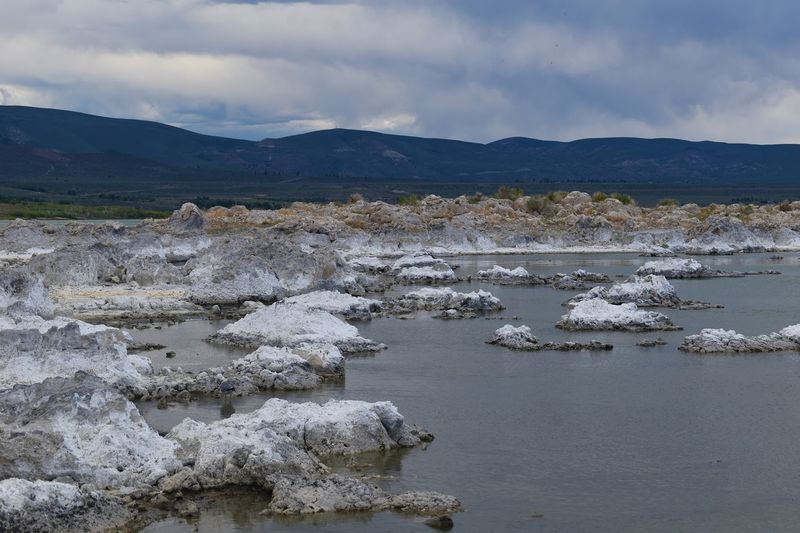
The lake might look calm at a glance, but living communities here run on a delicate balance that notices every shift. Brine shrimp, alkali flies, and the birds that depend on them all feel changes in water depth and chemistry.
You can stand by the shore and see life in motion, then realize how thin the margin can be when conditions slide.
Folks in California know these cycles keep looping through our news and our conversations, but Mono Lake turns the headline into a view you can smell and hear. When storms drop less or streams bring in different flows, the food web adjusts in uncomfortable ways.
It is not about panic, it is about steady attention, like checking a friend’s pulse and remembering what normal feels like.
What keeps this place in focus is the way birds sweep across the surface in big, coordinated gestures that only happen when everything lines up. If the line slips, the choreography frays, and you can sense it even without charts.
That is why standing here becomes a kind of promise, because watching closely is the start of caring, and caring is what keeps the page from tearing.
Salinity Raises The Stakes For What Lives Here
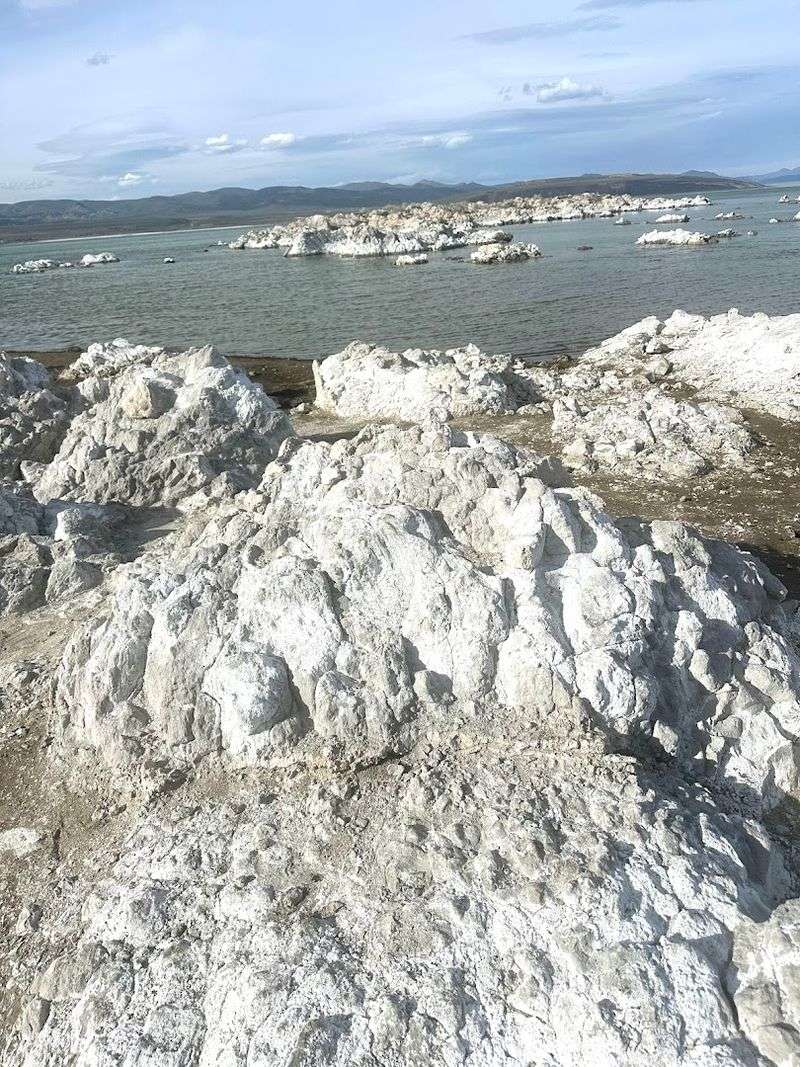
Salt sits at the center of the conversation here, because the lake is naturally salty, and changes in volume tilt that balance. When more shoreline shows, the water can edge toward a mix that stresses tiny creatures first, and everything else ripples from there.
I scooped a handful and felt that slick, dense texture that tells you the chemistry is running the show.
Think of salinity like a dimmer switch that controls how bright the food web can glow, because shrimp and flies thrive within a range. California lakes have their own personalities, and this one is the moody poet who needs the room set just right.
If the light gets too harsh or too dim, the poem still exists, but the rhythm stumbles, and the audience feels the slip.
When you watch birds chase the shimmer on a sunny afternoon, you are seeing a vote of confidence in the current mix. Still, I could not shake the idea that the recipe could tilt again unless the inputs stay kind.
So you stand there, listening to small waves lick the shore, and you quietly root for the chemistry to land in that sweet, resilient range where the lake breathes easy.
Exposed Lakebed Adds A Harder Edge To The View
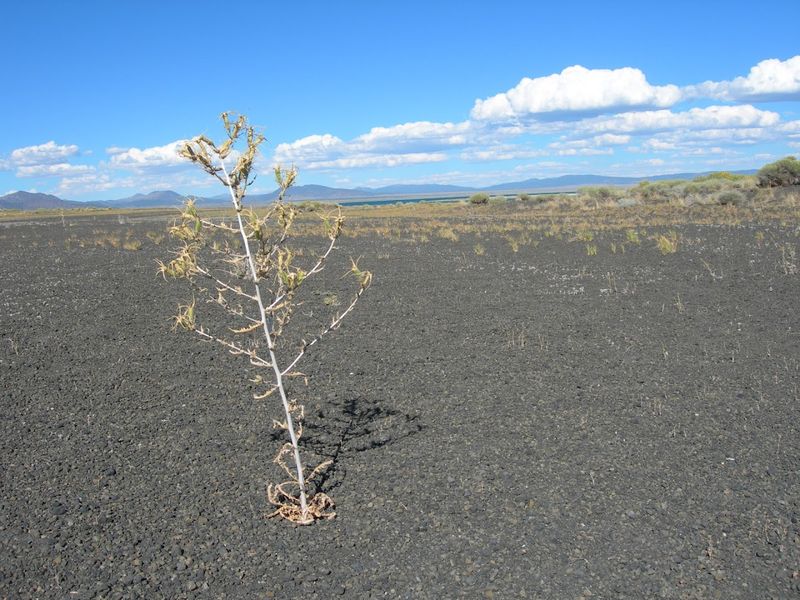
There is a certain blunt honesty in an exposed lakebed, because it shows you the underlayer without any softening. The cracked salt crust and pale flats look like a stage after the dancers left, with tape marks still visible.
I walked across a section and felt the grit grind under my boots, and the view sharpened in a way that felt both impressive and sobering.
These textures change how light behaves, bouncing a harsher glare that makes you squint even when the sky is gentle. California has plenty of bright scenes, but this one feels clinical, like the landscape has pulled the curtain wide.
The pools that remain reflect the clouds with almost glassy precision, which only makes the emptier sections feel louder.
It does not scare off the beauty, but it complicates it, adding a chord that hums under the pretty melody. When wind moves across the flats, you can hear a faint hiss, and it makes you think about thresholds.
I like that the ground tells you the truth without scolding, as if the lake is speaking quietly and trusting you to connect the dots.
Dust Risk Makes The Concern Feel Bigger
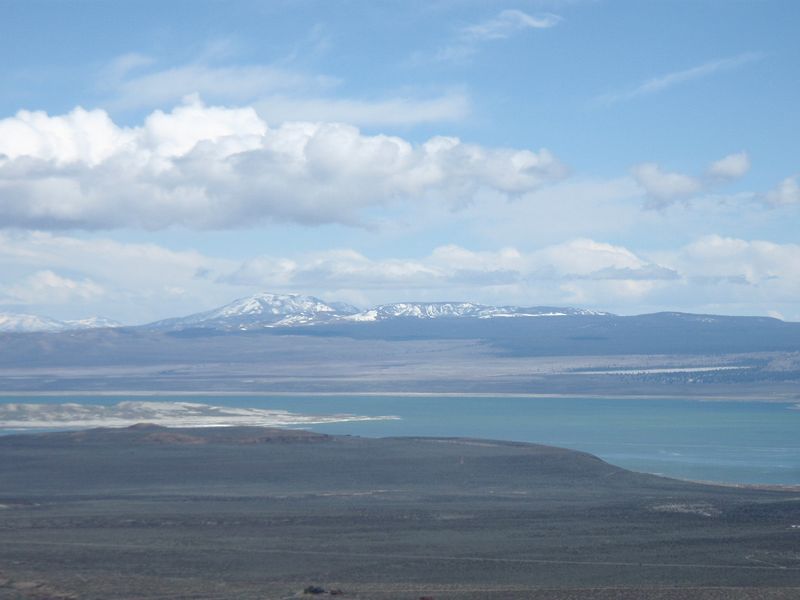
When the bed dries out and wind picks up, dust becomes part of the story, and that story can travel well beyond the waterline. You might not see much on a calm morning, but a gust can lift fine particles and send them across the basin.
I watched a faint plume drift toward the highway and thought about lungs, migration routes, and neighbors downwind.
Dust from exposed lakebeds has shaped conversations across California, tying public health to water choices in a very tangible way. At Mono Lake, the risk depends on weather, soil texture, and how much unanchored ground sits open at the margins.
It turns a pretty view into a community question, because air does not carry a map that ends at the shore.
So the concern grows, not as drama, but as a network of connected outcomes that you can feel if you stand here long enough. You taste a little grit, you see the haze, and you picture a kid playing soccer miles away.
That is when the urgency lands with a gentle thud, and you realize the lake is not asking for attention just for itself, but for the people breathing nearby.
Bird Habitat Still Sits At The Center
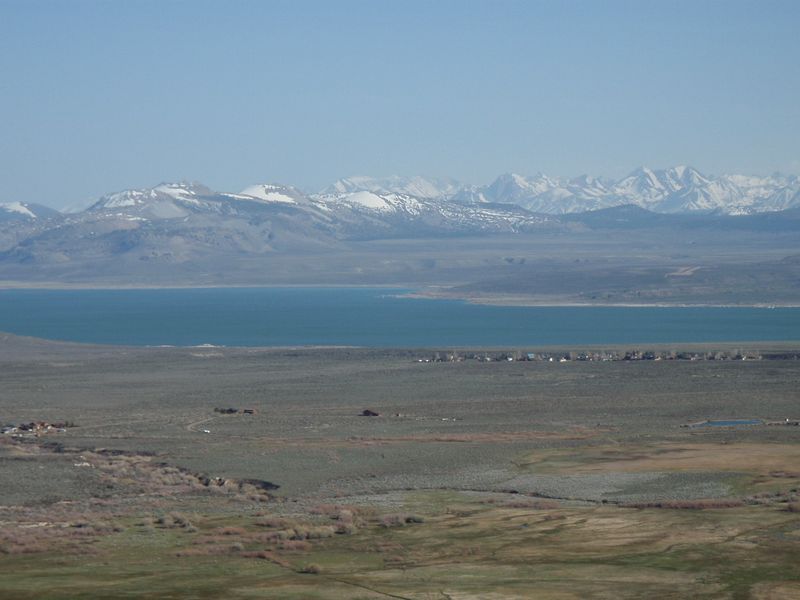
Spend a morning by the water and the birds will explain why this place matters, even if you do not speak their language. Gulls nest on the islands, shorebirds stitch along the edges, and migratory flocks treat the lake like a dependable roadside inn.
I watched a sweep of wings flicker over the surface, and the whole shoreline felt suddenly organized around that motion.
Habitat is not just a word here, it is a flow between nesting space, safe water, and reliable food that shows up right on time. California flyways depend on pockets like this, where a traveler on a grand route can land and refuel.
If that reliability wobbles, the route does not crumble, but it loses a beat that echoes far past the county line.
Standing by the tufa, I could hear different calls stacking into a loose chorus that rises and falls with the breeze. It feels like a reminder that stewardship is really about keeping the band together, so every part can hold its note.
The lake can still sing, and you can help it stay in tune by caring in small, consistent ways that leave room for wings to keep writing the sky.
Scenic Beauty And Environmental Strain Meet Here
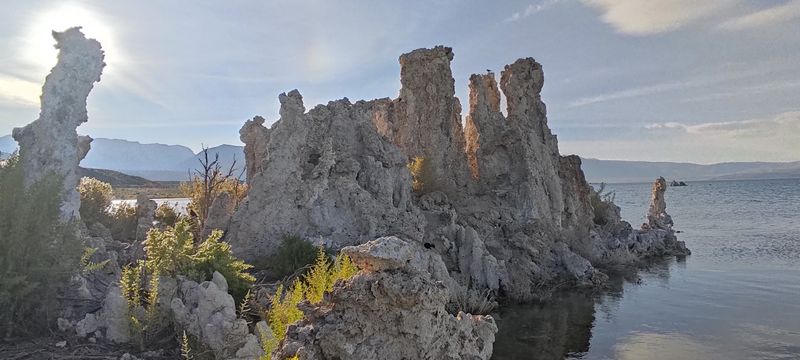
Here is the tricky part, because it is gorgeous, and the camera loves every angle, yet the beauty sits right next to strain. The light wraps the towers and throws long reflections that make you sigh, while the exposed flats add a whisper of worry at the edge.
I stood there feeling both things at once, and it made the place feel more honest, not less inviting.
California can hold multiple truths in one frame, and Mono Lake nails that balance in a way that lingers. You can celebrate the view and still carry the responsibility that comes with it, like keeping a treasured instrument tuned.
The point is not to scold yourself for enjoying it, but to let the joy become fuel for steadier choices.
On a quiet evening, the shoreline feels like a conversation that is not finished, with pauses that land heavier than words. The scene asks small questions, like what would it take to keep this light alive?
If you listen closely, the answers are practical and kind, and they start with paying attention without rushing past the parts that feel uncomfortable.
Mono Lake Still Feels Fragile And Unfinished
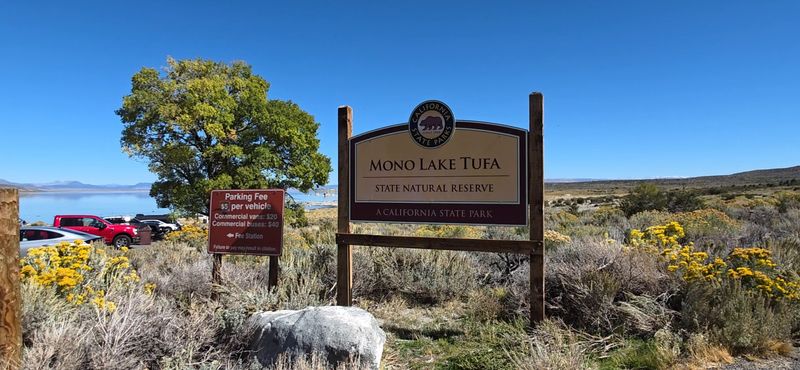
Even after a long wander, it feels like the story has not settled, and the lake is mid sentence with a thoughtful pause. The fragile part is not weakness, it is a reminder that living systems stay alive through balance, not bravado.
I left the shore with sand stuck to my boots and a quiet sense that the next chapter depends on gentle hands.
Some places in California shout for attention, but Mono Lake speaks in a lower register that asks you to lean closer. The lesson lands without drama, more like a friend tapping your shoulder and pointing at something small but important.
You can feel the trust in that gesture, as if the lake believes you will get it if you stand still long enough.
So the plan is simple and ongoing, the kind that folds into daily life and steady choices rather than grand declarations. Visit, look closely, share what you see, and keep the conversation alive with people who care.
The beauty is real, the strain is real, and together they make a truth that is sturdy enough to carry home and set gently on the table.
Dear Reader: This page may contain affiliate links which may earn a commission if you click through and make a purchase. Our independent journalism is not influenced by any advertiser or commercial initiative unless it is clearly marked as sponsored content. As travel products change, please be sure to reconfirm all details and stay up to date with current events to ensure a safe and successful trip.
