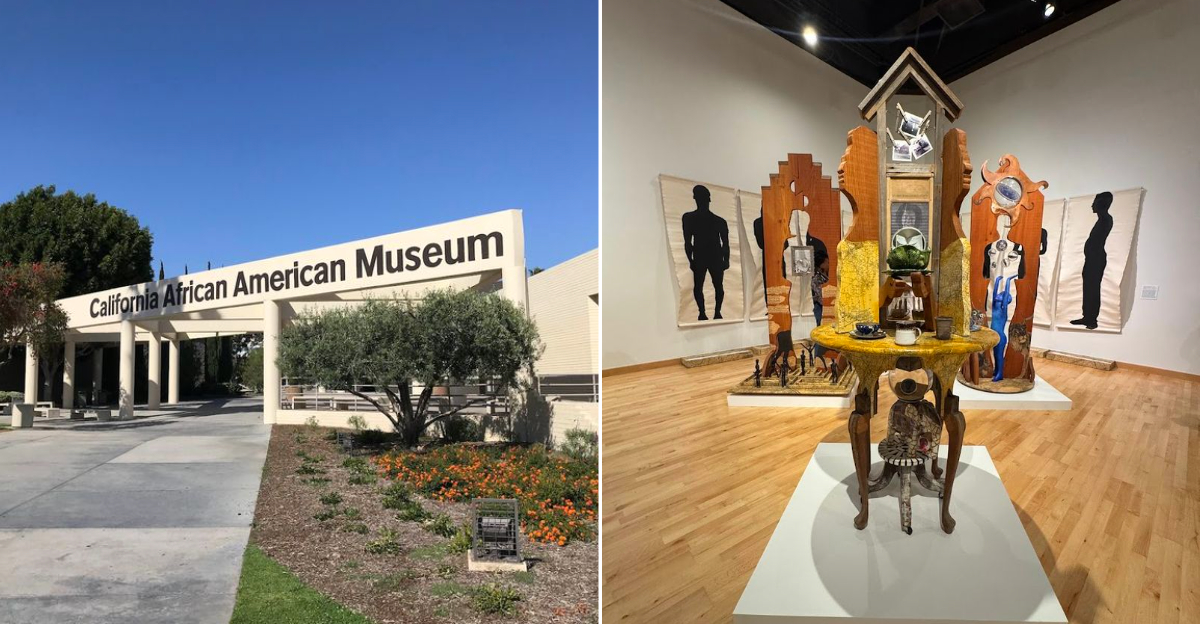
Think you know Los Angeles, and then a museum visit shows you how many stories you have been walking past. This California museum in L.A. quietly fills in missing chapters of Black history and culture, not with loud drama, but with clear context that sticks with you.
You move through exhibits that connect people, neighborhoods, creativity, and resistance in ways that make the city outside feel more layered. Artifacts, photos, and storytelling do the work, so history feels lived-in instead of distant.
The experience also has a calm power to it. You are not being rushed, you are being guided, and the details add up until you realize you are seeing a fuller version of the timeline.
It changes how you read the city. Street names, music, art, and everyday spaces start feeling connected to a much bigger story than the one most visitors hear first.
You leave with more than facts. You leave with perspective, and that is the kind of thing that can reshape an entire trip.
Step Into Exposition Park And Find A Museum Most Tourists Skip
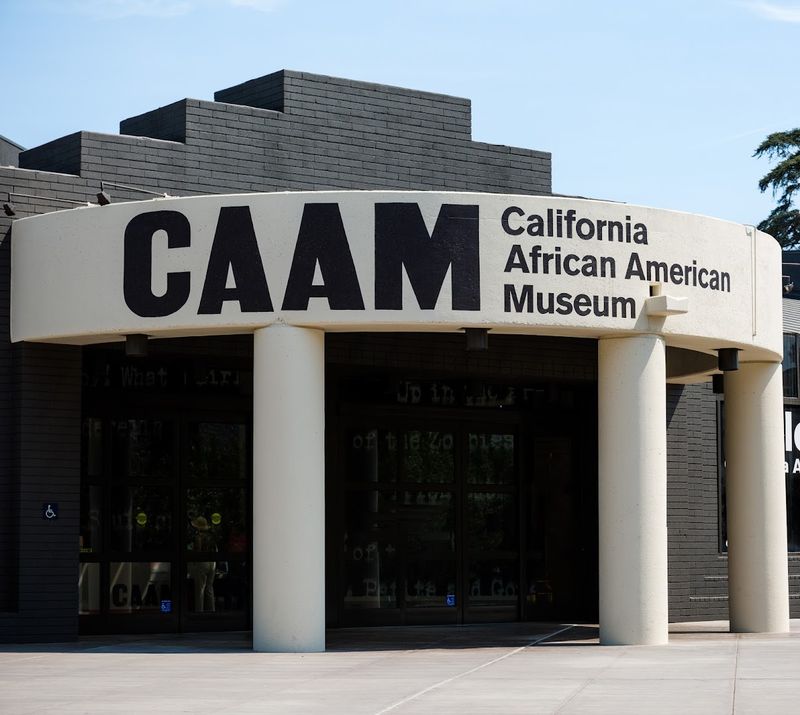
Let me point you to the spot most people breeze past on their way to the bigger, louder museums. The California African American Museum sits right inside Exposition Park, low key and inviting, like a friend waving you over without making a scene.
If you want the address for your map, it is 600 State Drive, Exposition Park, Los Angeles, CA 90037, which drops you right at the plaza with palms and that clean, modern facade.
Walking up, you can hear the park energy around you, but the museum itself feels calm, like a deep breath before a conversation you actually want to have. I like that it is not trying to be flashy because the substance is strong enough to carry the day.
You step inside and right away the space tells you this is about people, place, and the layers inside California stories.
Tourist buses do their usual loops nearby, yet somehow this building keeps its own steady rhythm. That means you can wander without feeling rushed, and you will probably find yourself reading more labels than you planned.
It is not a checklist stop, so bring your curiosity and leave the hurry out by the fountain.
Free Admission Makes A “Quick Visit” Way Too Easy To Stretch
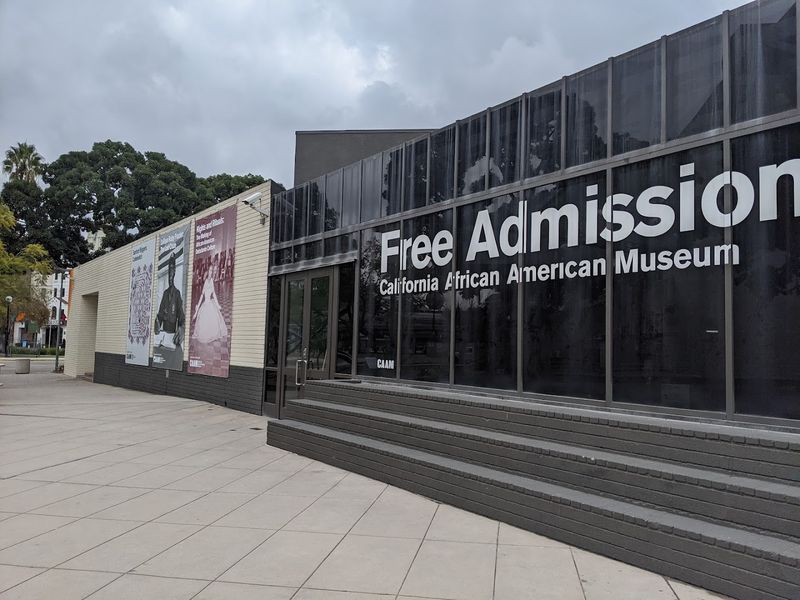
Free admission changes your mindset right away because the door is open and no one is nudging you to rush. You can swing in for what you swear will be a short look, then find yourself staying longer because the halls keep tugging at you.
It is the kind of freedom that lets you follow a thread without doing mental math about minutes and dollars.
I usually tell friends, start with one gallery and see how it feels, then decide whether to keep going. That permission to meander actually makes the art hit harder because you are not squeezing it between errands.
When an exhibition asks you to slow down, you can actually do it, which feels like a small California luxury.
Free also takes the pressure off when you are bringing someone who is museum-wary. If they are not feeling it, fine, no guilt, and if they are, the day opens up.
Honestly, it is tough to leave once you get pulled into those timelines and portraits that fill in what your textbooks skipped.
Hours And Directions That Make Planning Simple, Even On A Sunday
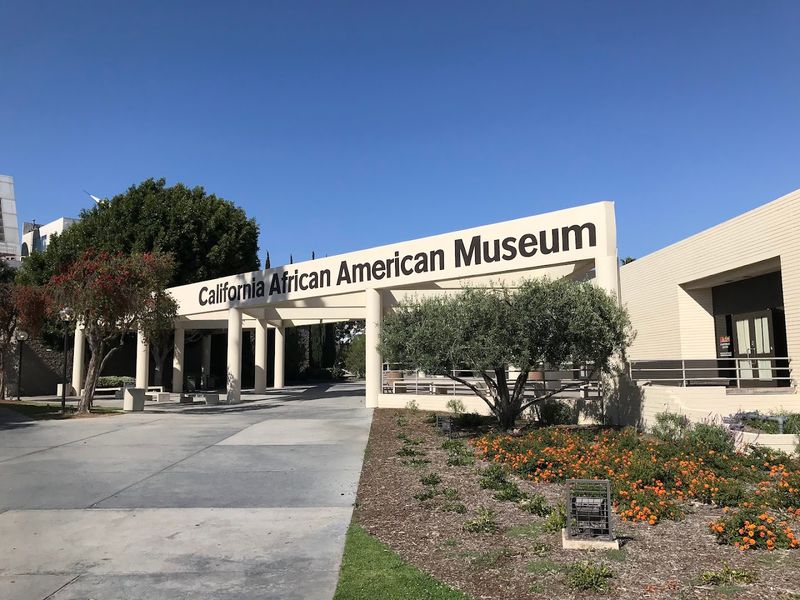
Planning this is not complicated, which I appreciate when my weekend brain is running light. The museum sits inside Exposition Park with clear signs along the paths, and once you see the modern glass and clean lines, you are basically there.
I like arriving a little after opening because the first hour usually feels easy and unhurried.
If you are coming on a Sunday, the park has that laid back Los Angeles energy where families wander and visitors drift between museums. It makes the whole plan feel simple because you can walk everywhere once you are parked or hopped off transit.
Just give yourself a little extra time to stroll across the gardens and reset before you go in.
Honestly, directions are the least interesting part, and that is the point. You will not be wrestling with confusing turns, and the entrances are obvious.
Save your attention for what is inside because that is where the navigation gets pleasantly rich, full of dates, names, and places layered across California history.
The Mission Focuses On Black History And Culture With A Strong California Lens
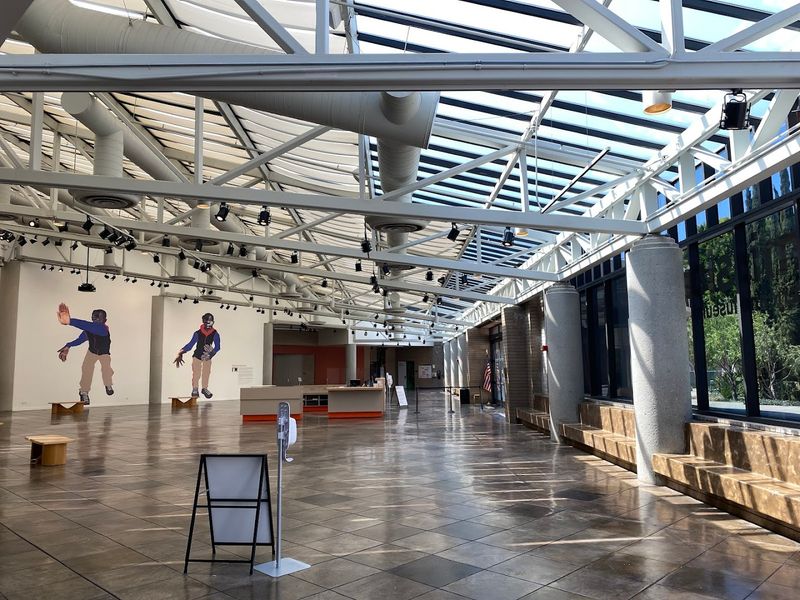
What clicks here is the focus, tight and clear, on Black history and culture framed through California. You feel it immediately in the way the exhibits connect migration, labor, art, and daily life to neighborhoods you probably know by name.
That California lens keeps the stories grounded, not abstract, which makes the past feel close enough to talk back.
There is a steady humility in the way the museum lays out context beside creativity. Wall text gives room to voices that often got trimmed from the official version, and the artwork adds the feeling that archives alone cannot hold.
You end up moving between scholarship and lived experience without noticing the shift.
It is not just about hardship or triumph but the texture of ordinary lives, which is where culture really breathes. You recognize streets, industries, and schools tied to bigger currents across the state, and suddenly the map in your head redraws itself.
By the time you step out, California looks more layered, and honestly, more honest.
Galleries Change Regularly, So Repeat Visits Never Feel Like Reruns
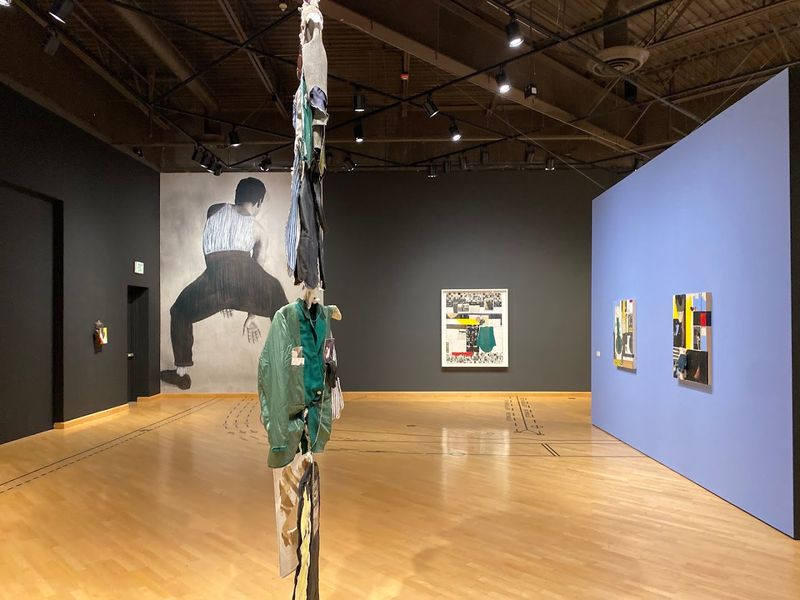
The rotating shows keep things lively, so coming back feels like arriving at a conversation that has moved forward since you left. Curators bring in artists and themes that stretch the idea of what belongs in a history museum.
One month you are deep in photography, and another you are looking at community archives or new media swirling with color.
Because the lineup shifts, I tend to drop in whenever I am nearby, even if I only have a little time. It is a relief to not worry about finishing everything since there will always be another chapter.
That makes the museum feel like a neighbor you actually see, not a once and done errand.
The best part is how the temporary walls reshape the flow, so your body learns new paths every time. You catch yourself discovering details you missed, even in spaces you thought you knew well.
It is a very California rhythm, always changing, but rooted in a sense of place that keeps you oriented.
The Permanent Collection And Research Resources Add Serious Depth
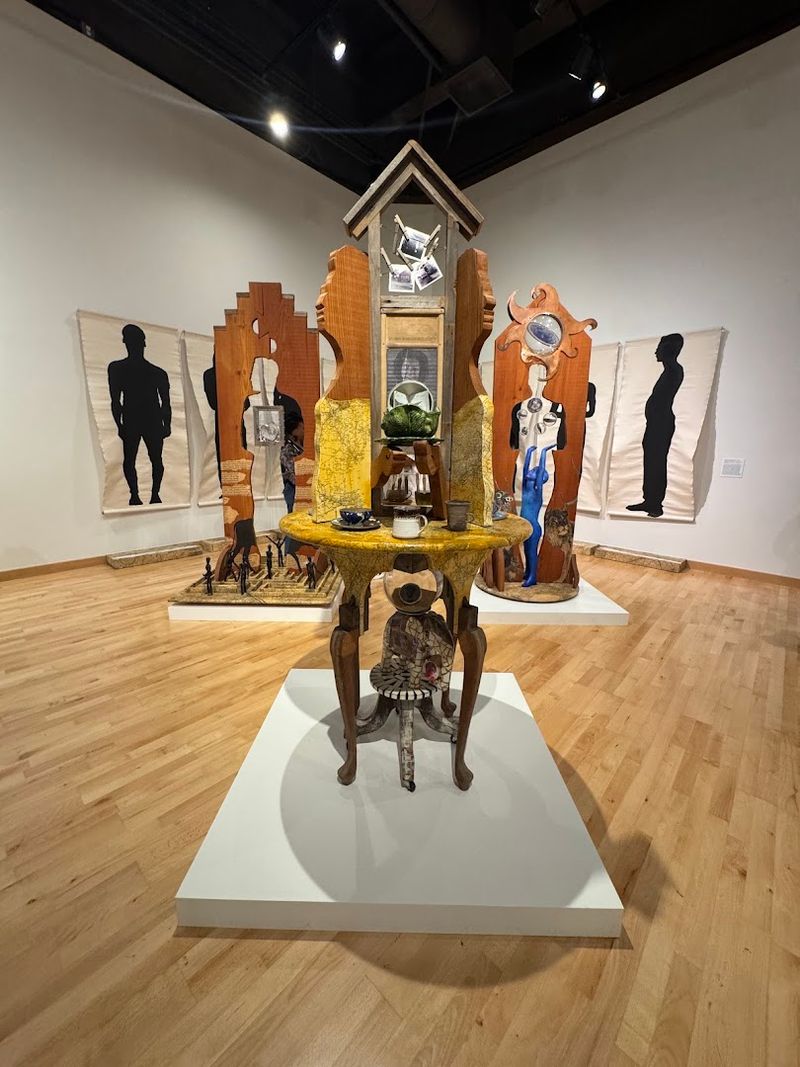
There is more here than what is on view in the galleries, and you can feel it in the way staff talk about the collection. The permanent holdings anchor the rotating shows, so threads keep weaving back through time instead of floating off.
When you glimpse pieces from the collection, you start to see how artists speak to one another across decades.
Research resources round it out, especially if you are the kind of person who likes to chase details. You can tell that scholars and students come here to do real work, which gives the whole place a backbone.
That seriousness does not make it stiff, though, it just means the stories have evidence behind them.
If you are curious, ask questions because staff here are generous with context. They will point you to names and neighborhoods that send you down the kind of rabbit holes you actually enjoy.
By the time you leave, you have not only seen art, you have added building blocks to your understanding of California and the wider country.
Programs And Events Bring The Place To Life Beyond The Walls
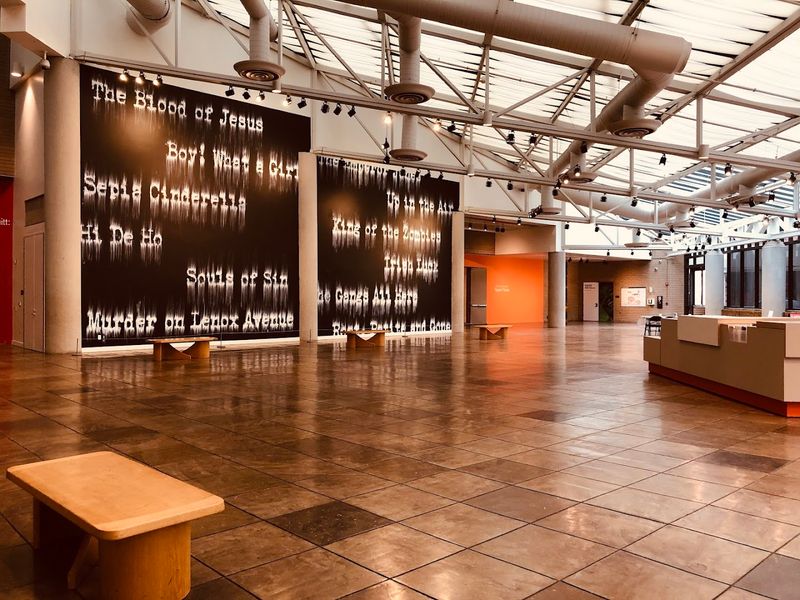
The museum is not quiet when the programs kick in, and I mean that in the best way. Talks, tours, and community gatherings fold the city right into the building, so the stories do not just sit on the walls.
You feel that spark when artists, historians, and neighbors share a room and trade notes.
I like checking the calendar before I go because catching a program changes the whole visit. A conversation with an artist can flip how you see a piece you passed earlier, and a panel can stitch big ideas to local blocks.
It stretches the visit from a walk to an experience that lingers after you step outside.
Even without a formal event, public programs leave traces in the spaces, like chairs stacked near a gallery or a stage tucked into the atrium. Those little signs remind you this museum is for gathering as much as looking.
It is a good reminder that culture lives in people first, and buildings like this help it travel.
Parking At Exposition Park And Other Arrival Tips Worth Knowing
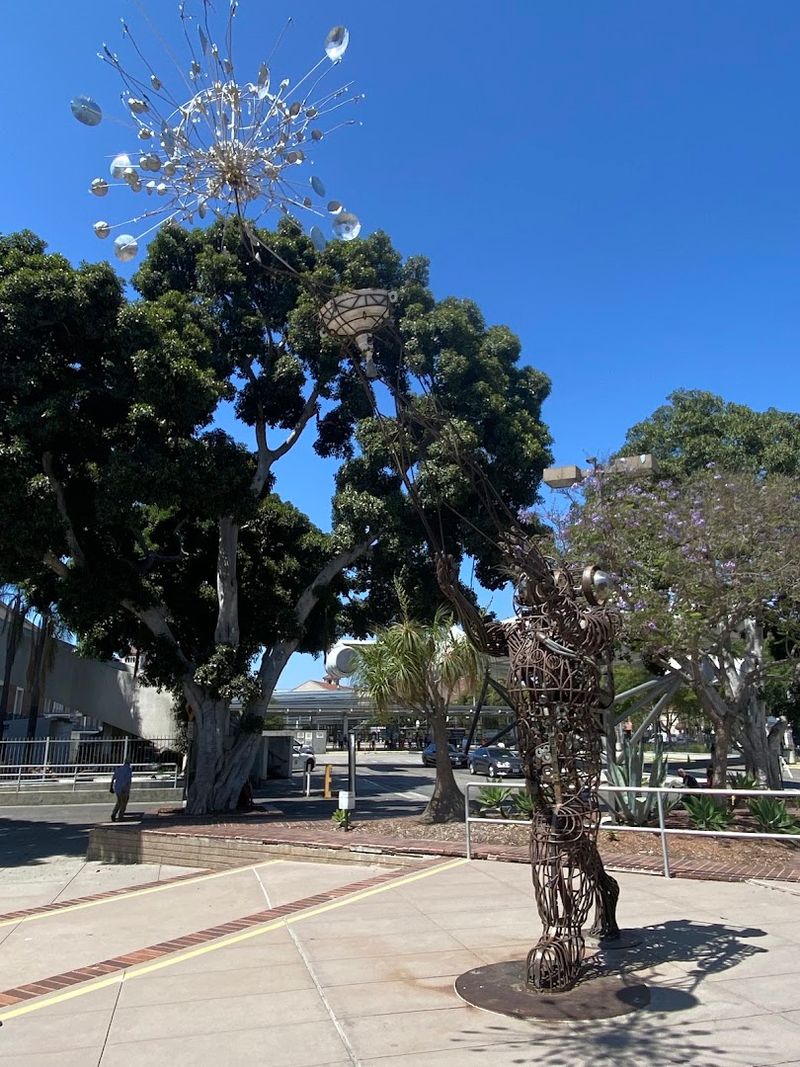
Parking around Exposition Park is straightforward if you give yourself a little buffer. Lots sit within a comfortable walk, and the paths are friendly, so you can settle into museum mode on the way in.
If there is a big event nearby, I like pulling in earlier and breathing for a minute before heading across the plaza.
Transit is a solid option too because the light rail and buses land you close enough to stroll. That takes the edge off weekend traffic and makes leaving feel easy, especially if the park is buzzing.
I have done both, and either way you end up arriving with enough calm to actually absorb what is inside.
One small tip, check wayfinding at the park entrances and follow the signs that point to the museums. The walk itself is part of the reset, with trees and wide lawns letting your brain slow down.
By the time you reach the doors, you are ready to meet the stories waiting for you.
Pair It With Nearby Exposition Park Stops For A Full, Smooth Afternoon
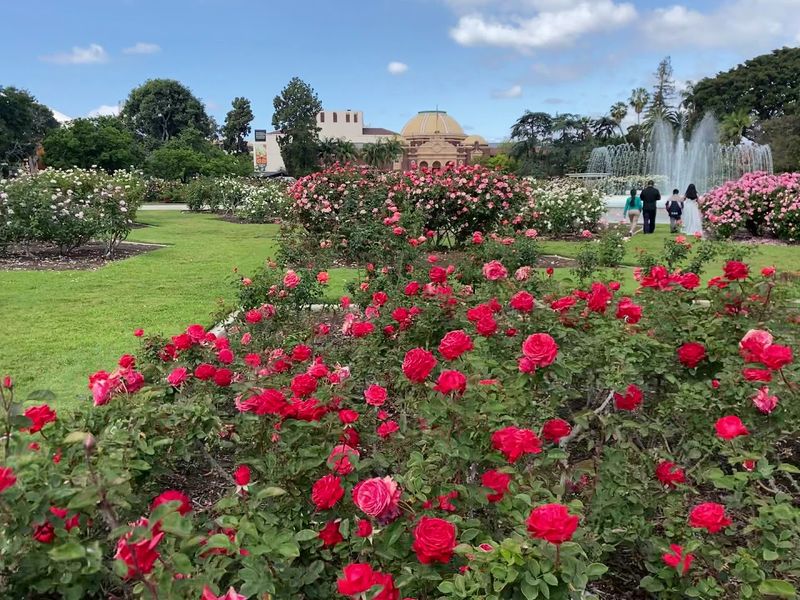
If you want to make a day of it, Exposition Park is generous without feeling hectic. I like starting at the California African American Museum while my brain is fresh, then stepping into the Rose Garden for a reset.
After that, you can wander toward the nearby museums or just loop the lawns and people watch.
This is where Los Angeles shines because you can stitch together a mellow circuit without getting in a car. The walk between stops is short and leafy, and the pace is yours, not dictated by lines.
By keeping it simple, the learning has room to settle instead of stacking into noise.
California days have a way of stretching when you do it like this. You leave with a mix of images, names, and textures that feel lived in rather than rushed.
And if you do not finish everything, great, now you have a reason to come back and let the next chapter find you.
Dear Reader: This page may contain affiliate links which may earn a commission if you click through and make a purchase. Our independent journalism is not influenced by any advertiser or commercial initiative unless it is clearly marked as sponsored content. As travel products change, please be sure to reconfirm all details and stay up to date with current events to ensure a safe and successful trip.
