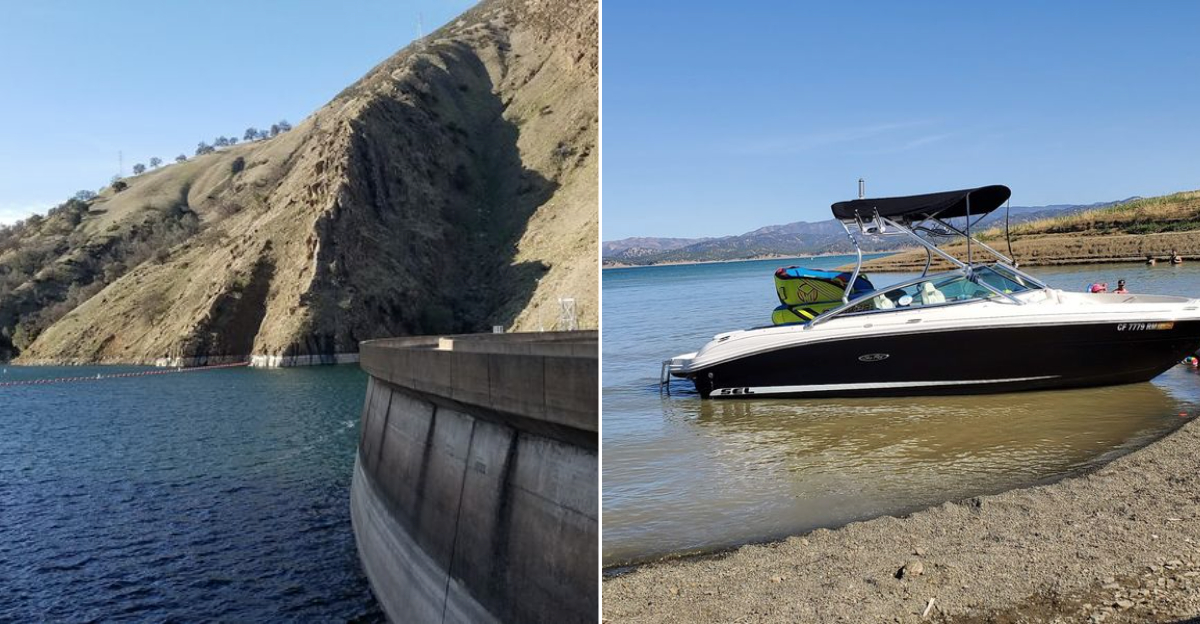
Have you ever seen a lake with a giant concrete funnel that swallows water like a bathtub drain? That is the surreal sight at this California recreation area, named for a lost town that now lies beneath the surface.
The famous “Glory Hole” spillway is rarely active, triggered only a handful of times in decades, but when it is, photographers flock from miles away. Beneath the water rests the town of Monticello, a small community that was condemned in the 1950s to make way for a dam.
Homes were demolished, graves were moved, and the rising waters erased what was once there. During extreme droughts, remnants of the old town sometimes reappear, a ghostly reminder of what was lost.
Today, the lake offers boating, fishing, and birdwatching, with ospreys and golden eagles soaring above.
So which Napa County reservoir hides a forgotten town beneath its 165 miles of shoreline? Pack a kayak and a sense of history. The water is beautiful, but the story underneath runs even deeper.
A Napa County Reservoir With A Buried Past
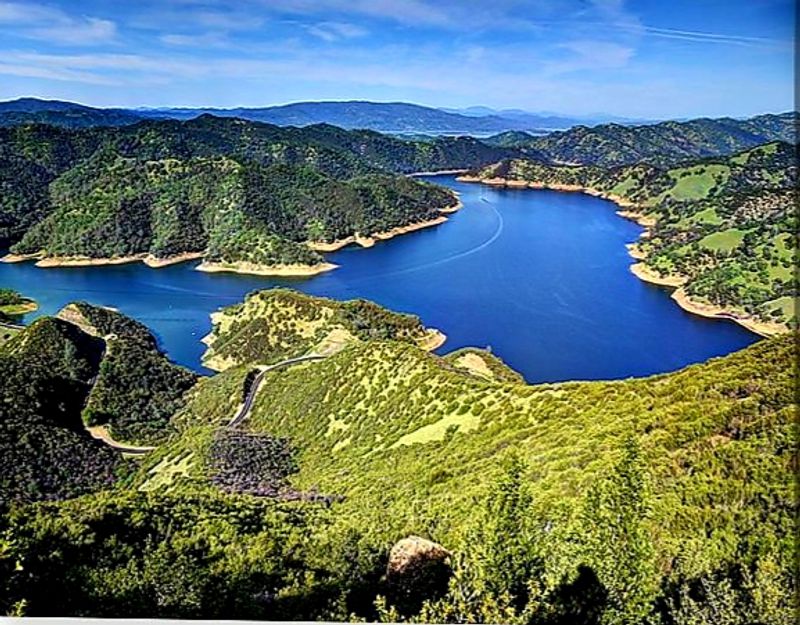
You roll up Knoxville Road and the lake suddenly stretches out, wide and blue, like it has been quietly waiting for you all week. The recreation area feels open and unhurried, with pullouts where you can step out, lean on the rail, and tune your ear to the hush that comes off the water.
It is beautiful in that California way that sneaks up on you, with oaks, grass, and a breeze that carries dust and memory in equal measure.
What makes this reservoir feel different is the ghost of a town beneath it, the one locals still mention with a soft tilt of the head. You stand at an overlook and try to picture streets and fences tracing the valley floor, now tucked under that reflected sky.
It is not a haunted feeling, exactly, more like a layered place where joy and loss found a compromise.
If you like to pair scenery with story, this spot is a gentle treasure hunt. Trailheads and day-use areas are spread around the shore, and each one seems to hold a clue you have to feel rather than find.
Give yourself time to wander without a plan, because the land is generous when you are not rushing, and the past tends to speak up once the wind settles.
The Town Of Monticello Once Thrived Here
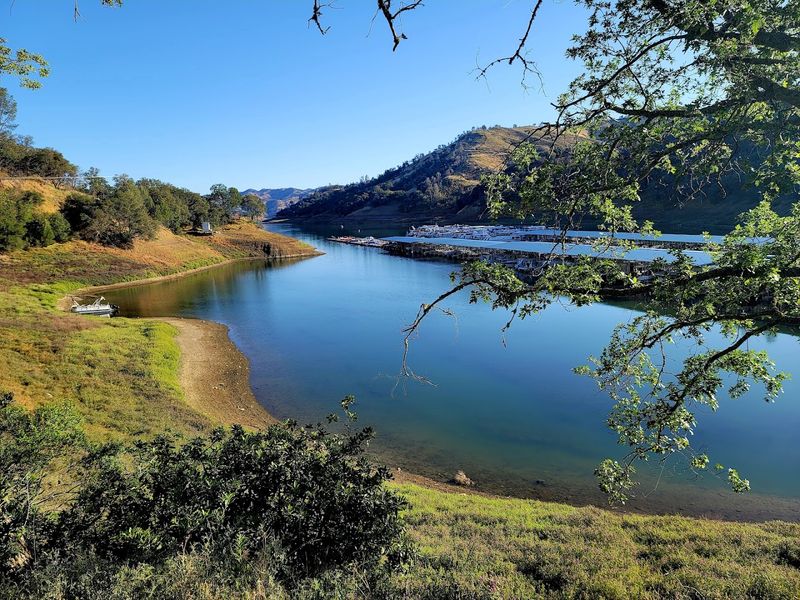
Picture a valley with tidy streets, a small square, and neighbors who knew each other by voice before they even rounded a corner. That was Monticello, a rural town that sat right here before the shoreline shifted and the map changed.
You can almost hear the everyday sounds if you stand still long enough, the creak of a gate, the thud of a boot, the low conversation riding the breeze.
What I love is how the lake asks you to imagine the town without trying to choreograph your thoughts. It is not curated like a museum, and there are no velvet ropes telling you how to feel about what used to be.
The shapes of the hills and the calm of the coves do the quiet guiding, and you fill in the rest with curiosity.
Monticello was not some distant legend for textbooks, it was a living place where people laughed hard and worried softly, just like anywhere else. When you look across the water from a shaded turnout, that human scale comes back into focus.
The town may be hidden now, but the personality of the valley still rises with the heat and settles with the evening light, which is why this part of California gets under your skin so easily.
Farms And A Rodeo Defined Daily Life
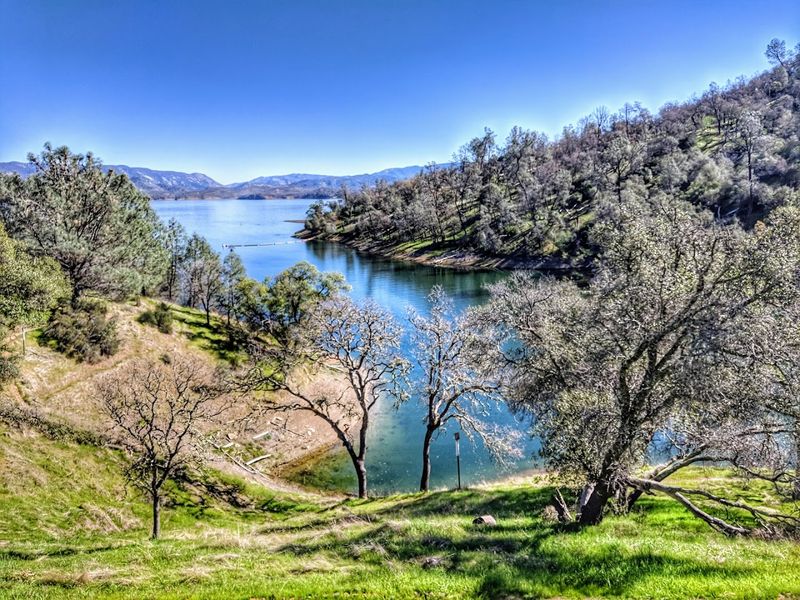
Before the lake, this valley worked hard. Fields rolled out where the water now spreads, and the rhythms were set by seasons, chores, and a community calendar that always seemed to include a dusty arena and big cheers.
You do not need an exhibit to feel it, because the ranchland lines are still etched into the hills if you let your eyes wander long enough.
Stand by the waterline and you can almost map fence rows, barns, and bleachers in your head, the way memory does when it borrows from scent and sound. The breeze pulls across the grass with a steady hand, like it learned from years of passing over hay and canvas and saddle leather.
You start to realize the lake is not just depth and distance, it is a mirror reflecting routines that shaped real lives.
This is where California feels grounded, far from coastal swirl and city hum. The rodeo crowds might be gone, but the spirit of gathering is still tucked into picnic spots and trail junctions, where strangers trade nods and advice about which cove is calmer.
If you pause at one of those wooden tables and look out, the day turns into a conversation between then and now, and you get to listen from the best seat in the house.
The Bureau Of Reclamation Planned A Dam
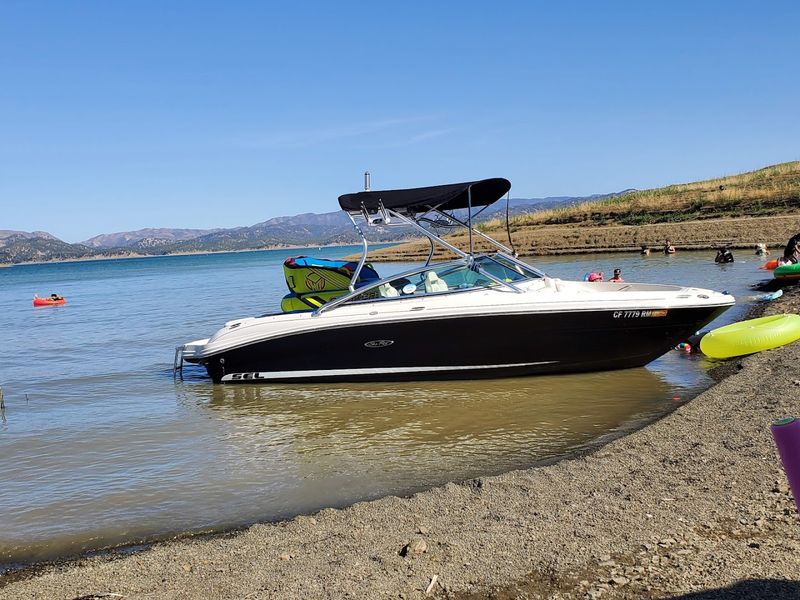
Somewhere in the paperwork and planning sessions, a new future for this valley took shape, and you can feel that hinge point while looking across the water. Agencies drew lines on maps, engineers calculated flows, and the idea of a dam turned from proposal into trajectory.
Out here, the quiet does something kind to the complicated parts, giving you space to hold progress and loss at the same time.
Walk an overlook near the creek-fed arms of the lake, and the topography starts to explain the decision better than any report could. The steep folds guide water like a set of cupped hands, and the outlet gap frames everything with a certain inevitability.
You may not agree with the choice, but the landscape makes the logic legible, which is why the view keeps you standing a little longer than planned.
California has always been a conversation about water, storage, and who gets to turn the valves. Thinking about that while you rest your elbows on a rail feels surprisingly personal, because the shoreline is right there under your fingertips.
You look from cove to ridge and back again, and the whole story settles into place the way a map clicks into focus when you finally fold it right.
Monticello Dam Rose Across Putah Creek
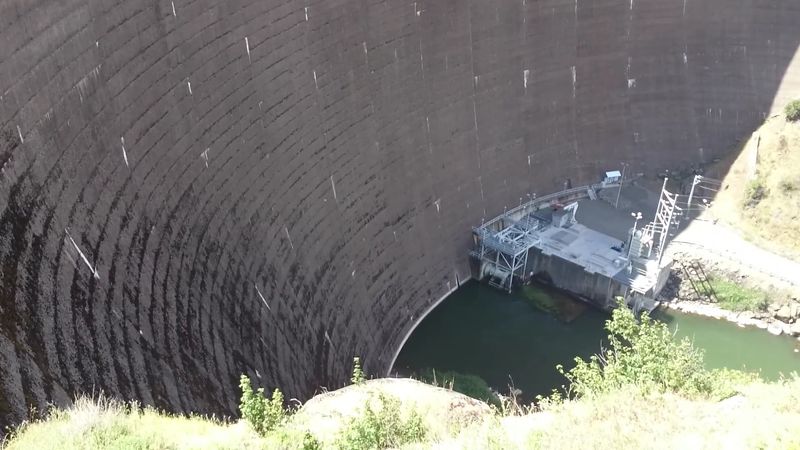
From the official lookout, the dam looks both simple and astonishing, a clean arc holding back an entire valley’s worth of story. The concrete reads like a single sentence, but you know it took a chorus of decisions and a mountain of labor to lay every line.
Standing there, you feel your voice drop without thinking, the way it does in big rooms and quiet churches.
The canyon walls close in around the structure, and the spillway sits off like a calm eye, waiting for storm season to do its work. You can trace the seams and joints with your gaze, and it becomes a kind of meditation, slow and steady.
The sound is mostly wind and the faint rush from below, which is exactly enough to keep your thoughts moving.
What surprises me most is how the dam reshapes your sense of time. It compresses the valley’s past into a single edge, and it stretches the present out across miles of water that gleam like a sky you can touch.
If you needed a reason to see how California builds and remembers at the same time, this is the spot where both truths hold each other without letting go.
The Valley Flooded In Nineteen Fifty Seven
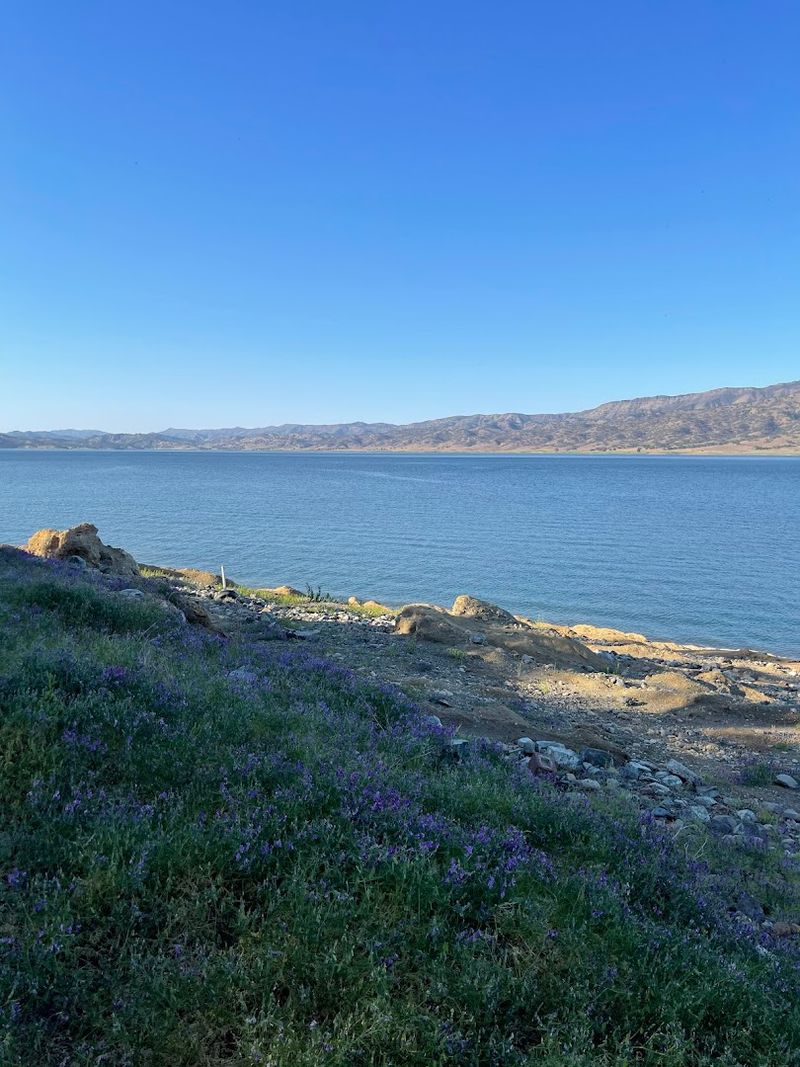
Say the year out loud and the word flooded follows right behind it in your mind, heavy and certain. The valley did not vanish in a moment, it filled in stages, the way rain creeps across a windshield before becoming a sheet.
When you stand by the water now, the stillness feels like the final paragraph of a long, complicated letter.
I catch myself imagining the last dry fencepost, the last dusty track, and how the sound must have changed as the first waves touched the grasses. There is a tenderness to that picture, not a spectacle, more like a careful closing of a door.
The lake carries that tenderness well, balancing sparkle with gravity in a way that keeps you honest while you look.
If you are with someone who has never heard this story, it helps to walk slowly and talk softly. Let the shoreline do the pacing, because the place already knows how to hold a quiet moment without rushing it.
California has endless loud wonders, but here the wonder is measured in pauses, in the hush between your words, and in the way the water keeps its own counsel.
Residents Left Their Homes Behind Forever
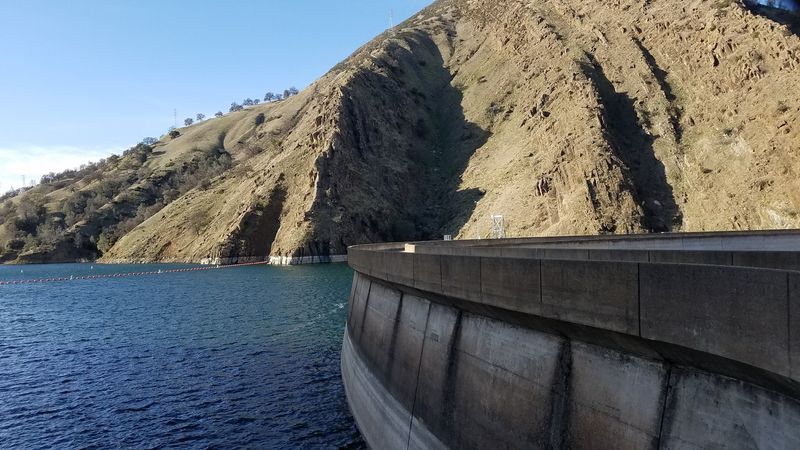
It is impossible not to think about doorways closing and keys handed over, even if those keys were just habits and handshakes. People packed what they could, and the rest stayed with the land, folded into fields and walls that would soon go quiet.
When I look across the water, I find myself picturing small rooms full of sunlight and goodbyes that tried to be brave.
There is a bench at one overlook that makes this reflection feel natural rather than staged. You sit, you breathe, and the lake gives you permission to hold a complicated feeling without apologizing for it.
The surface looks effortless from here, but you know the valley below is carrying a library of moments.
Walking back to the car, you might speak more softly without meaning to. That is what places like this do, they shape your voice to the story they carry.
And because this story belongs to California as much as to this county, you end up driving away with a wider sense of belonging, like the road just added a quiet room to the house you keep in your head.
Low Water Levels Reveal Old Foundations
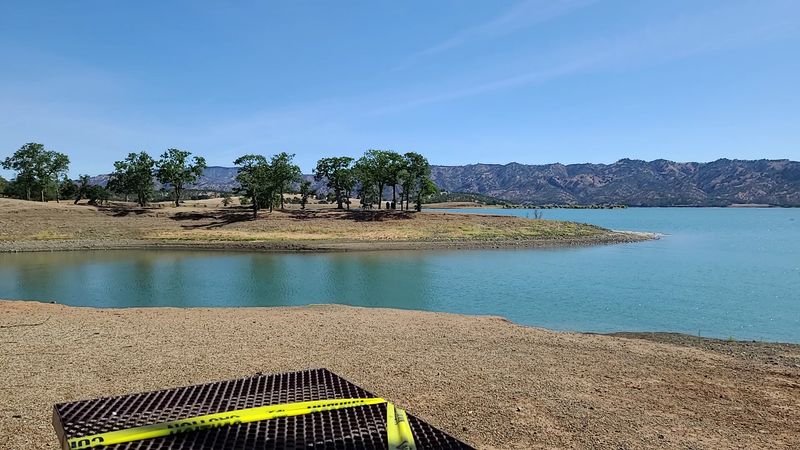
Every now and then, when the lake drops, the past clears its throat. You will hear about foundations showing themselves in the shallows, square edges that do not belong to shore or stone.
It is a startling sight, partly because it proves the stories, and partly because it shifts the lake from mystery to map right in front of you.
If you encounter that scene, go slow, look, and leave everything exactly as you found it. The rules ask for that respect, and honestly, the mood of the place does too.
It feels like stepping into a family album, and the last thing you want to do is smudge a photograph someone else still cherishes.
There is a different kind of beauty on those days, spare and careful, with colors that lean toward pewter and sage. You notice little things, like the pattern of silt on a broken edge or the way tiny fish stitch between shadows.
California has big drama along its coasts and peaks, but this is the quiet drama of patience, where time decides to show its hand for a moment, then slips it back into the sleeve.
Drought Years Expose The Town’s Remains
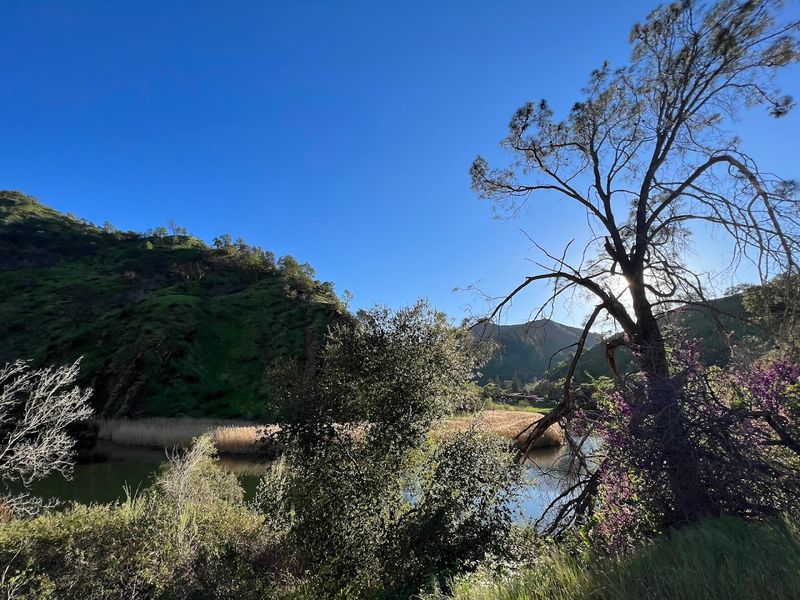
When the state runs thirsty and the lake pulls back, the valley speaks in shapes. Blocks, steps, and scattered lines start to suggest rooms and paths, like a blueprint drawn in a hurry and left out in the weather.
You stand there and feel your timeline stretch, because the ground under your shoes is suddenly carrying two stories at once.
I always tell friends to keep voices low out of simple decency, the same way you would in an old church or a small-town museum. Take your photos, sure, but also take a minute to breathe and let the weight of it find you.
The air tastes dry and metallic on those days, and somehow that tiny detail anchors everything.
Back at the car, you might look at the lake’s broad face and feel gratitude for the water that remains, even while thinking about the rooms that rise when it retreats. That mix of feeling is part of the California experience, where cycles keep teaching the same lesson in fresh handwriting.
Driving away, the hills look familiar again, but the story you carry has new edges and a softer center.
