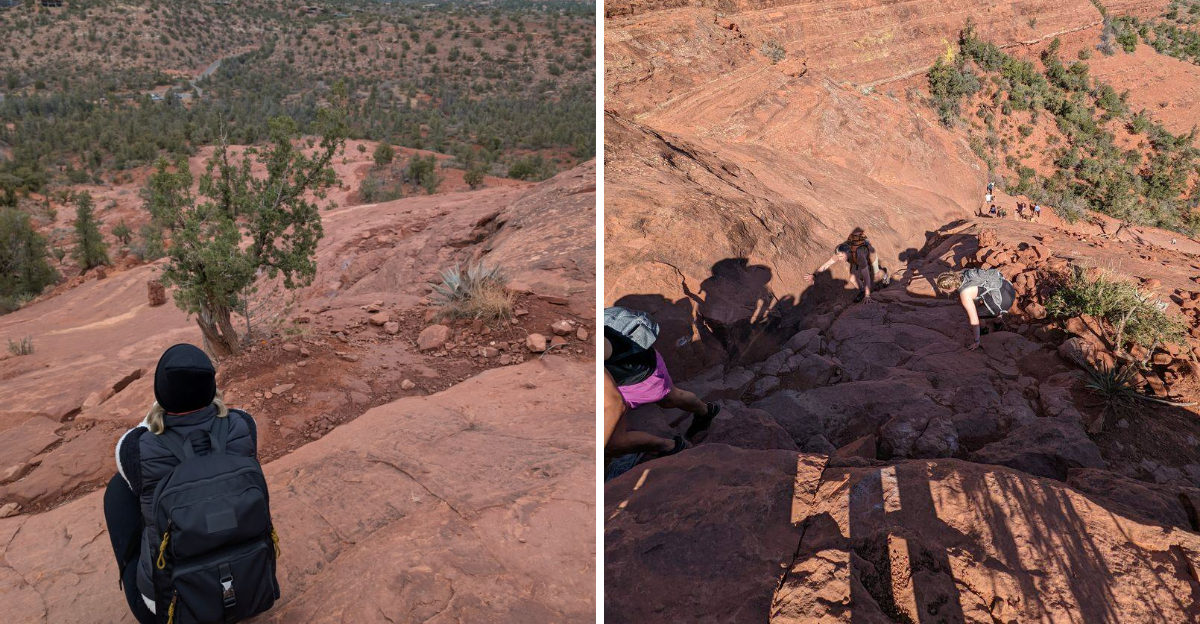
Cathedral Rock Trail stands as one of Sedona’s most photographed landmarks, drawing thousands of visitors each year to witness its stunning red rock formations and panoramic vistas.
This short but challenging 1.4-mile trail has become increasingly popular, transforming from a quiet hiking spot into a bustling outdoor destination that sees heavy foot traffic daily.
The surge in visitor numbers has brought significant changes to the natural environment, from widened trails to altered wildlife patterns.
Understanding how crowds impact this beloved landmark helps us appreciate the delicate balance between sharing nature’s beauty and preserving it for future generations.
The following seven ways reveal the profound effects that human presence has had on Cathedral Rock Trail and what these changes mean for both the landscape and the hiking experience.
Trail Erosion and Widening from Constant Foot Traffic
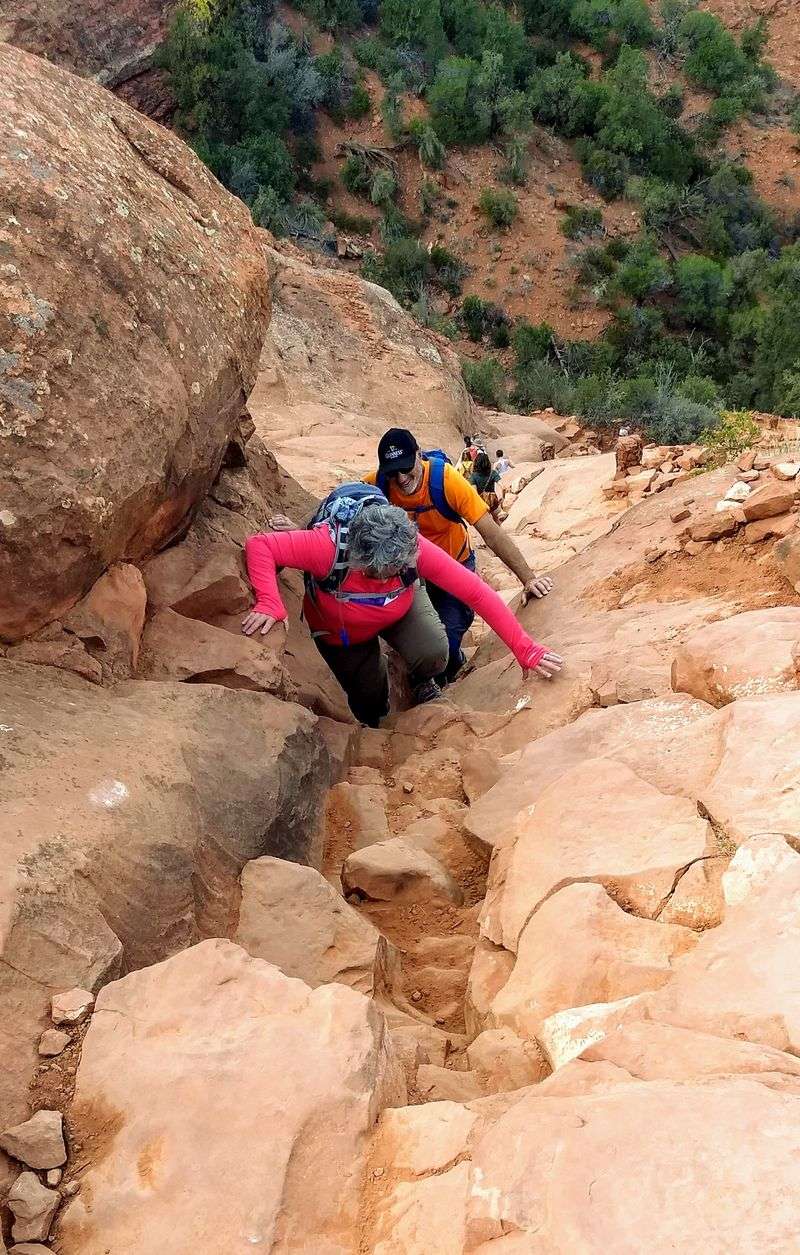
Thousands of boots hitting the same path every single day create visible scars on the landscape that grow larger with each passing season.
Cathedral Rock Trail, located at Sedona, AZ 86336, has experienced significant trail widening as hikers step off the designated path to avoid muddy spots or crowded sections.
What once was a narrow footpath has expanded in many areas to three or four times its original width, with vegetation trampled and soil compacted beyond recovery.
The steep sections of the trail show the most dramatic erosion, where loose red sandstone crumbles under the weight of countless footsteps.
Rainwater then channels down these eroded paths, carrying away more soil and creating deeper gullies that make the hike more difficult and dangerous.
Land managers have installed wooden steps and rock barriers in some areas to direct foot traffic and prevent further damage, but these fixes address symptoms rather than the root cause of overcrowding.
Social trails have also emerged as impatient hikers create shortcuts between switchbacks or seek alternative routes when the main trail becomes congested.
These unauthorized paths fragment the landscape and increase the overall footprint of human impact on the fragile desert ecosystem.
Native plants that once anchored the soil with their root systems have disappeared from high-traffic zones, leaving bare earth vulnerable to wind and water erosion.
The cumulative effect transforms the hiking experience itself, as navigating around eroded sections and wider trails diminishes the sense of wilderness that originally attracted visitors to Cathedral Rock.
Restoration efforts require trail closures and years of recovery time, but with visitor numbers continuing to climb, finding windows for rehabilitation becomes increasingly challenging.
This visible degradation serves as a stark reminder that even durable-seeming rock formations cannot withstand unlimited human pressure without suffering lasting consequences.
Parking Chaos and Roadside Safety Concerns
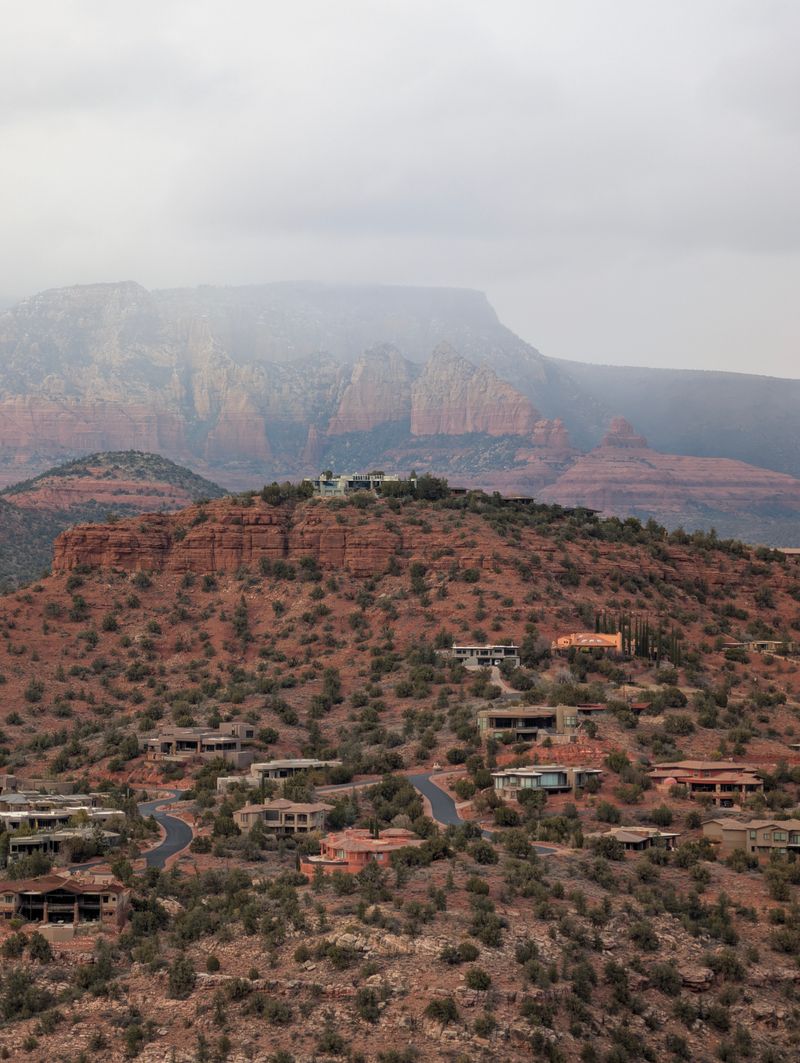
Arriving at Cathedral Rock Trail during peak hours often means circling for parking or giving up entirely as vehicles line both sides of the narrow access road.
The official parking area fills by sunrise on most days, forcing visitors to park along Back O Beyond Road where shoulders barely accommodate compact cars.
This overflow parking creates hazardous conditions as hikers walk along the roadway without sidewalks or adequate space between themselves and passing vehicles.
Local residents have voiced concerns about the constant stream of unfamiliar drivers navigating the winding roads while distracted by scenery and GPS directions.
Near-miss accidents occur regularly, and emergency vehicles sometimes struggle to access the trailhead when cars block critical access points.
The parking shortage also leads to trespassing on private property, with desperate visitors pulling into residential driveways or parking on land clearly marked with no-parking signs.
Weekend and holiday crowds amplify these problems exponentially, with some visitors arriving as early as five in the morning just to secure a parking spot.
This early-bird competition has shifted the entire rhythm of the trail experience, turning what should be a leisurely outdoor adventure into a stressful race against other hikers.
Tempers flare in the parking areas as frustrated visitors compete for spaces, and confrontations between hikers and property owners have become increasingly common.
The inadequate parking infrastructure reveals a fundamental mismatch between the trail’s carrying capacity and its current popularity.
Expanding parking lots would require disturbing more natural habitat and potentially encouraging even greater visitation, creating a difficult dilemma for land managers.
Some have suggested shuttle systems or timed-entry permits, but implementing such solutions requires funding, coordination, and political will that have not yet materialized.
Until meaningful solutions emerge, the parking chaos continues to degrade both the visitor experience and neighborhood quality of life.
Wildlife Displacement and Behavioral Changes
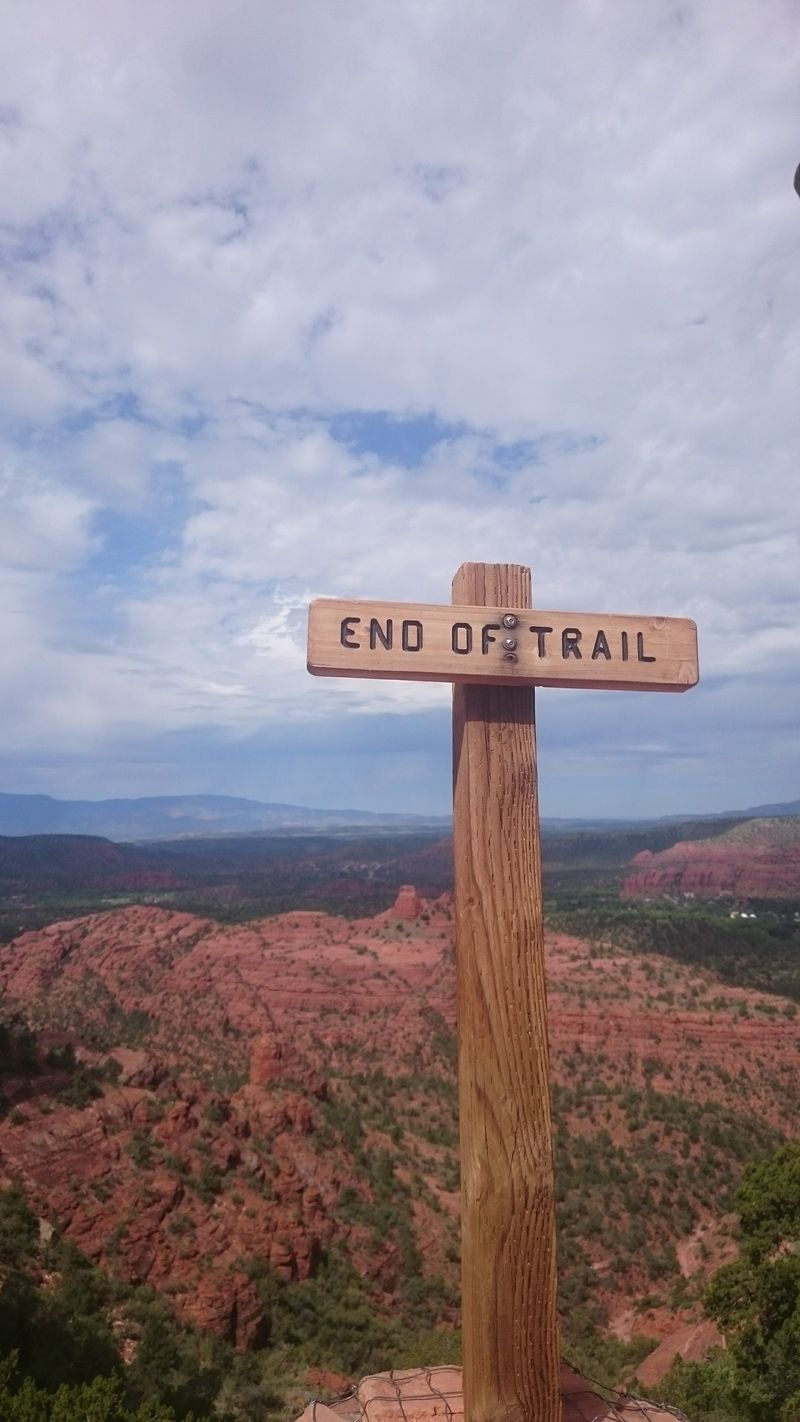
Animals that once roamed freely around Cathedral Rock now avoid the area during daylight hours when human activity peaks.
Javelinas, mule deer, and coyotes that historically used the trail corridor as part of their daily movement patterns have shifted their habits to early morning and evening hours.
Bird species sensitive to disturbance have declined in the immediate vicinity of the trail, with nest abandonment documented in areas that experience constant noise and movement from hikers.
The presence of so many people disrupts natural feeding behaviors and increases stress levels in wildlife populations.
Animals expend valuable energy fleeing from perceived threats rather than foraging or caring for young, which can impact their overall health and reproductive success.
Some species have become habituated to human presence, leading to problematic behaviors like approaching hikers for food or losing their natural wariness of people.
The ripple effects extend beyond the immediate trail area as displaced wildlife concentrates in surrounding habitats that may already be at capacity.
This compression increases competition for resources and can lead to population declines as territories become overcrowded.
Predator-prey relationships shift when animals alter their activity patterns, potentially disrupting ecological balance throughout the broader landscape.
Hikers often fail to recognize their impact on wildlife, assuming that animals simply move away temporarily and resume normal activities once people pass.
The reality involves chronic stress, habitat fragmentation, and long-term population changes that diminish biodiversity in one of Sedona’s most iconic natural areas.
Protecting wildlife requires not just preserving land but also managing human access to allow animals the space and quiet they need to thrive.
As visitation continues to grow, finding ways to minimize wildlife disturbance becomes increasingly urgent for maintaining the ecological integrity that makes Cathedral Rock special.
Litter and Human Waste Accumulation
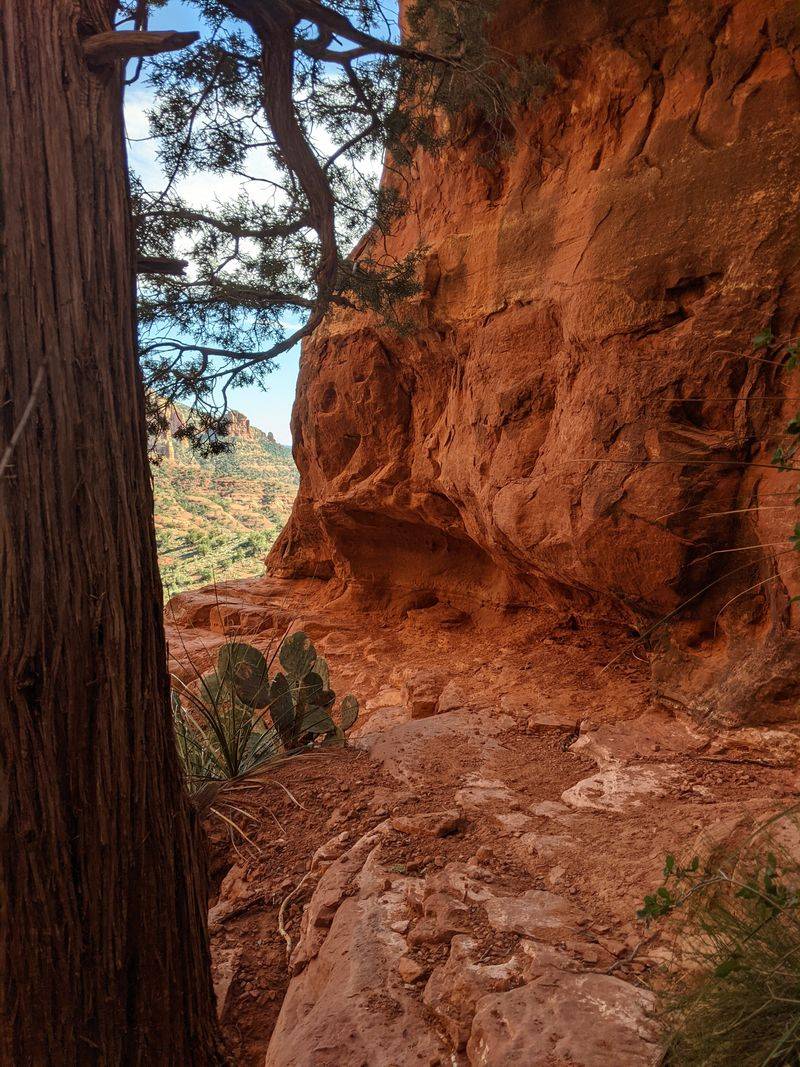
Despite posted regulations and volunteer cleanup efforts, Cathedral Rock Trail struggles with persistent litter problems that mar the natural beauty visitors come to experience.
Water bottles, energy bar wrappers, and discarded tissues appear along the trail and tucked behind rocks where hikers attempt to hide their trash.
The problem intensifies during peak season when the sheer volume of visitors overwhelms the limited trash receptacles at the trailhead, causing overflow that scatters in the wind.
Human waste presents an even more serious concern as the short trail lacks restroom facilities and many visitors fail to follow Leave No Trace principles.
Toilet paper flowers bloom behind bushes near popular rest spots, and the odor of human waste becomes noticeable in certain areas during hot weather.
This contamination poses health risks to other hikers and pollutes the soil and groundwater that support the entire ecosystem.
The lack of infrastructure reflects the trail’s origins as a lightly used path that never anticipated current visitation levels.
Installing permanent restroom facilities would require significant investment and ongoing maintenance, yet the absence of such amenities guarantees continued environmental degradation.
Some visitors argue that basic facilities would only encourage more crowds, creating a catch-22 situation with no easy resolution.
Volunteer groups organize regular trash pickups, but they cannot keep pace with the daily accumulation from hundreds of visitors.
Educational signs remind hikers to pack out what they pack in, yet a significant percentage of visitors either ignore these messages or assume someone else will clean up after them.
The litter problem extends beyond aesthetics, as wildlife can ingest plastic items or become entangled in discarded materials.
Addressing this issue requires a combination of better infrastructure, stronger enforcement, visitor education, and perhaps most importantly, a cultural shift toward greater personal responsibility for environmental stewardship.
Noise Pollution Shattering Natural Soundscapes
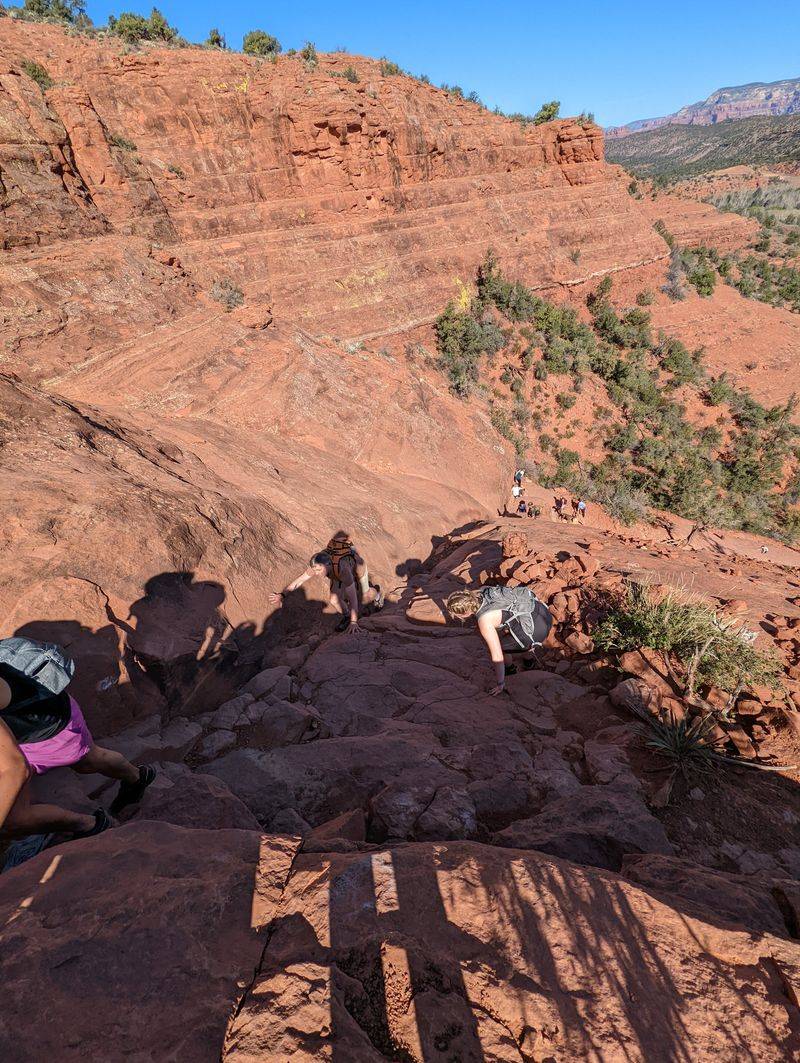
The natural quiet that once defined the Cathedral Rock experience has been replaced by a constant soundtrack of human voices echoing off the red rock walls.
Conversations, laughter, music from portable speakers, and the clicking of camera shutters create a noise level more reminiscent of an urban park than a wilderness area.
This auditory intrusion fundamentally changes the character of the place, eliminating opportunities for the peaceful reflection and connection with nature that many visitors seek.
Studies show that noise pollution affects not just human enjoyment but also wildlife behavior, plant pollination, and overall ecosystem health.
Birds must sing louder to communicate over human noise, expending extra energy and potentially missing important alarm calls from other species.
The constant din disrupts the subtle sounds of wind through juniper trees, water trickling over rocks, and the rustle of small animals moving through vegetation.
Some hikers play music through phone speakers or Bluetooth devices, apparently oblivious to how sound carries in the open landscape.
Large groups often dominate narrow trail sections, making it impossible for other visitors to find quiet spaces even if they deliberately seek solitude.
The summit area, which could accommodate perhaps a dozen people comfortably, sometimes hosts thirty or more visitors simultaneously, all competing to be heard over each other.
This noise issue reflects broader questions about appropriate behavior in natural areas and whether wilderness values can coexist with mass tourism.
Enforcing quiet zones would require ranger presence that current budgets cannot support, and many visitors resist any restrictions on their freedom to enjoy the outdoors as they choose.
The loss of natural soundscapes represents an intangible but significant degradation of the Cathedral Rock experience.
Future visitors may never know the profound silence that once made this place truly special, as the baseline for acceptable noise levels shifts upward with each passing year.
Vegetation Damage and Invasive Species Introduction
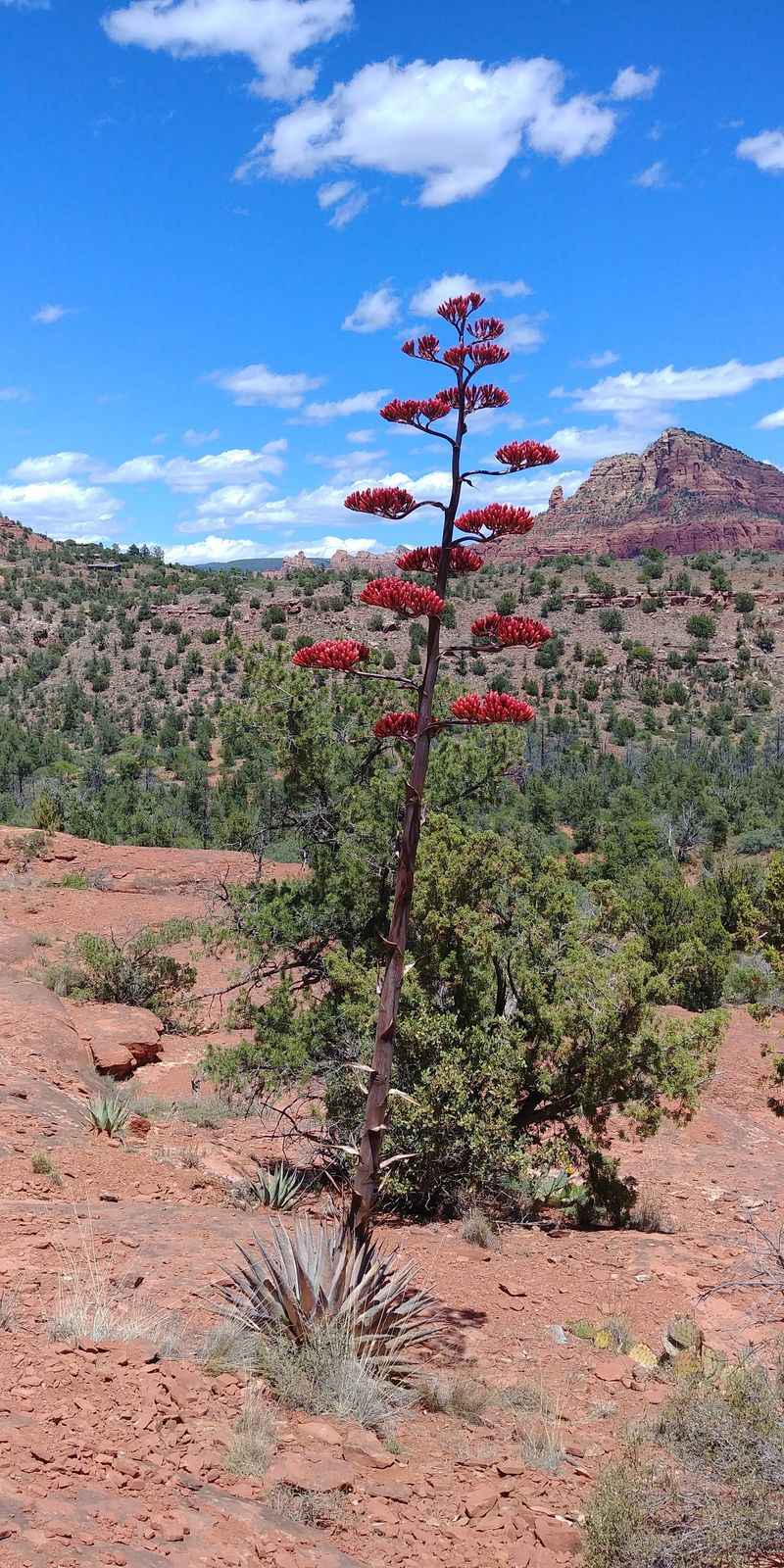
Native plants that evolved over thousands of years to thrive in Sedona’s harsh desert conditions face new threats from trampling, soil compaction, and invasive species carried on hiking boots.
Delicate wildflowers that once bloomed along the trail margins have disappeared from high-traffic areas, unable to survive the constant disturbance.
Shrubs and small trees show broken branches where hikers grab them for support on steep sections, leaving wounds that invite disease and pest infestation.
Soil compaction from heavy foot traffic reduces water infiltration and oxygen availability, making it nearly impossible for plants to establish or maintain healthy root systems.
The bare zones spreading outward from the main trail represent not just aesthetic damage but functional ecosystem loss, as these plants provide food and shelter for wildlife, stabilize soil, and contribute to the area’s unique character.
Recovery times for damaged desert vegetation can span decades, meaning the impacts visible today will persist long into the future.
Invasive plant species hitchhike to Cathedral Rock on clothing, gear, and vehicle tires, finding disturbed areas along the trail ideal for colonization.
These non-native plants often lack natural predators and can outcompete native species for limited water and nutrients.
Once established, invasive plants alter fire regimes, change soil chemistry, and create monocultures that support less diverse wildlife populations.
Few visitors recognize the botanical damage occurring beneath their feet or understand how their presence contributes to the problem.
Staying on designated trails helps minimize impact, but when trails become congested, people naturally step aside to let others pass, gradually expanding the zone of disturbance.
Restoration projects attempt to revegetate damaged areas, but success rates remain low without simultaneously addressing the root cause of overcrowding.
Protecting Cathedral Rock’s unique desert flora requires not just planting native species but fundamentally rethinking how many people this landscape can sustainably accommodate.
Loss of Solitude and Wilderness Experience
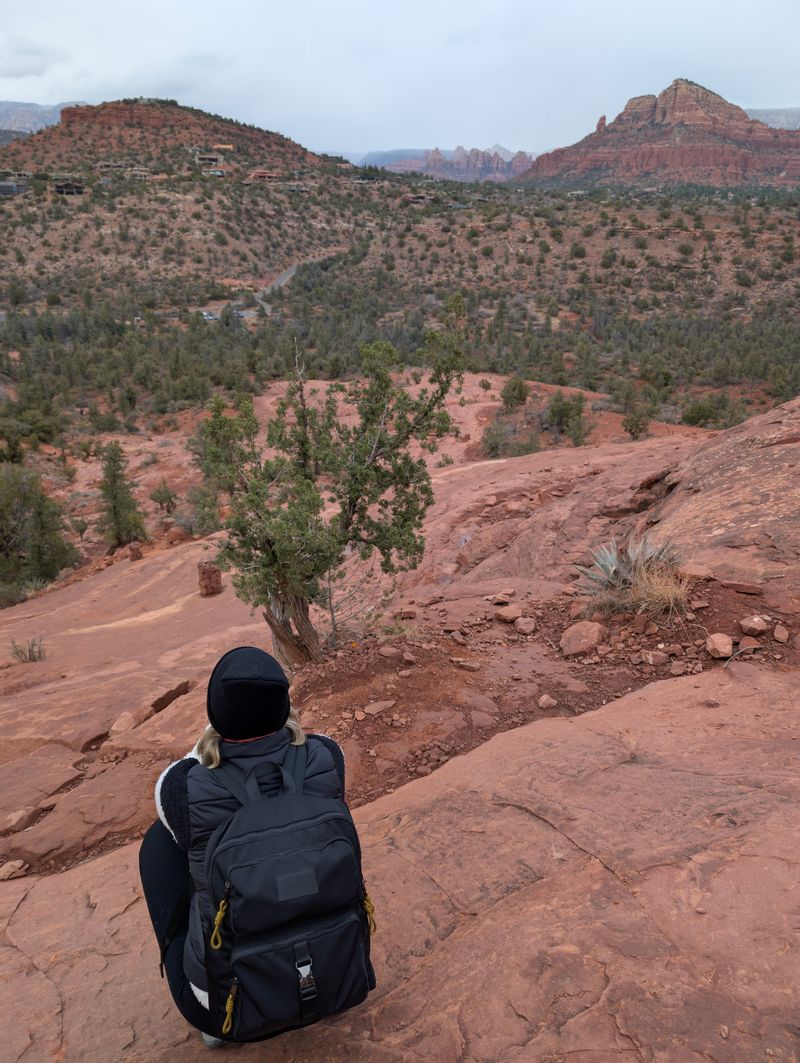
Cathedral Rock once offered hikers a genuine sense of escape and solitude, but those qualities have become nearly impossible to find during most visiting hours.
The trail now functions more like a queue at an amusement park, with hikers waiting their turn to scramble up steep sections or pose for photos at popular viewpoints.
This transformation affects the psychological and spiritual benefits that draw people to natural areas in the first place, replacing contemplation with crowd management.
Research consistently shows that nature experiences provide mental health benefits, stress reduction, and enhanced creativity, but these effects diminish significantly in crowded conditions.
When hikers spend their time navigating around other people rather than engaging with the landscape, they miss the restorative experiences that make outdoor recreation valuable.
The constant presence of others creates social pressure to keep moving rather than pausing to observe wildlife, examine rock formations, or simply sit quietly with one’s thoughts.
Photography enthusiasts face particular frustration as capturing an image without other people requires patience, luck, or extensive photo editing.
The iconic views that appear in guidebooks and social media posts increasingly represent idealized versions of an experience that no longer exists for most visitors.
This disconnect between expectation and reality leads to disappointment and may drive people to visit even earlier or venture off-trail seeking the solitude they expected to find.
The loss of wilderness character raises philosophical questions about what we value in natural areas and whether popular destinations can maintain their essential qualities under heavy use.
Some argue that crowding is simply the price of accessibility and that more people experiencing nature creates broader support for conservation.
Others contend that loving a place to death serves neither the land nor the people who visit it.
Finding solutions requires honest conversations about carrying capacity, access management, and what we hope future generations will inherit when they visit Cathedral Rock.
Dear Reader: This page may contain affiliate links which may earn a commission if you click through and make a purchase. Our independent journalism is not influenced by any advertiser or commercial initiative unless it is clearly marked as sponsored content. As travel products change, please be sure to reconfirm all details and stay up to date with current events to ensure a safe and successful trip.
