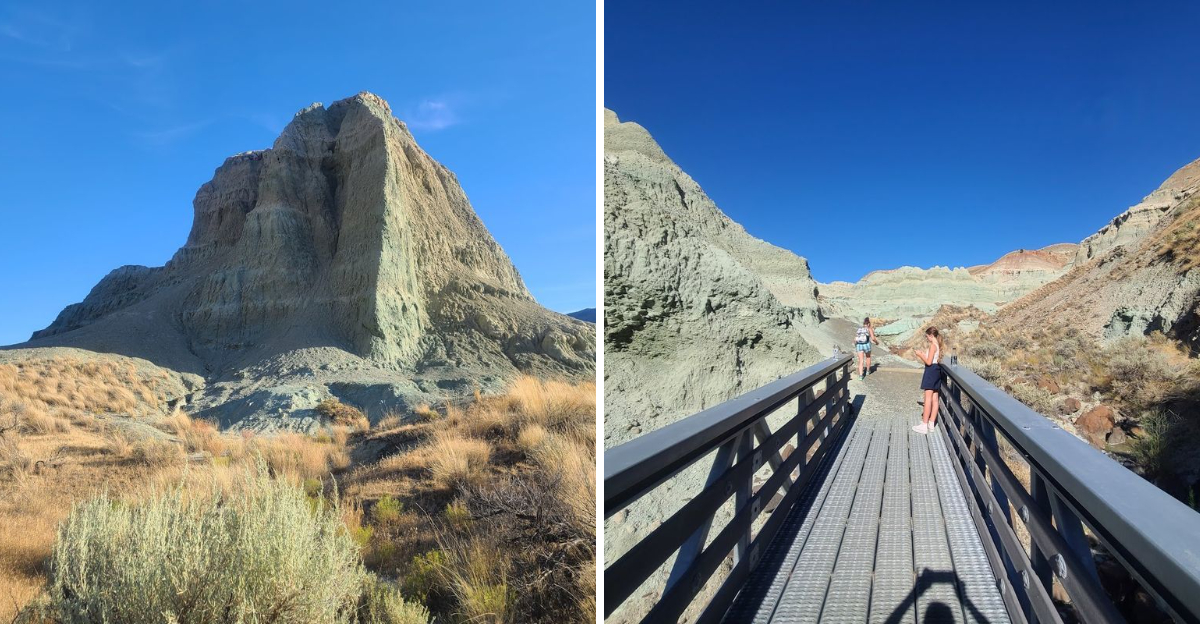
Finding this spot in Central Oregon felt like stumbling into a painting. The water glows a surreal seafoam green, shimmering in a way that almost doesn’t seem real.
I couldn’t stop staring, trying to convince myself it wasn’t some trick of light. The surrounding landscape only adds to the magic, with rugged rocks and soft greenery framing every view.
Wading in or just dipping a hand into the cool water feels like touching something otherworldly. Even after leaving, the color lingers in my mind, refusing to let go.
It’s the kind of place that makes you question whether nature can actually outdo imagination.
What Exactly Are the Blue Banks
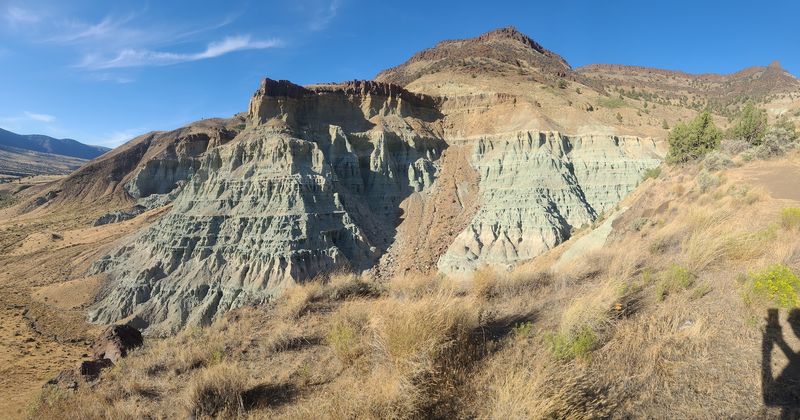
Not every natural landmark earns its name this well. The Blue Banks are a series of dramatic cliffs and badland formations found in the John Day Fossil Beds area of Central Oregon.
Their color comes from ancient volcanic ash deposits that have slowly mineralized over millions of years.
The greenish-blue tones you see are caused by a mineral called celadonite. It forms when volcanic glass reacts with water over a very long time.
The result is this almost surreal palette of seafoam, sage, and pale turquoise pressed into the hillsides.
Geologists consider this area one of the best-preserved records of prehistoric Oregon. The layers in these cliffs tell a story going back around 30 million years.
Each band of color represents a different volcanic event or climate period. It feels less like a hiking spot and more like reading a book written by the earth itself.
The terrain is rugged, with loose soil and sharp ridges, so good footwear and careful footing are essential for anyone exploring up close. Wildlife is sparse but present, with hawks often circling overhead and small mammals darting between rock outcroppings.
Sunset is a particularly magical time here, as the low light deepens the blues and greens, making the cliffs appear almost otherworldly.
The Colors That Stop You Cold
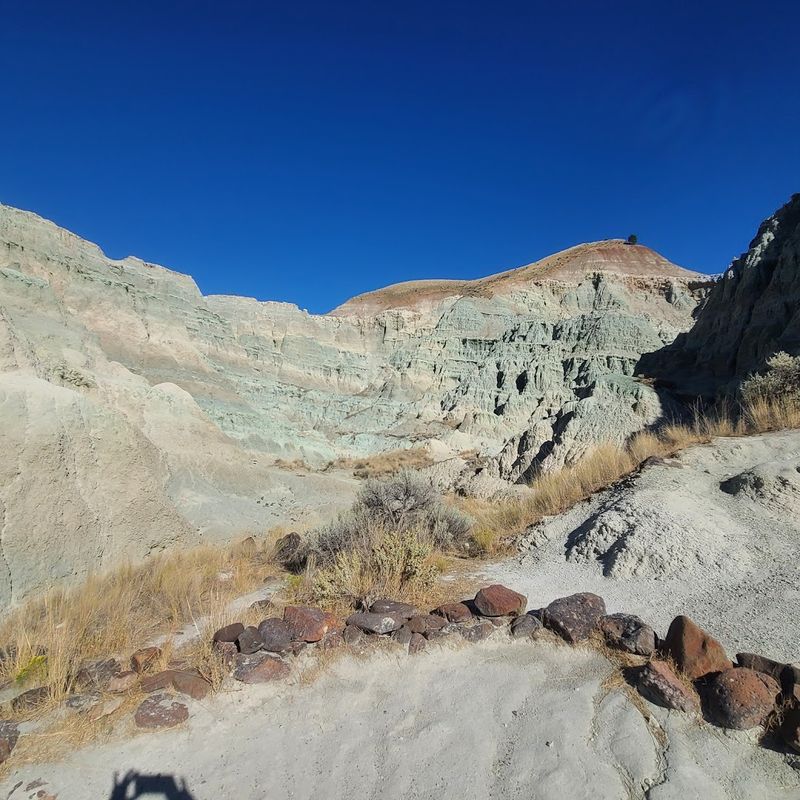
The first time the Blue Banks come into full view, most people just stop walking. The colors are that striking.
Shades of mint, sage, and pale aqua stack on top of each other in clean horizontal bands along the cliff walls.
Sunlight changes everything here. In the early morning, the greens look cool and almost glassy.
By midday, they warm slightly and take on a more golden-green tone. Late afternoon light makes the whole formation look like it is quietly glowing from within.
I kept circling back to look at different sections of the banks. Some patches look almost powdery, like someone dusted them with chalk.
Others have a harder, more mineral sheen. The variation keeps your eyes moving constantly.
It is the kind of place where photographers end up staying much longer than planned. Every angle offers something slightly different, and the light never stays exactly the same for more than a few minutes at a time.
Even small clouds passing overhead shift the colors in subtle, mesmerizing ways, making each moment feel unique. Wind carries a dry, mineral scent that reminds you this landscape has been forming for millions of years.
Standing there, it’s easy to forget time, lost in the layered story the cliffs are quietly telling.
Getting There From Bend or Prineville
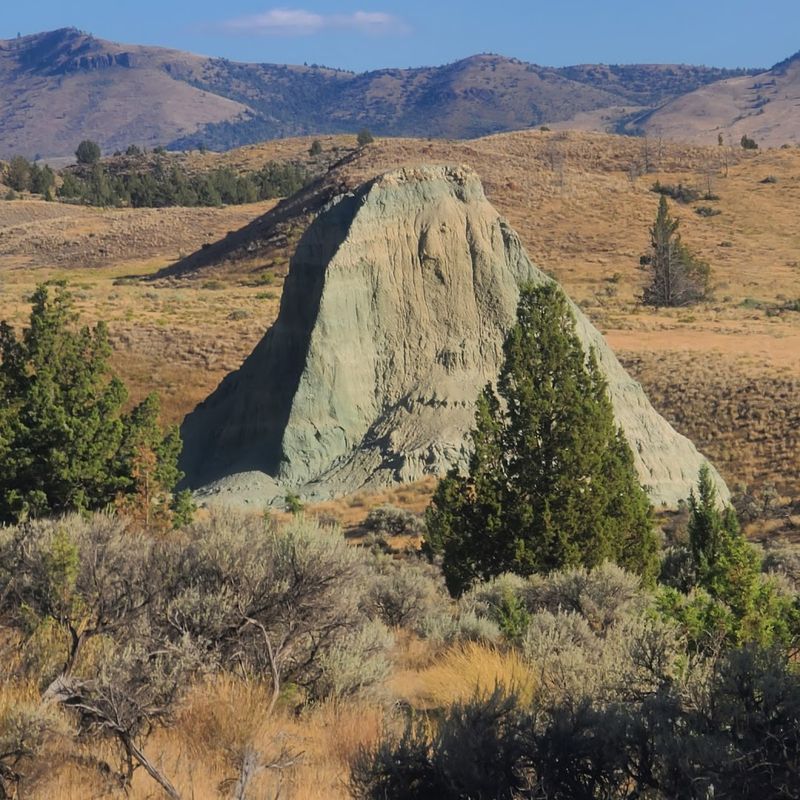
Reaching the Blue Banks takes some planning, but the drive itself is part of the reward. From Bend, you are looking at roughly two hours heading northeast on Highway 26.
The road passes through wide open rangeland, small towns, and volcanic plateau country that feels genuinely remote.
Prineville is a good stopping point if you need gas or food before heading deeper into the region. From there, continue east and then north toward the Painted Hills unit of the John Day Fossil Beds.
The Blue Banks sit nearby in the surrounding landscape.
Cell service gets thin quickly once you leave the main highway. Download offline maps before you go.
A standard passenger car handles the main roads fine, but some access routes near the banks can get rough after rain. I found the last stretch to be bumpy but totally manageable in dry conditions.
Give yourself extra time to stop and take in the scenery along the way. The whole corridor is stunning.
Scenic pullouts along the route make it easy to pause and stretch your legs while snapping photos of the high desert and distant ridges. Wildlife sightings aren’t uncommon – pronghorn, coyotes, and a variety of raptors often appear along the way.
Arriving with daylight to spare is ideal, as the banks’ colors truly shine in soft morning or late afternoon light.
The Fossil Beds Connection You Should Know About
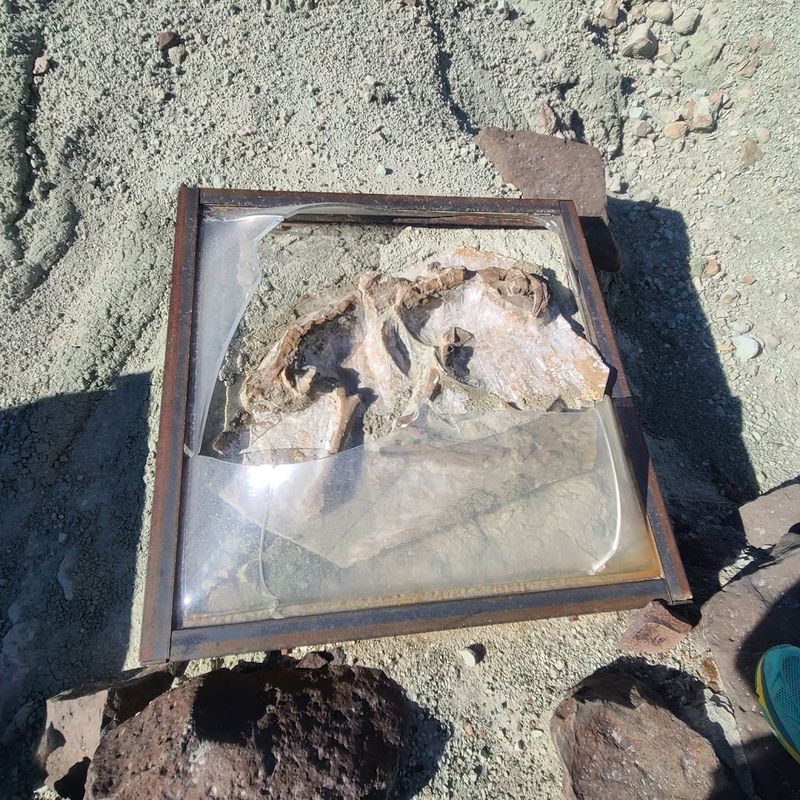
The Blue Banks sit within or very close to the John Day Fossil Beds National Monument, one of the most scientifically important parks in the American West. This monument covers a huge stretch of Central Oregon and is divided into three separate units.
The Painted Hills, Clarno, and Sheep Rock units each have their own distinct look and story.
Fossils found throughout this region include ancient horses, tapirs, rhinoceroses, and even saber-toothed cats. These animals roamed Oregon when the climate was warmer and wetter.
The Blue Banks themselves represent a specific chapter in that long geological record.
Visiting the broader fossil beds alongside the Blue Banks makes the trip feel much more complete. The Painted Hills unit, just a short drive away, offers some of the most photographed landscapes in Oregon.
Together, these sites paint a vivid picture of a world that existed long before humans arrived. It is genuinely humbling to stand in the middle of it all.
Interpretive signs at the units help visitors connect the colors and formations to the ancient environments they represent. Walking among the hills, you can almost imagine the rivers, forests, and plains that once stretched across this land.
Seasonal changes add another layer of beauty – spring wildflowers, summer sun, and autumn shadows all alter the landscape subtly but dramatically. Spending a full day exploring both the Blue Banks and nearby fossil units gives a sense of scale and history that is hard to replicate anywhere else.
What to Bring for a Day Trip Out Here
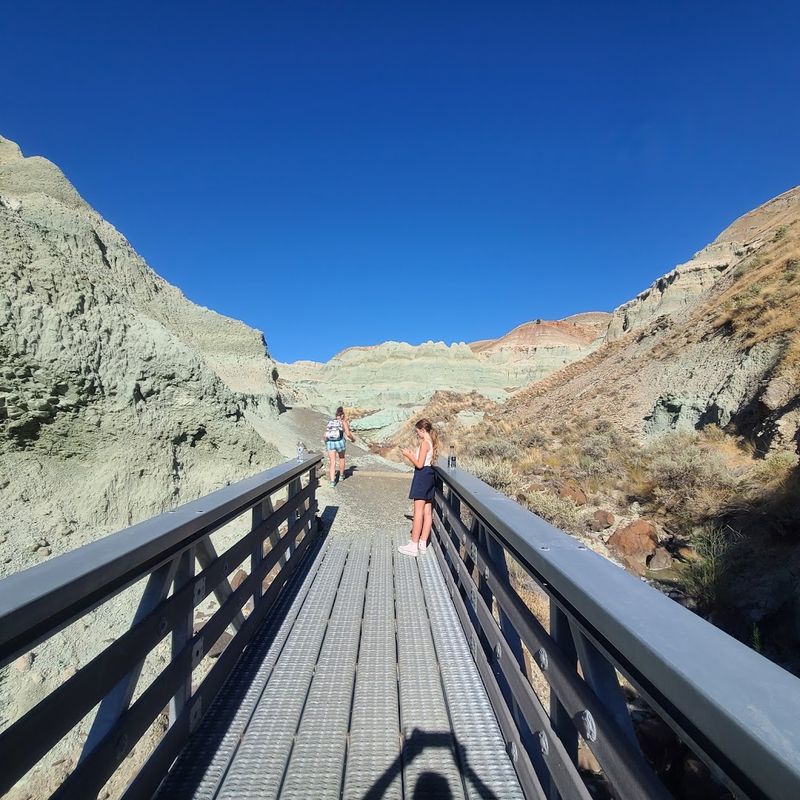
Packing smart makes a big difference at the Blue Banks. This is high desert country, and the sun hits hard even on mild days.
Sunscreen and a wide-brimmed hat are non-negotiable. I learned that lesson early on a visit to a similar site nearby.
Water is critical. There are no services, no vending machines, and no shade structures anywhere near the banks.
Bring more than you think you will need. A general rule in this region is to carry at least two liters per person for a half-day outing.
Sturdy walking shoes help a lot on the uneven terrain around the cliffs. The ground near the base of the banks can be soft and crumbly in places.
A light jacket is worth tossing in your bag too, since temperatures shift quickly once the sun starts dropping. A camera with a wide lens will capture the formations far better than a phone, though phones still do a solid job on a clear day.
A small backpack comes in handy to carry water, snacks, and any extra layers comfortably. Binoculars can reveal distant wildlife or subtle color variations in the cliffs that are easy to miss up close.
Plan for extra time to simply wander and absorb the view – rushing through the area robs you of the full experience. Finally, leave no trace: take all trash with you and avoid disturbing the fragile soil and rock formations that have taken millions of years to form.
Best Time of Year to Visit
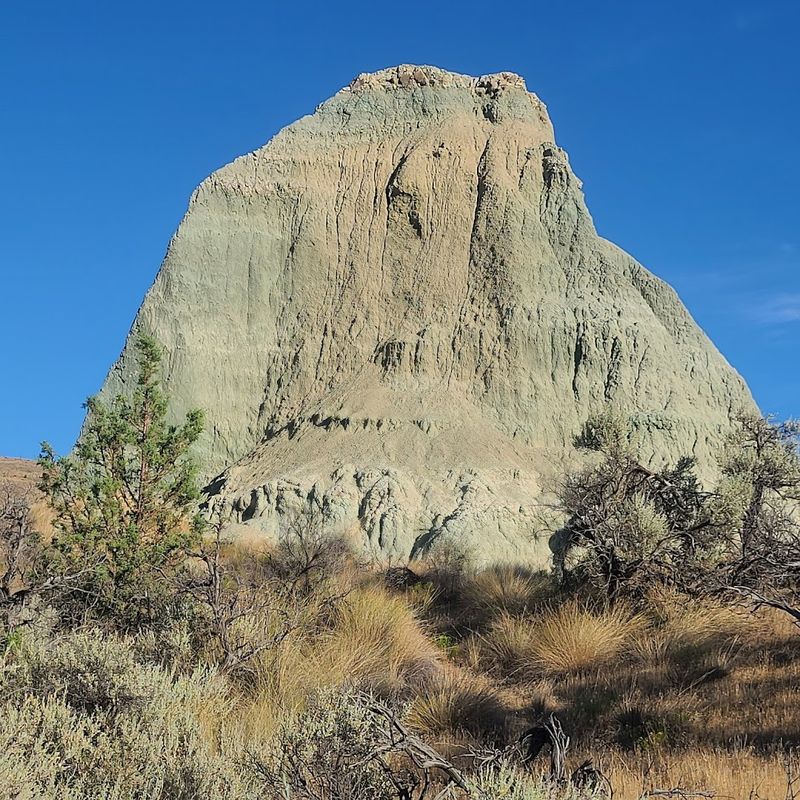
Spring and fall are the sweet spots for visiting the Blue Banks. Spring brings mild temperatures and occasional wildflowers along the roadsides.
The colors of the cliffs pop especially well against a clear blue April or May sky.
Summer visits are absolutely possible, but the heat in Central Oregon can be intense between July and August. Midday temperatures regularly push past 90 degrees Fahrenheit in this part of the state.
Early morning arrivals make summer trips much more enjoyable. The light is also better before 9 a.m.
Fall offers cooler air and a quieter experience overall. Crowds thin out significantly after Labor Day, and the golden tones of the surrounding sagebrush complement the blue-green cliffs beautifully.
Winter visits are possible but unpredictable. Snow can close access roads without much warning.
If you visit between November and February, always check road conditions beforehand. The Blue Banks look stunning dusted in snow, but getting stuck out here is a real possibility.
Late afternoon light in fall creates long shadows that add depth to the cliffs’ colors. Early mornings in spring often bring a crisp, clear atmosphere that makes the hues appear almost surreal.
Even on overcast days, the contrast between the cliffs and surrounding sagebrush is striking. Bring layers for wind and temperature changes, especially if you plan to stay until sunset.
Why the Blue Banks Deserve More Attention
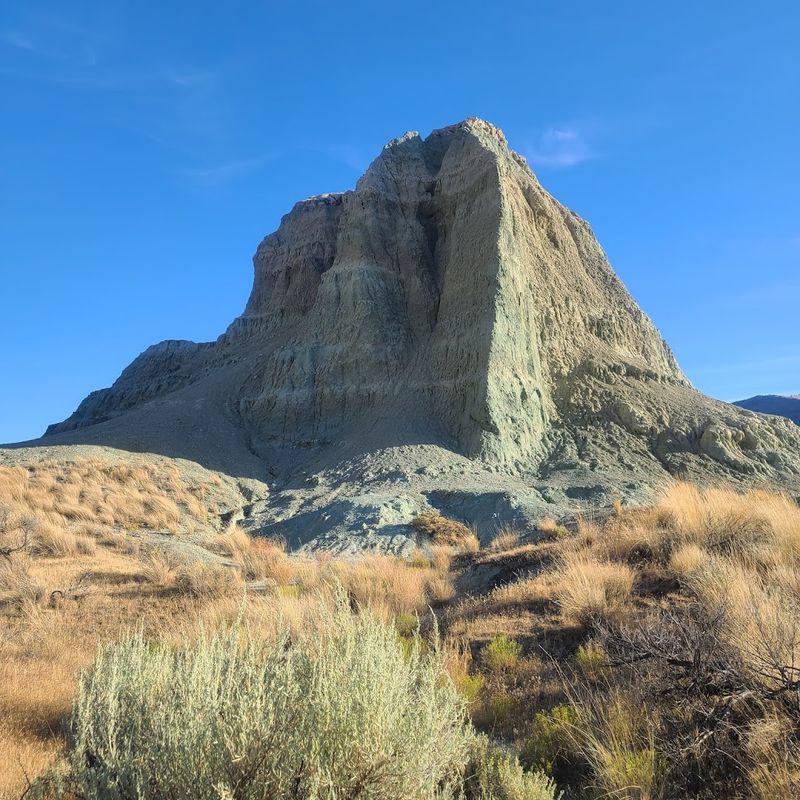
The Blue Banks do not have the same name recognition as Crater Lake or the Columbia River Gorge. That is honestly part of their charm.
You will not fight for parking. You will not wait in line for a viewpoint.
You will just arrive, and it will be there, glowing quietly in the desert.
Places like this remind you that Oregon is far larger and stranger than most people imagine. The state is not just coastline and forests.
Central Oregon holds some of the most alien-looking geology on the continent, and the Blue Banks sit at the dramatic end of that spectrum.
A five-star review from a visitor described it as fabulous and fascinating, and the most impressive area in the John Day Fossil Beds. That reaction tracks completely with what most first-time visitors feel.
The Blue Banks are the kind of place that earns a permanent spot in your memory. Go once, and you will already be thinking about going back.
Even if you visit without knowing much about geology or fossils, the colors alone are mesmerizing. The quiet and isolation make it easy to feel connected to the landscape in a way that crowded parks rarely allow.
Photographers, hikers, and casual travelers all seem to find their own reason to linger. By the time you leave, the Blue Banks have a way of lingering in your mind long after the drive back onto the highway.
Dear Reader: This page may contain affiliate links which may earn a commission if you click through and make a purchase. Our independent journalism is not influenced by any advertiser or commercial initiative unless it is clearly marked as sponsored content. As travel products change, please be sure to reconfirm all details and stay up to date with current events to ensure a safe and successful trip.
