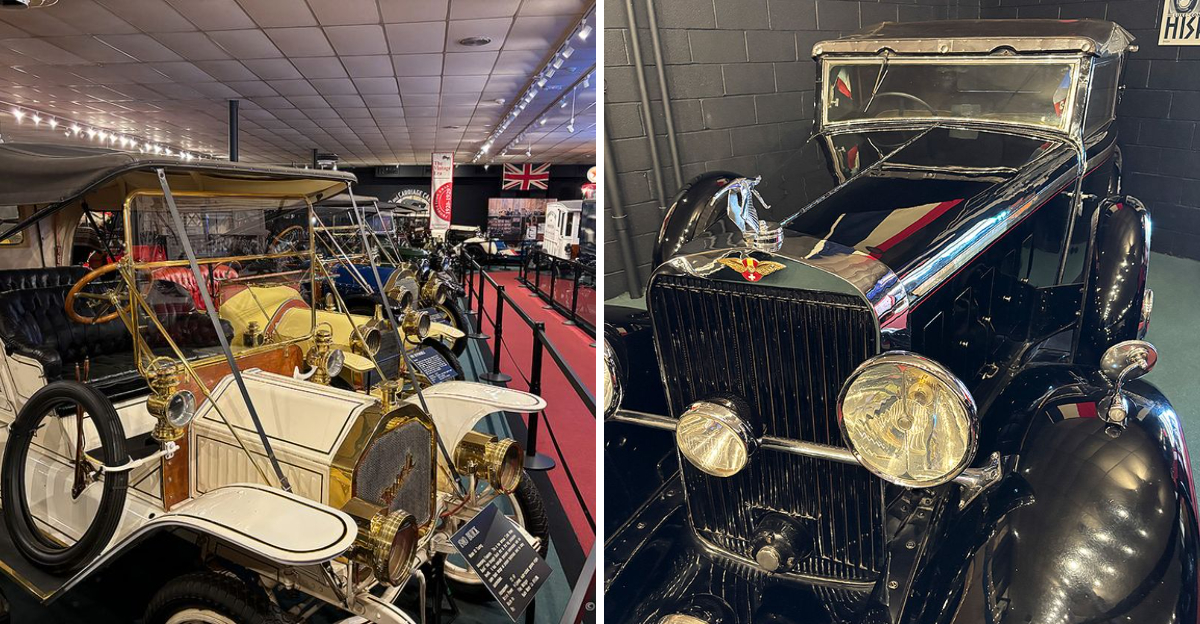
Few attractions in Virginia deliver this kind of instant impact. Right beside the famous Luray Caverns sits a museum that pulls car enthusiasts and history lovers in without effort.
Inside, more than 140 carefully restored vehicles share space with horse-drawn carriages, period clothing, and vintage artwork, all arranged to tell a sweeping story across generations. Walking through it feels like stepping into another time, surrounded by polished chrome, detailed craftsmanship, and scenes brought to life through historical fashion.
Every display adds another layer to the experience. For anyone who thinks they have already seen the state’s standout attractions, this collection quickly proves otherwise.
The 1898 Benz Vis-a-vis: America’s Oldest Operating Automobile
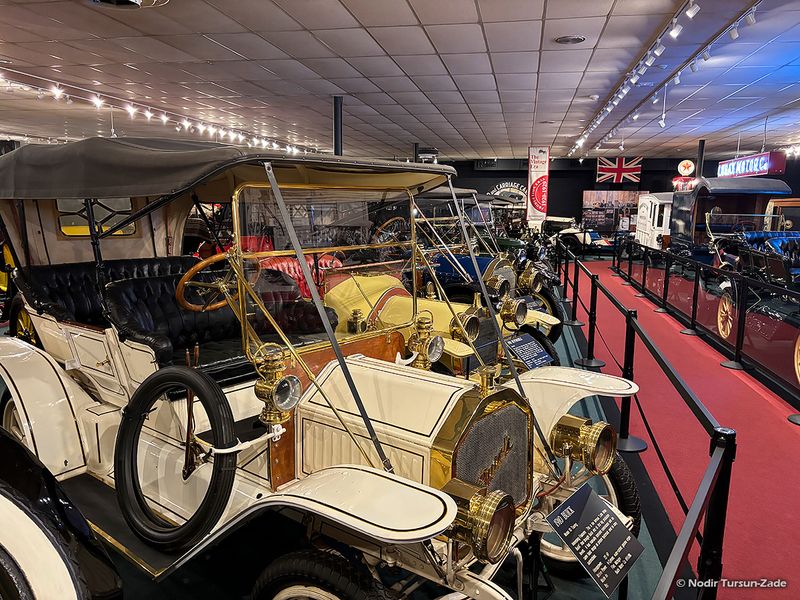
Picture a machine that has outlived wars, revolutions, and the rise of the internet, and still runs. The 1898 Benz Vis-a-vis at the Car & Carriage Caravan Museum holds the extraordinary title of the oldest operating automobile in the United States, and standing beside it feels like touching living history.
The craftsmanship is almost unbelievable up close. Delicate brass fittings catch the museum lighting, the wooden spoked wheels look almost too fragile to trust, and yet this machine has endured more than a century with remarkable grace.
Virginia is home to countless historical treasures, but few match the sheer wow factor of this particular exhibit. Every detail on the Benz speaks to an era when automobiles were hand-assembled curiosities, not mass-produced commodities.
Reading the information placard beside it adds another layer of appreciation. Engineers of that period were essentially inventing the rules of the road as they went, and this vehicle was right at the forefront of that adventure.
Seeing it in person is genuinely one of those rare museum moments you will talk about for years afterward.
Rudolph Valentino’s 1925 Rolls-Royce Shooting Brake
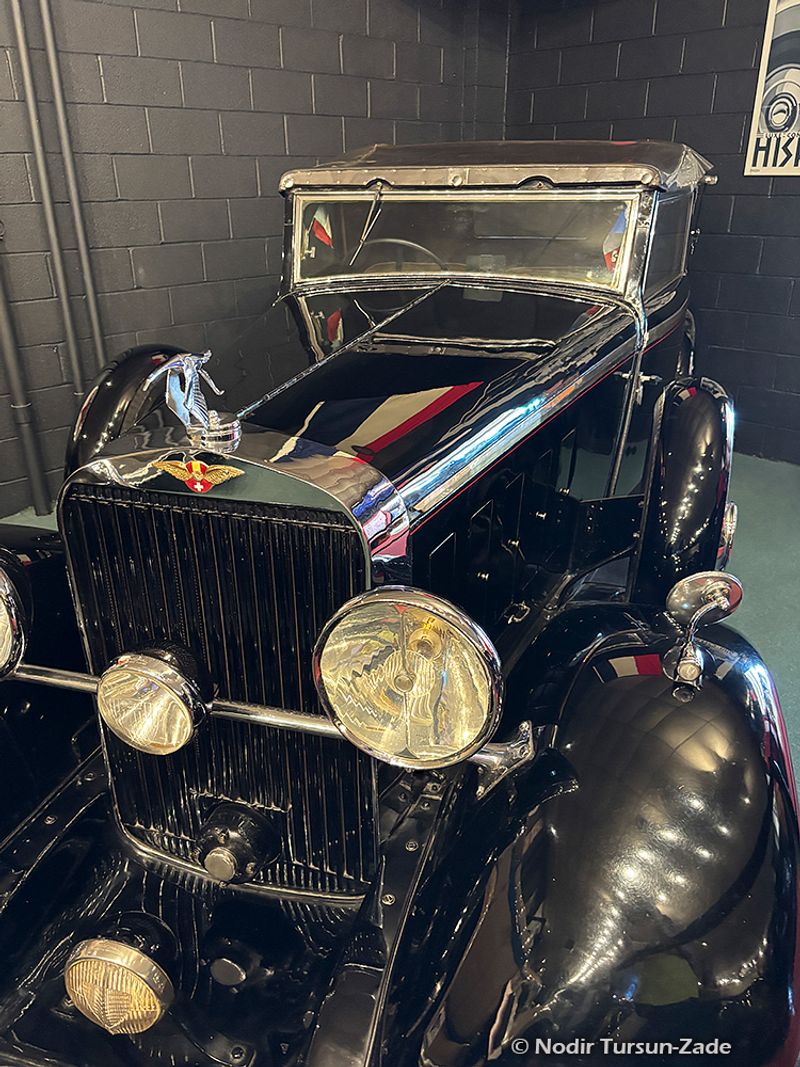
Hollywood glamour and automotive royalty collide in one breathtaking exhibit. The 1925 Rolls-Royce Shooting Brake once belonged to Rudolph Valentino, the silent film idol whose fame burned so brightly in the early twentieth century that crowds genuinely mourned in the streets when he passed.
Owning a Rolls-Royce in that era was the ultimate status symbol, and Valentino’s example is every bit as dramatic as you would expect. The coachwork is sweeping and elegant, the interior is a masterclass in period luxury, and the whole vehicle radiates a kind of effortless aristocratic cool that modern cars simply cannot replicate.
At the Car & Carriage Caravan Museum, this Rolls-Royce sits as both an automotive artifact and a pop-culture time capsule. Virginia museums rarely serve up this kind of celebrity provenance alongside mechanical brilliance, which makes the experience genuinely unique.
The sheer idea that a silent film star once cruised around in this very car is enough to send your imagination into overdrive. Snap a photo, read every word on the display board, and take a moment to appreciate just how extraordinary this piece of living history truly is.
Horse-Drawn Carriages From the 1700s: Rolling Art From Another Century
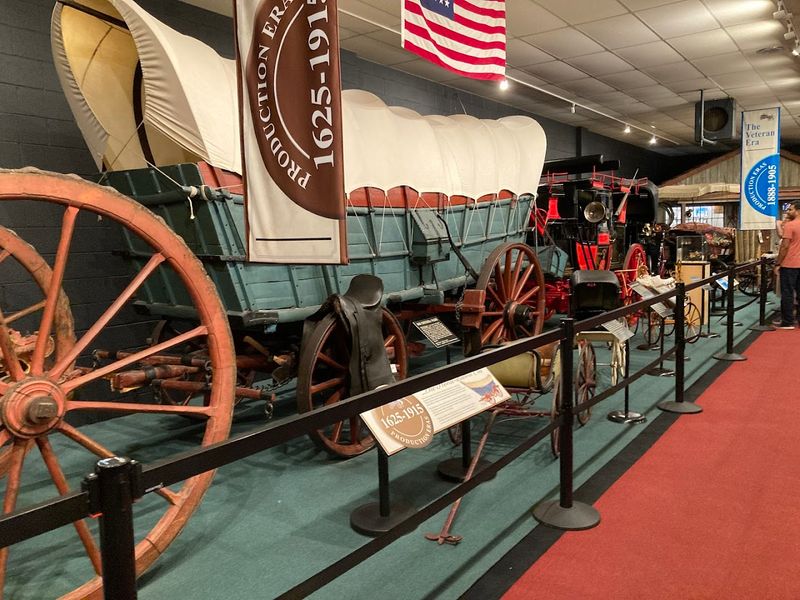
Long before gasoline engines rumbled to life, getting anywhere meant trusting a horse and a beautifully crafted carriage to carry you safely down unpaved roads. The collection of horse-drawn carriages at the Car & Carriage Caravan Museum stretches back to the early 1700s, and the craftsmanship on display is jaw-dropping.
Each carriage is essentially a rolling sculpture. Woodwork is carved with precision, upholstery is stitched with care, and the overall construction reflects a level of artisan skill that modern manufacturing simply cannot replicate at that scale.
Walking past these exhibits feels like flipping through the pages of a very glamorous history book. Some carriages look fit for royalty, with plush velvet interiors and gilded trim, while others are sturdy working vehicles that clearly hauled families across rough terrain without complaint.
Virginia has deep roots in early American transportation history, and this section of the museum brings that heritage to vivid life. The information boards beside each carriage explain the social status, the practical function, and the regional significance of each vehicle.
Honestly, even someone with zero interest in transportation history will find themselves completely absorbed by these exhibits.
Period Fashion Mannequins: When Style Rode Shotgun
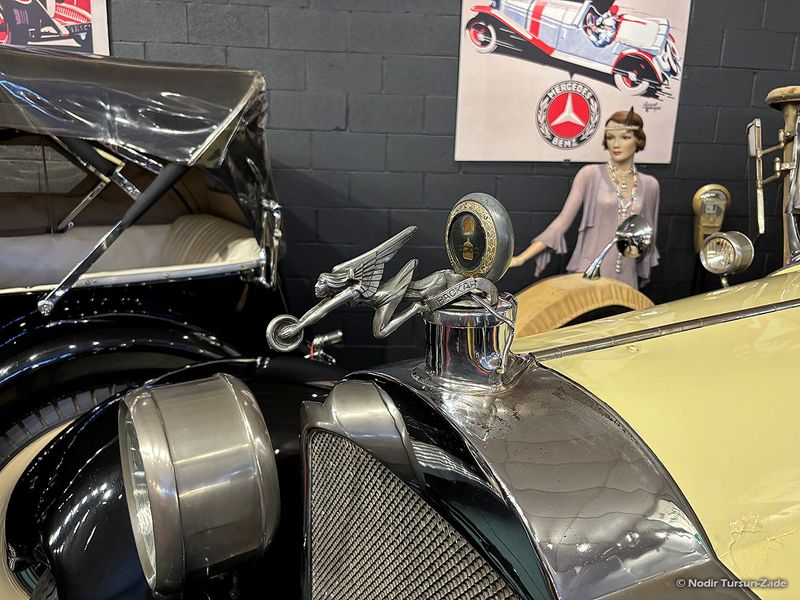
Not every car museum dresses its exhibits in period-accurate fashion, but the Car & Carriage Caravan Museum goes the extra stylish mile. Positioned throughout the collection, mannequins wear clothing from the same eras as the vehicles beside them, creating a complete sensory picture of life in those remarkable decades.
Seeing a mannequin in an Edwardian motoring coat standing beside a brass-fitted early automobile is genuinely theatrical. The costumes are detailed, historically accurate, and surprisingly elegant, adding a fashion-forward dimension that sets this museum apart from typical car collections.
For anyone who loves vintage style, these displays are a serious highlight. Long skirts, structured jackets, wide-brimmed hats, and leather driving gloves paint a vivid portrait of how people dressed when automobiles were still a novelty worth dressing up for.
Virginia’s cultural heritage is rich and layered, and the fashion exhibits at this museum tap into that depth beautifully. The combination of vehicle history and period costume creates a storytelling experience that feels genuinely immersive rather than just informative.
Each mannequin adds personality to the surrounding vehicles, turning the whole museum floor into something closer to a living diorama than a standard static display.
The Chronological Layout: A Time Machine You Walk Through
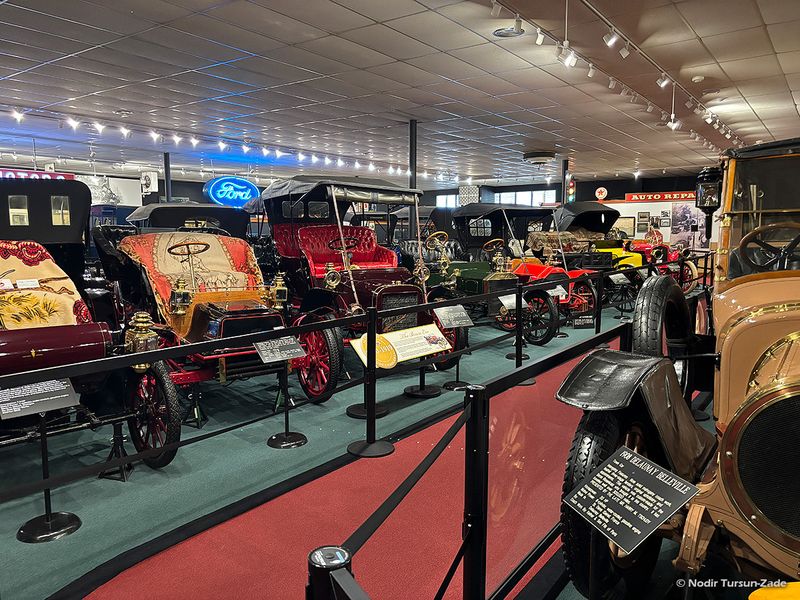
Some museums toss their collections together and hope visitors figure it out. The Car & Carriage Caravan Museum takes a smarter, more satisfying approach by arranging every single vehicle in strict chronological order, turning a stroll through the exhibits into a genuine journey through time.
Starting with horse-drawn carriages from the early 1700s and progressing steadily toward mid-twentieth century automobiles, the layout tells a clear, compelling story about how human ingenuity transformed transportation over roughly two centuries. Each step forward in the hall represents a leap forward in engineering and design.
The pacing feels natural and intuitive. You find yourself pausing at each vehicle not just to admire it but to compare it mentally with what came just before, noticing the subtle shifts in technology, comfort, and aesthetic ambition that accumulate into something remarkable over time.
For families with curious kids, this layout is particularly effective at making history feel tangible and exciting rather than abstract. Virginia is packed with world-class museums, and the thoughtful organization at this one earns it a genuine spot among the state’s best educational experiences.
Walking out the other end, you feel like you have actually witnessed the evolution of transportation rather than just read about it.
The 1908 Baker Electric: A Battery-Powered Surprise From Over a Century Ago
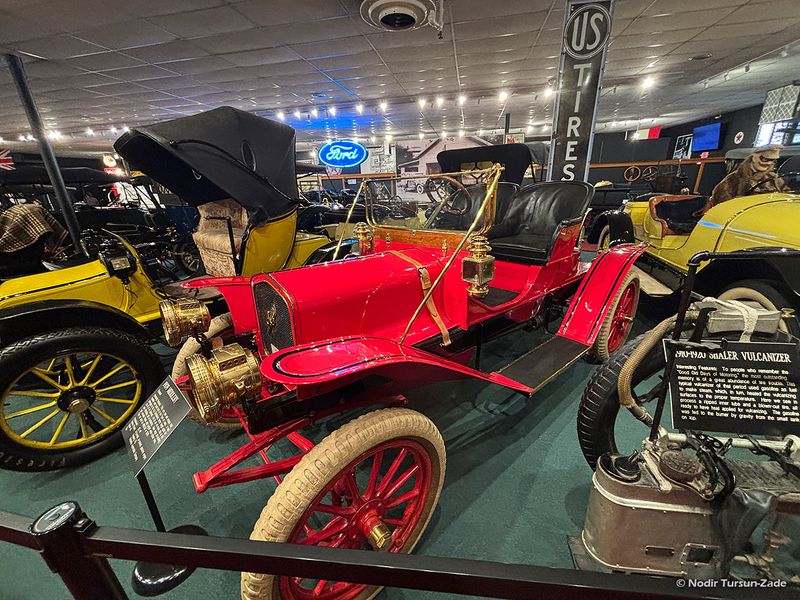
Electric vehicles feel like cutting-edge technology today, but the Car & Carriage Caravan Museum has a polite historical correction waiting for you. The 1908 Baker Electric sits quietly in the collection, a beautifully preserved reminder that battery-powered transportation is not nearly as new an idea as most people assume.
Baker Electric vehicles were genuinely popular in the early twentieth century, favored especially by urban drivers who appreciated their smooth, quiet operation and freedom from hand-cranking a gasoline engine. The example on display at the museum is immaculately maintained, its elegant coachwork and brass details gleaming under the exhibit lighting.
Standing beside this vehicle and reading its history prompts a fascinating mental detour. The early automobile industry was not a foregone conclusion for gasoline power, and electric vehicles competed seriously for market dominance before fuel-powered cars eventually pulled ahead.
Virginia’s museum scene is full of surprises, and this is one of the most thought-provoking. The Baker Electric sparks genuine conversation about technology, progress, and the roads not taken in automotive history.
It is the kind of exhibit that makes you pause, think, and then immediately want to tell someone else what you just learned. Genuinely one of the collection’s most quietly fascinating highlights.
Rare and One-of-a-Kind Models: The Vehicles You Won’t See Anywhere Else
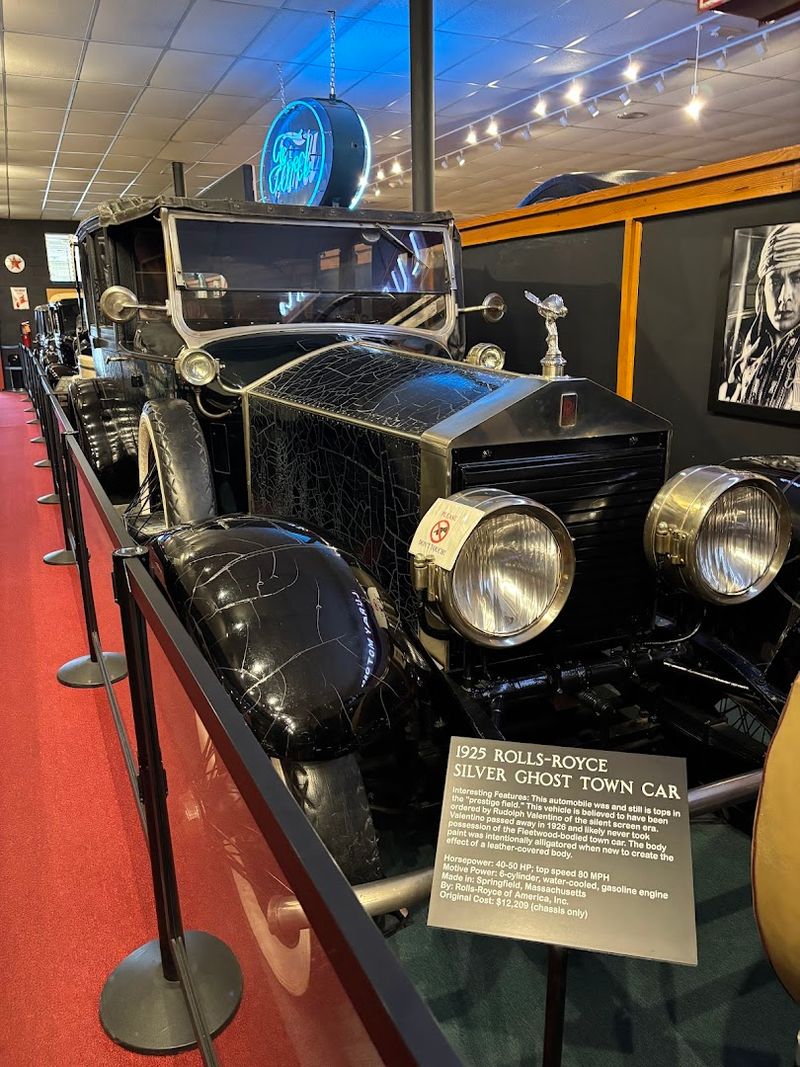
The Car & Carriage Caravan Museum does not just collect famous names. Tucked throughout the exhibits are rare and genuinely obscure vehicle models from manufacturers that most people have never heard of, and tracking them down feels like a satisfying automotive treasure hunt.
Some of these vehicles exist in single-digit numbers worldwide. Others represent experimental designs that never made it to mass production, preserved here in extraordinary condition for future generations to study and admire.
The museum’s curatorial team clearly has a passion for the unusual and the overlooked, not just the celebrated.
Reading the placard beside an unfamiliar brand name and learning its brief, fascinating history adds real texture to the visit. Every obscure manufacturer had a story, a vision, and a moment when anything seemed possible in the young and chaotic world of early automobile production.
Virginia is the kind of state that rewards curious travelers who look a little deeper, and this museum embodies that spirit perfectly. The rare models tucked between the famous names are often the most interesting exhibits of all, precisely because their stories are less well-known.
Plan to spend extra time in these corners of the collection. The discoveries waiting there are genuinely worth the unhurried attention.
The Luray Caverns Connection: Two Wonders, One Ticket
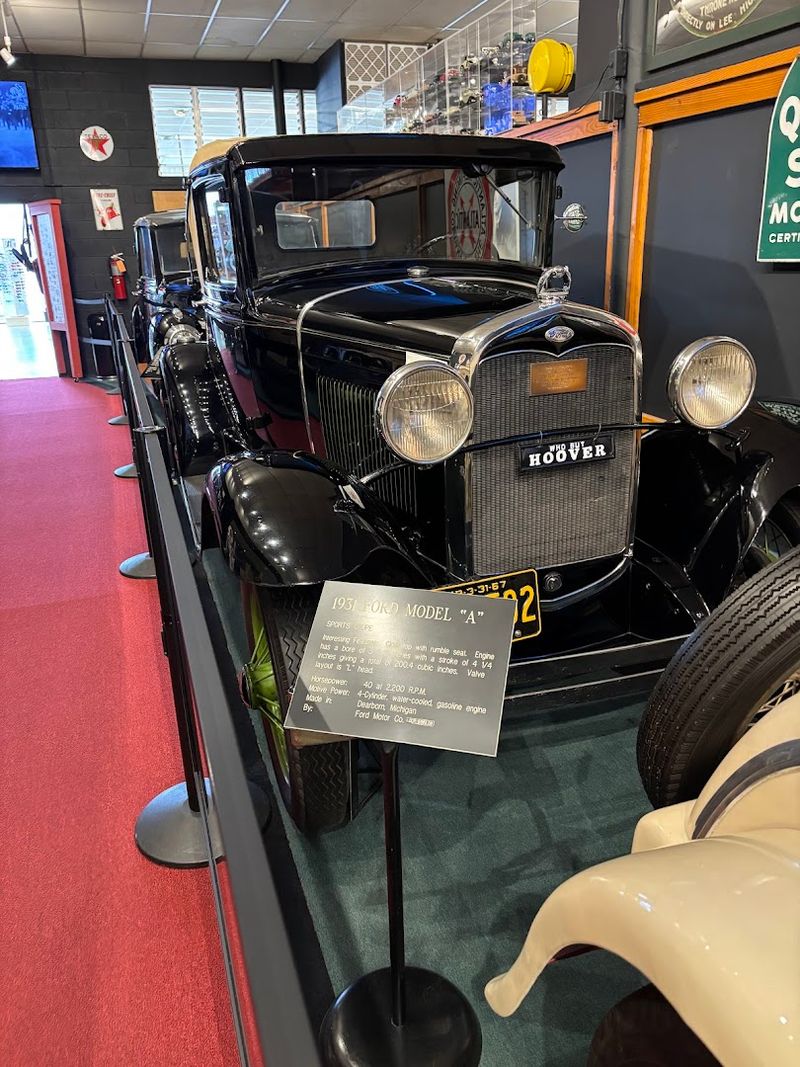
Luray Caverns is already one of Virginia’s most spectacular natural attractions, drawing visitors with its cathedral-like underground chambers and otherworldly limestone formations. What many people do not realize until they arrive is that admission to the caverns includes access to the Car & Carriage Caravan Museum, making the combination one of the best-value double-feature experiences in the entire state.
After emerging from the cool depths of the caverns, stepping into the museum feels like a perfectly paced second act. The contrast between ancient geological formations and century-old human engineering creates a surprisingly satisfying narrative arc for the whole visit.
The museum is accessible directly from the caverns gift shop, so the transition between the two attractions is seamless and easy. Families, couples, and solo travelers all benefit from this arrangement, spending a full and richly varied day without ever needing to drive to a second location.
Virginia rarely packages natural wonders and historical collections this neatly together, which makes the Luray experience genuinely special. The Car & Carriage Caravan Museum earns its place as the perfect complement to the caverns, offering an entirely different kind of wonder.
Two completely distinct experiences, one unforgettable afternoon in the heart of the Shenandoah Valley.
Period Art and Decorative Displays: The Cultural Layer That Elevates Everything
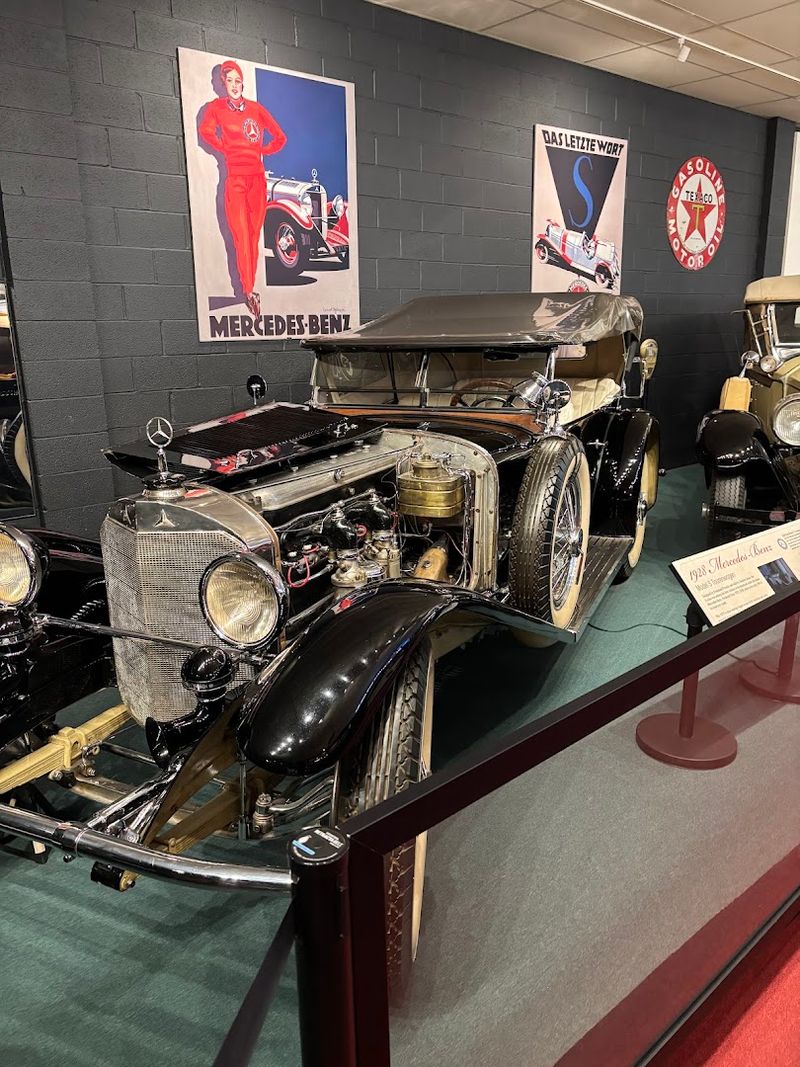
A great vehicle collection tells you what people drove. A truly exceptional one tells you how people lived, and that is exactly what the Car & Carriage Caravan Museum achieves by weaving period art and decorative displays throughout its exhibits.
Framed artwork, vintage posters, and historical ephemera are positioned alongside the vehicles to create context rather than just spectacle. The effect is genuinely enriching, transforming each exhibit from a simple mechanical display into a window onto an entire cultural moment in time.
Understanding why a particular car looks the way it does becomes much easier when you can see the artistic movements and design philosophies of its era displayed right beside it. Art Nouveau flourishes, streamlined modernism, and Edwardian elegance all make more sense when they are presented as part of a broader cultural conversation.
Virginia has always been a state that takes its history seriously, and the Car & Carriage Caravan Museum reflects that commitment in every carefully curated corner. The decorative displays elevate the entire experience beyond what a standard automotive collection offers, appealing equally to art lovers, history enthusiasts, and design nerds.
Come for the cars, stay for the cultural depth that surrounds every single one of them.
Planning Your Visit: Getting to 101 Cave Hill Road, Luray, Virginia
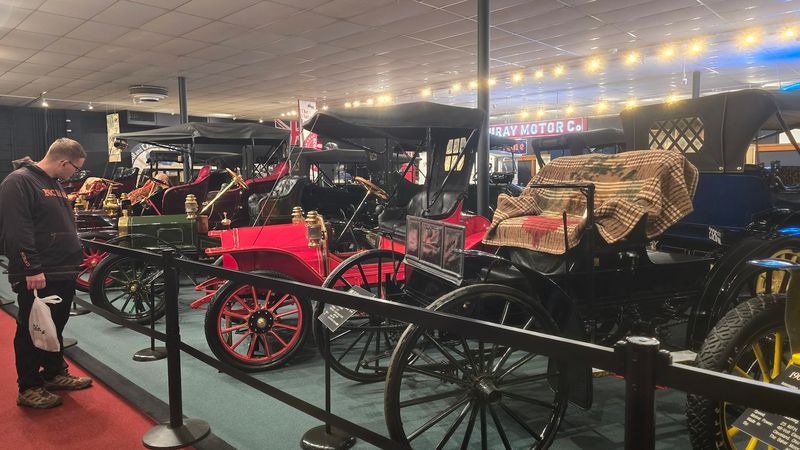
Getting to the Car & Carriage Caravan Museum is half the adventure, especially if you approach from the scenic routes that wind through Virginia’s stunning Shenandoah Valley. The drive itself delivers rolling hills, mountain backdrops, and small-town charm that set the perfect mood before you even step inside.
The museum is located at 101 Cave Hill Road, Luray, VA 22835, right alongside Luray Caverns. Parking is plentiful and the whole complex is well-signposted, making arrival stress-free even for first-time visitors.
The museum opens at nine in the morning daily, giving early risers the chance to explore before the crowds build.
Luray itself is a charming small town worth exploring before or after your visit. Grab a coffee, browse the local shops, and take in the easy pace of life that makes this corner of Virginia so appealing to travelers looking for something genuine and unhurried.
The phone number for the museum is 540-743-6551 if you need to confirm hours or plan a group visit. Checking the official website at luraycaverns.com before you go is always a smart move.
Pack comfortable walking shoes, bring your camera, and prepare for a day that covers centuries of history without ever feeling overwhelming. Virginia does not disappoint, and neither does this museum.
Dear Reader: This page may contain affiliate links which may earn a commission if you click through and make a purchase. Our independent journalism is not influenced by any advertiser or commercial initiative unless it is clearly marked as sponsored content. As travel products change, please be sure to reconfirm all details and stay up to date with current events to ensure a safe and successful trip.
