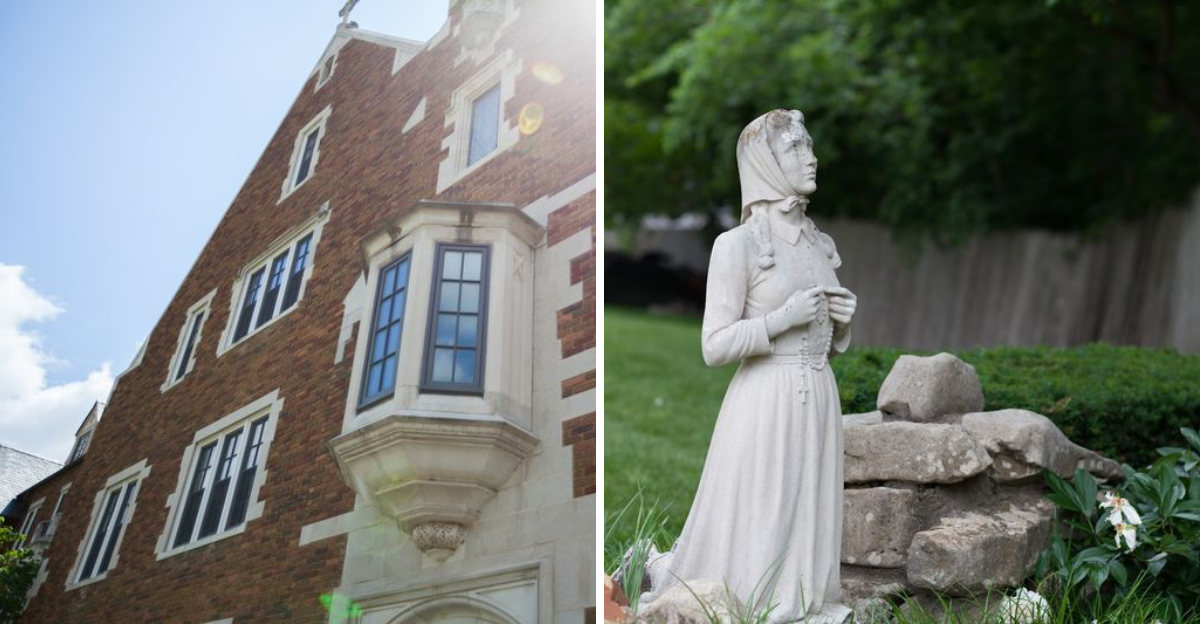
Some places in Oklahoma feel like they were designed by someone who understood light better than the rest of us. This chapel, tucked into a monastery in Tulsa, might be the best example of that rare gift.
It is small, quiet, and completely unforgettable.
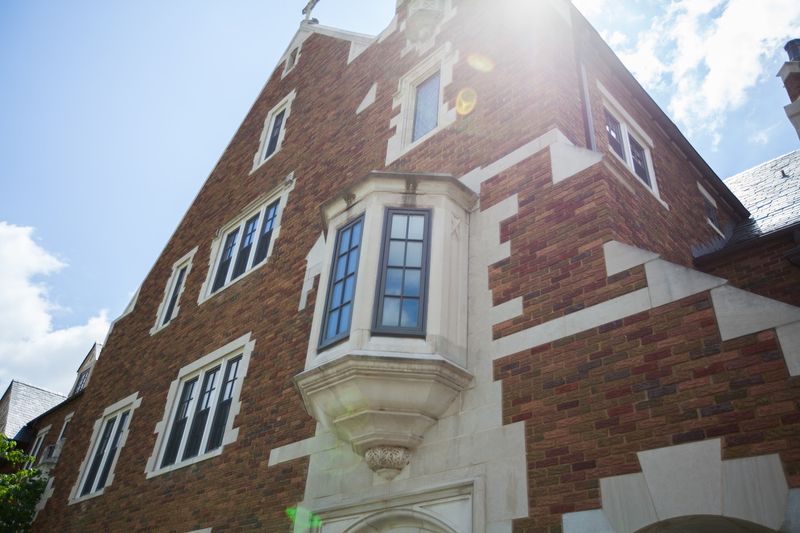
The architecture here does something unusual with windows. They are not the biggest you have ever seen, nor the most colorful.
But they catch the afternoon sun in a way that turns the whole room golden, as if someone poured honey over every surface. You do not have to be religious to feel the shift when you walk inside.
The noise of the day simply falls away, replaced by something softer and slower.
Visitors often sit in silence longer than they planned. That is the chapel’s quiet magic at work. A few minutes stretches into twenty. Twenty becomes forty. And somehow no one minds the lost time.
Oklahoma kept this gem hidden from most guidebooks, which feels intentional. Sacred spaces do not always announce themselves.
They wait for people who need them to come looking. This one has been waiting patiently, and it welcomes everyone who finally finds the door.
A First Look at the Chapel Grounds
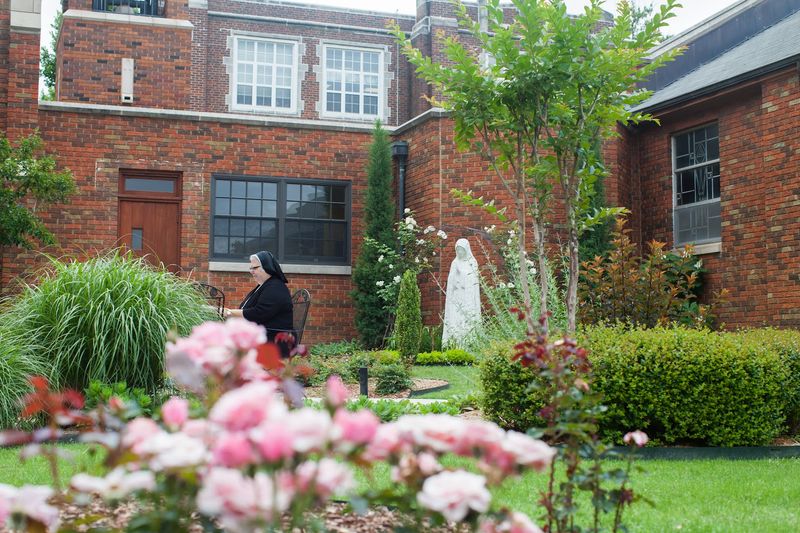
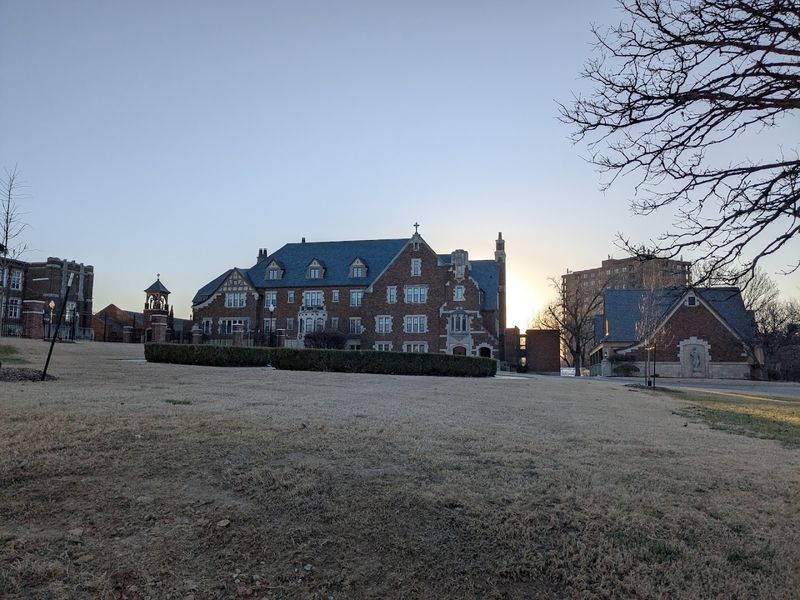
Walking up to the Chapel at St. Joseph Monastery for the first time, I had absolutely no idea what to expect from a working monastery in the middle of Tulsa, Oklahoma.
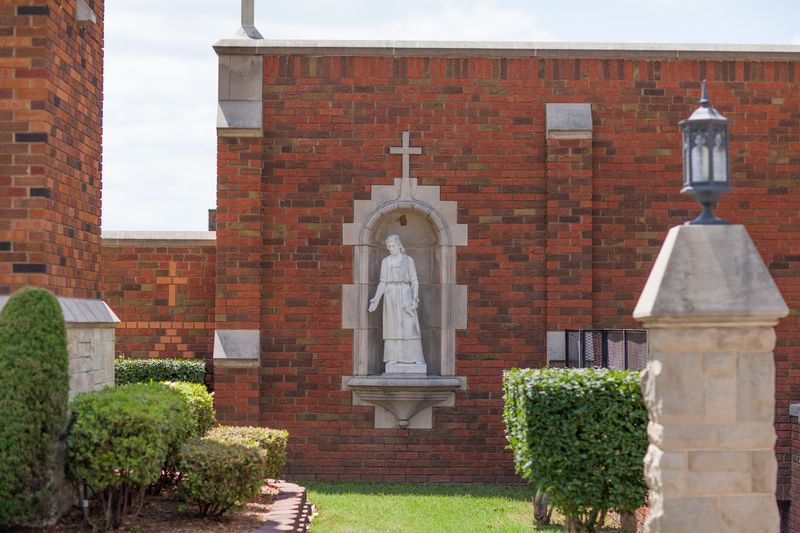
The grounds themselves set the tone immediately. Mature trees line the pathways, and the landscaping feels carefully tended without being stiff or formal.
There is a sense of order here that feels genuinely calming. The campus sits on South Lewis Avenue, right in the middle of the city, yet it feels entirely separate from the urban energy just beyond its walls.
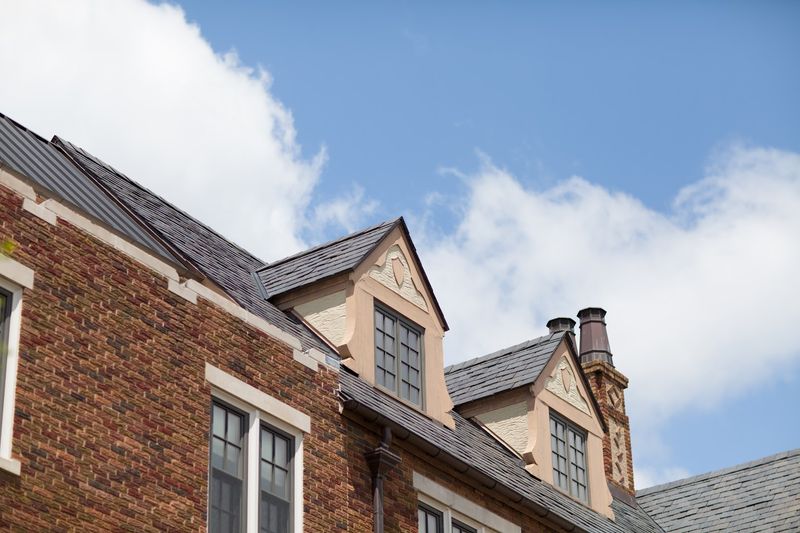
The chapel building anchors the whole property with quiet authority. Its stone facade and traditional architectural details signal that something serious and beautiful waits inside.
Oklahoma is not always the first state people think of when imagining grand spiritual architecture, but this place challenges that assumption completely. The grounds alone are worth the visit, offering a rare patch of stillness in a busy city.
Standing outside before even entering, I already felt the pace of my afternoon slow down in the best possible way.
The Architecture Speaks Its Own Language
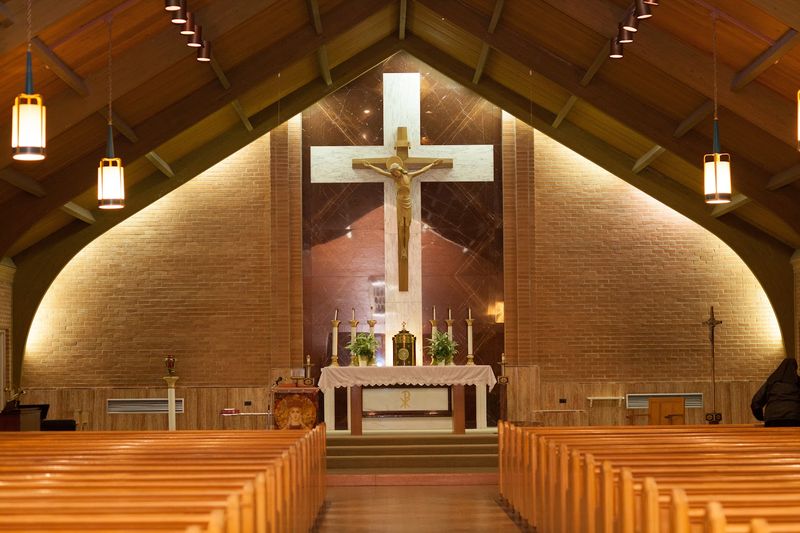
Step inside the chapel and the architecture does all the talking. The interior combines Romanesque influences with a warmth that keeps the space from feeling cold or intimidating.
Vaulted ceilings draw your eyes upward naturally, and the stone walls carry a texture that feels genuinely old and deeply intentional. Every surface seems placed with purpose.
The wooden pews are simple and worn in the way that only years of quiet use can create. There is nothing flashy about the design, and that restraint is exactly what makes it so powerful.
Light enters through stained glass windows in warm, colored streams that shift throughout the day. Depending on what time you arrive, the chapel interior can look completely different, almost like a living painting.
Oklahoma has plenty of beautiful buildings, but very few carry this kind of layered architectural storytelling. The Benedictine tradition values beauty in service of prayer, and every design choice here reflects that philosophy clearly.
Honestly, even someone with zero interest in religion would find this space visually arresting and worth exploring at a slow, unhurried pace.
The Benedictine Tradition Behind the Walls
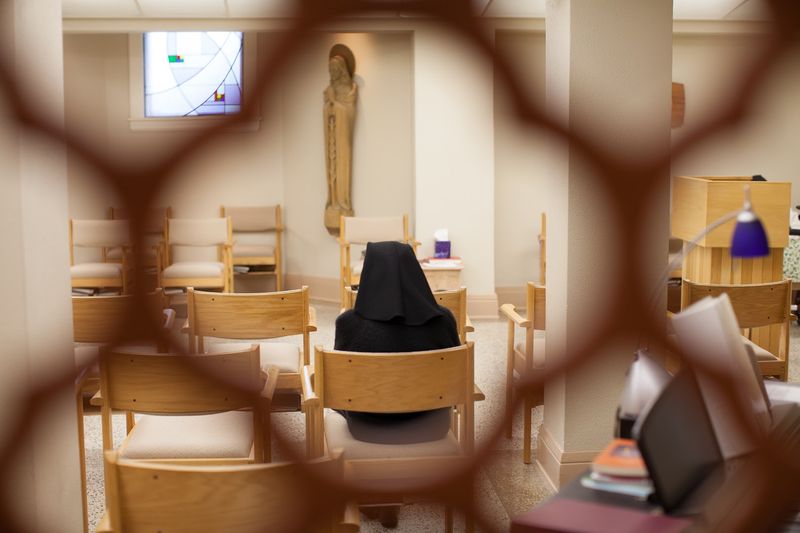
The chapel does not exist in isolation. It is the spiritual heart of a living Benedictine monastery, and understanding that context makes the visit far richer.
The Benedictine order has been shaping monastic life for over fifteen centuries, following the Rule of Saint Benedict, which balances prayer, work, and communal living in a structured daily rhythm.
At St. Joseph Monastery in Tulsa, Oklahoma, that tradition plays out in real time. The monastic community here follow a schedule of prayer called the Divine Office, and the chapel is the center of that practice every single day.
Visitors are often welcome to attend certain prayer services, and sitting in on one of those moments is something genuinely unforgettable. The chanting, the silence, the ritual all combine into an experience that feels ancient and alive at the same time.
Oklahoma might not be the first place you associate with centuries-old European monastic traditions, but this community has been quietly carrying that heritage forward right here in Tulsa for decades.
Knowing the history behind the walls gives the chapel a depth that goes well beyond its beautiful surfaces.
Silence as a Feature, Not a Flaw
Most travel destinations compete for your attention with noise, activity, and stimulation. This chapel does the opposite, and it is genuinely refreshing.
The silence here is not awkward or empty. It has a texture and a presence that you feel almost physically when you sit down in one of those wooden pews.
In a world where every moment seems filled with notifications and background noise, finding a place this genuinely quiet in the middle of a city like Tulsa, Oklahoma feels almost revolutionary.
The monastery encourages a culture of silence and mindfulness throughout its campus, and that extends to the chapel in a very real way. Even other visitors seem to absorb the atmosphere and naturally lower their voices.
I sat in the chapel for close to an hour on my visit, and during that time, my mind genuinely slowed down. That kind of mental reset is hard to find and easy to underestimate until you experience it.
If Oklahoma had a soundtrack, this chapel would be its quiet pause between verses, the moment where everything else drops away and something essential rises up to take its place.
The Stained Glass Deserves Your Full Attention
Few details inside the chapel demand attention quite like the stained glass windows. They are genuinely beautiful in a way that photographs struggle to capture.
The colors are rich and layered, ranging from deep cobalt blues to warm amber golds, and the figures depicted carry an expressive quality that rewards slow looking. These are not decorative afterthoughts.
At different times of day, the light through those windows transforms the interior of the chapel in dramatic ways. Morning light produces one atmosphere entirely, while afternoon sun creates something warmer and more golden.
I made a point of visiting at two different times during my stay near the monastery, and the chapel genuinely felt like two different spaces. That kind of dynamic beauty is rare in any building.
Oklahoma has a surprisingly rich tradition of ecclesiastical art, and the windows here fit comfortably within that legacy while also standing out on their own merits.
If you are someone who appreciates craft and artistry in sacred spaces, plan to spend real time in front of each window. Rushing past them would be a genuine shame and a missed opportunity.
Retreats and the Rhythm of Monastic Hospitality
One of the most compelling things about St. Joseph Monastery is that it is not just a place to visit for an afternoon. The monastery offers retreat accommodations for those looking to stay longer.
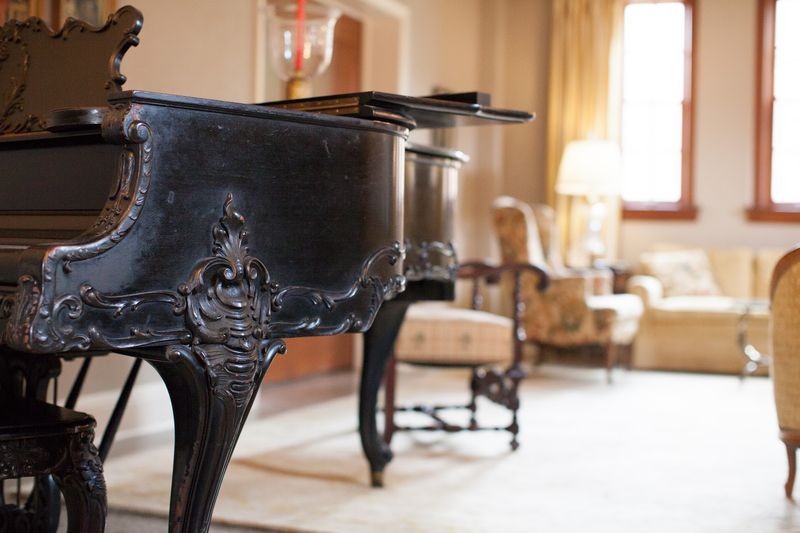
The Benedictine tradition is rooted in hospitality, and that comes through clearly in how the monastery welcomes guests. Rooms are modest and intentionally simple, designed to support reflection rather than comfort-seeking.
Meals are provided and sometimes taken in silence, which sounds unusual until you actually experience it and realize how much presence it creates around something as ordinary as eating.
Staying overnight or for a weekend gives you access to the chapel across multiple prayer services throughout the day. That cumulative experience is something a single afternoon visit simply cannot replicate.
Oklahoma is full of places to stay, but very few offer an environment this deliberately designed to slow you down and give you space to think clearly.
The retreat experience here is something I would recommend without hesitation to anyone feeling overwhelmed, burned out, or simply curious about what intentional stillness actually feels like in practice.
The Campus Garden and Outdoor Spaces
The chapel might be the centerpiece, but the outdoor spaces of St. Joseph Monastery deserve serious attention in their own right.
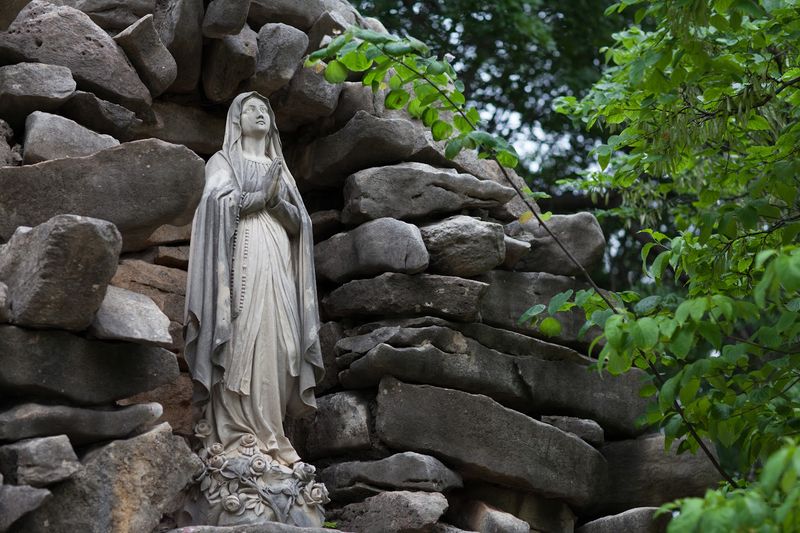
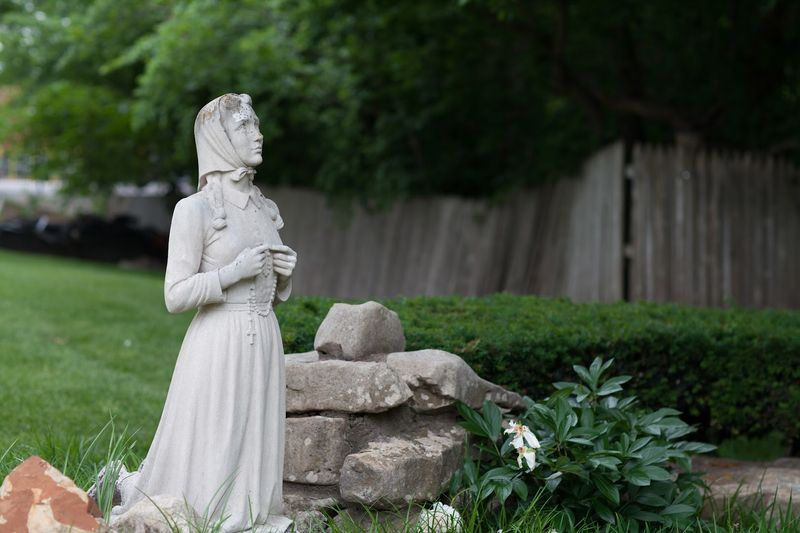
The campus garden is beautifully maintained, with mature trees providing shade over stone pathways that invite slow, thoughtful walking. There is a contemplative quality to the landscaping that feels very much in keeping with the monastic spirit.
Sitting outside in the garden between prayer services or after time in the chapel creates a natural continuation of the interior experience. The outside and inside feel connected rather than separate.
Oklahoma summers can be intense, so the shaded garden paths offer welcome relief during warmer months. Early morning or late afternoon visits make the most of the softer light and cooler temperatures.
The overall campus layout encourages wandering without rushing, which is a surprisingly rare quality in any publicly accessible space. Most places nudge you toward moving quickly, but this one does the opposite.
Spending time in the garden after the chapel felt like the natural second chapter of the same story, quiet, grounded, and completely removed from anything that felt urgent or stressful.
When to Visit for the Best Experience
Timing your visit to the chapel can make a real difference in what you experience. A few practical notes go a long way here.
Weekday mornings tend to be the quietest, especially mid-week when retreat guests are fewer and the campus feels most contemplative. Arriving early also gives you the best light inside the chapel through those stained glass windows.
If attending a prayer service is something you want to do, checking the monastery schedule in advance is essential. The Divine Office follows a set timetable, and services happen at specific hours throughout the day.
Oklahoma’s spring and fall seasons are particularly pleasant for an outdoor campus visit. The garden looks its best when temperatures are moderate and the foliage is either blooming or turning, and both seasons are genuinely lovely here.
Avoid arriving without checking whether the chapel is open to the public on any given day. Monastery schedules can shift depending on community events, so a quick check of the website at stjosephmonastery.org is always a smart move.
A little planning ahead ensures your visit feels seamless rather than uncertain, which is the best possible starting point for a meaningful experience.
Practical Tips for First-Time Visitors
A few practical details can make your first visit to the Chapel at St. Joseph Monastery go much more smoothly. Starting with the basics is always a good idea.
The address is 2200 S Lewis Ave, Tulsa, OK 74114, and it is easy to find using any standard navigation app. Parking on site is available and generally straightforward.
Dress modestly when visiting the chapel. This is an active place of worship, and showing up in casual beach attire would feel out of place and disrespectful to the community.
Phones should be silenced before entering the chapel, and photography should be approached with restraint and awareness of others present. Some visitors are there for genuine prayer and deserve that space.
The monastery phone number is available if you need to call ahead to confirm access or inquire about retreat availability. The website, stjosephmonastery.org, is the best starting resource for planning your visit.
Oklahoma has no shortage of things to do in Tulsa, but this is the kind of destination that rewards preparation and respect. Going in with the right mindset makes all the difference between a nice outing and a genuinely memorable one.
Why This Chapel Stays With You Long After You Leave
Some places are easy to enjoy in the moment and easy to forget by the next morning. This chapel is not one of those places.
There is something about the combination of beautiful architecture, genuine silence, and a living spiritual tradition that creates an impression that lingers. Days after my visit, I kept returning to the memory of sitting in those wooden pews.
Oklahoma has a habit of surprising people who assume they already know what the state offers. The Chapel at St. Joseph Monastery is one of its finest surprises, a space that delivers something most travel destinations cannot, genuine quiet and genuine beauty in the same breath.
Whether you arrive as someone with deep religious faith, mild curiosity, or simply a need for a break from the noise, the chapel meets you where you are without judgment or pressure.
The Benedictine community here has spent decades creating and maintaining a space that serves both prayer and human restoration, and that care is visible in every corner of the building.
Leaving felt like closing a book you were not quite ready to finish, which is honestly the highest compliment I can give any destination anywhere in the world.
