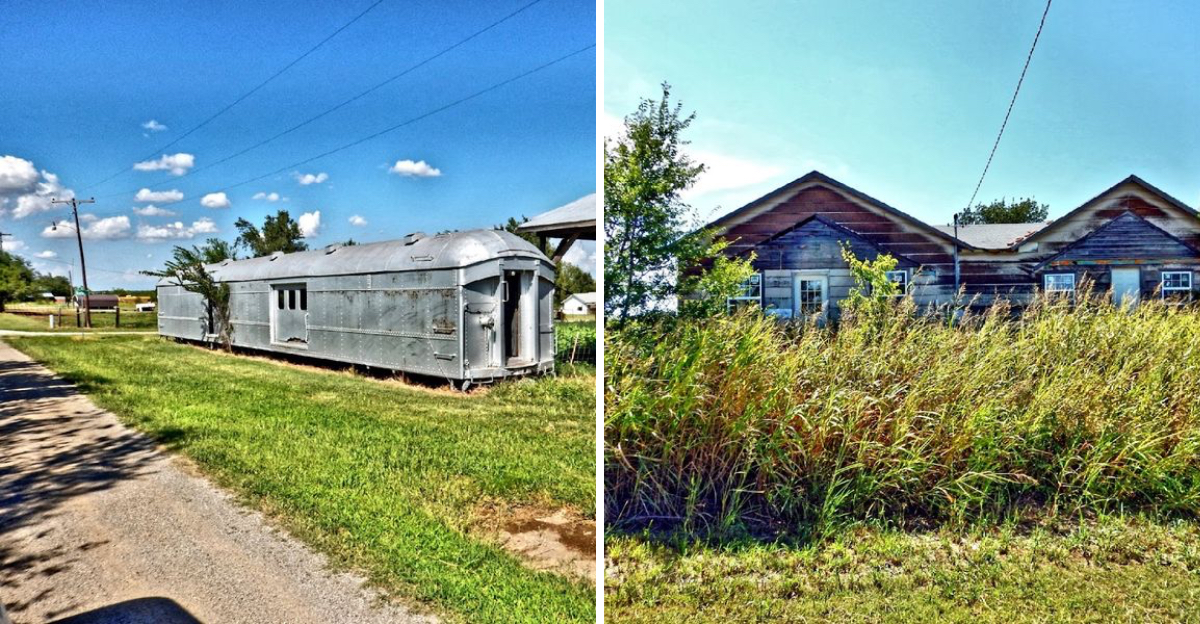
There’s something almost magical about stumbling onto a town so small it barely registers on most maps. Lucien, Oklahoma is one of those places that makes you slow down, take a breath, and remember what simplicity feels like.
With a population hovering around 66 people, this tiny census-designated place in Noble County isn’t trying to be anything other than what it is: genuine, quiet, and refreshingly unpretentious. You won’t find tourist traps or overcrowded attractions here.
What you will find is wide-open sky, endless fields that stretch farther than your eye can follow, and a sense of peace that’s harder to come by these days.
If you’ve been craving an escape from the noise and chaos of everyday life, this little corner of northern Oklahoma might just be the reset button you didn’t know you needed.
A Population That Knows Your Name

Walking through Lucien feels like stepping into a place where everyone still waves from their porch. With just 66 residents, this isn’t a town where you blend into the crowd.
It’s a place where neighbors know each other’s stories, and strangers become friends over a quick conversation at the post office or grain elevator.
The intimacy of such a small population creates a warmth that’s hard to replicate anywhere else. There’s no rush, no pretense, just people living their lives at a pace that feels almost forgotten in today’s world.
You start to notice the little things: how the same trucks pass by at the same time each day, how folks take time to chat instead of scrolling through their phones.
This kind of community might seem unusual if you’re used to city life, but it’s exactly what makes Lucien special. The simplicity here isn’t about lacking things to do.
It’s about having space to breathe, think, and connect without the constant hum of distraction. If you’ve ever wondered what it’s like to live somewhere where people still look out for one another, this tiny town offers a glimpse into that increasingly rare way of life.
Endless Prairie Views That Stretch Forever
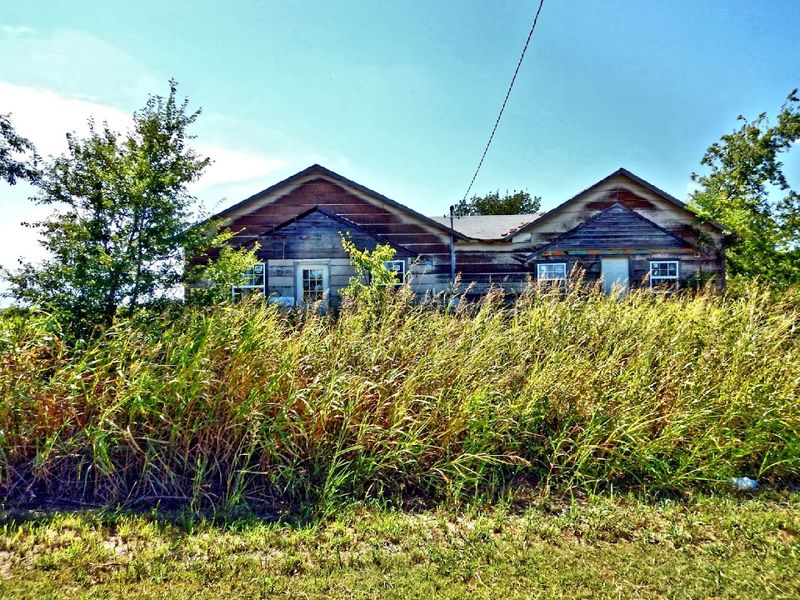
Stand anywhere in Lucien and you’ll understand why people fall in love with the Great Plains. The landscape here doesn’t compete for your attention with mountains or forests.
Instead, it offers something equally powerful: space. Miles and miles of open fields roll out in every direction, interrupted only by the occasional farmhouse or line of trees marking a distant creek.
The sky becomes the main character out here. On clear days, it’s a blue so deep it almost hurts to look at.
During sunrise and sunset, the horizon lights up in shades of pink, orange, and purple that no photograph ever quite captures correctly. You realize how much sky you’ve been missing when buildings and trees aren’t blocking your view.
This kind of landscape isn’t for everyone, and that’s perfectly fine. Some people need variety and constant visual stimulation.
But if you’re the type who finds peace in simplicity, who can sit and watch clouds move across an open sky without needing anything else, then these prairie views will speak to something deep inside you. There’s a meditative quality to all that openness, a reminder that sometimes less really is more.
People talk about Oklahoma sunsets like they’re exaggerating, but then you see one yourself and realize the hype is actually justified. Out in Lucien, where nothing blocks your view and the sky takes up about three-quarters of everything you see, sunset becomes a daily event worth stopping for.
The colors start subtle, just a hint of gold creeping into the blue. Then suddenly the whole western sky explodes into shades that don’t seem like they should exist in nature: deep oranges bleeding into hot pinks, purples layering over golds, clouds catching fire from underneath.
The flatness of the landscape means you get the full show, horizon to horizon, with nothing cutting off the edges.
What makes these sunsets special isn’t just the colors. It’s the way they force you to pause.
You can’t scroll through a sunset. You can’t multitask through one.
You either watch it or you miss it, and somehow that simple fact makes you more present than you’ve been all day. Stand outside in Lucien as the sun goes down and you’ll understand why people have been gathering to watch this daily miracle since humans first walked upright.
Quietness That Actually Lets You Hear Yourself Think
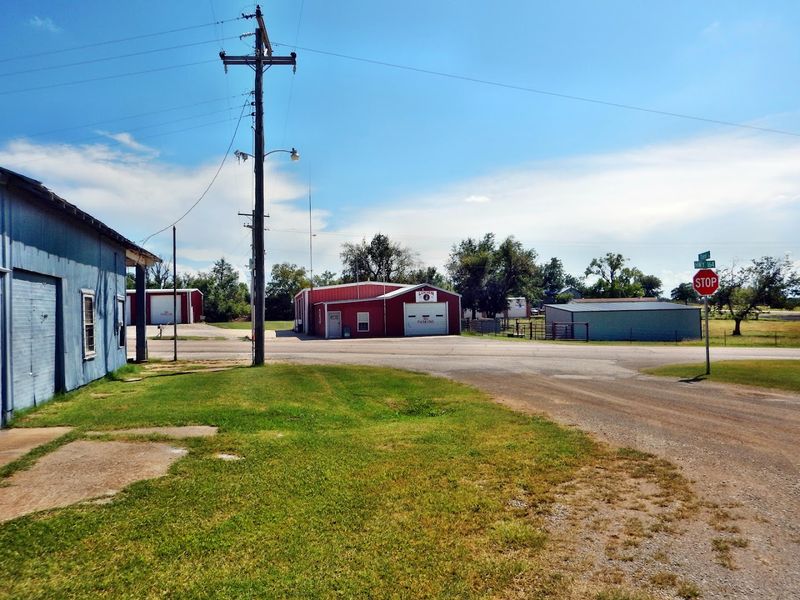
The first thing you notice in Lucien is the absence of noise. No traffic rumble, no sirens, no constant background hum of civilization.
Just wind moving through grass, birds calling to each other, and maybe the distant sound of a tractor working a field. It’s the kind of quiet that city dwellers sometimes find unsettling at first.
But give it time, and that silence becomes something you crave. Your mind stops racing quite so fast.
Thoughts that usually get drowned out by daily chaos suddenly have room to surface. You realize how much mental energy you spend just filtering out noise, and what a relief it is when you don’t have to.
This isn’t the manufactured quiet of a spa or meditation retreat. It’s the real deal, the kind that comes from being genuinely far from the things that make noise.
At night, the stars come out in numbers you’ve probably forgotten existed, and the darkness is so complete you can actually see the Milky Way. That combination of silence and space does something to your nervous system, something that feels like finally exhaling after holding your breath for too long.
Lucien exists because of agriculture, and that foundation hasn’t changed in over a century. The land around this tiny community produces wheat, hay, and cattle, just as it has for generations.
Driving through the area, you’ll see working farms with equipment that ranges from vintage to modern, all still doing the job they were built for.
The grain elevators that punctuate the horizon aren’t just landmarks. They’re active parts of the local economy, places where farmers still bring their harvest and where the rhythm of planting and reaping dictates the calendar.
There’s something grounding about being in a place where people still work directly with the land, where the weather isn’t just small talk but a matter of livelihood.
You don’t need to be a farmer to appreciate this connection to the earth. Even as a visitor, you can feel the difference between a place that’s built on authentic labor and one that’s been manufactured for tourists.
The fields around Lucien tell stories of hard work, resilience, and a way of life that refuses to disappear despite how much the world has changed. It’s honest work creating real things, and that honesty seeps into everything about this place.
Historic Roots in Noble County Territory
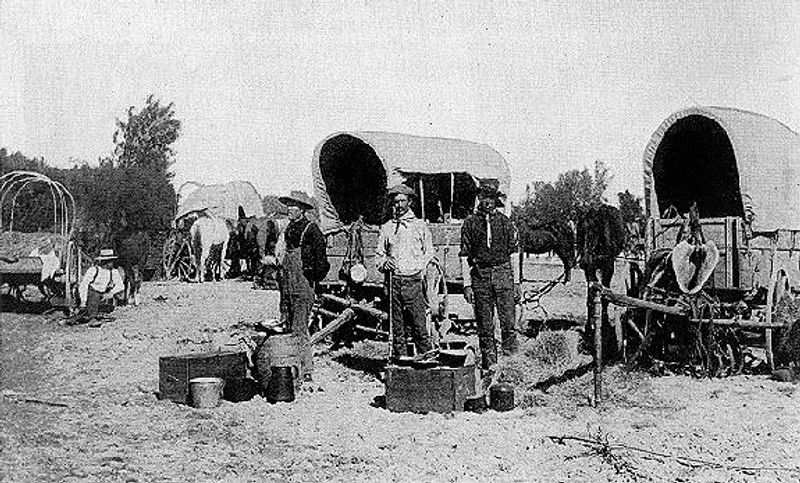
Lucien’s history is tied directly to the opening of the Cherokee Outlet in 1893, when thousands of settlers rushed into northern Oklahoma to claim land.
The area around what would become Lucien was part of that massive land run, and the town itself emerged as a small agricultural community serving the surrounding farms and ranches.
While Lucien never grew into a major town, its survival over more than a century tells its own story. Many small communities from that era have disappeared completely, leaving nothing but foundations and memories.
Lucien persists, smaller than it once was perhaps, but still here, still home to people who’ve chosen this particular patch of prairie over anywhere else.
The buildings you see aren’t museum pieces. They’re working structures, homes and barns that have weathered decades of Oklahoma storms and summers.
There’s something moving about places that carry their history quietly, without making a big show of it. You won’t find historical markers on every corner or guided tours of restored buildings.
Instead, you get the real thing: a living community that happens to have roots stretching back over a hundred years.
Wide Open Roads With Zero Traffic Jams
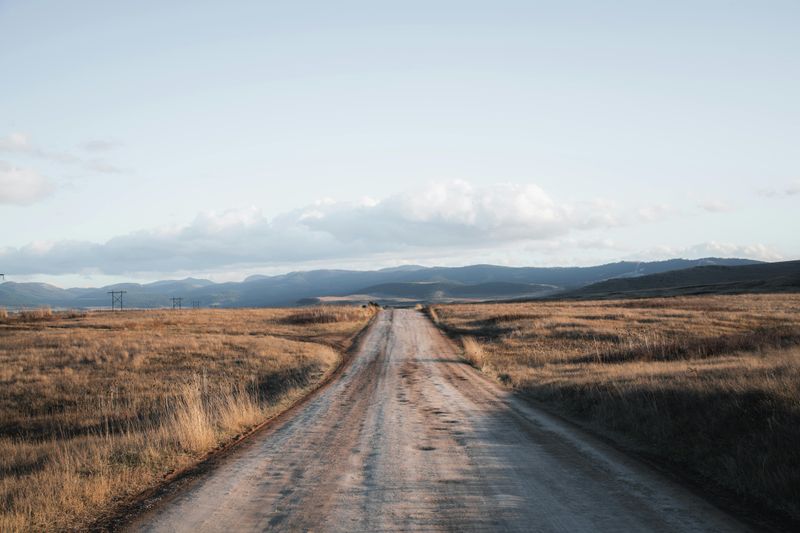
Driving around Lucien is an experience that feels almost foreign if you’re used to city traffic. The roads stretch out straight and empty, sometimes for miles without another vehicle in sight.
You can actually see other cars coming from far enough away that you have time to wonder where they’re headed and what their story might be.
These aren’t scenic byways designed for tourists. They’re working roads that connect farms to towns, neighbors to neighbors, people to the places they need to go.
But that functionality doesn’t make them any less beautiful. The straightness of the roads emphasizes the flatness of the land, creating compositions that feel almost abstract in their simplicity.
There’s a freedom in driving roads like these. No one’s tailgating you, no one’s honking, no traffic lights control your pace.
You set your own speed and watch the landscape roll by at whatever rhythm feels right. It’s meditative in a way that highway driving never is, even when you’re just running errands.
The journey becomes as important as the destination, maybe more so, because out here the journey is most of what there is.
Oklahoma weather is famous for its mood swings, and Lucien sits right in the heart of where those moods play out most dramatically. Spring brings thunderstorms that roll across the plains like something out of a movie, clouds piling up into towers that seem impossibly tall.
Summer heats everything to a shimmer, the kind of dry heat that makes the horizon waver and dance.
Fall arrives with crisp mornings and that particular quality of light that photographers spend their whole lives trying to capture. Winter can be surprisingly harsh, with winds that come screaming across those open fields without anything to slow them down.
Each season has its own personality, its own way of interacting with the landscape.
Living with weather like this requires a certain toughness, but it also creates an awareness of natural cycles that’s easy to lose in climate-controlled environments. You pay attention to the sky because it matters.
You learn to read clouds and wind direction because they tell you what’s coming. This connection to weather patterns is something humans used to have everywhere, and there’s something satisfying about being in a place where it still feels relevant and immediate rather than abstract.
Genuine Small-Town Hospitality Without the Tourist Act
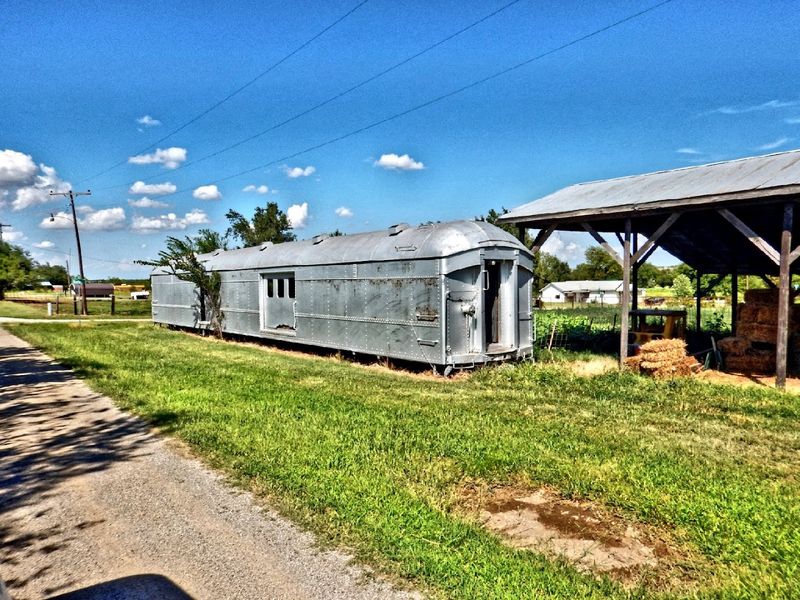
The hospitality in Lucien isn’t performed for visitors. It’s just how people are when they live in a place small enough that being rude to someone means you’ll probably see them again tomorrow.
Folks here will wave at your car even if they don’t know who you are, just because that’s what you do when someone passes by.
Stop to ask directions or chat for a moment, and you’ll likely get more help than you asked for, along with a story or two about the area. This isn’t the scripted friendliness of service workers trained to smile.
It’s the real thing, the kind of genuine interest in other humans that comes from living in a community where people still matter as individuals rather than as transactions.
That authenticity makes all the difference. You can feel when someone’s being nice because it’s their job versus when they’re being nice because that’s who they are.
In Lucien, you get the latter. The warmth here isn’t about making you spend money or leave a good review.
It’s about basic human decency and the kind of community values that seem increasingly rare but turn out to still exist in places like this.
Lucien sits in Noble County in northern Oklahoma, about an hour and a half drive north of Oklahoma City.
Getting here requires intention. You won’t stumble onto Lucien by accident or pass through it on your way to somewhere else.
It’s off the main highways, tucked into the agricultural heartland of the state where towns are few and far between. That isolation is part of its charm, part of what keeps it peaceful and authentic.
Noble County itself is classic Oklahoma prairie country, with more wheat fields than people and a landscape that’s been shaped by farming for over a century.
Lucien represents the best of what this region offers: space, quiet, genuine rural character, and a connection to the land that modern life often leaves behind.
If you’re looking for an escape that’s real rather than manufactured, this is where you’ll find it.
Dear Reader: This page may contain affiliate links which may earn a commission if you click through and make a purchase. Our independent journalism is not influenced by any advertiser or commercial initiative unless it is clearly marked as sponsored content. As travel products change, please be sure to reconfirm all details and stay up to date with current events to ensure a safe and successful trip.
