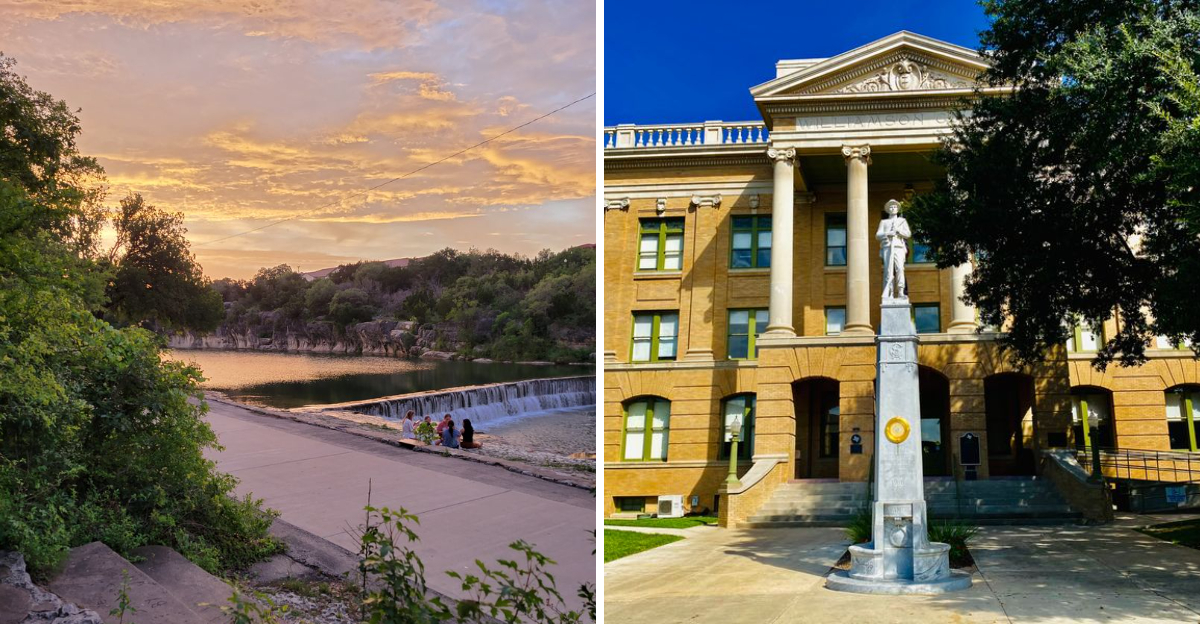
There is an easy rhythm to Georgetown that you notice almost right away. I spent a warm afternoon walking beneath massive oak trees, drifting toward the downtown square where everything seems to circle around the courthouse like it has for generations.
The Williamson County Courthouse rises in the center, all Victorian detail and Texas pride, anchoring a square filled with storefronts that are actually local. What I liked most was how natural it all felt.
People lingered on benches, shop owners chatted with customers, and no one seemed in a rush to be anywhere else. Even though Austin is just up the road, Georgetown holds onto its own pace and personality.
It manages to respect its history without feeling stuck in it, which gives the whole town a sense of balance. After a few hours there, I understood why so many people choose to come back for weekends, and why some decide not to leave at all.
Southwestern University Campus
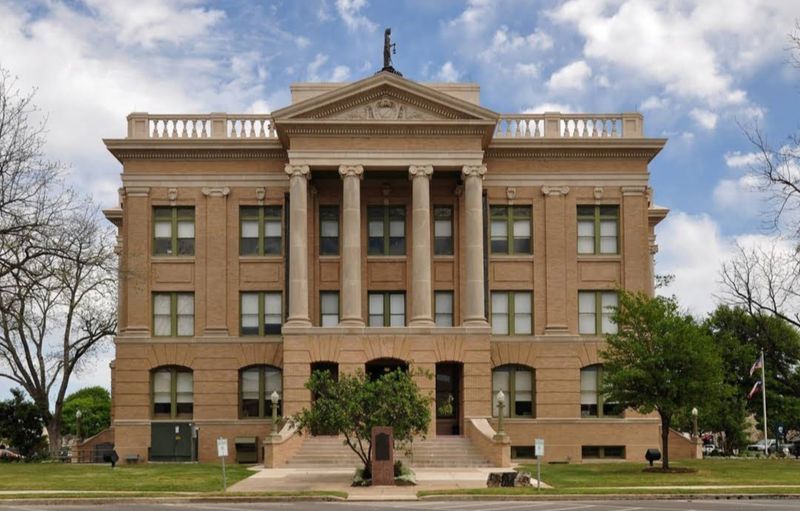
Southwestern University gives Georgetown an intellectual heartbeat that you can feel throughout the town.
Founded in 1840, it holds the distinction of being Texas’s first institution of higher learning, and walking through campus, you get the sense that education has been taken seriously here for a very long time.
The architecture alone is worth a visit, with buildings that range from historic red brick structures to more modern facilities that somehow manage to complement rather than clash with their older neighbors.
The Fountainwood Observatory sits on the eastern edge of campus, and if you time your visit right, you might catch one of their public viewing nights when they open the telescope to community members and visitors.
There’s something humbling about looking at distant stars and planets from a small Texas town, realizing that curiosity and wonder aren’t limited by geography or population size.
Even if you’re not here for an official campus tour, the grounds are open and welcoming. Students study under century-old oak trees, and the pathways connecting different buildings create a peaceful walking route.
The university hosts public lectures, theater productions, and concerts throughout the year, contributing to Georgetown’s cultural scene in ways that benefit everyone, not just enrolled students.
Blue Hole Park
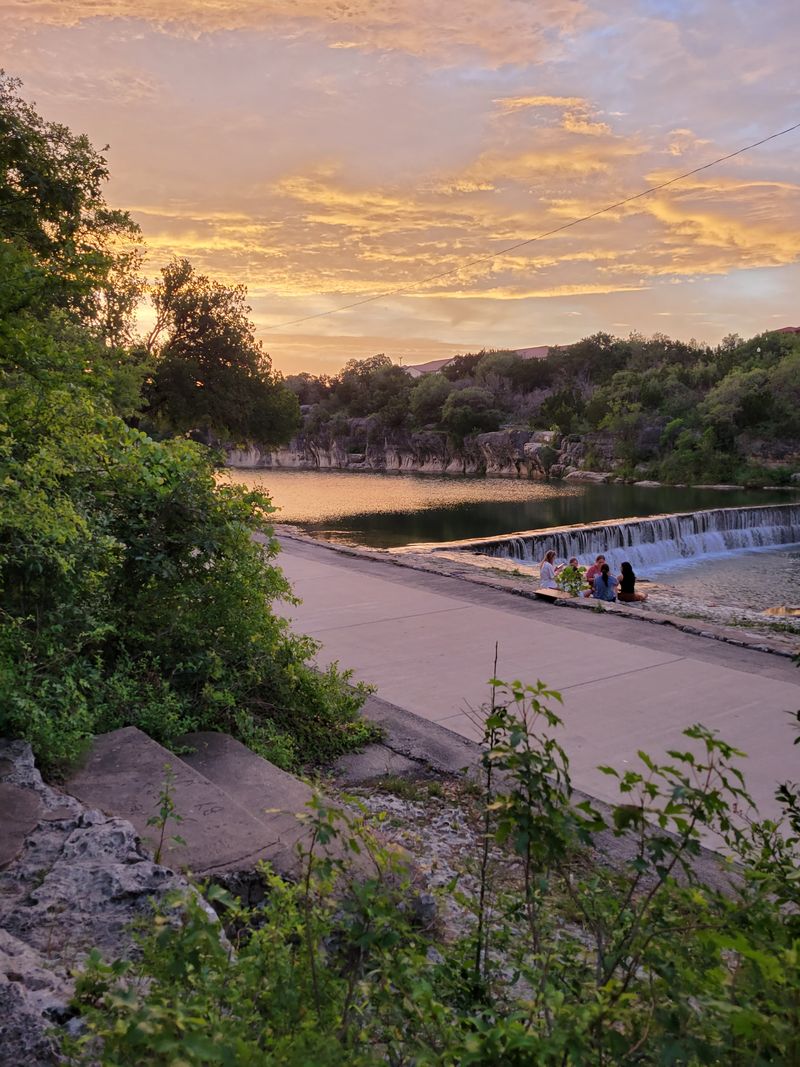
On a hot Texas day, and trust me there are plenty of those, Blue Hole Park becomes the town’s favorite escape. This natural swimming area along the San Gabriel River features crystal-clear water that stays surprisingly cool even when temperatures climb into the triple digits.
The first time I saw it, I understood immediately why locals guard this spot like a precious secret, though they’re generous enough to share it with visitors who respect the space.
The water gets its stunning blue-green color from the limestone bottom and the way sunlight filters through the canopy of cypress trees overhead. You can swim, wade, or just dip your feet while sitting on the rocky edges.
Families spread out blankets on the grassy areas nearby, and kids of all ages take turns jumping from the designated spots into the deeper sections. There’s something wonderfully democratic about this place where everyone from toddlers to grandparents can find their own way to enjoy the water.
The park itself is well-maintained without feeling overly manicured, striking that perfect balance between natural beauty and accessibility. Arrive early on summer weekends because parking fills up quickly, and the locals know exactly when to claim their favorite shady spots along the riverbank.
San Gabriel River Trail
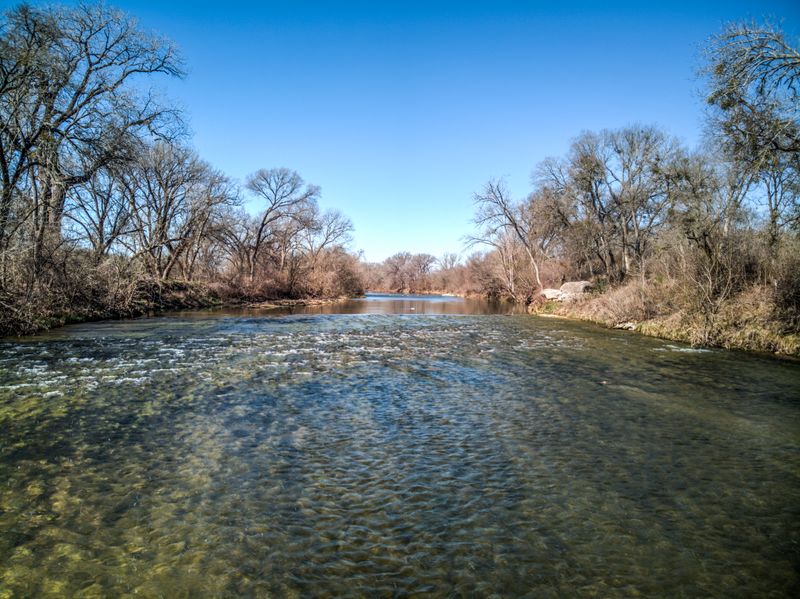
Following the San Gabriel River as it winds through Georgetown, this trail system offers miles of paved and natural paths perfect for walking, running, or cycling.
I’ve watched sunrise from different points along this trail, and each spot offers its own particular kind of beauty, whether it’s the way morning mist rises off the water or how the first light catches the limestone bluffs on the opposite bank.
The trail connects several parks and natural areas, making it possible to spend hours exploring without retracing your steps. You’ll pass under bridges, through wooded sections, and along open stretches where the river widens and slows.
Turtles sun themselves on logs, herons stand statue-still in the shallows waiting for fish, and if you’re quiet and lucky, you might spot deer coming down to drink in the early morning or late evening hours.
What makes this trail special is how it’s woven into daily life here. You’ll see serious athletes training alongside families with strollers, retirees taking their daily constitutional, and teenagers who’ve claimed certain benches as their after-school hangout spots.
The trail serves as Georgetown’s unofficial community center, a place where different generations and backgrounds share space and occasionally strike up conversations about the weather, the wildlife, or how much the town has grown.
Williamson Museum
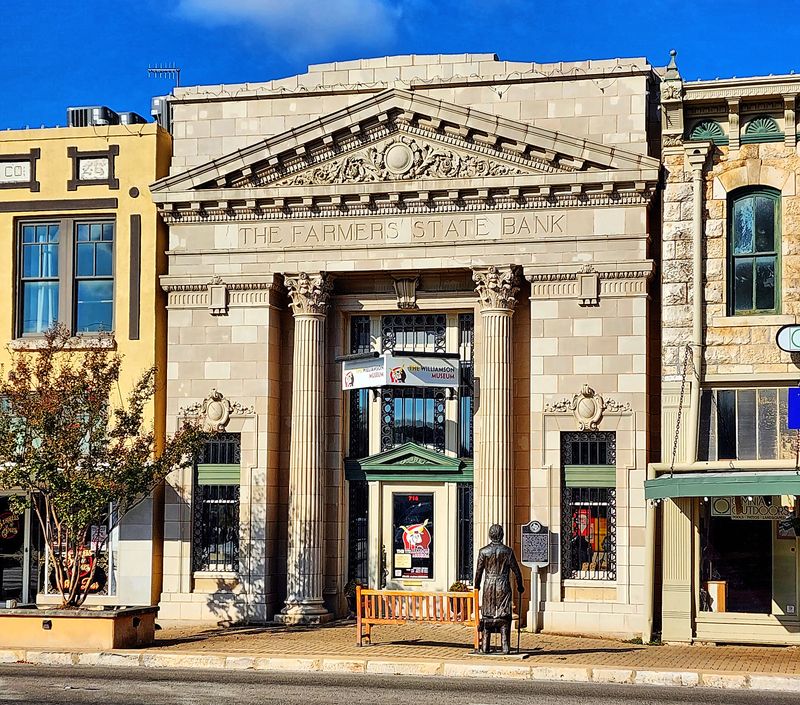
History comes alive at the Williamson Museum in ways that surprise you if you’re expecting dusty displays and long-winded plaques.
Located right on the courthouse square, this museum tells the story of Georgetown and Williamson County through artifacts, photographs, and exhibits that change regularly enough to give locals reasons to visit multiple times.
I spent way longer here than I planned, getting lost in old photographs of downtown when it was just dirt roads and horse-drawn wagons.
The museum does an excellent job of covering different aspects of local history, from the indigenous peoples who first called this area home to the Swedish immigrants who arrived in the 1800s, bringing their own traditions and skills that shaped the community’s development.
You’ll learn about the railroad’s impact, the establishment of Southwestern University, and how Georgetown evolved from a small agricultural center into the thriving town it is today.
What I appreciated most was how the exhibits acknowledge both the proud moments and the difficult chapters of local history without sanitizing or oversimplifying either. The staff and volunteers are incredibly knowledgeable, often sharing stories and context that aren’t included in the written materials.
If you want to understand what makes Georgetown tick, this museum provides essential background that enriches everything else you’ll see and experience around town.
Downtown Historic District
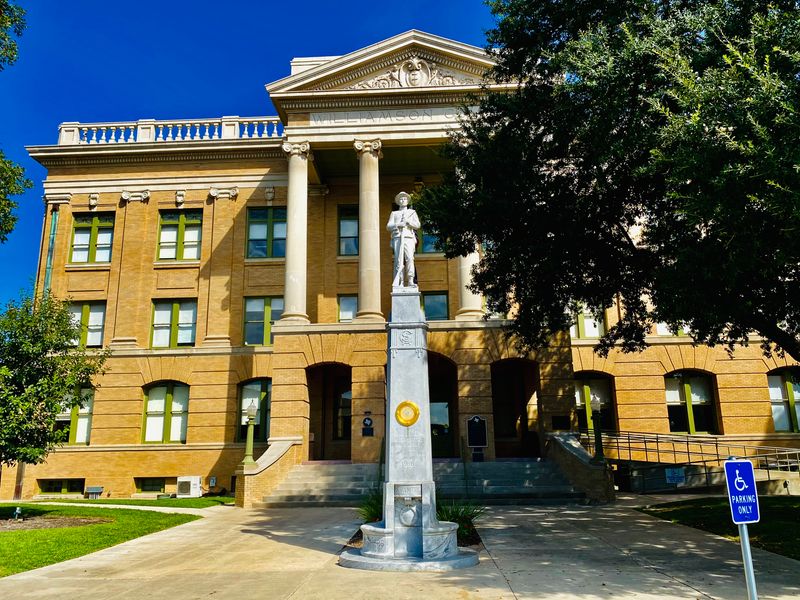
Walking through Georgetown’s Downtown Historic District feels like stepping onto a movie set, except everything here is real and lived-in. The centerpiece is the 1911 Williamson County Courthouse, a stunning example of Classical Revival architecture that commands attention without trying too hard.
I spent a good hour just circling the square, admiring how the building’s limestone facade catches the light differently as the sun moves across the sky.
Around the courthouse, you’ll find blocks of beautifully preserved buildings housing coffee shops, boutiques, restaurants, and art galleries. What makes this different from other historic districts is that these aren’t museum pieces.
People actually shop here, eat here, and gather on the sidewalks to chat with neighbors. The storefronts change with the seasons, decorated for holidays and local events, giving the whole area a living, breathing quality.
The sidewalks are wide and shaded by massive oak trees that have probably witnessed more Georgetown history than any guidebook could tell you. On weekends, the square comes alive with farmers markets, live music, and community events that draw families from all over the county.
It’s the kind of place where you can easily lose track of time, and honestly, that’s exactly the point.
Georgetown Square Shops and Eateries
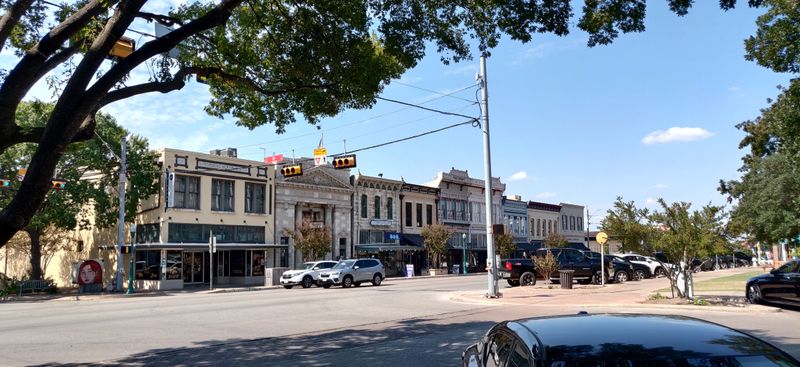
The shops and restaurants surrounding Georgetown’s square represent the kind of local business culture that’s become increasingly rare in our chain-dominated landscape. You won’t find the same stores here that you’d see in every other Texas town, and that’s entirely the point.
Each business has its own personality, whether it’s a bookstore where the owner actually reads and can recommend titles based on your tastes, or a gift shop specializing in Texas-made products that go way beyond the typical souvenir kitsch.
The restaurants range from casual lunch spots perfect for a quick bite between errands to nicer establishments where you might celebrate a special occasion. What they share is a commitment to quality and a connection to the community that shows in how they source ingredients and treat their customers.
I’ve had memorable meals at several places around the square, and what strikes me is how the food reflects both Texas traditions and contemporary tastes without trying too hard to be trendy.
Shopping here becomes less about checking items off a list and more about discovery. You might find handcrafted jewelry, vintage home decor, or locally roasted coffee beans that become your new obsession.
The owners know their regular customers by name, and they’re genuinely interested in helping visitors find what they need or introducing them to something they didn’t know they wanted.
Lake Georgetown

Just west of town, Lake Georgetown spreads across thousands of acres, offering a different kind of escape than the river-based recreation closer to downtown. Created by a dam on the North Fork of the San Gabriel River, this reservoir has become a hub for boating, fishing, camping, and wildlife watching.
The first time I drove up to one of the overlooks and saw the lake stretching into the distance with the Texas Hill Country rising beyond, I understood why people come here to reset and recharge.
Multiple parks surround the lake, each with its own character and amenities. Some are perfect for families with playground equipment and easy swimming access, while others cater more to serious anglers or campers seeking quieter, more primitive experiences.
The lake is known for good bass fishing, and on any given weekend, you’ll see boats dotting the water, their occupants patiently working different spots and techniques.
The trails around Lake Georgetown range from easy walks suitable for young children to more challenging hikes that reward your effort with spectacular views. Cedar and oak trees provide shade along many sections, and the terrain varies enough to keep things interesting.
Whether you’re looking to spend a full day on the water or just want to watch the sunset from the shore, the lake offers options for every energy level and interest.
Victorian Architecture Tour
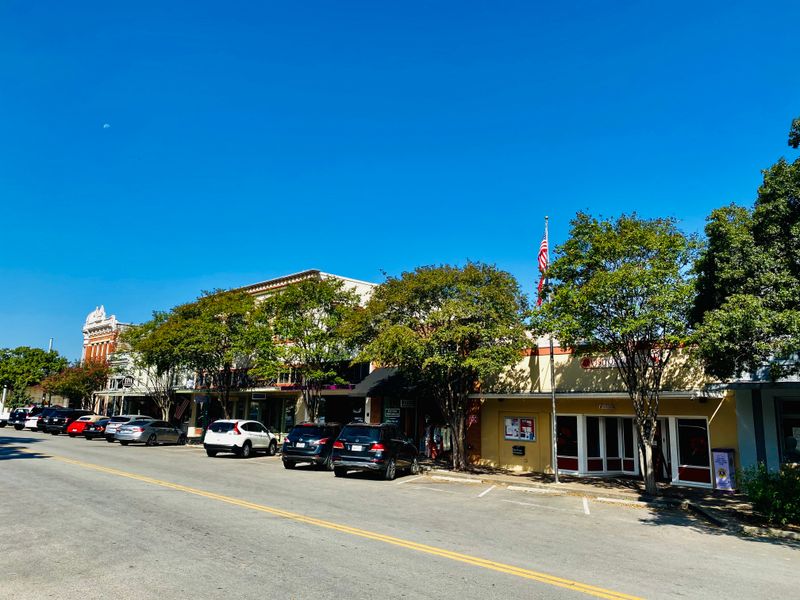
Georgetown’s residential streets showcase some of the most beautiful Victorian architecture in Central Texas, and you don’t need an official tour guide to appreciate it, though the self-guided walking tour maps available at the Visitor Center definitely help identify the most significant homes.
These houses tell stories about the people who built them, the craftsmen who added decorative details, and the families who’ve maintained them through generations of Texas summers and occasional harsh winters.
The architectural styles vary from Queen Anne with their turrets and wraparound porches to simpler Folk Victorian designs that working-class families could afford while still incorporating some decorative elements.
What fascinates me is how each house has its own personality expressed through color choices, gingerbread trim, stained glass windows, and the landscaping that frames the structure.
Some owners have restored their homes to period-accurate colors, while others have taken creative liberties that somehow still feel right.
Walking these neighborhoods, especially in the early morning or late afternoon when the light is softer, gives you a sense of how Georgetown has preserved its character while adapting to modern life.
Many of these historic homes are still private residences where families live and children play in yards shaded by trees that were probably planted when the houses were new.
It’s living history in the truest sense, not preserved behind velvet ropes but integrated into daily life.
Community Events and Festivals
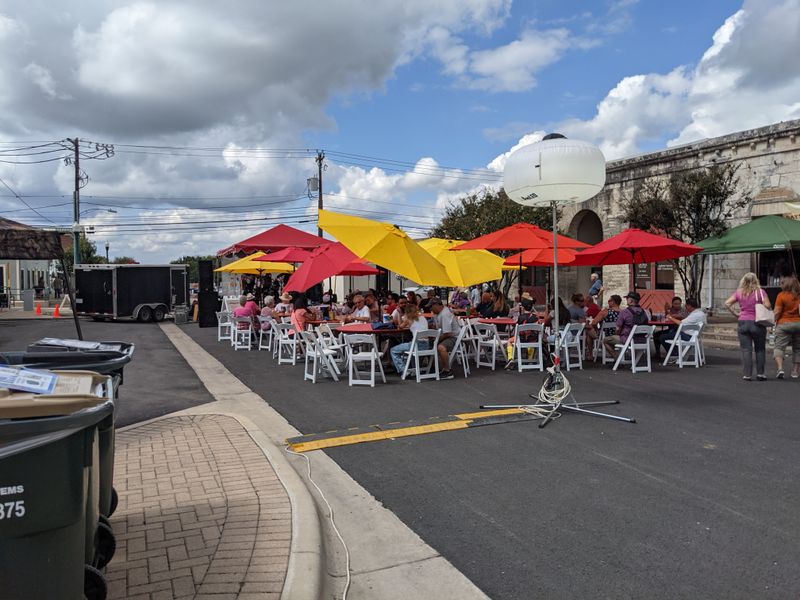
Georgetown’s calendar fills up with events that bring the community together in ways that feel genuinely inclusive rather than manufactured for tourist consumption.
The Red Poppy Festival each April transforms the town into a celebration of spring with art vendors, live music, food stalls, and of course, fields of red poppies blooming throughout the area.
I’ve attended twice now, and what strikes me is how the festival manages to draw huge crowds while maintaining a friendly, accessible atmosphere where you never feel overwhelmed or lost in an anonymous mass of people.
Throughout the year, other events take advantage of the downtown square’s natural gathering space. There are holiday celebrations, car shows, farmers markets that run weekly during growing season, and concerts where local and regional musicians perform everything from country to classical.
These aren’t slick, corporate-sponsored productions but rather community-organized gatherings that reflect Georgetown’s personality and values.
What I appreciate most about these events is how they create opportunities for connection. You might strike up a conversation with someone in line for food, watch kids from different neighborhoods play together in the courthouse lawn, or discover a new artist whose work you’ll follow for years.
The events strengthen the social fabric of Georgetown, reminding residents why they chose to live here and showing visitors what a functional, engaged community actually looks like in practice.
Dear Reader: This page may contain affiliate links which may earn a commission if you click through and make a purchase. Our independent journalism is not influenced by any advertiser or commercial initiative unless it is clearly marked as sponsored content. As travel products change, please be sure to reconfirm all details and stay up to date with current events to ensure a safe and successful trip.
