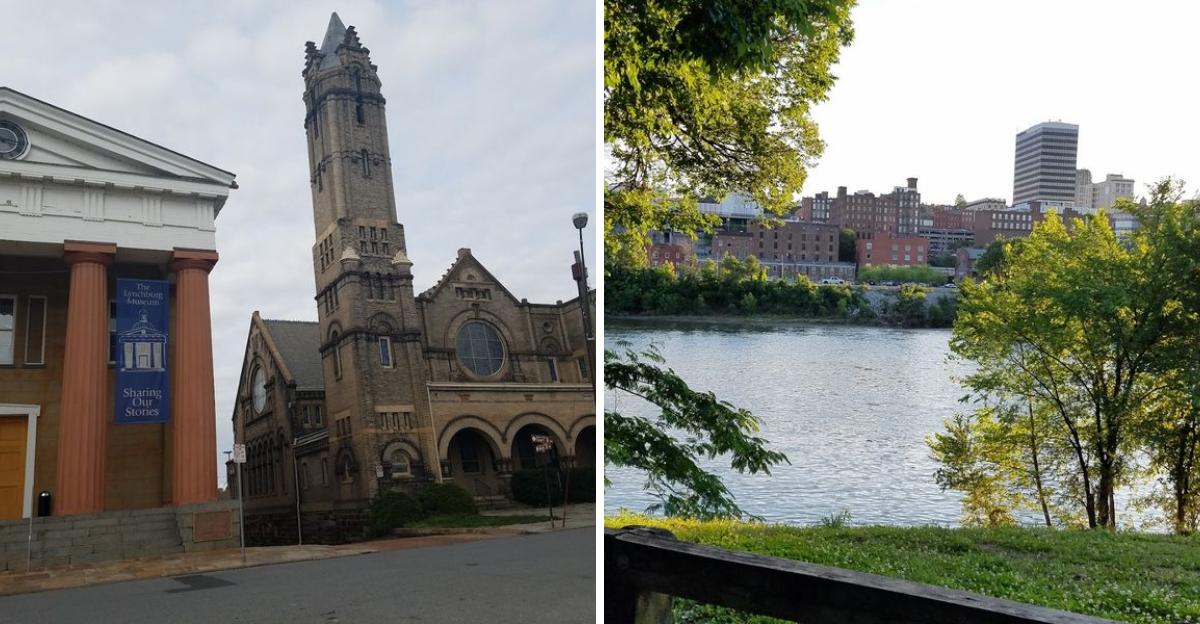
Finding an affordable place to live feels impossible these days. Rents are up everywhere, and the bills keep climbing.
But this Virginia city is different. For about $1,900 a month, you can cover rent, utilities, and everyday essentials.
That number is not a fantasy or a marketing trick. It is based on real data.
I have watched other cities become too expensive for the people who grew up there, but this one still offers a path to stability. The housing is affordable, the job market is steady, and the cost of living is lower than in many parts of the state.
You can live here without living paycheck to paycheck. That is rare these days.
Virginia has plenty of expensive cities. This one is not one of them.
Rent That Actually Makes Sense
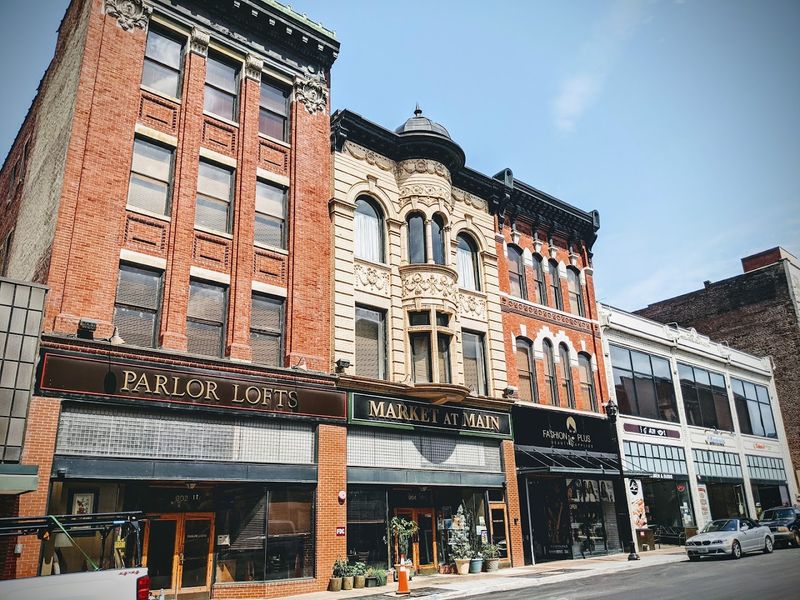
Finding an apartment that doesn’t make your wallet cry is practically a sport in most American cities. Lynchburg, Virginia flips that script completely.
One-bedroom apartments here regularly rent for well under $1,100 per month, and if you’re strategic about your search, you can lock in a comfortable space closer to $900.
The housing market in Lynchburg sits roughly 15 to 16 percent below the national average, which is genuinely remarkable for a Virginia city with this much character and convenience. That gap means real money staying in your pocket every single month.
Studios are plentiful for those traveling light through life, while two-bedroom units remain surprisingly wallet-friendly for roommates or small families. The neighborhoods near downtown and the riverfront offer solid options without the sky-high price tags you’d find in Northern Virginia.
My own apartment hunt here felt refreshingly low-stress. Choices were plentiful, landlords were responsive, and the quality-to-cost ratio felt almost too good to be true.
Lynchburg proves that affordable housing doesn’t have to mean settling for something grim or inconvenient.
Utility Bills That Won’t Shock You
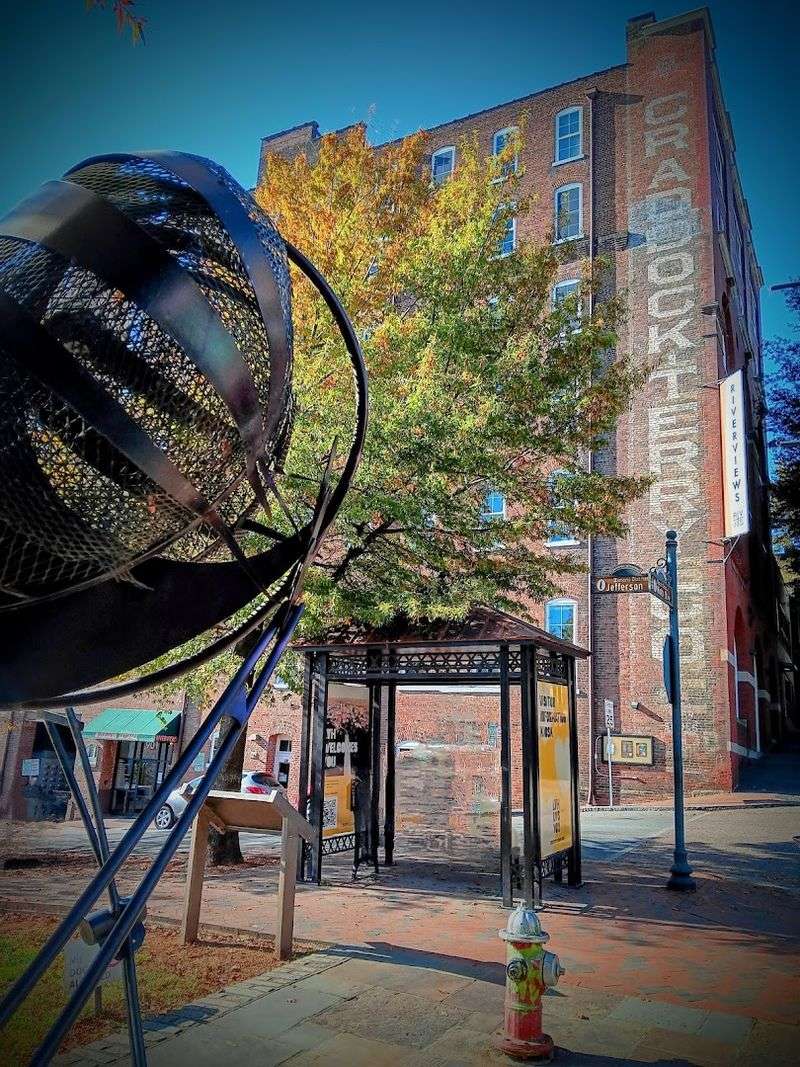
Utilities are the sneaky budget-buster most people forget to calculate when planning a move. Lynchburg, Virginia keeps most of those costs manageable, though electricity runs slightly above the national average, so it’s worth knowing upfront.
Monthly electricity costs typically land between $186 and $266 for a standard residential unit, depending on season and usage habits. Virginia summers can push that number upward, so energy-efficient habits genuinely pay off here.
Water and sewer charges are refreshingly low, with a base monthly service fee under $10 and per-unit rates that keep most household bills modest. Internet service runs around $60 per month for reliable broadband, which is standard for the region.
Bundling all utilities together, a single person living sensibly can expect to spend roughly $320 to $400 per month total. That figure fits cleanly inside a $1,900 budget alongside rent, leaving meaningful room for groceries and daily life.
Lynchburg may not offer the cheapest electricity in Virginia, but the overall utility picture remains one of the more balanced I’ve encountered in any mid-sized American city worth actually living in.
Groceries Without the Grocery Store Guilt
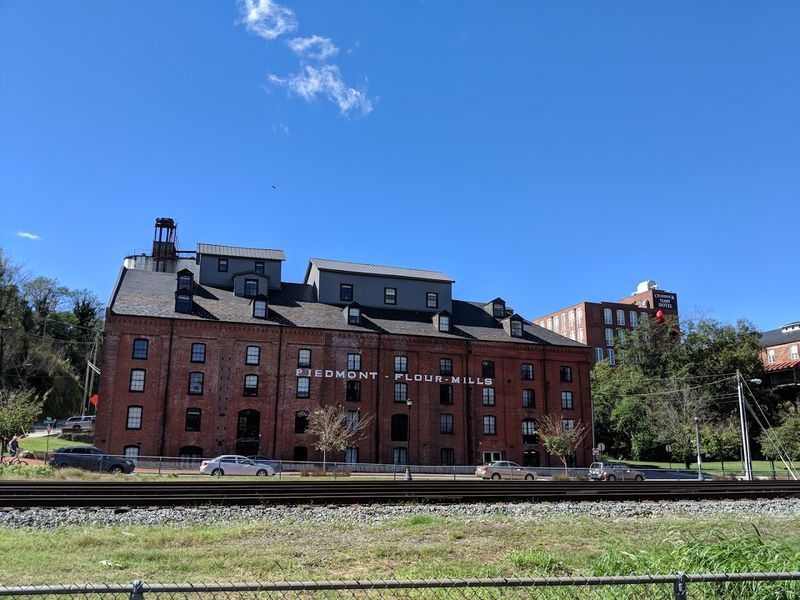
Grocery shopping in Lynchburg, Virginia carries a refreshing lack of drama. Prices here run about 4 to 5 percent below the national average, which translates to real savings over the course of a month without requiring extreme couponing or sad meal planning.
A single adult living frugally but not miserably can comfortably feed themselves for $250 to $350 per month. That budget covers fresh produce, proteins, pantry staples, and the occasional treat without white-knuckling through checkout.
Multiple grocery options exist across the city, giving residents flexibility in where they shop and how much they spend. Farmers markets in the warmer months add another layer of fresh, locally sourced produce at competitive prices that feel like a bonus for the whole community.
I genuinely enjoyed my grocery runs here. The stores are well-stocked, the lines move, and the prices don’t require a moment of silent prayer before reading the receipt.
For anyone building a lean monthly budget, the grocery category in Lynchburg is one of the easiest wins available. It’s a small thing, but it adds up to a noticeably lighter financial load every single week.
Getting Around Town on the Cheap
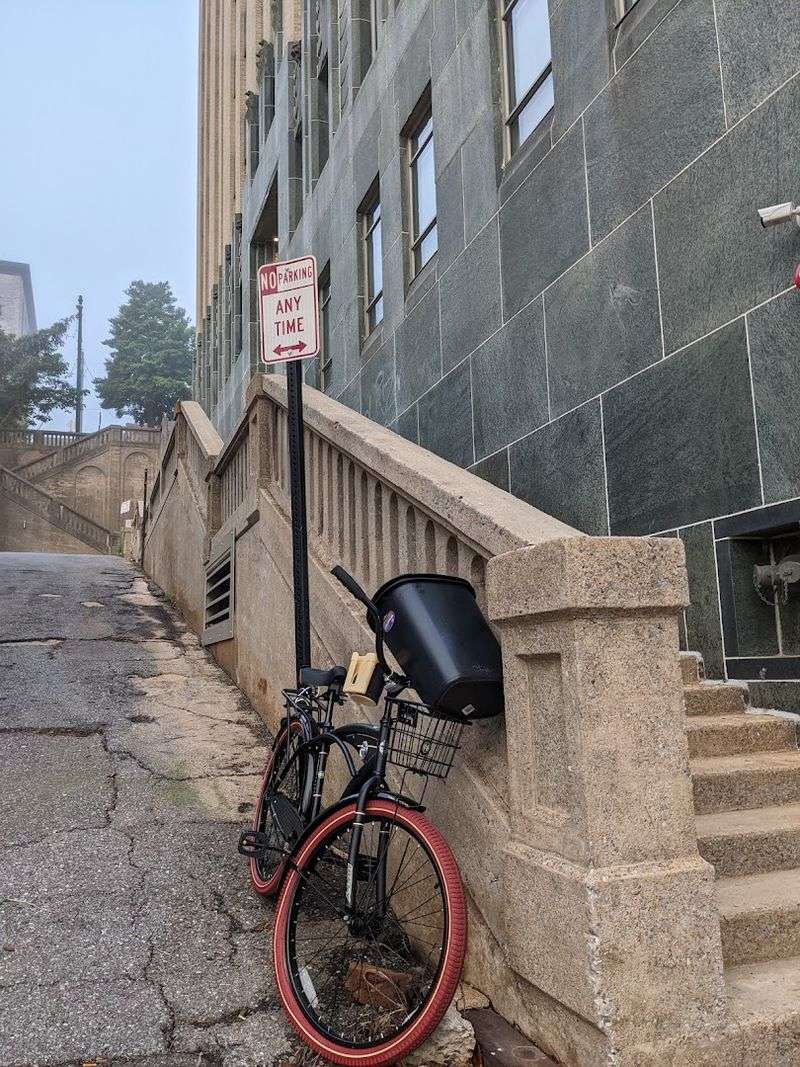
Transportation costs in Lynchburg, Virginia run about 11 to 12 percent below the national average, making daily commuting far less painful than in most comparable cities. Gas prices hover around $2.93 per gallon, which is a genuine relief for anyone driving a personal vehicle.
The Greater Lynchburg Transit Company, known locally as GLTC, provides affordable bus service connecting key neighborhoods, downtown, and major destinations across the city. For residents who don’t need a car every single day, a combination of bus rides and occasional ridesharing through Uber or Lyft covers most transportation needs without breaking the budget.
The city’s relatively compact layout also makes it surprisingly walkable and bikeable in certain neighborhoods, especially near downtown and the James River area. Running errands on foot or two wheels is genuinely practical here in a way that many Virginia cities simply can’t match.
Allocating around $75 per month for transportation is realistic for a frugal resident using public transit as a primary option. That’s a staggeringly low number compared to car-dependent metros, and it frees up meaningful dollars for other parts of daily life in Lynchburg.
Healthcare Costs Worth Knowing About
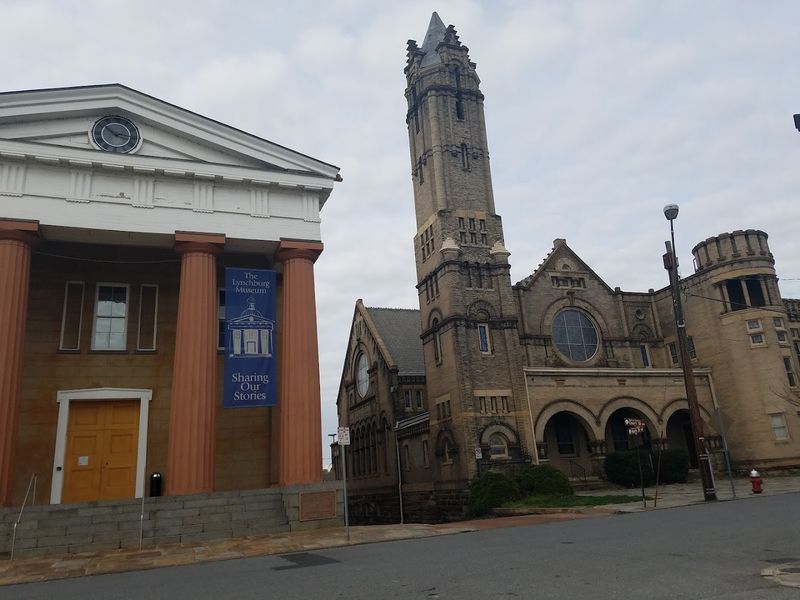
Healthcare is the one budget category in Lynchburg, Virginia that nudges slightly above the national average, running about 5 percent higher. It’s not dramatic, but it’s worth factoring honestly into any monthly budget calculation before making a move here.
A single adult can expect to spend roughly $153 per month on healthcare-related costs, which includes insurance premiums, copays, and basic medical needs. That figure assumes relatively good health and routine care rather than ongoing treatment for complex conditions.
Lynchburg’s healthcare infrastructure is actually quite strong for a city of its size. Centra Health operates multiple facilities across the region, providing residents with access to a broad range of medical services without needing to travel to larger Virginia cities like Richmond or Roanoke.
Planning for that $153 monthly healthcare allocation within a $1,900 total budget is absolutely doable, especially when rent, groceries, and transportation all come in under their national averages. The slight healthcare premium feels manageable when viewed against the broader savings this city delivers across every other major spending category.
Lynchburg balances its books well enough that one elevated line item doesn’t derail the whole financial picture.
Entertainment That Earns Its Keep
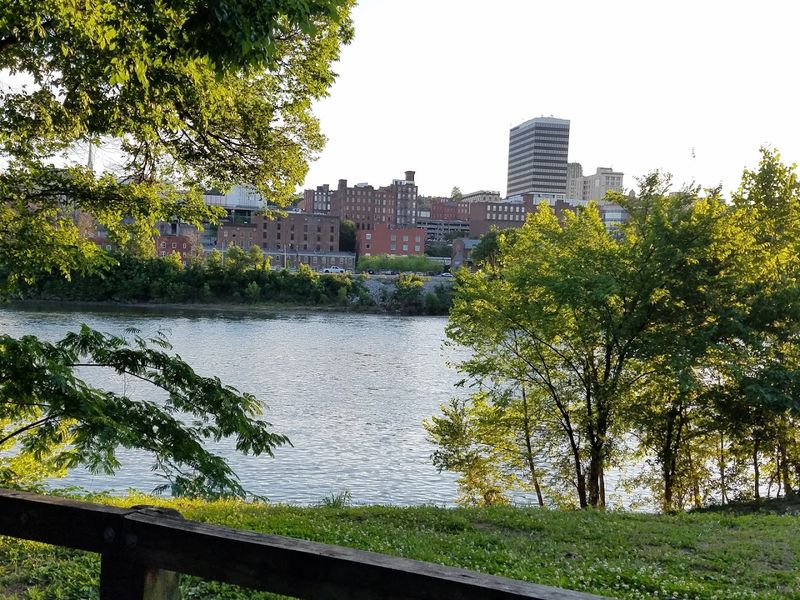
Living on a budget doesn’t mean staring at the ceiling on weekends. Lynchburg, Virginia packs a genuinely impressive lineup of entertainment options that won’t demand much from your wallet at all.
Amazement Square near the James River is a wildly fun interactive children’s museum with a climbing tower that adults secretly want to use too. Point of Honor, the stunning Federal-style historic home, offers a fascinating window into early American life with period furnishings and beautifully preserved architecture.
Outdoor recreation is essentially free here. The James River trails, Blackwater Creek Natural Area, and Percival’s Island offer miles of hiking, cycling, and riverside exploration that cost nothing but time and good shoes.
The Blue Ridge Mountains sit close enough for day trips that feel like full vacations.
A movie ticket runs around $15, a haircut costs about $15, and dry cleaning comes in at roughly $14. Goods and services broadly run 2 to 3 percent below the national average, so discretionary spending stretches further than expected.
Lynchburg makes it easy to have a genuinely full social and recreational life without blowing past a $1,900 monthly budget.
The Historic Heart of the City
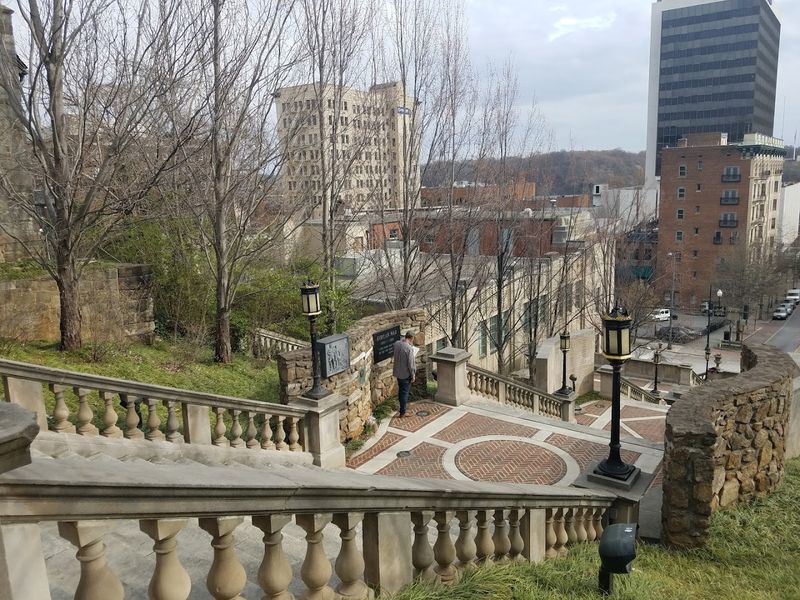
History practically seeps from the sidewalks in Lynchburg, Virginia, and exploring it costs surprisingly little. The 1806 Old City Cemetery is one of the most atmospheric places I’ve wandered in the entire state, with a beautifully maintained arboretum featuring antique roses that bloom with quiet, unhurried dignity.
The Legacy Museum of African American History adds essential cultural depth to the city’s story, exploring the experiences, contributions, and resilience of Black Virginians across multiple centuries. It’s a genuinely moving and thoughtfully presented institution that deserves far more national recognition than it currently receives.
Architecture enthusiasts will find plenty to admire in Lynchburg’s historic districts, where Federal, Victorian, and early 20th-century buildings line the streets in remarkable states of preservation. The city takes its built heritage seriously, and it shows in every well-maintained facade and restored storefront.
Spending an afternoon wandering these historic streets costs nothing but curiosity. For residents watching a tight budget, free cultural enrichment is a genuine quality-of-life multiplier.
Lynchburg delivers that in abundance, making it one of Virginia’s most rewarding cities for anyone who loves history and refuses to overpay for the pleasure of experiencing it.
Poplar Forest and the Jefferson Connection
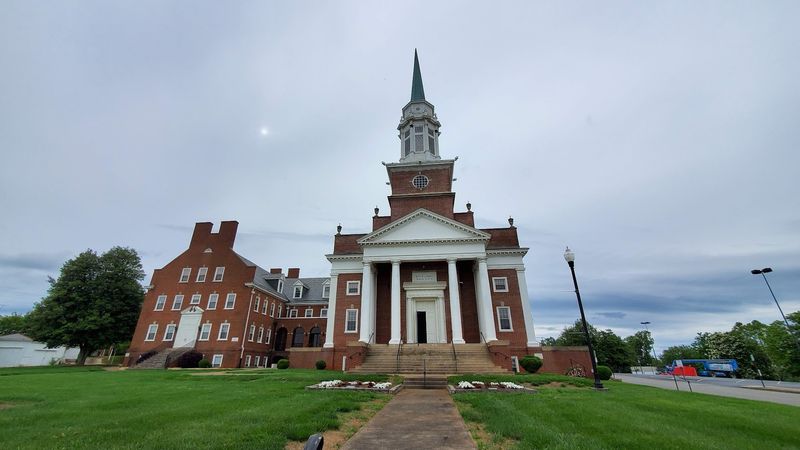
Just southwest of Lynchburg, Virginia sits one of the most underappreciated architectural treasures in the entire country. Poplar Forest was Thomas Jefferson’s personal neoclassical retreat, a place he designed himself and escaped to when the constant traffic of Monticello became too much even for a Founding Father.
The octagonal design is unlike anything else Jefferson built, reflecting his obsession with geometry, light, and the relationship between architecture and the natural landscape. Restoration work has been ongoing for years, and the results are quietly spectacular.
Visiting Poplar Forest gives a genuinely intimate glimpse into Jefferson the man rather than Jefferson the monument. The scale is human, the setting is pastoral, and the story of its preservation is its own kind of inspiring chapter in Virginia’s long historical narrative.
For residents of Lynchburg living on a careful budget, Poplar Forest represents exactly the kind of enriching, affordable day out that makes this city feel like such a smart place to land. Admission is modest, the grounds are beautiful, and the experience lingers long after you’ve driven back home.
Few Virginia cities offer this level of historic access this close to the front door.
The James River Running Through It All
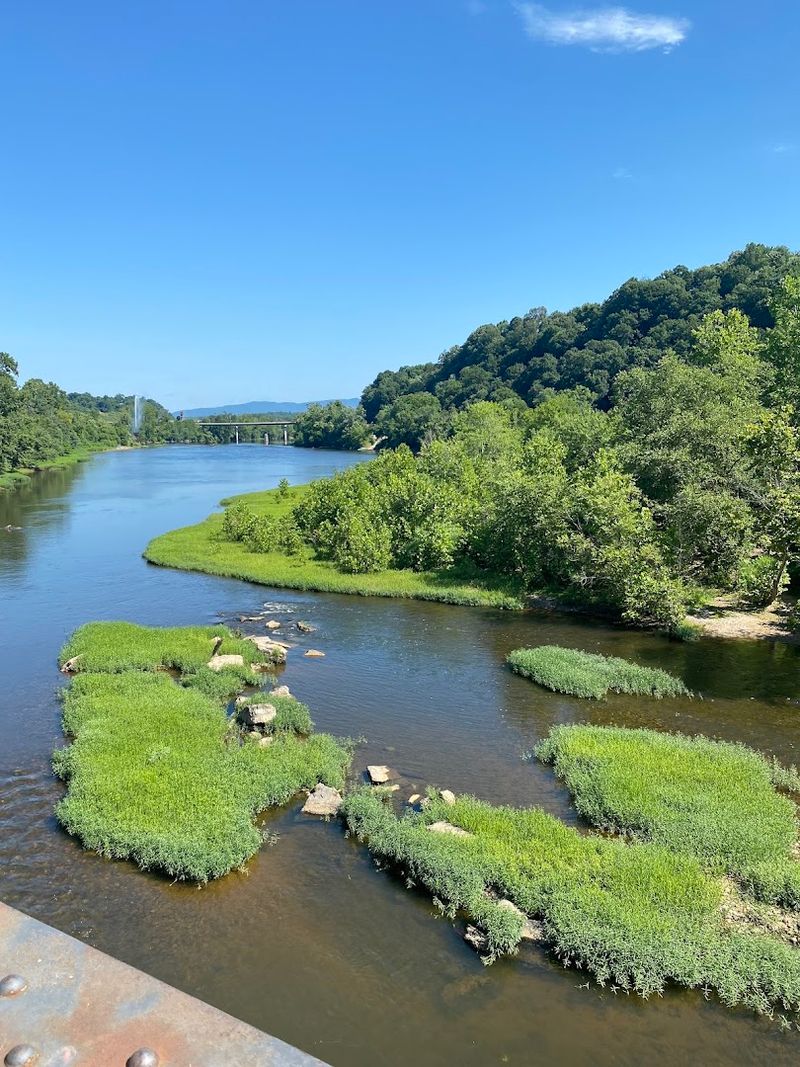
The James River is Lynchburg’s greatest free amenity, and it’s spectacular. Running right through the city, the river anchors an entire outdoor lifestyle that residents access without spending a single dollar beyond the gas to drive to the trailhead.
Percival’s Island Natural Area sits in the middle of the James and offers a genuinely wild outdoor experience within city limits. Herons, eagles, and other wildlife share the trails with joggers and cyclists in a way that feels almost surreal for an urban setting.
Kayaking and canoeing are popular on calmer stretches of the river, and rentals are available at reasonable rates for those who don’t own their own gear. The riverfront also connects to broader trail networks that extend well beyond the city, making Lynchburg a legitimate base for outdoor adventure in Virginia.
Living affordably doesn’t mean living without beauty, and the James River proves that point emphatically every single morning. Watching the mist rise off the water at dawn from a trail that costs nothing to access is one of those simple pleasures that makes a $1,900 monthly budget feel remarkably rich.
Lynchburg earns serious lifestyle points here.
Why $1,900 Actually Works Here
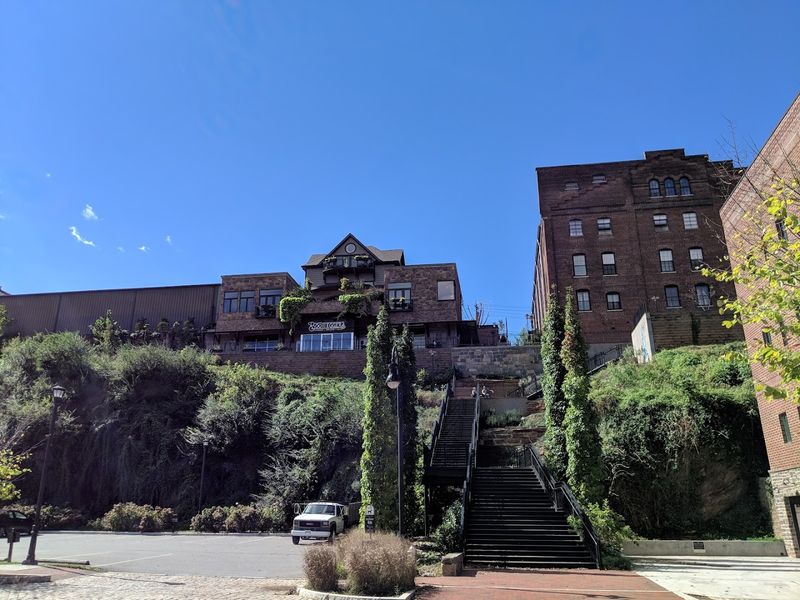
Putting the full budget picture together, Lynchburg, Virginia reveals itself as one of the most genuinely livable affordable cities in the entire state. Rent at roughly $900, utilities around $320 to $400, groceries near $250, transportation close to $75, and healthcare at $153 adds up to approximately $1,700 to $1,778 for core monthly expenses.
That math leaves $120 to $200 for personal care, clothing, entertainment, and the small surprises life inevitably delivers. It’s tight, no question, but it’s real.
A frugal, intentional person can absolutely live a full and satisfying life inside that number in this city.
The broader lifestyle value multiplies the financial story considerably. Free outdoor recreation, affordable history, a genuine community feel, and proximity to the Blue Ridge Mountains all add quality of life that no spreadsheet fully captures.
Lynchburg, Virginia sits at 37.4148819, -79.1422071, and its official city resource is available at lynchburgva.gov. For anyone serious about stretching their dollars in Virginia without sacrificing charm, culture, or outdoor beauty, this city deserves a very long, very honest look.
Pack light, budget smart, and let Lynchburg surprise you completely.
